REVIEW · TIRANA
Tirana: Traditional Cooking Class with Wine & Raki Tasting
Book on GetYourGuide →Operated by Go as Local · Bookable on GetYourGuide
Tirana has a funny way of turning ordinary days into stories, and this cooking class does it fast. It’s run by a brother-sister team (your English host is Sindi), with recipes built on generations of Albanian home cooking and a kitchen setup that’s ready before you even arrive.
What I really like is the hands-on focus: you learn to make Tave Kosi, Albania’s iconic lamb-and-rice dish, and you also get Lakror (the Albanian version of byrek) from scratch. The other big win is the food-and-drink pairing: homemade red wine and raki are part of the experience, not an afterthought.
One heads-up: the class is interactive and team-based, so you might end up eating a dish someone else in your group assembled. It’s still all your final meal, but it’s not always 100% end-to-end for each individual dish.
In This Review
- Key highlights to know before you go
- Family-Run Kitchen in Tirana: Meet Sindi and Get Into Albanian Home Cooking
- What You Cook in 4 Hours: Tave Kosi and Lakror That You Can Recreate
- Tave Kosi: the Independence Dish
- Lakror: the Albanian byrek-style savory
- Desserts and extra bites
- Wine and Raki Tasting: A Drink Pairing That Belongs to the Meal
- How the Class Works: Easy Steps, Clean Stations, and Real Attention to Dietary Needs
- Cooking in teams (and why that’s not a problem)
- Dietary considerations
- Price and Value in Tirana: Is $41 for 4 Hours Actually Fair?
- Best Fit: Who Should Book This Tirana Cooking Class
- What to Plan Before You Go: Small Tips That Make It Smoother
- Should You Book This Tirana Traditional Cooking Class?
- FAQ
- How long is the Tirana cooking class?
- How much does it cost?
- Is hotel pickup included?
- What drinks are included?
- What dishes will I learn to make?
- Is the instructor an English speaker?
- Do you provide ingredients and equipment?
- Will I get recipes to take home?
- Can the host accommodate allergies or dietary preferences?
Key highlights to know before you go
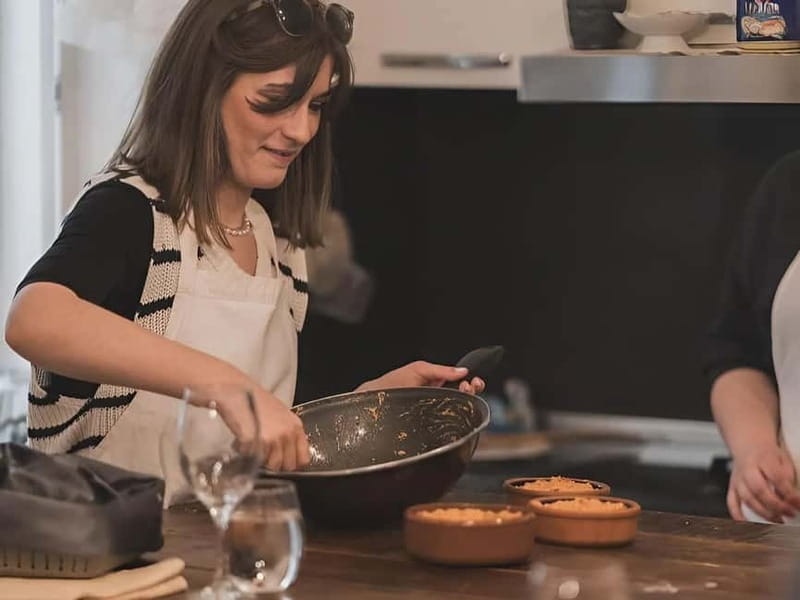
- Tave Kosi cooking lesson with the story of why it became Albania’s Independence Dish
- Lakror from scratch, the byrek-style Albanian savory you can recreate later at home
- Homemade wine and raki served during the class, with a relaxed, social pace
- A family-run, English-taught experience with a host who explains patiently and checks dietary needs
- You leave with recipes and often even leftovers so dinner doesn’t vanish at 8 p.m.
- A simple format: you show up, and the ingredients and equipment are ready
Family-Run Kitchen in Tirana: Meet Sindi and Get Into Albanian Home Cooking
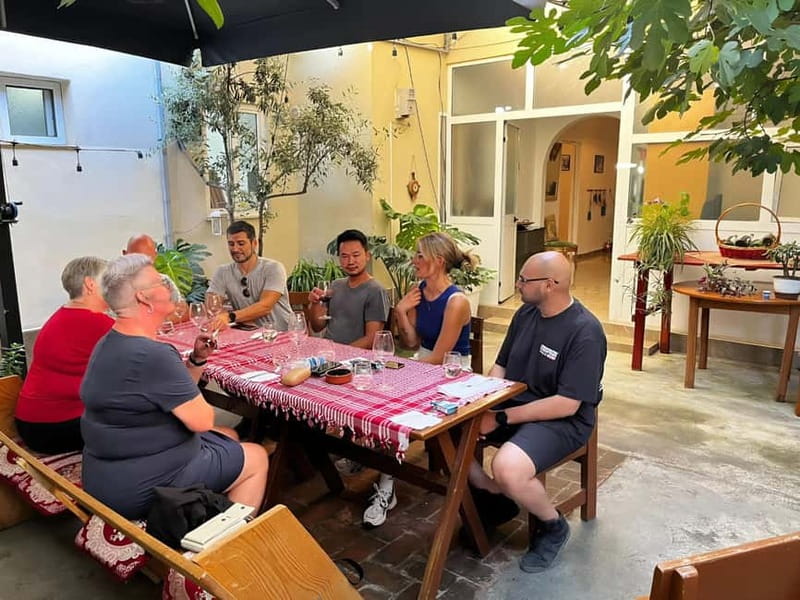
This is the kind of Tirana experience that works even if you’re not a confident cook. You’re not hunting down ingredients, buying tools, or translating recipes from a phone app. You show up, meet the hosts, and the kitchen is set up for you with ingredients and equipment already in place.
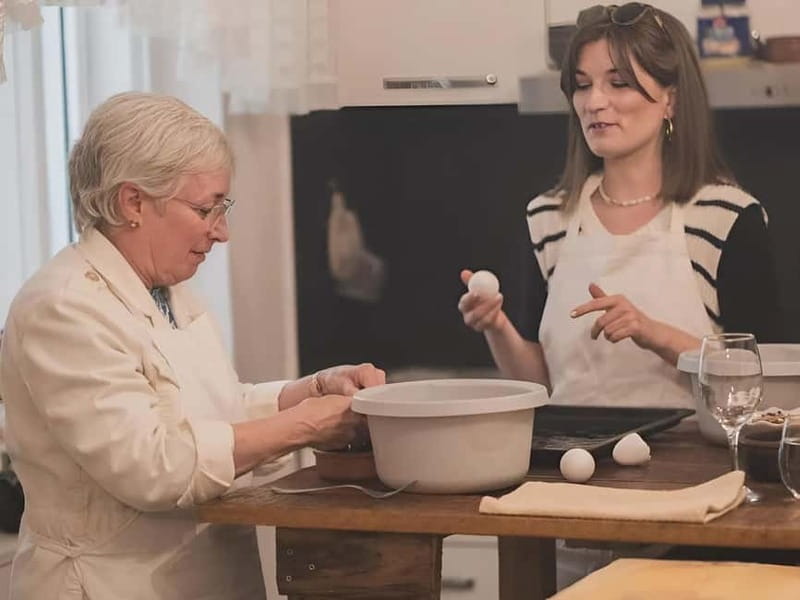
The hosting style matters here. You’re with a brother-sister team, and in practice Sindi is the name you’ll most likely connect with during the class. She’s described as warm, friendly, and step-by-step in how she teaches. The vibe is casual but organized, like you’re being welcomed into a real family kitchen rather than herded through a scripted demo.
You’ll also get context as you cook. The hosts explain cooking rules used in Albanian kitchens and where those rules came from, which helps you understand why certain steps are done a specific way. It’s a small thing, but it keeps you from just copying motions; you start cooking with a little logic behind the process.
There’s also a social side you should expect. People mention lively conversation and laughing together while the class moves at a comfortable pace. If you want a hands-on way to spend an afternoon in Tirana that’s more than just eating out, this fits.
What You Cook in 4 Hours: Tave Kosi and Lakror That You Can Recreate
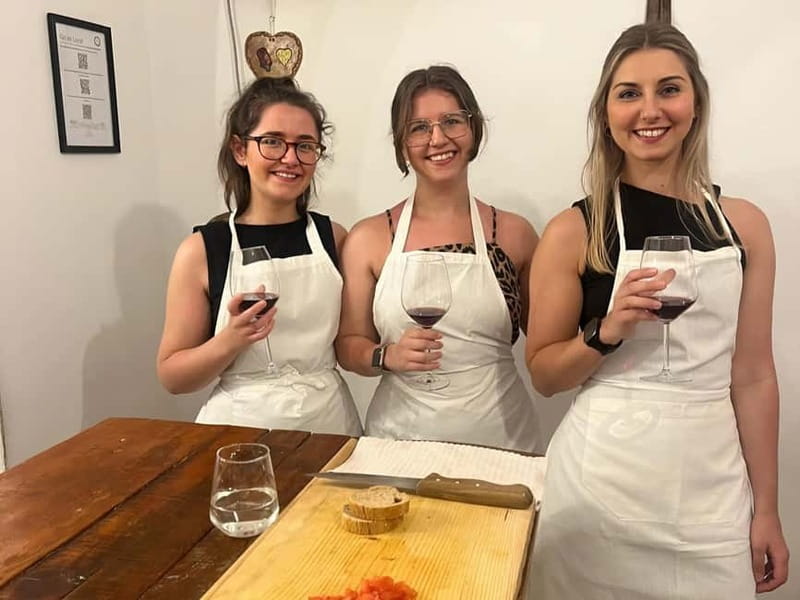
The centerpieces are Tave Kosi and Lakror. Even if you’ve never cooked before, these lessons are built for you to follow along without needing special culinary training.
Tave Kosi: the Independence Dish
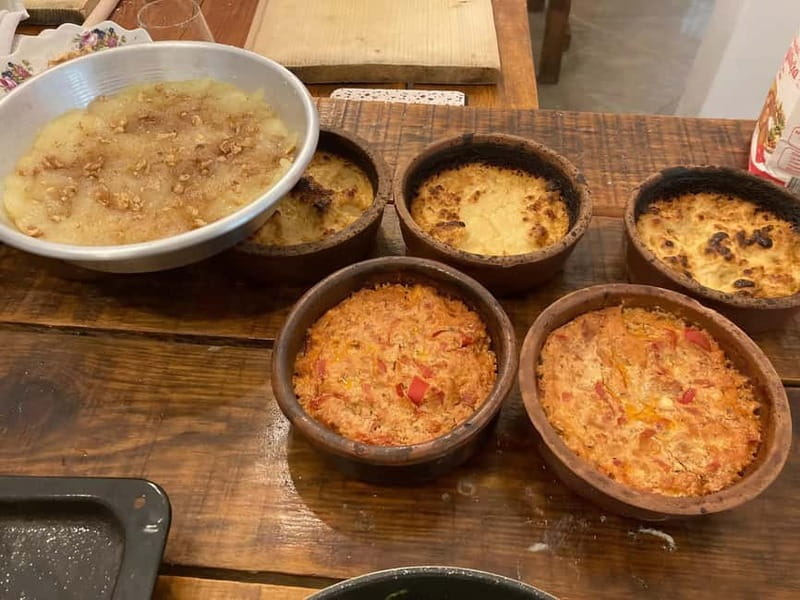
Tave Kosi is described as Albania’s most iconic dish, known as the Independence Dish because it was reportedly Ismail Qemali’s favorite. You’ll learn how to prepare it using lamb and rice, plus the elements that give it that distinct Albanian flavor and comforting baked texture.
Why this matters for you: Tave Kosi isn’t “just another casserole.” It’s tied to a piece of national identity, so learning it is a mix of cooking skill and cultural context. When you make it later, you’re not only repeating a recipe—you’re carrying a story.
Lakror: the Albanian byrek-style savory
Lakror is the other key dish you’ll learn. It’s described as the Albanian version of byrek, and you’ll make it from scratch with guidance from the hosts.
In the class context, Lakror is a great pick because it teaches technique, not just ingredients. People mention learning practical skills like whisking and how to use a rolling pin properly. That means you’re not leaving with only recipes—you’re leaving with muscle memory for dough and assembly.
Desserts and extra bites
After the main cooking, you’ll also get local desserts and homemade appetizers. People mention sheqerpare as one of the desserts they made or tasted, and that’s a nice detail because it shows the class covers more than just one savory dish. You’ll also taste various local foods along the way (for example, samples like sausage and honey show up in the class experience).
Wine and Raki Tasting: A Drink Pairing That Belongs to the Meal
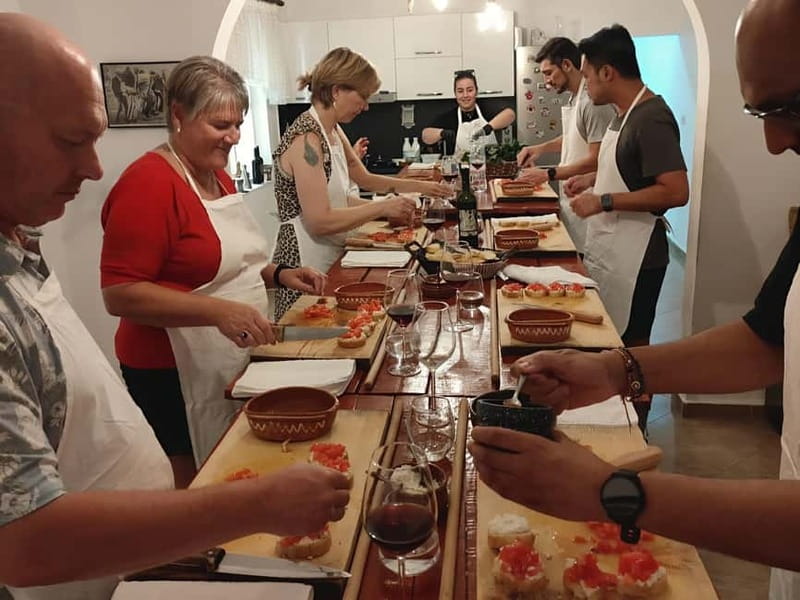
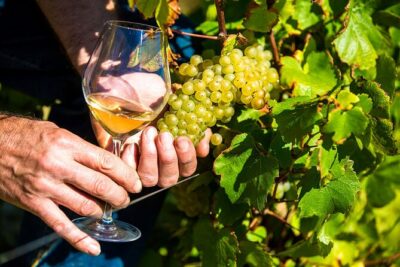
Alcohol shows up here for a reason: it’s part of how people share meals in Albania. During the class, you’ll be sipping local wine and raki your host provides. It’s not a token toast, and it’s not separated from the cooking.
A repeated theme is that the wine is homemade (made by Sindi’s dad is specifically mentioned in multiple accounts) and served consistently as the class runs. That can be fun, but it also changes how you should plan the day. If you want to be fully present, eat well beforehand, and don’t schedule anything tight afterward. Some people even suggest canceling dinner plans because the meal you create is filling.
Practical tip: if you don’t usually drink alcohol, treat it like part of the class culture rather than an add-on. Sip at your pace and pay attention to the flavors you’re tasting alongside your food. Homemade drinks often taste different than what you find in bars, and that can help your cooking decisions later.
How the Class Works: Easy Steps, Clean Stations, and Real Attention to Dietary Needs
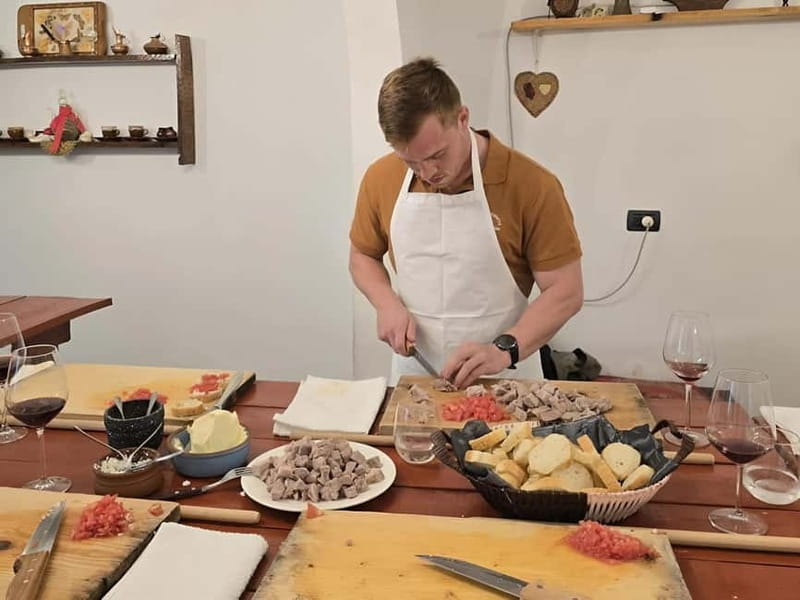
You don’t need a culinary degree for this. The class is designed so beginners can follow along, with clear explanations and patient teaching. Many accounts mention that instructions are easy to follow, and that the host keeps checking in during the process.
Clean, spacious stations are also mentioned. That’s underrated but important. When the workspace is comfortable and organized, you spend more time learning and less time bumping elbows or scrambling for tools.
Cooking in teams (and why that’s not a problem)
You may not personally assemble every component of every dish. Some classes run in a team setup where ingredients are prepared in parallel and dishes are put together collectively. That’s why one common note is that you might end up eating a dish that wasn’t exactly your individual build.
Here’s why it still works: you’ll still learn the steps and you’ll still get the recipes. If your goal is to take home real cooking skills (and not a trophy for personal plating accuracy), the team format is usually a plus because you can watch how others handle tricky parts.
Dietary considerations
This class explicitly takes allergies and preferences seriously. Sindi is described as listening for allergies and also planning with vegan preferences in mind. That’s a good sign if you’re sensitive to ingredients and want your meal to be safe and still delicious.
Price and Value in Tirana: Is $41 for 4 Hours Actually Fair?
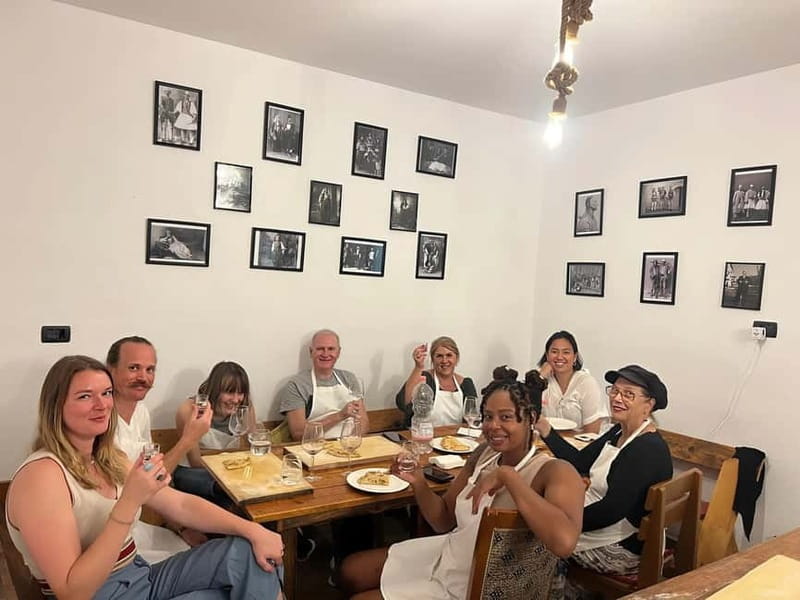
For $41 per person and 4 hours, this is strong value if you want a real meal out of your afternoon. You’re getting a cooking lesson plus ingredients, equipment, and drinks. You’re also getting not just food, but instruction and recipes to recreate the dishes later.
The value equation looks like this:
- You’re paying for hands-on teaching (not a lecture).
- You’re eating what you make, plus desserts and appetizers.
- You’re included in wine and raki tasting, and it’s described as homemade.
- The host’s time includes explanations and step-by-step support, plus attention to dietary needs.
What to watch: hotel pickup is not included. That matters only in how you plan your arrival. You’ll need to get yourself to the meeting point on time, so give yourself a little buffer.
Also, because the meal is filling, you should plan your day like this is dinner in disguise. If you go in hungry and then try to eat out afterward, you may be disappointed in your own budgeting.
Best Fit: Who Should Book This Tirana Cooking Class
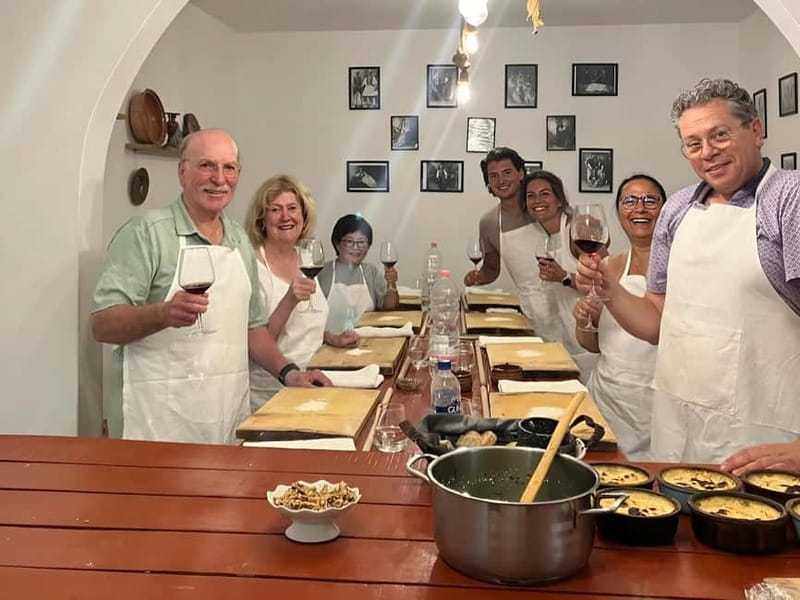
This is a good match if:
- You want a hands-on Tirana food experience instead of only restaurant hopping
- You like learning the story behind what you’re eating (Tave Kosi’s Independence Dish background is a clear example)
- You enjoy social meals with a group, guided by a friendly host
- You want recipes you can cook at home, not just a one-off tasting
It’s also ideal for rainy days. The experience is described as a perfect indoor activity that still feels cultural and fun, not stuck-in-the-house sad.
If you’re traveling solo, you can still have a great time because the class encourages conversation. If you’re traveling with a partner or a friend, it’s also easy to enjoy as a shared project: two people cooking, eating, and drinking together tends to beat another appointment on a crowded itinerary.
What to Plan Before You Go: Small Tips That Make It Smoother
A few practical notes from how the class is described:
- Eat something light beforehand, but don’t overdo it. Some people even suggest skipping breakfast so you’re ready for the food volume.
- Keep your evening flexible. This class includes a full meal feel with desserts and drinks, so you’ll likely want a restful plan after.
- If you have allergies or dietary preferences, speak up early. The host is described as paying attention and adjusting planning accordingly.
- Bring a curious mindset. This is not only about following steps; it’s also about understanding why Albanian cooking does things the way it does.
Should You Book This Tirana Traditional Cooking Class?
Book it if you want a classic, hands-on Albanian meal lesson with homemade wine and raki in a family-run setting. The Tave Kosi lesson alone is worth considering because it connects you to a national dish and gives you a recipe that feels special. Add Lakror from scratch, plus desserts and recipes to take home, and you end up with an afternoon that turns into a real culinary souvenir.
Skip it only if you hate team cooking or you’re strict about every dish needing to be built entirely by you. Also skip it if you’re counting on hotel pickup or you need a super short activity. This is a full 4-hour experience, designed for eating, chatting, and learning together.
FAQ
How long is the Tirana cooking class?
It lasts 4 hours.
How much does it cost?
The price is $41 per person.
Is hotel pickup included?
No, hotel pickup and drop-off are not included.
What drinks are included?
The class includes drinks, including local wine and raki provided by your host.
What dishes will I learn to make?
You’ll learn to prepare Tave Kosi and Lakror from scratch, and you’ll also enjoy local desserts and homemade appetizers.
Is the instructor an English speaker?
Yes. The instructor teaches in English.
Do you provide ingredients and equipment?
Yes. The class includes ingredients and equipment.
Will I get recipes to take home?
Yes. You get the recipes after the class.
Can the host accommodate allergies or dietary preferences?
Your host is described as checking for allergies, intolerances, and vegan preferences when planning what to cook.