REVIEW · SIENA
Siena: Educational Wine Tour & Tasting
Book on GetYourGuide →Operated by Azienda Agricola La Lastra · Bookable on GetYourGuide
Great wine starts with soil work. This 3-hour organic tour at Azienda Agricola La Lastra pairs vineyard walks in the Tuscan hills with a cellar look at how organic grapes turn into wine. You also get a guided sensory tasting of 4 organic wines plus a light lunch designed to match what you’ve just learned.
I love how the tour keeps the science practical. You’ll move step-by-step through the agronomic and phenolic cycle, then shift into the historical cellar where production relies on chemical-physical and microbiological processes. It’s the kind of structure that helps you taste with more than just vibes.
One consideration: the winery is just outside Siena (about 2 km from the center), but you’ll still need to plan transport. If you want to drink, don’t assume you’ll casually wander back.
In This Review
- Key things that make this tour worth your time
- Entering the organic world outside Siena: why the setting matters
- The 3-hour flow that keeps things moving (and not salesy)
- Vineyard lessons in plain language: agronomic and phenolic cycles
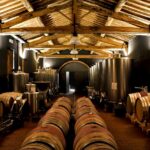
- Inside the historical cellar: the science behind organic quality
- The tasting room: sensory tasting of 4 organic wines
- Lunch pairing that feels like Tuscan life, not a filler
- Getting to Azienda La Lastra: walkable, but plan for wine
- Price and value: does $100 make sense for 3 hours?
- Who this tour suits best (and who might not)
- My take: should you book Vine, Wine and Life at La Lastra?
- FAQ
- How long is the Siena educational wine tour and tasting?
- How many wines will I taste?
- Where is the meeting point?
- Is the tour in an organic winery?
- Does the price include food?
- What languages are available?
- Can they accommodate dietary needs?
- Can I cancel last minute?
- Can I reserve without paying immediately?
Key things that make this tour worth your time
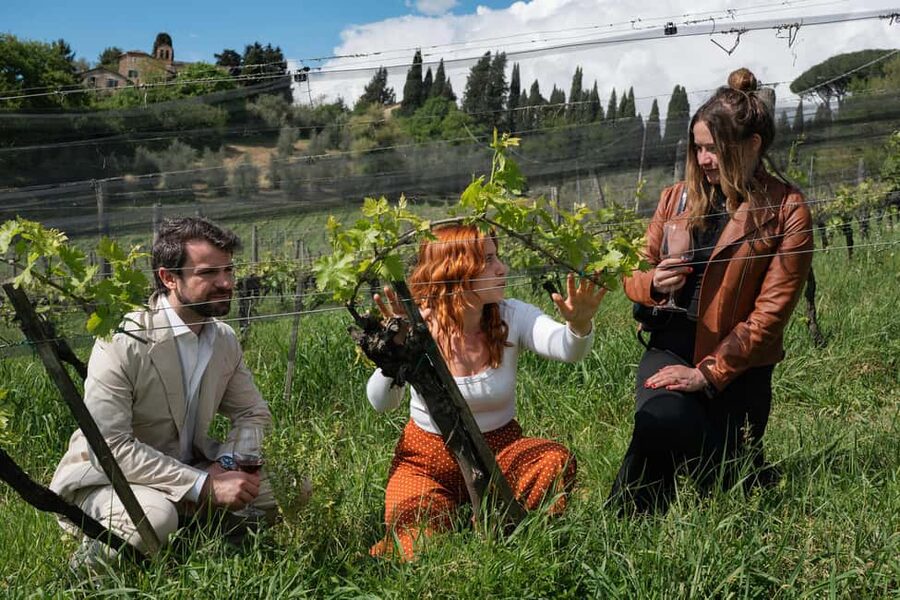
- Organic vineyard education focused on the agronomic and phenolic cycle of low-impact grapes
- Cellar visit explaining chemical-physical and microbiological processes behind quality wine
- Sensory tasting room experience built around how wines smell and taste, not just what they are
- Lunch pairing with fresh seasonal Tuscan specialties to reset your palate
- Small-business energy from hosts who run the operation (you may meet guides such as Christian, Mia/Maya, Renato, or Gianluigi)
- Language support in English and Italian, so the teaching lands clearly
Entering the organic world outside Siena: why the setting matters
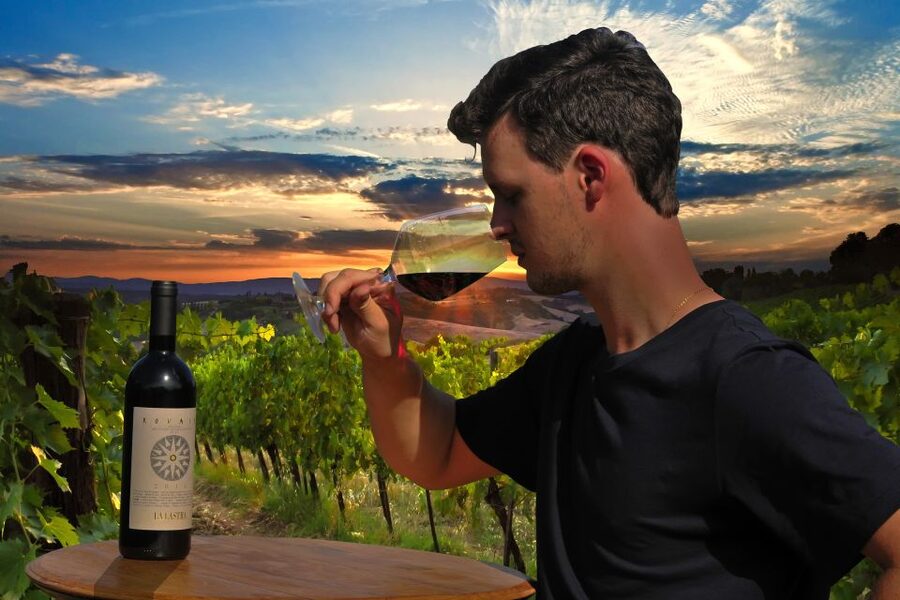
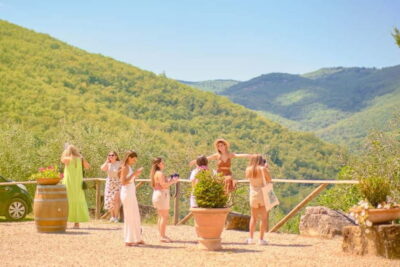
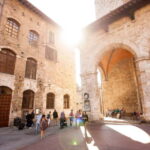
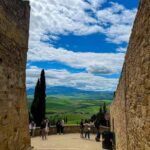
Siena is gorgeous, but the real magic here is the shift from city stone to working farmland. Azienda Agricola La Lastra sits in the rolling hills near town, and that matters because wine isn’t made in a tasting room. You taste better when you’ve walked through the same ecosystem where the grapes grew.
Expect a warm, educational visit rather than a rushed showroom stop. The tour is built around chapters—vineyard, cellar, tasting room, then lunch—so your brain can connect each part. It’s also in an organic winery, which changes the conversation. You’ll hear how farming choices affect what happens in the vines, and how that shows up later in the glass.
A nice detail from the guides you may meet: several owners and staff run the tour themselves. In past visits, people have mentioned hosts like Christian, Mia/Maya, Renato, and Gianluigi. That personal touch usually leads to better Q&A too, especially if you ask why decisions get made during different seasons.
You can also read our reviews of more food & drink experiences in Siena
The 3-hour flow that keeps things moving (and not salesy)
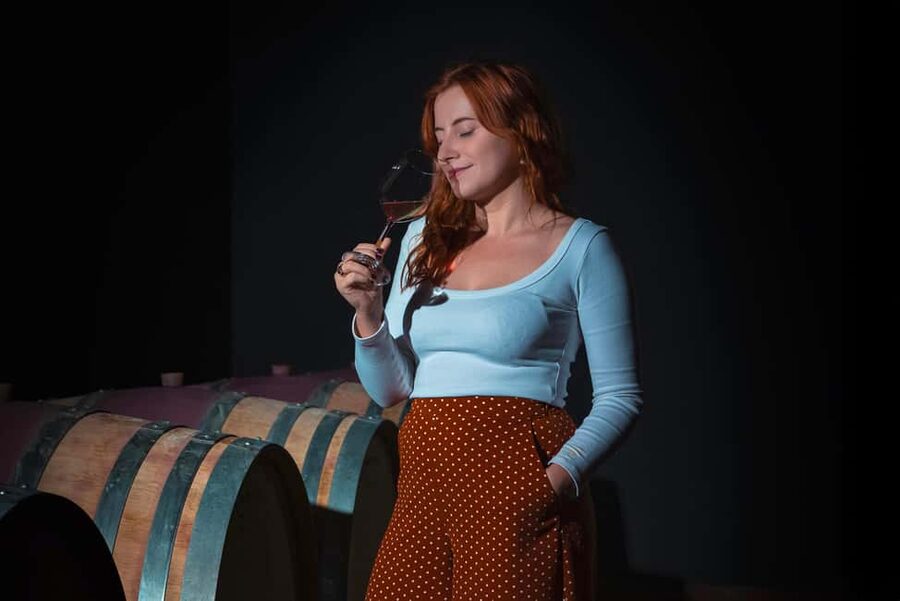
This experience is timed to feel complete without dragging. In about three hours, you’ll cover the core arc: vineyards first, then the cellar, then tasting, then a light lunch.
Here’s how that typically plays out in real life:
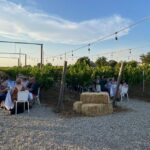
- You start outdoors, walking through the vineyards and learning the vineyard ecosystem.
- You then step inside the cellar to understand production and development.
- You finish in a sensory tasting setup to taste 4 organic wines.
- You wrap up with a light Tuscan lunch meant to pair with the wines you tasted.
What I like about this pacing is that it matches how people actually learn. Your senses wake up in the vineyard. Your questions grow in the cellar. Then the tasting becomes more meaningful because you’re no longer guessing what you’re tasting.
If you prefer long scenic afternoons, this might feel short. But for a first-time wine trip—or for people who want something focused—three hours is a smart length.
Vineyard lessons in plain language: agronomic and phenolic cycles
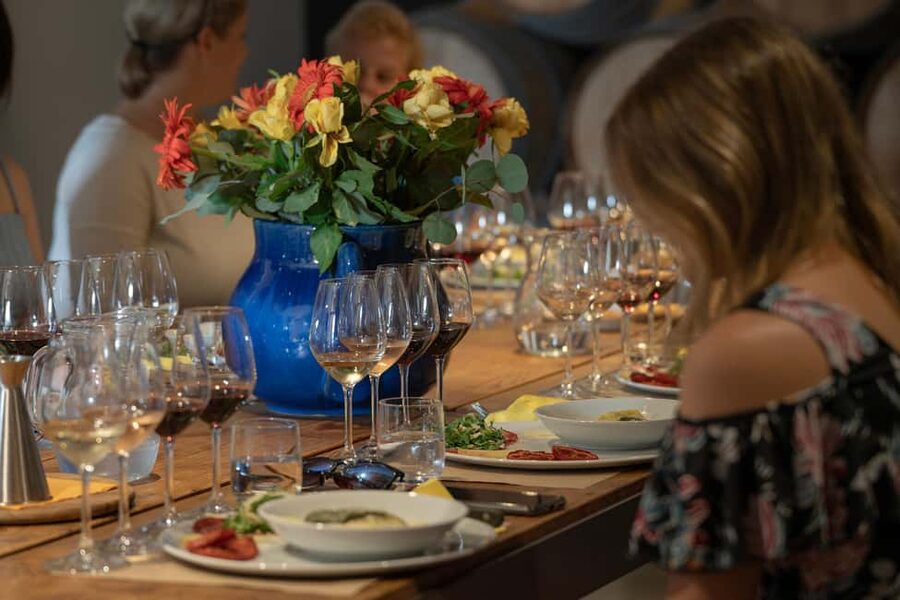
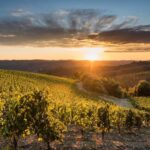
The tour begins in the organic vineyards, and the goal is not to memorize terms. It’s to understand the logic behind growing grapes in a system with low environmental impact.
You’ll walk through the main steps connected to the agronomic cycle and the phenolic/quality cycle, and you should come away understanding that a vineyard isn’t just rows of vines. It’s an ecosystem. Organic farming changes what you monitor and how you respond—especially across the seasons.
From the way the tour is described, they keep concepts simple and explain them directly where they happen. That matters because it’s easy to get lost in wine talk. Here, you’re learning while looking at the plant, the farming approach, and the seasonal rhythm.
Also, Siena-area wine culture comes up naturally. Some visitors have noted discussions around Chianti rules and how they shape quality standards. Even if you’re not a wine nerd, hearing how regulations and farming practices connect makes wine feel less mysterious.
Inside the historical cellar: the science behind organic quality
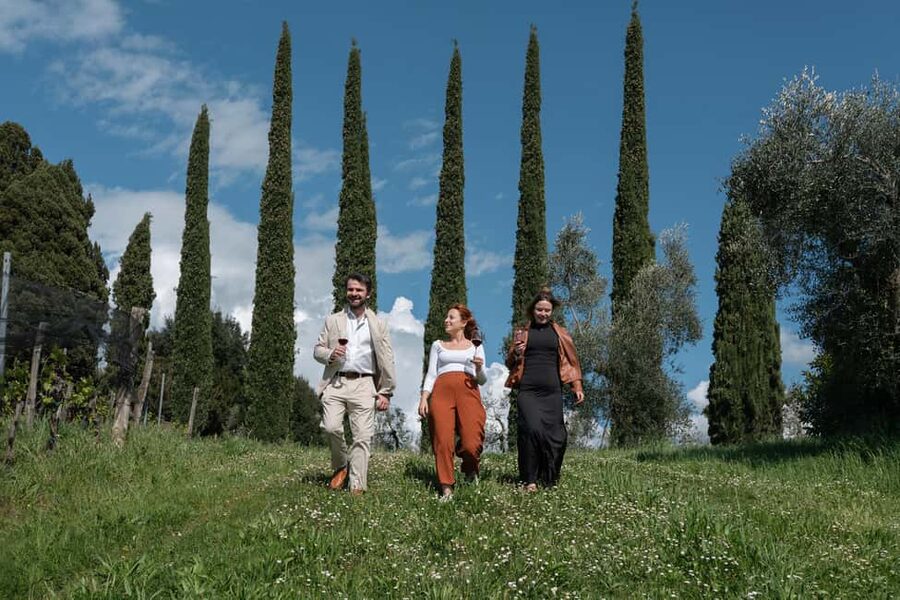
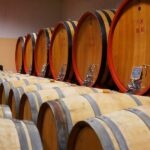
After the vineyards, you head to the historical cellar. This is where the tour turns from farming to production.
The focus is on:
- Chemical-physical processes
- Microbiological processes
- How quality organic winemaking gets achieved through those factors
What this means for you as a taster: you’re not just tasting grapes. You’re tasting the decisions made after harvest—how fermentation and development get guided, and how microbial life (managed through organic practice) influences the final wine profile.
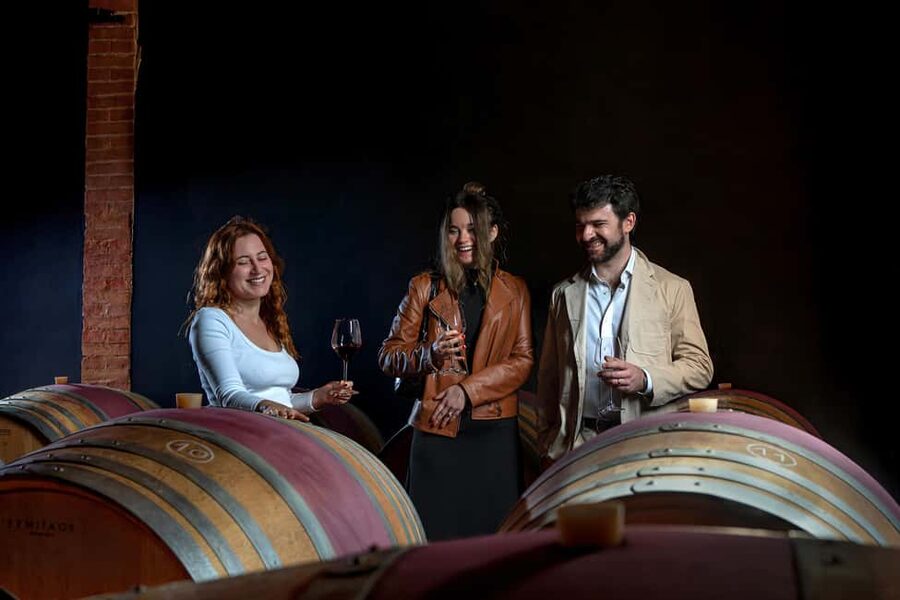
A cellar visit like this also helps you spot patterns in the tasting. You start noticing differences in aroma and structure and linking them back to what you heard outside. That’s the real payoff of a tour that teaches rather than simply pours.
The tasting room: sensory tasting of 4 organic wines
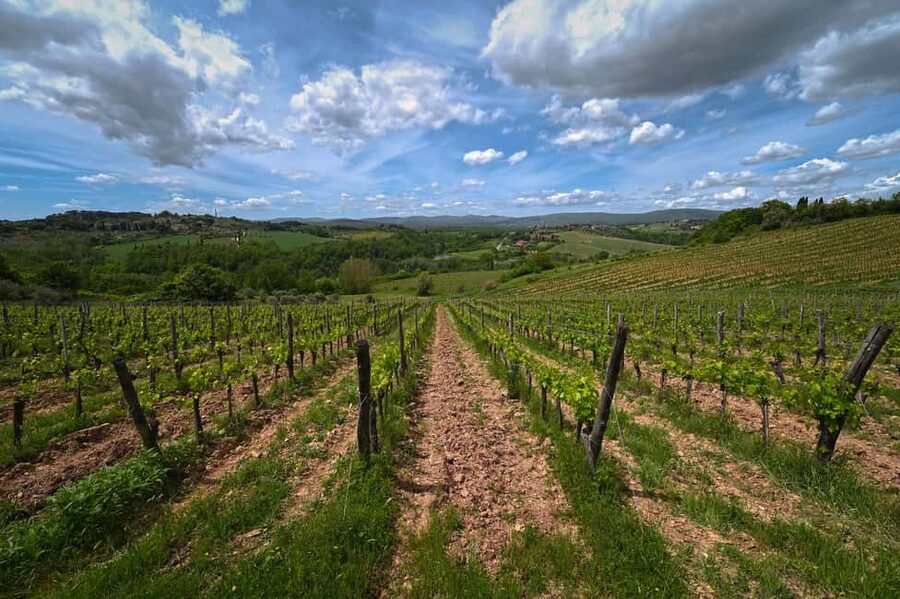
Now for the part most people actually plan for: tasting.
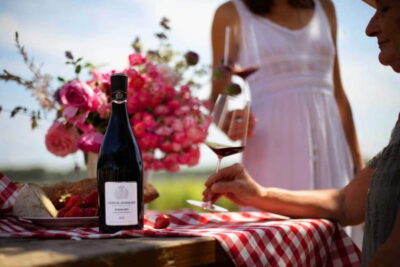
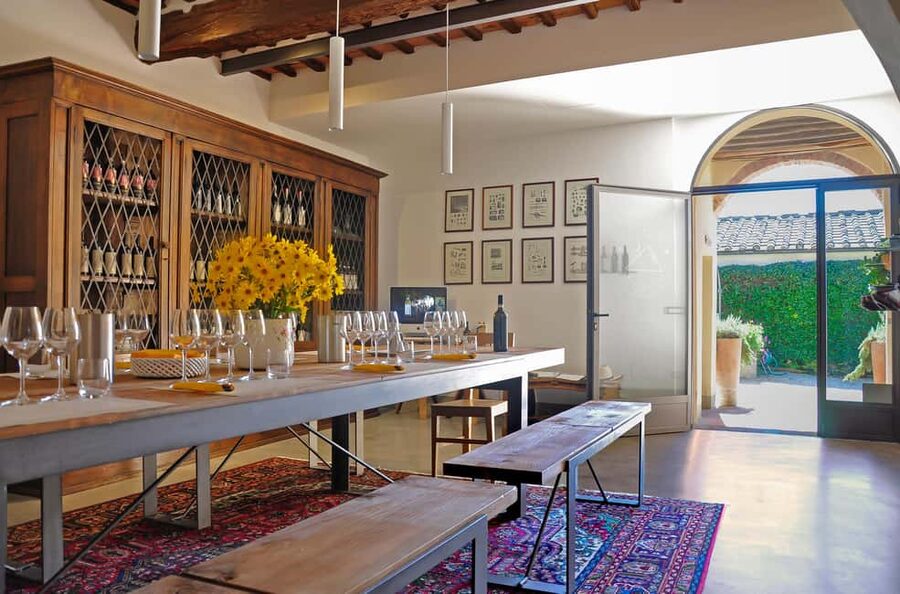
The structured version includes a sensory tasting of 4 organic wines typical of the area. In a well-led tasting, the goal isn’t to collect facts. It’s to train your senses. Here, the tasting is presented to help you grasp organoleptic complexity—how a wine looks, smells, and tastes as one connected experience.
From reviews, one strong pattern is that guides go beyond the fixed number if you ask questions. People have reported tasting extra wines (one visitor even mentioned up to 8) when discussion got lively. That’s a good sign. It means the guide isn’t stuck in a script and that you can steer the conversation toward your interests.
Practical advice: go in with at least one question. Examples:
- What changes in the vineyard show up most in this wine style?
- How do they describe balance under organic production choices?
- Which wine is most different from the others and why?
Those questions usually lead to a better tasting than trying to “figure it out” alone.
You can also read our reviews of more wine tours in Siena
Lunch pairing that feels like Tuscan life, not a filler
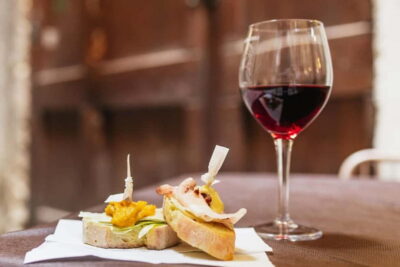
The tour ends with a light lunch meant to experience how food and wine combination affects your palate and mood. The lunch includes fresh seasonal Tuscan specialties, and in practice it often lands as more than light.
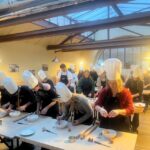
What you might actually see at the table (based on what people report) includes homemade pasta such as ravioli, plus items like cheese and meats, and sometimes dessert and dessert wine. Not every tour will look identical, but the theme is consistent: fresh food, on-site style, and pairing that makes sense with the tasting.
Another big plus: they appear able to handle dietary needs. Multiple visitors specifically mentioned vegetarian and gluten-free options, and at least one person reported a vegan lunch being accommodated without making it feel like an afterthought. One visitor also described an allergy being handled carefully.
If you have a dietary restriction, this is one of the better kinds of wine experiences to choose—because the food is part of the teaching, not just a plate tossed in to keep you quiet.
Getting to Azienda La Lastra: walkable, but plan for wine
This is the one logistics point you shouldn’t ignore.
The meeting point is Azienda Agricola La Lastra, Strada della Befana 2/A, 53100 Siena. The winery is about 2 km from Siena center, which sounds close until you factor in roads, heat, and the fact you’ll want to drink.
Here’s the practical reality from people’s experiences:
- Walking is possible. One visitor said it took about 30 minutes each way.
- A taxi is straightforward. One review mentioned taxi cost around €16.
- If you want to enjoy wine without stress, plan transport before the tour starts.
If you’re going to rely on a taxi, give yourself a little buffer time at the end. Winemakers and hosts may help with arrangements, but you don’t want to end up hunting for transport mid-evening mood.
If you want quiet city time before the tour, build it in. You’ll come back from the hills pleasantly slower, not sprinting.
Price and value: does $100 make sense for 3 hours?
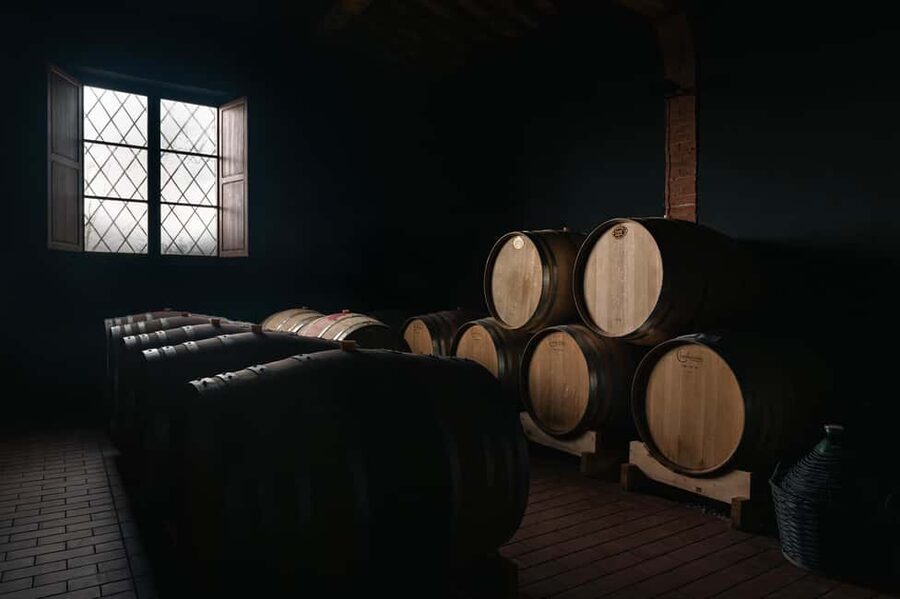
At $100 per person for 3 hours, you’re paying for more than tastings. You’re paying for a guided education across multiple settings: vineyard, cellar, tasting room, and lunch.
Value breakdown (based on what’s included):
- Guided visits to the organic vineyards
- Guided visits to the cellars where wines are produced and developed
- Sensory tasting of 4 organic wines
- Light lunch with fresh seasonal Tuscan food
- English/Italian hosting (so you’re not stuck translating in your head)
This price can feel high if you only want a casual sip-and-smile. But if you want context—why organic choices matter and how they link to taste—this tour justifies the cost because it’s structured teaching plus food plus wine.
One more value signal from reviews: several people bought wine afterward, including shipments to other countries. If shipping is an option for your destination, that can turn your tasting into a souvenir you’ll actually use. Some visitors noted they couldn’t ship to certain countries, so don’t assume every route works the same.
Who this tour suits best (and who might not)
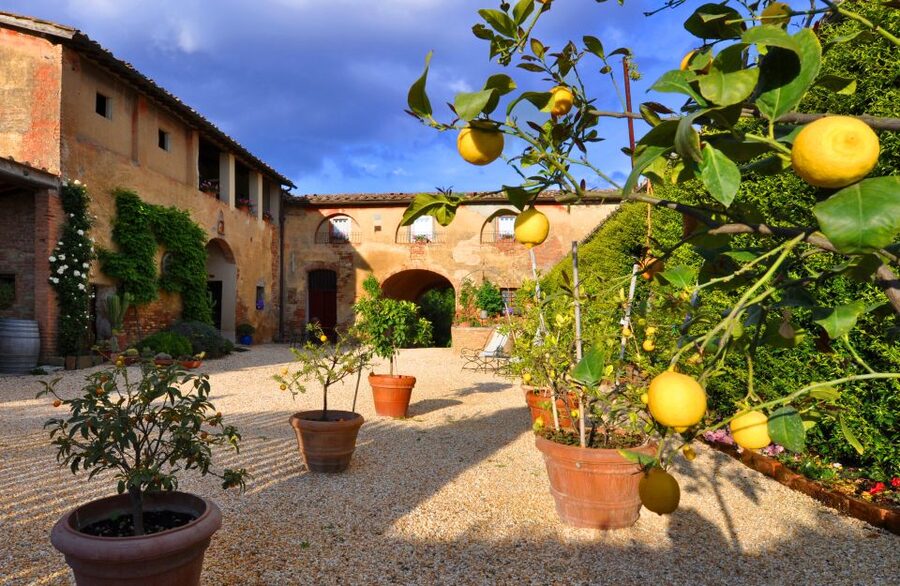
This is a great fit if you:
- Want organic wine explanations tied to what you’re seeing
- Enjoy guided tours with room for questions
- Like tastings that teach you how to notice aroma and flavor
- Appreciate pairing food with wine rather than just eating separately
It might be less ideal if you:
- Only want a quick, unstructured tasting with zero explanation
- Are extremely sensitive to walking in hills (even short distances can add up)
- Don’t want to plan transport from Siena center
The good news is the instruction style is described as simple and approachable. Even if you’re new to wine, the tour is designed so you can follow without feeling lost.
My take: should you book Vine, Wine and Life at La Lastra?
Yes—if you want an organic Siena experience that feels like learning, not just consuming. I’d book it especially if you’re curious about how organic farming choices connect from vineyard ecosystem to cellar processes and then to what you taste.
Two reasons to feel confident:
- The format hits the key stages of wine making in order, which makes the tasting make sense.
- The lunch and dietary accommodations show the food is taken seriously, not treated as a token add-on.
My final advice is practical: bring one real question, and plan your ride back to Siena before you start tasting. Do that, and you’ll leave with a clearer sense of Tuscan wine—and a full belly to prove it.
FAQ
How long is the Siena educational wine tour and tasting?
The tour runs for 3 hours.
How many wines will I taste?
You’ll enjoy a sensory wine tasting of 4 organic wines.
Where is the meeting point?
Meet at Azienda Agricola La Lastra, Strada della Befana 2/A, 53100 Siena.
Is the tour in an organic winery?
Yes. The experience is hosted in an organic winery, including vineyard visits focused on organic farming.
Does the price include food?
Yes. The tour includes a light lunch with fresh seasonal Tuscan specialties.
What languages are available?
The host or greeter provides English and Italian.
Can they accommodate dietary needs?
You can request accommodations, and multiple visitors reported vegetarian, gluten-free, vegan, and allergy needs being handled.
Can I cancel last minute?
You have free cancellation up to 24 hours in advance for a full refund.
Can I reserve without paying immediately?
Yes. The experience offers reserve now & pay later, so you can book your spot and pay later.