REVIEW · SIENA
Total Immersion Wine Tour in Chianti
Book on GetYourGuide →Operated by Fattoria di Montemaggio · Bookable on GetYourGuide
Chianti tastes different when you can look over it. This small, family-run organic stop at Fattoria di Montemaggio pairs roof-of-the-cellar views with a real farm-to-bottle lesson, ending in a 5-wine tasting mini-course (plus grappa for those who want it). I especially love the Black Rooster story and the way the guide trains your nose and palate, and I love that the food pairing uses the estate’s extra-virgin olive oil. One heads-up: getting there takes focus, since the last stretch is gravel/unpaved and the road is easy to misread.
If you’re expecting a fancy showroom, this isn’t that. The tour is run by passionate wine people who explain how Chianti Classico works in practice—organic farming methods, how grapes are selected, and how fermentation and aging shape what ends up in your glass. Guides can include Francesco, Ilaria, or Stefano, and the common thread is clear: they talk like they care, not like they’re reciting.
You’ll also get a format that makes the time feel efficient. In just two hours you cover the estate history, the vineyard, the cellar process, and a tasting room lesson—without the long waits or awkward pacing that can happen on bigger tours. It’s a solid value at $47 per person, especially since it’s more than sampling: you’re learning how to taste wine properly.
In This Review
- Key moments you’ll remember at Fattoria di Montemaggio
- Roof-of-the-cellar views and the Black Rooster backstory
- Vineyard walk: organic agriculture you can actually picture
- Inside the cellar: harvest, grape selection, fermentation, aging
- Your mini tasting course: smell, taste, serve like a pro
- Snacks and pairings: cheese, salami, bread, and their olive oil
- Price and value for a 2-hour organic Chianti Classico workshop
- Logistics: remote estate roads, timing, and what to wear
- Who this tour suits (and who should skip it)
- Should you book this Total Immersion Wine Tour?
- FAQ
- How long is the Total Immersion Wine Tour in Chianti?
- What’s included in the tasting?
- Is grappa included?
- Where is the meeting point?
- Is hotel pickup and drop-off included?
- Is the tour offered in English?
- What dietary options are available?
- What should I wear if it rains?
- Is the tour wheelchair accessible?
- Is this tour suitable for children?
Key moments you’ll remember at Fattoria di Montemaggio
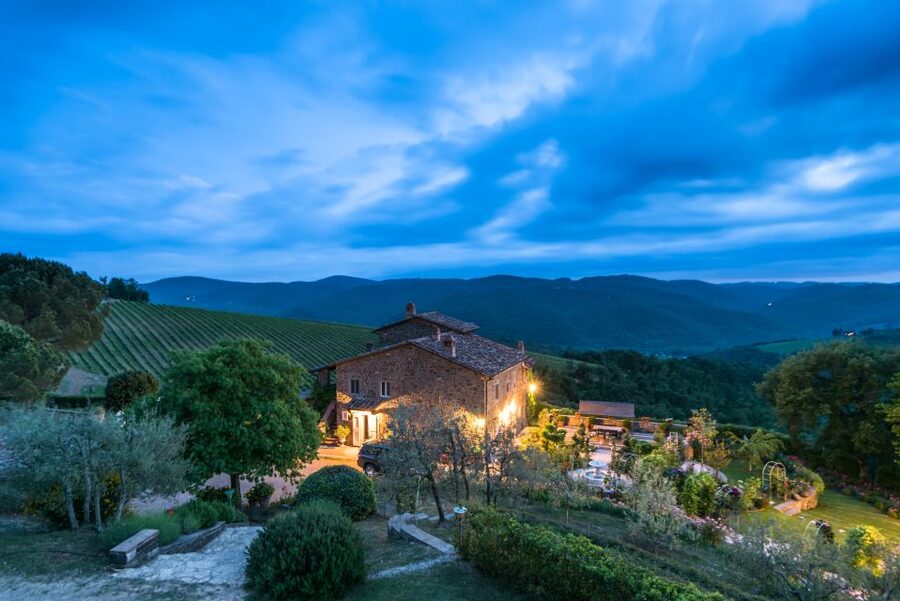
- The 600-meter roof view over rolling Chianti hills before you taste anything
- Organic agriculture in the vineyard, not just a label on a bottle
- A cellar walk through harvest, fermentation, and aging steps
- Mini tasting course focused on smelling, tasting, and serving
- 5 estate wines (red, white, rosé, sparkling) plus an optional grappa stop
- Cheese, salami, bread, and the estate’s extra-virgin olive oil for pairing
Roof-of-the-cellar views and the Black Rooster backstory
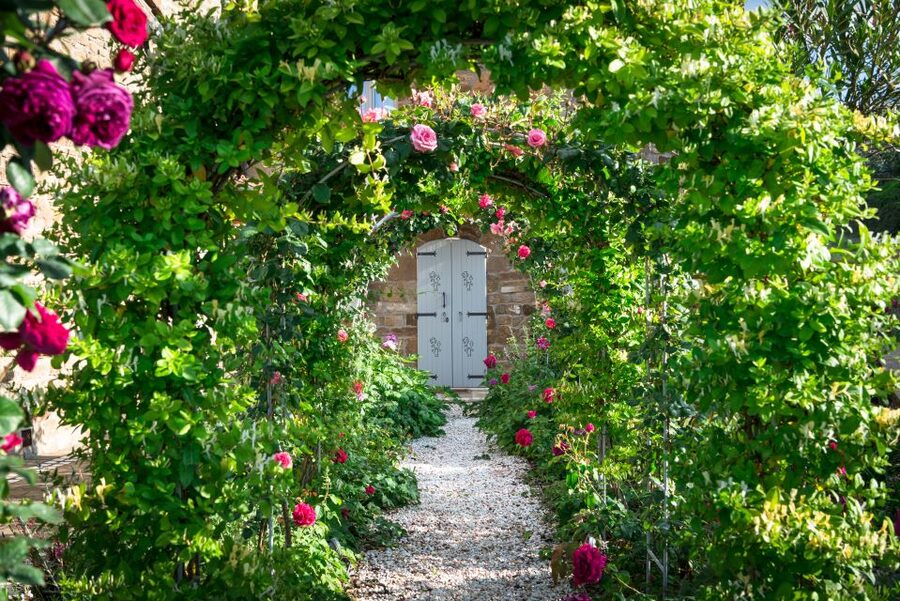
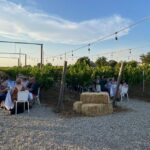
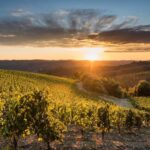
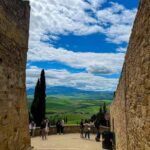
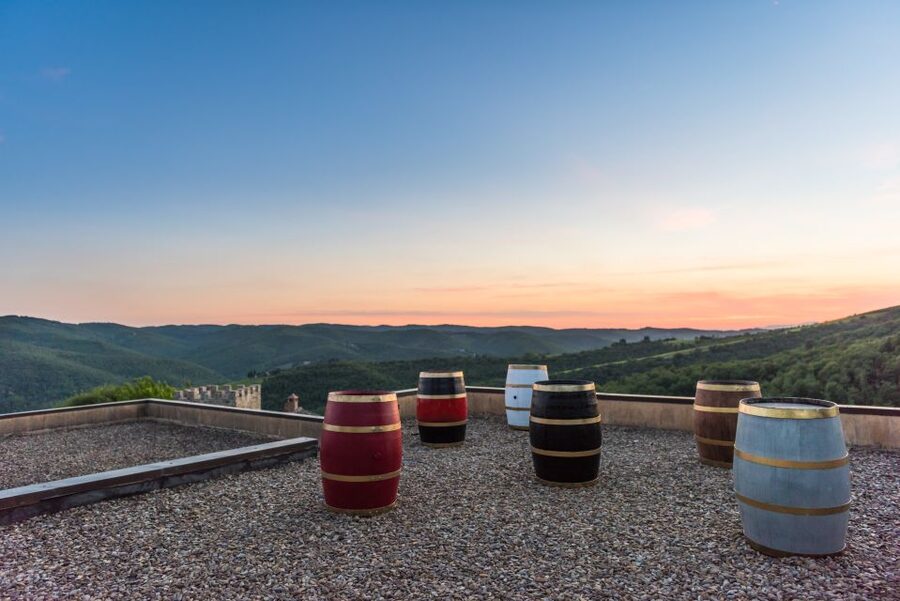
The tour begins at the estate and quickly shifts you from “waiting for wine” to “okay, I get why Chianti is special.” First stop is the roof of the cellar, where the views stretch across the rolling hills from roughly 600 meters above sea level. Even if you’re not a landscape person, this matters—because wine in Chianti isn’t just a product. It’s the climate, slope, and farming choices working together.
While you take in the scenery, your guide walks you through the history of the estate and the CHIANTI CLASSICO BLACK ROOSTER. That story is more than branding. It gives you a mental map for what you’re about to see: how this region’s identity gets built into the way the winery thinks and works.
Practical note: the setting can be bright and exposed. One small review even mentioned adjusting shades on the roof—so if you’re sensitive to sun, plan for it.
You can also read our reviews of more wine tours in Siena
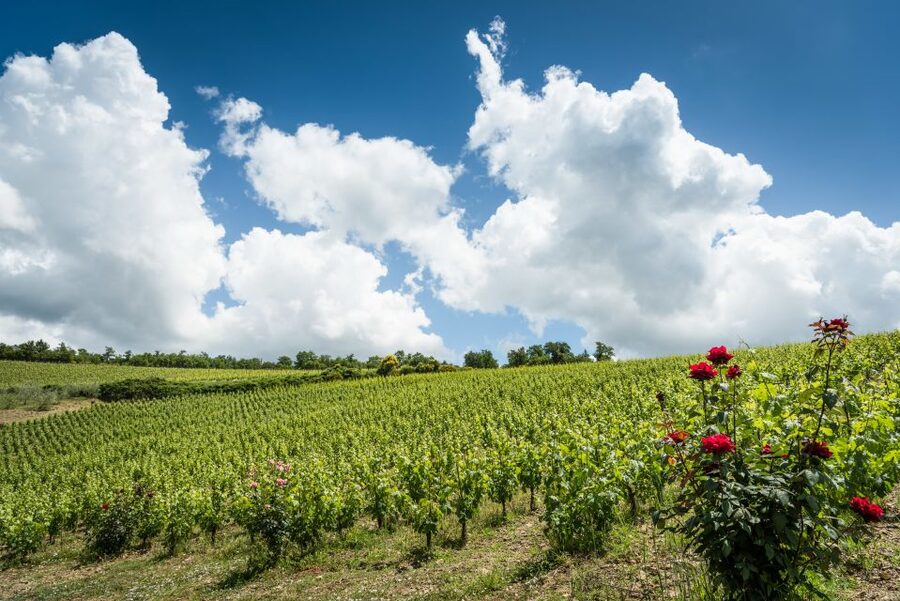
Vineyard walk: organic agriculture you can actually picture
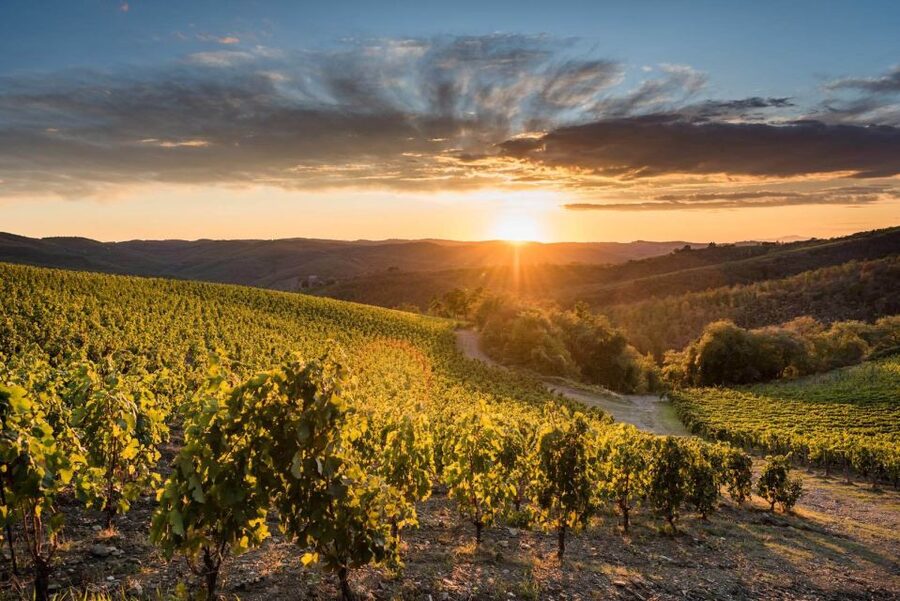
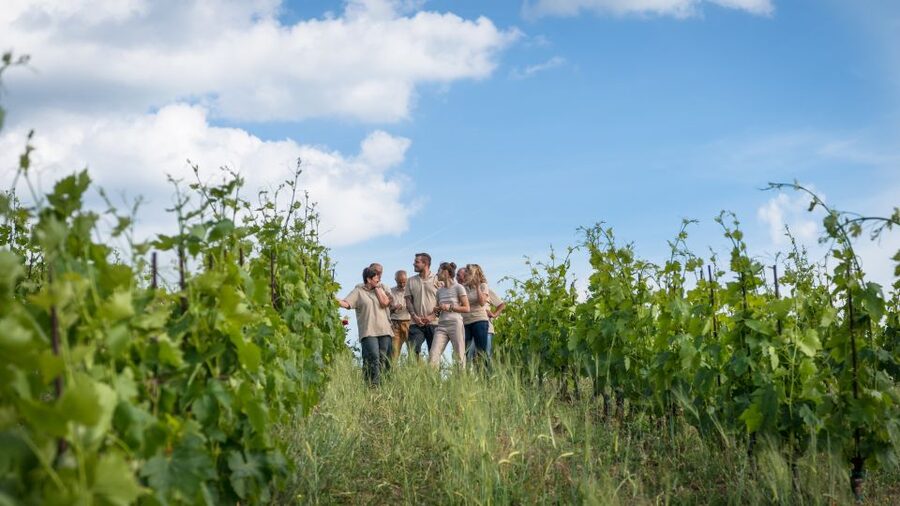
Next you’ll visit one of the vineyards. This is where the “organic” part becomes real. The guide explains how organic agriculture works on-site, what they focus on, and how vineyard decisions affect the wine you’ll taste later.
Why this stop is worth your time: tasting can feel subjective if you don’t know what shaped the grapes. When you hear about the organic methods and then look at the vines themselves, the tasting room makes more sense. You’re no longer trying to guess what you’re drinking—you’re testing your predictions.
This is also a good moment for questions. The guide’s explanations are designed to connect the vineyard choices to the next steps in the cellar, and the pacing stays friendly enough that you can ask what you’re curious about—whether that’s organic farming practices or what makes Chianti Classico taste like Chianti Classico.
Inside the cellar: harvest, grape selection, fermentation, aging
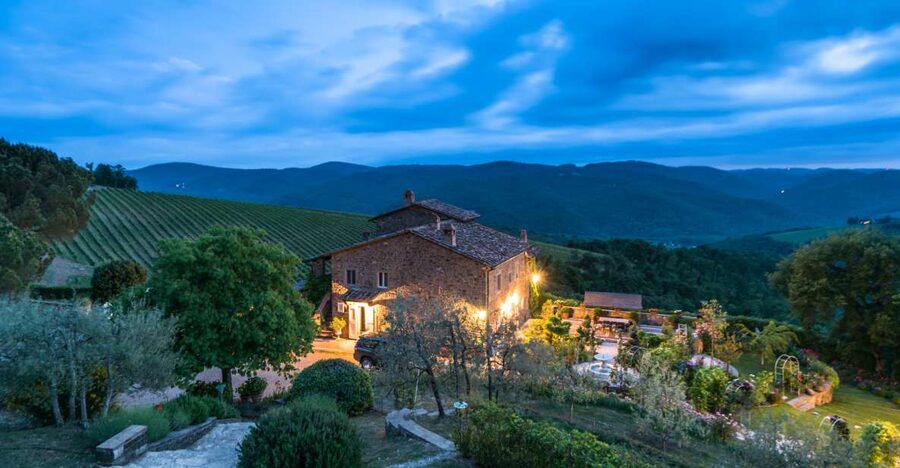
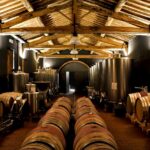
After the vineyard, you move into the cellar. This is where many wine tours go vague. Here, you get a step-by-step explanation of what happens during harvest and what follows.
You can expect the guide to cover:
- harvest and selection of grapes
- fermentation
- further aging of the wines
This part is useful even if you’re new to wine. It helps you understand why two bottles labeled Chianti Classico can taste noticeably different—because timing, grape selection, and aging choices all leave fingerprints.
If you like “how things work,” this stop will feel like the payoff. If you don’t care about the science, you’ll still benefit because it gives you a framework for the tasting course. You’ll taste with context, not just with curiosity.
Your mini tasting course: smell, taste, serve like a pro
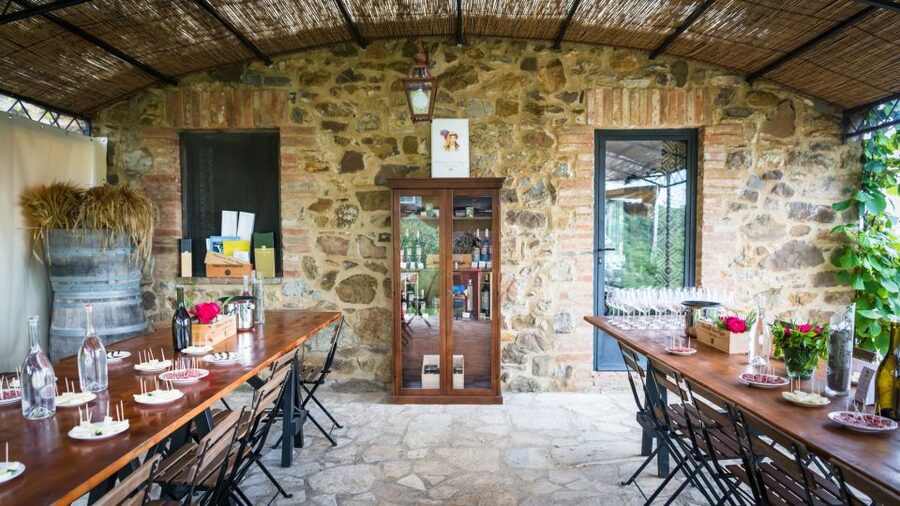
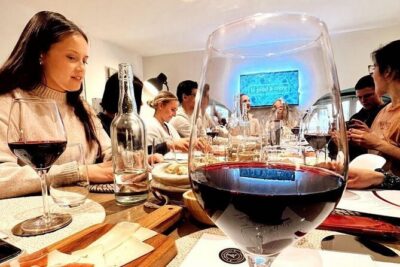
The final stop is the tasting room, and it’s structured like a lesson—not a random pour-and-wander. You’ll try all 5 products from the estate, and your guide runs you through a mini tasting course focused on:
- how to smell wine properly
- how to taste it with intention
- how to serve it
This is the biggest “you’ll be glad you did it” aspect of the tour. Most wine tastings teach you what to drink. This one tries to teach you how to notice. That makes the experience travel-home practical, because the skills don’t disappear when the tour ends.
What you’ll pour and taste includes a mix of styles: red, white, rosé, and sparkling—so you aren’t stuck only with one flavor profile. That variety also makes the Chianti story bigger. Even within Chianti Classico territory, you can taste different approaches and how the estate handles different grapes or blends.
Optional stop: grappa. At the end, there’s a grappa moment for those who would like to learn about its production and delicate taste. You don’t have to treat it like a dare. If you’re curious, it’s a fun extra chapter that adds range to the tour.
Snacks and pairings: cheese, salami, bread, and their olive oil
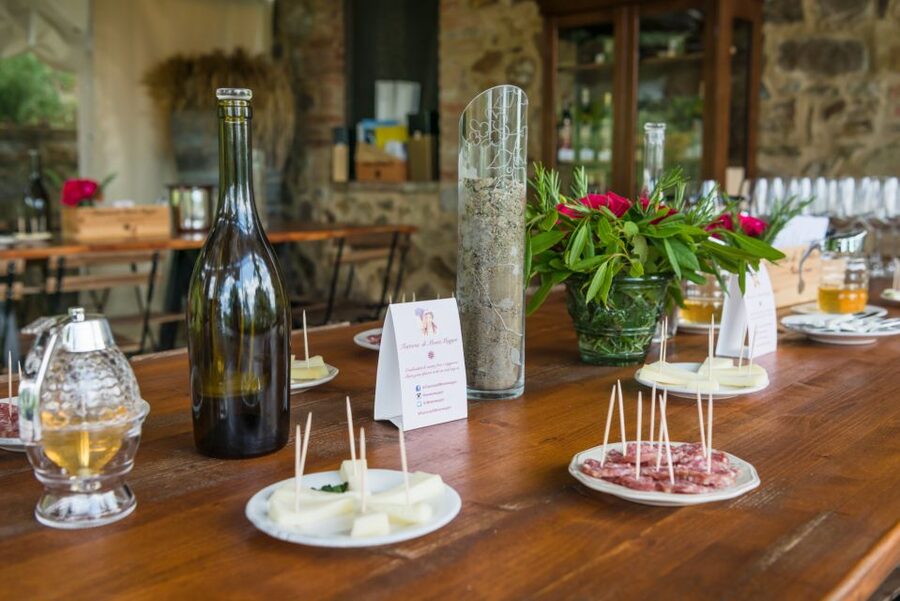
You won’t leave hungry. Along with the tasting, you get a small snack plate featuring cheeses and cold cuts, with bread and the winery’s own extra-virgin olive oil.
This pairing detail matters more than it seems. Olive oil in Tuscany isn’t just cooking fat—it’s part of the region’s flavor language. When you taste wine and then get that olive-oil-forward bread-and-cheese bite, you reset your palate in a way that helps you focus on the next wine.
Dietary options are available, including gluten-free. If you have food intolerances, it’s worth flagging it ahead of time so your plate actually matches what you can eat. One review noted that food quality for intolerances can be fair rather than perfect, so I’d treat it as a “request well early and be ready for adjustments,” not as a guarantee that every item will be identical to the standard platter.

Price and value for a 2-hour organic Chianti Classico workshop
At $47 per person for a 2-hour experience, this tour prices itself into the “good deal” zone for Tuscany. Here’s why: you’re paying for more than wine tasting. You’re paying for a vineyard walk, a cellar process explanation, and guided tasting instruction—plus 5 estate wines and olive oil snack pairings.
Value gets even better if you’re the type who wants to buy a bottle to drink later. Several reviews mention taking home bottles after the tasting. One important consideration: a recent note flagged that there’s no discount on bottles versus retail pricing. So if you’re planning to load up, check the purchase prices calmly and compare if you can.
Also, this is one of those tours where the setting is part of the value. The whole experience is tied to the estate itself, not just a bus ride to a generic tasting room. You’re paying for a place-based lesson.
Logistics: remote estate roads, timing, and what to wear
This is where you can either have a smooth time or a stressful one—so plan carefully.
The estate is in a wooded, rural area, and the last part of the road is gravel/unpaved. The tour instructions specifically stress following the road directions closely. I can’t overstate how much this matters: if you miss a turn or assume the “shortcut” is fine, you can waste precious time before the tasting begins.
Since hotel pickup and drop-off are not included, you’ll want to drive yourself or arrange your own transport. That matters because the route is remote and the final approach isn’t ideal for rushing.
If rain shows up, closed shoes are advised. Even if you’re not worried about mud, you’ll be moving on uneven terrain. A basic rule: wear shoes you’d be comfortable walking in, not sandals or slick sneakers.
One more practical detail: the tour lasts about two hours, and it sounds like the experience is paced so you don’t miss the vineyard/cellar/tasting sequence. Aim to arrive on time, and give yourself extra buffer if you’re unfamiliar with rural signage.
Who this tour suits (and who should skip it)
This fits best if you want:
- an organic winery experience in Chianti Classico territory
- a guided tasting that teaches you how to smell and taste
- a real vineyard-and-cellar narrative, not only drinking
It’s also a good pick for wine-curious people who don’t want to pretend they’re sommeliers. The mini tasting course gives you a structure, and the guide’s approach is built for first-timers as well as fans.
Skip it if:
- you’re bringing children under 18 (it’s not suitable for that age group)
- you dislike off-the-beaten-path driving and gravel-road navigation
- you want a purely casual “just pour me wine” event (this one is more lesson than lounge)
Wheelchair access is listed as available, which is a plus for accessibility planning. If you need help with the ground conditions, reach out ahead of time so the team can confirm the best way to move through the estate.
Should you book this Total Immersion Wine Tour?
Book it if you want your Chianti stop to leave you with skills, not just souvenirs. The combination of organic vineyard learning, a cellar process explanation, a structured mini tasting course, and 5 estate wines—paired with olive oil snack bites—makes this feel like real value for two hours.
Don’t book it if you hate logistical friction. The location is secluded, the final road is gravel/unpaved, and the tour doesn’t offer hotel pickup. If you’re the kind of traveler who needs everything to be easy and close by, you’ll feel that friction.
My advice: if you can drive confidently to the address and you’re even slightly interested in learning how wine tasting works, this is the kind of Chianti Classico experience that pays off fast.
FAQ
How long is the Total Immersion Wine Tour in Chianti?
The tour lasts 2 hours.
What’s included in the tasting?
You’ll taste 5 different products from the estate, including red, white, rosé, and sparkling wines. Olive oil, bread, cheese, and cold cuts are also included.
Is grappa included?
Grappa is part of the experience for those who would like to learn about its production and delicate taste.
Where is the meeting point?
Fattoria di Montemaggio, Localita Montemaggio, Radda in Chianti, Siena.
Is hotel pickup and drop-off included?
No, hotel pickup and drop-off are not included.
Is the tour offered in English?
Yes, the tour guide provides the experience in English.
What dietary options are available?
Dietary options are available, including gluten-free options.
What should I wear if it rains?
If it’s raining, closed shoes are advised.
Is the tour wheelchair accessible?
Yes, wheelchair accessibility is listed as available.
Is this tour suitable for children?
No, it is not suitable for children under 18.