REVIEW · SIENA
Siena: Organic Winery Tour and Wine Tasting
Book on GetYourGuide →Operated by Azienda Agricola La Lastra · Bookable on GetYourGuide
Five glasses, plus a working farm story, outside Siena. This organic winery tour at Azienda Agricola La Lastra in the Tuscan hills takes you through the vineyards and winemaking process, then finishes with tastings paired to local food. It’s the kind of Siena day-trip that doesn’t feel like a drive-through stop.
I also like the way you get five organic wines to sample, not just one quick pour, which makes the tasting feel educational without getting nerdy. The afternoon meal is built around seasonal Tuscan produce, including vegetables from the estate garden. One consideration: it’s not right in the middle of Siena, so plan on a short taxi ride or you may end up adding extra walking to your day.
In This Review
- Key things to know before you go
- From Siena to the Tuscan hills: what the drive really feels like
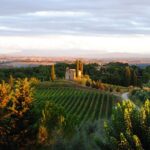
- Vineyard time at Azienda Agricola La Lastra: organic farming you can actually picture
- Inside the cellar: how fermentation and oak shape what you taste
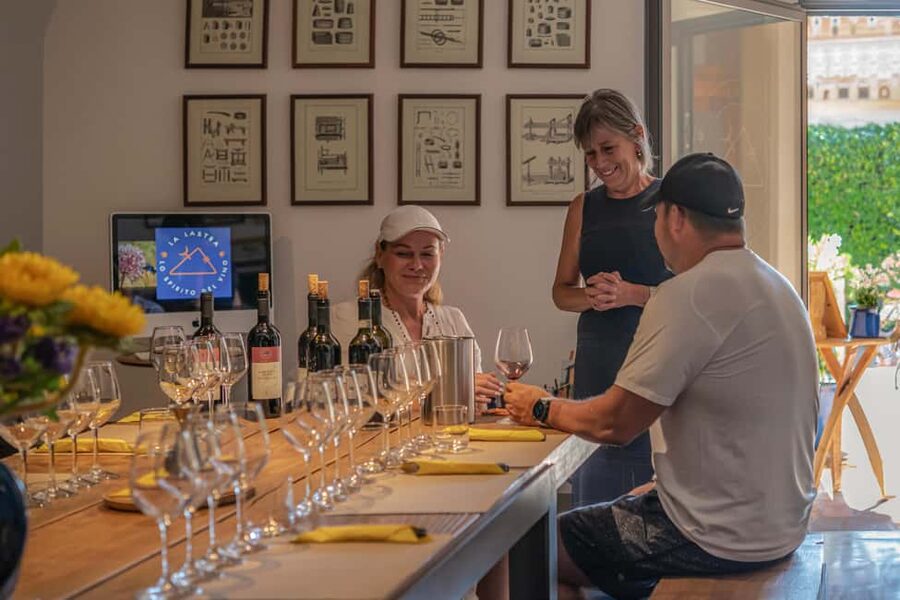
- The tasting room for Siena wine tasting: 5 organic wines, served with a purpose
- Afternoon meal pairings: Tuscan seasonal food that keeps up with the wine
- The guide factor: why names like Maia, Gianluigi, and Nadia show up
- How long is enough time for a Siena wine tour like this
- Price and value: what $88 buys you in the real world
- Who this works best for, and who might want to skip it
- Practical tips for your Siena organic winery tour
- Should you book this Siena organic winery tour?
- FAQ
- What’s included in the Siena organic winery tour?
- How long is the tour?
- Where do I meet the group in Siena?
- What languages are offered?
- Do I need a car to get there from Siena?
- What if I have dietary requirements?
- Can I cancel if my plans change?
Key things to know before you go
- Organic grapes, explained on the hillside with vineyard talk that focuses on how organic farming supports the grape ecosystem
- Vineyard-to-cellar tour flow that takes you from pruning and growth cycles to fermentation methods
- French oak for reds and practical notes on how barrels can influence flavor and development
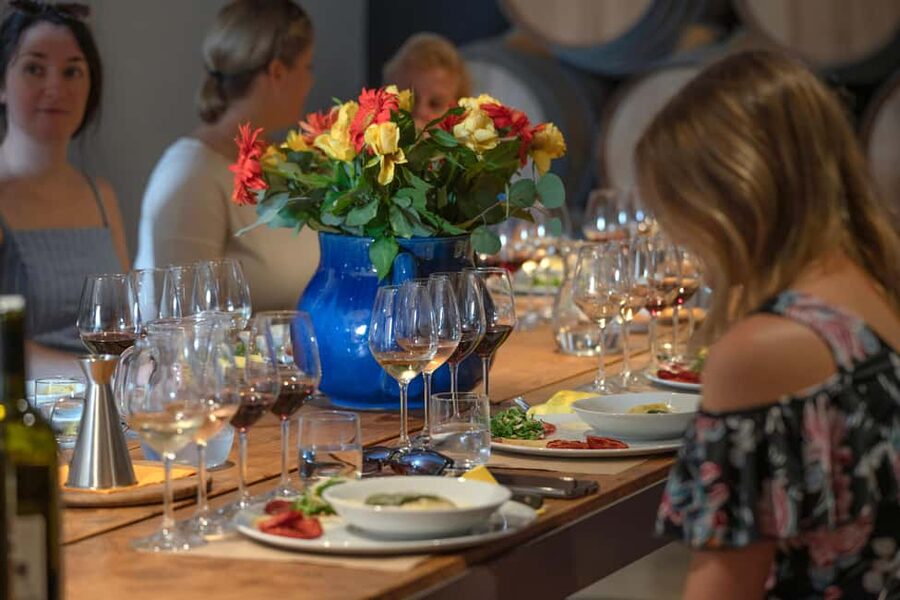
- Tasting room pairings where each wine is matched with seasonal Tuscan plates
- Dietary options are taken seriously when you share needs ahead of time
- A small, friendly setting that feels personal rather than assembly-line tasting
From Siena to the Tuscan hills: what the drive really feels like
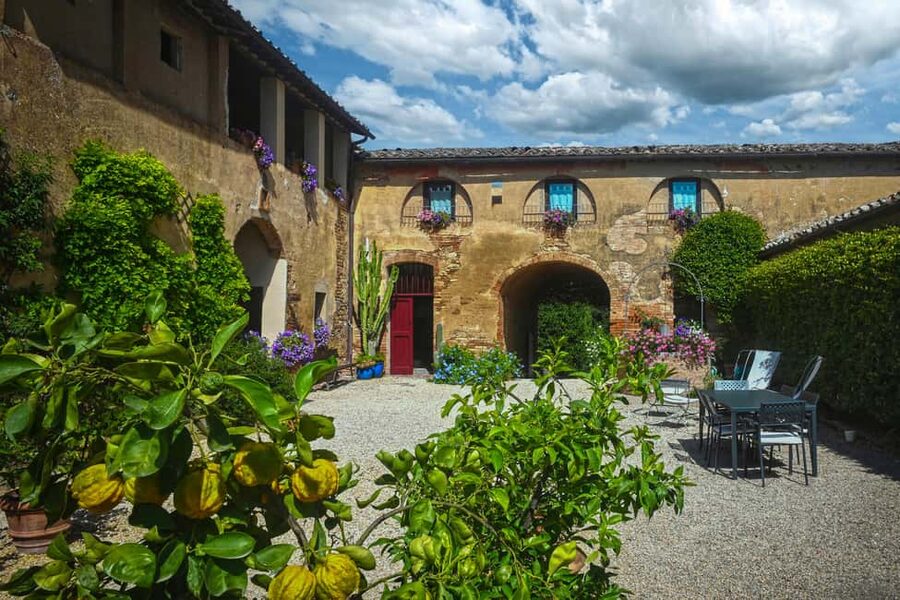
This tour is based just outside Siena in the countryside. The estate sits about 2 kilometers from the center, so on paper it sounds close. In reality, most people should treat it like a short ride, because the last stretch is countryside roads, not a simple city stroll. Several guides and practical-minded visitors point this out: you’ll likely want a cab rather than counting on timing your feet.
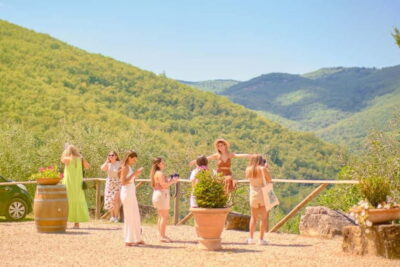
That said, the payoff starts the moment you arrive. You’re in a working organic winery, not a showpiece tourist stop. The setting matters here because you’re going to walk through vineyards and spend time around tanks, barrels, and a tasting room. If you’re the type who likes understanding where food and wine come from, you’ll feel right at home.
You can also read our reviews of more food & drink experiences in Siena

Vineyard time at Azienda Agricola La Lastra: organic farming you can actually picture
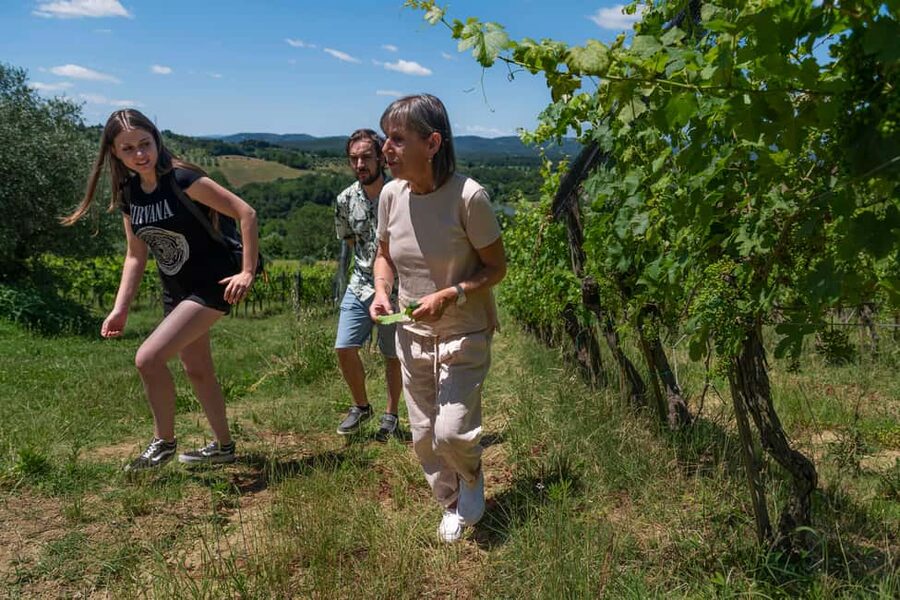
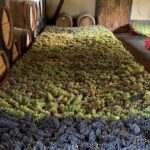
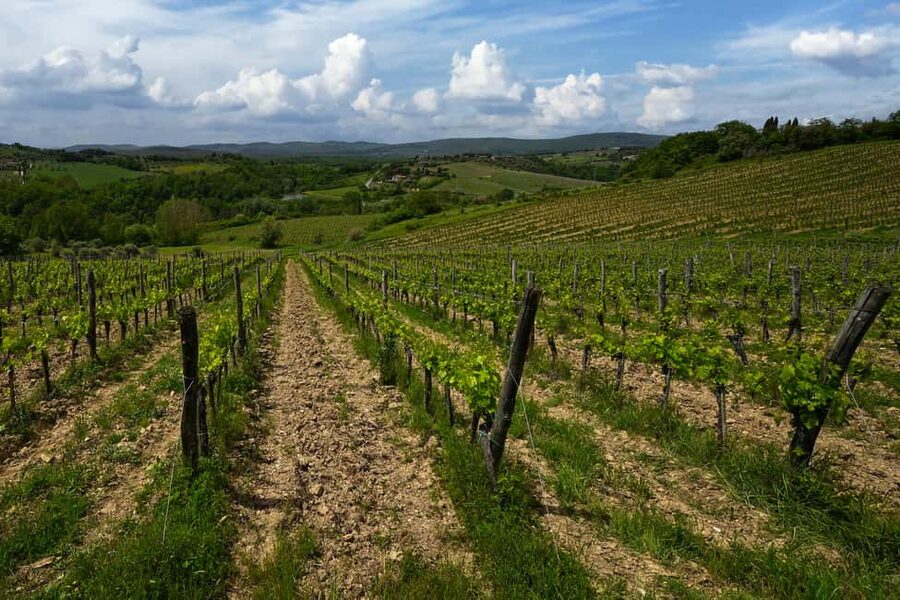
The tour starts with the outdoors, with a vineyard visit where the focus is on the agronomic cycle of organic grapes and how the hillside affects what grows. This is not just a scenic walk. You get explanations that connect farming choices to results in the glass.
Here’s what you’ll likely notice in the way the guide talks:
- the emphasis on how organic grapes are grown and maintained
- the way pruning and vine positioning tie into climate and sunlight
- the idea that soil and living things are part of the winemaking system, not an afterthought
One specific concept that comes up in the way guides explain the estate is biodiversity, often described as three pillars: soil, insects, and animals. That’s a helpful mental model. It turns organic farming from a label into something you can see as a chain of cause-and-effect.
You may also get a sense of how small details add up. One review highlights the charm of a small vineyard, which can make the whole experience feel more hands-on and less like you’re being rushed through a checklist. If you hate the feeling of a crowd herding you from station to station, this format is a win.
Inside the cellar: how fermentation and oak shape what you taste
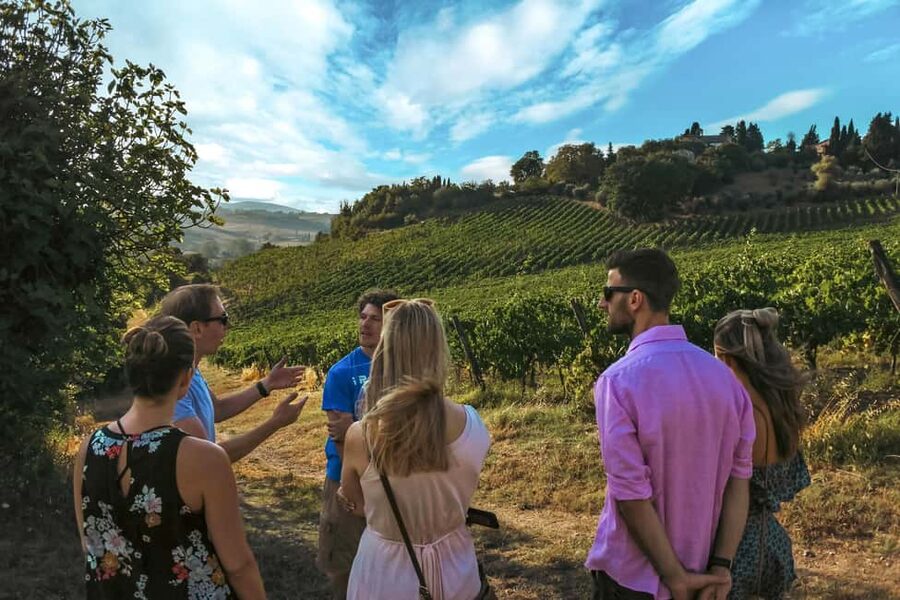
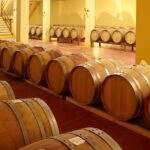
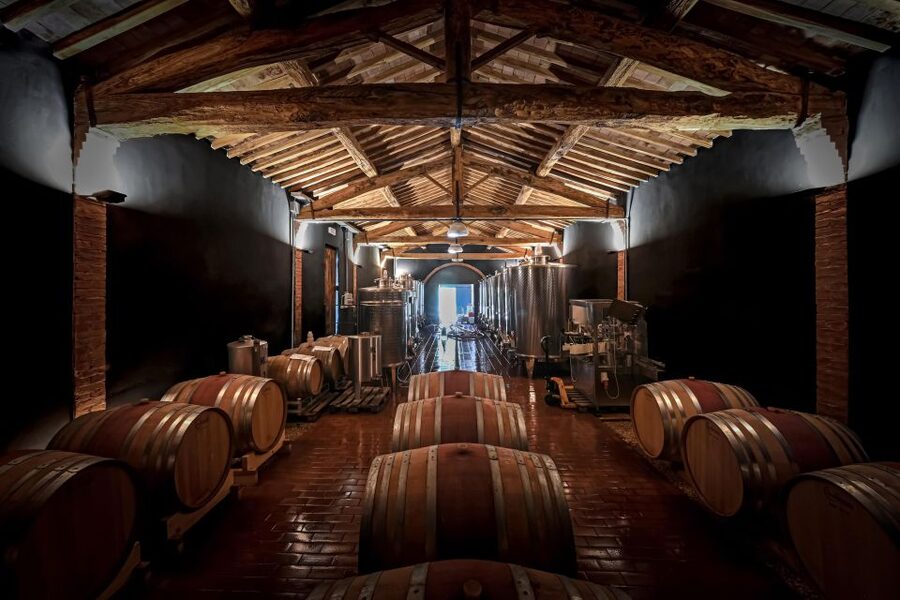
After the vineyard portion, you move to the cellar and winemaking areas. This is where the tour earns its keep, because it links farming to actual production steps. You’ll hear about the stages of wine making, including grape handling and fermentation.
Expect a tour that mentions:
- stainless steel fermentation (including how it supports cleaner, fresher expression)
- and for red wines, the use of French oak barrels
What’s useful here is not just the fact that oak is used, but how barrels are described in terms of impact. One guide’s explanation includes the role of barrel size and how the charring level can influence oxidation and flavor development. Even if you don’t become a barrel expert by the end, you’ll understand why two wines can both be “red” and still taste like different personalities.
The cellar tour also sets you up for the tasting room. By the time you sit down, you’re not starting from zero. You have a framework: grape growing decisions in the vineyard, then fermentation choices in the cellar, then aroma and flavor results in your glass.
The tasting room for Siena wine tasting: 5 organic wines, served with a purpose
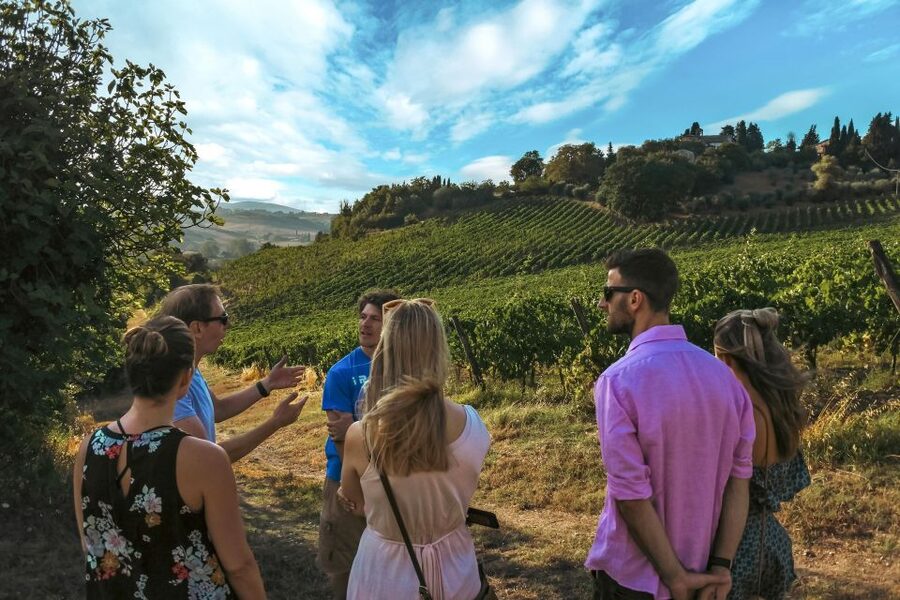
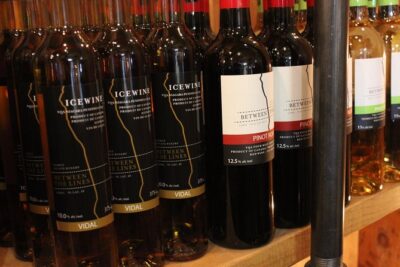
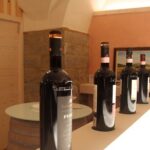
The tasting part is built around sensory experience. In the tasting room, you sample five organic wines, including younger and vintage styles. The goal isn’t to quiz you. It’s to get you tasting with intention: smell first, then sip, then pay attention to how flavors develop on the palate.
You’ll likely be guided to notice organoleptic nuances, which is basically a fancy way of saying: aroma, taste, and the texture feel in your mouth. This is where the tour becomes fun, especially if you’re new to wine tasting. You don’t have to know varietals perfectly to enjoy the process, because the guide provides a listening-and-smelling method.
And yes, you’ll taste more than one style, which helps you connect the dots. White versus red is one obvious difference, but the more interesting learning happens when you compare wines made with different production decisions, like stainless steel versus oak aging.
A practical tip: slow down during the first glass. People rush because they want the whole flight done. But the tasting works better when you give your nose and palate time to register small differences.
Afternoon meal pairings: Tuscan seasonal food that keeps up with the wine
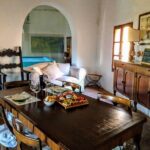
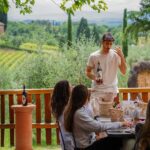
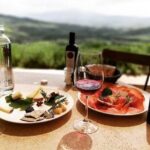
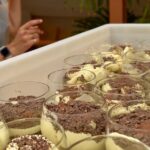
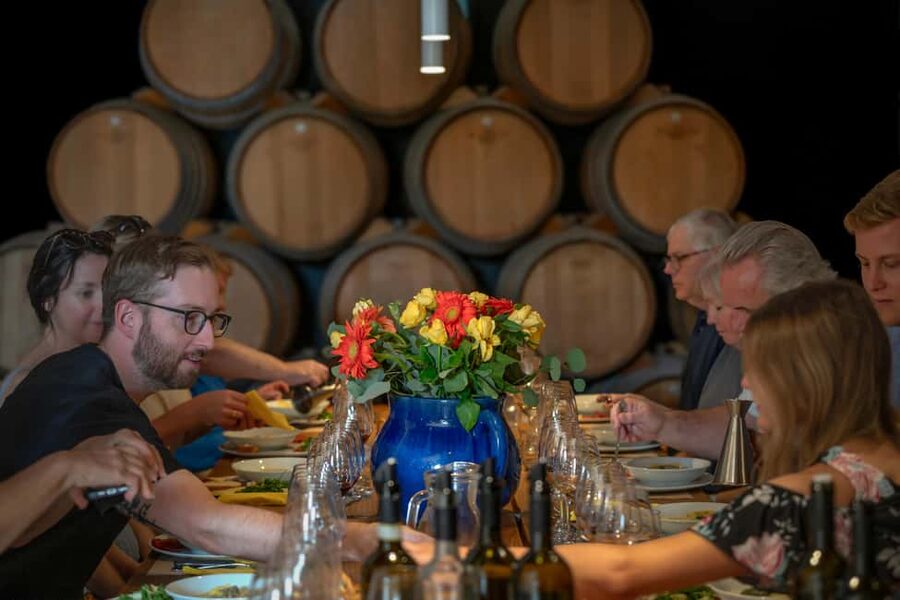
You don’t just taste wine here. You eat with it. The tour includes an afternoon meal with seasonal Tuscan products, with each wine paired to food designed to match flavors and cooking styles.
What makes this pairing approach feel authentic is the source of the ingredients. The tasting includes freshly cooked vegetables, and at least part of that comes from the estate’s organic garden. That matters because you get the sense that the meal is not generic restaurant food swapped into a wine tasting template.
Pairing style also seems to be a big part of the experience. The tour format includes wine-to-food combinations that are described as unusual and emotional in the way they’re introduced. Translation: you may be surprised by what matches what, and you’ll learn something beyond repeating the same safe pairing answers.
Dietary needs also show up in a real way. In particular, you’ll want to share your requirements in advance. The info isn’t overly detailed in the listing, but multiple people report that vegetarian and vegan options are available, and that special attention was provided in at least one situation involving a nut allergy.
If you’re traveling with friends who think wine is complicated, the food can be your shortcut. It makes the whole experience feel approachable and genuinely enjoyable.
You can also read our reviews of more wine tours in Siena
The guide factor: why names like Maia, Gianluigi, and Nadia show up
This tour often shines because the guides know how to teach without turning it into a lecture. Several sessions are led by guides such as Maia/Maya/Mia (spelled slightly differently across bookings), and other mentions include Gianluigi and Renato.
The consistent theme is how they handle questions. People aren’t left guessing. The guides talk about grape growing and cellar decisions with enough clarity that you feel like you understand what you tasted, not just that you drank it.
You might also meet an owner who takes part in the hosting. One review specifically notes an owner, Renato, and his wife Nadia preparing the meal, with the food described as standout quality. That’s a good sign for you as a visitor, because it suggests pride in the whole operation: vineyards, cellar, and the table.
How long is enough time for a Siena wine tour like this
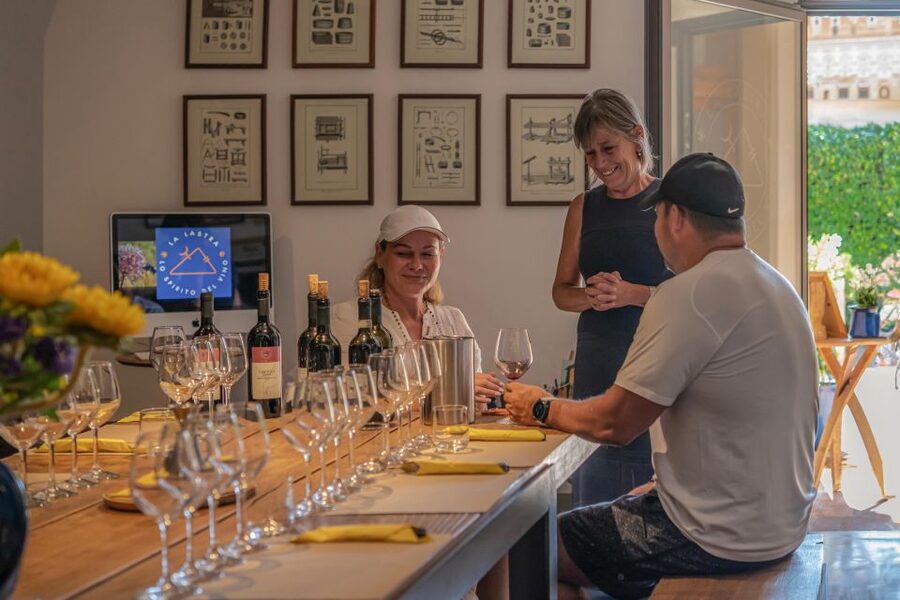
The duration is 2.5 hours. That’s a sweet spot. You get the vineyard portion, cellar time, and a meaningful tasting plus a meal without needing to dedicate your whole day to wine production logistics.
You won’t get only a quick walk-and-sip. You’ll also avoid the overly long tours that feel like they never end. This matters in Siena, because you’re usually balancing church visits, views, and dinner plans. Two and a half hours is long enough to learn, short enough to still enjoy the rest of your day in town.
Price and value: what $88 buys you in the real world
At $88 per person, this tour isn’t the cheapest tasting around. But it also isn’t just a glass-and-a-story experience. You’re paying for:
- a guided visit through vineyards and cellars
- a tasting of five organic wines
- an afternoon meal with seasonal Tuscan pairings
When you price it like that, the math starts looking reasonable. Even without comparing to other companies, you can see the structure: instruction plus food plus multiple pours. If you’d normally spend money on a tasting and then another meal anyway, this package can feel like a smoother deal.
The best way to judge value for yourself: ask whether you want wine as an activity, or whether you want it as a side dish. If you like context, this price makes more sense. If you only want a quick taste and you’re already eating a full dinner planned for later, you might feel like you paid for more than you needed.
Who this works best for, and who might want to skip it
This is a strong fit if:
- you want a guided organic winery tour near Siena
- you like practical explanations tied to what ends up in your glass
- you want wine plus a real meal, not just snacks
- you enjoy smaller-group energy
It might be less ideal if:
- you hate walking on uneven ground (vineyard surfaces can be rough)
- you only want a brief tasting with no cellar talk
- you’re short on time and need the absolute minimum stop
A small-group feel is a plus. One review even calls out a group of just four people, which tends to mean more interaction and less waiting around.
Practical tips for your Siena organic winery tour
A few things will make your experience smoother and more enjoyable:
- Plan on transport. Even though it’s only about 2 kilometers from the center, expect a short drive or taxi ride.
- Wear comfortable shoes. Vineyard ground isn’t always flat or clean.
- Ask your guide questions. This tour rewards curiosity, especially about organic growing, fermentation choices, and why oak is handled the way it is.
- Go slow in the tasting room. Your first glass sets your palate for the others.
- Tell them about dietary needs. Reviews mention vegetarian and vegan options, and they appear willing to accommodate real restrictions when provided.
Also, think of this as an afternoon plan. It’s not just a quick photo stop. If you show up ready to taste and eat, you’ll feel the value faster.
Should you book this Siena organic winery tour?
Yes, if you want a Siena day that mixes countryside scenery with real winemaking context and a plated, seasonal meal. The combination of a vineyard-to-cellar walkthrough plus a flight of five organic wines makes it more satisfying than typical tastings that stop at the surface.
I’d be cautious only if transport logistics are a dealbreaker for you or if you have a very limited tolerance for walking. Otherwise, this is a solid choice for wine lovers, curious beginners, and anyone who wants Tuscany without the big-tour vibe.
FAQ
What’s included in the Siena organic winery tour?
You get a guided visit to the vineyards and cellars, a tasting of five organic wines, and a Tuscan food tasting paired with the wines.
How long is the tour?
The experience lasts 2.5 hours.
Where do I meet the group in Siena?
The meeting point is in the courtyard at St. della Befana n. 5, Siena.
What languages are offered?
The host or greeter speaks English and Italian.
Do I need a car to get there from Siena?
The winery is about 2 kilometers from the center of Siena, and multiple people note that a taxi is useful since it’s not a simple walk from town.
What if I have dietary requirements?
You can provide dietary requirements when booking. Reviews note vegetarian and vegan options, and special care was mentioned for at least one nut allergy case.
Can I cancel if my plans change?
Yes. The activity offers free cancellation up to 24 hours in advance for a full refund.