REVIEW · SIENA
Siena: A Wine Tour and Tasting Experience
Book on Viator →Operated by Az. Agr. La Lastra · Bookable on Viator
Organic wine lessons outside Siena are oddly fun.
This 3-hour Siena tour from Az. Agr. La Lastra turns a simple tasting into a full story, from grape growing to what ends up in your glass. I like that it’s small-group (max 12), so the guide can slow down when you ask about acidity, aging, or why a wine tastes different.
What I also like is the balance: you taste at least four local organic wines and you get a light Tuscan lunch right there, paired with wine and their organic extra-virgin olive oil. The one thing to keep in mind is the setting includes time outdoors in the vineyards, so plan for weather changes and arrive with a little extra buffer from Siena.
In This Review
- Key points before you go
- Why this Siena wine tour feels worth the time
- Getting to Az. Agr. La Lastra: meeting point and timing
- Stop 1 in the vineyards: organic grapes, pruning, soil, and harvest
- Stop 2 in the cellar: how grapes become wine (fermentation to bottling)
- Stop 3 tasting four organic wines: how to use eyes, nose, and palate
- Stop 4 light Tuscan lunch with olive oil pairing
- Small group size and personalized attention: why max 12 matters
- Price and value: what you’re really paying for
- Weather, pacing, and how to get the most out of it
- Who should book this organic wine and tasting experience
- Should you book the Siena organic wine tour at Az. Agr. La Lastra?
- FAQ
- How long is the wine tour?
- What time does the tour start?
- Where is the meeting point?
- How many wines will I taste?
- Does the tour include lunch?
- Is the tour offered in English?
- What is the maximum group size?
- What is the minimum age?
- Do I get admission tickets included?
- Is free cancellation available?
Key points before you go
- Organic-first vineyard education: genetics, pruning, soil handling, harvesting—explained in plain language
- Cellar-to-bottle walk-through: fermentation, maceration, malolactic fermentation, stabilizing, bottling
- Four-wine tasting with a real method: you use eyes, nose, and palate, not just vibes
- Lunch that’s actually part of the experience: seasonal menu + pairing with wine and olive oil
- Max 12 people: better questions, less waiting around, more personal attention
Why this Siena wine tour feels worth the time
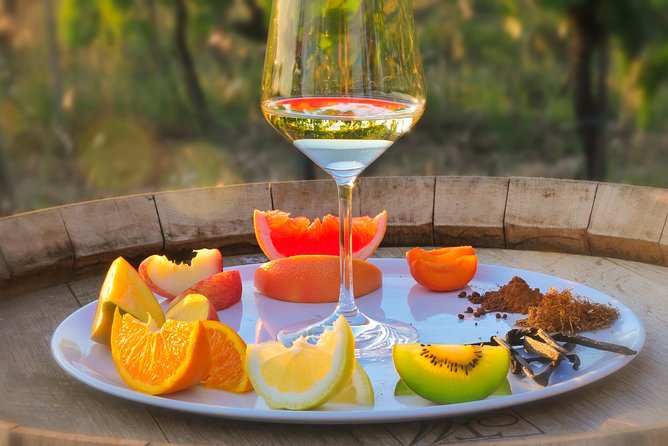
If you’ve ever done a wine tasting where you mostly stand around with a tiny pour, this one runs differently. You’re not only drinking. You’re learning how organic growing practices and basic winemaking steps shape flavor in the glass.
The format is built for focus. You’ll move through the vineyards, then the cellar, then the tasting room, and finally the food. That pacing matters in Tuscany, where one long stop can turn into fatigue, especially if you’re doing other sights in Siena that same day.
And because the group stays small (up to 12), it doesn’t feel like you’re listening to a script read to a crowd. It’s more like a guided conversation with tasting tools.
You can also read our reviews of more food & drink experiences in Siena
Getting to Az. Agr. La Lastra: meeting point and timing
The tour starts at 11:30 am and finishes back at the meeting point, so you’re not stuck trying to figure out logistics later.
You’ll meet at Str. della Befana, 2/A, 53100 Siena SI, Italy. That matters because the winery experience itself is in the countryside. If you’re coming from central Siena, give yourself extra time for transport. One real-world issue that comes up on tours like this is that taxis can be tricky to line up at the exact time you need, and arriving late can cut into the vineyard portion.
Practical tip: if you’re traveling alone, this is one of those tours where being on time helps you get the full benefit. A late arrival tends to mean you miss a chunk of the most scenic part.
Stop 1 in the vineyards: organic grapes, pruning, soil, and harvest
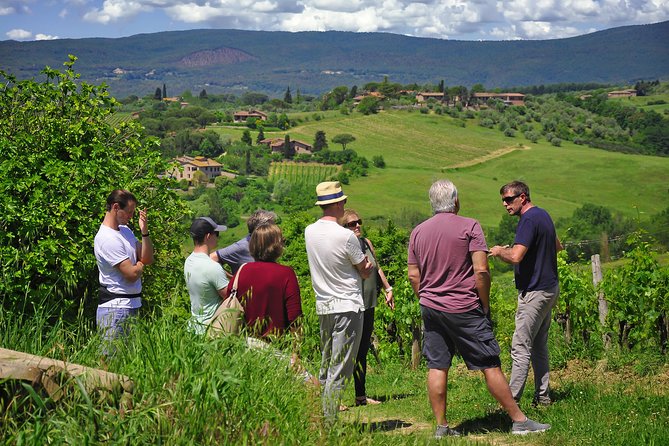
The first stop is at Azienda Agricola La Lastra in the vineyards and runs about 50 minutes. This is where the tour earns its name: organic viticulture as a real system, not a marketing word.
Here’s what you can expect to learn:
- the agronomic cycle of the grapes (how the season shapes the wine)
- pruning and how managing the vine affects fruit quality
- handling the soil and why it matters for plant health
- harvesting choices and what they change in the final wine
You’ll also hear talk about organic grapes with a science angle, including genetics, physiology, and ecology. The good news is you’re not just getting facts. You’re building a framework for tasting. When you later taste, you’ll have a reason behind what you notice: more structure, different aromatic intensity, or a shift in how the wine feels on your palate.
Possible drawback: if you prefer wine tours that stay purely sensory, the vineyard science portion may feel a little technical. Still, the payoff is that the tasting stops make more sense.
Stop 2 in the cellar: how grapes become wine (fermentation to bottling)
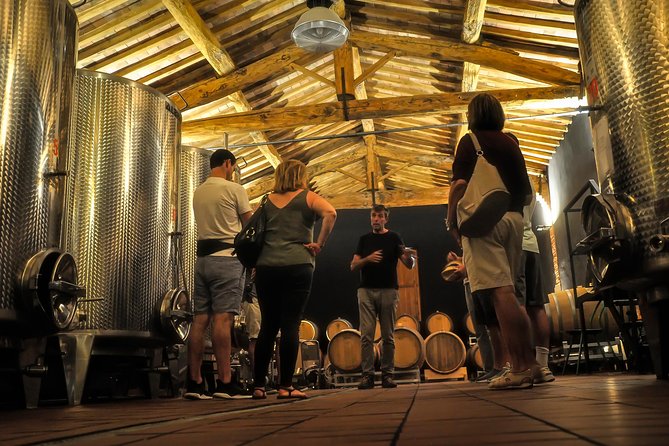
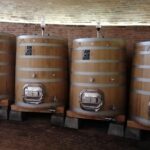
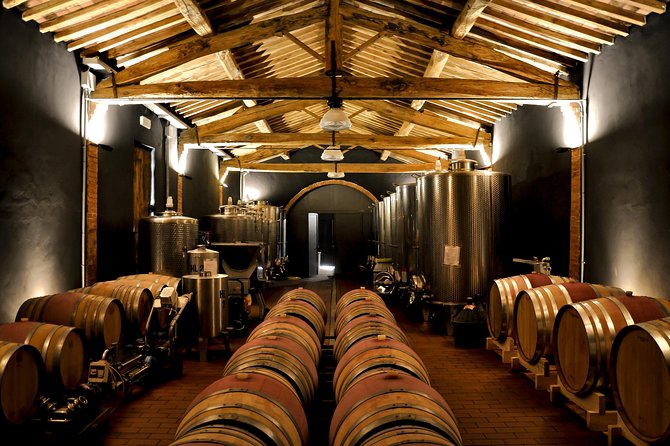
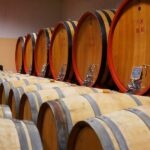
Next comes the cellar segment, about 40 minutes, still at Azienda Agricola La Lastra. This is the “how it’s made” stop, with an emphasis on quality and the key steps that shape flavor.
You’ll go through the main winemaking stages, including:
- stemming and crushing
- alcoholic fermentation
- maceration
- malolactic fermentation
- racking off
- stabilizing
- bottling and refinement
They also reference chemical, physical, and microbiological details. Translation: the tour doesn’t treat winemaking as magic. It treats it as controlled variables, which is exactly what helps you understand why two reds can taste like different planets even when they come from the same region.
One thing I appreciate here is that this stop isn’t too long. Some cellar tours run 60–90 minutes and you leave with a headache and no tasting memories. This keeps it tight.
Stop 3 tasting four organic wines: how to use eyes, nose, and palate
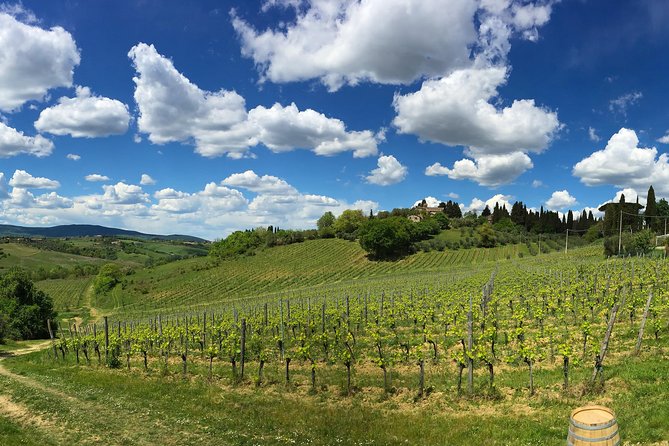
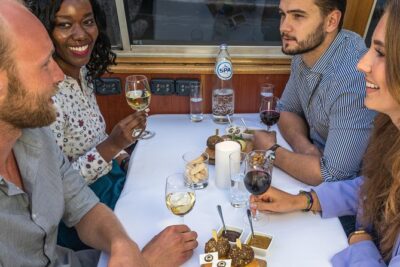
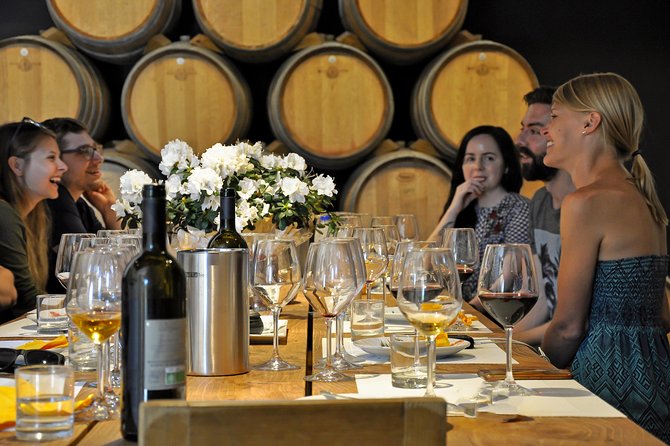
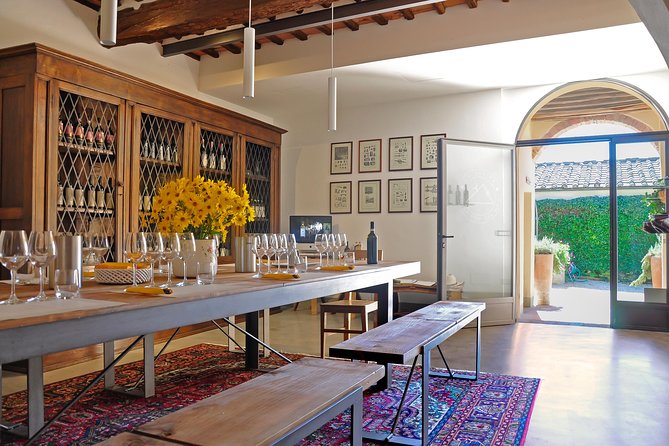
The tasting room portion lasts about 40 minutes and focuses on a practical method. You’ll taste four organic wines typical of the area and learn how to pick up sensor notes using:
- your eyes
- your nose
- your palate
This is where the whole tour clicks. The vineyard and cellar explanations prepare you to notice things you’d otherwise miss. You’ll likely start connecting acidity and tannin structure to farming and fermentation decisions. You’ll also get better at describing wine without needing fancy vocabulary.
In the better-run tours, the guide keeps you engaged instead of just pouring and walking away. Many bookings highlight guides who make the experience interactive and educational in a fun way, with thoughtful explanations and good pacing.
If you’re a casual drinker, this is still enjoyable. If you’re a wine nerd, you’ll likely love that the tour treats tasting as a skill, not an afterthought.
You can also read our reviews of more wine tours in Siena
Stop 4 light Tuscan lunch with olive oil pairing
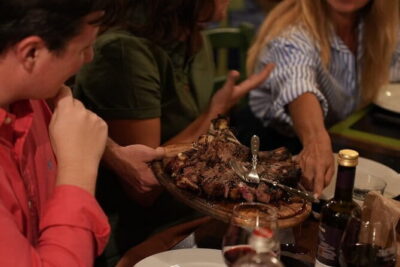
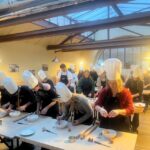
The final stop is about 50 minutes and ends with a light lunch that pairs food with wine and their organic extra-virgin olive oil. They offer seasonal menus, which is a big deal in Tuscany because the produce and menu style change with the time of year.
What makes this stop valuable is that it’s not just filler between tastings. It’s part of the education. Wine and food pairing forces you to pay attention to balance: how flavors soften or sharpen, how acidity affects the bite, and how olive oil carries aroma and texture into the meal.
You might also appreciate that the portion is described as light, which helps you stay comfortable. After four tastings and a food stop, you’ll still have the energy to explore Siena without feeling completely wiped out.
One more helpful note from how people describe their experiences: lunch is often called delicious, and the wine pours can feel generous. Even so, keep your pace. You’re not trying to win a tasting competition. You’re trying to remember what you learned.
Small group size and personalized attention: why max 12 matters
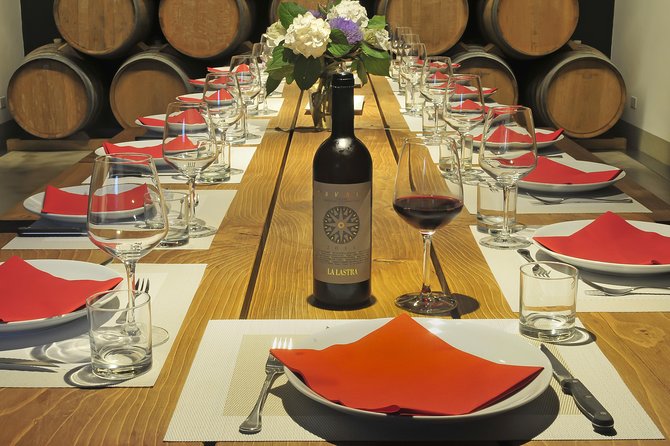
Max 12 travelers isn’t a random number. In practice, it changes how your questions get answered.
In a small group, the guide can:
- adjust explanations based on what you ask
- slow down if you want to repeat a tasting step
- give extra attention if you’re traveling solo and want to feel included
This tour is also explicitly set for adults (minimum age 18). That tends to make the atmosphere more relaxed and focused, especially around the tasting room where discussion and sensory focus matter.
Price and value: what you’re really paying for
At $102.84 per person for about 3 hours, you’re paying for more than wine in a room. The price covers:
- multiple guided stops (vineyard + cellar + tasting + lunch)
- admission tickets included for each stop
- a tasting set that’s at least four wines
- a light lunch with wine and olive oil pairing
When value feels “off” with wine tours, it’s usually because you get one tasting, no real context, and a rushed lunch. Here, the structure is built to give you a fuller education with time to taste and talk.
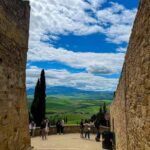
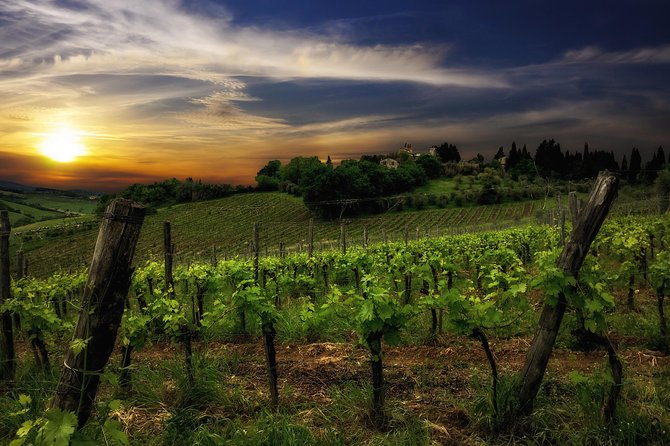
The other part of value is the setting. Being just outside Siena and tasting in a family-run style winery gives you an experience that feels tied to the land, not a big production line.
Weather, pacing, and how to get the most out of it
Because the tour includes time in the vineyards, weather can affect comfort. If it’s hot, wear light layers and bring water. If it’s cool or breezy, bring a small jacket.
Pacing is also a key part of enjoying this kind of tour. The itinerary is laid out so you don’t spend too long in one place:
- vineyard explanation
- cellar process walkthrough
- tasting method and discussion
- lunch pairing
That prevents the common fatigue problem. You can keep your attention on the task in front of you, and the learning sticks better.
Finally, tasting is best when you slow down. Sip, smell, then taste again. Let the pairing reset your palate between wines.
Who should book this organic wine and tasting experience
This tour is a strong fit if you:
- want wine education that includes actual production steps, not just a story about the estate
- like organic-focused agriculture and want to understand what that means in practice
- enjoy tastings with structured guidance
- want a small group experience where it’s easy to talk
It may feel less ideal if you mainly want an all-views, no-details Tuscany outing. This one gives you the details on farming and winemaking, and it expects you to enjoy the process as much as the drinking.
Should you book the Siena organic wine tour at Az. Agr. La Lastra?
I’d book it if you want a day that connects vineyards, winemaking, and food in a way that actually changes how you taste. The combination of vineyard-to-cellar explanation, a guided four-wine tasting, and lunch paired with wine and organic extra-virgin olive oil is the kind of trio that delivers real value.
Before you go, do two simple checks:
- Make sure you can get to the meeting point on time for the 11:30 am start.
- Keep expectations realistic about outdoor time. Dress for weather, and don’t plan other tight activities right after.
If that sounds like your style, this is a very solid way to experience Tuscany without turning the day into a rushed checklist.
FAQ
How long is the wine tour?
The tour lasts about 3 hours.
What time does the tour start?
The start time is 11:30 am.
Where is the meeting point?
The meeting point is at Azienda Agricola La Lastra, Str. della Befana, 2/A, 53100 Siena SI, Italy.
How many wines will I taste?
You will taste 4 organic wines.
Does the tour include lunch?
Yes. The tour includes a light Tuscan lunch with wine and their organic extra-virgin olive oil.
Is the tour offered in English?
Yes, the experience is offered in English.
What is the maximum group size?
The tour has a maximum of 12 travelers.
What is the minimum age?
The minimum age is 18 years.
Do I get admission tickets included?
Yes. Admission tickets are included for each stop.
Is free cancellation available?
Yes. You can cancel up to 24 hours in advance for a full refund. If you cancel less than 24 hours before the experience starts, the amount paid will not be refunded.