REVIEW · SIENA
Siena: Pasta and Tiramisu Cooking Class with Wine
Book on GetYourGuide →Operated by The Roman Food Tour · Bookable on GetYourGuide
Fresh pasta starts with your hands. In Siena, you’ll learn three pasta doughs and assemble a tiramisu while sipping drinks at a working Trattoria setup. I like that the whole thing feels practical, not performative, with step-by-step coaching in English (I’ve seen instructors like Natalia and Dennis lead the class).
What I especially like is the payoff: you’re not just cooking in theory. Afterward, you eat your homemade pasta at the restaurant next door with wine, so you get instant feedback on what you made. One thing to think about: the class centers on the traditional method with gluten, dairy, and eggs, and while substitutions exist, cross-contamination can’t be guaranteed.
In This Review
- Key highlights to know before you go
- Siena Cooking Class: Where Pasta and Tiramisu Really Happen
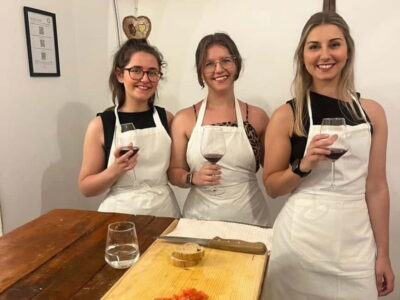
- Prosecco Welcome and Aprons On: How the Session Starts
- Three Pasta Doughs in 3 Hours: Egg Pasta, Pici, and Gnocchi
- 1) Traditional egg pasta dough
- 2) Egg-free pici dough
- 3) Potato dough for gnocchi
- What you’ll likely eat later
- Tiramisu Workshop: Building the Cream and Getting the Texture Right
- Lunch or Dinner at the Restaurant: Wine, Seating, and the Real Payoff
- Price and Value: Is $81 a Good Deal in Siena?
- Dietary Needs: What You Can and Can’t Assume
- Who This Cooking Class Fits Best
- Quick Practical Tips Before You Go
- Should You Book This Siena Pasta and Tiramisu Class?
- FAQ
- How long is the Siena cooking class?
- Where do I meet the group?
- What’s included in the price?
- Is hotel pickup and drop-off included?
- What language is the guide in?
- What dishes will I learn to make?
- Are dietary options available?
- Can I cancel for a refund?
Key highlights to know before you go
- Prosecco on arrival to take the edge off and start the meal right
- Three pasta dough styles taught with hands-on consistency checks (egg pasta, egg-free pici, and potato gnocchi)
- Tiramisu cream technique explained and then built by you
- Small-group pace that works in a real kitchen setup (around a dozen people)
- Lunch or dinner included, with wine paired for the meal you made
- Apron and tools provided, so you show up ready to work
Siena Cooking Class: Where Pasta and Tiramisu Really Happen
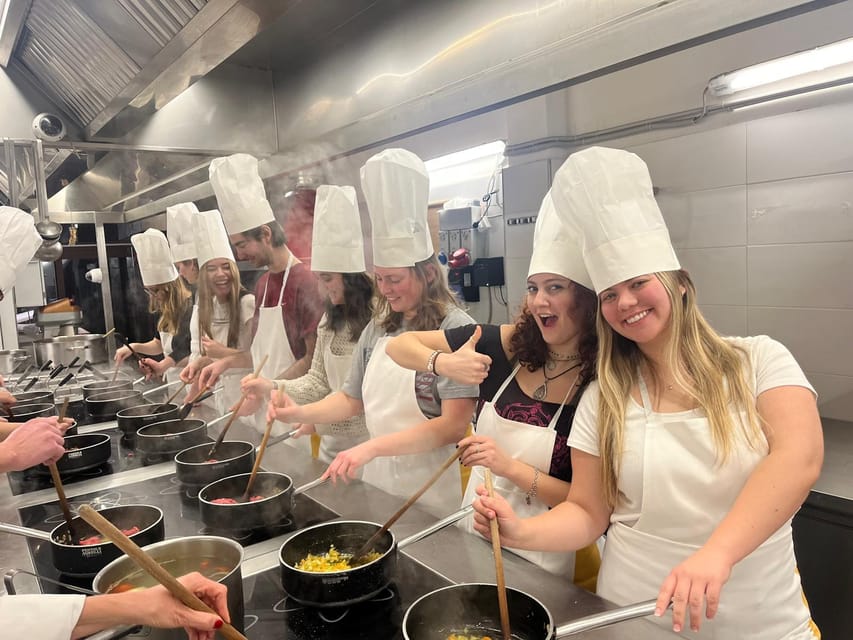
Siena is famous for its stone streets and medieval vibes, but this cooking class drops you into a different side of Tuscany: the working rhythm of a local trattoria. The meeting point is right at Trattoria Fonte Giusta, and you simply enter the restaurant to get checked in and brought into the kitchen flow.
This is not a museum-style demo. The format is hands-on, and that matters. Pasta is one of those foods where tiny differences in dough feel can make or break the result. So the experience is built around that moment when you stop watching and start doing—rolling, mixing, kneading, and learning what the dough should feel like.
The other nice touch is the social energy. Even with multiple groups running, the setup is designed so you’re cooking in your own work area rather than being in each other’s space. If you want an activity where conversation happens naturally—without awkward icebreakers—this class tends to deliver.
You can also read our reviews of more cooking classes in Siena
Prosecco Welcome and Aprons On: How the Session Starts
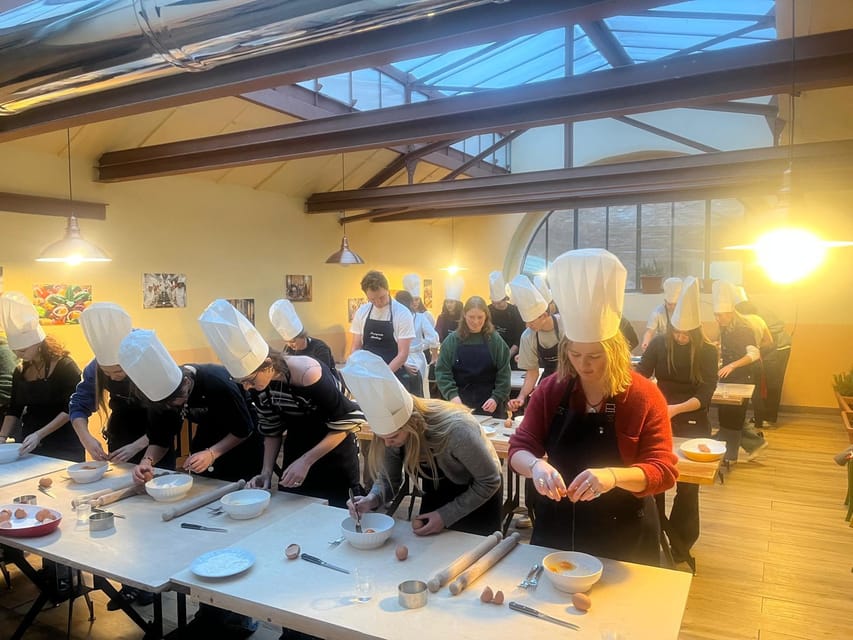
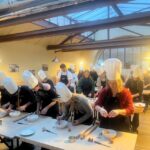
You arrive, and the first thing you get is a welcoming glass of Prosecco. It’s a small detail, but it sets the tone: you’re there to relax and work, not to rush or treat cooking like a test.
Then it’s straight into the basics. You wash your hands, put on an apron, and get directed to your workstation. From there, the English-language guidance is the backbone of the experience. The instructors (people have learned with chefs such as Natalia and Dennis) focus on clear, step-by-step direction, including what consistency should look and feel like.
One of the underrated parts here is that you don’t need special equipment or a culinary background. Apron and cooking tools are included, so your job is mainly to follow instructions closely and practice. That’s the kind of structure that makes the class feel fair, even if your cooking skill level is zero.
Three Pasta Doughs in 3 Hours: Egg Pasta, Pici, and Gnocchi
The heart of the class is learning to make pasta dough properly. You’ll work with three different types of dough, each one teaching a slightly different lesson about ingredients, texture, and handling.
1) Traditional egg pasta dough
This is the classic approach, using eggs to create that elastic texture pasta lovers chase. What you’ll learn here is how dough behaves when it’s mixed and kneaded enough—how to spot the right consistency before you roll too much or too little. Fresh pasta isn’t forgiving in the way dried pasta is, so this part is about building muscle memory for what “right” feels like.
2) Egg-free pici dough
Then you shift gears to local pici, the egg-free style referenced in the class description. This isn’t just a variation; it teaches you how the dough system changes when eggs are off the table. You’ll learn how to manage that dough so it still works well for shaping.
Pici has a different character from silky egg pasta. So even if you think of pasta as one thing, this lesson quietly corrects that idea.
You can also read our reviews of more wine tours in Siena


3) Potato dough for gnocchi
Finally, you make dough that involves potatoes for gnocchi. Potato pasta dough has its own rules because starch and moisture behave differently. The chef guidance emphasizes the consistency you need, which helps you understand why gnocchi can turn out light and tender—or dense—depending on handling.
The instructors walk around and show you what the dough should be like, not just tell you. That’s key if you want to take something useful home, not just collect photos.
What you’ll likely eat later
A point to clarify: you usually make the pasta itself, while the restaurant handles the sauce component for the meal you eat afterward. That means you can focus on mastering dough and shaping, then taste the full plate during lunch or dinner.
Tiramisu Workshop: Building the Cream and Getting the Texture Right
After pasta, it’s dessert time, and you move to tiramisu. Tiramisu can look simple, but it’s a technique dessert. The experience is structured so you learn how the tiramisu cream is made and how the mixing process affects the final texture.
The chef explains what makes the cream work, and there’s typically a demonstration step too. Then you each construct your own tiramisu. One earlier note you’ll see from people who booked this class: sometimes the dessert portion is partly demonstration-led, but the key idea stays the same—you get shown the correct method and then you apply it.
This matters because tiramisu is all about balance. If the mixture is too loose, it won’t hold up. Too stiff, and it loses that soft, spoonable quality. By the end of the class, you should understand what “right” looks like and how to avoid the common mistakes people make when they rush.
Lunch or Dinner at the Restaurant: Wine, Seating, and the Real Payoff
Here’s why this class is so satisfying: after cooking, you actually eat the result in a proper dining setting.
Once your pasta and tiramisu are done, you gather with your group for lunch or dinner (the experience includes both, depending on the session). A glass of wine is included with the meal, and that pairing helps you notice flavors more clearly than you would at a quick tasting.
You’ll sit down with fellow cooks and share the work you just did. This part is often where the class turns from activity into story: someone is comparing dough textures, another person is laughing about how much flour ended up on their sleeve, and the whole room is in that pleasantly tired mode that comes from real work.
Also, there’s usually a noticeable amount of food. One person noted that it didn’t feel like a small snack. So even if you’re coming hungry, this tends to land like a full meal, not a light lunch disguised as an attraction.
Price and Value: Is $81 a Good Deal in Siena?
At $81 per person, you’re paying for a short, 3-hour experience that bundles instruction, ingredients, drinks, and a meal. In many European food classes, the “extras” are where pricing gets tricky. Here, a lot of value is front-loaded: Prosecco on arrival, wine with your meal, and lunch/dinner included.
You’re also not just watching a chef. You’re making dough and assembling dessert. That hands-on factor is usually what justifies the price, because it’s a skill you can repeat later.
If you compare it to a sit-down meal alone, you’d still spend money on food and drinks. The difference is you get two skills at once: fresh pasta handling and classic tiramisu method. If you’re the kind of person who likes bringing practical souvenirs home—things you can actually cook—this price starts to look more reasonable.
Dietary Needs: What You Can and Can’t Assume
This class mentions dietary support (including vegetarian, vegan, and options for lactose intolerant and other diets). But it also lists restrictions: it’s not suitable for vegans, people with lactose intolerance, people with gluten intolerance, and it specifies that allergies are a tricky area.
Here’s the honest takeaway you should plan around: the instructions focus on the traditional recipe, which contains gluten, dairy, and eggs. Substitutes may exist for preferences or allergies, but the provider states they can’t guarantee 100% free of cross contamination.
So don’t treat dietary options as automatic. If you have a serious allergy, you’ll need to contact the activity provider directly and ask how they handle that risk in the kitchen environment.
Who This Cooking Class Fits Best
This is a good fit if you want:
- A hands-on Siena activity that teaches more than one dish
- A short time commitment (3 hours) with a full meal afterward
- An experience that’s social but not chaotic
- Something fun even if you’re not a confident cook
It’s especially worth it for couples or solo diners who like meeting people at shared tables, because the meal portion naturally builds conversation.
It’s less of a fit if you need a strictly vegan menu, or you can’t eat gluten/dairy/eggs due to intolerance, or if cross-contamination is a hard no for your health situation.
Quick Practical Tips Before You Go
- Wear clothes you don’t mind getting flour on. Pasta dough is messy in a friendly way.
- Expect to get hands-on with dough shaping and mixing. This is work, not just watching.
- If you care about dietary specifics, message early and clearly about your restrictions.
- Plan your timing so you’re not rushing off immediately after the class. You’ll want to sit and eat while it’s all still fresh.
Should You Book This Siena Pasta and Tiramisu Class?
Yes, if you want a straightforward way to learn classic Italian techniques in a real restaurant kitchen, with drinks and a proper meal included. The value is strongest when you actually care about learning dough consistency and tiramisu cream texture, not just collecting a souvenir.
If you have gluten, dairy, egg restrictions, or allergy concerns, take the “traditional recipe” note seriously and confirm your options in advance. Otherwise, this is one of the more rewarding cooking experiences in Siena because you don’t end the night wondering how it should have turned out—you eat what you made, sip wine, and move on with a real skill you can repeat at home.
FAQ
How long is the Siena cooking class?
The experience lasts 3 hours.
Where do I meet the group?
You meet by entering Trattoria Fonte Giusta.
What’s included in the price?
Included are a welcome glass of Prosecco, the pasta and tiramisu cooking class, lunch or dinner, a glass of wine, and an apron plus cooking equipment.
Is hotel pickup and drop-off included?
No, hotel pickup and drop-off are not included.
What language is the guide in?
The class has a live tour guide in English.
What dishes will I learn to make?
You make pasta dough for three types (traditional egg pasta, pici, and potato dough for gnocchi) and you also prepare tiramisu.
Are dietary options available?
Dietary options are listed (including vegetarian, vegan, lactose intolerant, and other diets), but substitutions are not guaranteed to eliminate gluten, dairy, or eggs, and cross-contamination can’t be guaranteed. The activity also states it is not suitable for vegans, people with gluten intolerance, and people with lactose intolerance.
Can I cancel for a refund?
Free cancellation is available up to 24 hours in advance for a full refund.