REVIEW · REIMS
Reims: Veuve Clicquot and Family-Run Winery Day Tour & Lunch
Book on GetYourGuide →Operated by À la Française Champagne ! · Bookable on GetYourGuide
Champagne day trips can be chaos. This one runs by a solid timetable, with Veuve Clicquot cellars and nine Champagne tastings that actually teach you how to taste. You’ll also get a guided walk through Hautvillers and a family-winery lunch that keeps the day moving without the stress of driving.
One thing to weigh is the price: at $389 per person, it’s not a budget outing. The value only makes sense if you want multiple tastings, a guided mix of big house plus family producers, and round-trip transport handled for you.
In This Review
- Key Highlights to Know Before You Go
- Reims or Epernay Start Time: The Day’s Easy Rhythm
- Veuve Clicquot Cellars: Four Tastings in the Cool, 10°C Reality
- Driving Epernay’s Avenue de Champagne and Strolling Hautvillers
- The Champagne Tasting Session That Changes How You Drink
- Lunch at a Family Champagne Estate with Paired Champagne
- Aÿ-Champagne: Family-Run Winemaking Up Close
- Marne Finale: The Small Producer Tasting That Makes It Memorable
- Timing, Pace, and Logistics That Actually Affect Your Day
- Price and Value: What You’re Paying For at $389
- Who Should Book This Veuve Clicquot + Family Winery Day Tour
- Should You Book It? My Practical Take
- FAQ
- Where does the tour start in Reims and where does it start in Epernay?
- How long is the tour?
- How many Champagne tastings do I get?
- Is lunch included, and is it paired with Champagne?
- Can you accommodate dietary restrictions for lunch?
- How cold are the cellars?
- Is this tour suitable for children?
- What’s the group size and language of the guide?
- Is there free cancellation?
Key Highlights to Know Before You Go
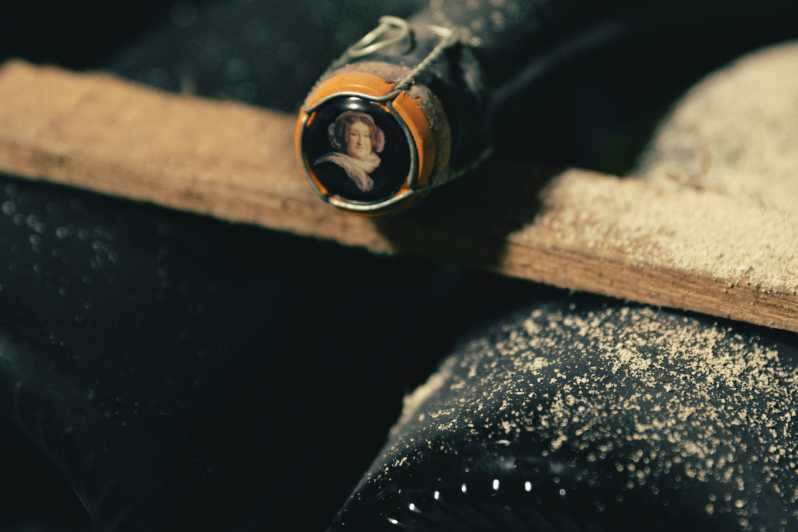
- Veuve Clicquot Ponsardin with 4 tastings inside the famous cellars
- Avenue de Champagne drive in Epernay plus Hautvillers strolling time
- A quick Champagne-tasting session to sharpen your palate fast
- Lunch at a family-owned Champagne estate with Champagne pairings
- Family-run producer visits in Aÿ and the Marne region to finish the day strong
- Small group size (up to 8) and air-conditioned minivan transport
Reims or Epernay Start Time: The Day’s Easy Rhythm
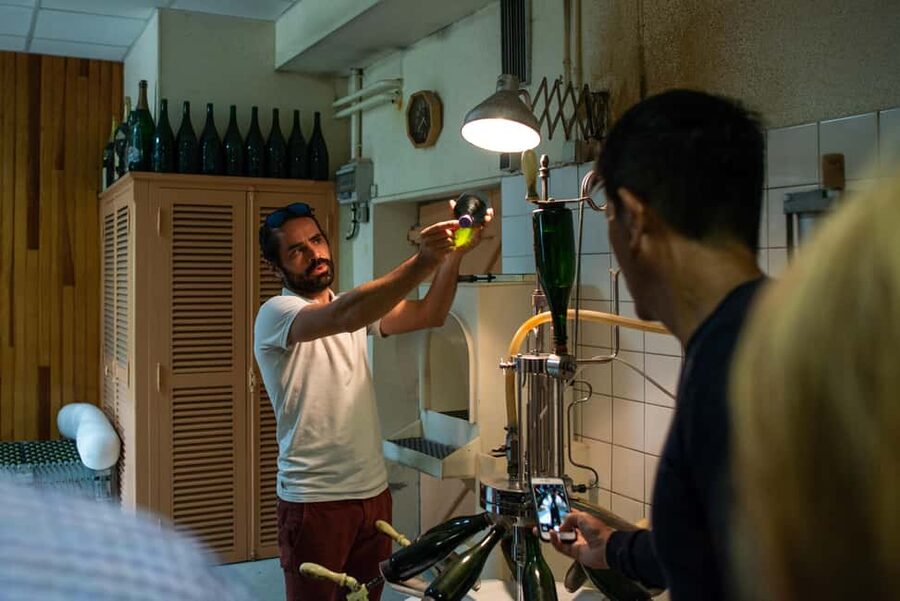
You have two start options, and both make sense depending on where you’re sleeping. If you’re basing yourself around Epernay, you’ll meet at 08:30 AM in front of the tourist office in Epernay. If you’re closer to Reims, the meeting is 09:20 AM in front of the tourist office at Reims Centre train station. The tour ends back at the same pick-up locations, with departures at 04:45 PM for Epernay and 05:30 PM for Reims.
This is a full-day format that’s long enough to feel like a real Champagne loop, but structured enough that you’re not spending the day stuck in logistics. Transport is by air-conditioned minivan, and the group is kept small, capped at 8 participants. That size matters here. With fewer people, you get more interaction with the guide during the tastings and between stops, and you’re not stuck watching through shoulder gaps.
One practical tip: plan your day around this start window. If you’re doing a day trip from Paris, this kind of schedule pairs well with train travel—especially since the tour handles the local driving.
You can also read our reviews of more wine tours in Reims

Veuve Clicquot Cellars: Four Tastings in the Cool, 10°C Reality
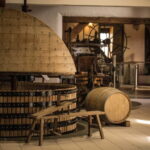
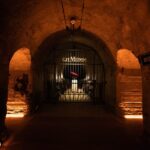
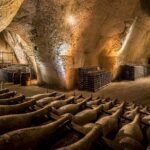
The morning’s anchor is the Veuve Clicquot Ponsardin Visitors Center, where you get a guided visit and end with 4 tastings. This is the big-name stop, but it’s not just a museum-style walk. The cellars are a working part of Champagne culture, and walking through them with an expert guide gives you a sense of why houses build their identity around the craft that happens underground.
Cellars run cool: the average temperature is about 10°C, so bring a jacket. Even if the Champagne day outside feels mild, you’ll feel that chill once you’re inside the caves. Think of it as your “layer check” moment—put on something you can leave on for tastings.
What I like about this part of the day is the way it gives you a baseline. With four different cuvées in front of you, you start noticing how Champagne houses communicate through style. You’re not only drinking; you’re also collecting reference points for later comparisons at smaller producers.
Also, the guide’s role here is key. A good explanation turns a tasting from random sipping into real learning. You’ll hear how things like blending and aging influence flavor, and you’ll get a clearer idea of what you’re trying to detect when you swirl and taste.
Driving Epernay’s Avenue de Champagne and Strolling Hautvillers
After the Veuve stop, you head toward the region’s postcard moments. You’ll drive through the Avenue de Champagne in Epernay, then get out to stroll through Hautvillers—the village linked to Dom Pérignon. If you’re picturing rolling vineyard views and classic Champagne villages, this is where the day starts looking like the photos.
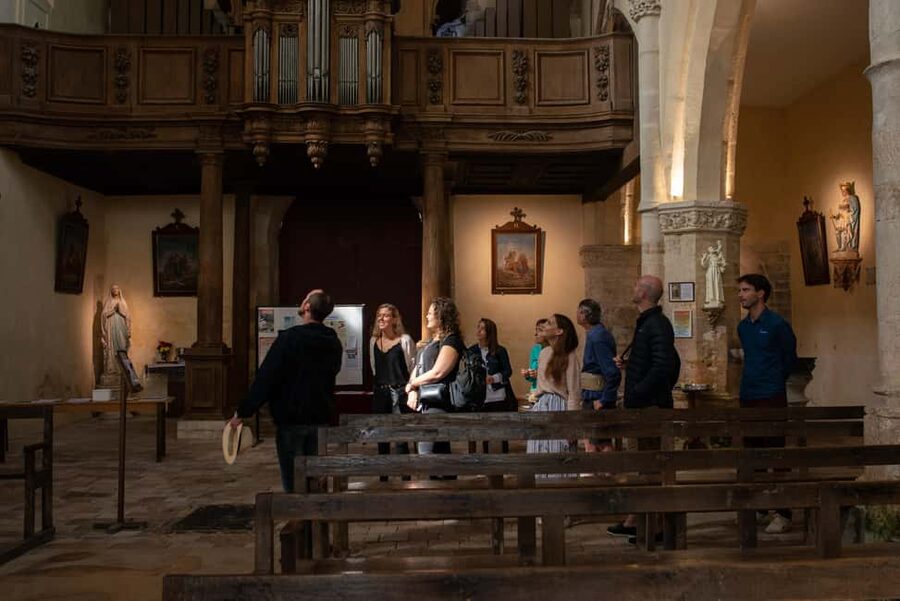
Hautvillers is also a meaningful stop, not only scenic. You’ll visit with a guided walk that includes the Dom Pérignon connection and time to take in views from a viewpoint over the valley and UNESCO-listed vineyards.
Two things make this portion worth your attention:
- Context. Touring a Champagne region without getting the geography is like tasting without a map. Here you learn where production happens and why these places matter.
- A breather between tastings. After the cellar, the village walk gives your brain a reset. It’s a good moment to slow down, take photos, and let the morning flavors settle.
There is walking here—comfortable pace, but you’re out for a while—so wear shoes you trust.
The Champagne Tasting Session That Changes How You Drink
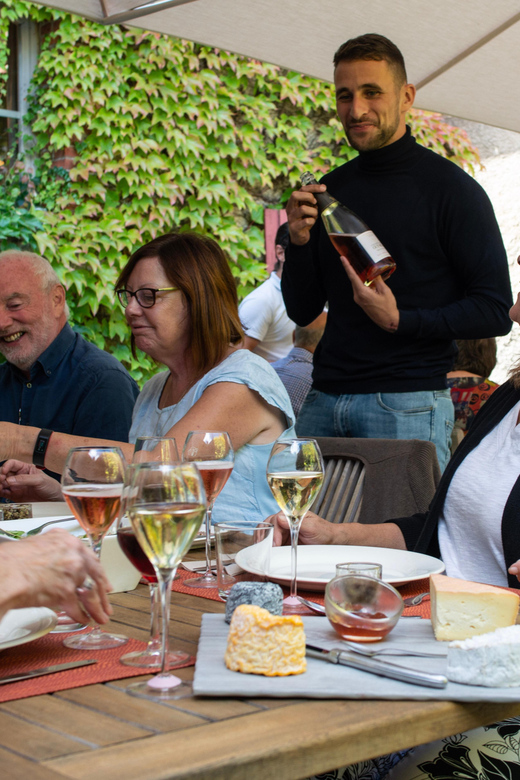
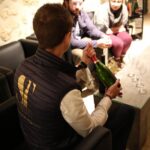
You’ll also get a quick, fun and informative introduction to Champagne tasting. This is one of those parts that sounds small until you realize it’s what makes the rest of the day click.
Use it to build a simple routine you can repeat:
- Look first, not last.
- Take a short moment with the aromas before you gulp flavor.
- Taste with intention: is it more crisp, more round, more mineral, more fruit-forward?
What you’re really buying with this lesson is independence. By the time you hit lunch pairings and the later producer tastings, you’re not starting from zero. You’re testing hypotheses: This cuvée feels different. Why might that be? That’s the kind of takeaway that makes a tasting day feel educational instead of just celebratory.
And since you’re tasting so many different Champagnes over the day, the lesson prevents sensory overload. It gives you handles to hold onto.
Lunch at a Family Champagne Estate with Paired Champagne
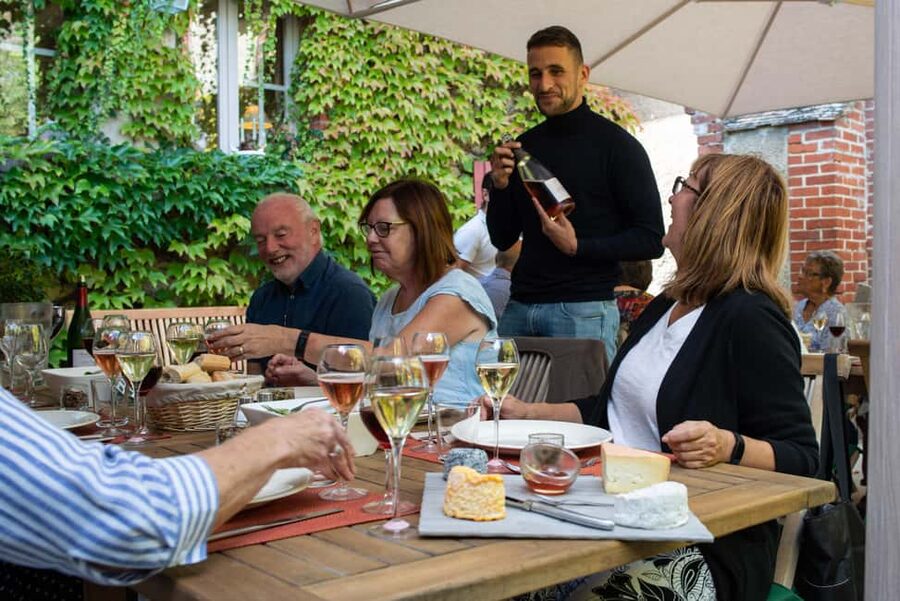
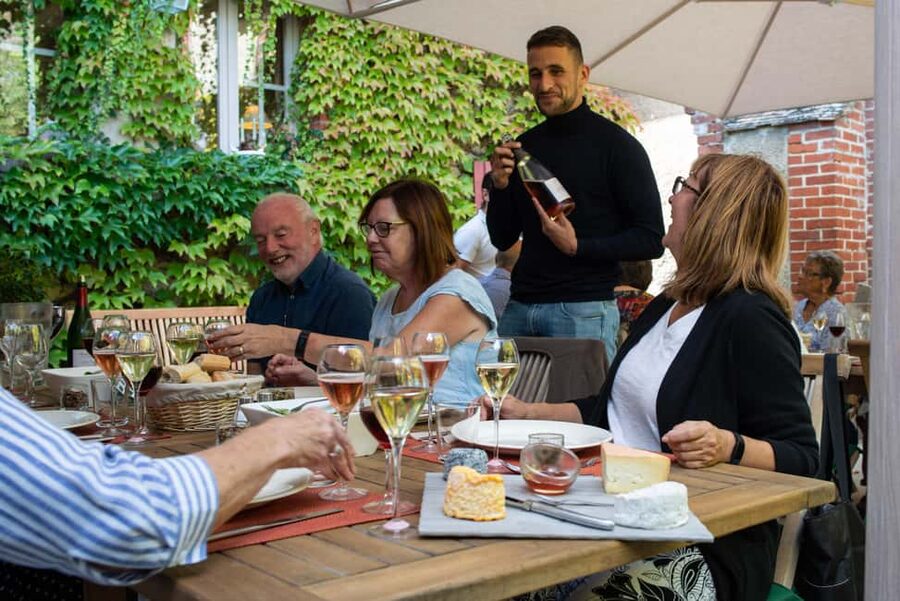
Midday is your lunch at a winery, and it’s built into a longer tasting block—about 105 minutes. This stop matters because it shifts the focus from formal cellar experiences to how Champagne shows up at the table.
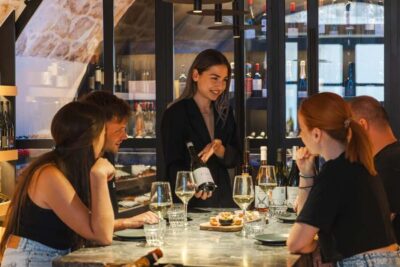
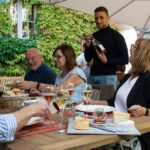
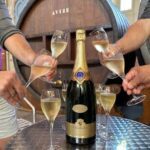
Lunch is paired with a selection of Champagne, which is a big difference from a standard restaurant meal where you might order one bottle and move on. Here, the pairing nudges you to notice how bubbles handle food. You can taste the Champagne and the meal as partners instead of separate events.
Dietary needs can be accommodated if you mention them when booking, but don’t wait until the last minute. With a set winery meal, your request needs to land early enough for the kitchen to plan.
One balanced way to set your expectations: this is a winery lunch, not a fine-dining tasting menu. It’s designed to be enjoyable and efficient while keeping your day on track, and the pairing is the real star. If you’re the type who wants a long, slow meal, this part will feel more like a structured lunch break between tastings than a restaurant linger-fest.
A few more Reims tours and experiences worth a look

Aÿ-Champagne: Family-Run Winemaking Up Close
After lunch, you visit in Aÿ-Champagne. You’ll have a 30-minute visit there, and this is where the day adds texture. Big houses are one thing. Smaller, family-run operations give you a different kind of understanding: less polished theater, more hands-on process.
You’re looking for signals of how a producer thinks. Pay attention to what they emphasize—grape selection, time in the cellar, and how they describe style. Even in a short visit, you can usually tell whether a family producer is proudest of their craft, their history, or their consistency.
Also, by now you’ve had enough tastings that you’ll spot patterns. You might notice that the later Champagnes lean into certain traits you became sensitive to earlier. That’s the fun part: the day builds.
Marne Finale: The Small Producer Tasting That Makes It Memorable
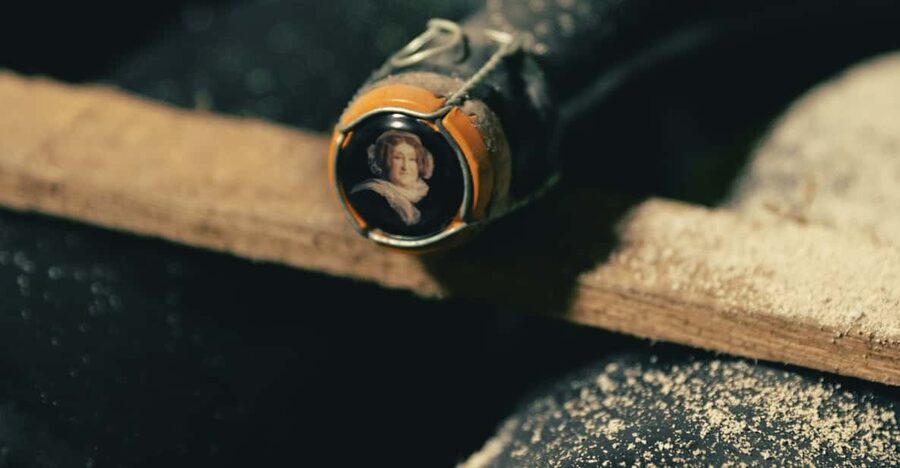
The last major tasting phase is in the Marne area, where you’ll do a 75-minute Champagne tasting session. The highlight here is the scale contrast. You’re moving from major house familiarity to a more intimate producer vibe.
This ending format is smart. You finish with a tasting length that lets you compare and reflect. By the time the last pours arrive, you know what you liked earlier, and you can test whether a smaller house’s style is what you personally want.
One of the most impressive parts of a day like this is seeing the contrast in production scale. You may encounter a very small operation where only a few people produce a limited number of bottles each year. That kind of scale shift makes it easier to appreciate what luxury in Champagne can mean beyond price: it can mean limited output and intense care.
Timing, Pace, and Logistics That Actually Affect Your Day
The tour runs 450 minutes (7.5 hours), but it doesn’t feel like a blur because it’s broken into clear segments: cellar morning, Epernay/Hautvillers scenic portion, winery lunch, then two additional producer stops and tastings.
Transport is handled for you, and you avoid the stress of figuring out roads between Reims/Epernay and the village sites. You’re also told to skip the ticket line for the key visits, which is a real time saver in busy Champagne season.
A few comfort points:
- Cellar temperature is around 10°C, so bring a jacket.
- The tour includes walking during Hautvillers and visits inside wineries and cellars.
- The group size stays small, so you’ll likely get more direct interaction with your guide.
It’s not suitable for children under 10, and animals are not allowed on shared tours, which matters if you’re traveling with a pet.
Price and Value: What You’re Paying For at $389
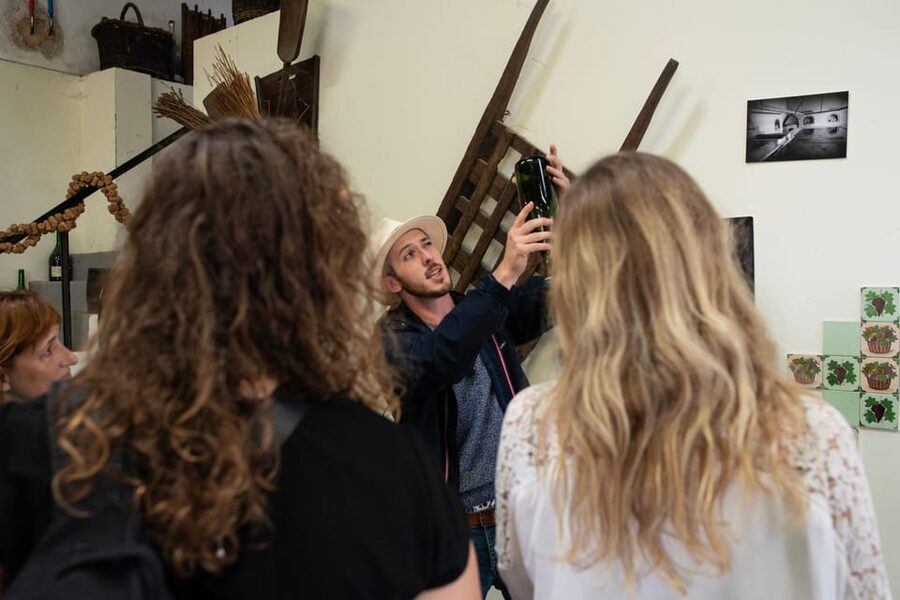
At $389 per person, this tour costs more than a basic day trip that only visits one winery. The question is whether you’re buying convenience, education, and multiple tastings—or just paying for the name Veuve Clicquot.
Here’s what you’re actually getting for the price:
- Local English-speaking guide
- Air-conditioned minivan transport
- Entry fees for the major stops and tastings at the included winery
- Lunch at a winery with Champagne pairings
- Nine Champagne tastings total, including four at Veuve Clicquot
That bundle is the value. Doing this on your own would mean booking transport (and drivers), coordinating multiple tastings, and managing timing between Epernay, Hautvillers, Aÿ, and the Marne area. A guided small-group tour buys you orchestration.
Is it expensive? Yes. But if you want the mix of big house + family-run producers, plus lunch and repeated tastings, it’s a fair price for a day that covers a lot of ground without you driving.
Who Should Book This Veuve Clicquot + Family Winery Day Tour
This tour is a strong fit if:
- you want a full Champagne day without renting a car
- you’re curious but not trying to memorize wine jargon
- you want a blend of famous and less famous producers
- you like structured tastings paired with food, not just wandering
You might choose something else if:
- you’re traveling with very young kids (under 10 isn’t recommended here)
- you hate tasting schedules and prefer to linger independently
- you’re only interested in one house or one small producer and don’t care about the rest
Should You Book It? My Practical Take
I’d book it if your goal is a Champagne day that teaches you how to taste while still keeping it fun. The Veuve Clicquot cellar visit with 4 tastings gives you a high-quality baseline, and the later stops at Aÿ and in Marne help you see what changes when you shift scale from a major house to family-run production.
If you do book, set yourself up for success:
- Bring a jacket for the cellars.
- Go in curious, not picky. The day is designed to compare styles.
- If you have dietary needs, tell the operator during booking so the lunch pairing can be handled smoothly.
If that sounds like your kind of day, this is one of the more efficient ways to experience the Champagne region from Reims or Epernay without turning your vacation into a driving project.
FAQ
Where does the tour start in Reims and where does it start in Epernay?
You can start either at 08:30 AM in Epernay (in front of the tourist office in Epernay) or at 09:20 AM in Reims (in front of the tourist office in front of Reims Centre train station). The tour ends back at the same locations.
How long is the tour?
The total duration is 450 minutes (about 7.5 hours).
How many Champagne tastings do I get?
Across the day, you’ll taste 9 Champagne glasses total. The Veuve Clicquot cellar visit includes 4 tastings at the end.
Is lunch included, and is it paired with Champagne?
Yes. Lunch is included at a winery, and it comes with a Champagne tasting/selection as part of that meal time.
Can you accommodate dietary restrictions for lunch?
Yes. Dietary restrictions and allergies can be accommodated if you mention your needs when booking.
How cold are the cellars?
The cellars average around 10°C, so it’s recommended to bring a jacket.
Is this tour suitable for children?
It’s not suitable for children under 10 years.
What’s the group size and language of the guide?
It’s a small group limited to 8 participants, and the guide is English-speaking.
Is there free cancellation?
Yes. You can cancel up to 7 days in advance for a full refund.