REVIEW · REIMS
Small Group – Half Day Champagne Tour – Visit of 2 Small Producers/Growers
Book on Viator →Operated by Sparkling Tour · Bookable on Viator
Small-batch Champagne beats the big tours. This half-day Champagne tour from Reims keeps the group tiny (maximum 8) and sends you into the countryside for tastings at two family growers instead of the big-name stops.
Stop 1 is Abbaye Saint-Pierre d’Hautvillers (afternoon tour only), and the timing is built to fit real sightseeing without stealing your whole day.
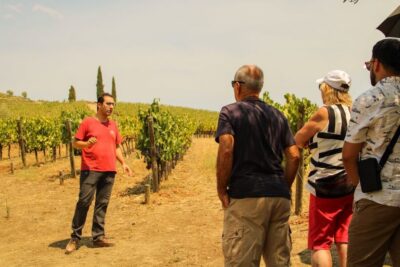
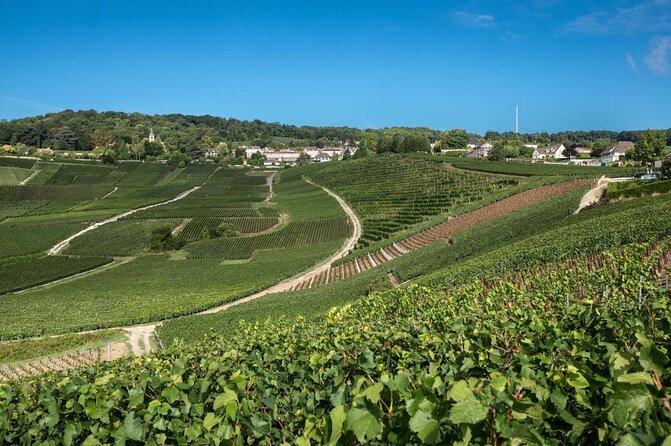
I love the six Champagne tastings and the way the guide ties each pour to what makes Champagne work in the first place. On tours like this, you’ll often be guided by pros such as Christophe, Ana, Xavier, or Martin, and they can explain the process clearly while still keeping it fun. I also love that you get guided context plus time to actually look at the vineyards and village views, not just sit and sip.
One possible drawback: if you’re unlucky with the day’s schedule (including closures at certain sites on some weekdays), the vibe can shift. You’ll still get the core tour and tastings, but you might not get the extra moment where the producer owner chats with the group on-site.
In This Review
- Key things to know before you go
- Why This Half-Day Reims Champagne Tour Works
- Meeting Point, Timing, and Getting There Without Stress
- Abbaye Saint-Pierre d’Hautvillers: The Dom Pérignon Story Beat
- Two Small Producers Outside Reims: What You Actually Get
- The Six Champagne Tastings: How to Taste With Purpose
- Pacing, Comfort, and Why the Small Group Feels Better
- Price and Value: Is $145.18 Fair for Champagne?
- What You Can Skip (and What You Shouldn’t)
- Who This Tour Suits Best
- Should You Book This Champagne Tour From Reims?
- FAQ
- How long is the half-day Champagne tour?
- Is this tour available in the morning or afternoon?
- How many Champagne tastings are included?
- Do you visit famous Champagne houses like Moët & Chandon or Veuve Clicquot?
- How many people are in the group?
- Is hotel pick-up and drop-off included?
- Can I ship bottles if I buy Champagne?
Key things to know before you go
- Max 8 people means quieter conversations and easier Q&A during tastings.
- Afternoon-tour only includes Abbaye Saint-Pierre d’Hautvillers and the Dom Pérignon church connection.
- Six tastings across two small producers helps you compare styles, not just sample randomly.
- Family-run wineries outside Reims give you a different view than the famous mega-houses.
- English mobile ticket and hotel pick-up not included makes it simple to plan your morning.
- Adults only (no babies/children), so the group stays calm and focused.
Why This Half-Day Reims Champagne Tour Works
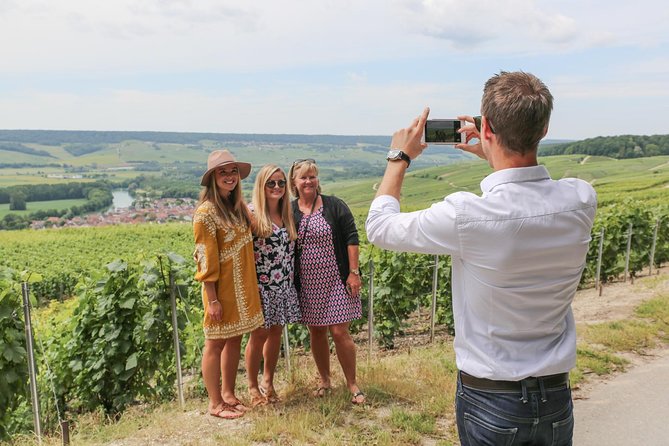
If you want Champagne education without spending a full day zigzagging across the region, this tour fits the bill. Four hours is just enough time to cover the essentials: how Champagne is made, what changes from one bottle to the next, and what the chalky Champagne landscape means for flavor.
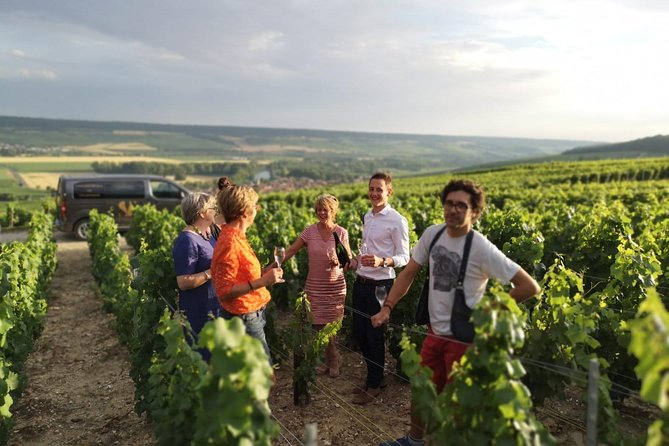
What makes it feel different is the scale. With only eight participants max, you’re not lost in a crowd. You can ask follow-up questions after a tasting, and the guide can steer the pace based on what your group is curious about.
This is also a smart choice if you already did one big house in Paris or elsewhere. Instead of repeating the same cookie-cutter tour script, you’re going to the parts of the region where small producers keep the process personal.
You can also read our reviews of more wine tours in Reims


Meeting Point, Timing, and Getting There Without Stress
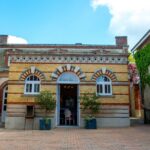
You meet near the main Reims train station area, at 1 Cr de la Gare / Cour de la Gare, 51100 Reims (in front of the tourism office). The tour ends back at the meeting point, so you can plan an easy afternoon or evening after you return.
You’re traveling in Mercedes minivans with A/C, which matters more than people think when you’re out in the countryside. This is practical touring: quick transfers, then tastings, then more driving only when it adds value.
Because hotel pick-up and drop-off aren’t included, it’s best if you’re staying either near the station or somewhere you can reach that meeting point smoothly. The good news: the meeting area is described as near public transportation, so you’re not stuck relying on a taxi for every step.
Duration is listed as about 4 hours, which is perfect for a half-day plan. You won’t feel like you’ve overbooked your trip—and you still get enough time to taste and learn.
Abbaye Saint-Pierre d’Hautvillers: The Dom Pérignon Story Beat
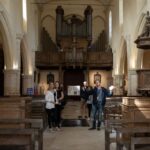
The centerpiece of the afternoon route is Abbaye Saint-Pierre d’Hautvillers, with a short stop time of about 15 minutes. This is one of those stops that helps you connect Champagne to place and history, without turning the day into a museum marathon.
You also visit the church connection linked to Dom Pérignon (the tour mentions Dom Pérignon’s church as part of the afternoon experience). Even if you’ve heard the name before, seeing this location gives you a better mental map for why Hautvillers matters in the Champagne story.
A practical heads-up: the Abbaye stop is listed as not available on the morning tour. So if you want this specific stop, pick the afternoon option when you book.
Why it’s worth it: this isn’t just a photo stop. It’s a quick anchor point that makes the later tastings feel grounded. When your guide starts talking about how Champagne developed and why the region’s traditions are so specific, you’ll have a visual reference in mind.
Two Small Producers Outside Reims: What You Actually Get
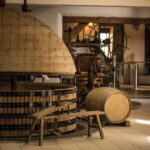
The main value of this tour is that it’s built around two small, family-run producers located outside Reims. This is the part many visitors skip because it’s not as famous as the big Champagne brands with huge visitor centers.
At each producer, you should expect a tasting session and time to learn what’s distinctive about their approach. Family growers often have a more intimate setup, and that changes the tone. Instead of a production line of visitors moving at the same pace, the conversation tends to stay human.
One detail to set expectations: the tour is conducted by your guide, and the tasting experience is guided and explained from start to finish. The supplied info also notes that owners may not always conduct tours themselves (for example, due to language), even though they may be present to say hi if they’re on-site.
So if you’re hoping for a meet-the-owner moment with an English-speaking winemaker every time, plan for flexibility. Your guide is the constant—and that’s what keeps the tour coherent.
A drawback to keep in mind: one day may not look like another. A review example flags closures on a Monday as a possible disappointment point. If you’re traveling at a time when sites might be closed, it’s smart to ask the provider before you lock in your date.
The Six Champagne Tastings: How to Taste With Purpose
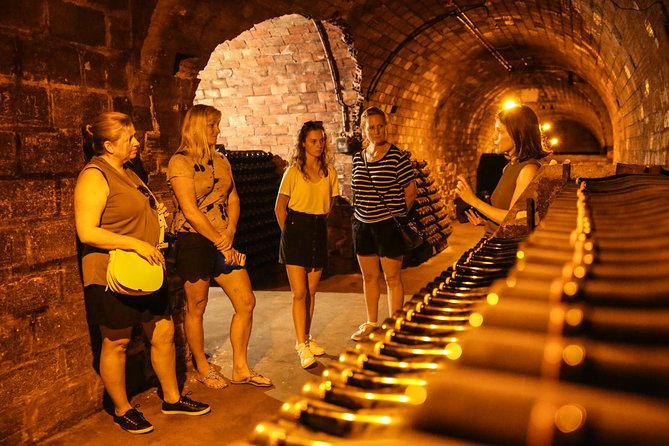
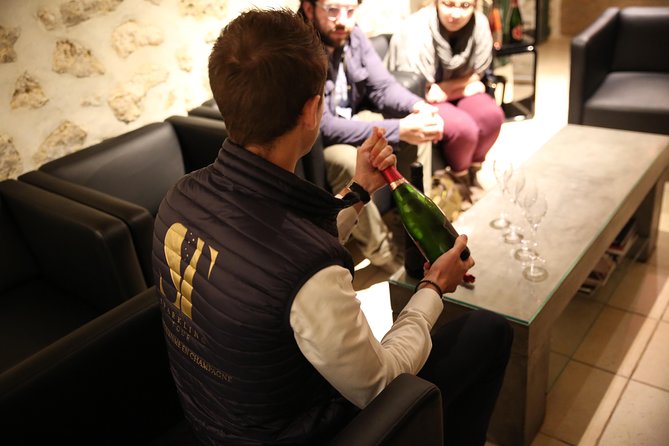
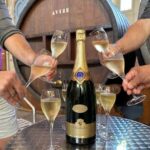
This is not a random sip-and-smile flight. The tour includes 6 Champagne tastings across the day. For most people, that’s enough variety to start recognizing patterns—without going so heavy that you lose track of what you’re tasting.
Here’s how to make those tastings useful:
- Taste in order and pay attention to texture. When the guide talks about process, listen for how bubbles and structure connect to style.
- Compare what changes between producers. Even within Champagne, small producers can land on very different expressions, and the countryside context helps you understand why.
- Ask one question per stop. Examples that fit what the tour covers: why a particular style is made, what a grower emphasizes, or how the region influences flavor.
The guide support is a big part of the value. Multiple review examples name guides such as Christophe, Ana, Alex, and Martine, and they’re praised for keeping the explanation clear and interactive. Your best move is to take that energy and guide it: if something in the tasting doesn’t make sense, ask right then, not later.
Also, don’t ignore the non-alcohol parts of the lesson. The better you understand the process, the more the next glass connects to real decisions made in the vineyard and cellar.

Pacing, Comfort, and Why the Small Group Feels Better
Four hours sounds short, but the tour is built for efficient touring. You’re not wandering on your own. You get transport, tastings, and key context, with minimal downtime.
The small-group size is what makes the time feel less rushed. In larger tours, you often end up waiting for the guide to catch up with the plan. Here, you’re more likely to get one-on-one attention as your questions come up.
And because you’re in a minivan with A/C, the driving doesn’t feel like a punishment. This matters most in summer heat, but it’s still a comfort win year-round.
One more comfort factor: there’s no hotel pick-up, which can sound inconvenient, but it usually means the day is less chaotic. You’re heading to one fixed meeting point, and the tour runs from there.
Price and Value: Is $145.18 Fair for Champagne?
At $145.18 per person, this is not bargain-basement pricing. You’re paying for three things that add up fast in Champagne country: transportation, guided tasting time, and entrance fees at the stops.
What makes it good value is that the price includes:
- A small-group tour (max 8)
- Mercedes minivans with A/C
- Entrance fees for visits and tastings at two family-run wineries
- 6 Champagne tastings
- The Hautvillers stop plus Dom Pérignon church (afternoon tour)
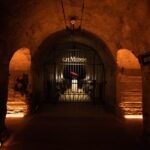
You’re also not paying extra for the big famous houses, because the tour specifically does not include those marquee visits (the info says famous houses like Moët & Chandon, Veuve Clicquot, Ruinart are not part of this route).
So you should think of this as a trade: you’re paying more than a casual tasting room, but you’re getting a structured comparison across small producers with real guide interpretation—and a half-day pace that won’t drain your whole day in Reims.
If you prefer massive brands and big-house production spectacle, you may feel like you’re missing something. But if you want to understand how Champagne is made beyond a single famous label, this is exactly the kind of tour that justifies its cost.
What You Can Skip (and What You Shouldn’t)
Because this is a focused route, it’s smart to know what it won’t do for you.
Skip the assumption that you’ll tour the most famous Champagne houses. This tour is designed around small producers outside Reims and the included tasting plan. If your dream is specifically Moët & Chandon, Veuve Clicquot, or Ruinart, you’ll need a different tour.
Don’t overplan your day either. The tour returns to the meeting point, so you’ll likely go back to town afterward. Give yourself time to decompress, especially if you buy bottles. The region can be scenic in a way that makes you want to linger.
Shopping isn’t hard-sell. One review praised a lack of pressure to buy, which is often a make-or-break factor for wine tours. You should still expect that some purchases are possible, and if you fall in love with bottles, shipping is available (US, Australia, Europe).
Who This Tour Suits Best
This tour is a strong match if you:
- Love wine and want the process explained, not just the tasting checklist
- Prefer family-run producers over the biggest brand names
- Want a half-day plan that still feels complete
- Enjoy learning in a small group with room for questions
It’s also a great choice for couples or solo travelers who want company without losing personal time.
Who might not love it? If you want a full “see everything” bus tour with major brand sites, this route intentionally avoids that. And since children/babies aren’t allowed, this isn’t an option for families traveling with kids.
Should You Book This Champagne Tour From Reims?
I’d book it if your goal is understanding Champagne through two small producers, guided tastings, and a quick, meaningful stop at Abbaye Saint-Pierre d’Hautvillers with the Dom Pérignon connection. The small-group cap and the six tasting count make it feel like a real learning experience, not just a drink tour.
Book it with two expectations set upfront: first, you’re not going to the ultra-famous houses. Second, if you travel on a day when a site is closed, the format can feel slightly different—though you’ll still get the core tasting and instruction from the guide.
If that sounds like your kind of Champagne day, this is a very practical way to spend your afternoon in Reims and get a better picture of what makes the region special.
FAQ
How long is the half-day Champagne tour?
It’s listed as approximately 4 hours.
Is this tour available in the morning or afternoon?
This is an afternoon-focused tour. Abbaye Saint-Pierre d’Hautvillers is specifically noted as afternoon only and not available on the morning tour.
How many Champagne tastings are included?
You get 6 Champagne tastings during the day.
Do you visit famous Champagne houses like Moët & Chandon or Veuve Clicquot?
No. The tour is not for the famous big houses such as Moët & Chandon, Veuve Clicquot, or Ruinart.
How many people are in the group?
The group is capped at a maximum of 8 people.
Is hotel pick-up and drop-off included?
No. Hotel pick-up and drop-off are not included, and the tour meets at the Reims train station area.
Can I ship bottles if I buy Champagne?
Yes. Shipping is available to the US, Australia, and Europe if you purchase bottles.