REVIEW · VERONA
Discover Valpolicella Vineyards and Wine Tasting Experience
Book on Viator →Operated by TENUTA SANTA MARIA VALVERDE · Bookable on Viator
Amarone tastes better with vineyard views. This 2.5-hour visit to Tenuta Santa Maria Valverde pairs a calm walk through Valpolicella’s vines with a look at how grapes become wine, including a 17th-century cellar and the grape-drying room called Fruttaio. You end with tastings of Valpolicella, Ripasso, and Amarone, plus local bites on a terrace with serious hill views.
I love the personal, family-run feel. I especially like the way the tour mixes the estate story with hands-on stops, from the vineyard to the barrel area. I also like that the tasting isn’t just wine for wine’s sake: you get organic extra virgin olive oil, local cheeses, and Valpolicella salami like Soppressa.
One thing to consider: the winery sits outside Verona, so the success of your day depends on getting to the right pickup point. A few people got confused from map pins, bus stops, or transport wording, so double-check your directions before you go.
In This Review
- Key things to know before you go
- Tenuta Santa Maria Valverde: a Verona day with a real wine farmhouse mood
- Verona-to-Valpolicella transport: what’s included and what you should verify
- The itinerary flow: how the day moves from historic Verona to wine country
- Vineyard walk in Marano di Valpolicella: the part that makes the wine taste make sense
- Inside the winery: the 17th-century cellar and the Fruttaio drying room
- Oak barrels, refinement, and what to notice during Ripasso and Amarone
- The tasting room and terrace: wine with olive oil, cheese, and real food
- Price and value: why $84.69 can feel fair
- Who this tour is best for (and who should pick something else)
- Should you book Tenuta Santa Maria Valverde?
- FAQ
- How long is the Valpolicella vineyard and wine tasting experience?
- How much does it cost per person?
- What wines do you taste?
- Where does the tour start and end?
- Is the tour offered in English?
- How big is the group?
- What food is included with the wine tasting?
- Can I cancel for free?
Key things to know before you go
- Family-run estate feel at Tenuta Santa Maria Valverde, not a big warehouse-tour vibe
- Fruttaio grape-drying room and a look at how the process shapes the final reds
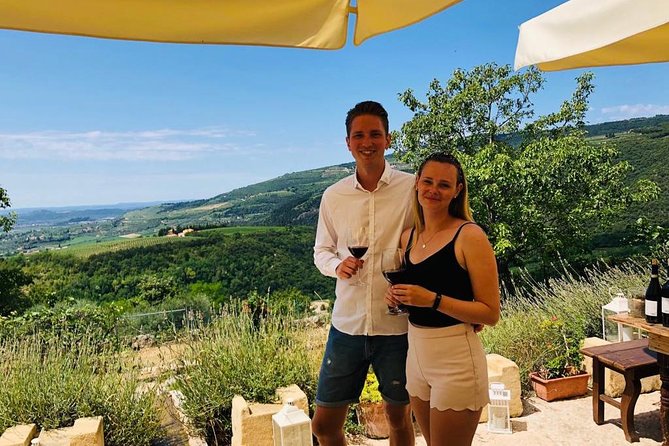
- Terrace views over the Valpolicella hills, with wine tasting in a beautiful setting
- Tasting lineup includes Valpolicella, Ripasso, and Amarone, plus olive oil and local cheeses
- Small group size with a maximum of 18 people, which keeps the pacing relaxed
- Transport matters: read your instructions closely for the Verona-to-vineyard portion
Tenuta Santa Maria Valverde: a Verona day with a real wine farmhouse mood
This is the kind of Valpolicella outing that feels like you’re stepping into someone’s home, not just collecting stamps. Tenuta Santa Maria Valverde is a family-run winery in Marano di Valpolicella, and the tone is warm and relaxed. Even if the weather turns misty, the estate still works because the tour is built around the place itself.
I like that it’s not only about wine labels. You get the story of how the estate works and how the family approaches grape growing and wine refinement. And the setting helps: people describe an old stable-like space converted for tastings, plus classic winery architecture that makes the whole visit feel grounded in the region.
You’ll also hear the process explained in practical terms: how grapes dry, how reds refine, and what to notice while tasting. That turns the experience from a simple tasting into something you can actually use later when you’re ordering in a restaurant.
You can also read our reviews of more food & drink experiences in Verona

Verona-to-Valpolicella transport: what’s included and what you should verify
The tour description says you get round-trip transportation from Verona to reduce the hassle of driving. In real life, the day can still hinge on how the pickup is arranged and where your meeting point points you. Some past visitors were able to use buses outside the city and then get picked up by car, while others discussed shared shuttle or taxi costs.
So here’s my practical advice: before you leave Verona, check whether your plan depends on (1) a direct pickup, (2) a bus to a final stop outside the city, or (3) a shared shuttle with a per-person split. Also, don’t trust the pin blindly. If you’re relying on public transport, plan to follow the written instructions closely, not just the map dot.
This matters because the winery is in the hills area, and if you’re late, it can turn the whole day stressful. The best-value outcome is simple: arrive on time, then let the tour pacing do its job.
The itinerary flow: how the day moves from historic Verona to wine country
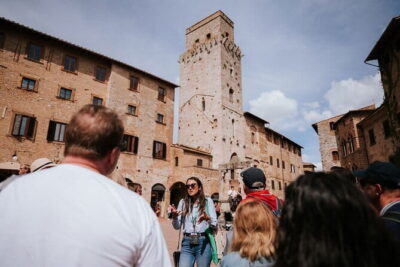
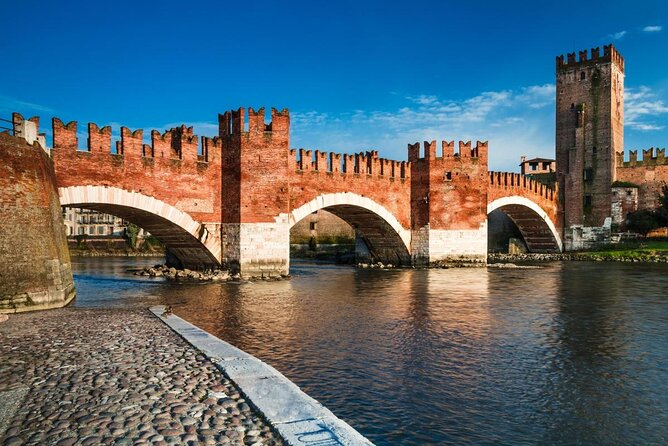
Your day is built around two worlds: Verona city sights and the Valpolicella estate. You’ll start at a meeting point in Verona and then travel outward toward Marano di Valpolicella. Along the route, the plan includes stops tied to Verona landmarks, such as areas around Cortile Mercato Vecchio e Scala della Ragione, Ponte della Vittoria, and the Statue of Dante Alighieri, plus Ponte Scaligero.
What this means for you on the ground: you’re not signing up for a long city walking tour. Think photo breaks and quick orientation moments, then back to the main event—the winery. The timing is also tight on purpose; the total experience runs about 2 hours 30 minutes, so you’ll want to keep your schedule tidy before and after.
Once you’re at the estate, the flow shifts gears. The day moves from views and vineyard walking into cellar details, then into a focused tasting with food pairings. That arc is one reason this outing works so well for first-time visitors to the Valpolicella area.
Vineyard walk in Marano di Valpolicella: the part that makes the wine taste make sense
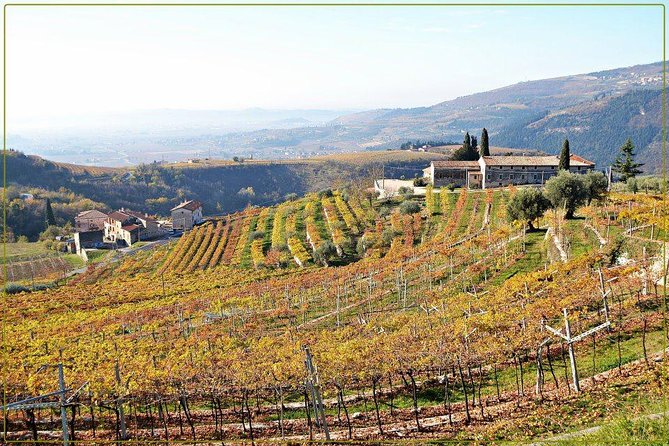
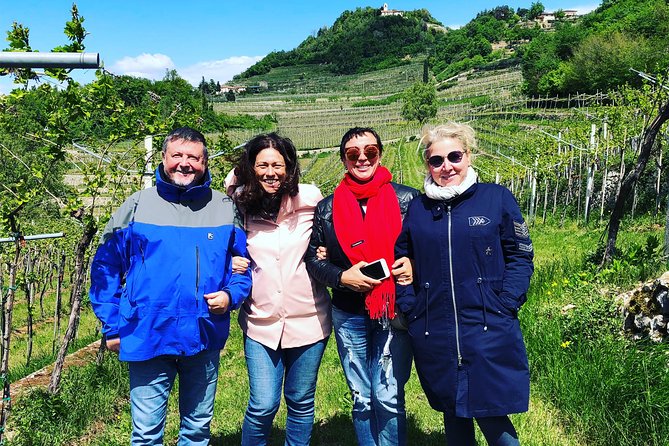
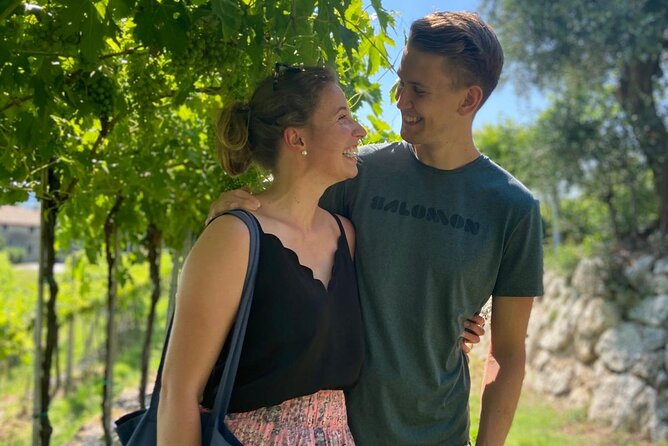
The tour starts with a walk among the vineyards around the winery area. This isn’t a random stroll. You’ll learn the family history of the estate while you look at how the vines are set up, and that context helps later when you taste reds that are heavily shaped by process and aging.
The walk also gives your brain time to switch into wine-country mode. You slow down. You look around. And you start noticing things like sun exposure and slope-driven views. Even if your day is cloudy, you still get the sense of place.
If you enjoy learning while walking, this portion is a highlight. It’s also the easiest way to break the jet-lag spell after being in Verona—get your legs moving, then come back to the warmth of the cellar and tasting space.
Inside the winery: the 17th-century cellar and the Fruttaio drying room
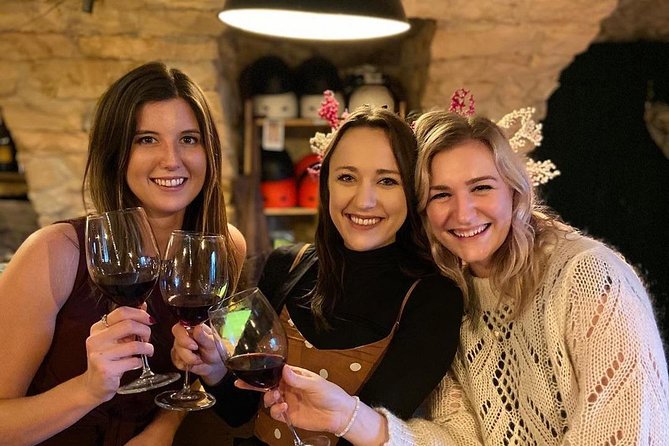
The winery tour portion is built around two key ideas: time and transformation. You’ll see the 17th-century cellar and learn how the estate refines its reds. You’ll also visit Fruttaio, a traditional room where grapes dry—an essential step that influences the structure and character of wines from the Valpolicella family of styles.
Why this matters for you as a taster: when you know grapes were dried before fermentation (and you understand the reasoning), Amarone tastes less like a mystery and more like a result. The drying step is one of the big levers in the final style, and seeing the dedicated space for it makes the tasting feel less like guessing.
This is also where the tour feels most authentic. It’s not only about what you’re drinking; it’s about where the wine has been living. The older cellar setting gives a real sense of tradition, but the tour keeps it practical so you’re not stuck in vague background stories.
You can also read our reviews of more wine tours in Verona



Oak barrels, refinement, and what to notice during Ripasso and Amarone
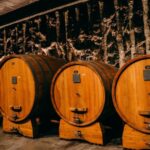
After the cellar portion, the tour moves through how the winery refines its red wines in oak barrels. This is your clue that you’re not tasting one “type” of red. You’re tasting how different approaches and aging choices create different textures and flavors.
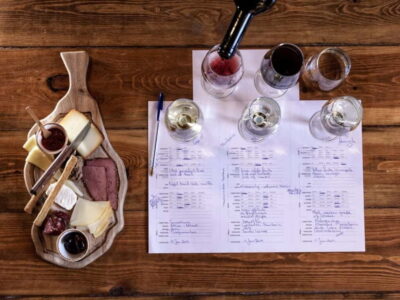
On the tasting side, expect a selection that includes Valpolicella, Ripasso, and Amarone. The tasting is designed around evaluation by sight, smell, and taste—so you’ll be guided to notice things like color depth, aromatic lift, and how flavors evolve in your mouth.
I like that this is not “here are three pours, goodbye.” The format nudges you toward learning a method. After a tour like this, you’ll often find it easier to pick out why a Ripasso can feel more rounded or why Amarone can taste richer and more structured.
Also, if you’re a fan of Amarone, this is the practical place to understand it. Many people say that Amarone was the standout wine for them, especially after they saw the drying room.
The tasting room and terrace: wine with olive oil, cheese, and real food
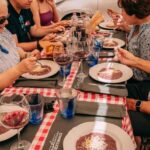
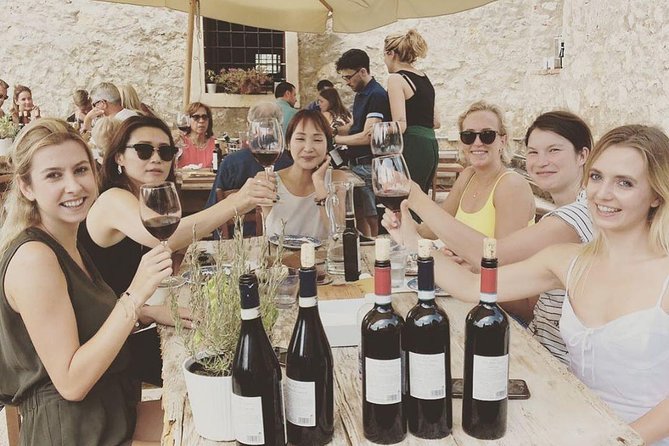
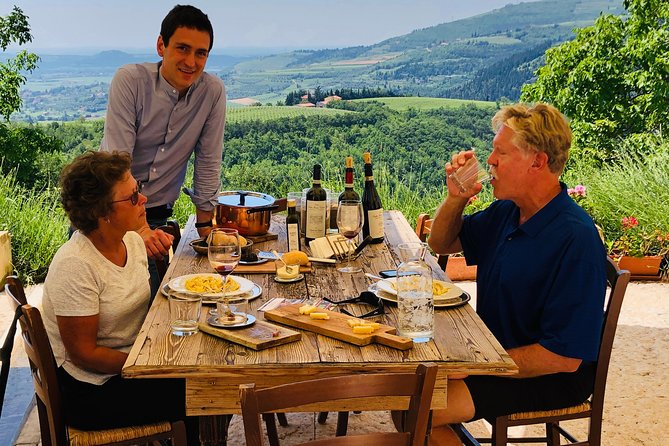
Your tasting happens in a beautiful estate setting, and you’ll get to enjoy the view from the terrace over the Valpolicella Hills. In plain terms: it’s a lovely way to spend your wine time because you’re not hunched over a counter. You’re tasting while looking out, which makes the whole experience feel like an event rather than a checklist.
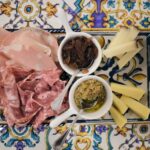
Food pairing is part of what you’re paying for. You’ll taste wine alongside organic extra virgin olive oil, local cheeses such as Monte Veronese, and Soppressa (a local salami from Valpolicella). The pairing approach also includes local deli-style items, and people mention extras like bread and mustardo/chutney flavors.
If you like your wine tastings on the “lunch” side (not just tiny sips), this fits. Portions are described as generous, and the pacing gives you time to enjoy the food between wines instead of rushing through.
Small touches can happen too. One birthday celebration described a traditional cookie-style birthday cake moment, which is a good reminder that this is a family operation with personality.
Price and value: why $84.69 can feel fair
At $84.69 per person for about 2.5 hours, the value depends on two things: what’s included and how good the pacing is. Here, you’re not just paying for a tasting flight. You’re paying for a guided walk, cellar access (including Fruttaio), a tasting of multiple Valpolicella styles, plus food pairings like olive oil, local cheeses, and Soppressa.
You’re also paying for the time and transport elements that keep you from wrestling with driving. Still, don’t assume transport is identical for every booking. Some people discussed shuttle/taxi costs based on how the group is arranged. So your best move is to confirm what your transport option includes before you show up.
The fact that this tour is commonly booked about 33 days in advance tells me it’s popular for a reason: the combo of estate access, Amarone-focused education, and small-group pacing is hard to replicate on your own without planning.
Who this tour is best for (and who should pick something else)
This is a great choice if you want an authentic Valpolicella winery experience without doing a full-day tour. You’ll like it if:
- you’re visiting Verona and want to get out to the wine hills for a half-day
- you want to taste Valpolicella-style reds and understand the differences between Valpolicella, Ripasso, and Amarone
- you like small-group tours where questions aren’t treated like interruptions
It may be less ideal if you hate any chance of transport confusion. Because the winery is outside Verona, you’ll need to follow instructions carefully and arrive on time. If you’re the type who refuses to read directions twice, this could turn into frustration.
Also, if you’re expecting a huge tasting volume, adjust your expectations. Several people felt the wine pours could be a bit more generous. The trade-off here is the educational structure and the quality of the setting.
Should you book Tenuta Santa Maria Valverde?
Yes—if you want the sweet spot between education and atmosphere. I’d book it for Valpolicella newcomers who care about Amarone but also want context: vineyards first, then cellar process, then a guided tasting with food pairings.
Before you book, do two quick checks:
- Confirm your Verona pickup or shuttle/bus plan in writing, and don’t rely on the map pin.
- Make sure you’re comfortable with the timing of a 2.5-hour format, so you can fully enjoy the tasting and food without rushing.
If you like calm wine-country mornings and want to leave Verona with a deeper sense of how these reds are made, this is a strong bet.
FAQ
How long is the Valpolicella vineyard and wine tasting experience?
It runs for about 2 hours 30 minutes (approximately).
How much does it cost per person?
The price is $84.69 per person.
What wines do you taste?
You taste a selection of Valpolicella, Ripasso, and Amarone wines.
Where does the tour start and end?
The activity starts in Verona, VR, Italy, and ends back at the meeting point.
Is the tour offered in English?
Yes, it is offered in English.
How big is the group?
The tour has a maximum of 18 travelers.
What food is included with the wine tasting?
The tasting includes organic extra virgin olive oil and local pairings such as Monte Veronese cheese and Soppressa salami, with local delicacies served alongside the wines.
Can I cancel for free?
Yes. You can cancel up to 24 hours in advance for a full refund. If you cancel less than 24 hours before the experience starts, the amount paid is not refunded.