REVIEW · VERONA
From Verona: Amarone Half-Day Wine Tasting Tour
Book on GetYourGuide →Operated by Pagus Wine Tours® · Bookable on GetYourGuide
Verona’s good, but the real magic is in the hills. This small-group Amarone Half-Day Wine Tasting Tour takes you from the city into Valpolicella country, with San Giorgio di Valpolicella views and a guided tasting that includes Amarone and Recioto. I like that the visit is hands-on, especially the tour stops that explain how Amarone’s grapes get dried and transformed. One drawback: it’s not suitable for wheelchair users, and you’ll be on uneven ground and in a cellar.
Two things I really enjoyed are the village stop and the way the tasting is taught. San Giorgio di Valpolicella gives you a Romanesque parish church, intriguing stonework, and wide panoramas. At the winery, you’ll learn how Amarone (and Recioto) rely on careful harvesting, drying, and fermentation, then taste at least four Valpolicella styles with simple pairings like bread, cheese, and salami. Plan for the weather and the cellar temperature, though, because you’ll go rain or shine and the cellar stays at about 15°C (59°F).
In This Review
- Key things I’d circle before you go
- From Verona to Valpolicella: fast, comfortable countryside time
- Why that’s good value (for the right traveler)
- San Giorgio di Valpolicella: the Romanesque church stop that gives your bearings
- What to watch for on your feet
- The Amarone vineyard visit: understanding the drying process before you taste
- How this helps you taste better
- In the cellar at 15°C: where the flight happens
- What you’ll likely notice, style by style
- Bonus: the guide-sommelier angle
- Food pairing: simple local bites that actually work
- Small-group touring: why the up-to-8 limit feels different
- What to bring and how to show up ready
- Who should book this Amarone-focused tour?
- Should you book from Verona?
Key things I’d circle before you go
- Small group (up to 8): less rushing, more time for questions in English.
- San Giorgio di Valpolicella stop: Romanesque church sights plus panoramic valley viewpoints.
- Amarone vineyard + drying room peek: you get a real sense of why the wine tastes the way it does.
- Tasting flight of at least four wines: including Valpolicella, Ripasso, Amarone, and Recioto.
- Food pairings that don’t try too hard: bread, cheese, and/or salami to match each sip.
- Cool cellar time (15°C): bring a jacket even in warm months.
From Verona to Valpolicella: fast, comfortable countryside time
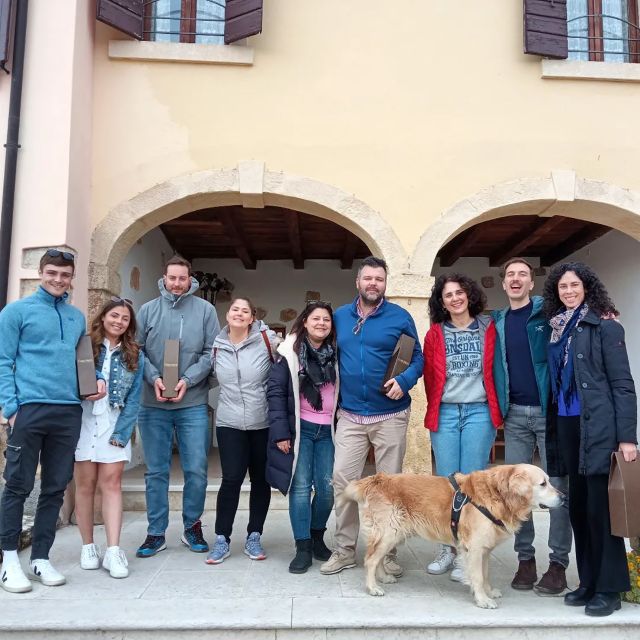
This tour is built for people who want a real wine experience without burning half a day just getting there. You leave from the Pagus Wine Tours® office area in Verona and head out in an air-conditioned van. The drive matters more than you might think: Valpolicella’s story is tied to its slopes, terraced hills, and vineyard geometry, so even the ride gives you context before you start tasting.
It’s a 3.5-hour outing, and that time box shapes the whole experience. You’re not hopping across multiple regions or chasing a checklist of wineries. Instead, you get one focused slice of Valpolicella—plus a village stop that helps you understand the “why” behind the wine.
You can also read our reviews of more food & drink experiences in Verona

Why that’s good value (for the right traveler)
At $106 per person, the price doesn’t just cover glasses. You’re paying for:
- transport in an air-conditioned vehicle
- a guide who also acts as a sommelier
- time in San Giorgio di Valpolicella
- an Amarone-focused vineyard visit
- a tasting flight (at least four wines)
- bread/cheese and/or salami pairings
If you want a slow day with multiple tastings and long meals, this might feel tight. But if you’re time-limited (hello, Verona schedules) and you want meaningful wine instruction, it’s a solid deal.
San Giorgio di Valpolicella: the Romanesque church stop that gives your bearings
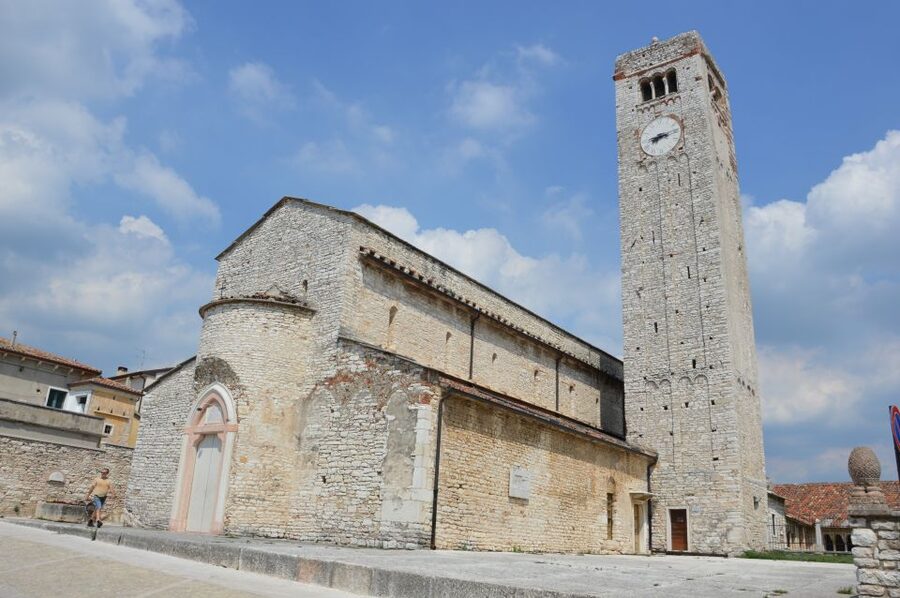
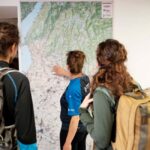
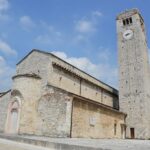
The first big “wow” moment comes in San Giorgio di Valpolicella, a charming village that makes Valpolicella feel like a place, not just a wine label. You’ll spend around 30 minutes here, with time to look at the Romanesque parish church and the intricate stonework—especially the columns—and then take in panoramic views over the surrounding area.
This is the kind of stop that’s easy to skip if you’re only chasing wine. Don’t. Amarone isn’t produced in a vacuum. Seeing the slopes, the valley, and the built environment helps you understand why grape growing here developed the way it did.
What to watch for on your feet
Bring comfortable shoes. You’ll be walking in a village and you’ll likely want to pause for photos at viewpoints. It’s also rain or shine, so a light jacket and grippy footwear make the difference between fun and frustration.
The Amarone vineyard visit: understanding the drying process before you taste
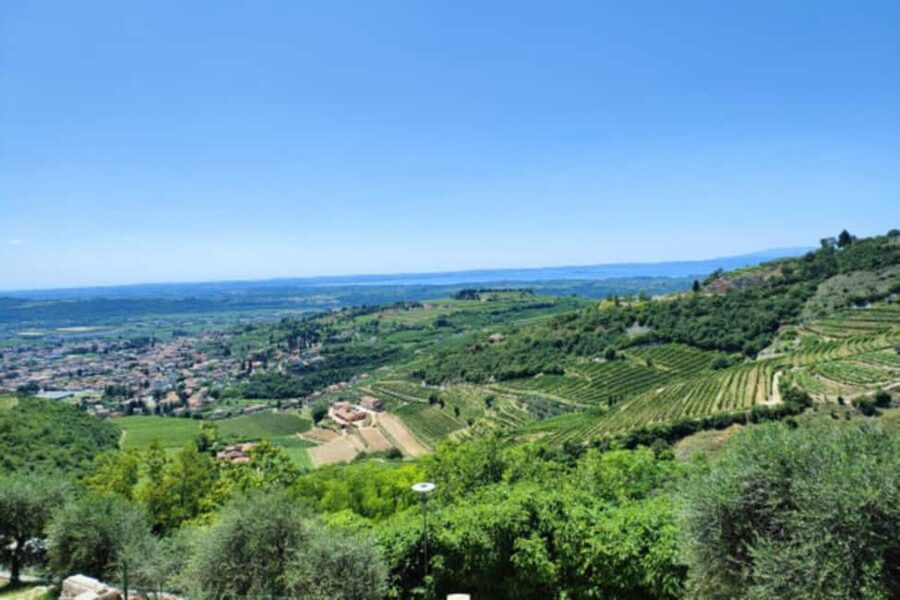
Next comes the heart of the tour: a visit to an Amarone vineyard. This is where the tour moves from geography to chemistry—without turning into a lecture nobody asked for.
You’ll hear about Amarone’s “meditation wine” reputation, and you’ll learn that the technique relies on careful handling of the grapes. The key idea is simple but powerful: grapes are harvested and then dried, and that changes the grape sugars and flavors so that fermentation can create that distinctive, intense style.
A standout moment is that quick peek inside a drying room. You don’t need a chemistry degree to notice what dried grapes smell like, and that aroma becomes a clue for what you’re about to taste later.
You can also read our reviews of more wine tours in Verona


How this helps you taste better
Most wine tastings give you a glass and ask you to guess the details. Here, you get a process-first explanation. When you later taste Amarone and Recioto, you’ll have a mental model:
- drying concentrates flavor components
- fermentation shapes the final structure
- sweetness and bitterness balance in recognizable ways
Even if you’re a beginner, you’ll feel like the tasting makes sense instead of sounding like random wine facts.
In the cellar at 15°C: where the flight happens
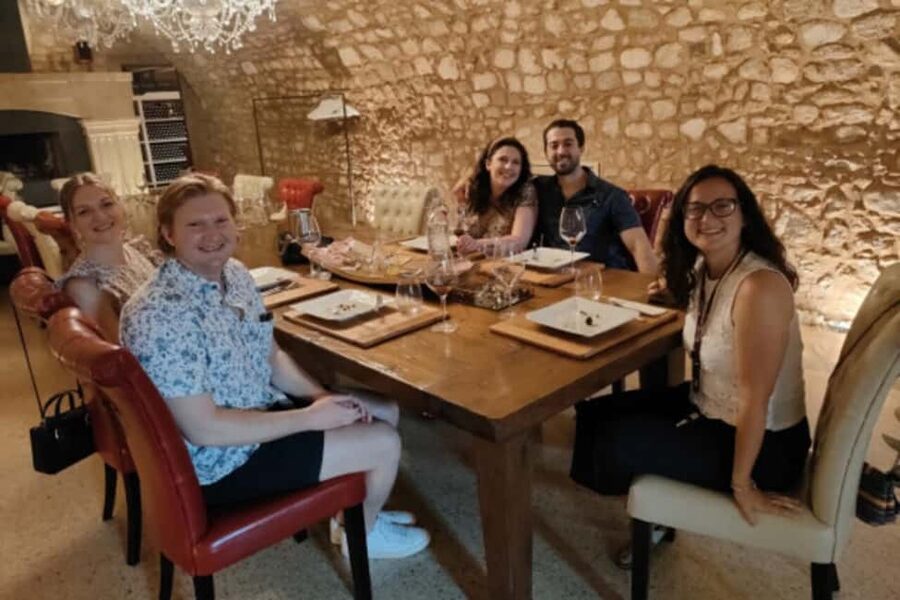
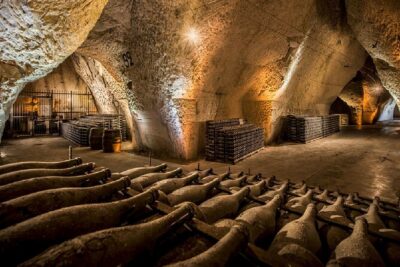
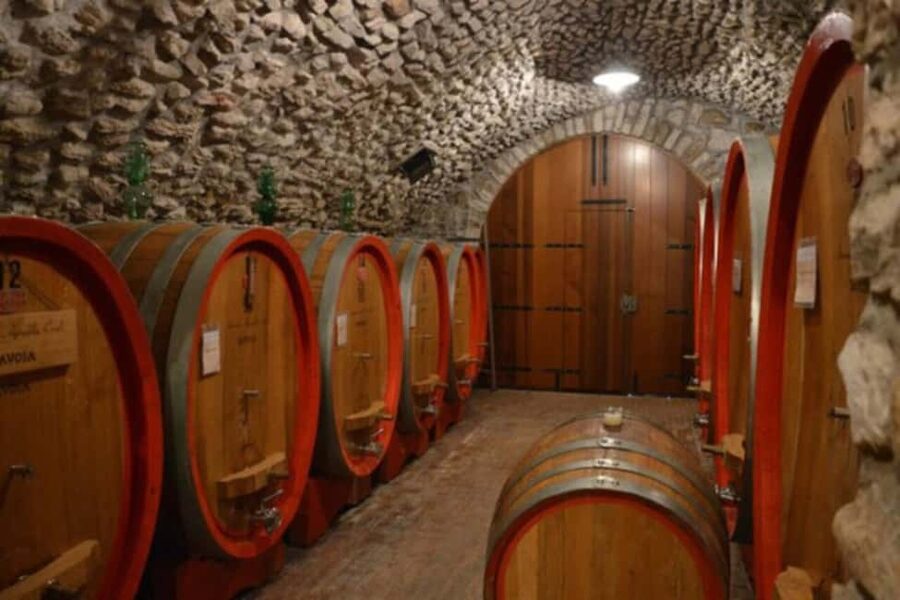
After the vineyard stop, you head to the winery cellar, which stays at a constant 15°C (59°F). This is why your jacket matters. It’s not just chilly for atmosphere—it’s a stable temperature that protects the wines and the winemaking process.
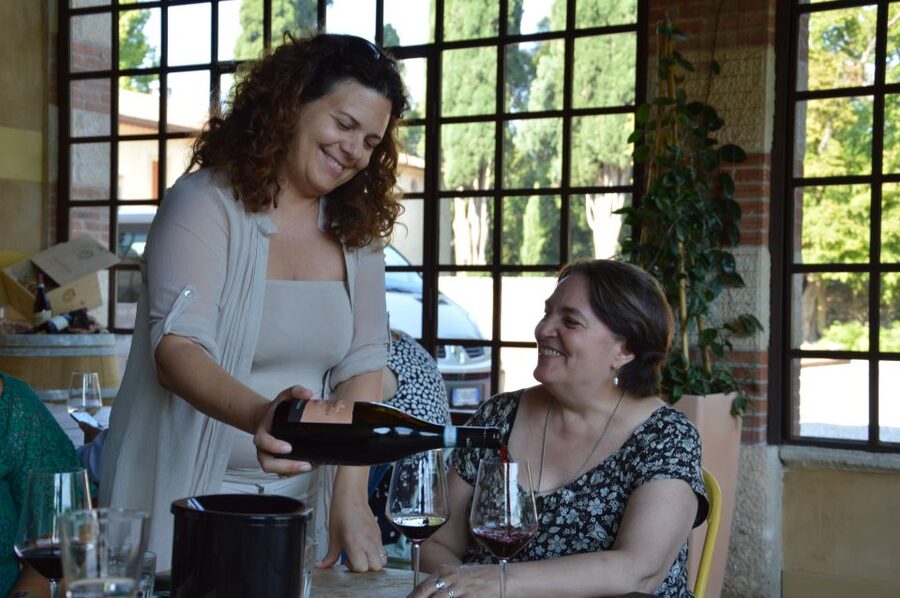
Then comes the tasting flight. You’ll sample at least four Valpolicella wines, including:
- Valpolicella
- Ripasso
- Amarone
- Recioto
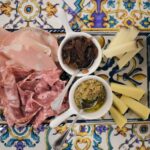
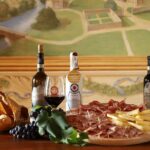
They’ll match your pours with food like bread, cheese, and/or salami, so you taste in a more realistic way. Wine changes when it meets salt, fat, and simple carbs, and these pairings help you pick up differences between the styles without needing a full restaurant meal.
What you’ll likely notice, style by style
You don’t have to memorize tasting notes. Just pay attention to how the wines shift across the flight:
- Valpolicella often feels more straightforward and fresh compared to the deeper wines.
- Ripasso typically brings more weight and complexity than base Valpolicella.
- Amarone aims for power and intensity, shaped by drying and fermentation choices.
- Recioto tends toward sweetness and a different balance, which can surprise people expecting the same profile as Amarone.
The guide’s job is to help you connect those sensations back to the method.
Bonus: the guide-sommelier angle
The tour includes a driver/guide/sommelier, not just a driver who knows the schedule. You’ll get English-language explanations, and you can ask questions as you taste. In previous groups, guides and winery hosts have included people like Anna, Michele, Roberto, and Elisabetta, and winery hosts such as Marco and Emma (depending on the day). The names change, but the format stays: conversation-led tasting rather than a quiet, self-guided stroll.
Food pairing: simple local bites that actually work
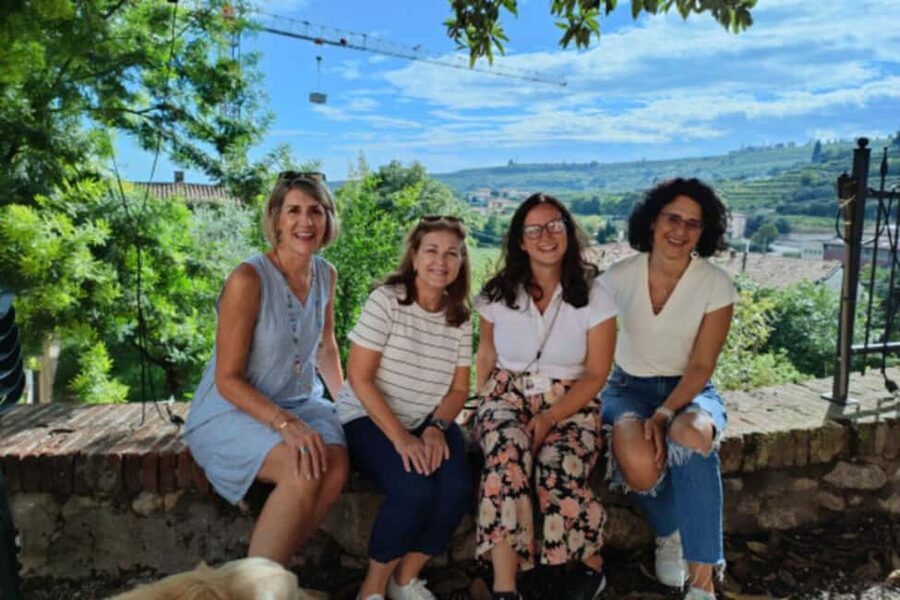
The food here is intentionally straightforward: bread, cheese, and/or salami matched with your wines. This matters because it keeps you focused on how the wine changes, rather than forcing you through courses.
If you’re hungry, don’t assume this is a full meal. Think of it as tasting fuel. You’ll likely leave satisfied for an afternoon, but if you’re the type who needs real calories, eat a light lunch before you go.
Small-group touring: why the up-to-8 limit feels different
A big reason this tour lands well for wine lovers is the small group size (limited to 8 participants). That changes the vibe. You’re not shouting over strangers while trying to hear an explanation about Amarone production.
It also makes the itinerary feel more personal. On some days, the group may even be smaller, which means more attention from the guide and more time at the vineyard and winery for questions.
This tour is ideal if you like:
- asking why wines taste the way they do
- comparing styles side-by-side
- learning without feeling dragged through a long program
- meeting fellow wine people, not just tourists checking boxes
What to bring and how to show up ready
Here’s how to avoid the usual tour-day annoyances:
- Comfortable shoes for village walking and uneven surfaces
- A jacket, because the cellar stays 15°C (59°F) even when the day is warm
- Dress for rain or shine. The tour runs in both conditions, so plan for wet ground and cooler air
If you’re sensitive to smells, note that dried grapes can be strong and sweet-smelling in the drying room. It’s part of the experience, but it helps to be ready for it.
Who should book this Amarone-focused tour?
This is a great fit for:
- wine beginners who want real instruction, not just sipping
- people who want a strong Valpolicella intro that includes Amarone and Recioto
- travelers with limited time in Verona who still want countryside context
- anyone who prefers small groups and conversation over crowds
It may not be the best fit if:
- you need wheelchair access (the tour isn’t suitable)
- you want multiple wineries in one day (this centers on the village + one winery tasting experience)
- you’re expecting a long lunch-style food program
Should you book from Verona?
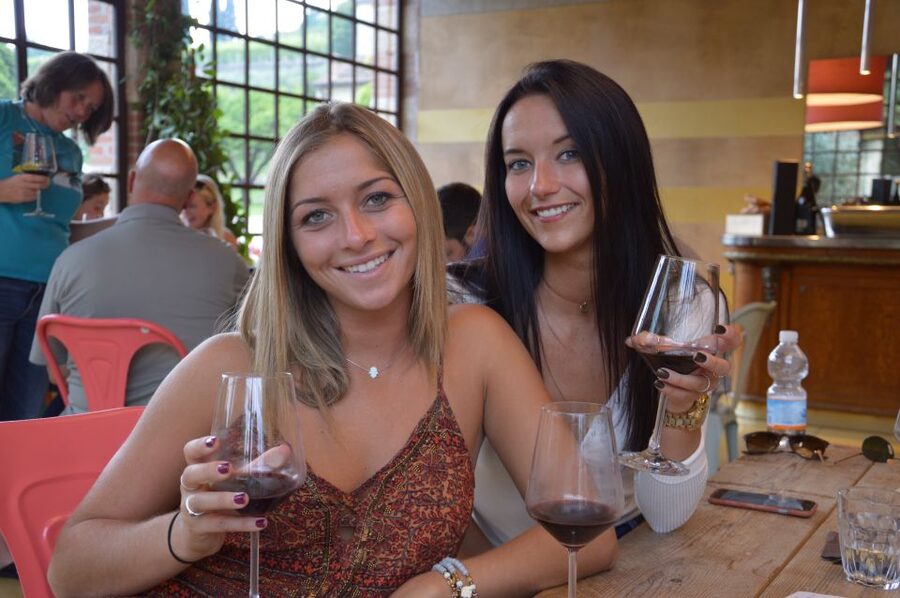
I’d book this tour if you want an efficient, friendly, process-based introduction to Valpolicella—especially if Amarone and Recioto are on your list. The best part is how the day is structured so you taste with a reason: village context first, Amarone drying concepts next, then a guided flight with pairings in the cellar.
If you’re flexible, bring a jacket, wear good shoes, and treat it like a tasting class you actually want to attend. For $106 and about 3.5 hours, you’re getting transport, an English guide/sommelier, a village viewpoint stop, and a tasting flight that hits the styles people come for—without turning your afternoon into a marathon.