REVIEW · CRETE
PRIVATE-Knossos Palace-Zeus Cave-Olive Oil Tasting-Old Villages
Book on Viator →Operated by Explore Real Crete · Bookable on Viator
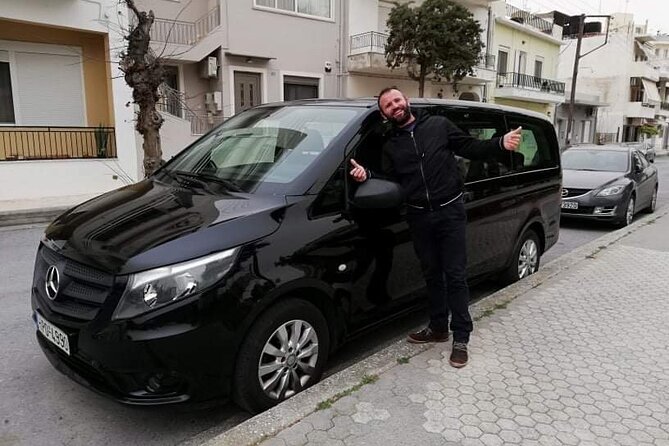
Crete in one long, well-paced day. This private route strings together old villages, working countryside stops, and the island’s big-name ruins without the rush you get on larger group tours. You’ll ride in a comfy air-conditioned van, get coffee and water along the way, and learn from a driver-guide who talks about Crete past and present as you move through it.
I especially love two things: the olive oil tasting plus raki at an olive press, and the fact that this is truly private—just your group—so the pace feels human. Even the best parts of the day lean into real life, like walking narrow lanes in Mochos instead of just posing for photos.
One consideration: the cave stop can’t be fully planned right now. Dikteon Cave is optional, and it’s currently closed for safety (authorities say it should open in April), while Knossos costs extra if you choose to go.
In This Review
- Key highlights you’ll feel right away
- Why the private format makes Crete click
- Morning plan: Heraklion streets and smooth starts
- Omalia Olive Press: the tasting stop that sets the tone
- Mochos old village: narrow lanes, old churches, and real pauses
- Lasithi Plateau windmills: why these towers matter
- Krasi’s giant platanus and the Aposelemis Dam viewpoint
- Optional mountain lunch: how to decide in the moment
- Knossos Archaeological Site: choose the ticket, choose the pace
- Dikteon Cave is currently off the table
- Olive oil, raki, and the guide factor: what your “included” really means
- Who this tour suits best
- Quick wrap-up: should you book this Crete route?
- FAQ
- FAQ
- Is this tour private?
- How long is the tour?
- What does the tour cost?
- What’s included in the price?
- What is not included?
- Do I need to pay for Knossos?
- Can the tour include the cave?
- Is lunch included?
- Where can pickup happen?
- What if the weather is bad?
Key highlights you’ll feel right away
- Private driver-guide for your group, with the kind of humor and personal storytelling that makes the roads more fun
- Olive press stop in Omalia with multiple oil tastings plus raki
- Mochos village walk through narrow streets and old churches, with free time for a drink or a family-square meal
- Lasithi Plateau windmills—a look at how people once pumped water and processed grain using wind
- Short, scenic viewpoint breaks including Krasi’s famous platanus tree and the Aposelemis Dam lookout
- Optional add-ons: Knossos (paid) and Dikteon Cave (optional, currently closed)
Why the private format makes Crete click
A private tour changes everything about how you experience Crete. Instead of fitting your day into a conveyor belt, you can keep moving at the speed of your group. That’s a big deal on an island where drives can eat time, and where the best moments often happen during the in-between pauses—standing in a village square, watching windmills, or slowing down for a view.
This is also the kind of day where your guide’s personality matters. In the feedback I’ve seen from guides such as Ed, Nikos, and Mike, the common thread is that the drive itself becomes part of the story. You’re not just being transported; you’re getting context for what you see. And with coffee and water included, you’re not scrambling to find a shop the minute the schedule gets warm.
You can also read our reviews of more food & drink experiences in Crete

Morning plan: Heraklion streets and smooth starts
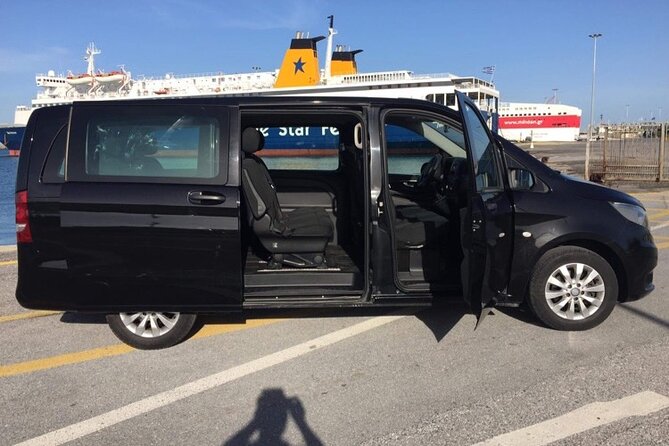
You kick off from Heraklion, with time to drive through and around the city before the route turns more rural. The practical win here is simple: you’re already oriented to where you are, and you’re not starting the day with a stressful maze of meeting points.
Pickup is a plus if you’re staying near a cruise port or popular resort zone. This tour can pick you up from Heraklion port and Heraklion Region, Agios Nikolaous port and region, Rethymno city and region, Agia Pelagia, Malia, Hersonisos, Milatos, Fodele, and you can be dropped back at the meeting point at the end. It does not pick up from Chania Region, Souda Port, Ierapetra, or Sitia—so plan your transport accordingly.
If you’re the type who hates last-minute confusion, you’ll likely appreciate the fact that confirmation is handled quickly when you book close to travel time, and you receive a mobile ticket for the activity.
Omalia Olive Press: the tasting stop that sets the tone
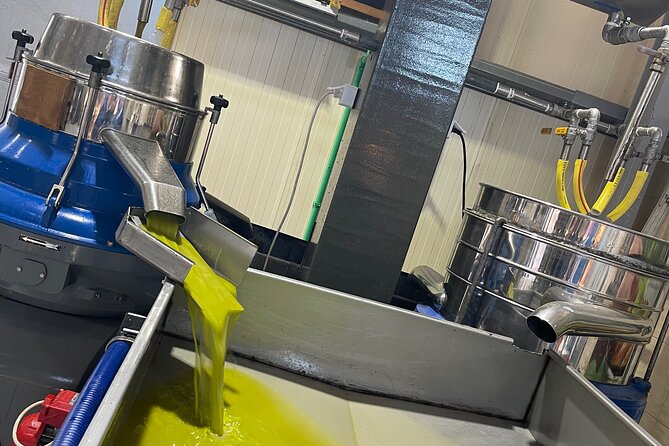
The olive press stop in Omalia is one of the most satisfying parts of the day because it mixes education with something you can actually taste. You’ll stop at an olive oil factory, learn about the island’s olive oil traditions, and then sample a few different olive oils.
This is the moment where the tour stops feeling like a checklist. Olive oil in Crete isn’t just a product; it’s a daily reality tied to land, labor, and generations of know-how. The tasting makes that real, especially because you’re not only being told what to notice—you’re tasting it. Add in the raki tasting, and you get a quick window into the Cretan drinking culture that’s more about hospitality than party vibes.
Practical note: expect it to be short and focused (about 30 minutes). If you’re the kind of person who could linger for an hour, you might want to buy a few bottles to bring home and keep exploring the flavors back in your rental.
Mochos old village: narrow lanes, old churches, and real pauses
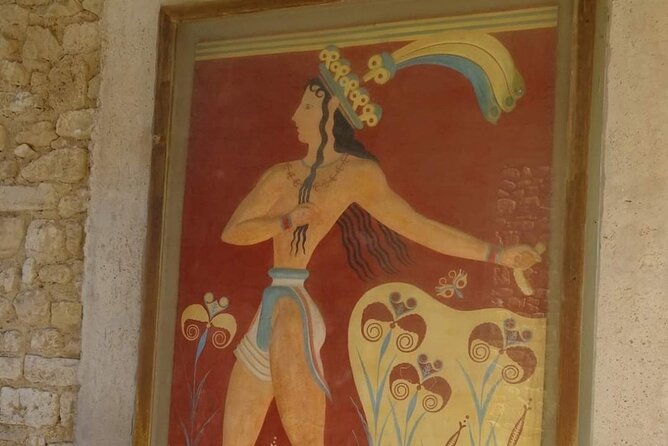
Mochos is where the day turns “authentic Crete” in a way that doesn’t feel staged. You get around 45 minutes to walk the narrow streets, see old churches, and sample the rhythm of village life. This is also the stop where you’ll likely want to slow down and wander slightly off the main line just to feel the scale of the lanes.
The schedule builds in space for a drink or something small at a family restaurant in the main square. That optional choice is smart: you’re not forced into a long lunch, but you do have a chance to taste local life in a low-pressure way. If you’re traveling with picky eaters, this kind of flexible village stop is easier than locking into one restaurant at a fixed time.
A small heads-up: your exact experience can depend on season and what’s open in the village at that moment. Some guides have been able to solve quick issues during downtime—like getting a restroom when shops were closed—but you shouldn’t plan your day assuming every storefront will be open.
Lasithi Plateau windmills: why these towers matter
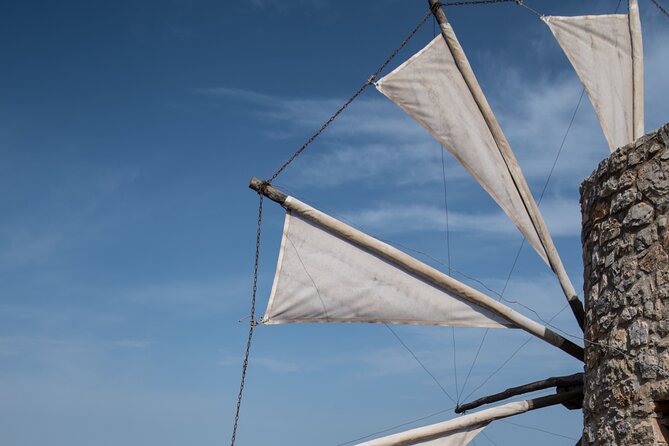
Lasithi Plateau is famous for its windmills, and this stop gives you a look at both the older style mills used for water pumping and those connected to grain processing. Around an hour here is usually enough to understand what the windmills were doing and to get photos that actually explain the story—not just pretty shapes against the sky.
What I like about this stop is that it’s not only about views. It’s about systems. You can connect the dots between agriculture, water access, and energy before modern tech took over. And because this is a mountain area, it’s often cooler than lower coastal towns—something guides have highlighted as a reason people enjoy this portion even in hotter months.
You can also read our reviews of more private tours in Crete

Krasi’s giant platanus and the Aposelemis Dam viewpoint
These are quicker stops, but they work because they give variety without eating your whole day.
In Krasi, you’ll walk around and take photos of the oldest and biggest platanus tree in Crete. This is one of those landmarks that feels alive just by sheer age and size. Even if you’re not into botany, it’s a strong “Crete has deep roots” moment that breaks up the more structured sightseeing.
Then you’ll stop at a viewpoint near Aposelemis Dam for a short break—about five minutes. It’s not long, but it’s useful if you want a quick panorama without committing to a hike.
Optional mountain lunch: how to decide in the moment
Typically there’s time (about 45 minutes) to stop at a family restaurant up on the mountain for lunch. It’s optional, so you can choose based on your energy and appetite.
In practice, I think this is where you decide what kind of day you want:
- If you like slower travel, pick lunch and let the guide handle the timing.
- If you’re trying to stay light because you want more time later (or you’re going to Knossos after), you can pass and grab a snack elsewhere.
The best part is you’re not forced into the longest meal on the itinerary. That keeps your day flexible.
Knossos Archaeological Site: choose the ticket, choose the pace
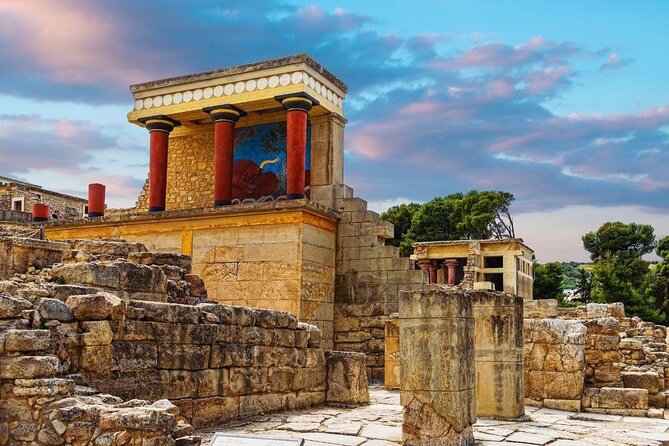
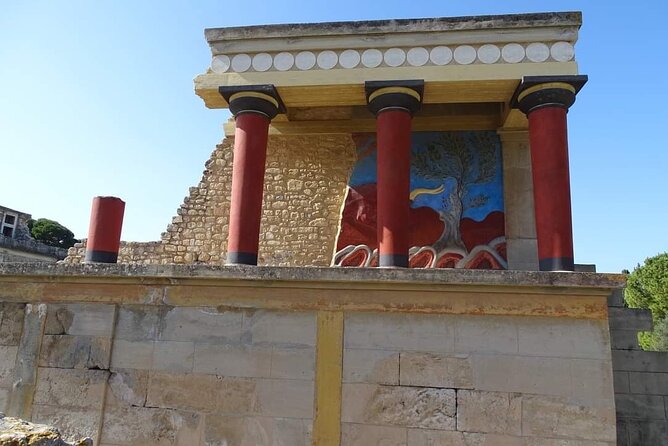
Knossos is the big-name finale. It’s optional and takes about an hour, but the entrance fee isn’t included. If you go, you should expect to pay €20 per person.
The key value of Knossos on this specific route is timing and attention. You’re finishing the day with a major historical site after spending hours in villages and countryside. That contrast helps you understand how the island’s present-day life sits on top of its older stories.
Also, consider doing Knossos with a guide rather than trying to self-tour. In feedback from this tour experience, having a guide for Knossos was called out as worth it because it makes the site easier to follow. If you’re someone who likes “what am I looking at and why does it matter,” this add-on style thinking fits your preferences.
If you choose not to go, the day still has plenty of highlights before the optional ruins.
Dikteon Cave is currently off the table
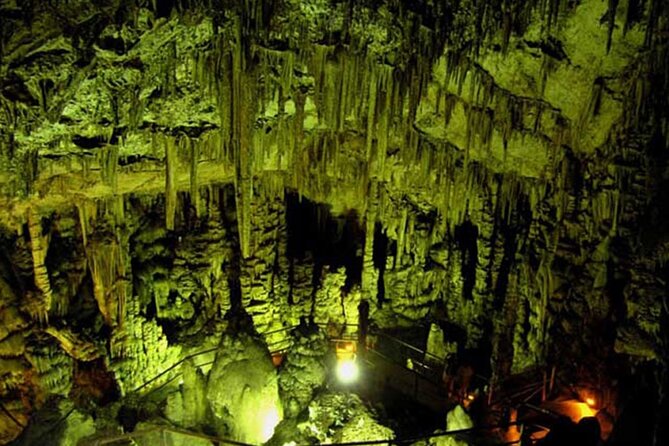
Dikteon Cave is optional and, when open, includes a 30-minute walk to the cave, about 185 steps to explore, and then the walk back up. The current complication: the cave is closed due to safety concerns, and authorities say it should open in April.
So what should you do now? If you’re traveling before the reopening, treat this stop as a possible extra only if operations change. If you’re visiting after April, you’ll want to be prepared for stairs and a moderate walk. It’s not a casual stroll, and the number of steps matters.
If you’re planning a trip around physical comfort, you might decide your priorities ahead of time: are you there for the big ruins (Knossos) and village life, or are you specifically chasing caves?
Olive oil, raki, and the guide factor: what your “included” really means
On paper, the included items look straightforward. In real life, they add up to a day that feels smoother and more personal.
Included:
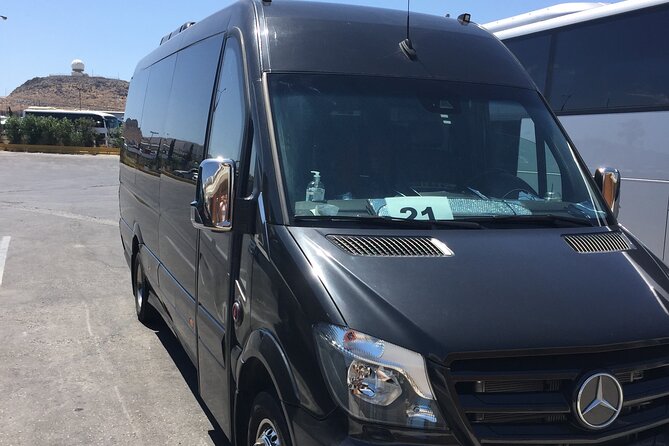
- Private transportation in comfortable air-conditioned vehicles
- Coffee and water
- Liability insurance
- A local driver-guide
- Olive oil and raki tasting
Here’s why that matters for value: admission fees can pop up quickly when you add famous sites, and the day still includes a multi-stop drive with multiple stops across different terrains. Having your basic refreshment needs covered is one less stress point. And the olive oil/raki tasting is included—so you don’t have to pay for the “experience” part separately.
Price-wise, the tour is listed at $138.78 per person for about 7 to 8 hours, and it’s booked around 55 days in advance on average. If you compare this to piecing together multiple private transfers and separate paid tours, the all-in structure tends to feel like the smarter buy. You only pay extra for Knossos (€20) and the cave if it’s open (€6), and lunch remains optional.
Who this tour suits best
This private day works well if you:
- want a mix of culture and countryside, not just one museum or one ruin
- prefer a guide who talks in an engaging way while you travel
- like food-focused stops (olive oil tasting and raki matter here)
- want optional flexibility for Knossos and caves rather than a fixed long-walk-heavy day
It’s less ideal if you’re strictly chasing one specific attraction and don’t care about villages, food, and viewpoint stops. It’s also not a great fit if you strongly need the cave to be the star, since it’s currently closed.
Quick wrap-up: should you book this Crete route?
I’d book this tour if you want a day that feels like you’re getting a slice of real Crete—villages, olive oil culture, working windmills, and then the option to top it off with Knossos. The private guide factor makes it easier to handle timing, and the included tastings are a genuine highlight rather than a short photo stop.
I’d think twice if you’re traveling before Dikteon Cave reopens and that cave is your must-see. In that case, you may still love the day for Mochos, Lasithi Plateau, and the olive press stop, but your plans should be flexible.
FAQ
FAQ
Is this tour private?
Yes. It’s a private tour/activity, and only your group participates.
How long is the tour?
It runs about 7 to 8 hours.
What does the tour cost?
The price is $138.78 per person.
What’s included in the price?
It includes private transportation in an air-conditioned vehicle, coffee and water, liability insurance, a local driver-guide, and olive oil plus raki tasting.
What is not included?
Lunch is optional, Knossos entrance is not included (€20.00 per person), and Dikteon Cave entrance is not included (€6.00 per person) since the cave is currently closed for safety.
Do I need to pay for Knossos?
Yes, Knossos is optional and the admission fee is not included. The listed fee is €20.00 per person.
Can the tour include the cave?
Dikteon Cave is optional, but it is currently closed due to safety concerns. The information provided says it should open in April. If it opens, it includes a 30-minute walk and about 185 steps to explore.
Is lunch included?
No. Lunch is optional, and you’ll typically have the chance to stop at a family restaurant up on the mountain.
Where can pickup happen?
Pickup is offered from Heraklion port and Heraklion Region, Agios Nikolaous Port and Region, Rethimno city and Region, Agia Pelagia, Malia, Hersonisos, Milatos, Fodele, and more within those areas. Pickup is not available from Chania Region, Souda Port, Ierapetra, or Sitia.
What if the weather is bad?
The experience requires good weather. If it’s canceled due to poor weather, you’ll be offered a different date or a full refund.