REVIEW · CRETE
From Chania: Wine and Olive Oil Tasting Tour with Snacks
Book on GetYourGuide →Operated by GS tours · Bookable on GetYourGuide
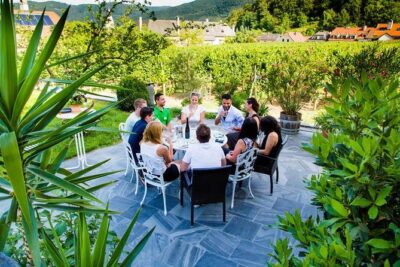
Chasing wine and olive oil tastes you can actually name is fun. This Chania day trip pairs family winery stops with an olive oil factory and a visit to a tree thought to be 3,000 years old. You’ll ride from Chania into the mountains of the Kissamos region and come home with new flavors, not just souvenirs.
What I love most is the tasting variety and the way it’s paced. You’re set up to try award-winning Cretan grapes like Vidiano and Muscat of Spina, plus international classics such as Grenache rouge, Syrah, and Mourvèdre, and you’ll also sample a white blend that includes Vilana, Vidiano, and Assyrtiko. The second big plus is the human factor: guides such as Andreas, Kostas, and Alex (Alexandros) are repeatedly praised for being patient, fun, and good at translating what you’re tasting into real Crete stories.
One thing to consider: lunch is described as light snacks, not a full, heavy meal. If you’re coming hungry and hoping to make this your main food day, you may want to mentally plan for smaller bites and lean into the snacks between tastings.
In This Review
- Key things that make this tour worth your time
- From Chania to Kissamos: a smooth 6-hour food-and-wine circuit
- First winery stop: family vines, 1993 roots, and modern farming talk
- Village break and the 3,000-year-old olive tree
- Second tasting winery: Vilana-Vidiano-Assyrtiko white blend and another round
- Olive oil factory tour: extra virgin production and tasting with local products
- What you’ll taste (and how to order like a smart first-timer)
- Tsikoudia goodbye and keeping the day comfortable
- Price and logistics: what you’re really paying for
- Who this tour suits best (and who should skip it)
- Should you book this Chania wine and olive oil tour?
- FAQ
- How long is the tour?
- Where do you get picked up, and when?
- Is the guide available in English?
- Is wine tasting allowed for children?
- How old is the olive tree you visit?
- Can I reserve without paying right away?
- What’s included in the price?
- What types of wines will I taste?
- Is there free cancellation?
Key things that make this tour worth your time
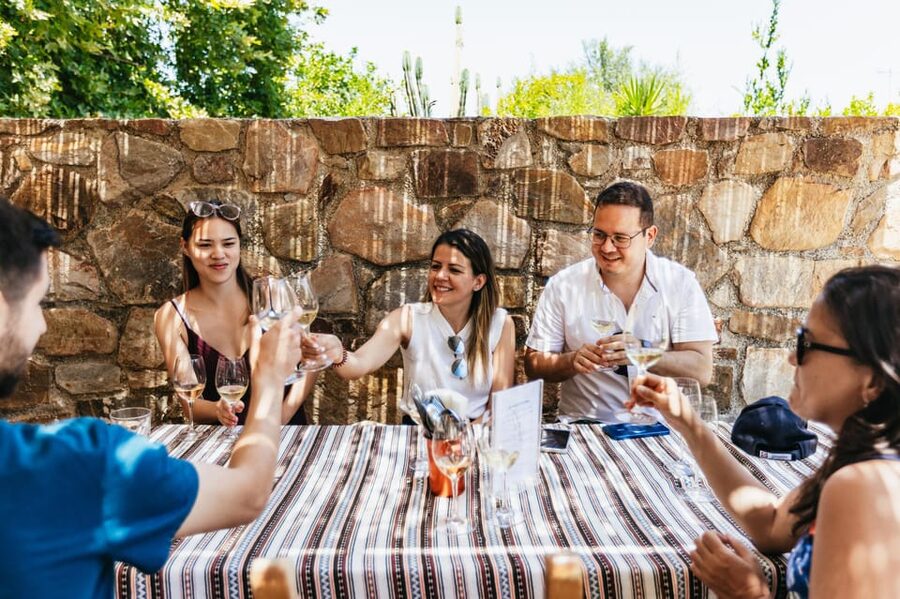
- Multiple tastings at multiple producers: you’ll sample wines across different stops and pair them with olive oil and local bites
- The oldest olive tree stop: an estimated 3,000-year-old olive tree adds a wow-factor that’s not just about tasting
- Cretan grape lineup you can learn from: Vidiano, Muscat of Spina, and other named varieties show how terroir changes flavor
- Extra virgin olive oil, explained on-site: you’ll tour an olive oil factory and taste what you just learned
- English-speaking live guide with personality: names like Andreas, Kostas, and Nikos show up often, and the vibe is relaxed
- Air-conditioned transportation for a 6-hour circuit: it matters when the day includes mountain roads
From Chania to Kissamos: a smooth 6-hour food-and-wine circuit
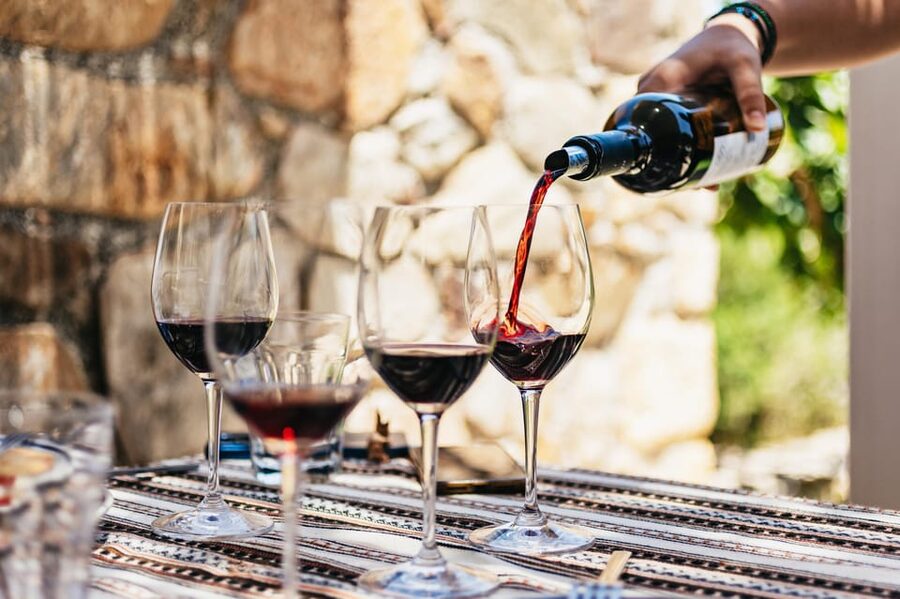
This is a classic “taste your way across Crete’s basics” day. You leave Chania and head into the mountains of the Kissamos region, so you’re not stuck doing everything in one flat area. The pace stays comfortable for a 6-hour tour: enough moving to feel like you’re doing something, not so much that you feel rushed.
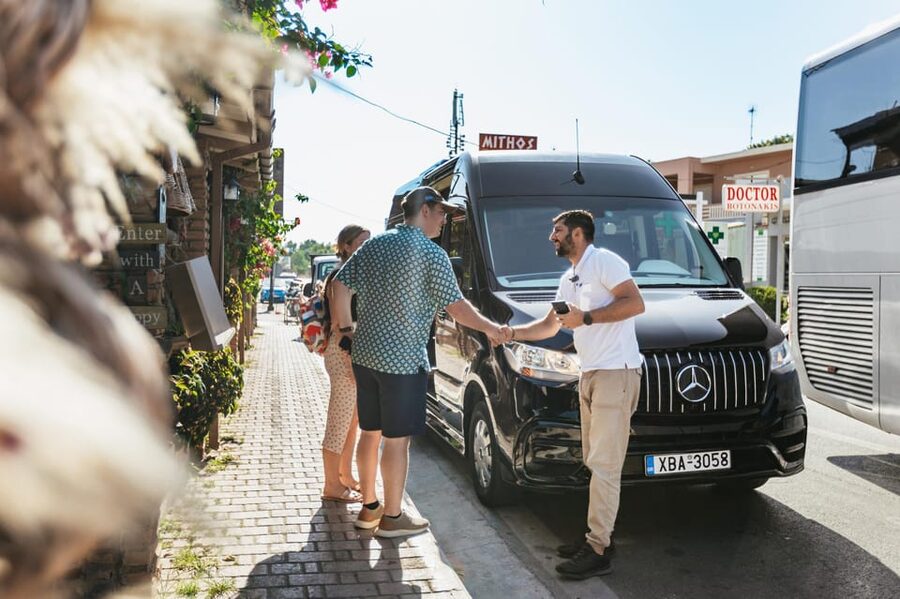
Transportation is part of the appeal. The tour uses an air-conditioned bus, and the service quality for getting you around is consistently rated highly. Even better, pickup and drop-off are built in from specific locations in the Chania region, with pickup happening 30–60 minutes before the start time.
The main tradeoff is time focus. You’re here for tasting and learning, not long hikes or big walking-only viewpoints. If you want a quiet village ramble without alcohol, you can still enjoy the scenery and stops, but your experience will be shaped by the tasting schedule.
You can also read our reviews of more food & drink experiences in Crete

First winery stop: family vines, 1993 roots, and modern farming talk
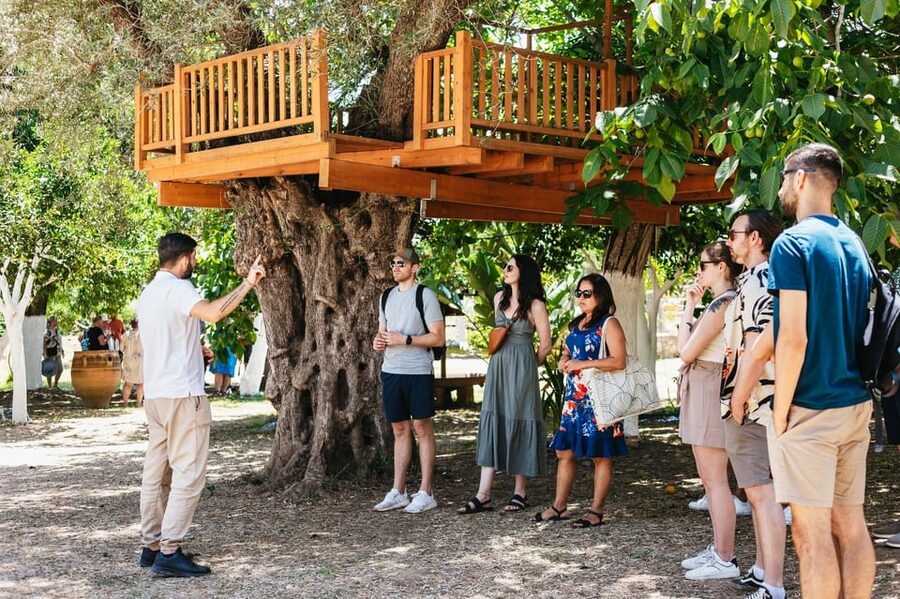
The day kicks off with a traditional family winery stop in the Kissamos area. One of the wineries on the route is described as established in 1993, which gives you a useful angle on how Cretan wine-making has evolved while still staying rooted in local methods.
At this first tasting, you’re guided through the kinds of wines the producers make and the way they think about farming today. Expect a mix of explanation and tasting, which is exactly what you want if you’re new to the process or just want to be able to talk about what you’re drinking.
The wine lineup you’ll likely taste includes Cretan standouts and recognizable international grapes. This is where the tour earns extra points for structure: Cretan wines first (like Vidiano and Muscat of Spina), then named international varieties such as Grenache rouge, Syrah, and Mourvèdre. By the time you reach the next stops, you’ll start to notice how similar-looking pours can taste completely different based on what’s grown locally.
One practical note: wine is front-and-center here. If you’re sensitive to alcohol or you prefer slow sipping, pace yourself early. You’ll still get plenty of value from the olive oil parts later, so don’t feel like you have to rush the wine tasting.
Village break and the 3,000-year-old olive tree
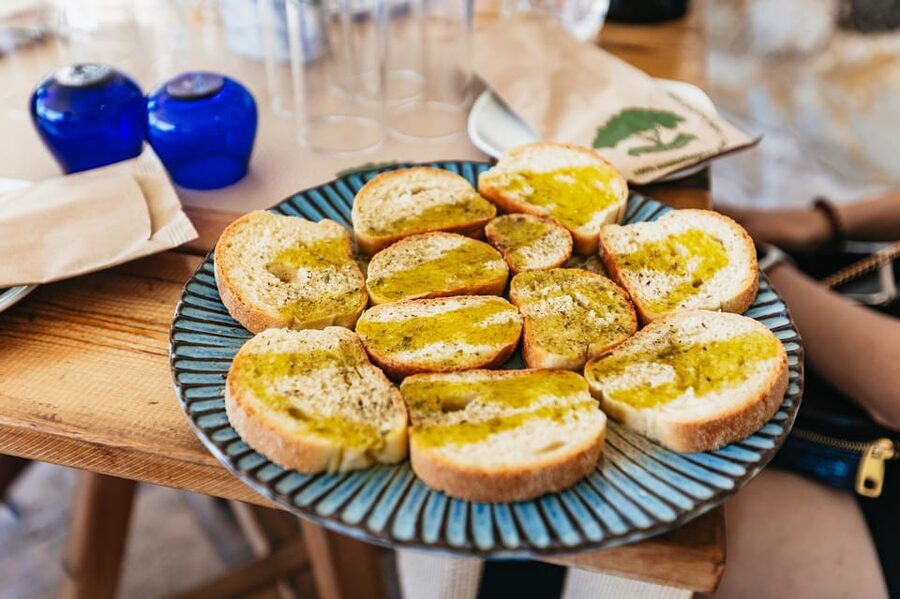
After the first winery, you shift gears to a traditional village stop and then the highlight that’s hard to fake: the 3,000-year-old olive tree. The tree is estimated to be around 3,000 years old, and that estimate is part of why this stop works even if you’re not an olive history person.
This is the moment where the tour stops feeling like a tasting room and starts feeling like Crete. You get a physical reminder that olive trees have been shaping local food for generations. And it also sets you up for the olive oil factory stop later, because you’ve now seen what’s being harvested and preserved through time.
The drawback to this part is simple: it’s a quick stop. You’re not spending all afternoon here, so if you want a deep, slow wander with lots of photo time, you’ll want to be decisive about what you want to shoot and when.
Second tasting winery: Vilana-Vidiano-Assyrtiko white blend and another round
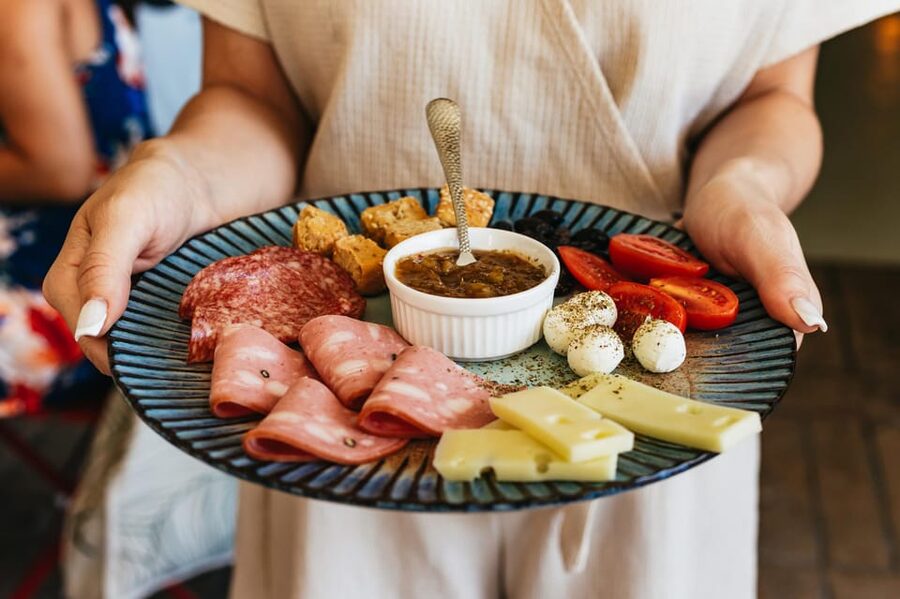
Next comes another winery in the Kissamos region, where the tour leans more into Cretan blends and the “why it tastes like this” side of tasting. A key feature here is a special local blend of white wines made from Vilana, Vidiano, and Assyrtiko.
If you like that moment when your palate starts to pick up patterns, this is where it can click. Assyrtiko has a reputation for clarity and acidity, while Vidiano and Vilana can bring their own aromatic character. Even if you don’t know those profiles yet, you’ll likely notice differences faster because you’ve already tasted other wines earlier.
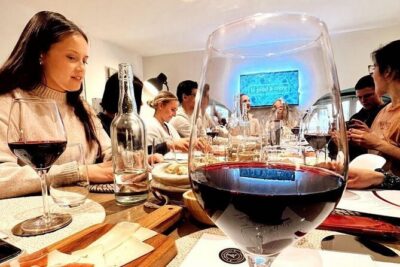
Expect more sampling paired with snacks. In practice, many groups end up doing something like 5 wines at one winery and then another set of 5 at the next, for a total tasting count around the 10-wine range. The exact numbers can vary by day, but the structure stays consistent: learn a little, taste a lot, eat enough to keep things comfortable.
This stop is also where the “buy if you want, not because you’re pressured” feeling shows up. Several guests specifically praise the fact that the sales pitch isn’t aggressive, which makes it easier to actually enjoy the tasting rather than feeling pushed.
Olive oil factory tour: extra virgin production and tasting with local products
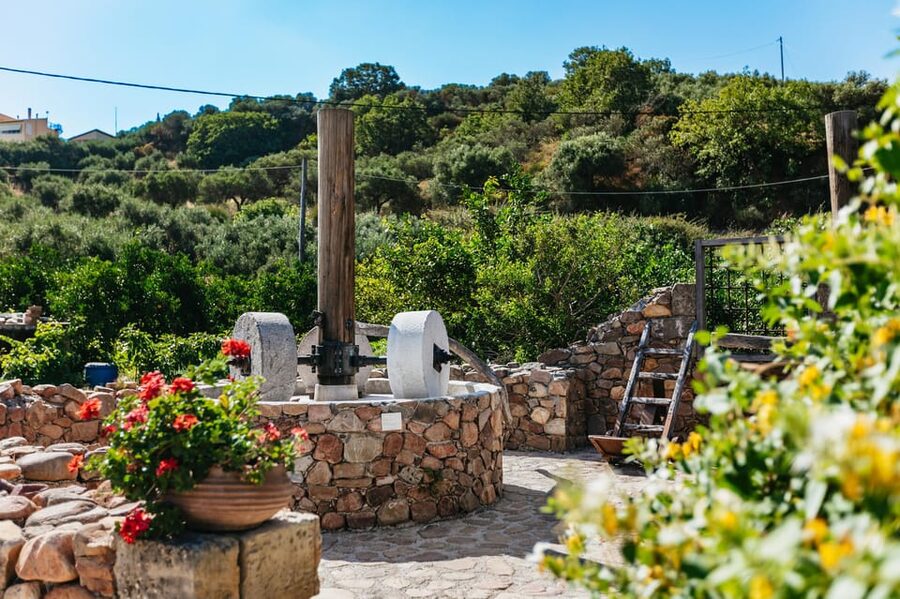
Then you get the olive oil segment—the part people often say they didn’t expect to enjoy this much. You’ll visit a local olive oil factory and learn how extra virgin olive oil is produced. The tour doesn’t just show equipment; it connects the steps to what you’ll taste, which makes the flavor differences easier to understand.
After the production tour, you taste olive oils alongside local products. You’ll likely sample more than one oil, and you’ll often get pairings that make the olive oil feel like a food ingredient instead of a science demo. This is also the stage where snacks and light lunch pieces matter most, since oils and wine together can hit your palate strongly.
If you’re planning to bring home a bottle (or a few), this is the moment to pay attention. You’ll have enough context to choose what matches your taste: fruitier oils, milder profiles, or oils that feel more peppery and bold. And because you’re tasting on-site, you’re not just buying a label.
The main consideration here is flavor fatigue. When you’ve already tasted several wines, olive oil can feel intense. The fix is simple: sip water, taste slowly, and don’t feel you need to score everything in your head.
What you’ll taste (and how to order like a smart first-timer)
This tour is built around named varieties, so it’s not just random pours. You’re set up to taste Cretan grapes like Vidiano and Muscat of Spina, plus international varieties including Grenache rouge, Syrah, and Mourvèdre. You’ll also likely taste the white blend built around Vilana, Vidiano, and Assyrtiko.
Here’s a practical way to approach the tasting without overthinking it:
- Start by noticing aroma, not just flavor. Take a breath and ask yourself if it smells more floral, fruity, or savory.
- Keep notes in plain language. Words like crisp, smooth, herbal, or dry are enough.
- Don’t compare everything at once. Each stop has its own setting and order, and the differences become clearer when you reset your palate between wineries and the olive oil factory.
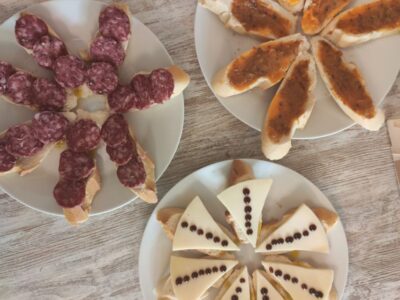
Also, snack timing helps. The tour includes light lunch/snacks, and many groups report the portions feel generous enough to keep you comfortable. Still, if you have a sensitive stomach with alcohol, eat first, sip water often, and consider driving plans for later in the day (if you’re also renting a car after).
Tsikoudia goodbye and keeping the day comfortable
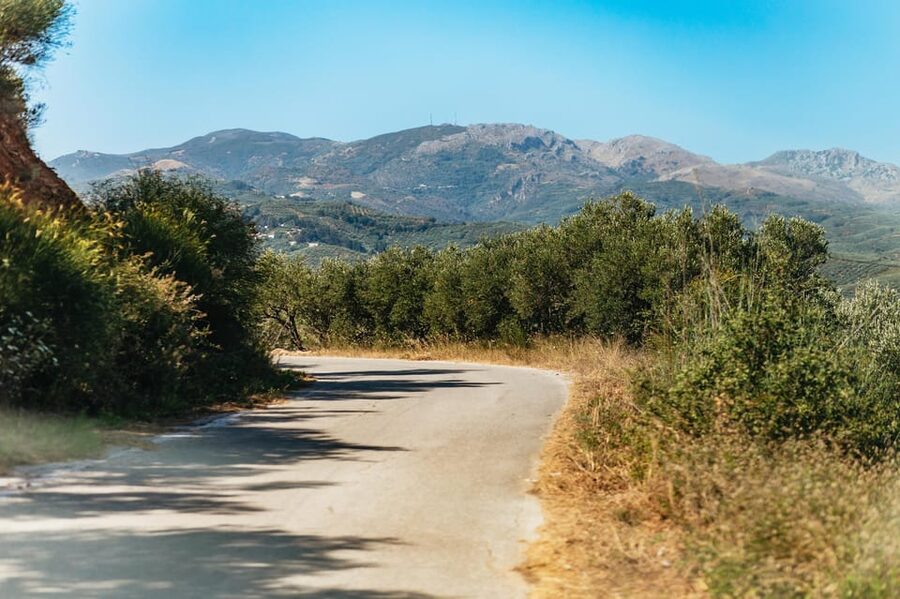
The closing ritual is Cretan: you’ll drink tsikoudia as a way of saying goodbye before heading back to Chania. Tsikoudia is strong, so treat it like the final finishing course, not like a casual extra sip.
This is a good time to slow down and think about your evening plans. If you’re the type who likes to walk around Chania at night, consider saving your best energy for later rather than overcommitting right after the tour. You’ll still get a fun day, but alcohol is part of the design.
Pacing wise, the tour generally feels well timed for a day trip. People mention the order of stops and the timing feels right, including the return to Chania around the mid-afternoon window in many cases. That matters because you still want some time left for dinner and a relaxed stroll.
Price and logistics: what you’re really paying for
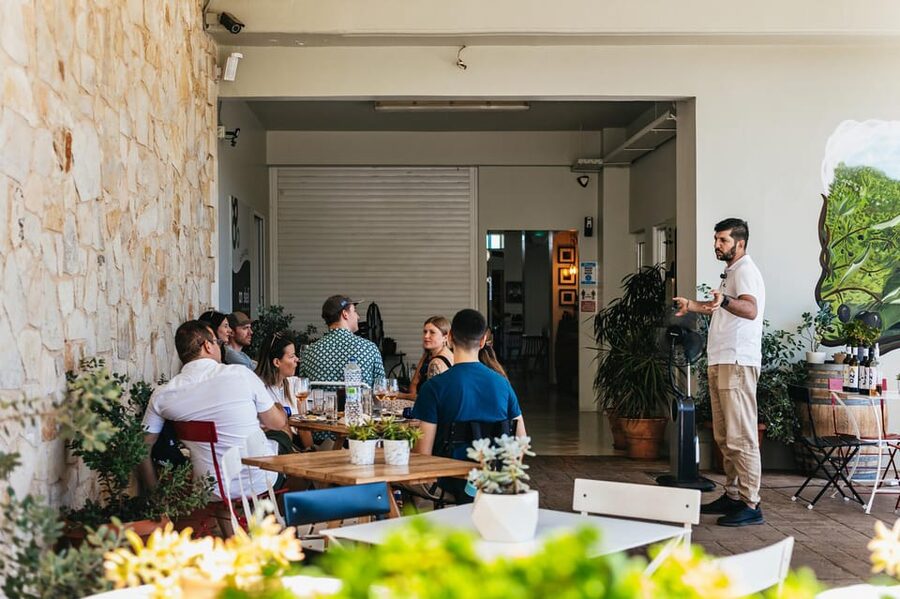
At about $141 per person for a 6-hour tour, you’re paying for more than tastings. You’re buying transportation from the Chania region, entrance fees, a live English guide, wine tastings, olive oil tasting, and light lunch/snacks.
So is it good value? For the right person, yes—especially if you want multiple tastings in one day without the hassle of organizing drivers, entrance tickets, and sequencing. The tour also hits different “knowledge lanes”: wine grapes at wineries, olive oil production at a factory, then a cultural anchor at the 3,000-year-old olive tree.
Where it may not feel like a slam-dunk is if you expect a large meal or want lots of time at each site. Some guests even suggest they wanted a bit more food to match the amount of alcohol tastings. If you know you get hungry fast, plan a light snack before pickup and then let the included lunch/snacks do the rest.
One more logistics point: bring an ID or passport. The tour is also not set up for unaccompanied minors, and the wine tasting rules apply to age.
Who this tour suits best (and who should skip it)
This works best if you’re in one of these groups:
- You’re based in Chania and want a day trip that feels like Crete, not just a drive-by photo stop
- You want to try named Cretan grapes and learn how olive oil and wine fit into local life
- You like guided tastings where you can ask questions and leave with a clearer sense of what you like
You might want to skip or choose another option if:
- You’re looking for a mostly non-alcohol experience. Wine tasting isn’t for kids, and the schedule is built around tastings for adults.
- You’re expecting a full sit-down lunch rather than light snacks.
- You hate structured itineraries and want total freedom with no timing.
Should you book this Chania wine and olive oil tour?
Book it if you want a single day where Crete’s two big food passions—wine and extra virgin olive oil—are explained through real stops. The mix of family wineries, an olive oil factory, and the 3,000-year-old olive tree gives you more than just drinking. Plus, the guide energy matters here, and names like Andreas, Kostas, and Alex (Alexandros) have a strong track record for making the day fun and informative.
Think twice if you’re picky about food volume or you prefer long, slow sightseeing over tasting schedules. If that’s you, consider whether a light-snack day plus tsikoudia is your idea of a good time.
If you do book, do this: go in hungry (but not starving), drink water between pours, and choose one or two flavors you want to remember. By the end, you’ll be able to tell the difference between what you liked and what you want to buy back.
FAQ
How long is the tour?
The tour lasts about 6 hours.
Where do you get picked up, and when?
Pickup and drop-off are included from specific locations in the Chania region. Pickup begins 30–60 minutes before the tour departs.
Is the guide available in English?
Yes. The live tour guide speaks English.
Is wine tasting allowed for children?
Wine tasting is not allowed for children under 18. Water or fresh orange juice will be offered instead.
How old is the olive tree you visit?
The olive tree stop is estimated to be around 3,000 years old.
Can I reserve without paying right away?
Yes. You can reserve now and pay later.
What’s included in the price?
Included are pickup and drop-off, air-conditioned bus transportation, entrance fees, wine tasting, olive oil tasting, and light lunch/snacks, plus a driver/guide.
What types of wines will I taste?
The tasting can include Vidiano and Muscat of Spina, along with international varieties such as Grenache rouge, Syrah, and Mourvèdre. You’ll also taste a local white blend made from Vilana, Vidiano, and Assyrtiko.
Is there free cancellation?
Yes. You can cancel up to 24 hours in advance for a full refund.