REVIEW · DIJON
Dijon: La Cave du Palais Burgundy Wine Tasting Experience
Book on GetYourGuide →Operated by La Cave du Palais · Bookable on GetYourGuide
One small room. Big wine brainpower. La Cave du Palais is a guided Burgundy tasting tucked inside an ancient, vaulted cellar in central Dijon, and it turns what can feel like wine jargon into something you can actually taste. I like the intimate cellar setting and the way Burgundy’s mix of places and vintages becomes easy to follow.
I also really like the structure: 6 different wines paired with a live guide who explains what you’re seeing in the glass—climate, aging, and why the same grape can taste totally different depending on where it grew. Small group size (up to 8) keeps it interactive, not lecture-y.
One consideration: this is a tasting, not a winery tour. You’ll leave with strong opinions and maybe a bottle to take home, but you won’t see vineyards or farms up close in this 90-minute format.
In This Review
- Key points to know before you go
- Entering the Hotel du Palais cellar in the heart of Dijon
- The 90-minute flow: what happens after you arrive
- Step one: settle into the tasting room
- Step two: learn while you sip
- Step three: compare 6 wines across appellation levels
- Step four: end with questions and conversation
- The cellar setting: why vaulted walls change how you taste
- Six wines across Burgundy: how climate and aging get translated
- Regional wines first: the baseline
- Then you move up the appellation ladder
- Why climate matters (and why it’s more than trivia)
- Why aging matters (even if you don’t plan to wait)
- The guides: what makes the experience feel human
- Price and value: is $64 a good deal in Dijon?
- Who should book (and who should skip)
- Practical tips to get the most out of your tasting
- Should you book La Cave du Palais in Dijon?
- FAQ
- How long is the Burgundy wine tasting at La Cave du Palais?
- What’s included in the price?
- Where do I meet for the tasting?
- How many people are in the group?
- Is there an age requirement?
- Can I cancel, and is it allowed close to the date?
Key points to know before you go
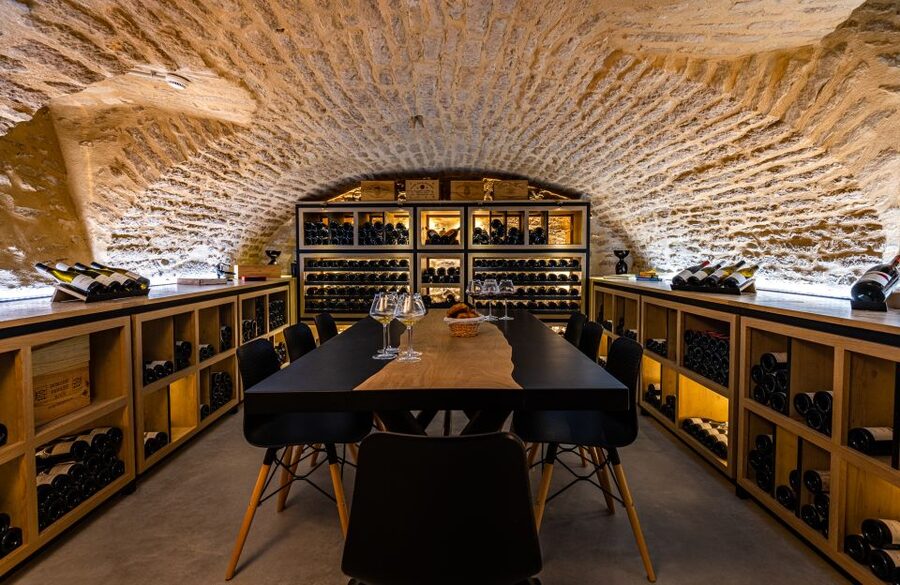
- Vaulted, cellar-cool atmosphere: you taste underground in an old setting that makes Burgundy feel very real
- Six pours, taught in plain language: climate and aging explained with each wine, not as a separate class
- Small group pace: limited to 8 participants, so questions don’t get swallowed
- Regional to Grand Cru range: you taste across the Burgundy hierarchy of appellations
- Live commentary in French or English: guides like Prune, Antoine, Leo, Rafael, Robin, and Sebastian have been described as engaging and patient with questions
- No pressure to buy: tastings are included, and extra bottles are optional
Entering the Hotel du Palais cellar in the heart of Dijon
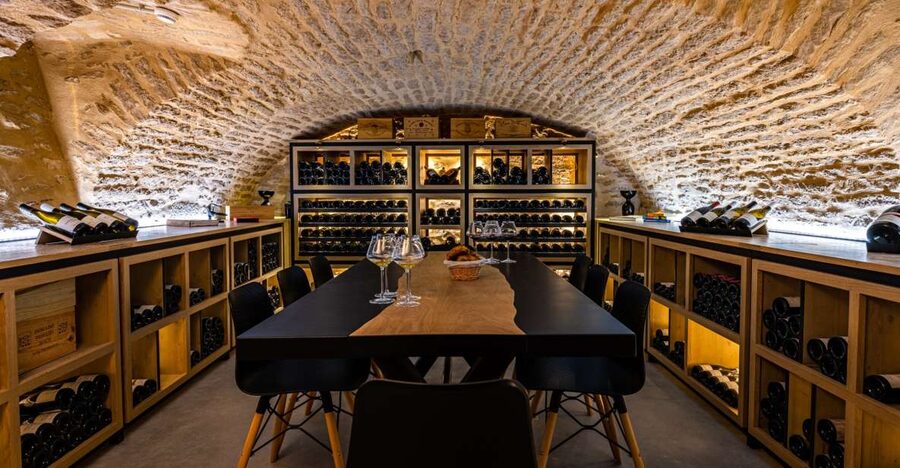
Location matters in Dijon, and this one is friendly. The meeting point is inside the Hotel du Palais, about a five-minute walk from Place de la République. That’s the kind of distance that lets you wander first, then walk over without turning your day into a transport puzzle.
The best part is you’re doing this in the city center. Dijon can be a “window-shopping” kind of place—shops, squares, cafés. A tasting like this fits that rhythm. You get a focused experience without needing a car, a bus hop, or a whole half-day detour.
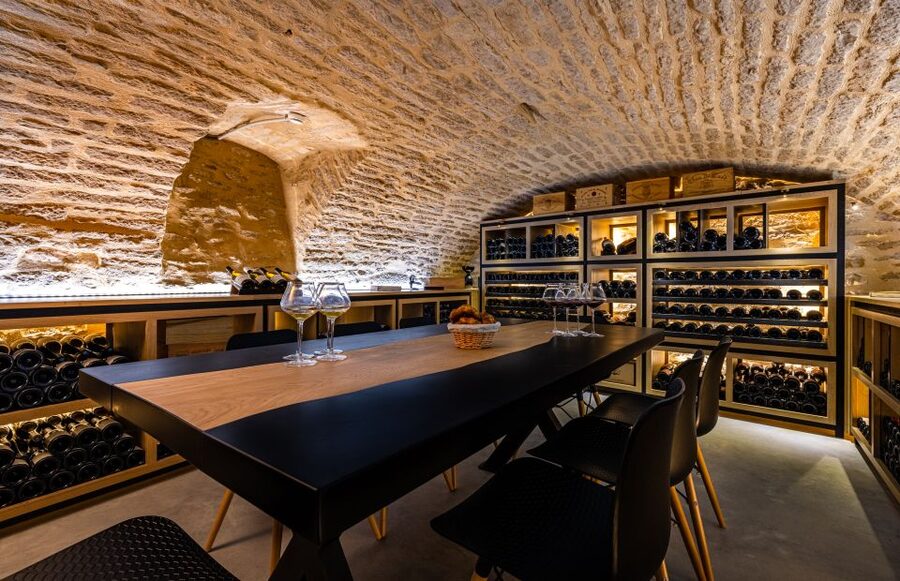
And then there’s the cellar itself. You’re not tasting in a bright conference room. You’re in an enclosed, vaulted space that helps you slow down. In one booking, the cellar setting was described as a 15th-century setting, and even if you don’t clock the exact century, you’ll feel the difference: the room makes wine taste more serious—and conversation more relaxed.
You can also read our reviews of more food & drink experiences in Dijon

The 90-minute flow: what happens after you arrive
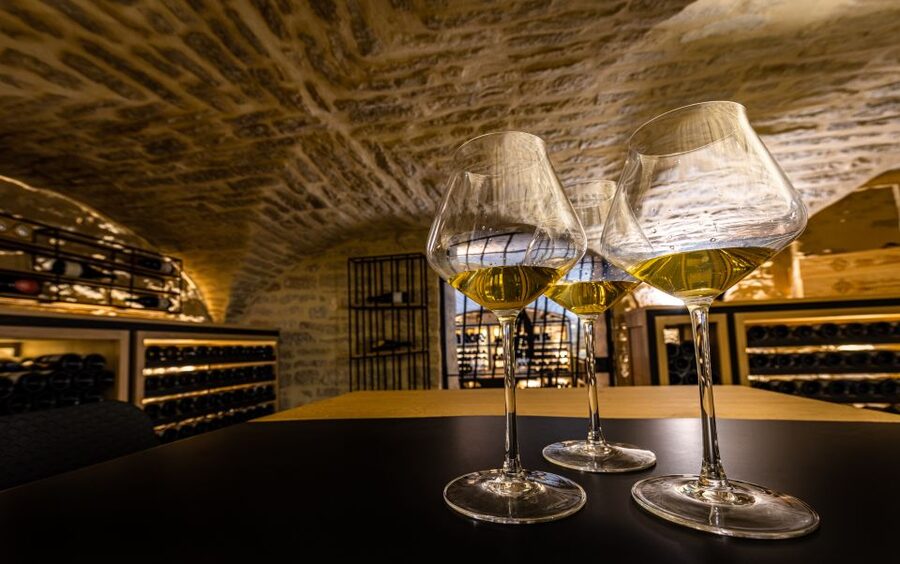
This experience runs about 90 minutes, and it’s paced so you can actually compare wines instead of just surviving them.
Step one: settle into the tasting room
When you start, you’ll be in the cellar space with your group. The guides work at the pace of a small group, meaning you don’t have to decode what’s going on. Expect a warm welcome, then a clear sense of how the tasting will move.
Step two: learn while you sip
The heart of the experience is live commentary as you taste. You’re not only tasting flavors—you’re being guided through how Burgundy’s climates (and vintage years) show up in the wine.
This is where the session becomes useful. Burgundy’s reputation can make you think it’s all about labels. The guide’s job here is to connect the dots between:
- the year (how the growing season behaved),
- the place (appellation and vineyard context),
- and the winemaking choices implied by those differences,
so you learn to taste with logic, not just taste with luck.
Step three: compare 6 wines across appellation levels
The tasting includes 6 different wines, covering regional to Grand Cru appellations. That range is the big idea: you’re learning Burgundy’s “place-based” system by tasting it in the same sitting.
Some bookings also mention an extra pour (a “7th wine” feeling in one case), so don’t be shocked if your table gets a slightly fuller flight. But the baseline is 6 tastings.
Step four: end with questions and conversation
Because group size is small (limited to 8), the guide can take questions as you go. People have mentioned hosts being very patient about Q&A and working well with mixed-English groups. That matters: Burgundy can be intimidating. You’ll get better fast when you can ask what you actually want to know.
The cellar setting: why vaulted walls change how you taste
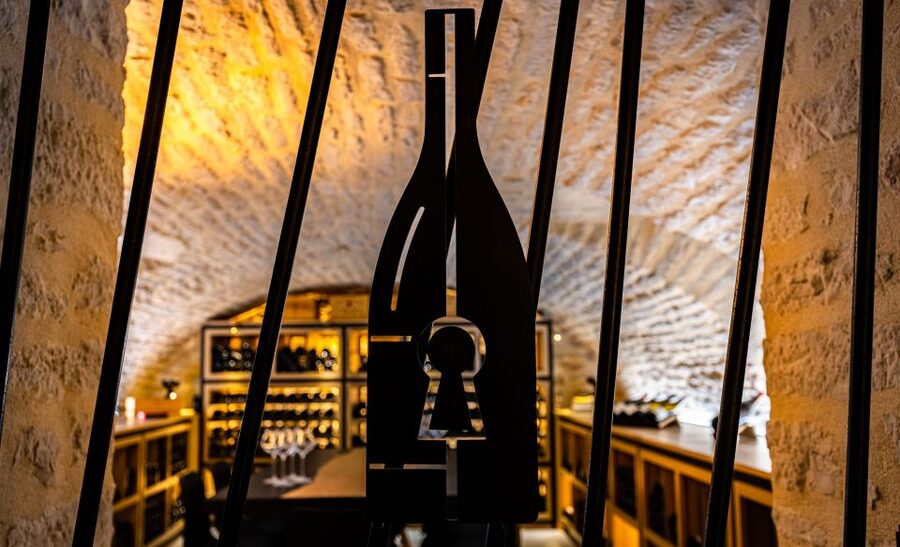
Let’s be practical. Wine tasting is partly biology (your palate) and partly psychology (your mood).
Inside a vaulted cellar, you’re naturally more focused. It’s cooler, quieter, and physically separate from the street noise. One review highlighted how accessible the cellars are in the city center, but the real win is the underground setting: it makes the tasting feel like an event, not a quick stop.
If you’ve ever tried to learn wine in a noisy setting, you know the issue. You keep repeating questions because you missed them the first time. In this room, it’s easier to follow the guide’s explanations—especially when they tie specific flavor notes to climate and aging.
Six wines across Burgundy: how climate and aging get translated
Burgundy is famous for being specific. Not just “red vs white.” Specific down to the vineyard logic. This tasting is built around that.
Regional wines first: the baseline
Starting with lower rungs of Burgundy (like broader regional styles) helps you calibrate your palate. Before you jump to Grand Cru names, you need a reference point. That’s what early tastings do: they teach your tongue what the guide means when they talk about structure, aroma, and flavor direction.
Then you move up the appellation ladder
As the flight progresses, the guide connects the wine to its appellation logic. Burgundy’s classification system can feel like a phonebook. In a tasting, it becomes a map you taste in real time.
You’ll get a mix of what Burgundy can do in both whites and reds. One booking described a split of 3 reds and 3 whites, and another mentioned both styles being central to the session. Even if your exact lineup shifts, the point stays the same: you taste across the Burgundy spectrum rather than locking in on a single style.
Why climate matters (and why it’s more than trivia)
When the guide talks about climates and the year, it’s not just nerd talk. Vintage conditions can affect:
- ripeness and acidity balance,
- intensity of fruit,
- and how the wine’s structure settles after aging.
This is the practical takeaway I’d want you to carry home. When you taste a Burgundy later (in a shop, a restaurant, or your own bottle), you’ll recognize why two vintages can behave like different wines, even when the producer and appellation sound similar.
Why aging matters (even if you don’t plan to wait)
Aging influences:
- how aromatics evolve,
- how tannins integrate,
- and how flavors move from “fresh” to “grown-up.”
You don’t have to be a long-term wine storage person to benefit from this. Aging is part of the style Burgundy lives in. Learning what to expect helps you buy smarter and order more confidently.
The guides: what makes the experience feel human
The best part of small-group wine tastings isn’t the wine alone. It’s the back-and-forth.
This session is hosted by French and English-speaking guides. People have specifically praised hosts such as Prune, Antoine, Leo, Rafael, Robin, and Sebastian for things like:
- answering questions without rushing,
- making the explanations practical,
- and keeping the tone friendly and interactive rather than stiff.
You’ll also notice something: guides here seem comfortable shifting between styles of explanation. Some focus more on terroir and production context; others connect it directly to what you’re tasting in the glass. Either way, the format is built for conversation.
If you’re the type who asks, What makes this taste different?, you’ll do well. If you’re quieter, the guide still gives you enough structure to follow along without feeling lost.
Price and value: is $64 a good deal in Dijon?
At $64 per person for about 90 minutes, you’re paying for more than the wine. You’re paying for:
- access to a specific historical cellar space,
- a guided tasting that organizes Burgundy’s complexity,
- and 6 included tastings with live commentary.
Here’s how I judge value on this kind of experience: you’re not just buying wine; you’re buying compression. Burgundy can take years to understand if you learn it one bottle at a time with no framework. In a single sitting, you get tasting reps plus a guide who explains how the system works.
Could you buy bottles in Dijon for less? Sure. But then you lose the explanations that help you taste with confidence. This is a “pay once, learn fast” type of experience.
Also: small group size (up to 8) makes the experience feel less like mass tourism and more like a proper guided session. For me, that’s part of the value.
Who should book (and who should skip)
This is a wine tasting for adults. You must be over 18. That matters.
It’s also listed as not suitable for:
- children under 18,
- wheelchair users,
- and pregnant women.
So if mobility or comfort is a priority, this one may not fit your needs.
Who it suits best:
- You’re curious about Burgundy but don’t want a confusing crash course.
- You like guided comparisons rather than random wine sampling.
- You’re staying in Dijon for a short time and want a high-impact activity in the city center.
- You’re the kind of person who enjoys asking questions and learning as you go.
Practical tips to get the most out of your tasting
A few smart moves make a big difference:
- Pace yourself early. The best comparisons happen when you’re still fresh, not when you’re halfway through the flight thinking only about the next sip.
- Ask one solid question per wine. Something like how climate shows up here, or what aging changed. The guide’s answers tend to build, not scatter.
- Bring an open mind about labels. Burgundy can tempt you to think the name does all the work. Let the guide show you what’s behind the name.
- If you’re planning to eat after, drink water and go light if you can. You’ll want to enjoy your Dijon dinner, not feel like you studied wine all afternoon.
Should you book La Cave du Palais in Dijon?
Yes, if you want a fast, structured way to understand Burgundy in a real cellar setting. This is the kind of tour that gives you a framework you can use later—ordering in restaurants, reading labels, or choosing a bottle with more confidence.
Skip it if:
- you need something fully accessible for mobility needs,
- you’re traveling with someone under 18,
- or you want a vineyard-focused day with outdoor walking. This is about tasting and explanation, not touring farms.
If your time is tight in Dijon and you want one experience that feels local, guided, and genuinely practical, this is an easy pick.
FAQ
How long is the Burgundy wine tasting at La Cave du Palais?
The experience lasts 90 minutes.
What’s included in the price?
It includes 6 wine tastings and live commentary. Extra tastings are not included.
Where do I meet for the tasting?
You meet at La Cave du Palais in the Hotel du Palais, about a five-minute walk from Place de la République in central Dijon.
How many people are in the group?
The group is small, limited to 8 participants.
Is there an age requirement?
Yes. You must be over 18. Children under 18 aren’t suitable for this activity.
Can I cancel, and is it allowed close to the date?
There is free cancellation up to 24 hours in advance for a full refund.