REVIEW · DIJON
Small group Burgundy tour of Beaune with Wine Tasting from Dijon
Book on Viator →Operated by Authentica Tours · Bookable on Viator
Wine country hits different after lunch. This small-group Burgundy outing from Dijon mixes a guided tasting of Côte de Beaune/Côte de Nuits wines (often with 1ers Crus) plus a real Beaune break to soak up the wine capital vibe.
Two things I like a lot: the tasting is built for learning (you’re sampling multiple styles, not one quick pour), and the group stays small enough that you can actually ask questions and follow the story. One thing to consider: it’s not a long Beaune visit—plan to pick one or two priorities, since lunch isn’t included and your free time is about an hour.
In This Review
- Key highlights worth your attention
- Côte de Beaune and Côte de Nuits: what you really taste
- From Dijon to Beaune: how the timing feels in real life
- Route des Grands Crus vineyard views: the names you’ll hear and see
- La Moutarderie Fallot: mustard stop, wine brain, Dijon comfort
- Beaune free time: pick one main plan, then snack and shop
- Guides, pace, and that small-group advantage
- Price and value: what $105.22 buys you (and what it doesn’t)
- When this tour might not match your expectations
- Should you book this Dijon to Beaune wine tasting tour?
- FAQ
- How long is the tour from Dijon to Beaune?
- What time does the tour start?
- Where do I meet for the tour?
- Is wine tasting included in the price?
- How many wines do you taste?
- Does the tour include lunch?
- How much free time do I get in Beaune?
- Do entrance fees in Beaune cost extra?
- What language is the tour offered in?
- What if the tour can’t run due to minimum numbers?
Key highlights worth your attention
- Small group, max 8 people for a more personal pace
- 5 to 7 wines to taste, with top-tier picks like 1ers Crus
- Route des Grands Crus walk with vineyard-name stops such as Romanée Conti and Clos de Vougeot
- Beaune free time for your choice: Hospices, shops, or an extra tasting
- La Moutarderie Fallot visit on the way, a classic Burgundy counterpoint to wine
Côte de Beaune and Côte de Nuits: what you really taste
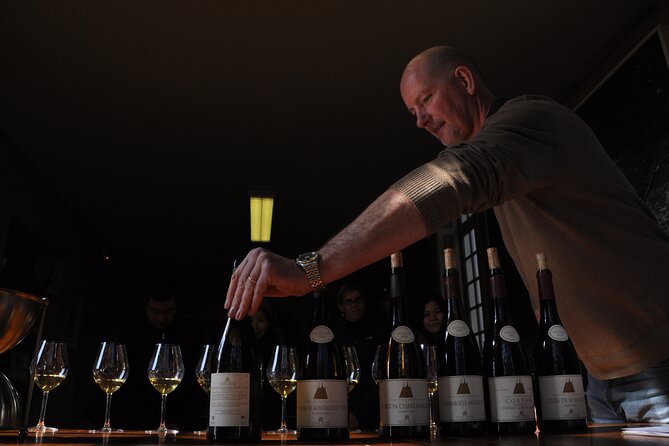
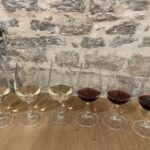
This tour is built around a prestigious tasting of Côte de Beaune and/or Côte de Nuits wines, typically 5 to 7 whites and reds. You can expect Pinot Noir to show up among the reds. In many group tastings, Chardonnay and Pinot Noir are both part of the lineup, so you get a more complete feel for how Burgundy “thinks” in the glass.
What makes this tasting feel worthwhile is the variety: you’re not just checking boxes. You get to compare how different appellations and quality tiers taste, and you’ll hear the why behind the flavors—terroir, vineyard position, and what “premier cru” (1ers Crus) means for the wine.
Also, the tour doesn’t pretend wine is complicated in one gulp. It’s paced like an afternoon you’ll enjoy even if you’re not a die-hard wine nerd. Still, if you are a wine person, there’s enough going on that you’ll likely leave with new talking points for your next bar conversation.
You can also read our reviews of more food & drink experiences in Dijon

From Dijon to Beaune: how the timing feels in real life
You start at 1:30 pm near 16 Pl. Darcy in Dijon. The tour runs about 5 hours and ends back at the same meeting point. That timing is ideal if you’re in Dijon for a day and want Beaune without committing to a full-day drive.
Here’s how to set expectations: you’re getting a tasting experience first, then you get about 1 hour of free time in Beaune. That’s not long, but it’s enough to do one “big” thing and a short wander. If your dream is a full museum day plus multiple cellar visits, this schedule won’t be the right fit. If you want a focused taste of Beaune—its key sights and its wine energy—this works.
One more practical note: no lunch is included. So either eat earlier in Dijon or plan to use Beaune time for a snack rather than a sit-down meal. It helps to treat the free hour like a sprint with style, not a slow stroll.
Route des Grands Crus vineyard views: the names you’ll hear and see
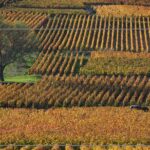
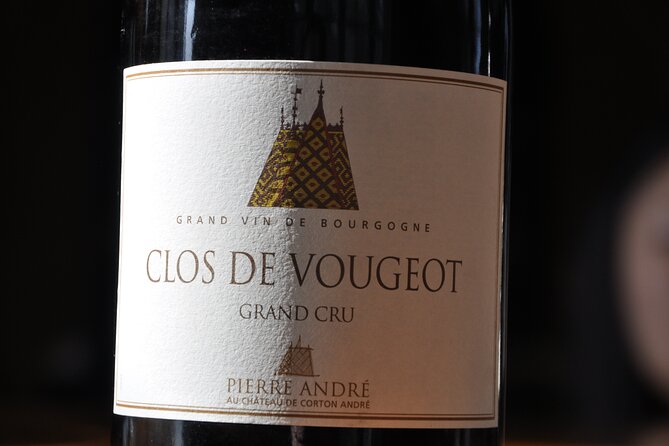
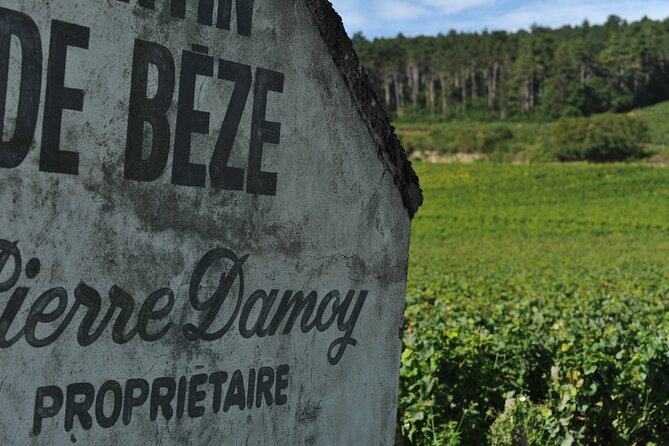
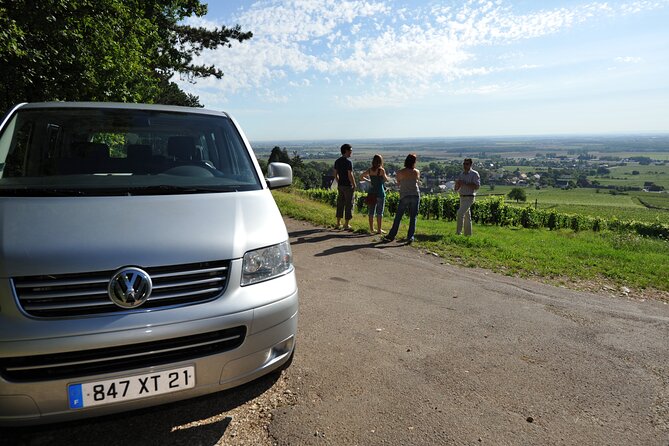
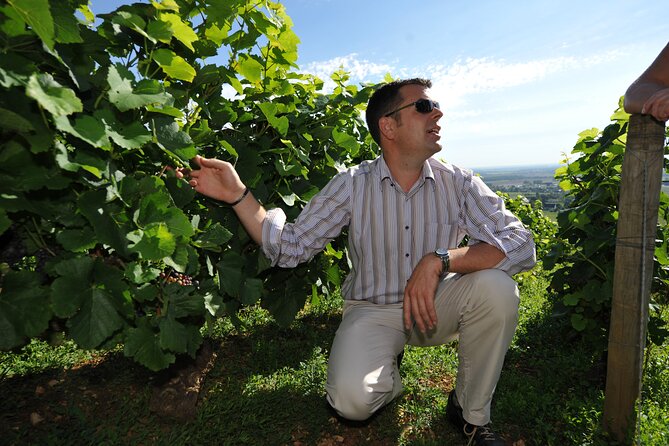
Even though you’re not doing a long hike, you do get a walk through the vines on the Route des Grands Crus—the strip of Burgundy that wine lovers talk about like it’s mythology. The tour mentions famous plots and names such as Romanée Conti, Chambertin, Clos de Vougeot, Échezeaux, and Corton Charlemagne, plus other Grand Cru territory you’ll pass through by road.
This matters because Burgundy can feel abstract if you only read labels. Seeing the vineyard geography in daylight helps you connect the terms to actual terrain: slope, row patterns, and the way vineyards stack along the hillsides. You’ll get the “wow” moment without needing hiking boots or a full morning commitment.
If you’re sensitive to time outdoors, the good news is that the walk is short. Still, plan for shoes that handle uneven ground. Also, if you’re behind in the group, you may want to keep your ears open—some past visitors have noted it can be hard to hear the guide in back. Being aware of that helps you get more out of the narration.
La Moutarderie Fallot: mustard stop, wine brain, Dijon comfort
One stop is La Moutarderie Fallot. This fits Dijon’s identity perfectly: Burgundy isn’t only vines; it’s also food culture, especially mustard. In practice, this stop gives your afternoon a reset between wine segments. Instead of another glass, you get smells, local character, and a reminder that Burgundy’s flavors live beyond the cellar door.
If you’re planning around Sunday timing, note that Moutarderie Fallot is listed as closed on Sundays. On other days, it’s a well-known place to pick up mustard-related treats and gifts that actually make sense for home.
And even if you’re not buying anything, it’s a nice way to feel the region’s rhythm. Wine is the star, but the supporting cast—shops, food makers, and local rituals—makes the story feel real.
Beaune free time: pick one main plan, then snack and shop
You’ll have about one hour in Beaune after the tasting portion. That time is your chance to turn wine knowledge into a place-based experience. You’ll likely want to choose just one “anchor activity,” then add one quick option nearby.
The tour’s suggested ideas are strong:
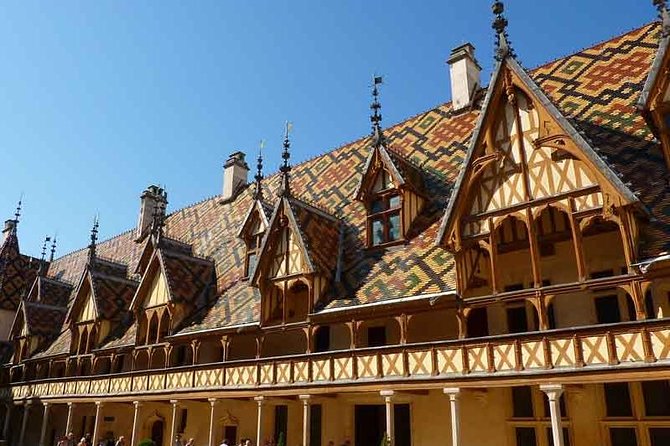
- Hospices de Beaune (a masterpiece of Burgundian art). If you choose one place, this is the one I’d prioritize.
- A great Burgundy wine tasting in a cellar (often described as offering 7 to 10 wines). This is the most direct way to extend your tasting education, if you can find a slot that fits the hour.
- A tasting at Moutarderie Fallot, if your schedule hasn’t already included it.
- A walk through the old town and traditional shops—blackcurrant, mustard, gingerbread, and classic favorites like Flavigny-style anise sweets.
Because you have limited time, I’d treat Beaune like this:
1) arrive, take a slow look first,
2) hit your one must-see,
3) grab a snack (since lunch isn’t included),
4) finish with a quick shop loop for souvenirs that actually taste like Burgundy.
Even if you don’t do a second tasting, the town alone adds context. Beaune feels like the administrative and cultural hub of Burgundy wines—right-sized, walkable, and full of little details that make your tasting story click.
You can also read our reviews of more wine tours in Dijon
Guides, pace, and that small-group advantage
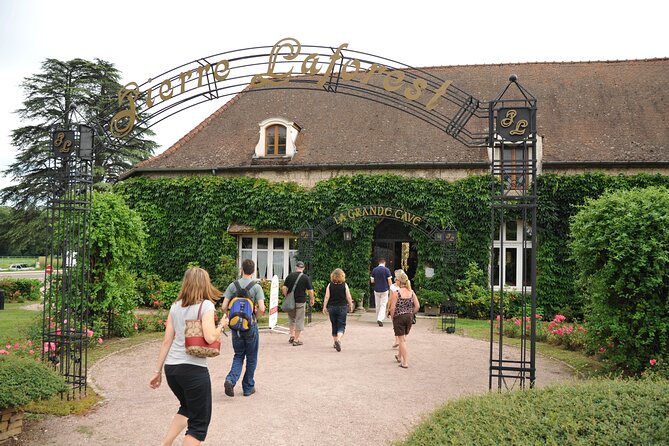
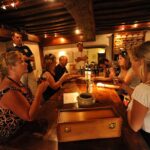
This is run by local guides and capped at up to 8 travelers, which changes everything. In a big group, wine tours turn into a conveyor belt. Here, you’re more likely to get explanations that match your pace, and you can ask follow-up questions without feeling rushed.
The guide experience can be a big part of the value. Past afternoons have been led by guides including David, Stephan, Pierre, Roman, Kristin, Thomas, Yoann, Jeremy, Hubert, and Léonie. The common thread is clear: people often praise how approachable the region feels once the guide connects grapes to place—and how the tour stays relaxed rather than stiff.
A useful strategy for you: don’t wait until the end to ask questions. Ask early, even simple ones like how to read an appellation label or what “1ers Crus” actually signals in the bottle. When the guide’s explanations match what you’re tasting right then, it sticks.
Price and value: what $105.22 buys you (and what it doesn’t)
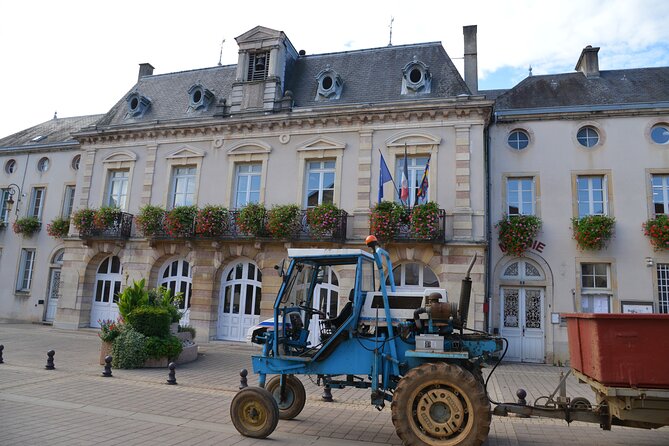
At $105.22 per person for about 5 hours, you’re paying for two things: transportation/time and a structured tasting. The tour includes wine tasting, and that’s the core value—5 to 7 wines, with options that may include 1ers Crus.
What you should budget separately:
- Lunch is not included
- Entrance fees in Beaune are not included
So the real value question is: is the tasting and the added Beaune time worth paying for rather than trying to piece it together yourself? In many cases, yes—especially if you want a guided structure that connects what you taste with what you see on the Route des Grands Crus.
If you enjoy planning and want total control, you might DIY part of this. But if you’d rather show up, taste, learn, and let someone else handle the logistics, this price lands in the “reasonable for what you get” category for Burgundy.
When this tour might not match your expectations
A few things could matter depending on your style.
First, the Beaune portion is about an hour. That’s perfect for a hit list. It’s not enough for a deep dive into museums and multiple cellars. If you want long, unhurried wandering, plan extra time in town on your own.
Second, the tasting venue can feel different from what wine lovers imagine. Some people have described tastings happening in more shop-like spaces rather than classic château cellars. The wine quality can still be good, but if your mental picture is a formal old cellar with grand staircases, you might feel a mismatch.
Third, hearing can be an issue. One recurring practical note is that if you’re seated toward the back, you may struggle with the guide’s voice. Bring patience and stay attentive; asking the guide to repeat key points is a totally normal move.
Finally, you’ll want to like short walks. You do get one through the vineyards on the Route des Grands Crus, but this isn’t a long hiking day.
Should you book this Dijon to Beaune wine tasting tour?
I’d book it if you want a high-yield Burgundy afternoon: tastings with real quality labels, vineyard-name context on the Route des Grands Crus, and a Beaune taste that helps you decide what to do next time. It’s a solid fit for couples and wine-curious visitors who want structure without feeling herded.
I’d skip it if you’re chasing a full-day Beaune itinerary with multiple paid attractions and long tastings, or if you need long food stops with no rushing. In that case, you’d be happier adding extra time in Beaune on your own and choosing 1–2 experiences instead of compressing everything into one afternoon.
If you’re on the fence, here’s the quick test: can you handle one hour of Beaune plus a guided tasting as the main event? If yes, you’ll likely enjoy how quickly this tour turns Burgundy labels into real-world geography.
FAQ
How long is the tour from Dijon to Beaune?
It lasts about 5 hours.
What time does the tour start?
The start time is 1:30 pm.
Where do I meet for the tour?
The meeting point is 16 Pl. Darcy, 21000 Dijon, France.
Is wine tasting included in the price?
Yes. Wine tasting is included.
How many wines do you taste?
Expect 5 to 7 white and red wines.
Does the tour include lunch?
No. Lunch is not included.
How much free time do I get in Beaune?
About 1 hour.
Do entrance fees in Beaune cost extra?
Yes. Entrance fees are not included for activities you choose during free time.
What language is the tour offered in?
The tour is offered in English.
What if the tour can’t run due to minimum numbers?
The tour has a minimum number of travelers (4). If it’s canceled because the minimum isn’t met, you’ll be offered an alternative or a full refund.