REVIEW · DIJON
Half Day Tour of the Cote de Nuits Vineyards from Dijon
Book on Viator →Operated by Authentica Tours · Bookable on Viator
Côte de Nuits by van turns wine trivia into something you can actually picture. You’ll move through medieval vineyards and châteaux around Dijon, with tasting stops focused on how Burgundy is made and why Pinot Noir from this area earns its reputation.
Two things I really like: you get a top-notch, English-speaking guide (many guests name guides like Antonin, Leonie, Paul, Ivan, Jeremy, and Hubert), and the tasting isn’t just a pour-and-go. At the cellar, you’ll try 5 to 7 wines and then tie those glasses to specific places—vineyards, heritage sites, and the winemaking facilities at Clos de Vougeot.
One possible drawback: this is more about vineyard scenes and château history than about wandering towns. If you expected frequent stops in pretty villages to browse, the schedule may feel more “drive + heritage + tasting” than “stop and stroll around town.”
In This Review
- Quick, useful takeaways before you go
- Why the Côte de Nuits region makes sense for a half-day tour
- Meeting at Dijon: the 1:30 pm start and what it means for your day
- The cellar tasting at Authentica Tours: what you’re actually learning in 5 to 7 wines
- The vineyard and heritage stroll: why the walking part matters
- Château du Clos de Vougeot: the Cistercians’ winemaking footprint
- Hautes Côtes de Nuits forests and the Ouche Valley canal ride back
- Price and value: does $80 make sense for a Dijon Burgundy half day?
- Who this tour fits best (and who might want a different one)
- Practical tips so you get the most out of it
- Should you book the half-day Côte de Nuits vineyards tour from Dijon?
- FAQ
- How long is the tour?
- Where does the tour start in Dijon?
- What time does the tour begin?
- What’s included in the price?
- Is lunch included?
- How many people are in the group?
- What kind of wine tasting should I expect?
- What if the minimum number of travelers isn’t met?
- How does cancellation work?
Quick, useful takeaways before you go
- Small group size (max 8) makes it easier to ask questions and keep pace relaxed.
- All entrance fees included, so you’re not tracking extra costs while you’re out.
- Cellar tasting of 5 to 7 wines often includes Premier Cru bottles.
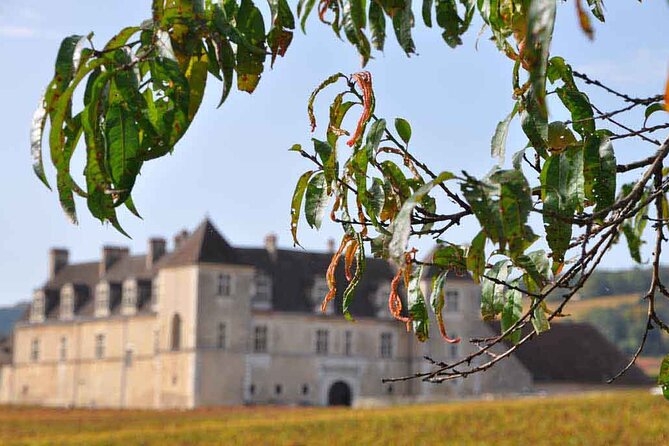
- Clos de Vougeot visit connects the wine you taste to the monks’ winemaking infrastructure.
- Scenic route via Hautes Côtes de Nuits and Ouche Valley gives you classic vineyard viewpoints from the road.
- No lunch included, so plan a simple meal before or after the afternoon start.
Why the Côte de Nuits region makes sense for a half-day tour
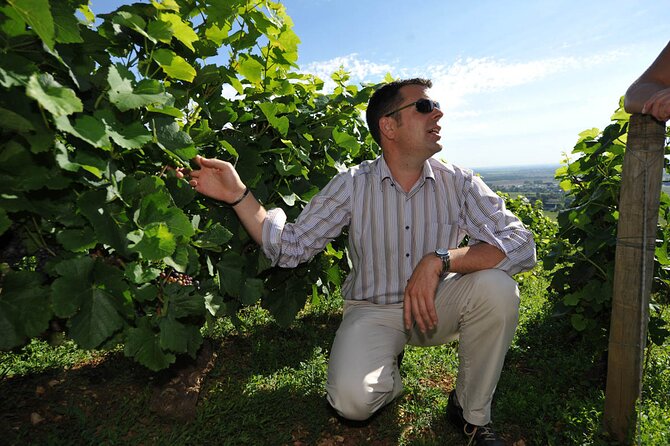
If you’ve never visited Burgundy before, Côte de Nuits is a smart first stop because it’s the heartland of Pinot Noir culture in this part of the world. But the real win here isn’t just the scenery—it’s that you see the “system” behind the wine while everything is still fresh in your mind.
This tour is built for the way most people actually learn: tasting, then walking the context. You start with an organized introduction in a traditional cellar setting, then you move through vineyard landscapes and heritage buildings tied to how the region developed over centuries. By the time you’re standing at Clos de Vougeot, you’re not only looking at old stone—you’re thinking about vats, presses, and the monk’s cellar as part of one continuous story.
You can also read our reviews of more tours and experiences in Dijon.
Meeting at Dijon: the 1:30 pm start and what it means for your day
Your afternoon begins at the bus parking in central Dijon at 16 Pl. Darcy. Starting at 1:30 pm, you get a useful balance: late enough to take your time in Dijon, early enough that you’re back by early evening.
Because the group stays small (up to 8 travelers), you’re not stuck in a huge crowd. You also won’t waste time figuring out where to stand—this is a straightforward central meeting point. One practical note: the experience runs about 4 hours 30 minutes, so keep your post-tour plans flexible. You’ll likely be ready for dinner soon after you return to the start point.
The cellar tasting at Authentica Tours: what you’re actually learning in 5 to 7 wines
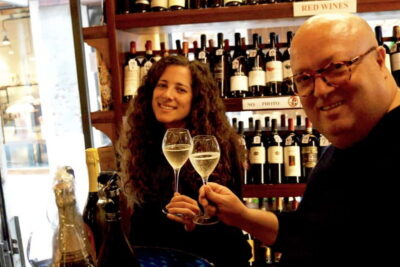
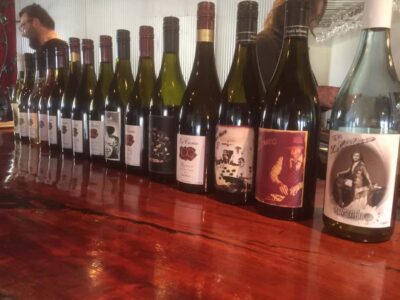
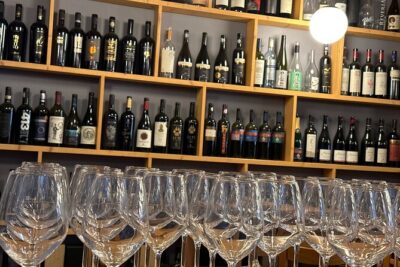
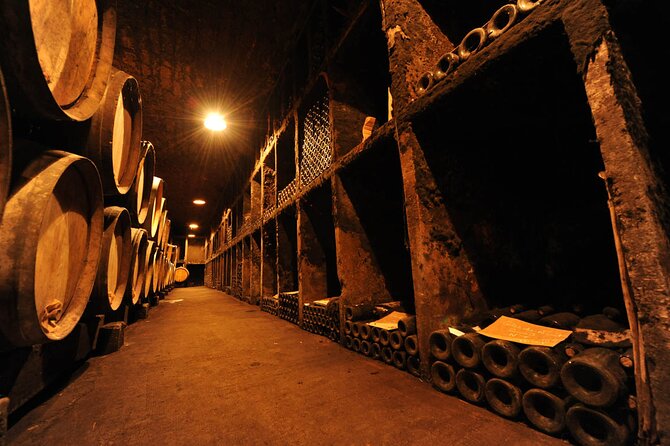
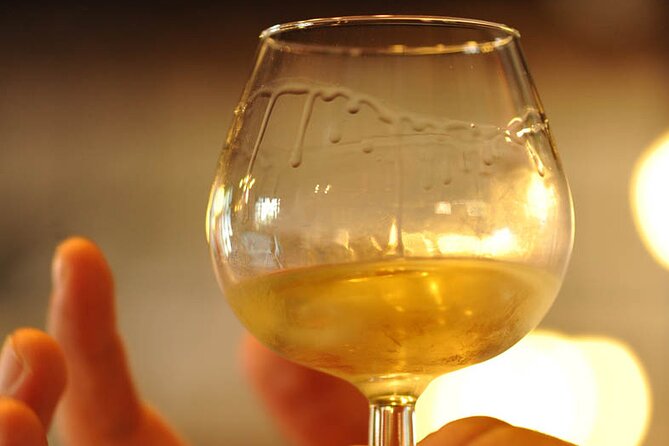
Most wine tours hand you glasses. This one tries to teach you the pattern behind Burgundy. At Authentica Tours, you taste a selection of 5 to 7 wines in a traditional cellar. The selection can include Premier Cru wines, and you’ll typically sample both red and white bottles—with special attention to Pinot Noirs.
What makes this first stop click is how the guide connects wine flavor to region and winemaking choices you can later spot at the vineyards. Several guests highlight guides like Antonin (noted as a WSET Diploma graduate) for explaining what you’re tasting and answering questions without rushing. Others mention guides such as Paul, Ivan, Leonie, Jeremy, and Hubert for guiding a smooth, friendly pace and tailoring explanations to the group’s interests.
Think of this tasting as your baseline. If you’re new, it helps you build simple “mental labels” for what changes from wine to wine. If you’re not new, it helps you test your own assumptions against what Burgundy’s winemaking process emphasizes.
The vineyard and heritage stroll: why the walking part matters
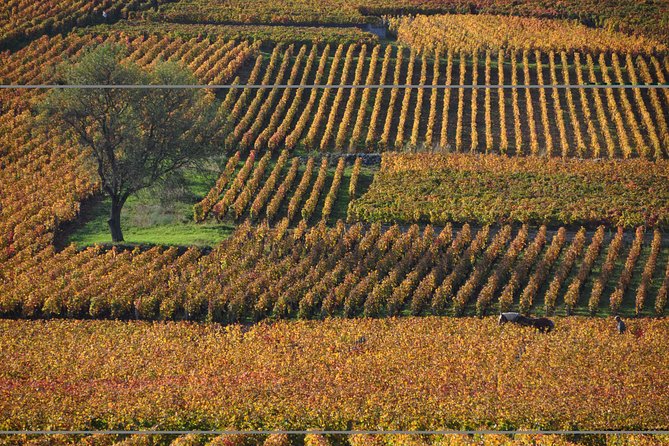
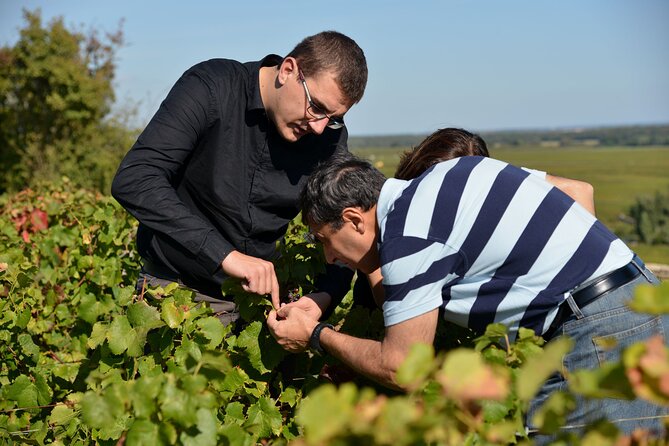
After the cellar, you step into the outside world where the landscape starts making sense. You’ll take a stroll through Côte de Nuits vineyards, with stops aimed at the kind of heritage details that visitors often miss when they’re in a car or moving fast.
This is where you see the medieval and historic layers that shaped how Burgundy grew. The tour includes time to look at wine-making villages, medieval houses, churches, and castles as you move along the route.
Two practical tips for this walking/looking phase:
- Dress for the weather, not the brochure. Afternoon light can be great, but Burgundy weather can shift.
- Bring your “why questions.” If you see a vineyard slope or a historic building, ask what it means for grape growing or winemaking—guides seem especially happy with those.
Château du Clos de Vougeot: the Cistercians’ winemaking footprint
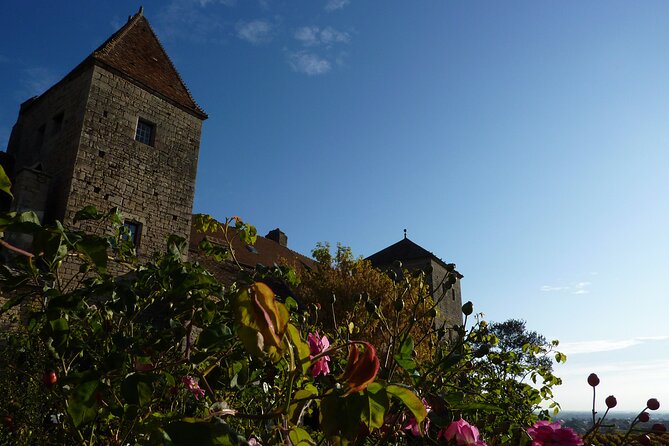
Clos de Vougeot is the centerpiece for a reason. You visit the Château du Clos de Vougeot, connected to the Cistercians monks. Instead of being a quick photo stop, it’s a hands-on type of viewing: you explore winemaking facilities built between the 12th and 16th centuries.
The standout detail here is that you can actually connect the mechanics to the wine. You’ll get to see places associated with the work, including vat rooms, presses, and the monk’s cellar. That kind of specificity turns the tasting into something more concrete. You’re no longer asking only, What does it taste like? You can also ask, Why would this style have come from this process and place?
If you’re a history fan, this part delivers. If you’re a wine fan, it delivers in a different way: it shows you that Burgundy’s reputation is tied to long-term infrastructure, not just the romance of vineyards.
And if you’re traveling solo or as a couple, this is a good moment to slow down. Smaller groups mean you can move at an unhurried pace and ask follow-ups without feeling like you’re holding everyone up.


Hautes Côtes de Nuits forests and the Ouche Valley canal ride back
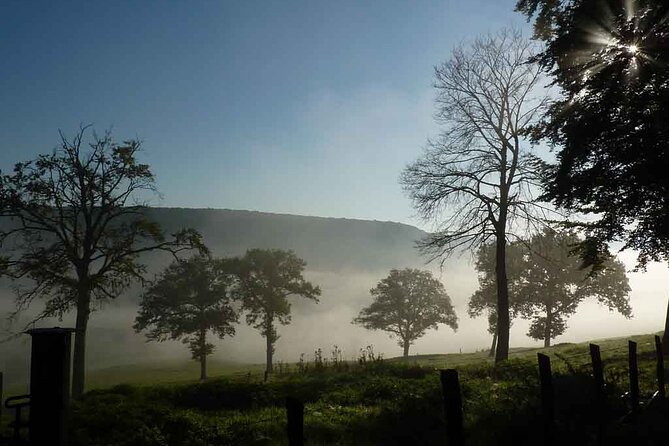
Between the big stops, the tour uses the drive to keep things interesting. You head through ancient forests and picturesque countryside in the Hautes Côtes de Nuits area, then you return through the Ouche Valley.
One neat, specific detail included on this route: an 18th century Burgundy canal in the heart of the Ouche Valley. Even if you’re not obsessing over waterways, it’s a reminder that wine regions didn’t rely on roads alone—transport and logistics shaped what was possible.
This part is mostly scenic and interpretive, not long sightseeing. That’s where you’ll feel the “half-day” format. The upside is you see multiple landscape types without having to plan your own route. The tradeoff is you won’t get to spend equal time everywhere.
Price and value: does $80 make sense for a Dijon Burgundy half day?
At $80 for about 4 hours 30 minutes, this tour prices itself as a value-forward tasting and heritage experience, especially because several costs are already included.
Here’s what’s included:
- Wine tasting
- Guided tour
- Vineyard visit
- Château entries
- All entrance fees included
What’s not included: lunch.
To me, the value comes from the combination of three things: you get a guided cellar tasting with a meaningful lineup (including Premier Cru in the 5–7 wine range), you get a real château visit tied to historic winemaking infrastructure, and you’re in a small group. If you were to do the same plan by yourself—transport, tastings, and entry fees—you’d likely spend more time coordinating, and costs can creep up fast.
Is it a bargain? In the context of a guided, tasting-based half day with château admission baked in, it feels fair. If you’re hoping for a low-cost drive-by tour with minimal wine, this isn’t that.
Who this tour fits best (and who might want a different one)
This experience is a great match if:
- You want a guided start in Burgundy that teaches you how to talk about wine.
- You care about Pinot Noir and want context tied to specific places.
- You like small-group pacing and talking with your guide instead of only taking pictures.
- You’re in Dijon for a short time and want a classic day trip without complicated logistics.
It may be less ideal if:
- You mainly want village shopping and long town wandering.
- You’re sensitive to time spent driving between stops. This tour follows a route that can include stretches where you’re not stepping out.
If you’re unsure, treat it like this: you’re buying taste + place + explanation, not a town-hopping browsing tour.
Practical tips so you get the most out of it
1) Plan your food timing
Lunch isn’t included, so eat before you go or have something simple lined up after. The tasting and walking can build up an appetite fast.
2) Ask questions early
The guide’s background shows up in the way they answer. If you’re curious about Premier Cru, differences between reds and whites, or what you’re seeing at Clos de Vougeot, ask during the tasting when everything is fresh.
3) Expect a relaxed pace, not a sprint
Many guests describe a calm rhythm. That’s good news for taking photos, soaking in views, and making the experience feel like a guided learning session.
4) Dress for outdoors time
Even though the van does most of the work, you still walk through vineyards and see countryside features.
Should you book the half-day Côte de Nuits vineyards tour from Dijon?
I’d book it if you want a smart, guided Burgundy experience that’s short enough for a busy itinerary but structured enough to actually teach you something. The big reasons are the small group, the 5 to 7 wine tasting in a traditional cellar, and the Clos de Vougeot visit where you can see winemaking spaces tied to the Cistercians.
Skip it if your main goal is long stays in towns and lots of free time to wander. This route is about vineyards, châteaux, and a scenic drive with explanations—not about turning the afternoon into a shopping stroll.
If you’re in Dijon and you want a reliable way to understand why Côte de Nuits wines—especially Pinot Noir—are spoken about with such seriousness, this tour is a strong, practical choice.
FAQ
How long is the tour?
The tour lasts about 4 hours 30 minutes.
Where does the tour start in Dijon?
It starts at the bus parking central Dijon, 16 Pl. Darcy, 21000 Dijon, France.
What time does the tour begin?
The start time is 1:30 pm.
What’s included in the price?
The price includes wine tasting, a guided tour, a visit to the vineyard, and entries to the Château.
Is lunch included?
No, lunch is not included.
How many people are in the group?
The maximum group size is 8 travelers.
What kind of wine tasting should I expect?
You’ll taste a selection of 5 to 7 wines, including red and white wines, with a focus on Pinot Noirs and possibly Premier Cru wines.
What if the minimum number of travelers isn’t met?
There is a minimum number of travelers (4 pax minimum for departure). If the tour is canceled because of that, you’ll be offered an alternative or a full refund.
How does cancellation work?
You can cancel up to 24 hours in advance for a full refund. If you cancel less than 24 hours before the start time, the amount paid is not refunded.