REVIEW · DIJON
Dijon: Cheese and Burgundy Wine Tasting Workshop
Book on GetYourGuide →Operated by Vino dilectio · Bookable on GetYourGuide
Cheese and wine, taught in 45 minutes. This Dijon workshop is built for real tasting—you sample local cheeses and pair them with Burgundy wines from small producers, guided by a local specialist in a cozy cellar. One thing to consider: the session is short, so if you want a long, slow deep-dinner style experience, this is more of an efficient sampler.
I like how practical it feels. You don’t just sip. You learn what’s happening when you change cheeses or switch wines, and how that affects flavor on your palate. The group stays small (up to 8), which makes it easier to ask questions without feeling rushed.
In This Review
- Key Things You’ll Notice Right Away
- A Quick Snapshot of the Dijon Tasting Workshop
- Where You Meet: The Central Dijon Cellar (and Why It Matters)
- What Happens During the 45 Minutes: The Tasting Flow
- 1) You start tasting local cheeses
- 2) Then you taste Burgundy wines alongside the cheeses
- 3) You learn the pairing logic (not just the final result)
- The Role of the Guide: Emeline, Éméline, and What They Do Well
- Why Burgundy and Cheese Work So Well Together
- Small Group Size: The Hidden Quality Upgrade
- Timing and Logistics: How to Fit This Into a Dijon Day
- What You’ll Likely Walk Away Knowing
- Is It Worth $57? A Value Check
- Who This Workshop Is Best For
- Should You Book This Dijon Cheese and Burgundy Wine Workshop?
- FAQ
- How long is the workshop?
- Where does the tasting take place in Dijon?
- How many people are in the group?
- What’s included in the price?
- What languages are offered?
- How much does it cost?
- Can I cancel for a full refund?
- Can I reserve now and pay later?
- Can I find times that fit my schedule?
Key Things You’ll Notice Right Away
- Small-producer focus: You taste Burgundy wines from smaller makers, not just the usual labels.
- Pairing is the point: Each cheese gets matched to wine with clear, plain-language explanations.
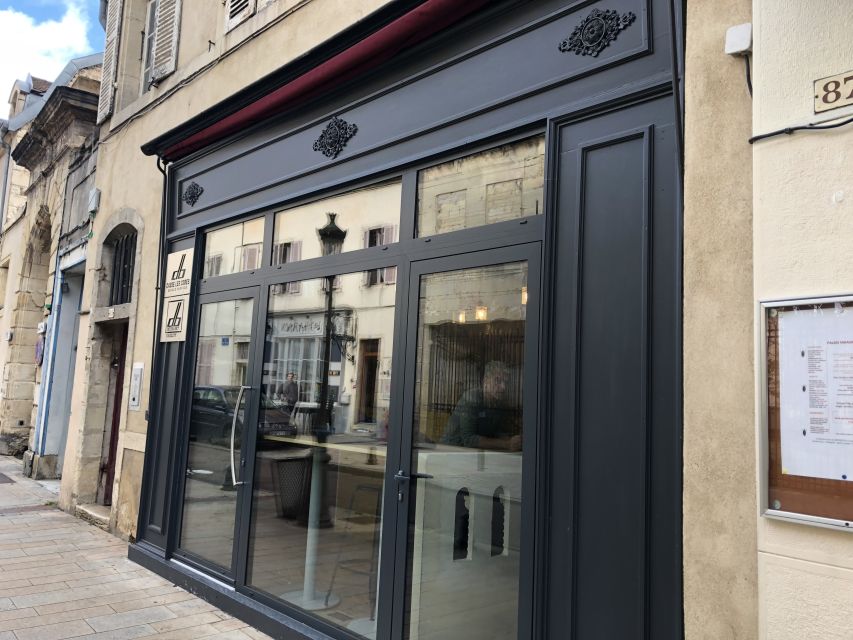
- Central Dijon location: You meet in a cellar near the center, in a coworking space, and it’s easy to find.
- Guided by a specialist: Sessions are led by a local guide such as Éméline / Emeline, French and English speaking.
- Cozy cellar vibe: The setting is underground and relaxed, perfect for a tasting format.
- Short and sweet timing: At 45 minutes, it’s quick enough to fit between other Dijon plans.
A Quick Snapshot of the Dijon Tasting Workshop
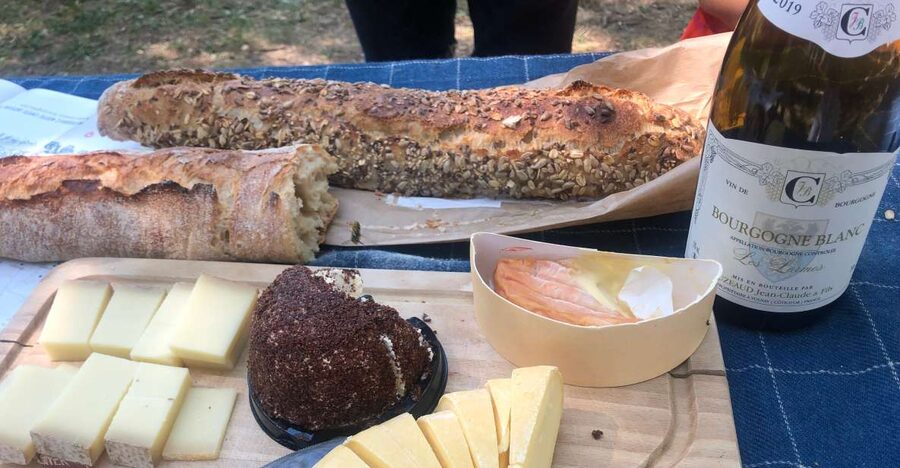
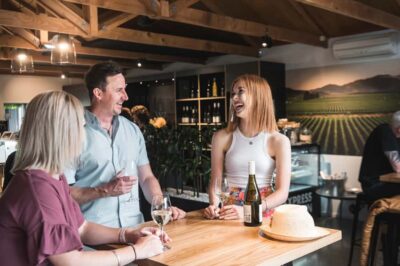
This is a 45-minute cheese and wine tasting in the center of Dijon, in a cellar setting. You’ll taste local cheeses and Burgundy wines with a guide who focuses on how the pairings work—what changes when you match certain flavors and textures.
The price is $57 per person. For a short session, that can sound steep—until you remember what’s included: wine tasting, cheese tasting, and pairing explanations in a small group of up to 8. In other words, you’re paying for guided direction and the learning piece, not just drinks and snacks.
Language options are French and English, so you can expect explanations in either language depending on the guide and session.
You can also read our reviews of more food & drink experiences in Dijon


Where You Meet: The Central Dijon Cellar (and Why It Matters)
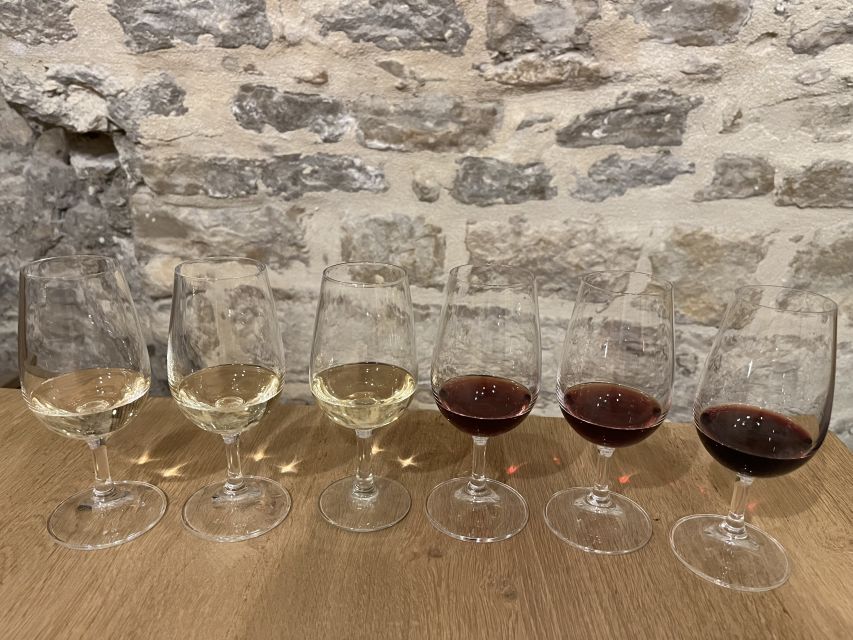
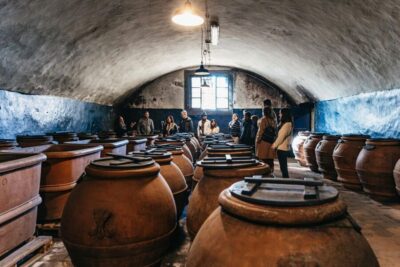
You’ll meet in a cellar in the center of Dijon, located inside a coworking space. Finding it is part of the design. You’re not sent out to a remote estate or stuck in a complicated countryside commute. Instead, you can slot this into a day that also includes Dijon’s sights—like the Palais des Ducs area—without losing half your afternoon to transport.
The cellar setting is also more than a nice backdrop. Underground spaces usually mean a more stable temperature and a quieter mood. That helps because cheese and wine tastings work better when you can focus and you’re not fighting wind, noise, and heat.
Practical tip: build a little buffer into your schedule. Even if it’s easy to locate, cellars can be tucked behind doors and corridors, so arrive a few minutes early to avoid that last-minute scramble.
What Happens During the 45 Minutes: The Tasting Flow
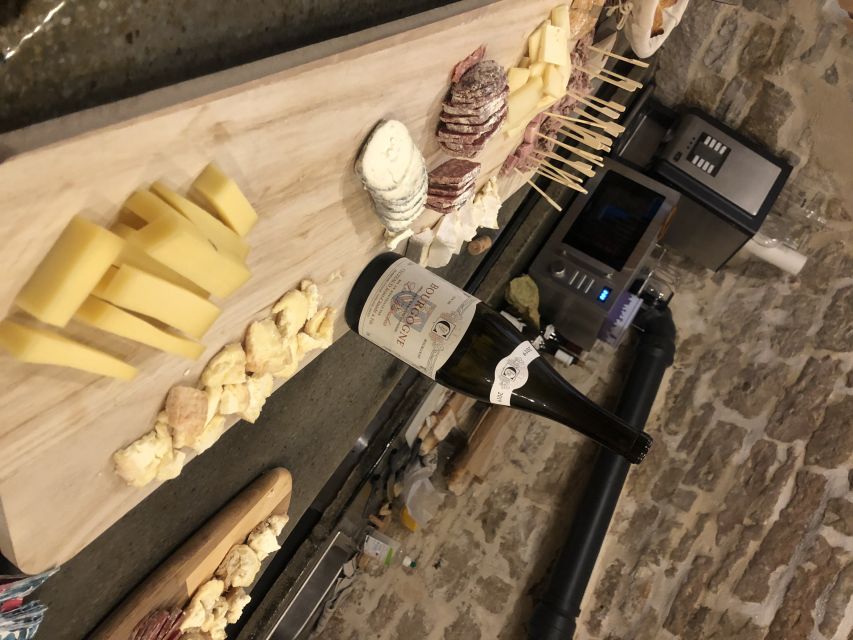
This workshop follows a simple pattern: taste first, then understand why.
1) You start tasting local cheeses
The session begins with cheeses from the region. You’ll move through multiple options rather than sticking to one cheese for the whole time. Some guests specifically note unpasteurized cheese, so it’s worth remembering that French cheese often comes in styles with different aging and safety practices than what you may be used to at home.
If you’re sensitive to dairy types or you’re cautious about unpasteurized products, it’s smart to mention that to the guide right at the start. A good host will help you choose what fits.
2) Then you taste Burgundy wines alongside the cheeses
As you sample each cheese, you’ll also taste Burgundy wines selected for pairing. The guiding idea is to show how Burgundy’s style responds to cheese—think acidity vs. creaminess, aromas vs. fat, and how tannin can feel different depending on what’s on your tongue.
A standout from past sessions is that the wines often come from small producers, which means you may taste things that aren’t the default “tourist labels.” That’s a big value for you if you’ve already tried the famous brands and want to expand your personal Burgundy shortlist.
You can also read our reviews of more wine tours in Dijon
3) You learn the pairing logic (not just the final result)
This isn’t a silent tasting where you guess. The guide gives wine paring explanations as you go. That matters because the goal isn’t only to leave full and happy. It’s to teach you a method you can use later—at a shop counter, at a restaurant, or when you’re choosing a wine back in your hotel.
You’ll typically learn ideas like:
- why some cheeses handle acidity better than you’d expect
- how certain textures amplify wine aromas
- how switching one element (cheese or wine) changes the whole experience
Short version: the pairing lesson turns your palate into a tool. After this, it’s easier to buy with confidence instead of rolling the dice.
The Role of the Guide: Emeline, Éméline, and What They Do Well
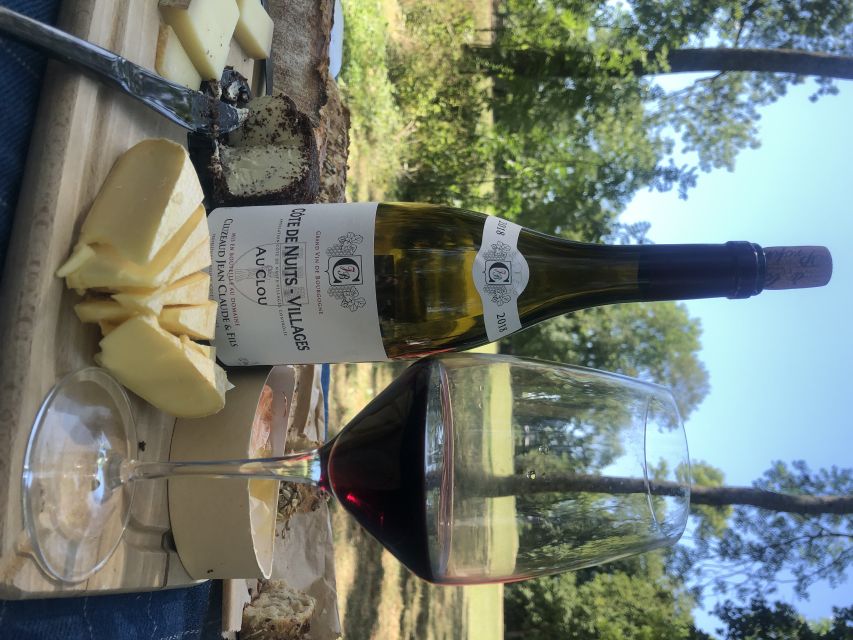
The workshop is led by a live guide who speaks French and English. Names that show up include Emeline and Éméline (you may see slightly different spellings depending on booking records). Across sessions, the common theme is clear: the guide is friendly, responsive, and focused on making wine and cheese feel understandable.
What I like about this style is the balance. The information isn’t delivered like a lecture. It’s connected to what you’re tasting in real time. That’s how people actually remember it.
If you’re the type who asks questions—about regions, styles, or why a match works—you’ll likely enjoy this format. And if you’re nervous about sounding “basic,” you can relax. Small group size (max 8) makes it easier to ask without worrying you’re holding up a crowd.
Why Burgundy and Cheese Work So Well Together
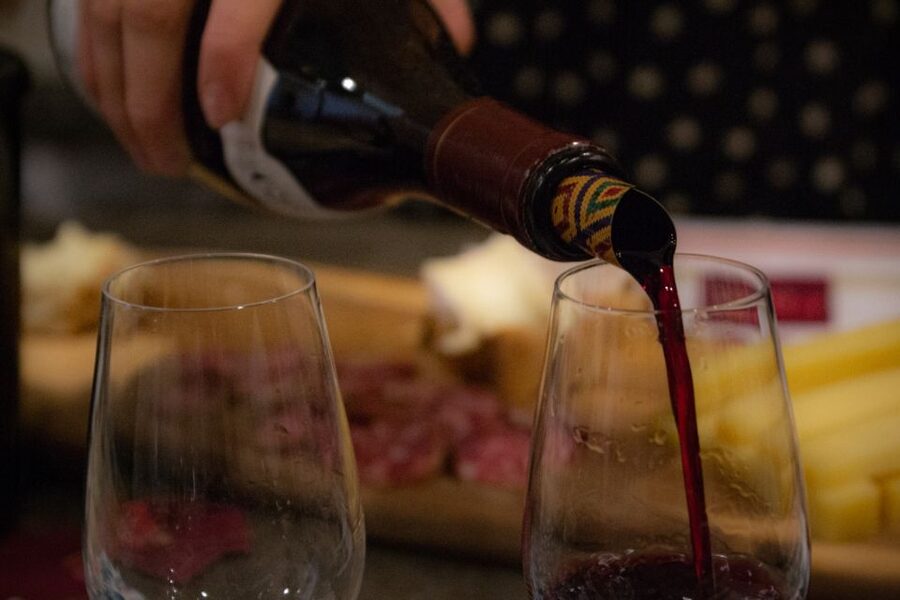
Burgundy gets paired with everything from poultry to rich sauces, but it really shines with cheese because of how it’s built. The wines have structure—acidity and aroma—that can either support cheese flavors or clash with them, depending on the pairing.
The workshop helps you notice those differences quickly. Instead of leaving with one “best match,” you’ll understand what you liked and why. And that’s what turns tastings into real travel value.
Here’s the simple truth: once you learn a few pairing rules, you stop feeling lost in the cheese aisle. You can choose with intent instead of buying the prettiest label.
Small Group Size: The Hidden Quality Upgrade
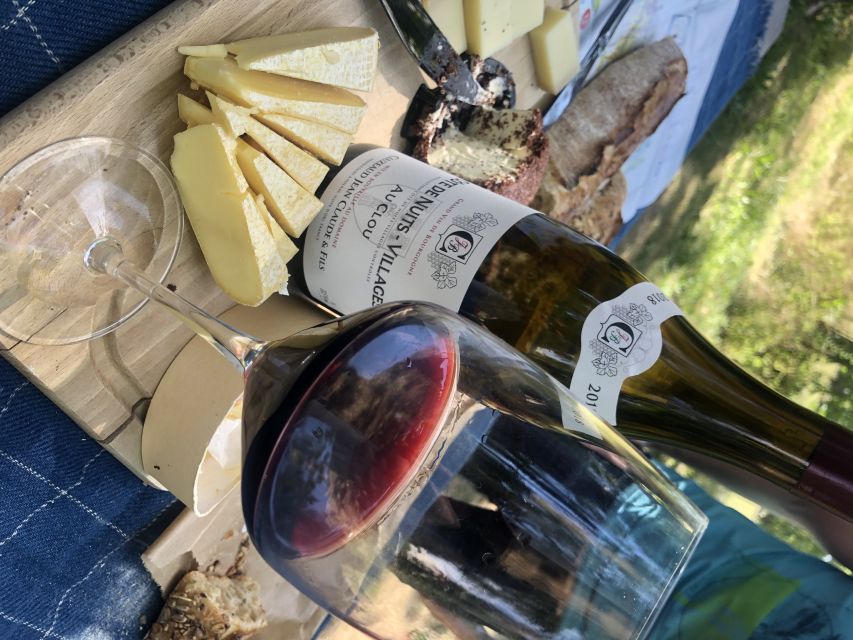
A max group size of 8 is a big deal for a tasting like this. In a larger setting, you end up as background noise—fun, but not very personal. Here, the guide can keep pace with the group, respond to questions, and explain the pairings clearly.
The result is you get both:
- enough structure to learn
- enough room to feel comfortable asking what you want to know
If you’re traveling solo, it can also be a relief. You’re not stuck in a “group tour vibe.” It feels more like a careful food-and-drink lesson with other friendly people.
Timing and Logistics: How to Fit This Into a Dijon Day
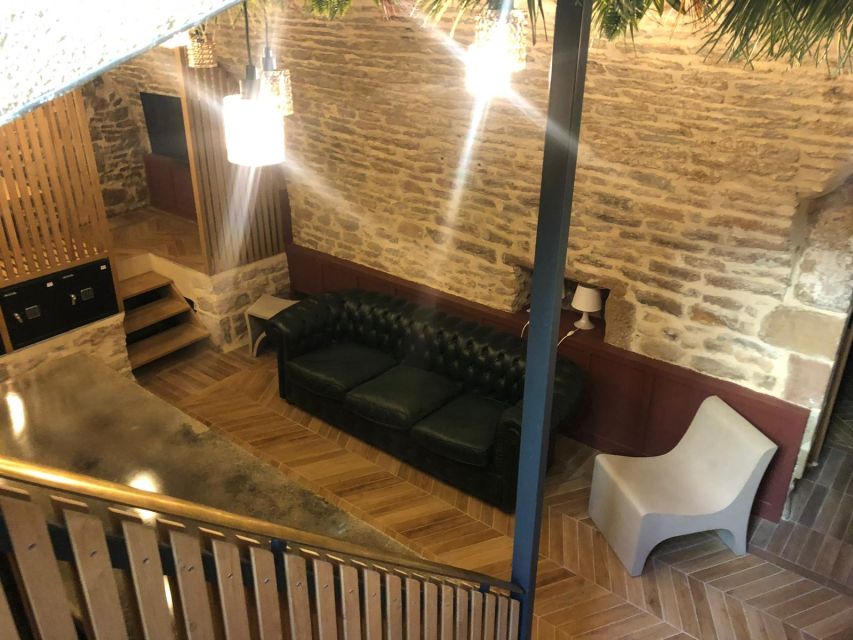
At 45 minutes, this is an ideal “middle move” in your schedule. Start with a morning or early afternoon walk, then use this as your planned stop before you move on to something else.
Because the meeting point is in central Dijon, you don’t need a complicated plan to get back to your main route. You should be able to pair it with typical sightseeing areas without carving out a whole day.
If you’re hungry, note that tastings are still tastings. You’ll likely leave satisfied, but it’s not a full meal replacement. Consider it as:
- a flavorful break
- a guided introduction to Burgundy flavors
- and a learning moment that makes later dining choices easier
What You’ll Likely Walk Away Knowing
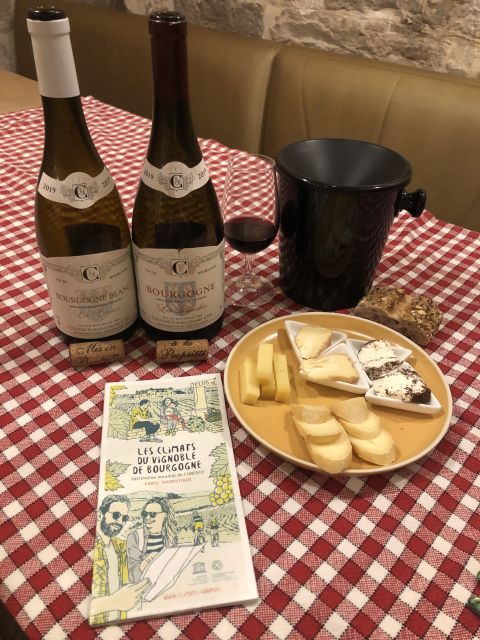
By the end of the session, you should have more than “I liked this.” You should have sharper instincts—like being able to explain which component you enjoyed most and what pairing logic is behind it.
Specific takeaways can include:
- how cheese texture affects how wine tastes
- why certain Burgundy styles feel better with particular cheeses
- how to think about matchups rather than memorizing labels
That’s the kind of knowledge that follows you. It shows up next time you’re buying cheese, ordering a glass, or trying to recreate a restaurant experience at home.
Is It Worth $57? A Value Check
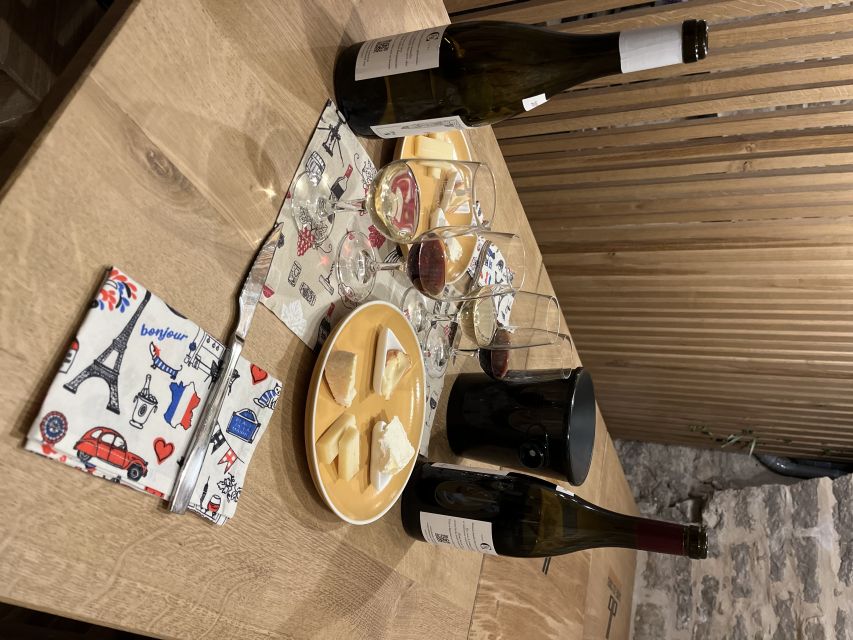
For $57 for 45 minutes, the value depends on what you want from travel.
This is a strong deal if you want:
- guided tasting with cheese + wine
- pairing explanations you can actually use
- a small group experience in the heart of Dijon
It may feel less worth it if you’re already a confident cheese-and-wine matcher and you just want to drink. This workshop is for learning as much as it is for sampling.
But if you like food experiences that leave you smarter—not just full—this price makes sense. You’re paying for the guide’s selection and the pairing teaching, not just the products.
Who This Workshop Is Best For
This fits best for you if:
- you want an easy first Burgundy experience in the city
- you’re curious about cheese pairing (and want real reasons)
- you enjoy small-group, guided food stops
- you want something that fits neatly into a tight itinerary
It’s also a nice option if you’re with a friend or partner. Pairing becomes a shared game: which cheese improves the wine, which wine smooths the cheese, and what you notice when you switch.
And if you have children, the activity info says the organizer can plan something—just make sure to ask ahead so the tasting style works for your group.
Should You Book This Dijon Cheese and Burgundy Wine Workshop?
Yes, you should book it if you want a high-signal Dijon experience: short, central, and focused on pairing. You’ll likely enjoy it most if you’re open to learning a method, not just trying flavors.
Before you go, decide what you’re after:
- If your goal is a quick, guided taste that helps you understand Burgundy and cheese, this is a great match.
- If you’re looking for an all-day vineyard-style outing, you may feel like this is too short.
Either way, the central location, the small group size, and the pairing explanations make it a dependable choice for a smart food day in Dijon.
FAQ
How long is the workshop?
The tasting workshop lasts 45 minutes.
Where does the tasting take place in Dijon?
You meet in a cellar in the center of Dijon, located in a coworking space.
How many people are in the group?
The group is small, limited to 8 participants.
What’s included in the price?
The experience includes wine tasting, cheese tasting, and wine pairing explanations.
What languages are offered?
The guide offers French and English.
How much does it cost?
The price is $57 per person.
Can I cancel for a full refund?
Yes. You can cancel up to 24 hours in advance for a full refund.
Can I reserve now and pay later?
Yes. You can reserve now & pay later.
Can I find times that fit my schedule?
There are multiple starting times. If you can’t find one that works, the organizer says you can contact them since they’re flexible.