REVIEW · REIMS
Champagne: E-Bike Champagne Day Tour with Tastings and Lunch
Book on GetYourGuide →Operated by À la Française Champagne ! · Bookable on GetYourGuide
Champagne on an e-bike feels like cheating—in a good way. You’ll glide past the Avenue de Champagne in Épernay, then pedal among Premier and Grand Cru villages with UNESCO-listed vineyards, ending at a family domain for tastings and lunch. The day also includes Hautvillers, plus the church tied to Dom Pérignon, which gives the region meaning beyond postcards.
Two things I really like: the pacing (you ride first, then taste later) and the small-group format, typically capped at 8. One thing to think about first is your comfort level: e-bikes are heavier than standard bikes, some stretches can be hilly, and the operator may ask you to demonstrate enough riding skill before you depart.
In This Review
- Key things to notice before you go
- The e-bike part: how the day stays fun instead of exhausting
- Picking up your day: Reims, Épernay, or Mareuil-sur-Aÿ
- The drive past Avenue de Champagne in Épernay
- Riding through Premier and Grand Cru villages and UNESCO vineyards
- Hautvillers and the Dom Pérignon church visit
- Le Clos Corbier: cellar visit, 4 tastings, and how Champagne gets made
- Lunch at the family domain: regional favorites, plus practical dietary notes
- Price and value: is $224 a fair deal for a 7-hour day?
- Guides and group size: why it matters on a small ride day
- Who should book this e-bike Champagne tour (and who should skip it)
- Should you book this Champagne e-bike day tour?
- FAQ
- What is the tour duration?
- Where do I meet the tour?
- What’s included in the price?
- Will there be alcohol during the bike portion?
- What wines are tasted?
- What happens if the weather is bad?
- Is bottled water provided?
- Is the lunch suitable for dietary restrictions?
Key things to notice before you go
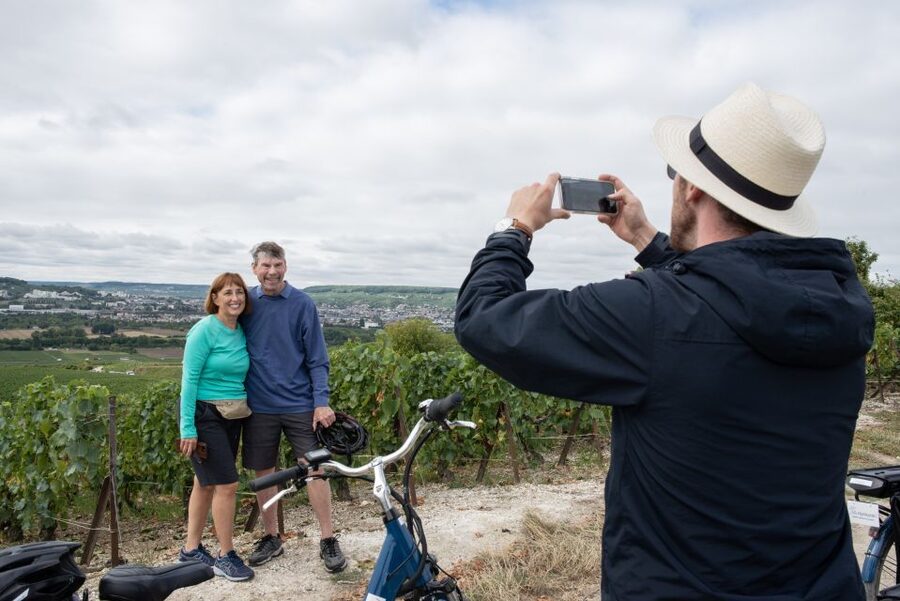
- Avenue de Champagne by minivan, then countryside by bike: you get the iconic drive without turning it into a traffic workout
- UNESCO vineyards + Premier/Grand Cru villages: you see why Champagne comes out tasting the way it does
- Hautvillers and Dom Pérignon’s church: a direct link to the story people come for
- Le Clos Corbier is your only cellar stop: one memorable family domain instead of a crowded “house-hopping” day
- No alcohol while cycling: tastings come after the ride, so the afternoon stays fun and safe
The e-bike part: how the day stays fun instead of exhausting
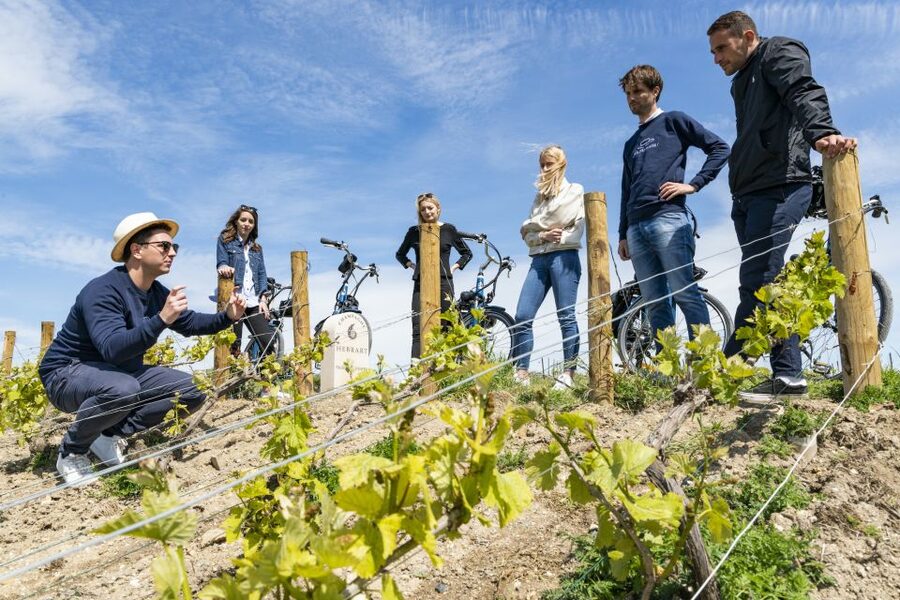
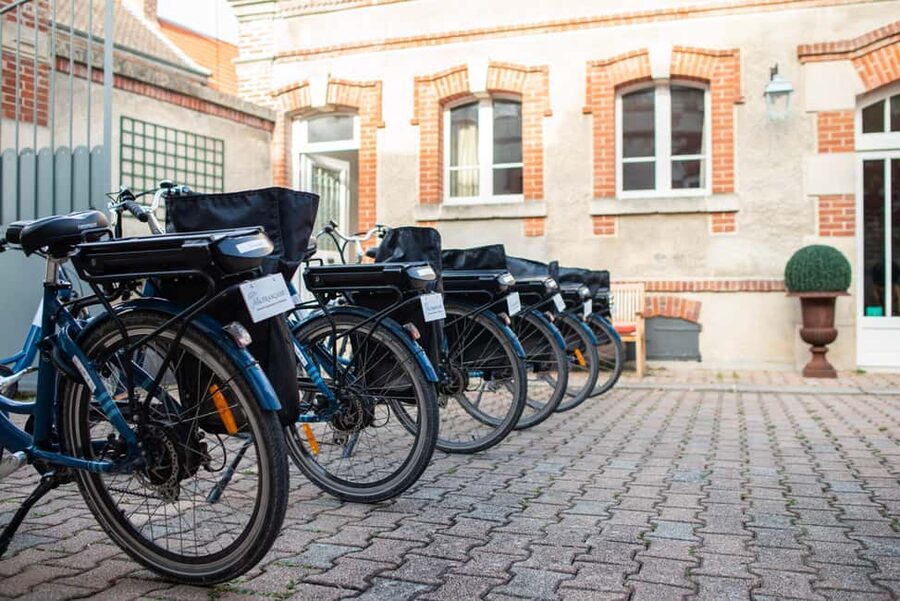
This is an e-bike tour, which matters because Champagne isn’t flat. You’re riding in villages and vineyard areas where slopes and uneven ground can show up, even if the route is planned for e-bike comfort. With an electric assist and a provided helmet, you spend your energy on steering, enjoying views, and keeping an even pace, not on grinding uphill.
Just know what “e-bike” means here. You’ll still be pedaling, and because the bikes are heavier, confidence helps. If you’re wobblier on starts, awkward with traffic on narrow lanes, or nervous about downhill control, you’ll feel that stress fast. The operator also notes they may refuse participation at departure if you don’t demonstrate enough cycling experience—so come ready.
You can also read our reviews of more tours and experiences in Reims.

Picking up your day: Reims, Épernay, or Mareuil-sur-Aÿ
You start from one of three points, each designed to make the ride-day timeline easy. One option begins in Reims at 9:00 am in front of the Reims Centre train station tourist office. Another starts in Épernay at 9:35 am outside the Épernay Tourist Office. A third starts at Le Clos Corbier in Mareuil-sur-Aÿ at 9:45 am (and that location doesn’t include minivan service).
From whichever starting point you choose, you’ll head toward Épernay and Champagne’s core vineyards. This matters because it sets you up for the best kind of sightseeing: iconic Avenue de Champagne first, then the quieter countryside on your bike.
The drive past Avenue de Champagne in Épernay
Before the wheels start turning, the day gives you a straight shot to one of the region’s most photographed stretches: the Avenue de Champagne lined with major houses. You’re not stuck waiting for slow traffic or fighting for a parking spot—you’ll pass it as part of the organized flow of the day.
Then you shift to the real texture of Champagne: small roads, vineyard edges, and the feeling that the area is both agricultural and historic. For me, this balance is the point. You get the famous front-row view without forcing your biking day to revolve around crowded sidewalks and signage.
Riding through Premier and Grand Cru villages and UNESCO vineyards
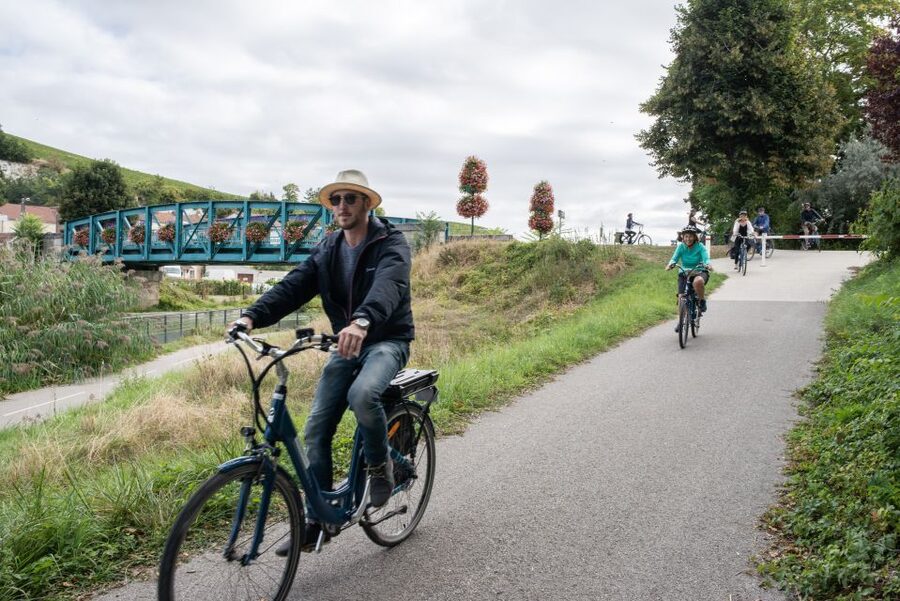
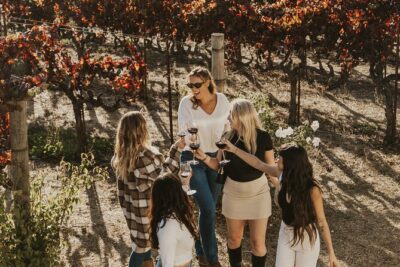
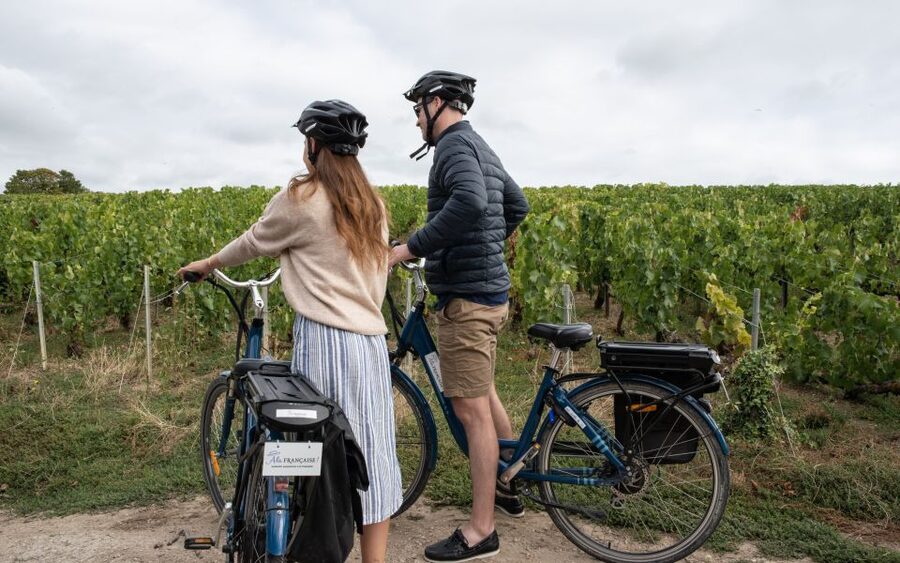
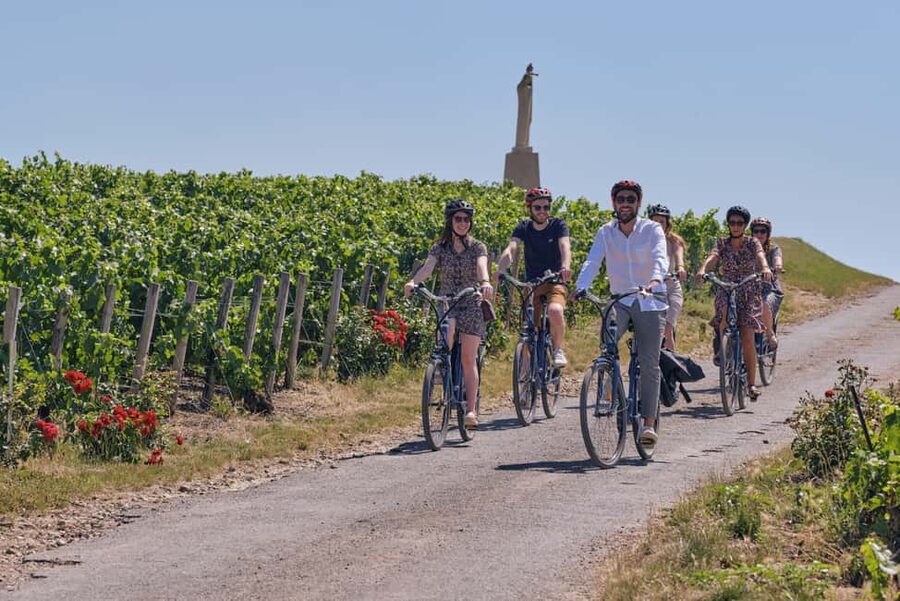
Once you’re at Le Clos Corbier, your e-bike adventure begins. The ride takes you through Premier and Grand Cru villages and toward some of Champagne’s most remote-feeling spots. You’ll be looking out over UNESCO-classified vineyards, and that visual context is key: Champagne isn’t just a brand. It’s a patchwork of specific slopes, soils, and vineyard choices.
A helpful way to think about the ride difficulty: it’s not a lazy canal-barge pedal. Some accounts mention steep sections and roads that aren’t always smooth. One rider described parts as hilly and non-paved. Another described the route as roughly 24 km with short stretches on village roads. Translation: plan to ride with focus, bring the right clothes, and don’t assume you’re on a flat city loop.
Also, a practical note from real experience: the day doesn’t provide bottled water. You can refill on site, but you’ll want to bring your own bottle and treat hydration like part of the prep, not an afterthought. If the weather is chilly, dress in layers—e-bikes can still make you feel chilly once you stop moving at points.
Hautvillers and the Dom Pérignon church visit
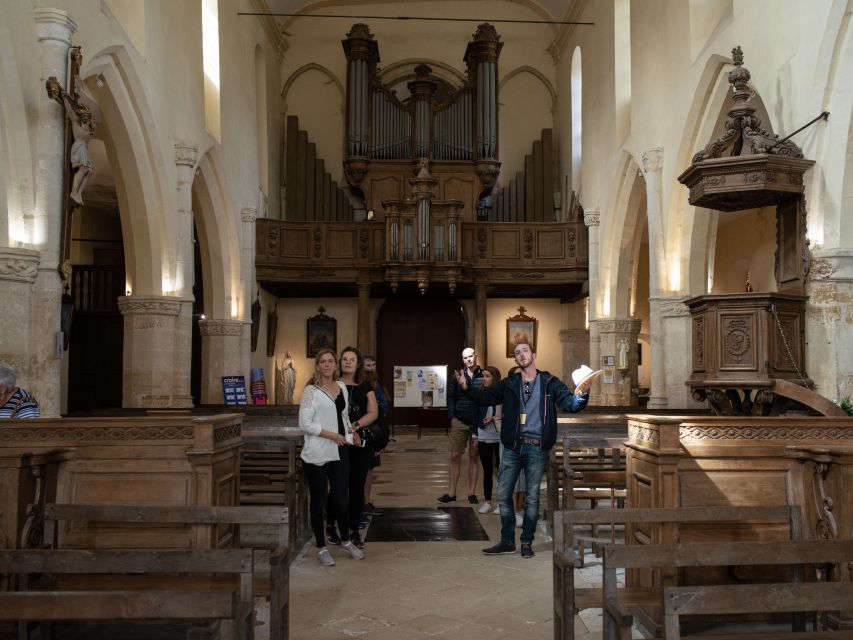
Hautvillers is where the day shifts from scenery to story. You’ll visit the birthplace area tied to Champagne’s early development, and you’ll see the church where Dom Pérignon is buried. This isn’t a long museum stop. It’s more like a grounding moment—standing in the place name people repeat, and seeing how the spiritual and historical weight of Champagne connects to the practical work of winemaking.
If you like your wine education tied to place, this stop works well. It also helps balance the bike day: after pedaling through vines, you get a human scale pause, then head back toward tastings with context in your head.
You can also read our reviews of more wine tours in Reims

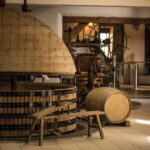
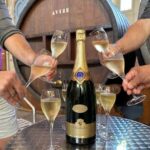
Le Clos Corbier: cellar visit, 4 tastings, and how Champagne gets made
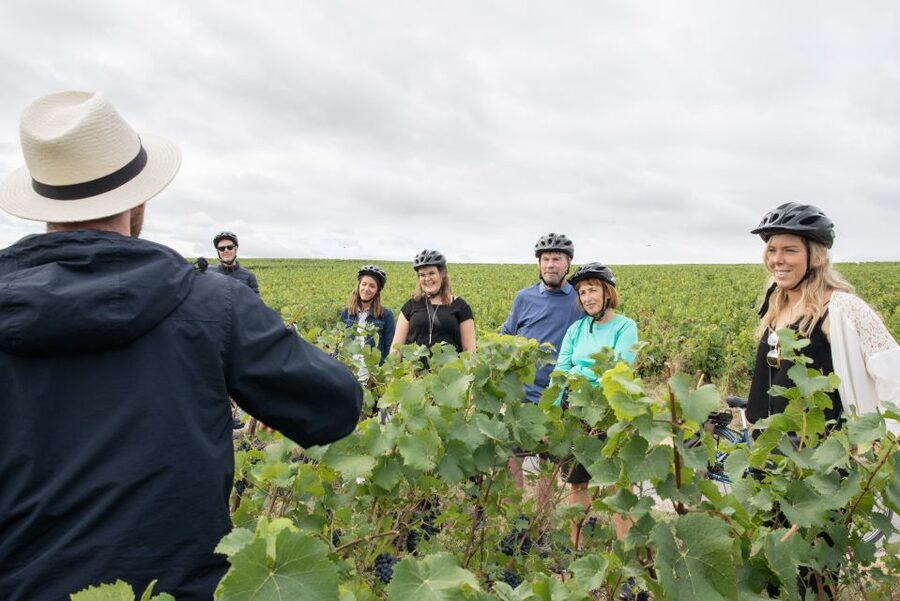
Your main cellar experience is at Le Clos Corbier, a family domain where you start and finish the day. That one-location format is a big deal for quality. Instead of being shuffled through multiple properties, you get a deeper, less rushed look at a single operation and their approach to wine.
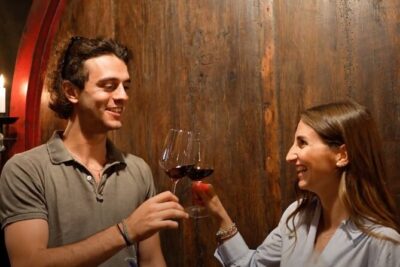
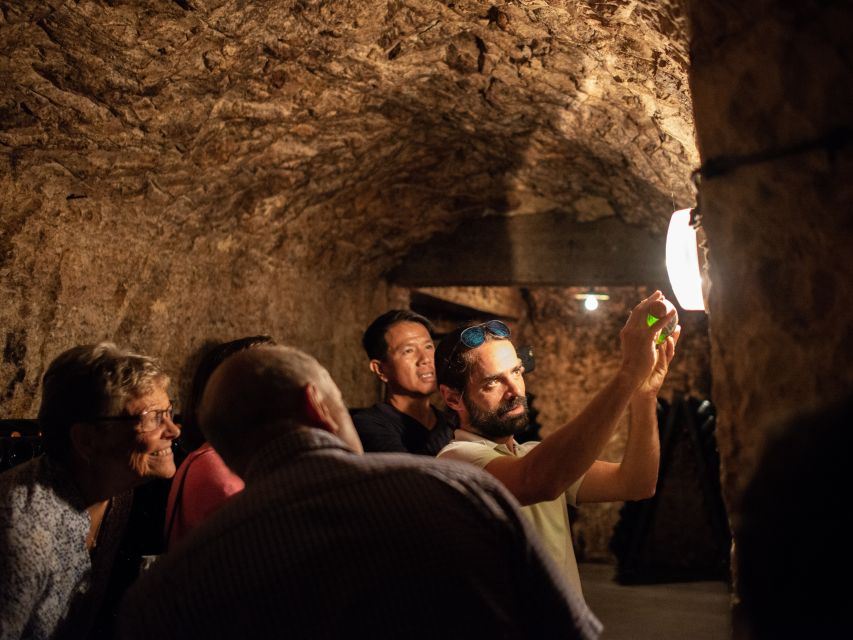
After returning from the ride, you’ll do a cellar visit and tasting. The tasting lineup is clearly set: 2 champagnes, 1 red wine, and 1 ratafia. That mix is smart because it keeps you from only tasting “sparkling variations.” You get to compare styles in the same setting, and ratafia in particular gives you a different lens on regional tradition.
You’ll also get an introduction to the Champagne-making process. Exact technical depth can vary by guide, but the structure is built to connect grapes to production steps and finally to flavor. If you’ve ever wondered why Champagne tastes the way it does, this is where the “why” gets attached to the taste.
Lunch at the family domain: regional favorites, plus practical dietary notes
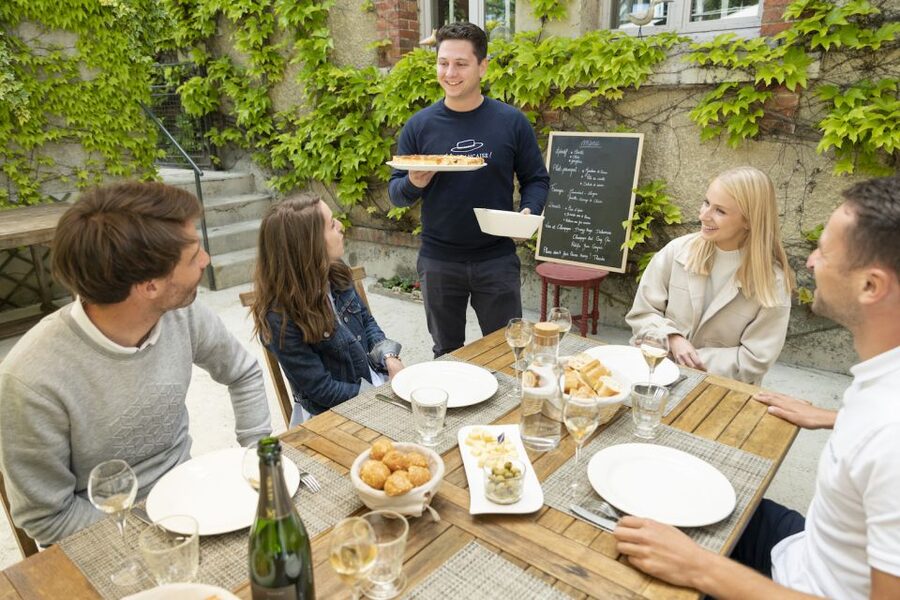
After cycling and cellar time, you’ll settle in for a relaxed French lunch at Le Clos Corbier. The menu style is regional and hearty, with dishes like cheese puffs, paté-croute, quiche, and Reims pink biscuit. Dietary needs are mentioned as adaptable, but you should communicate restrictions and allergies in advance.
One timing detail you’ll appreciate: no alcohol is consumed during the bike tour itself because drinking while cycling is prohibited. That means the tasting and the lunch pairings feel like a proper reward instead of something you have to manage during the ride.
From a food-expectation standpoint, aim for “solid, local, satisfying,” not “fine-dining plating.” This is the kind of meal that tastes like you’re eating where the vines are—simple, filling, and meant to keep your energy steady for the afternoon tasting flow.
Price and value: is $224 a fair deal for a 7-hour day?
At $224 per person for about 7 hours, the value comes down to what’s included and what’s avoided.
You’re not just buying a bike and a chair. You’re getting:
- an English live guide
- an air-conditioned minivan for parts of the day
- an electric-assisted bike with helmet
- entry fees and lunch
- four tastings (2 champagnes, 1 red wine, 1 ratafia)
For many visitors, the best part is the “all-in” feel. You’re not constantly paying extra for stops or scrambling for transportation between scattered locations. And because the group stays small (limited to 8), the day doesn’t feel like a cattle line.
The main tradeoff is that you’re riding for a good portion of the day, so it won’t feel like a casual stroller outing. If you want zero effort, this isn’t it. If you want a day that combines movement, views, and a real cellar experience, it’s priced like a practical Champagne highlight.
Guides and group size: why it matters on a small ride day
This is a small-group tour, with space for up to 8 people. That’s not a brag—it’s why stops can work. When you’re on a bike route, it’s harder to manage big groups, and it usually turns into slower moving, waiting, and missed views. Here, the smaller size helps keep the pacing steady.
Guide names show up often in feedback—people mention Julie, Suzanne, Thomas, and Jérôme—and the consistent thread is that the day feels cared for. Guides also tend to handle the rhythm: ensuring you’re comfortable on the e-bike basics, making time for photos when it counts, and keeping the information tied to what you’re seeing.
One practical takeaway: if something goes wrong, organization matters. There’s an example of a crash situation handled with emergency support and bike recovery. That doesn’t mean you should expect chaos—it just means the operation has a plan when life interrupts the ride.
Who should book this e-bike Champagne tour (and who should skip it)
I’d steer you toward this tour if you:
- want a scenic Champagne day that’s not limited to one town
- like history tied to actual places (Hautvillers and Dom Pérignon)
- want a family domain tasting experience instead of jumping between multiple houses
- can ride an e-bike comfortably and safely for a hilly route
I’d skip it if:
- you’re not confident on two wheels, especially with heavier e-bike handling
- you’re looking for a fully flat, low-effort ride
- you’re traveling with children under 12, or your height is under 155 cm (the tour isn’t suitable for those limits)
- you have pets with you (pets aren’t allowed)
Should you book this Champagne e-bike day tour?
If you want Champagne that feels lived-in—vineyards, villages, and a cellar visit with real tasting variety—this tour is a strong choice. The best reason to book is the pairing: ride first, tastings later plus one memorable family domain at Le Clos Corbier. You’ll leave with both photos and understanding, without turning the day into a rushing checklist.
I’d book it now if you’re comfortable riding an e-bike and you like structured days that still make time for scenery. If you’re unsure about your bike confidence, consider starting with the option that gives you the most comfortable meeting setup, and don’t hide nerves on day one. The tour works when you feel steady on the bike.
FAQ
What is the tour duration?
The tour runs about 330 minutes, or roughly 7 hours.
Where do I meet the tour?
You can meet at one of several starting points depending on your option: Reims Centre train station area, Épernay Tourist Office, or Le Clos Corbier in Mareuil-sur-Aÿ.
What’s included in the price?
Included features are the guide, air-conditioned minivan transportation, an electric-assisted bike with helmet, entry fees, lunch at Le Clos Corbier, and tastings of 4 wines.
Will there be alcohol during the bike portion?
No alcohol is consumed during the bike tour, since drinking while cycling is prohibited.
What wines are tasted?
The tasting includes 2 champagnes, 1 red wine, and 1 ratafia.
What happens if the weather is bad?
If weather conditions are poor, the tour is operated in a minivan.
Is bottled water provided?
No bottled water is provided for eco-friendly reasons. You’re encouraged to bring your own bottle and refill on site.
Is the lunch suitable for dietary restrictions?
Dietary needs are adaptable, but you must indicate restrictions and allergies in advance. If restrictions aren’t notified within 24 hours prior, there may be an additional fee.