REVIEW · ROME
Rome Pasta & Tiramisu Making Class with Fine Wine
Book on Viator →Operated by The Roman Food Tour - Food Tour Rome · Bookable on Viator
Fresh pasta plus free-flowing wine sounds right.
This hands-on class is built for a break from Rome’s museums: you’ll learn the fundamentals from a chef in a professional kitchen, then sit down to eat what you made with Italian wine. It’s based near the Vatican in a local foodie pocket, runs in English, and keeps the group small (max 16), so you actually get help instead of watching from the sidelines.
I especially like the small-group setup and the personal coaching you get while rolling and shaping pasta. I also like that the experience doesn’t stop at cooking: the day includes a tasting session with Italian food products and wine, then you move to the restaurant to cook and enjoy the meal.
One thing to consider: it runs for several hours. Even though it’s listed at about 3 hours 30 minutes, many groups find they’re there closer to 4–5, so plan a slower day around it.
In This Review
- Key highlights to know before you go
- Rome Pasta and Tiramisu class: what you’re actually signing up for
- Getting there from the Vatican side: meeting point and timing that matter
- The tasting session: Italian products, wine, and an easy reset from sightseeing
- The short walk to the restaurant: why that little change of scenery helps
- In the kitchen: fresh pasta basics (fettuccine and ravioli)
- The tiramisu portion: turning ingredients into a dessert you can repeat
- The wine pairing reality: fun factor, but pace yourself
- Group energy: meeting people without forcing it
- Value in dollars: why $32.67 can actually feel like a bargain
- Who this class is best for (and who should think twice)
- Tips to make the most of your pasta and tiramisu class
- Should you book this Rome pasta and tiramisu class?
- FAQ
- FAQ
- What time does the Rome Pasta & Tiramisu Making Class start?
- How long is the class?
- How many people are in the group?
- Is the class taught in English?
- What will I make during the class?
- Does the experience include wine?
- Where do I meet for the tour?
- Can I get a refund if my plans change?
Key highlights to know before you go
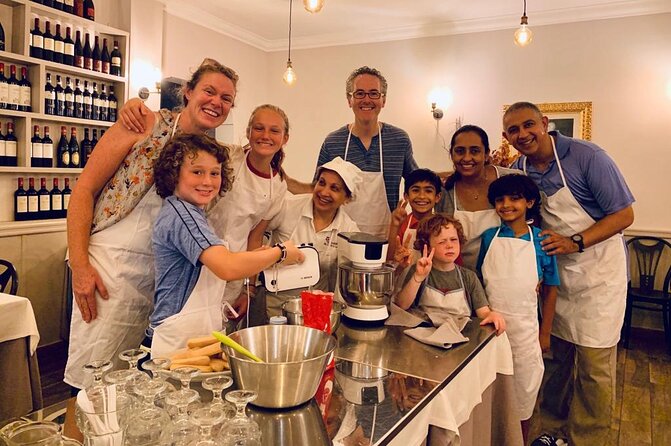
- Small group (up to 16): more hands-on time and easier instruction.
- Chef-led cooking in a pro kitchen: you’ll make fresh pasta and tiramisu, not just assemble.
- Tasting first, then cooking: Italian products plus wine/prosecco set the stage.
- Wine and prosecco are part of the experience: expect it to keep coming during the session.
- Near the Vatican area: convenient for pairing with sightseeing on the same day.
- Multiple instructors show up in different ways: hosts like Lise and guides like Carlo/Nina often lead the tasting and welcome.
Rome Pasta and Tiramisu class: what you’re actually signing up for
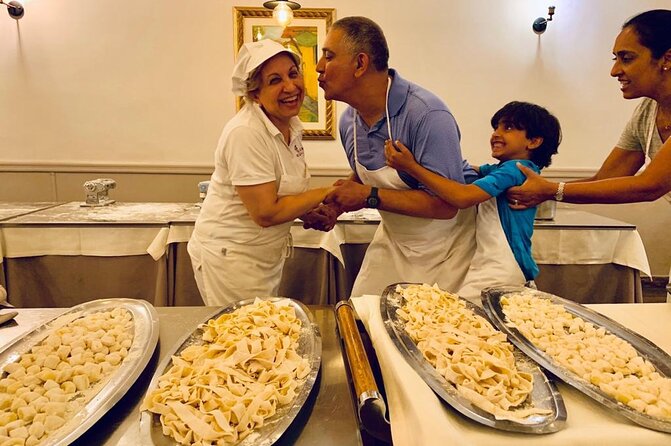
This is a straightforward, fun food experience in Rome. You’re not booking a lecture. You’re booking a kitchen session where you learn by doing—fresh pasta first, then tiramisu—paired with Italian wines that keep the mood relaxed.
The best version of this kind of activity is equal parts technique and atmosphere. Here, you get both: you start with tastings and food context, then you get your hands busy with dough and fillings under a chef’s guidance. The result is that you leave with skills you can repeat at home, plus a meal that feels like a real Roman night out.
You can also read our reviews of more wine tours in Rome


Getting there from the Vatican side: meeting point and timing that matter
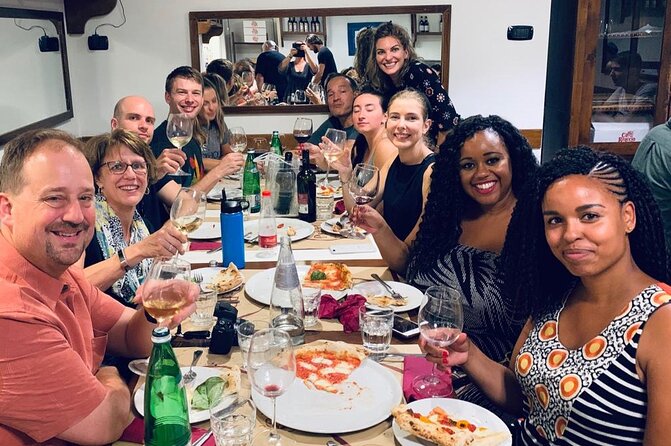
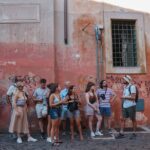
The meeting point is Via Cipro, 4/L, 00136 Roma RM. The session starts at 2:00 pm, and it ends back at the meeting point.
Why that matters: a 2 pm start is perfect if you plan to see the Vatican area in the morning (or just sleep in). It’s also late enough that you’re not rushed into dinner right after. The tradeoff is you’ll want to keep your evening free—especially because many people report the experience can run longer than the listed 3 hours 30 minutes.
It’s also near public transportation, and one practical tip from the field is to take the metro one stop beyond the Vatican area to make the timing easier. Once you’re close, the start location is generally easy to spot.
The tasting session: Italian products, wine, and an easy reset from sightseeing
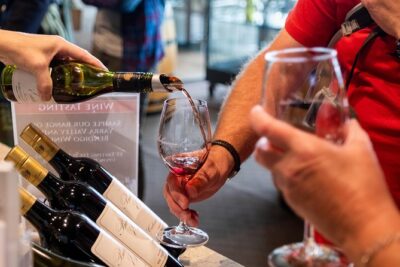
Before you touch dough, you’ll begin with a tasting at a local shop/meeting stop (often described as La Nicchia). This part sets the tone and gives you useful context so the cooking makes sense.
Here’s what this tasting often includes based on what you’re told and what people highlight in their descriptions:
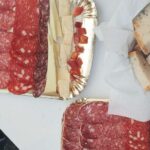
- Italian staples like cheeses and balsamic
- Products such as olive oil, pestos, parmigiano reggiano, and truffle references
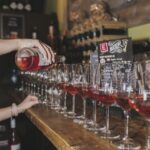
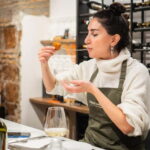
- Wine and prosecco, with a strong emphasis on pairing and enjoyment
The vibe is friendly and story-driven. Hosts such as Lise are repeatedly praised for pacing the group, explaining what you’re eating, and keeping the energy upbeat. Guides like Carlo and Nina also show up in different class runs, and the pattern is the same: you get a warm welcome, clear guidance, and plenty of small tastes that build your confidence before the cooking starts.
A key benefit for your trip planning: this tasting is a low-effort way to eat well in Rome without hunting for spots. If you’ve been doing the classic sights crawl, this is a nice mental reset.
The short walk to the restaurant: why that little change of scenery helps
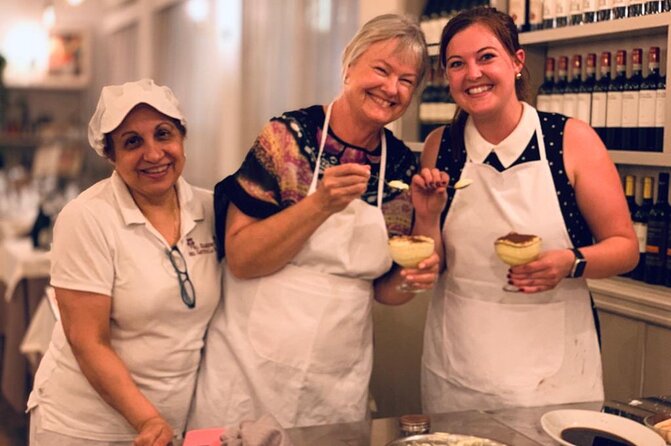
After the initial tasting, there’s usually a short walk to the cooking venue (people mention locations like Il segreto). It’s not a big commute, and it helps you transition from sampling mode to hands-on cooking mode.
For most people, that walking break also cools your brain a touch. When you’re learning pasta technique—rolling, folding, shaping—your focus matters. Even a quick change of environment helps.
Practical note: because wine and prosecco are part of the program, your group mood tends to get louder and more social as you walk. If you like quieter sightseeing, plan on a lively afternoon.
In the kitchen: fresh pasta basics (fettuccine and ravioli)
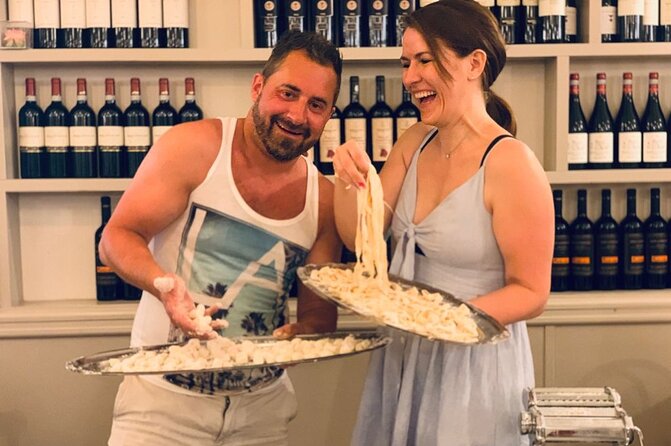
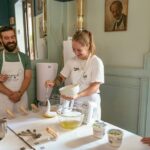
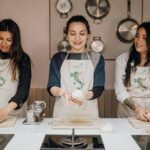
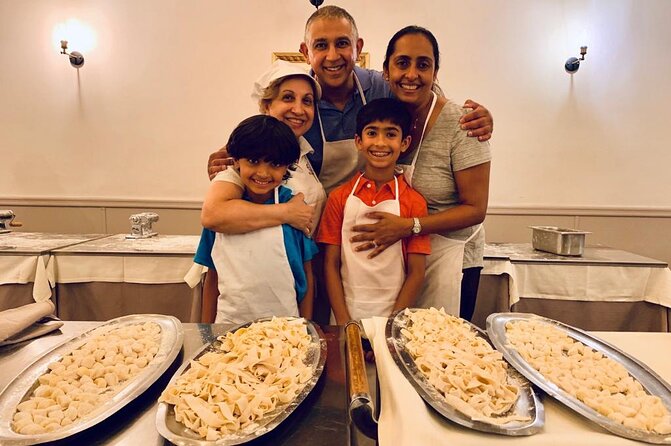
The cooking block is where this class earns its reputation. You’ll learn to make fresh pasta in a professional kitchen, with chef instruction and personal help.
Based on the menu and what people say they actually made, the pasta part often includes:
- Fettuccine with tomato sauce
- Ravioli with ricotta and spinach, sometimes described with butter and sage
This is a great skill-building experience because you get guided practice rather than a one-size-fits-all demonstration. With a group capped at 16, instructors can see who’s stuck and who needs a quick correction.
What you should pay attention to during the dough work:
- Don’t rush the process. Pasta dough likes patience.
- Ask what thickness you’re aiming for and how to handle sticking.
- Take note of how you seal ravioli so the filling stays put.
Chef instructors such as Patrick and other named chefs/instructors like Jason and Jon are repeatedly described as patient and upbeat. The teaching style seems built for mixed experience levels, including people who are sure they can’t cook.
A few more Rome tours and experiences worth a look
The tiramisu portion: turning ingredients into a dessert you can repeat
Next comes dessert: tiramisu.
Even if you’ve had tiramisu plenty of times in restaurants, this is the part that makes the experience feel real. You’re learning the method, not just the flavor. And because you’re in a class setting, you can ask questions about the pieces that usually stay mysterious when you buy it in a cafe: the balance of sweet, coffee flavor, and the texture that comes from proper layering and resting.
One reason I like pairing tiramisu with pasta class is timing. By the time you make dessert, you’re already in a rhythm of working hands-on. You also get a satisfying finish: a plated result you helped build, rather than a sugar treat handed to you at the end.
The wine pairing reality: fun factor, but pace yourself
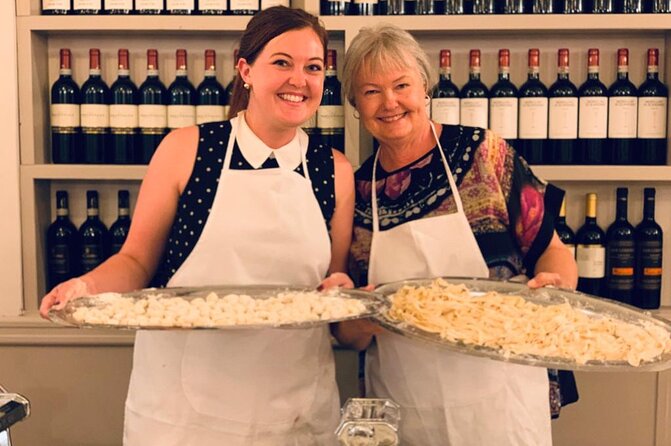
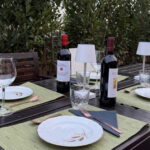
This class is designed around wine. The sample menu includes prosecco and both red and white wine, plus non-alcoholic beverages.
Multiple people mention the wine and prosecco are free-flowing, with some describing very heavy drinking. So yes, it’s great for a party-like atmosphere. But it’s also worth treating it like an actual plan for your afternoon.
My practical advice:
- Drink water between rounds. Your future self will thank you.
- If you’re sensitive to alcohol, tell your guide early and pace yourself.
- Don’t schedule anything critical right after (like a long walk back through unfamiliar neighborhoods), especially if you’re prone to getting tired after wine.
The upside: wine keeps the mood easy while you learn something hands-on. That’s a win in Rome, where the best food moments tend to happen when you’re relaxed enough to enjoy the cooking process.
Group energy: meeting people without forcing it
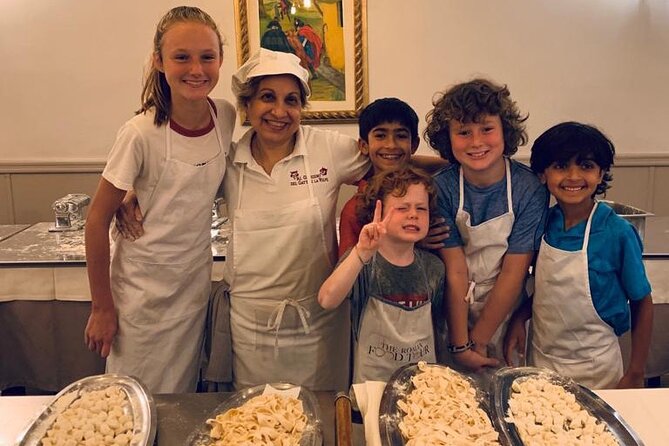
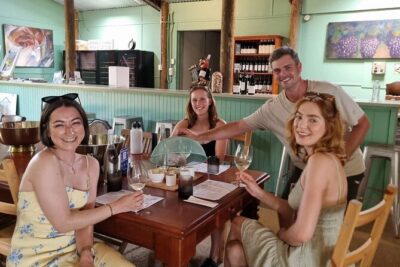
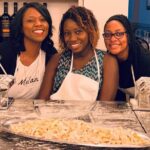
A lot of the praise is about the social feel. People talk about making friends, laughing a lot, and feeling welcome even if they’re alone.
That makes sense with a small group and structured activities:
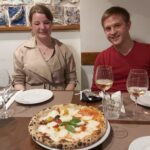
- Everyone eats together at the end.
- Everyone works with their hands, so you’re not stuck watching.
- Instructors create a warm, family-like energy even with new faces in the room.
If you’re traveling solo, this kind of class can act like a built-in social scene. It’s also a good reason to choose this over a big walking tour: you get conversation without trying.
Value in dollars: why $32.67 can actually feel like a bargain
At about $32.67 per person, this class is one of the more practical food experiences in Rome.
Here’s why it can feel like value:
- You’re paying for instruction from a chef in a proper kitchen.
- You’re getting multiple prepared dishes and ingredients for a full meal.
- Wine and prosecco are included as part of the experience.
- You get both tastings and cooking, rather than only one or the other.
If you’ve spent time in Rome, you know how fast a dinner can climb once you add drinks. People even note they left full and didn’t need dinner. Even if you don’t treat it as a full dinner, it still cuts costs on your food day.
In short: it’s not just a snack-and-walk activity. You’re getting a full, guided food experience for less than you’d likely pay for a typical meal plus wine.
Who this class is best for (and who should think twice)
This works especially well if you:
- Want a hands-on break from nonstop sightseeing
- Like food learning you can replicate later
- Don’t mind wine being part of the day
- Prefer small groups and active participation
It might be less ideal if you:
- Need a tight schedule and hate anything that could run long
- Are counting on a quiet afternoon with no extra energy
- Have strong preferences against alcohol (even though non-alcoholic options are included)
The sweet spot is an afternoon that you’re okay letting turn into a longer, friendlier food moment.
Tips to make the most of your pasta and tiramisu class
A few things that will help your afternoon go smoothly:
- Wear comfortable clothes and shoes. You’ll be standing and moving during cooking.
- Bring your curiosity, not just your appetite. Ask why the chef tells you to do each step.
- If you’re pairing this with Vatican sightseeing, start early enough that you don’t arrive frazzled. By 2 pm, you want to be ready to learn.
- If you want to take photos, do it early. Once you start working, you’ll focus more than pose.
And one more reminder: with a class like this near the Vatican, your day can chain nicely—morning sights, afternoon cooking, then a relaxed evening.
Should you book this Rome pasta and tiramisu class?
Book it if you want a Rome highlight that mixes hands-on pasta learning, a real dessert finish, and Italian wine in a small group. The top praise is consistent: people say it’s fun, the instruction helps you succeed, and the tastings plus cooking feel like strong value for the price.
Skip or reconsider if you want a short, quiet activity. This isn’t built to be a quick stop. It’s an afternoon experience.
If you’re doing Rome for a few days and you want one day that feels like a local food moment instead of another checklist item, this is a strong choice.
FAQ
FAQ
What time does the Rome Pasta & Tiramisu Making Class start?
It starts at 2:00 pm.
How long is the class?
It’s listed at about 3 hours 30 minutes. Some groups report it can run closer to 4–5 hours.
How many people are in the group?
The class has a maximum of 16 travelers.
Is the class taught in English?
Yes. It’s offered in English.
What will I make during the class?
You’ll learn to make fresh pasta (including fettuccine and ravioli with ricotta and spinach) and tiramisu.
Does the experience include wine?
Yes. The menu includes prosecco and red and white wine, plus non-alcoholic beverages.
Where do I meet for the tour?
You meet at Via Cipro, 4/L, 00136 Roma RM, Italy. The activity ends back at the meeting point.
Can I get a refund if my plans change?
Free cancellation is available up to 24 hours in advance for a full refund, based on the experience’s local time. If you cancel less than 24 hours before the start time, the amount paid is not refunded.