REVIEW · ROME
Rome: Pasta & Tiramisu Class with Free Flowing Fine Wine
Book on GetYourGuide →Operated by The Roman Food Tour · Bookable on GetYourGuide
Handmade pasta starts with dough. This Rome class turns cooking into a fun, social evening, with handmade pasta taught step by step and free-flowing wine while you work. You’ll roll up your sleeves in a family-run setting and end with the best kind of souvenir: food you made yourself.
I like how the hosts keep the energy up while still teaching real technique, not just a quick demo. It also helps that the class is in English, so you can actually follow the how-to and not guess what comes next.
One big consideration: this experience is not suitable for gluten intolerance, since it focuses on classic wheat-based pasta and tiramisu components.
In This Review
- Key points at a glance
- Wine, dough, and a real reason to book a Rome food class
- First sip and the tasting moment that sets you up for success
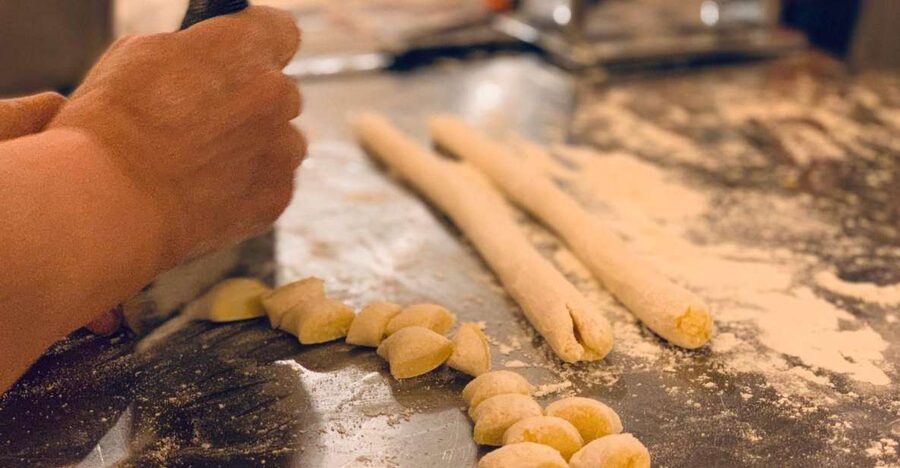
- Handmade pasta from scratch: what you’ll really learn
- Tiramisu workshop: dessert technique you can recreate
- The 3-course meal: eat what you made, plus one more reason to stay
- Price and value: why $46 can feel like a bargain
- Dietary needs: what you can adjust, and what you can’t
- Who this Rome pasta and tiramisu class fits best
- Should you book this Rome pasta and tiramisu class?
- FAQ
- How long is the Rome pasta and tiramisu class?
- What’s included in the price?
- Does the class run in English?
- Are dietary options available?
- Is it suitable for gluten intolerance?
- What cancellation options are offered?
- FAQ
- Does the meeting point stay the same?
Key points at a glance
- Free-flowing wine or prosecco paired with practical cooking instruction
- Family-run restaurant feel, with a relaxed, friendly pace
- Handmade pasta skills you can repeat at home (recipes included)
- Tiramisu from scratch, taught clearly enough to make again later
- 3-course meal at the end, so you get both learning and eating
Wine, dough, and a real reason to book a Rome food class
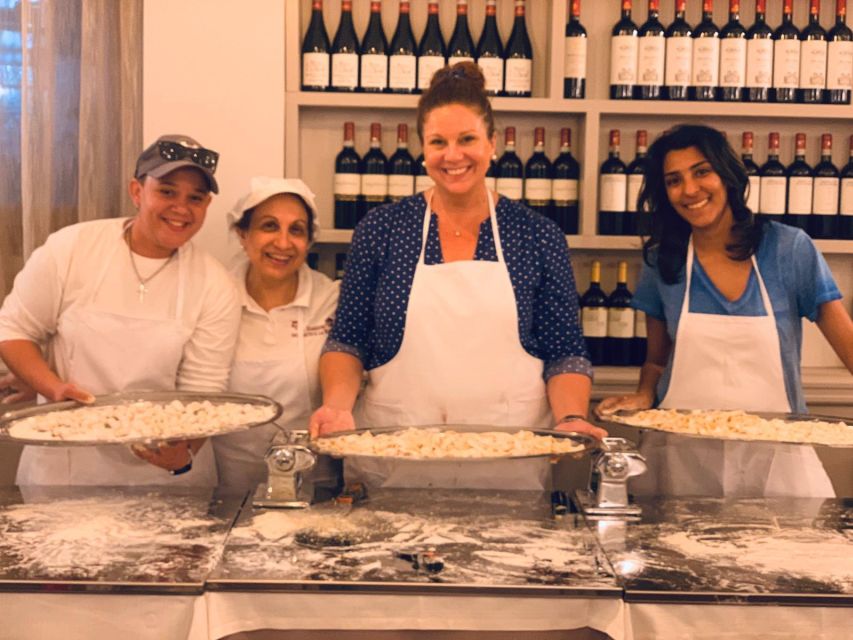
If Rome has one reliable cure for travel fatigue, it’s food you understand how to make. This is a pasta-and-tiramisu workshop in Lazio that feels more like a lively meal with instruction than a stiff cooking show. You come for the Italian classics, but you stay for the process: mixing, rolling, shaping, and assembling something you can share at your table back home.
Price matters here. At $46 per person, you’re not paying just for a seat near a stove. You’re getting a structured cooking class, a 3-course meal, and wine (or prosecco) plus water while you cook. That combination is what makes it good value, especially in a city where “food experiences” can be heavy on tasting and light on actual skills.
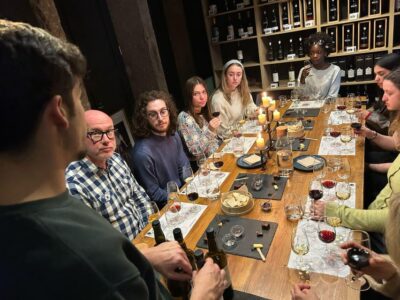
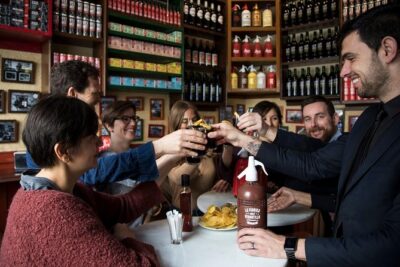
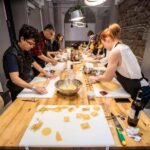
The group setup also helps. You’ll be working with other visitors, and the meal afterward often turns into an international dinner. It’s an easy way to meet people without awkward bar small talk, because everyone already has the same topic in their heads: pasta and dessert.
You can also read our reviews of more wine tours in Rome


First sip and the tasting moment that sets you up for success
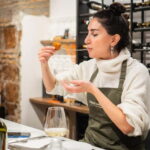
Most cooking classes fail at the start: you’re handed aprons and told to begin. This one gives you an easier entry point. Early on, you’ll get a welcome experience that includes something to drink—wine or prosecco, depending on your choice—and a tasting-style portion that helps you understand what good results taste like.
In the small details, the hosting team seems to matter a lot. I’ve seen names like Nina mentioned for the beginning tasting and for answering questions in a way that actually moves things forward. You also get the feeling that the instructors want you to taste, not just cook. That matters because pasta and tiramisu are texture-driven dishes. Once you know what you’re aiming for, the later steps make more sense.
The practical payoff: you’re not just following motions. You’re learning what to watch for—how dough behaves when it’s right, and what a balanced tiramisu feels like when it comes together. Even if you’re a kitchen beginner, that early guidance reduces the usual panic.
Handmade pasta from scratch: what you’ll really learn
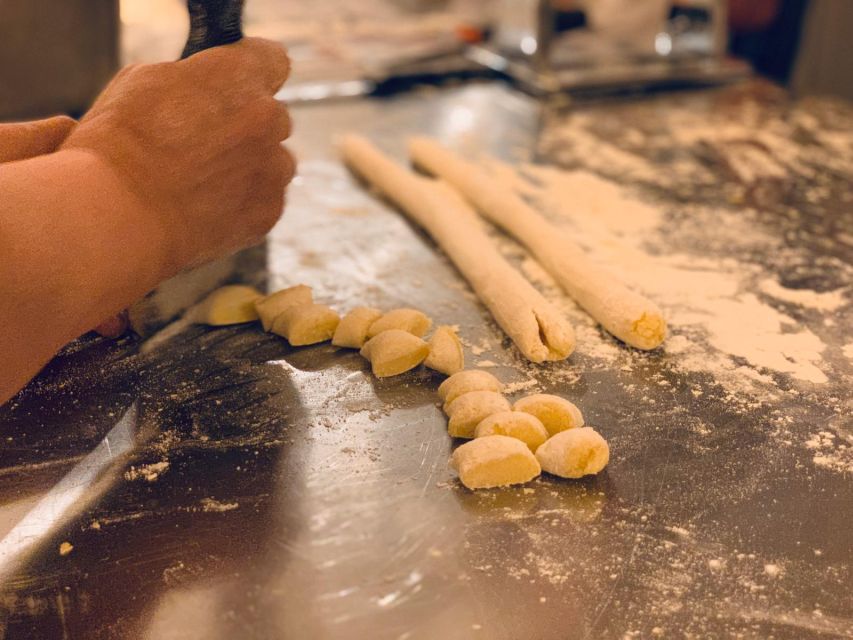
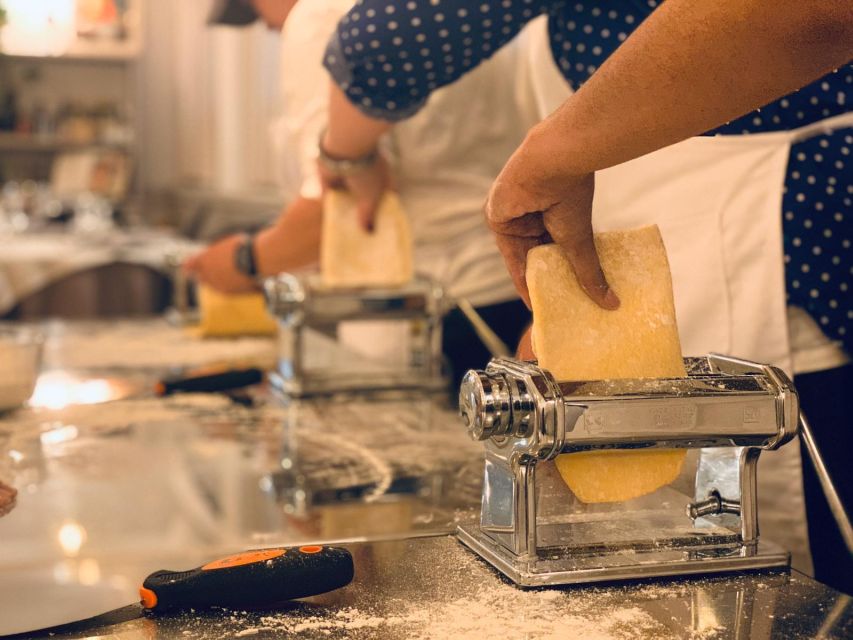
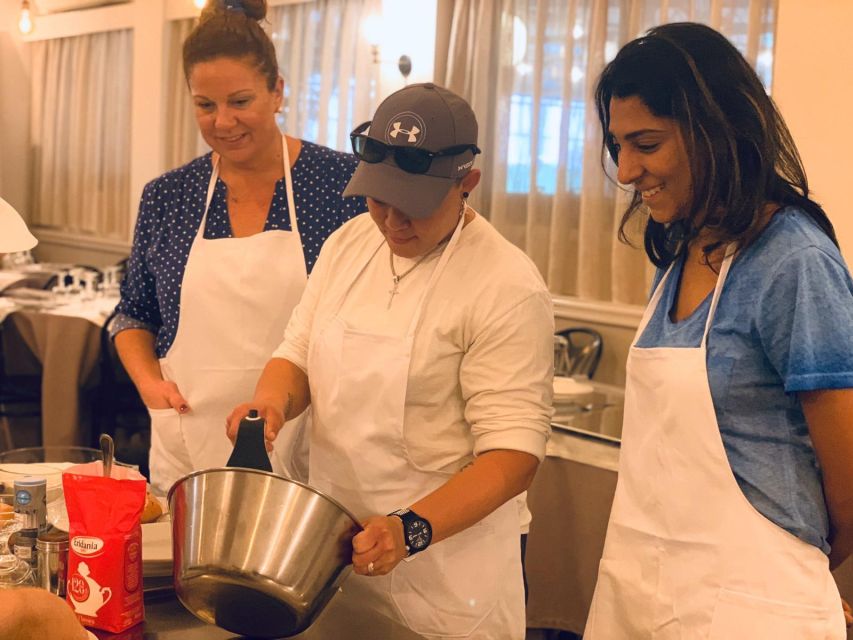
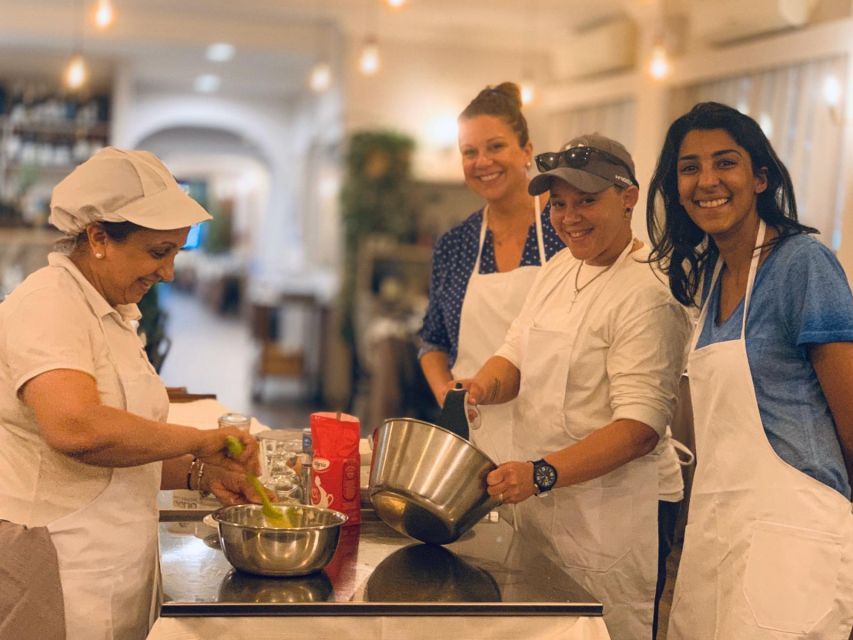
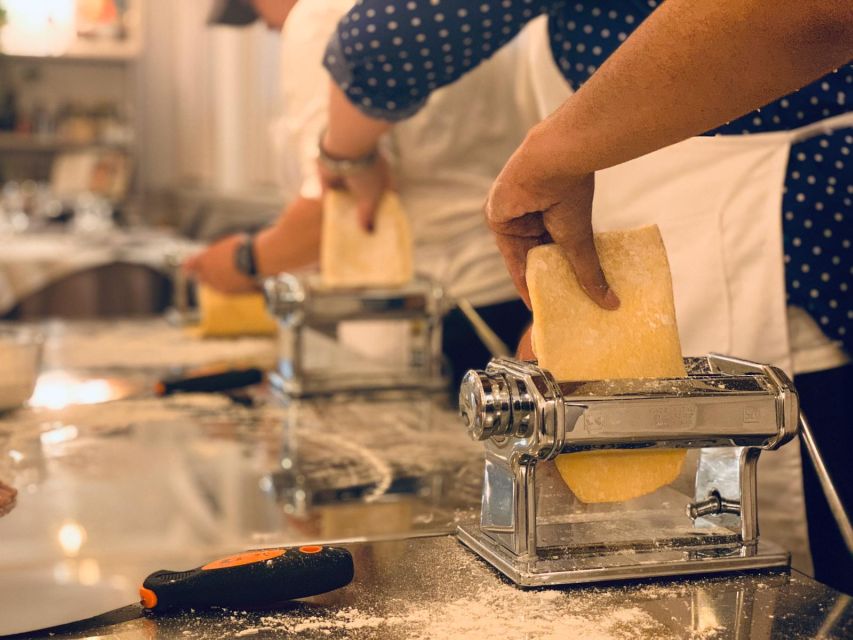
The main event is handmade pasta. You’ll work with dough from the start, with an English-speaking instructor supervising and guiding you through technique. That’s the key difference between a “try it once” class and a skill you can rebuild later.
What’s especially useful is that you’re not expected to master everything in one go. Instead, you get coached through the essentials:
- getting the dough mixed and handled correctly
- rolling it into sheets or shapes using the right approach
- preparing your pasta as part of the meal
Pasta can sound simple until you’re actually doing it. Dough can be too dry, too sticky, or stubborn when you roll. The benefit of being in a small, guided class is that you learn corrections on the spot, rather than discovering mistakes only after you’ve already shaped and cooked.
Another reason this section is worth it: pasta-making is a skill that translates across kitchens. Once you understand the feel and the rhythm, you can adapt it for different pasta shapes and occasions later. And because the experience includes recipes, you’re leaving with a repeatable plan rather than vague memory.
One more practical note: this class is not suitable for gluten intolerance, since it’s built around classic pasta and typical tiramisu structure. If gluten is an issue, you’ll want to look for a dedicated gluten-free workshop instead.
Tiramisu workshop: dessert technique you can recreate
Then comes tiramisu, the part that makes people happiest they booked. This workshop teaches dessert from scratch, not just assembly from a box. Like the pasta session, you’re guided step by step so you know what to aim for when you’re building layers.
I like that tiramisu is one of those desserts where technique matters, but the stakes aren’t endless. You’re not trying to bake three soufflés at once. You’re building a composed dessert, and you learn the timing and layering logic that turns it from okay to genuinely good.
In the reviews, instructors such as Patrick and hosts like Patrick and Irene get credit for keeping the class fun while still giving clear tips. You can see the pattern: the best teachers don’t just make you laugh; they make sure your hands know what to do next.
For you, the real takeaway is repeatability. If you’ve ever tried to make tiramisu later and wondered why it didn’t set up or tasted flat, this kind of guided session helps you understand what to watch for. And because the workshop includes recipes, you’re not stuck with a “trust me, it tastes right” memory.
The 3-course meal: eat what you made, plus one more reason to stay
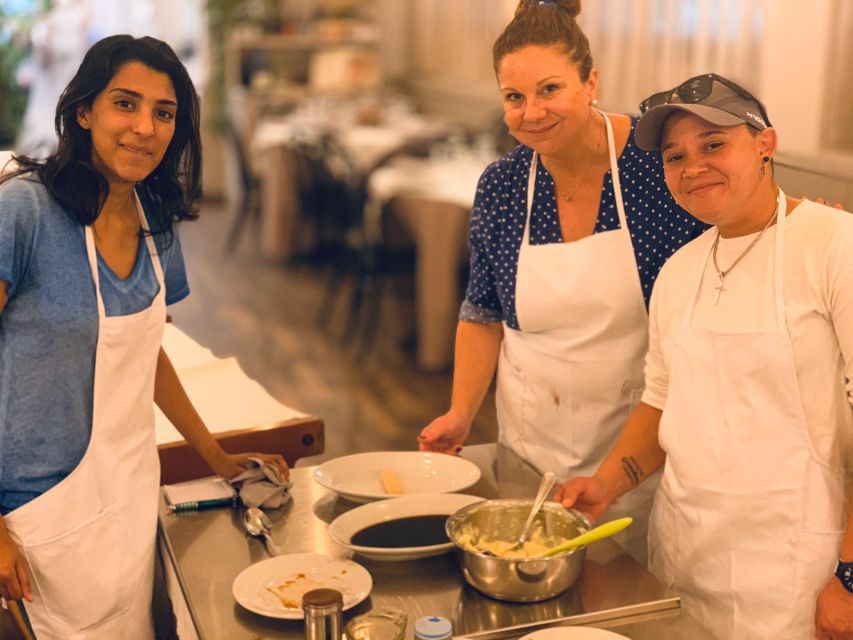
After you cook, you sit down for the 3-course meal. The main point here is simple: you get to enjoy your pasta and tiramisu without rushing to clean up right after. That changes the whole vibe of the evening. Instead of a frantic scramble, you get a normal dinner rhythm.
This is also where the wine flow plays a role. You’ve already been sipping while working, and then the meal becomes the payoff: food that’s familiar because you made it, but special because it’s served as a complete dining experience.
One subtle advantage is group bonding. A few reviews mention meeting new people and enjoying dinner together. That’s the kind of social payoff that doesn’t feel forced. Since everyone cooked the same dishes, conversation is easy and natural.
A few more Rome tours and experiences worth a look


Price and value: why $46 can feel like a bargain
Let’s talk about what you’re actually paying for. At $46 per person, you’re covering:
- a pasta-and-tiramisu cooking class
- a 3-course meal
- wine (or prosecco) and water
- recipes to take home
In Rome, “food experiences” can range from short tastings to long guided walks where the meal is basically an afterthought. This works because it’s hands-on and timed—about 3 to 4 hours—and it includes both instruction and dining.
For me, the best way to judge value is this: if you’d otherwise pay for a proper dinner plus wine plus a cooking workshop, the total usually climbs fast. Here, those pieces are bundled. You’re not spending extra time hunting for a good place to eat, either. The meal is part of the experience, scheduled at the end when you’re ready for it.
Also, the class being in English helps the value land. If you struggled with the local language, you could lose the instruction part and turn it into mostly a hands-on spectacle. Here, the language support makes it more likely you’ll leave with skills, not just photos.
Dietary needs: what you can adjust, and what you can’t
The good news: the workshop supports several dietary needs, including vegetarian, vegan, lactose intolerant, and other diets. The practical move is to inform the provider when you book, so the kitchen can plan ahead.
The hard limit is gluten. The class is not suitable for people with gluten intolerance. That means you shouldn’t assume substitutions will be made on the fly. If gluten is your concern, you’ll want to pick a different cooking class that explicitly supports gluten-free techniques and ingredients.
If you’re not gluten-intolerant but have other restrictions, this can be a comfortable option because the workshop appears designed to accommodate different diets rather than forcing everyone into the same template.
Who this Rome pasta and tiramisu class fits best
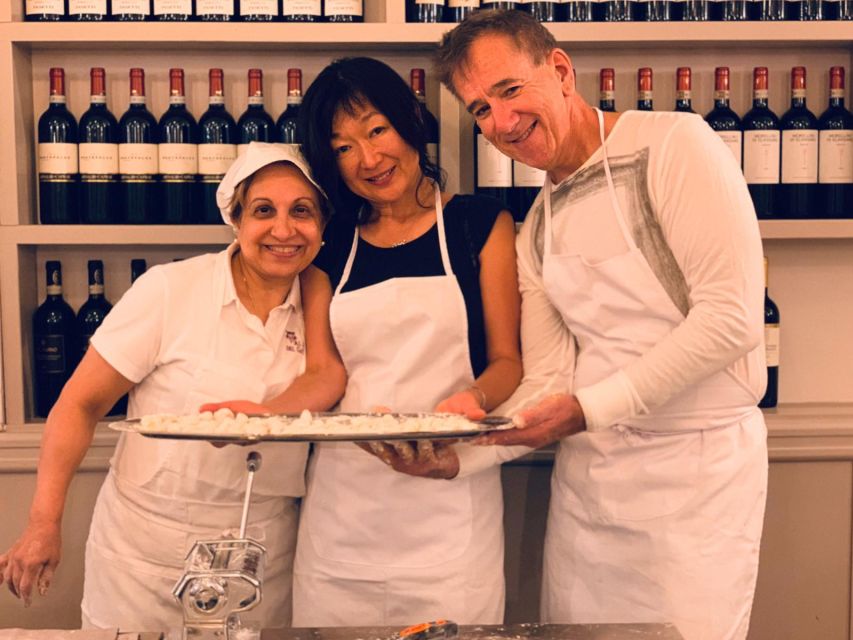
This experience is a strong match if you want a Rome activity that’s:
- hands-on, not just watching from the sidelines
- social, but still focused on skill-building
- wine-friendly without turning into a party night
I’d especially recommend it to:
- couples or small groups who want a shared “do something together” evening
- food lovers who enjoy learning technique, not only tasting
- travelers who like practical souvenirs, like recipes you can use later
It’s less ideal if you need gluten-free. It also may feel rushed if you prefer very slow cooking sessions, because the format is built around a 3 to 4 hour window.
Should you book this Rome pasta and tiramisu class?
Yes, if you want an evening that combines real technique with a satisfying meal. The workshop structure, the free-flowing wine or prosecco, and the fact that you’re taught handmade pasta and tiramisu make it a high-value use of time in Rome.
Before you book, check two things: that gluten is not an issue for your group, and that your dietary needs are communicated in advance. If those boxes are checked, you’ll likely come away with something rare for a city trip—skills you can repeat, plus an Italian dinner you’ll remember.
FAQ
How long is the Rome pasta and tiramisu class?
The experience lasts about 3 to 4 hours.
What’s included in the price?
You get the pasta and tiramisu cooking class, a 3-course meal, wine, and water.
Does the class run in English?
Yes. Instruction is in English.
Are dietary options available?
Yes. Vegetarian, vegan, lactose intolerant, and other diets are supported. You should inform the activity provider of your needs when booking.
Is it suitable for gluten intolerance?
No. This experience is not suitable for people with gluten intolerance.
What cancellation options are offered?
You can cancel up to 24 hours in advance for a full refund. There is also a reserve now & pay later option.
FAQ
Does the meeting point stay the same?
The meeting point may vary depending on the option you booked.