REVIEW · MERCATO TRIONFALE
Rome: Pasta, Ravioli, and Tiramisu Cooking Class with Wine
Book on GetYourGuide →Operated by Insideat Cooking Class and Food Tour · Bookable on GetYourGuide
Rome tastes better when you make it. This 3-hour class gives you hands-on practice with fresh pasta and tiramisu, taught by an English-speaking chef just steps from the Vatican. I like that you roll, shape, fill, and layer everything yourself, and I like that your work turns into a real sit-down meal with wine. One possible drawback: the food you eat may be assembled from what the group prepared, so it might not be 100% identical to the exact portions you made at your station.
You start with an Italian welcome—aperitivo, snacks, and a relaxed vibe—then you get guided through dessert first, followed by pasta and ricotta-stuffed ravioli. It’s a small-group setup, and the pacing is friendly for both beginners and people who cook at home.
In This Review
- Key Points to Know Before You Go
- Why This Pasta, Ravioli, and Tiramisu Class Works So Well in Rome
- Meeting at Pummare Restaurant: Finding Via Andrea Doria 41m Fast
- Aperitivo Start: Spritz or Prosecco, Chips, and Prepping Your Appetite
- Tiramisu First: Layering Ladyfingers, Mascarpone, and Cocoa
- Fresh Pasta and Ricotta Ravioli: Rolling, Filling, and Shaping at Your Station
- What happens to the ravioli?
- The Meal and Wine Pairing: What You Eat After Cooking
- Vegetarian and Other Dietary Needs Without Stress
- Price and Value for a 3-Hour Chef-Guided Meal With Wine
- A Quick Word on Clean Hands and Food Portions
- Who This Cooking Class Is Best For
- Should You Book This Rome Pasta and Tiramisu Class?
- FAQ
- How long is the cooking class?
- Where do I meet the guide and where is the class located?
- What dishes will I learn to make?
- Is the class hands-on or just a demonstration?
- Is English instruction included?
- Is wine included?
- Are vegetarian options available?
- Is the class wheelchair accessible?
Key Points to Know Before You Go
- Near-the-Vatican location: You meet at Pummare Restaurant above Trionfale food market on Via Andrea Doria 41m.
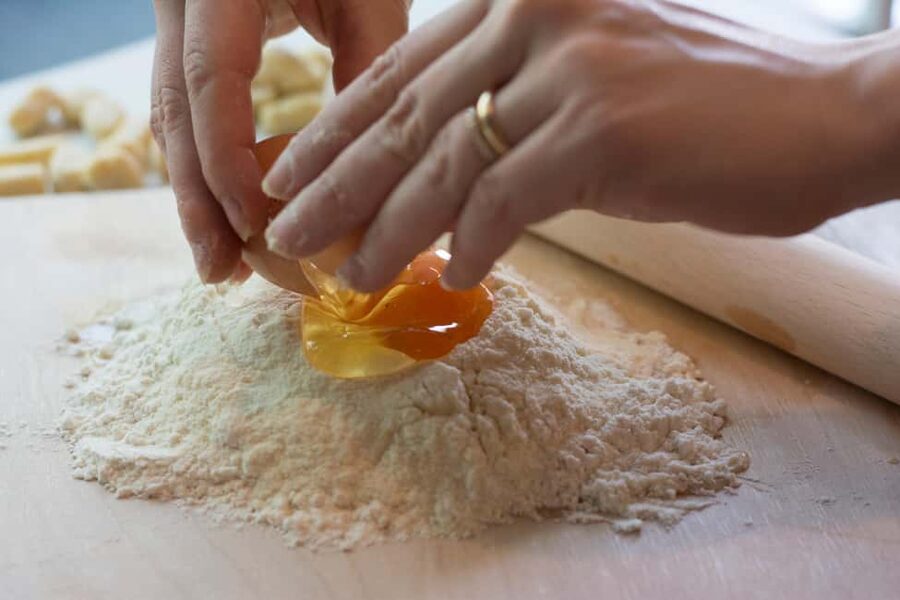
- Truly hands-on: You use a rolling pin, form the pasta, fill the ravioli, and layer the tiramisù.
- Wine + meal included: You get spritz or Prosecco, local wine (plus beer/soft drink options), and a full meal from what you make.
- Small group size: Listed as max 12, with one note citing up to 14—either way, it’s made for participation.
- Dietary flexibility: Vegetarian options are available, and the class also notes accommodations for vegan and gluten-free needs if you book ahead.
- You’ll leave with skills: The goal is more than a full stomach—you learn the techniques and recipes to repeat at home.
Why This Pasta, Ravioli, and Tiramisu Class Works So Well in Rome
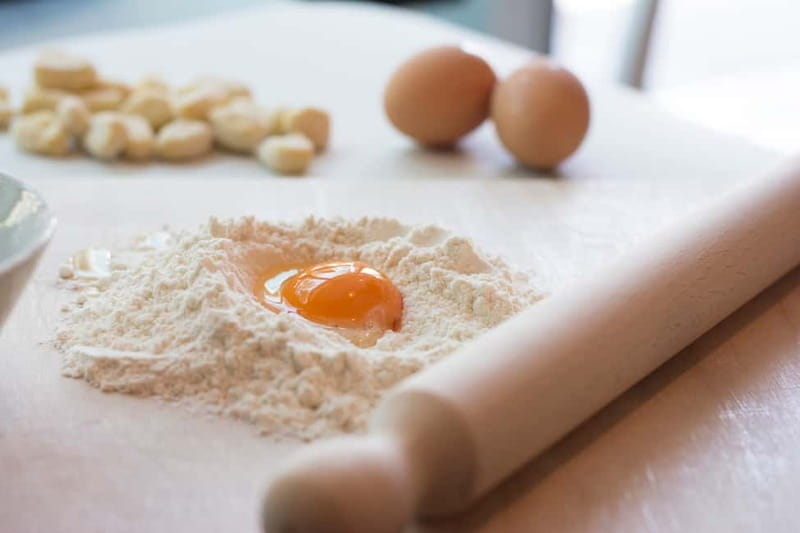
This is one of those Rome experiences that doesn’t just show you Italian food—it teaches you how it’s built. You’ll make fresh pasta dough, shape ravioli, and then finish with tiramisù, which means you get both savory and sweet “Italy 101” in one sitting.
The value is in the mix: you get a chef to guide you step by step, you get a hands-on kitchen setup (not a demo table), and you end with a meal that uses what you made. Also, because it’s near the Vatican, it’s a practical add-on if you’re already planning that side of town.
The overall vibe stays friendly and social. Small groups make it easier to ask questions while you’re working—like when you’re trying to roll dough thin enough without tearing it.
Meeting at Pummare Restaurant: Finding Via Andrea Doria 41m Fast
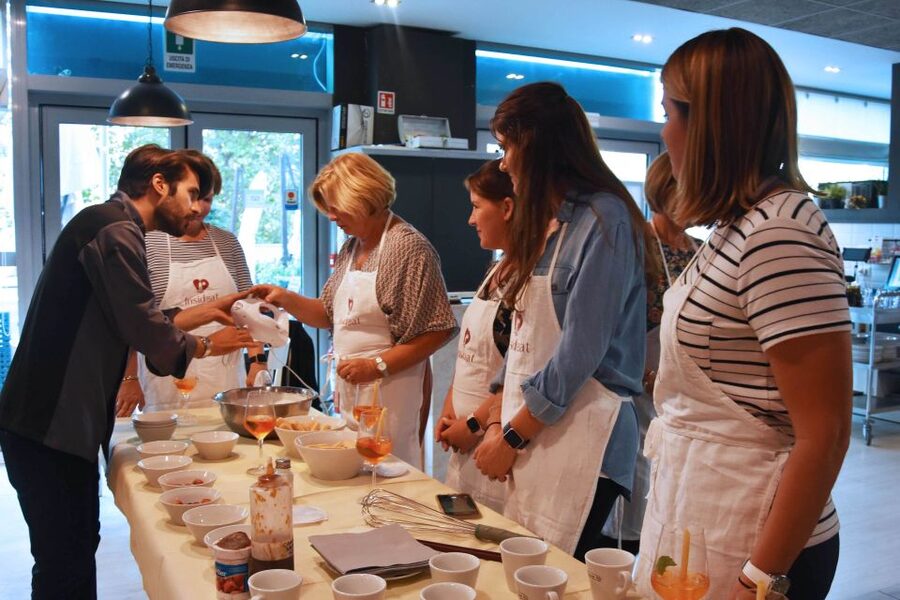
Your meeting point is Via Andrea Doria 41m, at Pummare Restaurant, right above Trionfale food market. The directions are clear: go to the top of the graffiti stairs and look for the restaurant’s terrace on the right side. Your guide should be easy to spot in a chef’s jacket.
Plan to arrive 10 minutes early. That buffer matters because you’ll check in, get your bearings, and get settled before the aperitivo and prep start. If you’re late, the provider lists a phone number to contact for help.
Good to know: this is an outdoor-terrace-friendly spot, so wear comfortable shoes. Even if you’re just walking from the stairs to the terrace, Rome sidewalks and steps can be slippery if you’re in slick footwear.
Aperitivo Start: Spritz or Prosecco, Chips, and Prepping Your Appetite
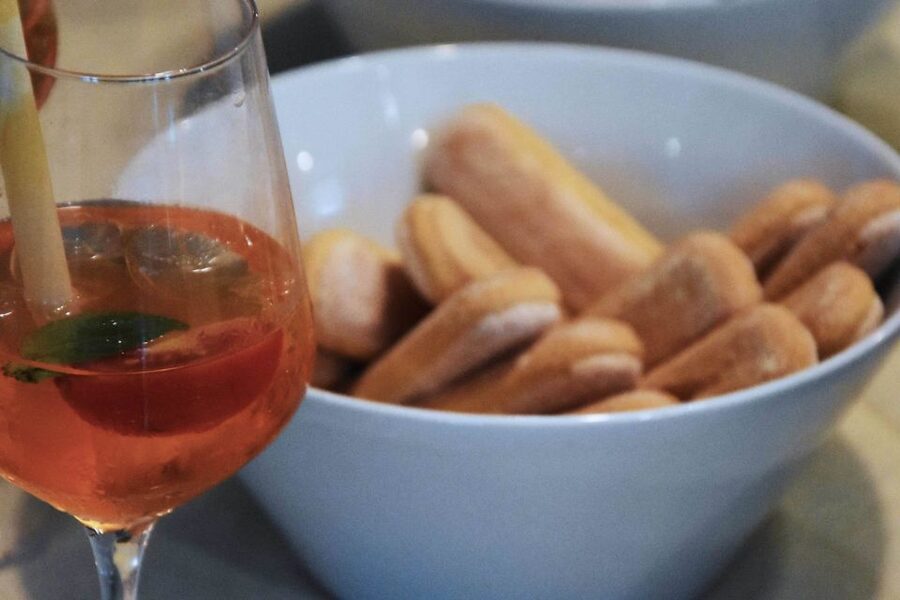
Before you cook, you get the classic Italian “let’s start slow” rhythm. You’ll sip either a spritz light cocktail or Prosecco, and you’ll start with a small seasonal selection of appetizers. There’s also a snack included mentioned in the class flow: cacio e pepe chips, which is a smart warm-up because it nudges your brain toward Roman flavors.
This appetizer time is more than waiting. It helps you loosen up, meet your group, and get instructions before flour starts flying.
You’ll also be encouraged not to eat heavily beforehand, because the class includes a lot of food. Think of it as a lesson where your stomach is part of the curriculum.
Tiramisu First: Layering Ladyfingers, Mascarpone, and Cocoa
The class kicks off with tiramisù, which I love for two reasons. First, it teaches you an iconic technique right away. Second, you get something immediately rewarding while the rest of your meal is still coming together.
You’ll learn how to layer components—ladyfingers, mascarpone, and cocoa—to create that classic texture and look. The chef will guide you through timing and assembly so it doesn’t turn into a soupy mess or a dry disaster.
One big benefit of starting with dessert: you practice the “Italian kitchen rhythm” early. You’ll learn how to work cleanly at your station, how to measure by feel when needed, and how to follow the chef’s pacing.
In the teaching style, names like Martina, Alesandra, and Sonia come up for patient, fun instruction. That matters because tiramisù is simple, but getting it right takes attention. A patient teacher helps you focus on the right details instead of worrying.
Fresh Pasta and Ricotta Ravioli: Rolling, Filling, and Shaping at Your Station
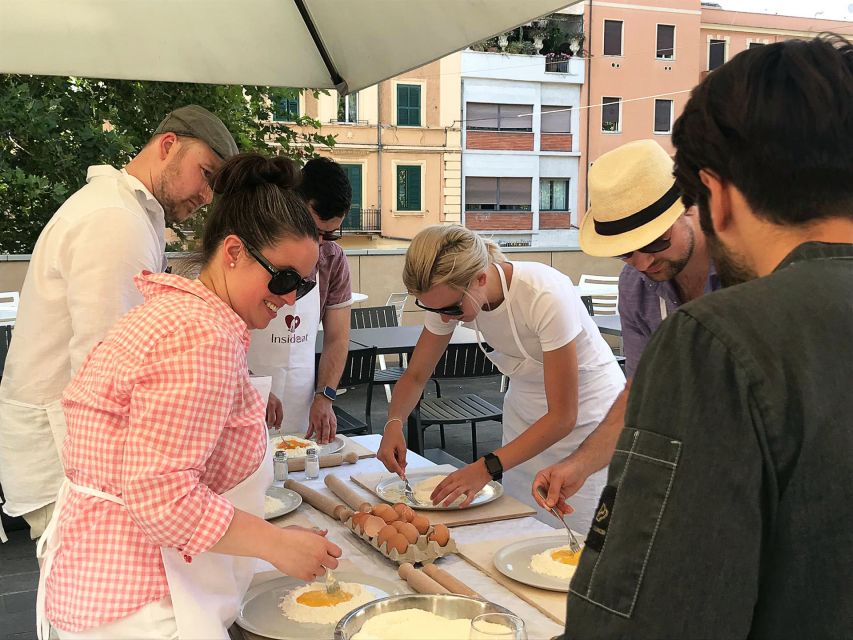
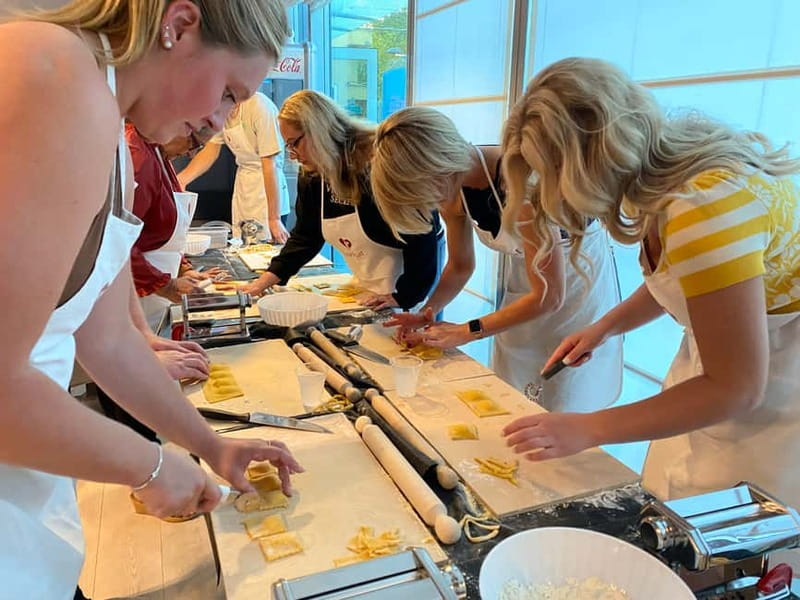
Then you move into the savory section—fresh pasta and ricotta-stuffed ravioli—including fettuccine.
At your station you’ll use:
- a rolling pin
- an apron
- the cooking tools provided by the class
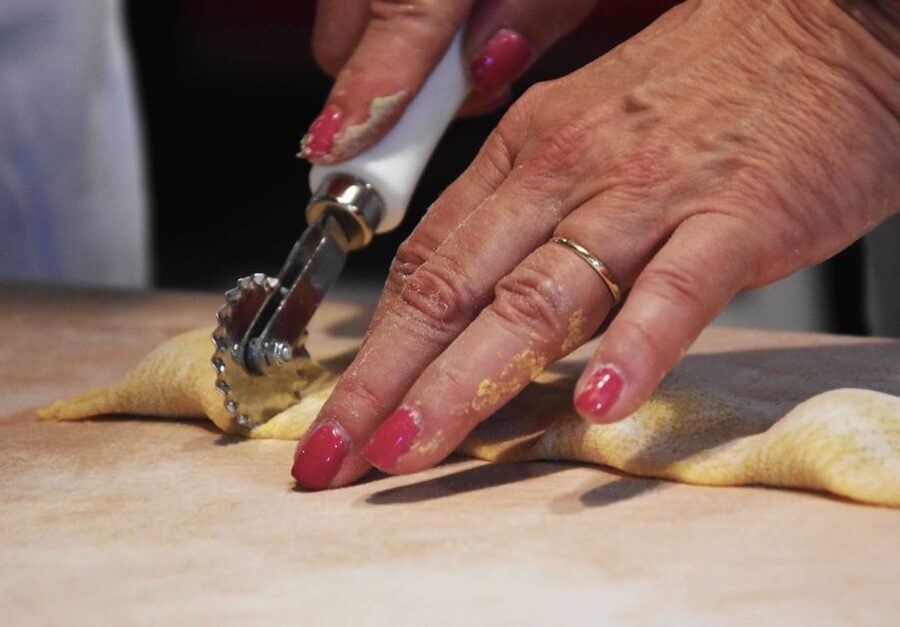
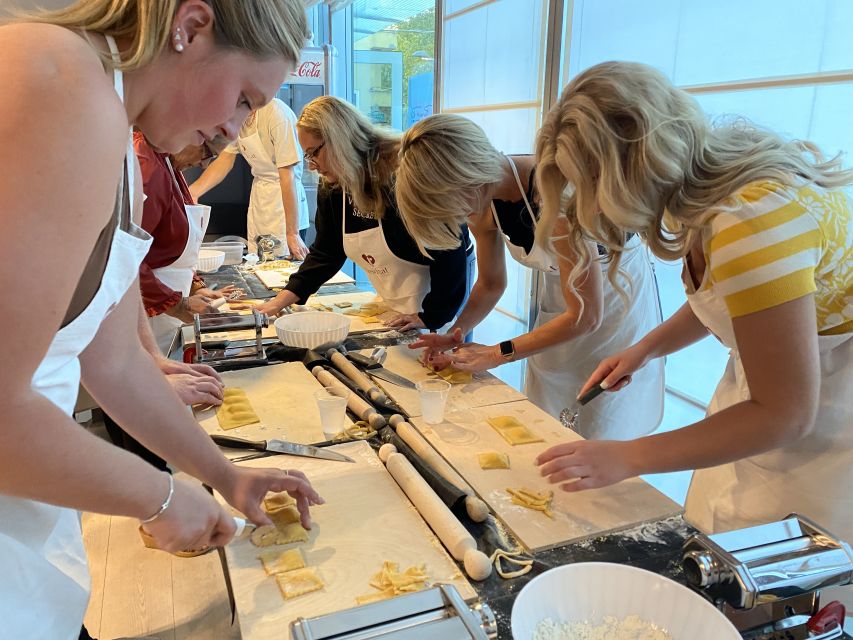
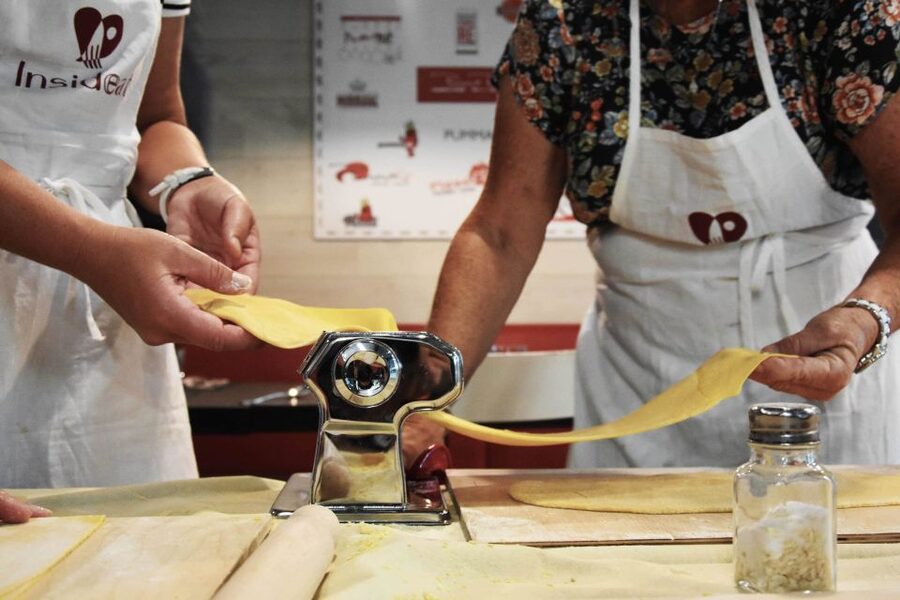
You’ll roll and shape dough yourself. You’ll fill the ravioli yourself. And you’ll follow the chef’s tips on how to work the dough so it stretches thin without tearing.
This is the part where hands-on classes pay off. Watching someone do it is fine. Doing it is better, because you’ll quickly learn what thickness looks like and what “too much flour” feels like. It’s muscle memory you can take home.
Chef help seems to be a major strength here. In past sessions, instructors like Giovanni, Carlo, Vincenzo, and Mara are repeatedly praised for clarity and encouragement. Even if you consider yourself a beginner, that kind of teaching style helps you keep going when dough behaves like dough—sometimes sticky, sometimes stubborn.
What happens to the ravioli?
Once your ravioli and pasta are ready, you’ll sit down to eat. The class is structured so your work turns into a plated meal with sauces and wine.
The Meal and Wine Pairing: What You Eat After Cooking
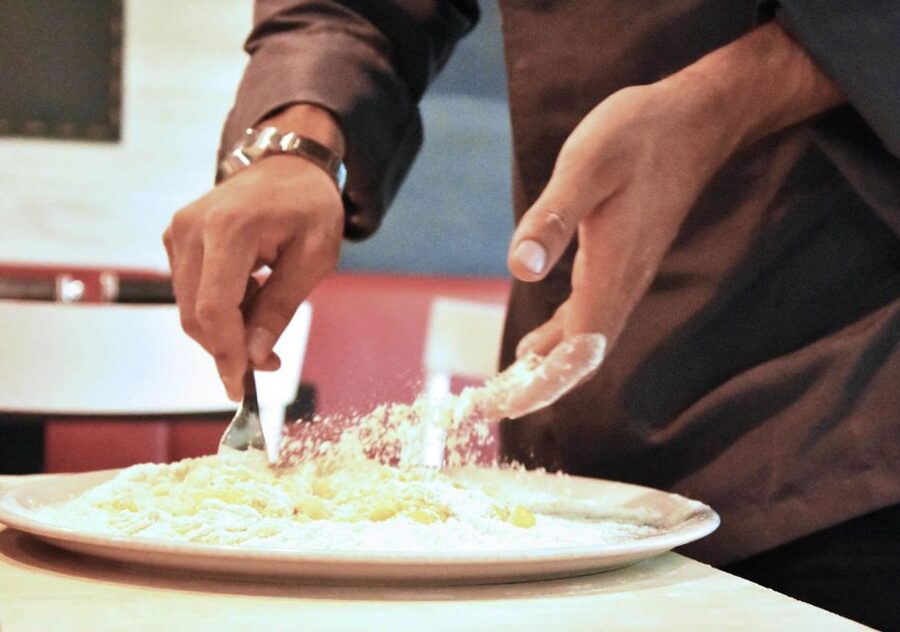
After you cook, you relax. Your pasta will be dressed in Roman-style sauce such as carbonara or cacio e pepe, and you’ll also be served the tiramisù you made.
You’ll also get paired drinks: beyond the opening spritz or Prosecco, the included meal includes wine/beer or soft drink, plus water. That means you’re not doing a “practice class” that ends with a sad bite. You’re getting a real meal at the end.
Also, the class is designed for social energy. You’ll share laughs with your group while you eat, which is a big part of why a cooking class can be a memorable Rome night, not just a food task.
Vegetarian and Other Dietary Needs Without Stress
If you’re vegetarian, this class is built to accommodate you. Vegetarian options are explicitly available, and the info also notes accommodations for vegan and gluten-free needs when you book.
The best practical move: when you reserve, tell them your dietary requirements. The class guidance says they’re happy to accommodate dietary needs, but it’s tied to booking information.
This matters because pasta and dessert ingredients can change quickly—especially when you’re making dough and building layers. Better to communicate early than to hope for adjustments on the day.
Price and Value for a 3-Hour Chef-Guided Meal With Wine
At $91.76 per person, you’re paying for more than a recipe. You’re paying for:
- chef instruction in English
- ingredients for fresh pasta, ravioli, and tiramisù
- hands-on equipment at your station
- an included aperitivo with spritz or Prosecco
- a full meal you get to eat
- wine/beer or soft drink with the meal
- water
In Rome, $90-ish can buy a nice restaurant dinner, but it won’t teach you how to roll dough, fill ravioli, and layer tiramisù like this. Here, your money goes into the learning experience plus a meal outcome.
You also get a small-group format (max 12, with one note mentioning up to 14), which means your time with the chef is more practical than a big class where you’re just watching.
If you want a hands-on food memory instead of another photo stop, this price tends to make sense.
A Quick Word on Clean Hands and Food Portions
One caution worth taking seriously: one person noted that the food cooked by the group may end up combined rather than staying perfectly separated as your own personal batch. In practice, that can happen in cooking classes where stations and outputs feed into a single meal.
If you’re picky about this, you’ll want to ask the chef how the final plates are assembled—before you start cooking, not after. That’s also where good classroom hygiene matters. The same note raised a concern about cleanliness (touching faces, kids dropping dough). That doesn’t mean the whole class is unsafe, but it does mean it’s reasonable to pay attention in the moment.
My practical advice: wash hands when prompted, keep flour controlled at your station, and if something feels off, politely flag it to the chef or guide.
Who This Cooking Class Is Best For
This works well if you want:
- a fun evening activity that feels like you’re doing something, not just looking
- a small-group experience where you can actually ask questions
- a straightforward way to learn two Roman favorites and one classic Italian dessert
It’s also a solid choice for couples and solo travelers, because the class is social but not chaotic. And it can work for families with older kids, since there’s at least one experience described as a family class with kids aged 11 to 18—though children must be accompanied by an adult and unaccompanied minors aren’t allowed.
If you’re short on time in Rome but still want an authentic food skill you can repeat at home, this is one of the better ways to spend a few hours.
Should You Book This Rome Pasta and Tiramisu Class?
Yes, book it if you want a real skill, not just a tasting. The hands-on pasta rolling and ravioli filling are the kind of experience you’ll still be glad you did days later when you try to cook at home. Add tiramisù layering, plus wine and a proper meal, and the value feels fair for what you get.
Don’t book it if you’re hoping for a quiet, formal class with perfectly separated portions. And if cleanliness is a top priority for you, ask how food is handled for the final meal and go in ready to do your part at your station.
If you’re aiming for a satisfying Rome evening near the Vatican, this is an easy yes.
FAQ
How long is the cooking class?
The class lasts 3 hours.
Where do I meet the guide and where is the class located?
Meet at Via Andrea Doria 41m at Pummare Restaurant, right above Trionfale food market. Go to the top of the graffiti stairs and find the terrace on the right side. Look for your guide in a chef’s jacket.
What dishes will I learn to make?
You’ll make tiramisù, fresh pasta (fettuccine), and homemade ricotta-stuffed ravioli.
Is the class hands-on or just a demonstration?
It’s hands-on. You’ll roll, shape, fill, and layer the dishes yourself at your station.
Is English instruction included?
Yes. The instructor is listed as English and there’s a fluent English-speaking guide.
Is wine included?
Yes. You’ll have a spritz light cocktail or Prosecco wine with appetizers, and the meal includes wine/beer or a soft drink, plus water.
Are vegetarian options available?
Yes. Vegetarian options are available, and you can advise dietary requirements when booking.
Is the class wheelchair accessible?
Yes. The restaurant is wheelchair accessible.