REVIEW · ROME
Rome: Pasta Cooking Class with Market Visit and Wine
Book on GetYourGuide →Operated by Yellowsquare Rome · Bookable on GetYourGuide
Fresh pasta starts at the market. I love how this Rome experience pairs a walk through the Nomentano Market with hands-on pasta lessons in the Kitchen of Mamma, led by Marco. It’s one of those days where you learn by doing, then eat what you made right away.
I especially like two things: the market visit where you see ingredients in season before they ever hit a cutting board, and the way Marco turns the class into real practice, not a demo, with everyone working as they go.
One consideration: it’s not suitable for gluten intolerance, so if that affects you, you’ll need to look for a different class option.
In This Review
- Key things to know before you go
- Nomentano Market: Why shopping first changes everything
- A small reality check
- Kitchen of Mamma and Chef Marco: the vibe that makes you cook
- Making the dough: what you’ll practice and why it matters
- Ravioli, tortellini, and linguine: more than one pasta lesson
- Expect guidance during the trickier parts
- Sauce and wine time: learning flavor while you eat
- Dietary needs: tell Marco early
- Coffee, limoncello, and taking the lesson home
- Price and timing: is $141.61 a good value?
- How long is it, really?
- Who should book this Rome pasta class
- Should you book this pasta cooking class in Rome?
- FAQ
- How long is the pasta cooking class?
- Where does the experience begin?
- Does the class end back at the meeting point?
- Is there a market visit included?
- What do you learn to cook?
- Is lunch included, and is wine part of it?
- Is coffee and limoncello included?
- Do I need any prior cooking experience?
- Is it suitable for people with gluten intolerance?
- What languages are offered during the class?
- What is the cancellation policy?
Key things to know before you go
- Nomentano Market shopping with a chef’s ingredient logic
- Kitchen of Mamma setup for hands-on work at your station
- You’ll make multiple pasta types and shapes, not just one
- Lunch with Italian wine, plus coffee and limoncello
- Marco’s teaching style mixes technique with easy, funny explanations
- You leave with a participation certificate and pasta recipes
Nomentano Market: Why shopping first changes everything
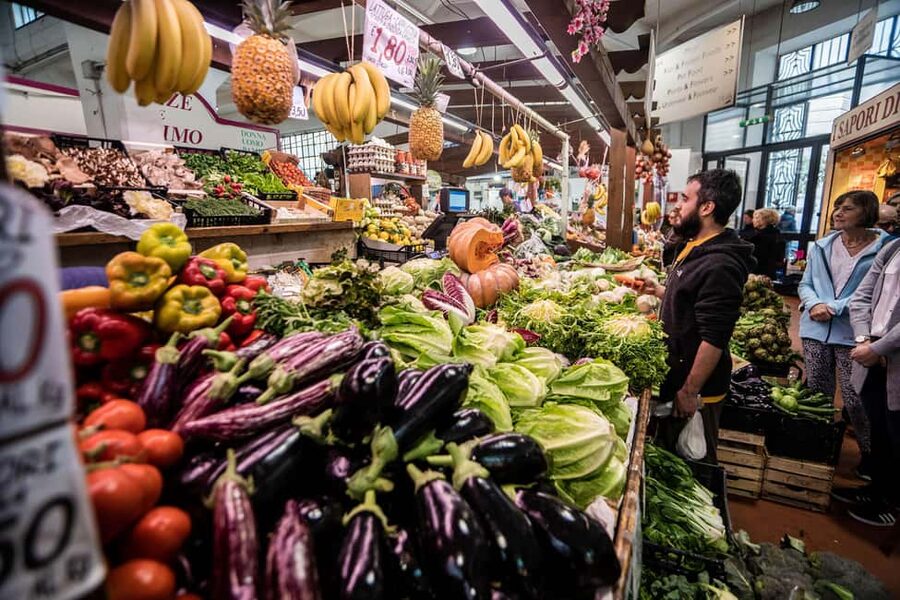
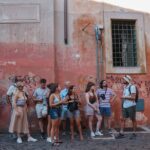
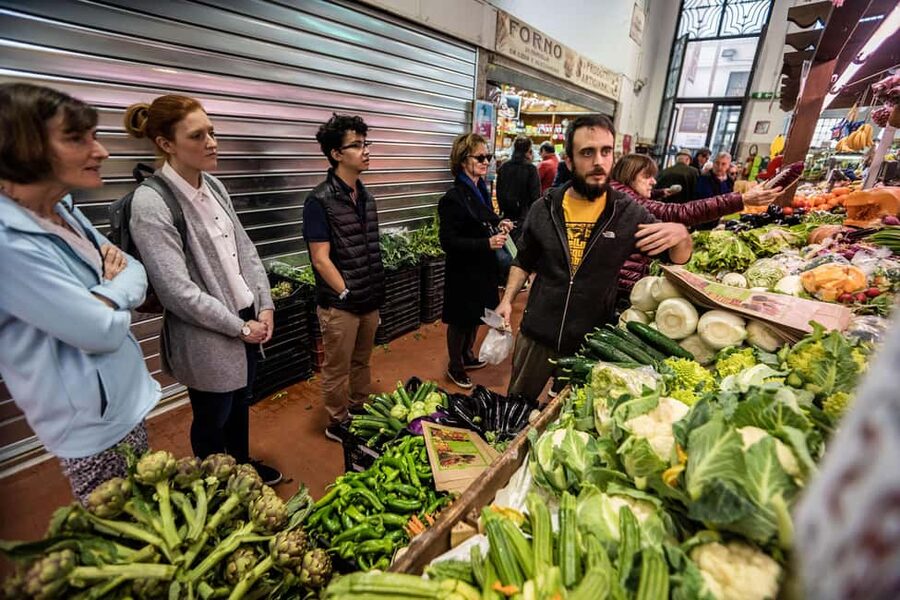
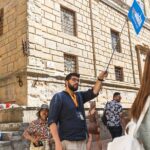
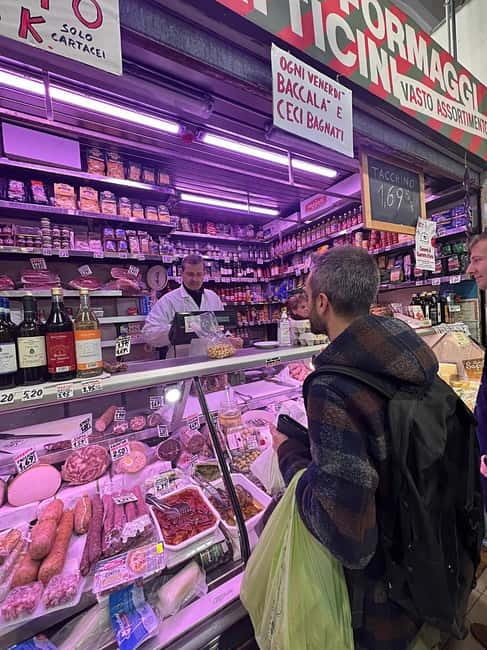
The day starts in a practical place: Via Palestro 51. Then you head out with Marco for a stroll to the Nomentano Market, which you can think of as your ingredient classroom.
This is the part I like most because it makes the cooking lesson feel real. Instead of memorizing recipes, you learn what’s actually worth buying in Rome at the time of year. You’re walking through local shops and spotting fresh produce and other ingredients that match what you’ll cook later.
You also get stories while you walk. The class isn’t just about food facts. Marco shares Italian and Roman context in a way that helps you understand why certain ingredients pair together. One example you’ll hear is how combinations like ricotta, pumpkin, sage, and mushrooms can work beautifully for filled pasta like ravioli. Even if you’ve never made pasta before, that kind of reasoning helps you remember the technique later.
You can also read our reviews of more shopping tours in Rome
A small reality check
A market walk does mean time outdoors on foot. If you’re sensitive to weather or you hate crowds, plan your day with that in mind.
Kitchen of Mamma and Chef Marco: the vibe that makes you cook
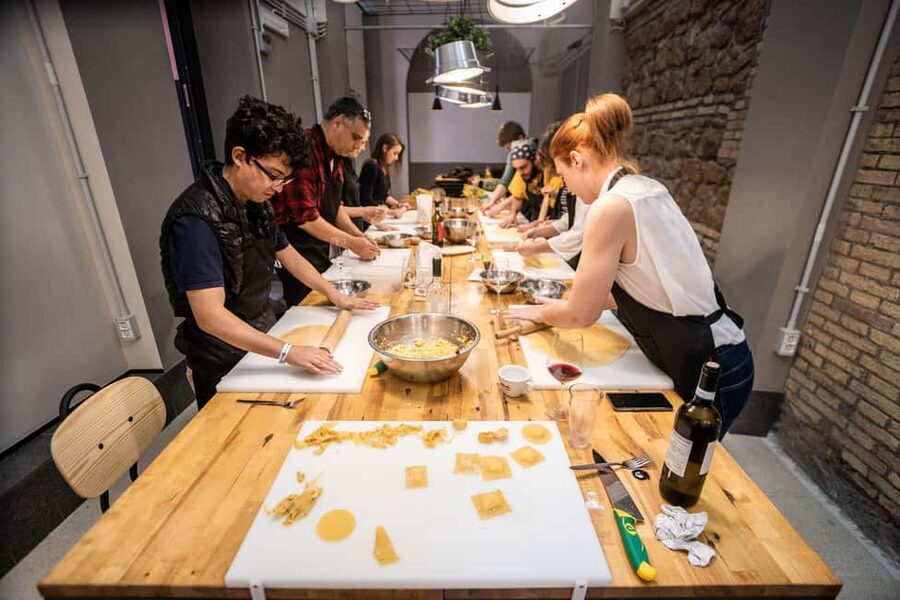
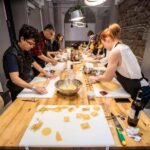
Once you’re back from the market, you move into the kitchen known as Kitchen of Mamma. This is where the class stops being sightseeing and starts being hands-on.
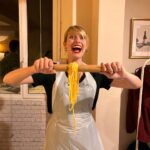
Marco runs the show. He has a teacher’s rhythm: clear instructions, quick corrections, and a relaxed energy that keeps the class from feeling stressful. The strongest part is that you’re not standing around waiting for someone else to do the work. People report getting their own station and utensils, so you actually get your hands into the process.
You’ll also hear the core ideas behind good dough. The class focuses on the secrets behind getting a dough that rolls and shapes well. Even when you don’t know what you’re doing at the start, the pace and coaching make it feel manageable.
Making the dough: what you’ll practice and why it matters
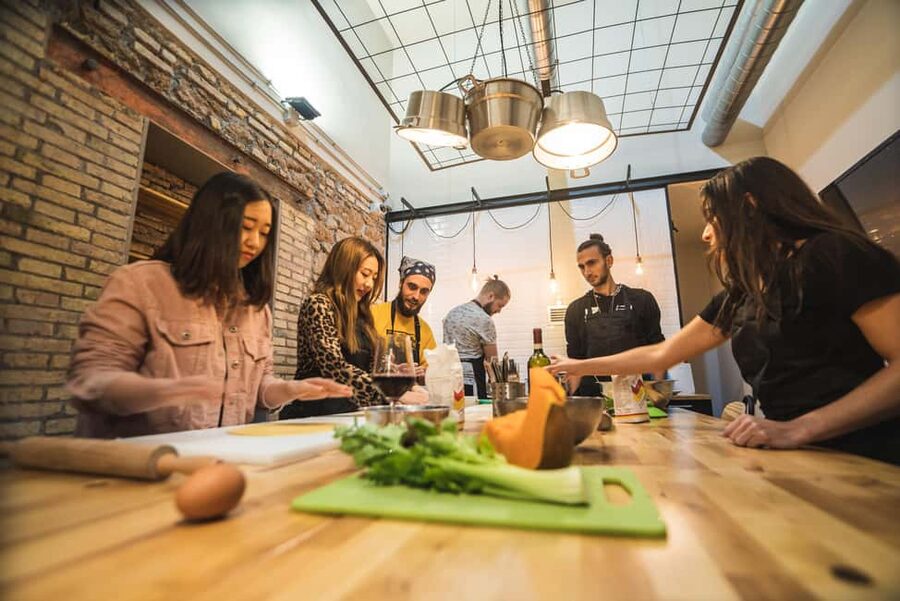
Most pasta classes teach you steps. This one emphasizes the parts that usually trip beginners.
Expect to work through:
- Making the pasta dough from scratch
- Learning how to handle it as it comes together
- Getting guidance as you shape and cut
- Moving from dough to fillings and sauce components
The practical takeaway is this: pasta success isn’t luck. It’s feel plus technique. When Marco checks in and helps you adjust, you learn what the dough should look and feel like as you go.
Also, the class is structured so you’re not only making one thing. That’s important for value. You’re investing time and money in a single day; making only one simple pasta shape would be a wasted chance to learn more of the Italian logic behind filled and flat pasta.
Ravioli, tortellini, and linguine: more than one pasta lesson
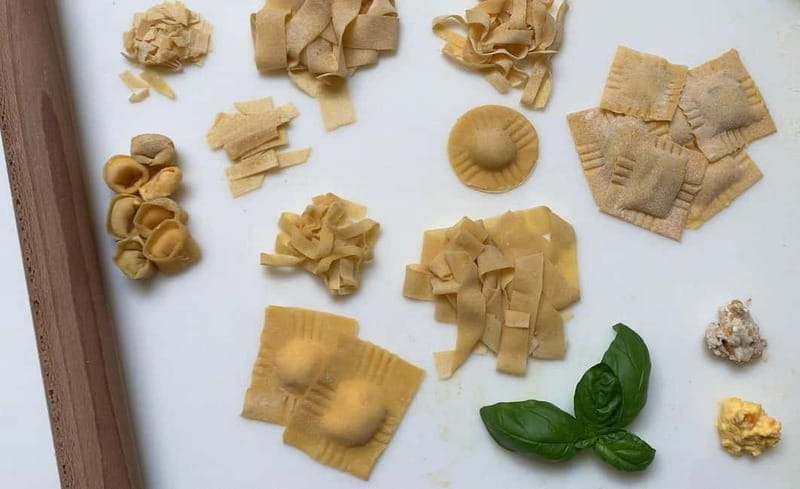
You can expect to make several types of pasta and work through different stages like cutting shapes, preparing fillings, and cooking sauces. Depending on how the class flows, you may see a range that can include shapes such as:
- ravioli
- tortellini
- linguine
One theme that pops up strongly is variety. Some classes in this format focus on spaghetti and call it done. Here, you’re building skills for filled pasta and long-cut pasta styles, which makes your homemade dinner at home feel like an actual Italian meal instead of a repeat of one trick.

Expect guidance during the trickier parts
Filled pasta can be fiddly, especially for the first batch. Marco’s teaching style is built for that. You’ll get support while you learn how to assemble and portion the fillings, and while you shape.
One more note: in many cooking classes, the chef handles some prep so the timing works. That can be the case here too. The upside is that you still do the key steps that teach you how to cook pasta, not just how to eat it.
Sauce and wine time: learning flavor while you eat
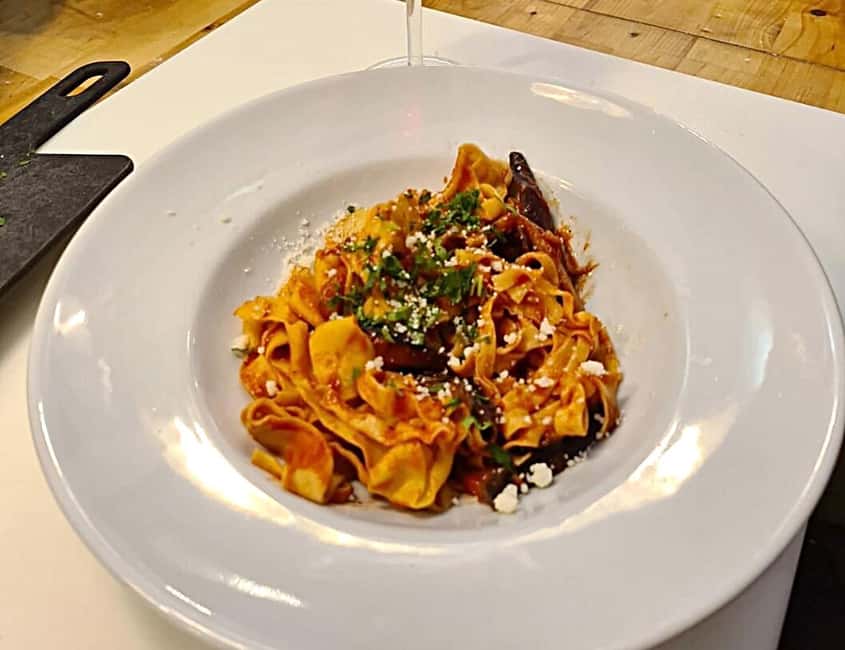
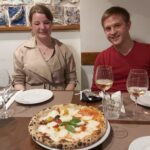
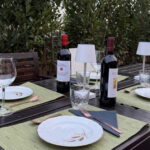
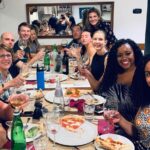
After the hands-on work comes the part you actually booked the class for: eating what you made. Lunch is served with a glass of Italian wine, and the meal is designed to be relaxed, social, and tied to what you cooked.
The sauces matter because they’re where homemade pasta really shines. The class focuses on authentic sauces and the idea of pairing sauce style with pasta shape. You’ll likely make sauces that match the fillings and cuts you worked on, including versions of classic Roman-leaning comfort food like a bolognese-style sauce.
Wine is included with lunch, and you might even be served more than one type of wine during the meal, depending on the class flow. The point isn’t wine tasting perfection. It’s that you’re eating together while Marco keeps the stories going and helps you connect flavors to technique.
Dietary needs: tell Marco early
If you eat with restrictions, this class may still work. Marco has a habit of checking about limits like pork or red meat before cooking. If you’re pregnant, have allergies, or follow a specific diet, communicate it ahead of time so Marco can guide you on what’s safe and what to avoid.
Coffee, limoncello, and taking the lesson home
The day doesn’t end at lunch. You’ll top it off with coffee and limoncello, which is a very Rome way to close the meal. It’s also one of those touches that makes the experience feel complete instead of being a short cooking workshop.
You also leave with tangible takeaways:
- Participation certificate
- Pasta recipes to help you recreate what you learned later
And if you want to plan ahead for your next meal, keep in mind that some chefs in this style will package extras when the group has time. If that matters to you, ask Marco in a friendly way during the class.
Price and timing: is $141.61 a good value?
At $141.61 per person, this is not a cheap afternoon. The real question is whether you’re paying for ingredients and instruction—or just instruction.
Here’s what you’re getting in one go:
- Market walk to the Nomentano Market
- Guided shopping and ingredient discussion
- Hands-on pasta making in a real kitchen
- Lunch you eat on-site
- Wine with lunch
- Coffee and limoncello
- Certificate + recipes to take home
That bundle is where the value comes from. You’re paying for a day trip experience inside the city that includes both the context and the cooking. If you tried to DIY this alone, you’d spend money on ingredients plus a lot of time figuring out technique. Paying for Marco’s coaching is what turns it into a confident learning day.
How long is it, really?
The schedule is listed as 6 hours. In practice, the class pace can feel shorter for some groups. Either way, you’ll want to treat it like a full block in your itinerary. You’re walking, cooking, eating, and then enjoying the final coffee and limoncello.
Who should book this Rome pasta class
This is a great fit if you want:
- A hands-on Rome food experience, not a scripted tasting tour
- A chef-led market walk that explains ingredient choices
- A clear path from dough to finished pasta
- A meal built around what you cooked
It’s also a good choice for couples and friends who want a shared activity with a clear payoff. If you’re traveling solo, you’ll still be cooking at a station and eating together, so it doesn’t have that lonely feeling some classes can have.
The main mismatch is gluten intolerance, since the experience is not suitable for that.
Should you book this pasta cooking class in Rome?
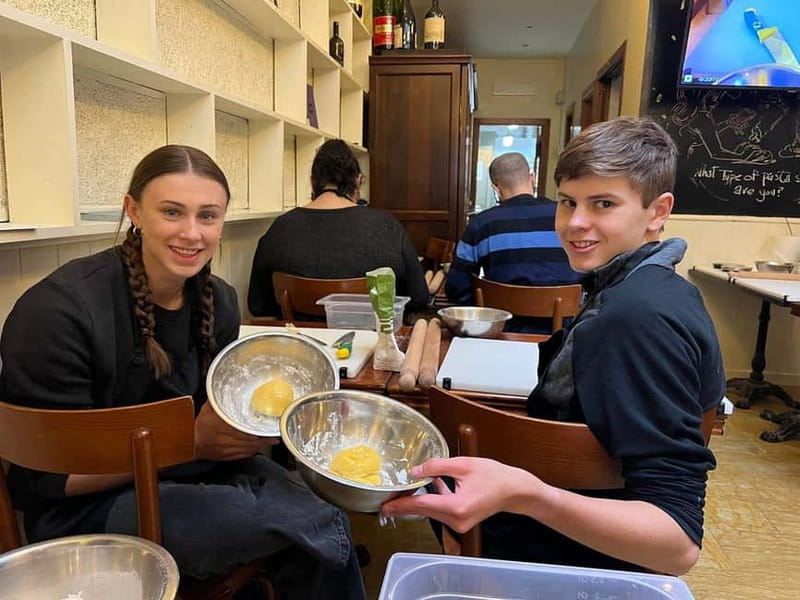
If you want to leave Rome knowing how to make homemade pasta, this class is a strong bet. The market walk gives meaning to the ingredients, and Marco’s teaching turns you from a spectator into the person making the dough.
I’d book it if you’re excited by real technique and you like eating what you cook. Skip it if gluten intolerance is an issue or if you know you can’t handle spending a chunk of the day standing and working in a kitchen.
FAQ
How long is the pasta cooking class?
It lasts about 6 hours. Starting times vary, so check availability.
Where does the experience begin?
You meet at Via Palestro 51, 00185 Rome and should arrive at least 10 minutes early.
Does the class end back at the meeting point?
Yes, it ends back at the meeting point.
Is there a market visit included?
Yes. You’ll join a walking tour to the Nomentano Market to see fresh, seasonal ingredients.
What do you learn to cook?
You learn how to prepare traditional homemade Italian pasta from scratch, including dough, fillings, and sauces.
Is lunch included, and is wine part of it?
Lunch with pasta is included, and you also get a glass of Italian wine.
Is coffee and limoncello included?
Yes. The experience includes coffee and limoncello at the end.
Do I need any prior cooking experience?
No. Previous cooking skills are not required.
Is it suitable for people with gluten intolerance?
No, it is not suitable for people with gluten intolerance.
What languages are offered during the class?
The instructor teaches in English and Italian.
What is the cancellation policy?
Free cancellation is available up to 24 hours in advance for a full refund.