REVIEW · BRATISLAVA
Bratislava: Wine Tasting with Sommelier
Book on GetYourGuide →Operated by E-TRAVEL.SK s.r.o. · Bookable on GetYourGuide
Six Slovak wine regions in one cellar. The Slovak National Collection of Wines turns a simple tasting into a focused look at what Slovak winemaking can do, with an English-speaking sommelier guiding your experience.
I like that the vibe can feel close to private attention, not a big, noisy group. In particular, people have praised sommelier Simon and Peter for clear English and for tailoring the pour to what they enjoy, whether that’s crisp whites or something deeper like red.
One thing to consider: depending on the program you pick, the tasting can move fairly fast, so if you want extra time to slow-sip and compare, you’ll likely be happier choosing the longer option.
In This Review
- Key highlights at a glance
- Inside Apponny Palace: the setting that makes the tasting feel special
- The Slovak National Collection of Wines: what makes it different
- Choosing your program: 3 samples, 5 samples, or up to 72 wines
- How the sommelier-led tasting actually feels (and how to work with it)
- Wine regions in one sitting: what “6 wine-growing areas” means for you
- Practical pacing and the small “gotchas” that matter
- No snacks
- The pace can feel quick in shorter options
- Comfort: standing vs. seating
- Shipping is not available on site
- Ambience
- Who should book this Bratislava wine tasting?
- Should you book it? My practical value verdict
- FAQ
- Where does the wine tasting happen?
- How long is the experience?
- What tasting options are available?
- Is the sommelier available in English?
- Are snacks included?
- Is the Slovak National Collection of Wines open year-round?
- Can bottles be shipped from the venue?
Key highlights at a glance
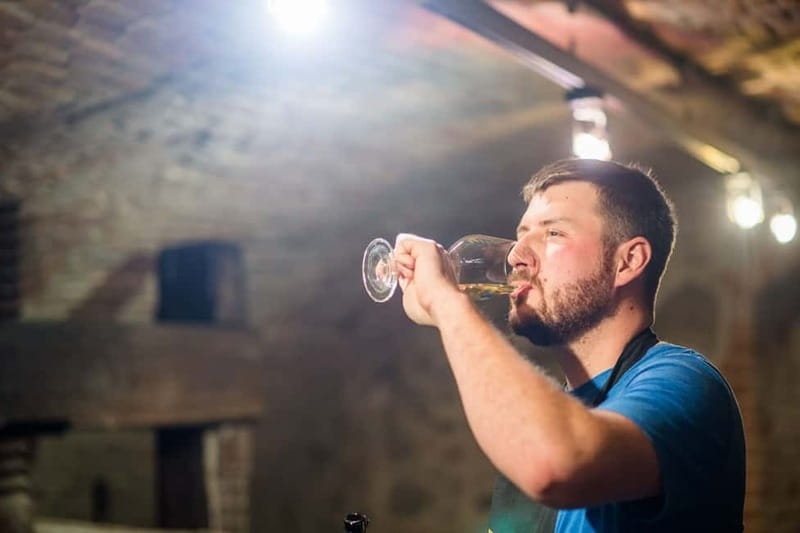
- Historic cellar setting in Apponny Palace: Tastings happen in the Museum of Viticulture and Enology’s cellar space in the city center.
- English sommelier guidance: You get explanations in English, including sensory notes tied to each wine.
- Pick your tasting size: Go for 3 samples, 5 samples, or a longer tasting with up to 72 Slovak wines to choose from.
- Wines across multiple regions: The program is designed so you can taste from 6 Slovak wine-growing areas.
- Generous pours and varied picks: Many people felt the portions were full-sized enough to learn from what you’re tasting.
- Not for snacks: No snacks are included, so plan to eat beforehand.
Inside Apponny Palace: the setting that makes the tasting feel special
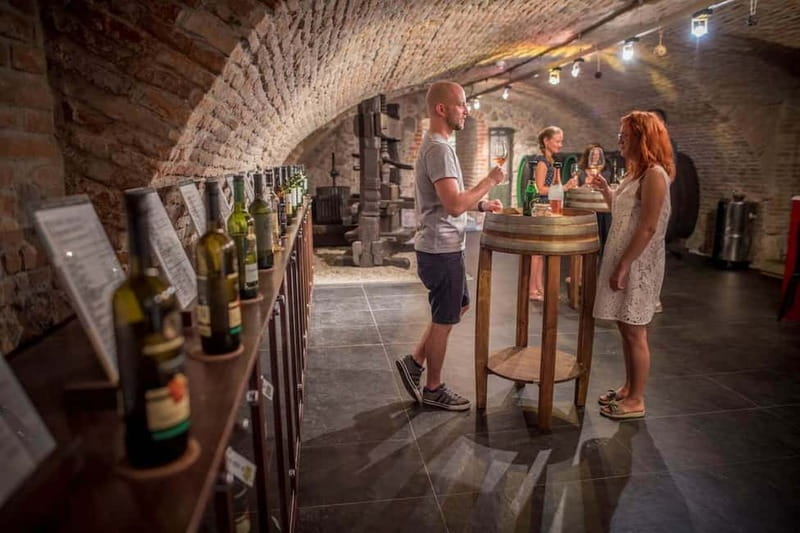
Bratislava has plenty of wine bars, but this experience changes the atmosphere fast because you’re not tasting upstairs in a loud room. You’re in the cellar environment connected to the Museum of Viticulture and Enology inside Apponny Palace, which keeps things cooler and calmer and makes the whole session feel a bit more serious—in a good way.
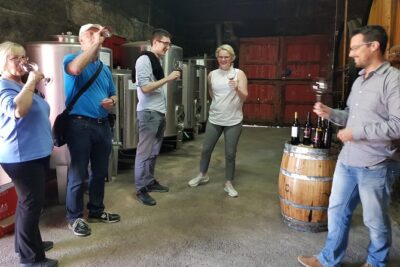
The cellar itself is part of the draw. Even without fancy background music, it’s the kind of space where the smells and textures of wine history show up naturally: stone, barrels, and that underground quiet that makes your attention tighten on the glass. One review also mentioned learning about tunnels and cellar spaces under the city and how these underground areas were used in occupation times, which adds context beyond just wine talk.
Practical tip: since the tasting is in a cellar, you’ll likely want to dress for cooler temps. The venue is historic, and cellars tend to be a little more temperature-stable than the street outside.
You can also read our reviews of more food & drink experiences in Bratislava

The Slovak National Collection of Wines: what makes it different
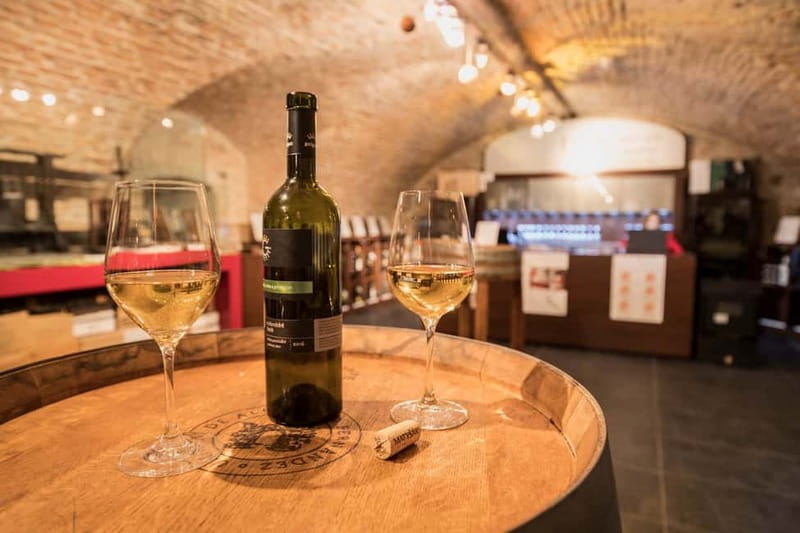
The Slovak National Collection of Wines is unusual in Europe because it’s a large, year-round showcase—an organized way to taste from the country’s best. The collection features the top 100 Slovak wines, selected with input from winemaking professionals (including oenologists, sommeliers, winemakers, and the National Wine Salon of the Slovak Republic).
That matters for you because it turns this from random sampling into a more structured “what should I be paying attention to?” session. When a sommelier can pull from a national collection like this, the wines you taste are more likely to be chosen for quality and variety, not just what’s easiest to grab.
It also explains why people often leave with the feeling that they discovered Slovak wine rather than just tried a few glasses. Slovak wines are not as widely exported as some European heavy-hitters, so having a focused tasting platform like this helps you understand the range in a short time.
Choosing your program: 3 samples, 5 samples, or up to 72 wines
Here’s the key value question: what do you want from your time in Bratislava?
You basically have three paths:
- Short option (3 samples): quicker introduction, good if you want a taster and you’re pairing this with other sightseeing.
- Middle option (5 samples): a more comfortable pace for comparison, especially if you like white + rosé + red variety.
- Complete tasting (up to 72 wines to choose from): the longest route, built for people who want to sample widely and spend real time selecting what to taste next.
Even if the longer option mentions up to 72 wines, you’re not forced to drink them all. The design is set up so that you can taste wines from 6 Slovak wine-growing areas, and how many samples you drink is up to you. That’s a big deal, because it means you can adjust on the fly: want to slow down and focus on one region? You can. Want to taste broadly and get a feel for styles? You can.
Value check for $22 per person:
- If you’re choosing between 3 and 5 samples, the 5-sample option usually gives you a better learning payoff. A couple extra glasses can be the difference between figuring out what you like and just getting a quick impression.
- If you want to truly understand Slovak wine variety, the longer tasting makes sense because it’s designed around wider selection rather than just a fixed set of pours.
Reality note: some people felt the shorter tastings could feel a bit fast, with the session moving through wines quickly. If you hate feeling rushed in a wine context, lean toward the longer program.
How the sommelier-led tasting actually feels (and how to work with it)
This isn’t a self-guided wine room. Tastings are managed by a professional sommelier who talks about each wine using sensory properties and why it’s interesting.
That approach is what many people loved most. Reviews repeatedly mentioned that the sommelier was passionate, friendly, and especially clear in English. Names came up like Simon and Peter, and the general theme was the same: you’re not treated like you’re supposed to “know wine.” Instead, you’re taught how to describe what you’re tasting.
Even better, the sommelier often tailors the lineup based on preferences. If you like lighter whites, they’ll tend to aim there. If you want to start with whites and end with red, they can steer the order. Some people specifically mentioned tasting combinations like 3 whites, plus rosé and red, which shows how flexible the selection can be.
How you can get more out of it (no wine degree required):
- Tell the sommelier what you usually like before the first pour: crisp vs. rounded, dry vs. fruit-forward, and whether you want to try something new.
- Ask what to notice beyond taste. The best sessions explain what changes from glass to glass—acidity, body, aromatics, and style by region.
- If you’re doing the longer program, take breaks in your head. Compare two similar wines back-to-back rather than thinking you have to remember everything.
Small but real: one review said it was not a group setting and felt more private. That usually means the sommelier can respond quickly to your reactions, so speak up. If you dislike a style, say so early and you’ll often get adjusted pours.
Wine regions in one sitting: what “6 wine-growing areas” means for you
The program is designed so you can taste wines from 6 Slovak wine-growing areas. For a first-time Slovak wine experience, that’s a fast way to learn how place affects style.
You don’t need to memorize grape names on day one. What you want is pattern recognition. When you taste from multiple areas, you can start to notice:
- how acidity and freshness change between regions,
- how aromatic intensity can vary,
- and whether a region’s wines tend to feel lighter, more floral, or more structured.
This is where the sommelier guidance becomes practical instead of academic. When the explanations tie a wine to its region and sensory profile, it helps you build a mental map quickly. That’s often why people leave saying they found new favorites they would not have picked on their own.
If you’re someone who usually drinks what you can recognize from labels, this part can help you break out of the habit without feeling lost.
Practical pacing and the small “gotchas” that matter
Most of the experience is smooth, but a few practical details can affect your enjoyment.
No snacks
Snacks are not included. If you’re going straight from sightseeing or you haven’t eaten, you might feel the wine sooner than you planned. I’d suggest eating beforehand so the tasting stays fun rather than feeling like a test.
The pace can feel quick in shorter options
A couple people described the session as rushed, especially when they booked the shorter program. That doesn’t mean the wine isn’t good. It means you may get less time to linger between pours. If you’re the kind of person who likes to swirl, pause, write a mental note, and compare glass to glass, the 5-sample or longer tasting is the safer bet.
Comfort: standing vs. seating
One review said there was a wish for more seating and that standing beside a barrel felt a bit awkward for a while. So if you have low tolerance for standing or you prefer a chair for the full session, consider picking the longer program and expect the cellar environment to be less “sit-down tasting lounge” and more “tasting in a working cellar space.”
Shipping is not available on site
One drawback that popped up clearly: there’s no shipping available on site. If you’re hoping to stock up and mail bottles home, plan a different strategy (carry restrictions and your luggage plan matter).
Ambience
A couple people mentioned they would have enjoyed more ambience, like music. That’s not a dealbreaker because the cellar setting does the heavy lifting, but it’s good to know if you prefer a more staged atmosphere.
Who should book this Bratislava wine tasting?
This activity makes the most sense for you if you want:
- a serious introduction to Slovak wine, not just generic wine drinking,
- a sommelier-led experience in English,
- and a setting that feels distinct from a typical bar.
It’s especially good for:
- Wine curious people who don’t want to feel judged. The sommelier approach is set up to explain sensory notes in a way that makes learning feel natural.
- People who like variety across a few glasses. The 3- and 5-sample programs can give you a quick map; the longer one can go broader.
- Anyone who likes a calmer, more focused session. The private attention theme shows up again and again.
It may be less ideal if you:
- strongly prefer seated comfort and slow, unhurried tasting time,
- need snacks provided during the tour,
- or plan to buy wine and ship it directly from the venue.
Should you book it? My practical value verdict
For $22 per person, this Bratislava wine tasting looks like a strong value because it includes the one thing that usually costs extra elsewhere: an English-speaking sommelier guiding what you taste. And the venue—cellar tasting at the Museum of Viticulture and Enology in Apponny Palace—helps justify the price because it’s not a basic storefront setup.
If your goal is to understand Slovak wine beyond a first impression, I’d lean toward the 5-sample or longer tasting option. That’s where you get enough time to compare and enough guidance to remember what you learned.
My bottom-line advice:
- Book it if you’re excited to meet a sommelier, taste across multiple styles, and learn what makes Slovak wine different.
- Skip it or choose a shorter format if you want only a quick taste before dinner and you’re okay with a faster pace.
- Don’t count on snacks or shipping on site, so plan around that.
If you’re doing just one wine-focused thing in Bratislava, this is one of the most efficient ways to do it without wasting time guessing which bottles are worth your money.
FAQ
Where does the wine tasting happen?
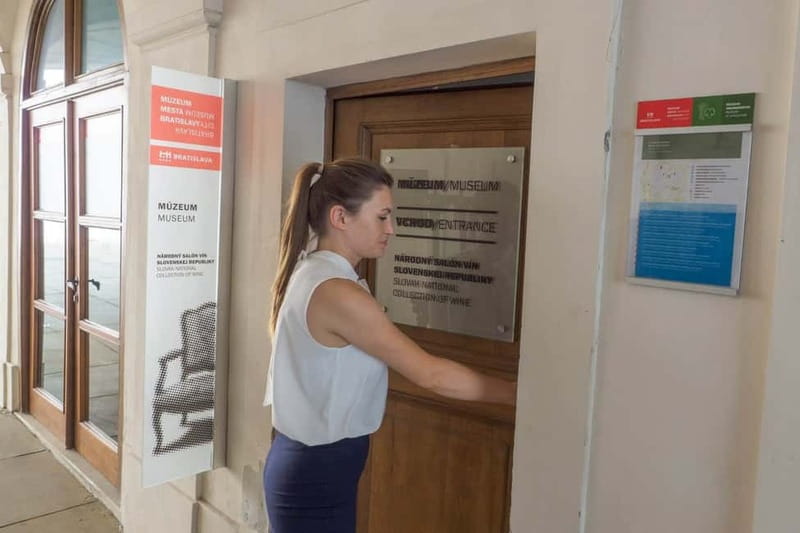
It takes place in the historic cellar area of the Museum of Viticulture and Enology in Apponny Palace, in Bratislava city center, at the Slovak National Collection of Wines.
How long is the experience?
The duration ranges from about 30 to 100 minutes, depending on which tasting program you choose.
What tasting options are available?
You can choose a program with 3 wine samples, 5 wine samples, or a complete tasting with up to 72 Slovak wines to choose from.
Is the sommelier available in English?
Yes. The tasting is hosted by an English-speaking sommelier.
Are snacks included?
No. Snacks are not included.
Is the Slovak National Collection of Wines open year-round?
Yes. It is open all year round.
Can bottles be shipped from the venue?
Shipping is not available on site.