REVIEW · ROME
Rome: Pizza & Tiramisu Class with Free Flowing Fine Wine
Book on GetYourGuide →Operated by The Roman Food Tour · Bookable on GetYourGuide
Wine, dough, and an ancient oven in Trastevere. This hands-on pizza-making class takes you into a real Roman kitchen at La Panetteria, where a wood-fired oven does the heavy lifting and the evening ends with homemade dessert.
I especially like the start-from-scratch focus: you work the dough with a chef and learn the mozzatura cutting technique that dates back around 600 years. I also like that the meal comes with wine and soft drinks throughout, so your homemade pizza and tiramisu feel like dinner—not just a cooking demo. One possible drawback: it’s active cooking for about 3 hours, so if you want a low-effort, sit-and-watch experience, this probably won’t feel like that.
In This Review
- Key highlights you’ll actually care about
- A wood-fired oven makes this feel like real Rome
- The dough stage: where your pizza skills begin
- Shaping pizza like a Roman, not like a tourist
- Baking to golden brown in an ancient-style oven
- Tiramisu lessons that end in a real finish
- Free-flowing wine and soft drinks: value check
- Your instructor is the product
- Who should book this class in Rome
- Price and meeting point: simple to plan
- Should you book this Rome Pizza & Tiramisu class?
- FAQ
- How long is the Rome Pizza & Tiramisu class?
- What is the meeting point for the class?
- Is wine included?
- Do I make pizza, tiramisu, or both?
- What language is the guide?
- Can I get a refund if my plans change?
- Is there a pay-later option?
Key highlights you’ll actually care about
- Roman dough from scratch with hands-on guidance and practical technique
- Moazzatura dough cutting (the ~600-year-old method) explained as you do it
- Wood-fired baking until your pizza is golden and properly set
- Tiramisu taught like a family recipe with history mixed in
- Free-flowing wine and soft drinks while you eat what you made
- Engaging English-speaking instructors (names like Julia, Mia, Monica, Lucy, and Irene show up again and again)
A wood-fired oven makes this feel like real Rome
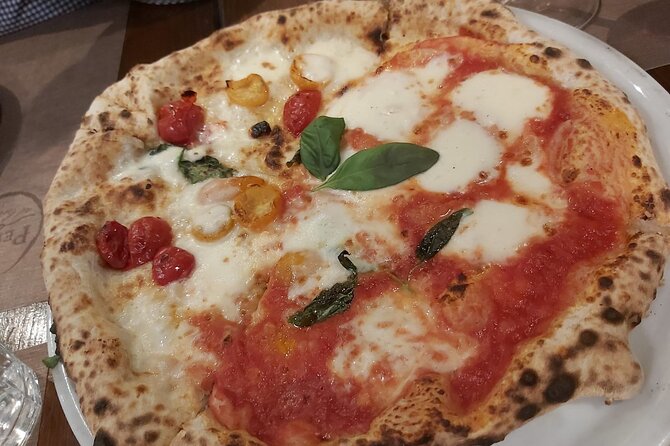
Rome has plenty of pizza. But the difference here is the process and the heat source. You’re not just ordering a pie—you’re learning how Roman pizza dough behaves and then baking it in a restaurant oven known for Trastevere’s oldest wood-fired setup.
That matters because wood-fired ovens change the whole texture story. You get a crust that can blister and crisp without turning into cardboard, and the toppings stay closer to their natural flavor. Even if you’ve cooked before, baking in this style teaches you what the dough was designed to handle.
You can also read our reviews of more wine tours in Rome


The dough stage: where your pizza skills begin
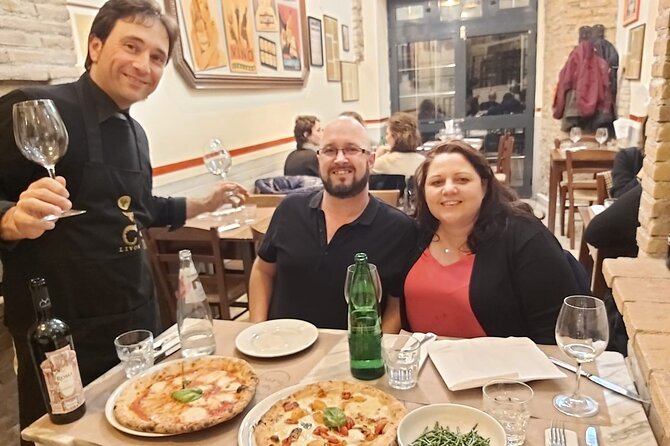
This class starts with the simple stuff: getting an apron on and making dough from scratch. Your chef leads you step by step, and the key is that you learn the method, not just the outcome. You’ll work the ingredients, feel the dough change, and get feedback as you knead and handle it.
The most memorable technical moment is the mozzatura technique. It’s a traditional way of cutting the dough, and the class connects it to history and texture. Instead of forcing the dough into shape the wrong way, the method helps keep the dough’s structure happier for shaping and baking.
What I like for you here is that you’re learning a repeatable workflow. When you go home, you won’t only remember the word Margherita. You’ll remember how dough should look and feel after mixing, kneading, and resting.
Shaping pizza like a Roman, not like a tourist
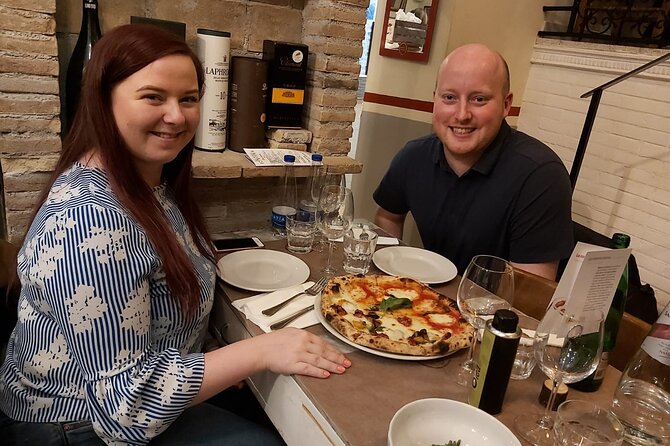
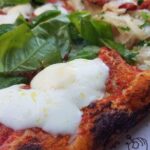
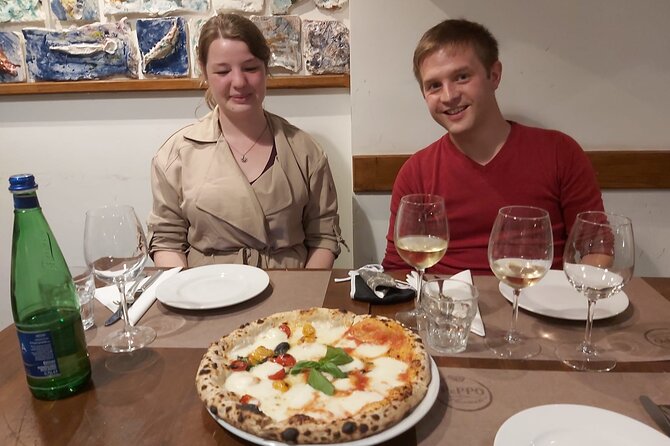
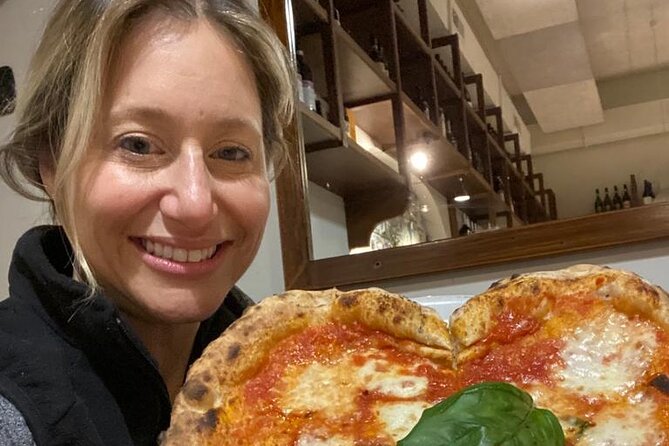
Once your dough is ready, you shape the pizza, add sauce, and choose toppings. The class centers on the classic Margherita as the anchor, but you’re not treated like you’re stuck with one boring option. Many people highlight that they could pick toppings, which makes the final pizza feel personal.
This is where good instruction pays off. Roman pizza isn’t just about dumping cheese on dough. The way you spread sauce, the thickness of dough edges, and the balance of toppings all affect bake quality. You’ll get guidance on what matters so you’re not guessing.
And because you’re doing it together, you learn by correcting mistakes in real time. That’s a lot better than watching a video and hoping your kitchen behaves like Rome’s.
Baking to golden brown in an ancient-style oven
When it’s time to bake, you’re aiming for that golden-brown finish that says the crust is set and the cheese is melted properly. The class uses the ancient wood-fired oven approach, so your pizza picks up the benefits of high heat and quick baking.
Here’s the practical part: don’t fight the timing. Wood-fired baking moves fast. If you overthink, the pizza can go from perfect to too done. The chef’s guidance helps you understand the pace so you can trust the process.
By the time your pizza comes out, you’re not waiting for it to be ordered. You’re actually waiting for the moment your efforts turn into dinner.
Tiramisu lessons that end in a real finish
This isn’t a pizza-only class. You also make tiramisu as part of the same experience, and the teaching style feels rooted in a family recipe approach. People specifically mention instructors teaching a nonna-style method, plus the idea that dessert has its own story and rules.
If you love Italian food, this part is a smart pairing. Pizza teaches dough handling and heat. Tiramisu teaches technique that’s different: layering, texture, and flavor balance. Done well, it gives you that creamy, coffee-kissed finish that makes the whole night feel complete.
Also, instructors often sprinkle in helpful context about both pizza and tiramisu. That little extra makes the class more than a meal. You leave knowing why things are done the way they are.
A few more Rome tours and experiences worth a look


Free-flowing wine and soft drinks: value check
The class includes wine and soft drinks throughout, and that’s a big part of why the price feels fair. At $50.39 per person, you’re not only paying for cooking instruction—you’re also getting the drinks that normally add up fast if you add them on after.
The “fine wine” angle shows up in how people describe the experience, with repeated praise for drinks staying topped up during the meal. One review even mentions draft beers as part of the included drinks, so you might see a mix depending on what’s being served that night.
One caution: if you’re sensitive to alcohol or you’re planning an early departure, keep your pace in mind. The point isn’t to turn it into a party. It’s to make the meal feel like a proper Roman night out while you cook and eat.
Your instructor is the product
A hands-on class rises and falls on the teacher. Here, the names that show up repeatedly—Julia, Mia, Monica, Lucy (Lucero), and Irene—are praised for personality and teaching style. People talk about humor, warmth, and instructors who explain not just what to do, but why it works.
You’ll also notice a pattern: hosts are patient with kneading and shaping, and they make the group feel comfortable right away. Several comments mention that instruction felt personal, like a quieter corner of the restaurant helped people focus. If you’re hoping for a class that doesn’t feel rushed or awkward, that track record is a strong sign.
And yes, some guides send recipes after the class. That turns the experience into something you can actually repeat at home, not just a fun memory.
Who should book this class in Rome
This works well if you want:
- A hands-on Rome food experience, not just another restaurant meal
- Something social for couples and groups, with shared cooking steps
- A guided activity that mixes practical technique with history and stories
It’s also a solid option for families. One review notes doing it with a young kid and feeling welcomed and supported, which tells me the pace and approach can handle different comfort levels.
If you’re someone who hates cooking hands-on, or you prefer long sightseeing walks with no kitchen time, you might find the “apron-on” format tiring. Also, because drinks are included throughout, it’s best for people comfortable with a relaxed dinner pace.
Price and meeting point: simple to plan
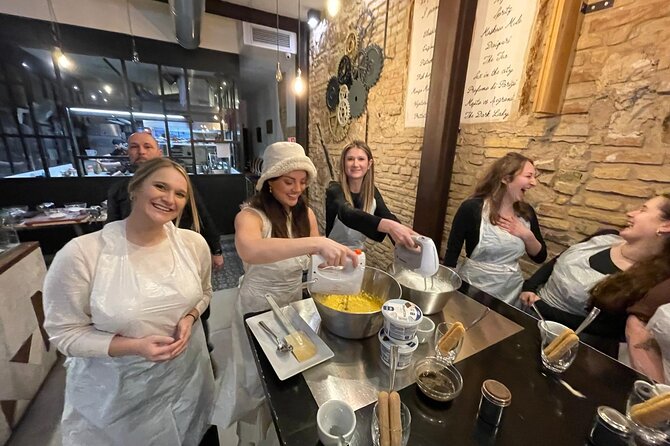
At $50.39 per person for a roughly 3-hour experience, you’re paying for several things at once: guided dough work, Roman pizza baking in a wood-fired oven, tiramisu instruction, and wine plus soft drinks throughout.
You meet at La Panetteria Restaurant, Via della Panetteria 13a/14, 00187 Roma RM, Italy. The activity ends back at the meeting point, so you’re not forced into a complicated commute afterward.
Timing-wise, it’s worth picking a slot that matches your appetite. If you plan the rest of your evening badly, you can end up full for every other plan. The upside: you’ll eat what you make, hot and fresh.
Should you book this Rome Pizza & Tiramisu class?
I’d book it if you want a genuine Rome food moment where you learn something real and then eat the proof. The combination of Roman dough technique, wood-fired baking, and a tiramisu finish makes it feel like you’re doing two parts of Italian cooking, not just one.
I’d think twice only if you’re aiming for a low-effort activity or you don’t want alcohol included with dinner. Otherwise, for the price, the value is strong because instruction and drinks are both built into the experience—not tacked on later.
If you do book it, pick a time when you can stay present. This kind of class gets better the more you focus on the dough in your hands and the chef’s cues.
FAQ
How long is the Rome Pizza & Tiramisu class?
The experience runs for 3 hours. Starting times vary, so you’ll want to check availability when you book.
What is the meeting point for the class?
You meet inside La Panetteria Restaurant at Via della Panetteria, 13a/14, 00187 Roma RM, Italy. The experience ends back at the same meeting point.
Is wine included?
Yes. Wine and soft drinks are offered throughout the meal.
Do I make pizza, tiramisu, or both?
You’ll take part in a pizza-making workshop and the experience also includes tiramisu, with instruction and then eating what you made.
What language is the guide?
The live tour guide is available in English.
Can I get a refund if my plans change?
Yes. Free cancellation is available up to 24 hours in advance for a full refund.
Is there a pay-later option?
Yes. You can reserve now and pay later, so you don’t pay anything today.