REVIEW · ROME
Rome: Pizza & Tiramisu Class with Free Flowing Fine Wine
Book on GetYourGuide →Operated by The Roman Food Tour · Bookable on GetYourGuide
Fresh pizza lessons feel like Rome’s best secret. You roll up your sleeves for dough from scratch and finish by enjoying what you made with free-flowing fine wine. The one thing to plan around: this is built on a classic recipe that includes gluten, dairy, and eggs, so it is not a fit if you have gluten or lactose intolerance or you need a vegan menu.
This class runs in a real Roman restaurant setting near Trevi, not a separate tourist kitchen. You learn the step-by-step why behind pizza dough and tiramisu, then you bake your Margherita in a wood-fired oven for that right, crisp-gold crust. Expect a lively room and a relaxed pace, but also keep your expectations realistic: it’s a workshop, so you’ll be hands-on more than you’ll be watching.
I like this format because it’s the kind of food experience you can repeat at home. You get taught traditional methods, including the old-school mozzatura dough-cutting technique mentioned in the class. And you’ll leave with skills you can actually use next time you want pizza night to taste like Italy.
In This Review
- Key points I’d circle on your Rome calendar
- Why this pizza and tiramisu class feels like real Rome
- Getting to La Panetteria Restaurant near Trevi (and what to do first)
- The heart of pizza: dough from scratch and the mozzatura method
- Shaping your Margherita and understanding the ingredient choices
- Wood-fired baking: getting that golden crust without panic
- Tiramisu time: the cream steps that make it set
- The meal finish: wine, soft drinks, and eating what you made
- Price and value: is $45 a fair deal in central Rome?
- Who this class is best for (and who should skip it)
- Practical tips to make your three hours smoother
- Should you book this Rome pizza and tiramisu class?
- FAQ
- Where is the meeting point?
- How long is the class?
- What is included with the ticket?
- Is it suitable for vegans or people with gluten/lactose intolerance?
- Is there dietary support available if I have preferences?
- What is the cancellation policy?
Key points I’d circle on your Rome calendar
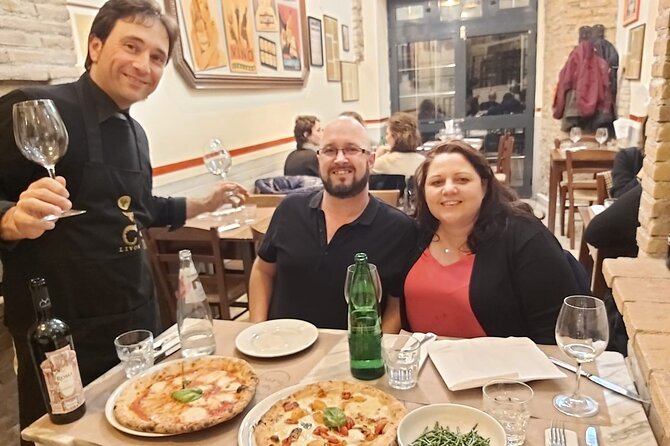
- 600-year-old mozzatura technique for portioning and handling dough
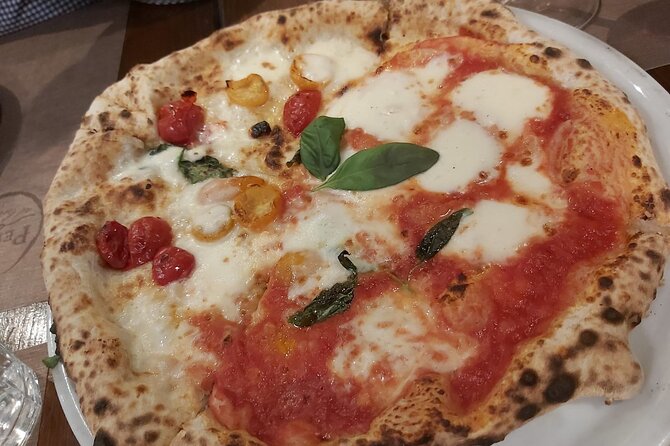
- Wood-fired oven baking for a golden crust on your Margherita
- Classic tiramisu focus, including the cream steps that matter
- Free-flowing wine and soft drinks during the meal portion
- Central location near Trevi inside La Panetteria Restaurant (Via della Panetteria)
Why this pizza and tiramisu class feels like real Rome
Rome is full of food you can buy fast. This class is different: it teaches you how cooks think and work. You’re not just tasting; you’re making.
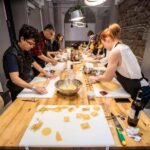
The big win is the hands-on structure. You’ll mix, shape, top, and bake, then you’ll turn to tiramisu so you end with two classics that are all about technique. The wine and soft drinks are there to keep the mood easy while you work.
The best part, in my view, is that the class stays practical. You learn what to do, and you also learn what to watch for, so your pizza and dessert stop being a mystery when you try again at home.
You can also read our reviews of more wine tours in Rome


Getting to La Panetteria Restaurant near Trevi (and what to do first)
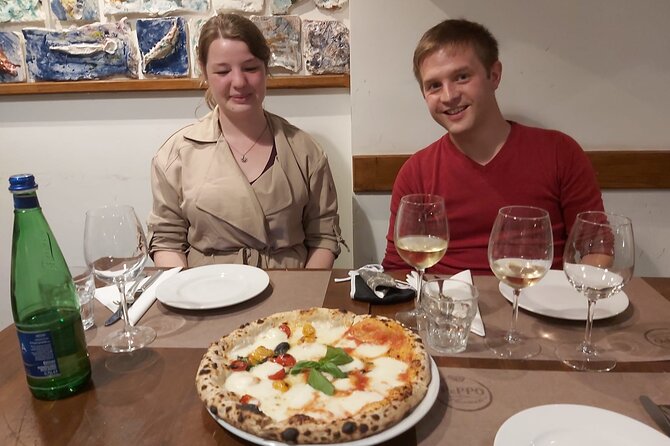
You meet inside La Panetteria Restaurant at Via della Panetteria, 13a/14, 00187 Roma RM. Plan to arrive 5 to 10 minutes early so you can settle in before the apron-up moment.
Once you’re inside, the vibe is the helpful, social kind you want on a short trip. English-speaking instruction means you can ask questions without guessing. And since many people are in the room together, you’ll often get that “food friends” energy, including couples and small groups.
Tip: wear something you won’t stress about. Dough work can be messy, and tiramisu mixing can splash if you’re moving too fast with the bowl.
The heart of pizza: dough from scratch and the mozzatura method
Pizza dough is where the class earns its keep. You start with ingredients and hands-on mixing, then you learn how the dough should feel as you work it.
One of the standout teaching points is the mozzatura technique for cutting the dough. Instead of just slicing the way you might at home, the class teaches the older method that keeps the dough handled in a way that supports its texture. You’re learning a workflow cooks use, not just a recipe list.
As you work, you’ll hear why quality matters. Better flour and better ingredients affect flavor, but they also affect dough behavior while you knead and shape. That’s the lesson you’ll appreciate later when you try your own dough and notice what changes.
You’ll also see how the instructor manages the timing. Dough needs attention and rest, and the class format helps keep you from rushing the steps that can ruin structure.
Shaping your Margherita and understanding the ingredient choices
After the dough stage, you shift to building the pizza. You’ll learn how to shape, how to add sauce, and how to think about toppings without overdoing it.
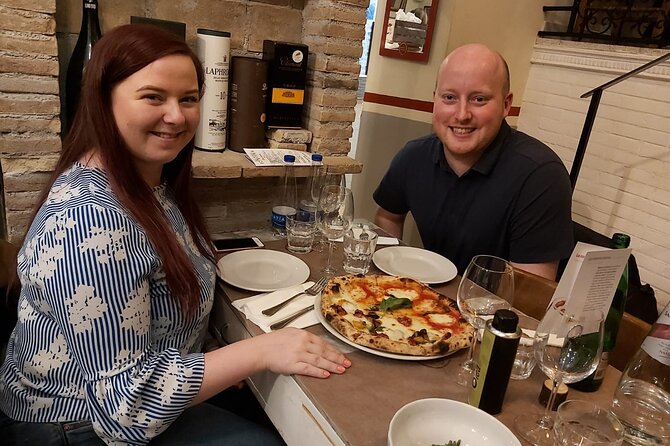
Margherita is a smart choice for a workshop. It’s simple, which means technique shows up fast. If your sauce is off, you’ll feel it. If your dough isn’t stretched right, you’ll see it. If the bake is too short, the crust won’t develop.
A practical detail: you’re not just told what to put on. You learn the benefits of using quality ingredients, and that changes how you look at pizza when you’re ordering in Rome after the class. You start thinking in terms of balance, not just flavor.
Also, since you’re working in a group, you’ll get small “watch and compare” moments. Someone else’s dough handling can make your next stretch easier, even if you don’t realize it in the moment.
Wood-fired baking: getting that golden crust without panic
Then comes the oven. Your pizza bakes in an ancient wood-fired oven, and that matters for two reasons: heat behaves differently, and the result tastes different.
You’ll be taught how to time the bake so the crust hits that golden-brown zone. The class doesn’t want you guessing, because that’s how home bakes often go wrong. In this format, you learn the target outcome and the cues to look for while it cooks.
This is also where you see the payoff of the dough lesson. A dough handled well will puff and blister in the right places. A dough handled too roughly tends to bake flatter or tougher.
In short: the oven is the final teacher. Even if you’ve made pizza before, you’ll likely pick up one new cue for your next bake.
A few more Rome tours and experiences worth a look


Tiramisu time: the cream steps that make it set
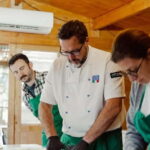
Tiramisu is part of the class, and the best versions come down to one thing: the cream method. You’ll mix and assemble, then follow steps that affect texture and how well the dessert holds.
In the room, the instructors often emphasize proportions and the feel of the mixture. Some hosts explain what the cream should look like as you go, which helps you correct early instead of staring at a bowl that suddenly goes wrong.
You’ll learn how the different components work together: the sweetness, the structure, and how the dessert comes out when it’s ready to serve. And because you’re making it yourself, you can taste the difference between just following a list and understanding what each step is trying to achieve.
If pizza is about crust and structure, tiramisu is about softness and balance. Getting both in one sitting is why this class is a strong two-for-one.
The meal finish: wine, soft drinks, and eating what you made
The class ends with you eating your homemade pizza and enjoying your tiramisu. This isn’t a tiny sample plate either. You should plan for a real meal that includes dessert.
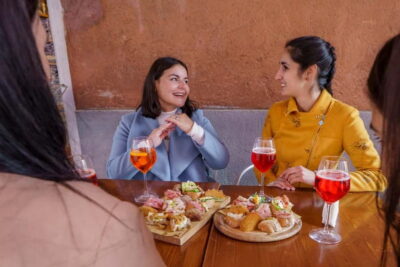
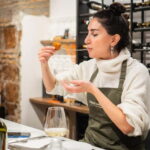
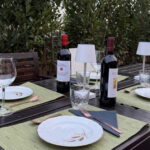
A big draw is the fine wine that flows throughout, paired with soft drinks during the experience. It keeps the mood relaxed, and it also makes sense for a workshop that lasts about three hours. You’re working hard, then you get to enjoy the results together.
One more reason this works well in Rome: after hours of monuments, a food-focused evening helps your trip feel human. You get to talk, laugh, and compare what you learned without needing to navigate crowds or lines.
Price and value: is $45 a fair deal in central Rome?
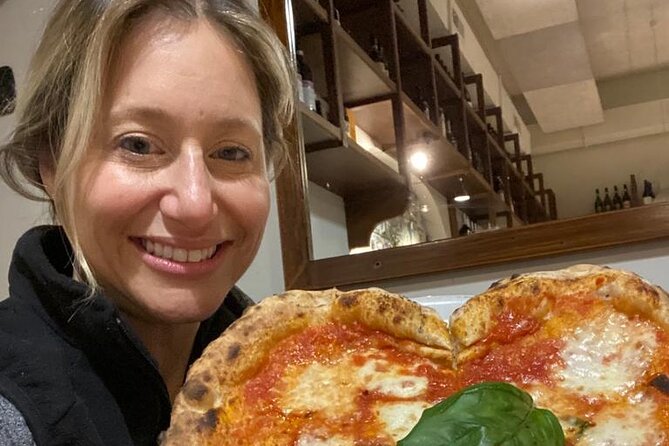
At $45 per person for a three-hour, hands-on pizza and tiramisu class, the value is strongest because you’re not paying just for food. You’re paying for instruction, ingredients, and the use of a wood-fired oven in a Roman restaurant setting near Trevi.
Here’s how I think about the cost:
- Ingredients alone can add up fast if you try to recreate everything at home with good components.
- Professional guidance saves time and avoids the most common mistakes, especially for dough technique and tiramisu cream.
- You also get included wine and soft drinks, which would be an extra cost if you were doing this as a normal restaurant dinner.
Is it expensive compared with a simple slice? Yes. Is it reasonable compared with a guided, hands-on workshop that includes baking and dessert instruction? I think so.
If you want to leave Rome with practical cooking skills, this price is easier to justify.
Who this class is best for (and who should skip it)
This works great for beginners who want clear steps and a supportive pace. It also suits experienced home cooks who want an Italian technique refresher, especially around dough handling and baking cues.
It’s also a good choice for couples and small groups. The class tends to create a social rhythm, and many people end up chatting with other participants while they cook.
Main caution: it is not suitable for vegans, and it is not for people with gluten intolerance or lactose intolerance. The class mentions substitutes for allergies or preferences, but the traditional recipe contains gluten, dairy, and eggs, and cross-contamination can’t be guaranteed. If you fall into those categories, you’ll need to check details carefully with the provider before booking.
Practical tips to make your three hours smoother
- Bring a good attitude for hands-on work. Pizza dough needs your attention, and speed is less important than steadiness.
- Ask questions when you’re confused. The instructors (with English support) are there to correct technique, not just explain theory.
- If you’re sensitive to timing, pace yourself during dough and dessert mixing so you don’t feel rushed.
Also, give yourself the small buffer time to find the restaurant and get seated. Being early helps you start relaxed, and it makes the rest of the class feel easier.
Finally, if you care about recreating this at home, pay attention to the cues the instructor gives. Those cues are what turn recipes into results.
Should you book this Rome pizza and tiramisu class?
If you want a food experience that’s practical, fun, and rooted in how Italians actually cook, I’d book it. The combination of dough technique, wood-fired baking, and a real tiramisu build gives you more than one evening activity. Plus, the central location near Trevi makes it easy to slot into your Rome days.
I’d skip it only if your dietary needs are a hard mismatch. With the class centered on a traditional recipe that includes gluten, dairy, and eggs, the wrong restrictions can take the experience away from you.
If you’re flexible, hungry, and ready to get a little flour on your hands, this is one of the most satisfying ways to spend a few hours in Rome.
FAQ
Where is the meeting point?
You meet inside La Panetteria Restaurant at Via della Panetteria, 13a/14, 00187 Roma RM, Italy.
How long is the class?
The experience lasts 3 hours.
What is included with the ticket?
It includes the chef and guide, ingredients, and wine and soft drinks.
Is it suitable for vegans or people with gluten/lactose intolerance?
No. It’s not suitable for vegans, and it’s not suitable for people with gluten intolerance or lactose intolerance. The class also notes that the traditional recipe contains gluten, dairy, and eggs and cross-contamination can’t be guaranteed.
Is there dietary support available if I have preferences?
Dietary options are listed as available, and substitutes are offered for allergies or food preferences. However, you should tell the activity provider your needs when booking, and understand the class focuses on the traditional recipe.
What is the cancellation policy?
Free cancellation is available up to 24 hours in advance for a full refund.