REVIEW · ROME
Rome: Hands-On Pasta & Tiramisu Class with Unlimited Wine
Book on GetYourGuide →Operated by Crown Tours · Bookable on GetYourGuide
Fresh pasta in Rome feels like a cheat code. This 3-in-1 class has you making fresh fettuccine, shaping stuffed ravioli, and building tiramisu from scratch, all in one 3–3.5 hour sitting with bottomless Italian wine. I love that it is truly hands-on from the first dough mix to the final cocoa dusting, not a sit-and-watch show.
My other big win is the teaching style and pacing. Chefs such as Max, Marco, Jacopo, Alessandro, and Zori (depending on the session) keep things friendly and focused, with lots of personal guidance in an intimate small-group setup. One drawback to weigh: the class is not recommended for celiac disease, and it may involve traces of gluten and nuts, so it is not a fit for severe gluten or nut allergies.
In This Review
- Key things I’d circle before you book
- Why This Rome Pasta + Tiramisu Class Feels Like Good Value
- Getting to the Kitchen and Settling In Fast
- Mixing and Kneading Fresh Fettuccine Dough (The Part You’ll Remember)
- Stuffing Ravioli and Shaping Small Pockets of Flavor
- Tiramisu Assembly: Espresso, Mascarpone, and Cocoa
- Eating What You Made, With Bottomless Wine
- What You Take Home: Recipes You’ll Use
- Who This Class Is Best For (And Who Should Skip)
- The Real Deal on Time: 3 to 3.5 Hours, Not a Half-Day Commitment
- Quick Practical Tips Before You Go
- Should You Book This Rome Pasta and Tiramisu Class?
- FAQ
- How long is the Rome pasta and tiramisu class?
- What dishes will I learn to make?
- Is wine included, and is it unlimited?
- Do they provide snacks during the class?
- Is this class gluten-free or suitable for celiac disease?
- Do I get recipes to take home?
Key things I’d circle before you book
- Three dishes, one session: fresh fettuccine, stuffed ravioli, and classic tiramisu
- Real hands-on pasta work: mix dough by hand, knead, roll, and shape
- Chef-led control of timing: guidance for getting pasta cooked correctly and tiramisu layered right
- Unlimited Italian wine while you eat: you cook, then relax with the meal you made
- Small-group feel: intimate class size that keeps you in the action
- Take-home recipe booklet: practical steps to repeat the flavors at home
Why This Rome Pasta + Tiramisu Class Feels Like Good Value
At $112.15 per person for 3 to 3.5 hours, this class is priced more like a fun cooking night than a quick food stop. The value is that you get three full dishes out of it, plus free-flowing Italian wine, coffee/nonalcoholic drinks, snacks during cooking, and a recipe booklet you can actually use later.
You’re also paying for instruction. You’re not just tasting Rome. You’re learning the mechanics of dough, the logic of stuffing and shaping ravioli, and the assembly order that makes tiramisu taste right (espresso, mascarpone, then cocoa).
If you like the idea of leaving Rome with confidence in your own kitchen, this is one of those experiences that tends to stick.
You can also read our reviews of more wine tours in Rome


Getting to the Kitchen and Settling In Fast
The meeting point can vary by option, and the class ends back at the same place. Most sessions run in a kitchen space that feels close to central sights like the Colosseum area, which is handy when you’re trying to build a day that doesn’t require complicated transport.
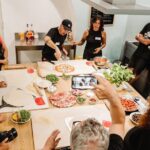
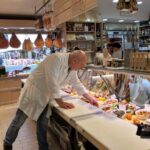
When you arrive, you’ll be greeted by the smell of fresh ingredients. From there, the chef sets the tone and introduces what you’ll do and how you’ll do it. Expect a kitchen setup designed for hands-on cooking, plus an English-speaking instructor.
One small but important detail: the experience is built to handle both beginners and people who cook already. The pace is the kind that keeps you from freezing up when you’re dealing with dough for the first time.
Mixing and Kneading Fresh Fettuccine Dough (The Part You’ll Remember)
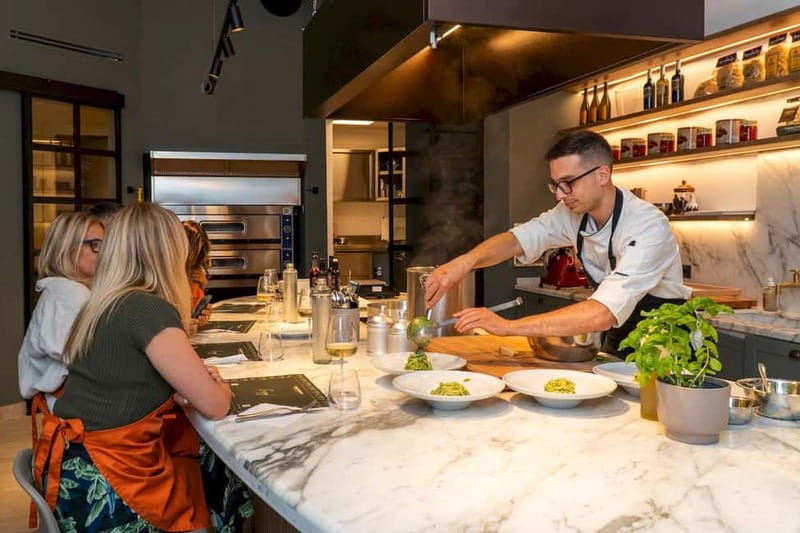
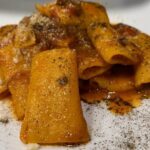
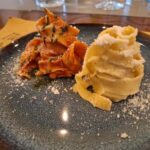
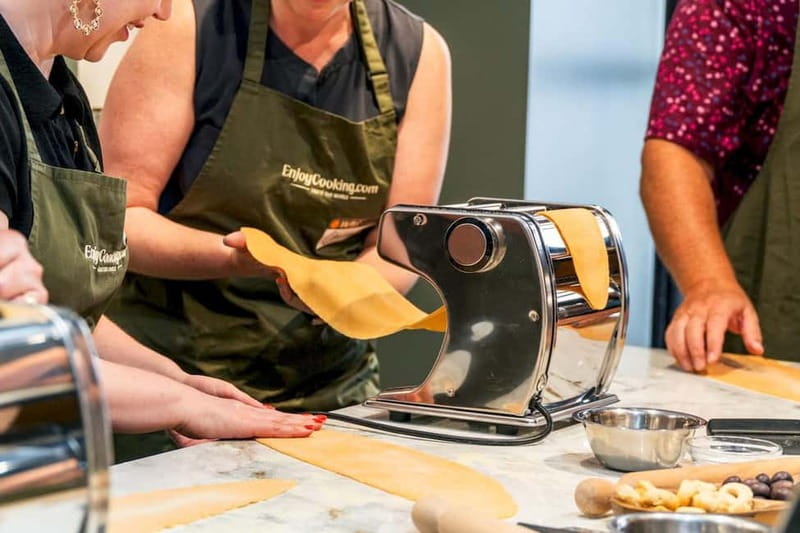
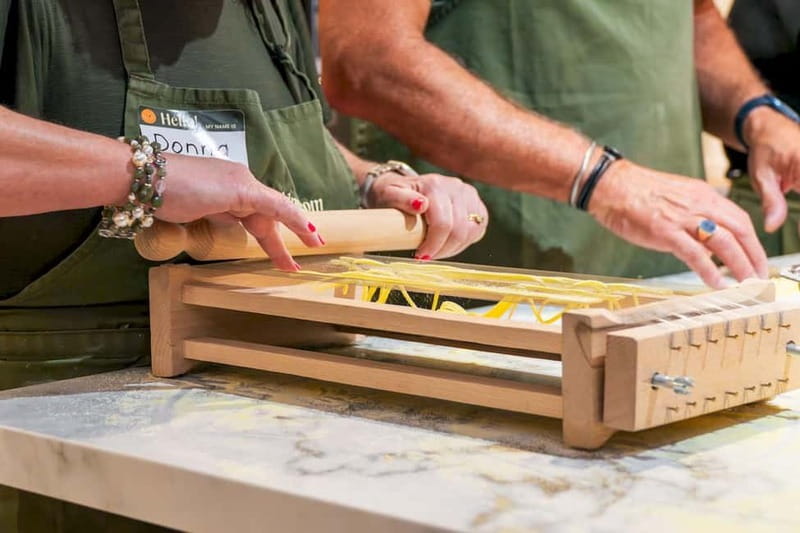
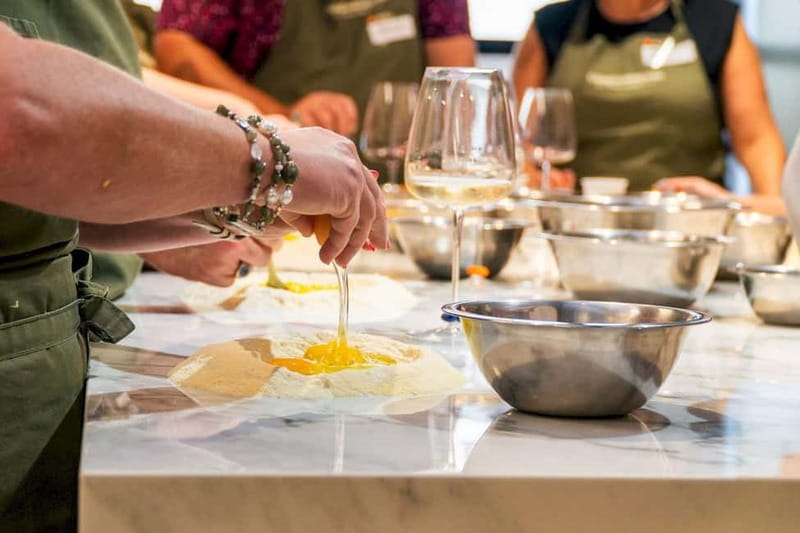
The class starts with the basics done the right way: flour and eggs mixed by hand. It sounds simple, but it’s where most home cooks need guidance. You’ll knead until the dough comes together and changes from dry and shaggy into something smooth and workable.
Then comes rolling. The chef guides you on texture and thickness, which matters more than people think. Pasta thickness affects cook time, and too-thin or too-thick dough can make even great ingredients feel off on the plate.
You’ll also learn the idea of consistency. With fresh pasta, your job is to make it uniform so it cooks evenly. That’s a skill, not just a recipe.
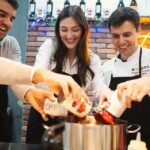
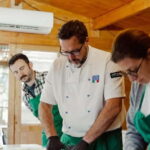
Chef personalities show up here too. In multiple sessions, instructors like Max, Marco, Jacopo, Alessandro, or Zori are described as funny, attentive, and patient. That matters because pasta dough can be surprisingly emotional if the teacher is rushed or vague.
Stuffing Ravioli and Shaping Small Pockets of Flavor
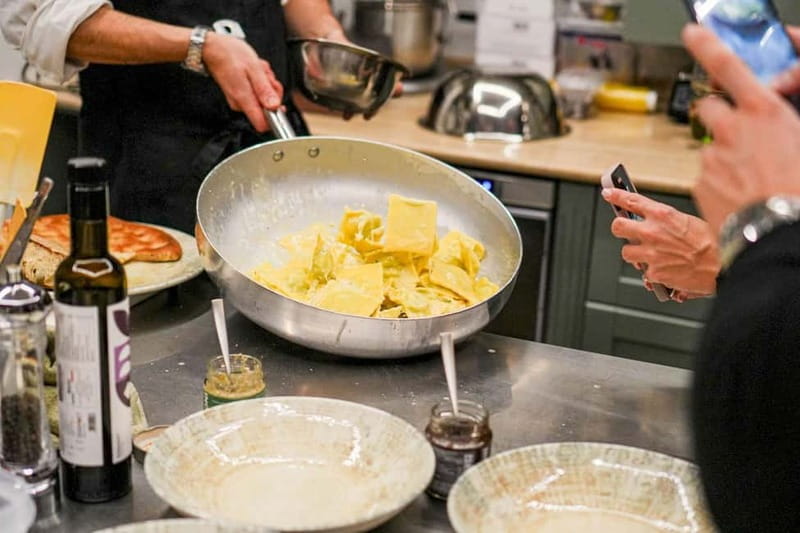
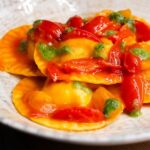
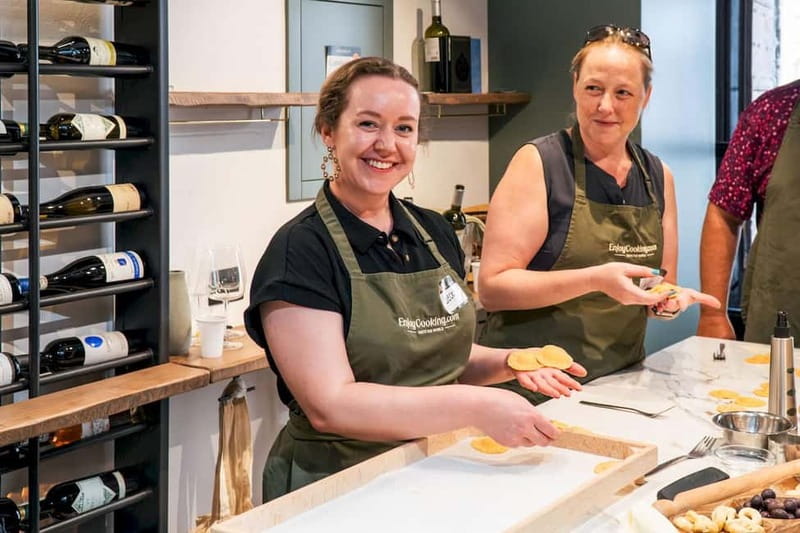
After fettuccine, the class switches to ravioli. You’ll use pasta sheets to wrap a filling, then shape the packets so they hold together in boiling water.
What I like about this portion is that it teaches you a repeatable workflow:
- portion the filling
- keep the pasta sealed
- shape carefully so they cook without exploding
The filling is described as seasonal, which is a big part of why the food tastes “Italian kitchen” instead of generic. You’re learning how to treat filling like it belongs inside the pasta, not on top of it.
Then you get to the cooking moment: the ravioli bubble in boiling water until al dente. Al dente is not just a term here. It’s the difference between ravioli that feel tender and ravioli that feel soft or chewy in the wrong way.
You’ll sit down and eat what you made, which is the fastest way to understand whether your timing was right.
Tiramisu Assembly: Espresso, Mascarpone, and Cocoa
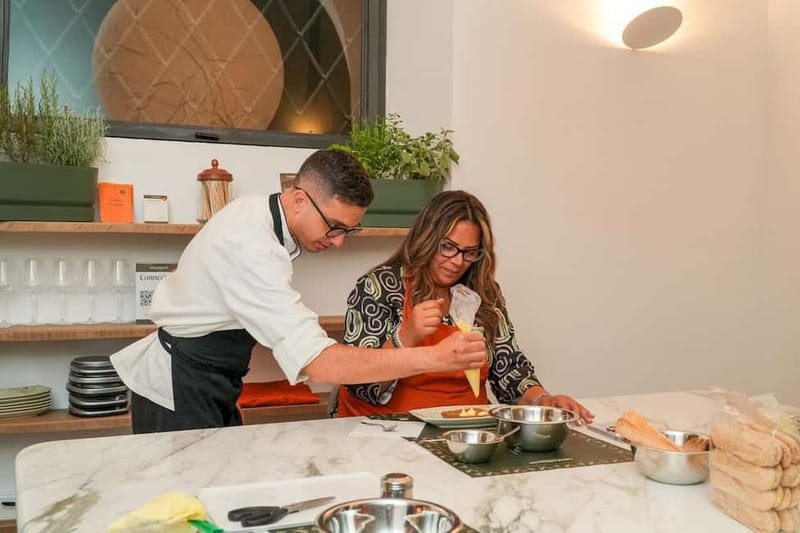
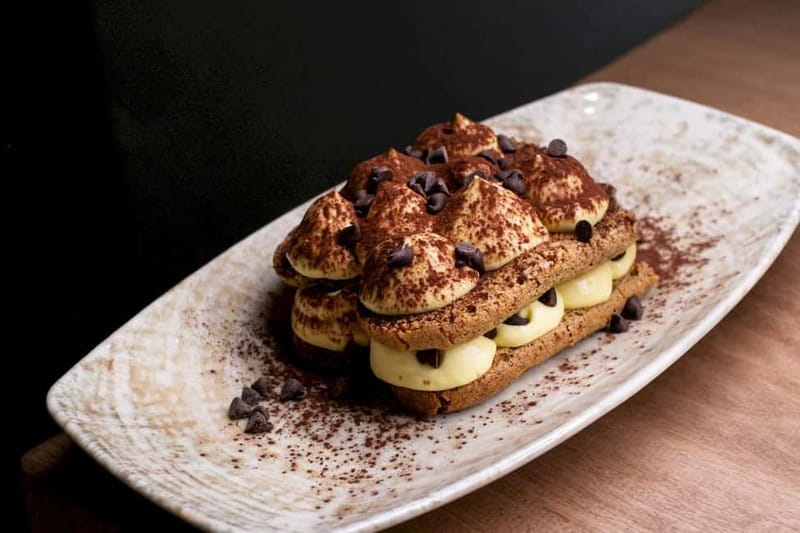
No Italian meal feeling is complete without dessert, and tiramisu is the payoff. You’ll learn how to build it using espresso-soaked biscuits layered with creamy mascarpone, finished with cocoa dusting.
This part is deceptively simple, and the chef’s guidance helps you avoid the two common mistakes: soaking too long (biscuits collapse) or rushing the layers (it turns into a pile instead of a sliceable dessert).
You’ll focus on layering and balance. The espresso gives bite, mascarpone brings smooth richness, and cocoa finishes with that classic bitter-sweet touch.
If you’re the kind of person who always buys tiramisu in restaurants but never tries it at home, this is where the class earns its keep. You end up with a method you can replicate later, not just a memory of a spoonful.
A few more Rome tours and experiences worth a look



Eating What You Made, With Bottomless Wine
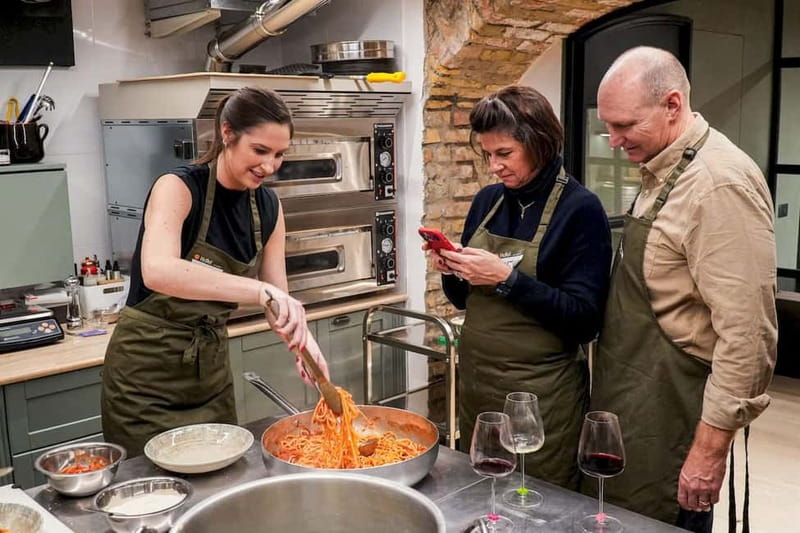
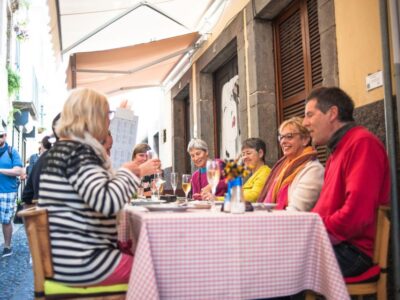
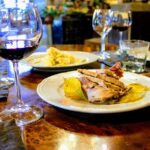
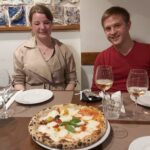
Here’s the practical setup: after you cook, you eat together at the table. Wine is described as free-flowing Italian wine, and coffee and nonalcoholic drinks are included too. There are also snacks while you cook, so you’re not stuck waiting on a final meal that takes hours.
This is one reason the class feels relaxed even though you’re doing real work. You get a shift from hands-on effort to conversation and tasting, with the wine flowing as you enjoy the dishes you made.
Group size is small. That makes it easier to ask questions mid-action. It also means the room doesn’t turn into a production line. You’re more likely to get help when your dough needs a nudge.
In other words: you get the fun of learning with the comfort of actually sitting down with a finished plate.
What You Take Home: Recipes You’ll Use
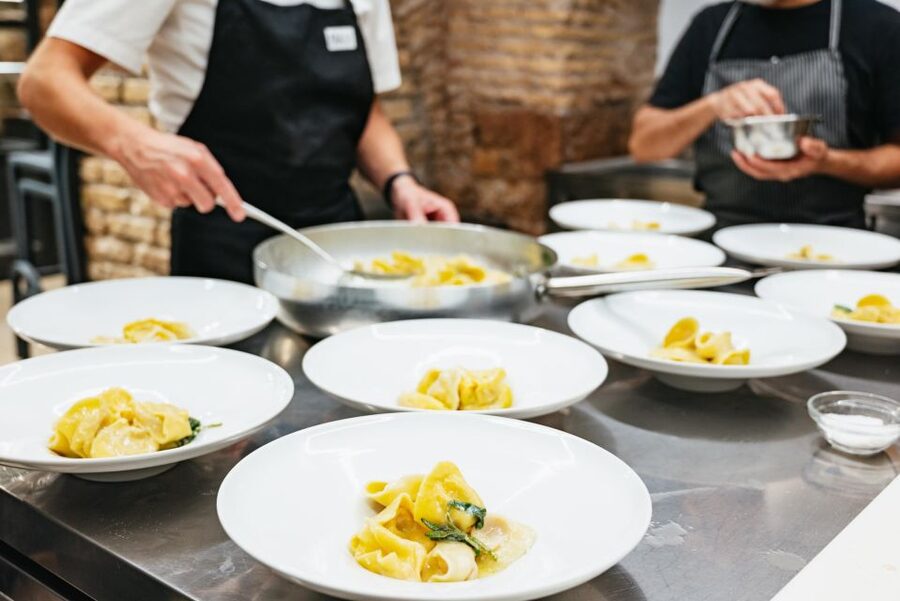
You receive a booklet of recipes. That’s not just a souvenir. It helps you repeat the dishes later with less guesswork, especially for pasta texture and tiramisu assembly.
This is where the “hands-on” part becomes practical for your future self. In Rome, you learn how it should feel. At home, you rely on the written steps to recreate the same results.
If you’ve ever tried to recreate a restaurant pasta and ended up with something bland or oddly textured, having a method beats having a memory.
Who This Class Is Best For (And Who Should Skip)
This experience works well if you:
- enjoy cooking and want to learn by doing
- want a fun, social evening without juggling multiple stops
- like classic Roman-Italian food, especially fresh pasta and tiramisu
- want to come home with a recipe booklet and confidence
It’s also a strong fit for couples and small groups because the format is intimate and the chef can keep an eye on what everyone is doing.
But it’s not for everyone. The class is not recommended for people with celiac disease. It also notes that there may be traces of gluten and nuts, and it is not suitable for those with gluten intolerance. If you have severe allergies to certain ingredients, you need to inform the organizers in advance so they can advise whether they can accommodate you.
The Real Deal on Time: 3 to 3.5 Hours, Not a Half-Day Commitment
One of the nicest parts is the duration. At 3 to 3.5 hours, it slots into a trip without stealing your whole day. It’s long enough for real skill-building (dough, ravioli, dessert), but short enough that you can still see sights later.
That balance helps when you’re packing Rome into a few days. You can do this as your “one activity with dinner built in” and then keep the rest of your evening free.
Quick Practical Tips Before You Go
These aren’t details about the company. They’re just how to make your class day smoother:
- Wear comfortable clothes you don’t mind getting flour on. Fresh pasta work is messy in a good way.
- Expect a hands-on format. If you hate touching food or tools, you might not get the full experience.
- If you drink wine, pace yourself. You’ll still want clear focus when you’re shaping and cooking.
- If tiramisu is your weakness (like it is for many people), pay attention to the layering steps. That’s where the magic lives.
Should You Book This Rome Pasta and Tiramisu Class?
If you want a Rome experience that is both delicious and instructional, I’d book it. The combo of fresh pasta from scratch, stuffed ravioli you shape yourself, and classic tiramisu assembly gives you a full “learn + eat” arc instead of a quick tasting.
It’s also one of those activities that tends to be worth the money because you’re not leaving hungry or empty-handed. You cook, you eat, you drink, and you get recipes to take home.
Skip it if you need strict gluten-free preparation or you have celiac disease, since the class warns it is not recommended and traces of gluten and nuts may be present.
FAQ
How long is the Rome pasta and tiramisu class?
It lasts about 3 to 3.5 hours. Starting times vary, so you’ll want to check availability for the specific time you want.
What dishes will I learn to make?
You’ll learn to make fresh fettuccine, stuffed ravioli (including ravioli filling), and tiramisu from scratch.
Is wine included, and is it unlimited?
Yes. The class includes free-flowing Italian wine. Coffee and nonalcoholic drinks are also included.
Do they provide snacks during the class?
Yes. Snacks are included to accompany you while cooking.
Is this class gluten-free or suitable for celiac disease?
No. It is not recommended for people with celiac disease, and it notes there may be traces of gluten and nuts. It is not suitable for people with gluten intolerance.
Do I get recipes to take home?
Yes. You’ll receive a booklet with chef-approved recipes.