REVIEW · ROME
Rome: Fresh Pasta and Tiramisu Making Class with Fine Wine
Book on GetYourGuide →Operated by The Roman Food Tour · Bookable on GetYourGuide
A pasta class by the Vatican is a fun twist. You’ll learn the hands-on tricks behind tiramisu and two fresh pastas, taught by chefs like Alessia, with the lesson paired with free-flowing fine wine. One thing to consider: the venue can be a little tricky to find if your maps drop you at the wrong side of the building.
For me, the best part is how practical it feels. You don’t just watch; you make dough, handle the steps, and end up eating what you cooked at a restaurant near the Vatican. And because the focus is real technique, you’ll leave with recipes you can actually follow back home.
In This Review
- Key highlights you’ll care about
- Rome Fresh Pasta and Tiramisu Class: What This Really Is
- How the 3–4 Hour Session Flows From Tiramisu to Pasta
- Tiramisu Workshop: Mascarpone, Eggs, Coffee Sugar, and Cocoa
- Fresh Roman Pasta From Scratch: Fettuccine and Ravioli
- The Meal After Cooking: What You’ll Eat, Plus Coffee and Limoncello
- Wine, Coffee, and Soft Drinks: The Social Part That Helps You Learn
- Value for Money: Why $77.03 Can Make Sense in Rome
- Where You’ll Meet and How to Plan Around It
- Who Should Book This (and Who Might Skip It)
- Should You Book This Rome Pasta and Tiramisu Class?
- FAQ
- How long is the Rome fresh pasta and tiramisu class?
- Where is the class located?
- What will I learn to make?
- What drinks are included during the class?
- Do I eat the food I cook?
- Is there an English-speaking guide?
- Are recipes included to take home?
- What other drinks are included after the meal?
- What does the price include?
Key highlights you’ll care about
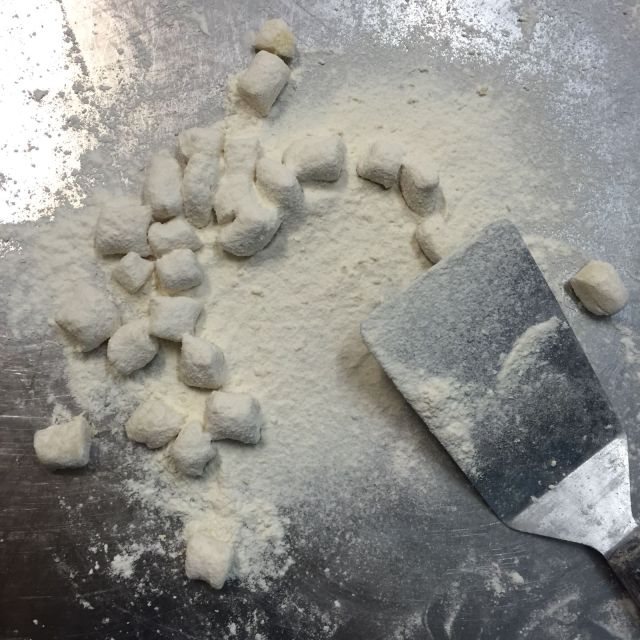
- Two pasta styles + tiramisù: fettuccine and ravioli alongside a traditional tiramisù process
- Chef-led, hands-on stations: you work through dough and dessert steps, not just a tasting
- Prosecco and fine wine during the class: the pacing stays upbeat and social
- A sit-down meal after cooking: you’ll enjoy what you made, then finish with limoncello and coffee
- Recipes to take home: you get written guidance to recreate the dishes later
Rome Fresh Pasta and Tiramisu Class: What This Really Is
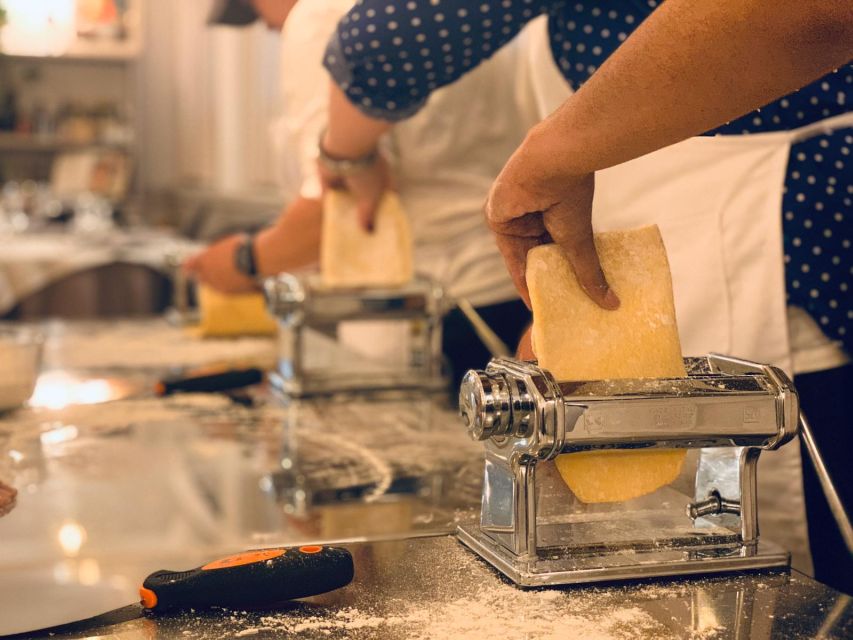
This is a classic Roman food experience with a party-friendly rhythm. You’re in a kitchen setting for a few hours, learning two kinds of fresh pasta and a traditional tiramisù, then you sit down for the meal you helped create. It’s aimed at people who want more than a plate of food; you want the method.
The location is a big reason to book. Being near the Vatican means you can pair this with other sightseeing days without losing half your time commuting across town. And because it’s a restaurant kitchen, the “cook-and-eat” flow feels natural: you’re not shuttled from one random spot to another.
You also get a full tasting arc. The class isn’t just dough prep. It includes wine during the cooking, lunch afterward, and a sweet finish with limoncello and Italian coffee. That matters because you leave Rome with both memories and a workable plan for making these at home.
You can also read our reviews of more wine tours in Rome


How the 3–4 Hour Session Flows From Tiramisu to Pasta
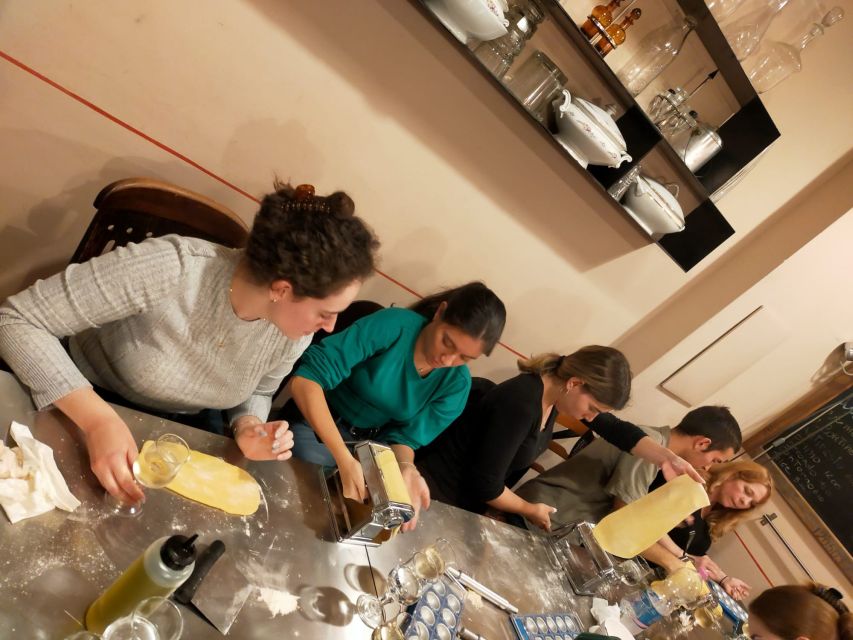
The timing is built for a calm, not-rushed pace, roughly 3 to 4 hours. You’ll follow a sequence that starts with tiramisù, then moves into fresh pasta dough and shaping. That order is smart: you get the dessert process done while you still have momentum, then you shift into the tactile work of pasta.
Here’s what the flow looks like in plain terms:
- You begin by making tiramisù using traditional ingredients and tools
- You learn and prepare the fresh pasta dough for two different pasta types
- You finish with a meal where you enjoy what you made
- You wrap up with limoncello and Italian coffee
Even if you’re not a confident cook, the format helps. Tiramisu has repeatable steps and defined ingredients. Fresh pasta dough is more hands-on, but that’s exactly why a chef is there: you learn how the dough should look and feel, not just what to do.
Tiramisu Workshop: Mascarpone, Eggs, Coffee Sugar, and Cocoa
If you’ve ever wondered what makes great tiramisù taste so consistent, this is where you get the answer. You’ll make tiramisù using the traditional set of ingredients listed for the class: mascarpone, eggs, coffee sugar, and cocoa powder.
Practically, that means the chef isn’t just telling a story. You work through the assembly steps and learn how to handle the ingredients so the texture lands right. One of the best payoffs of a class like this is learning what to watch for during mixing and layering, because tiramisù can go wrong in subtle ways that a recipe alone won’t fix.
Also, the class structure keeps dessert from feeling like a “one-time wonder.” When you get recipes to take home, you can recreate the same flavor profile with confidence. The goal isn’t perfection on day one. The goal is turning tiramisù from mystery dessert into a repeatable habit.
Fresh Roman Pasta From Scratch: Fettuccine and Ravioli
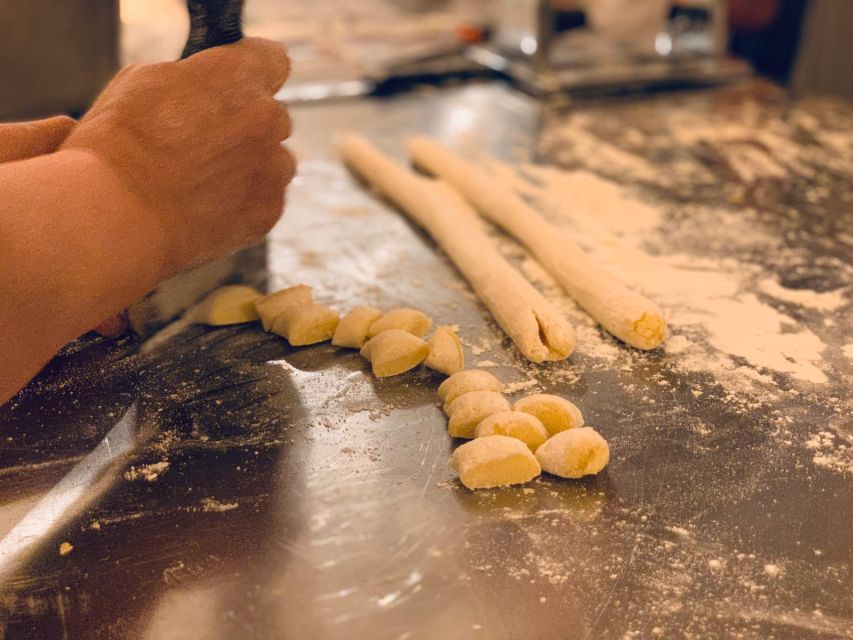
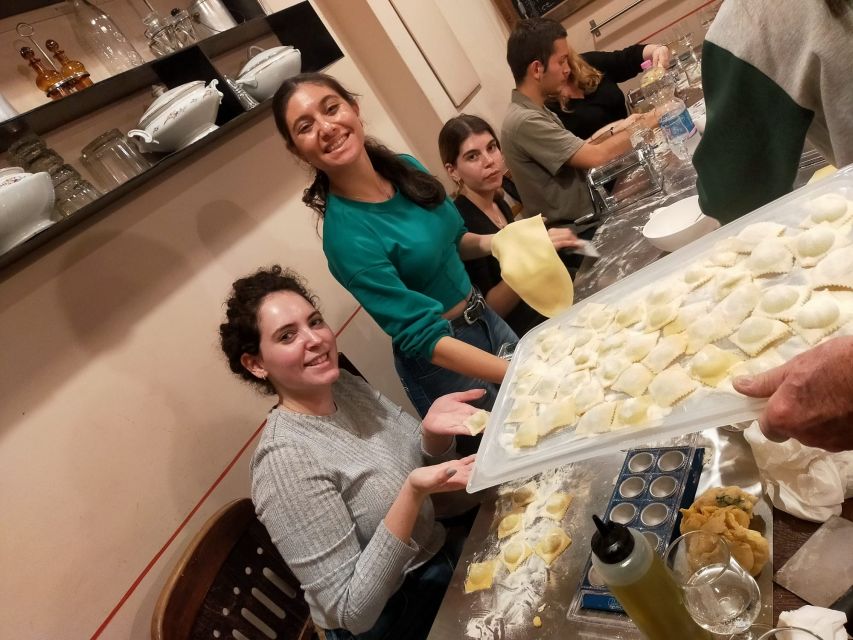
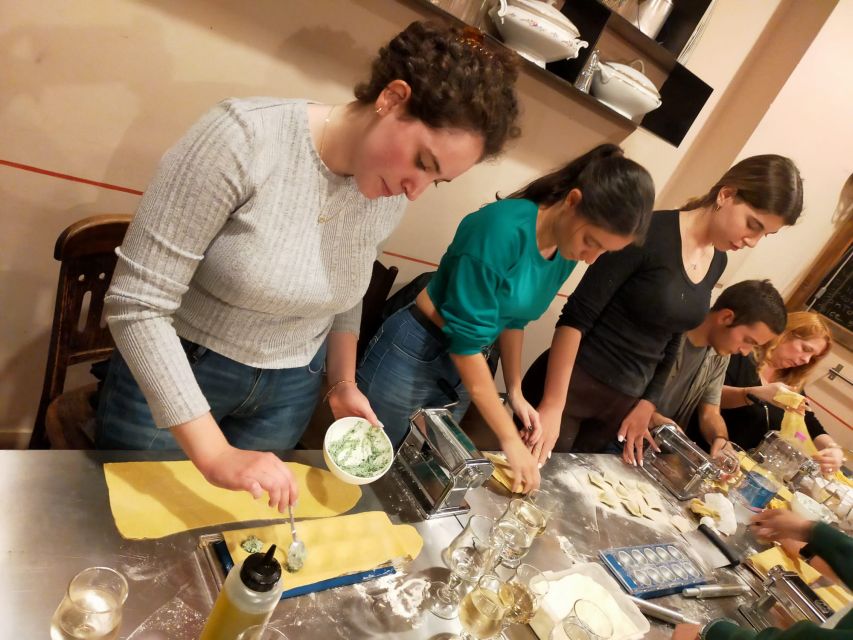
Next comes the core Rome skill: fresh pasta dough. You’ll learn two types—fettuccine and ravioli—and you’ll work through the process from dough creation to shaping. The chef focuses on the ingredients and the dough behavior that make Roman-style pasta work.
Fettuccine is the “straightforward but not simple” pasta. It’s all about getting the dough right, rolling it evenly, and cutting/shaping so it cooks with consistent texture. Ravioli adds another layer: you’re shaping and assembling pieces that need to hold together.
One practical advantage here: you’re not locked into a single pasta shape. By learning two, you understand how the same dough can behave differently depending on how you roll and form. That makes your home-cooking more flexible later. You can use the core dough technique and apply it beyond this one class.
And because you’re cooking in a restaurant kitchen, you get realistic pacing and workflow. It’s not a classroom demo. It’s real production style, just scaled to a small group.
The Meal After Cooking: What You’ll Eat, Plus Coffee and Limoncello
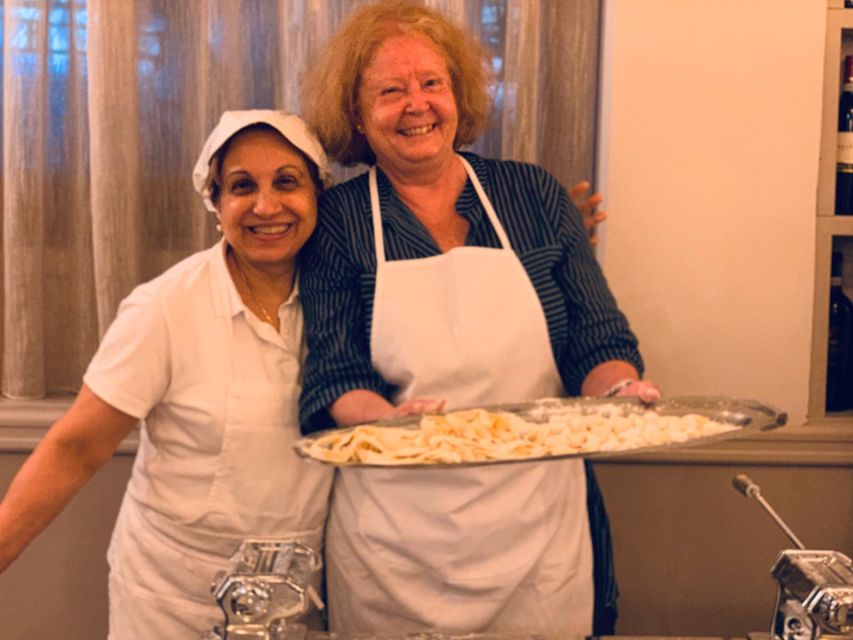
This class does something many cooking experiences forget: it doesn’t end when you’re done cooking. You sit down and enjoy your meal after the lessons, so you taste the final result while it’s still part of the learning moment.
The included meal gives you:
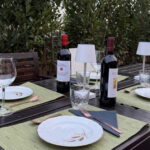
- a restaurant sit-down experience near the Vatican
- the foods you helped make, enjoyed together as a full course meal
- a sweet finish with limoncello and Italian coffee
That finish is more than a dessert moment. It’s a rhythm cue. You get the dopamine hit of sweet coffee and limoncello right when you’re feeling proud (and slightly wine-warmed) from cooking.
One note for planning: this is a meal experience. If you’re the type who likes to keep dinner light, you’ll probably want to treat this as your main meal or plan something very small afterward.
A few more Rome tours and experiences worth a look
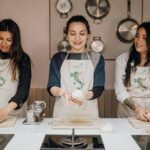
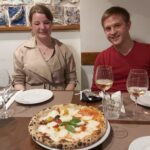
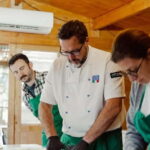
Wine, Coffee, and Soft Drinks: The Social Part That Helps You Learn
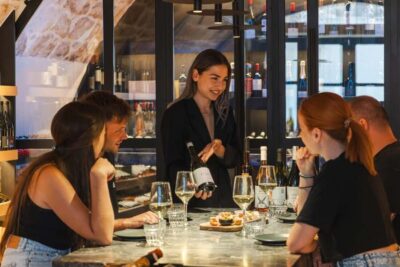
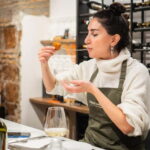
This experience is explicitly paired with drink service. During the class, you’ll enjoy prosecco and fine wine, and the wine part is described as free-flowing. There are also unlimited soft drinks, plus coffee.
In practical terms, that matters for pacing. Good cooking classes feel relaxed enough to ask questions, redo a step, and not panic if flour goes where it shouldn’t. The drink setup supports that. You end up social—people chat while working, and you compare what your dough is doing versus what theirs looks like.
It also helps you enjoy the hands-on part without turning it into work. If you like your travel days to include laughter and good conversation, you’re in the right place.
Value for Money: Why $77.03 Can Make Sense in Rome
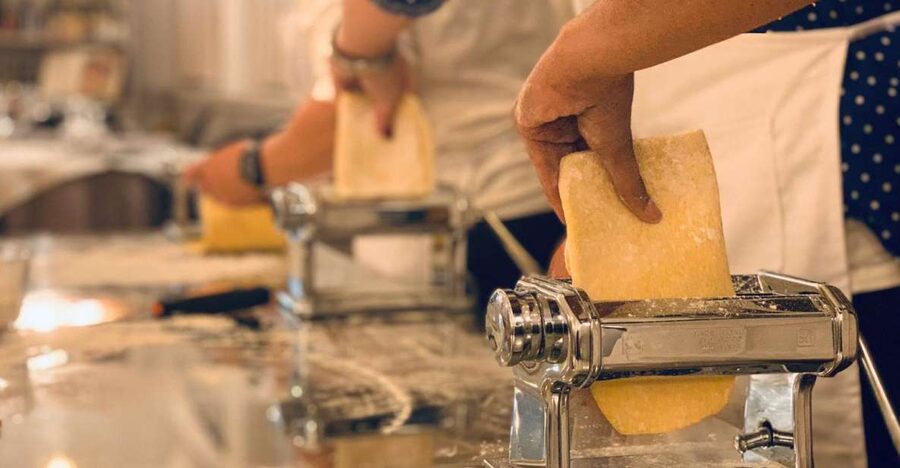
At $77.03 per person, the big question is what you actually get for that price. Here, the value is the bundle: cooking instruction, ingredients and tools for pasta and tiramisù, wine during the class, unlimited soft drinks, coffee, and limoncello, plus a meal at the restaurant afterward.
Many Rome food experiences cost about that amount once you add up separate parts: a guided visit, tastings, and then eating somewhere afterward. This keeps it all in one place and one block of time.
The other value piece is the take-home recipes. They turn the class from a one-night memory into something you can repeat. Even if you only make pasta once more, you’ve “amortized” the cost. And if you’re a home cook, you’ll probably use the technique more than once.
Where You’ll Meet and How to Plan Around It
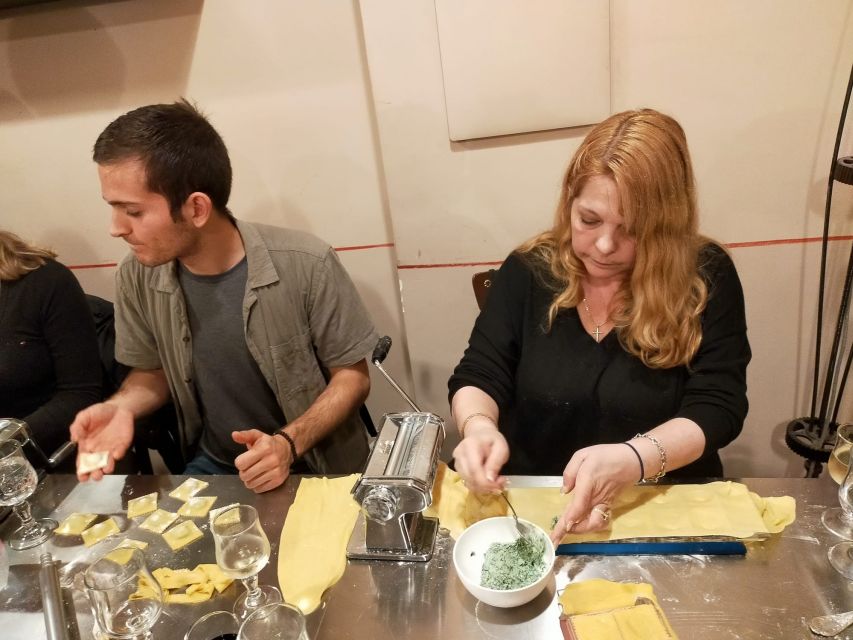
The meeting point can vary depending on the option you choose, and the activity ends back at the meeting point. Also, the venue is near the Vatican, so it’s not hard to combine with sightseeing—if you’re already spending time around St. Peter’s.
One caution: location can be a little annoying with GPS if you’re not paying attention. Plan to arrive a few minutes early and check your directions carefully. If a map pin seems off, trust that you’re in the right area and follow any local cues the organizers provide.
If you’re sensitive to heat, keep it in mind: at least one past group noted that the room could use air-conditioning. On hot Roman days, you might want to wear light layers and bring a water bottle outside the class time.
Who Should Book This (and Who Might Skip It)
You’ll love this class if you:
- want a hands-on Rome experience that goes beyond tasting
- like the idea of making both pasta and dessert in one session
- enjoy wine-friendly, social dining
- want take-home recipes that are actually usable
You might skip it if you:
- want a quiet, sit-down-only food tour with minimal participation
- strongly prefer alcohol-free experiences (wine is part of the plan)
- hate any chance of getting a little flour under your fingernails
That said, you don’t need to be a kitchen wizard. The class is built around learning technique step-by-step, and the guides/chefs are there to keep you moving and correct mistakes early.
Should You Book This Rome Pasta and Tiramisu Class?
Yes—if you want one evening (or afternoon) in Rome that gives you real skills and a real meal in the same package. The pairing of fresh pasta and traditional tiramisù, plus the restaurant setting near the Vatican and the wine flow, makes it feel like a full-value experience rather than a “quick demo.”
I’d book it sooner rather than later because the experience depends on start times, and you’ll want to pick one that fits your Vatican sightseeing day. If you’re the type who brings home recipes and cooks them later, you’ll get extra mileage out of this class.
If your travel goal is Instagram food without the learning part, you might feel it’s too hands-on. But if your goal is to leave Rome with pasta confidence, this is exactly that.
FAQ
How long is the Rome fresh pasta and tiramisu class?
The experience runs about 3 to 4 hours, depending on the starting time available.
Where is the class located?
It takes place in Lazio, Italy, at a restaurant kitchen near the Vatican area in Rome.
What will I learn to make?
You’ll make traditional tiramisù and two types of fresh pasta: fettuccine and ravioli.
What drinks are included during the class?
You’ll enjoy prosecco and fine wine during the class. Unlimited soft drinks are also included.
Do I eat the food I cook?
Yes. After the cooking part, you sit down for your meal and enjoy what you prepared.
Is there an English-speaking guide?
Yes. The class includes a live tour guide in English.
Are recipes included to take home?
Yes. You’ll receive recipes so you can recreate the dishes back home.
What other drinks are included after the meal?
The meal concludes with limoncello and Italian coffee.
What does the price include?
The price includes the cooking class with a local chef, pasta and tiramisù making, free-flowing fine wine, unlimited soft drinks, coffee, limoncello, and the meal after cooking.