REVIEW · BORDEAUX
Medoc Region Wine Day Trip with Vineyard Visits & Tastings from Bordeaux
Book on Viator →Operated by Ophorus · Bookable on Viator
A Médoc day turns wine into a story. This small-group trip focuses on practical tasting and clear left-bank context, from Margaux and St. Julien to Pauillac and beyond. I like that you get a guided comparison across different appellations, not just a parade of pretty estates.
Two big wins: you’re driven in an air-conditioned minivan with a tight group size (max 8), and the guides bring the region to life with easy-to-follow explanations of what you’re tasting. One possible drawback: you’ll spend real time in the car, and the vibe can depend on how talkative your guide is during tastings.
In This Review
- Key things to look for before you go
- Bordeaux to the Médoc: what this day trip is really for
- The morning tasting stop: Margaux or St. Julien first
- Pauillac interlude: free time where lunch (and wandering) fits
- The second tasting: Pauillac or St. Estephe comparison time
- The final château: classified growth or Crus Bourgeois finish
- Guides make (or break) the day: what you can expect
- Transport, timing, and the car-time reality
- What’s included, what’s not, and how to plan your budget
- The weather factor: plan for rain, not panic
- Who this Médoc tour suits best
- Should you book this Médoc wine day trip?
- FAQ
- What time does the tour start?
- Where does the tour end?
- How long is the Médoc wine day trip?
- How many wineries do you visit and do tastings cost extra?
- Do I need to pay for lunch or food during the day?
- Is the tour offered in English?
- How big is the group?
- Are children allowed?
- Are pets allowed?
- Does it run on Sundays in March and November?
- Is there a cancellation option if weather is bad?
Key things to look for before you go
- Small group (max 8): less waiting, more chances to ask questions.
- Three château tastings: you taste the differences between appellations across the day.
- Pauillac free time: a break in the schedule for lunch (own expense) and exploring.
- Classified growth + Crus Bourgeois range: you get a spread of styles and price points.
- English-language guide: explanations are built for listeners, not just readers.
- Snack note matters: France often skips snacks during tastings, so eat beforehand.
Bordeaux to the Médoc: what this day trip is really for
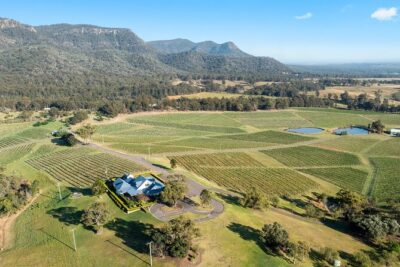
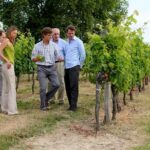
This is built for one goal: getting you tasting-literate fast. You start from Bordeaux in the morning (meet at 12 Cr du 30 Juillet at 9:30am) and head into the Médoc—one of the Left Bank’s most famous wine corridors. The route often takes you past the classic “castle road” scenery, which matters because it helps you connect the big names on wine labels to the actual landscape.
You’re not just tasting. You’re learning what makes the wines different: the appellation, the vineyard choices, and how the producers shape style. That’s why the tour is set up with multiple stops and multiple tastings. Instead of one estate dominating your whole day, you get to compare.
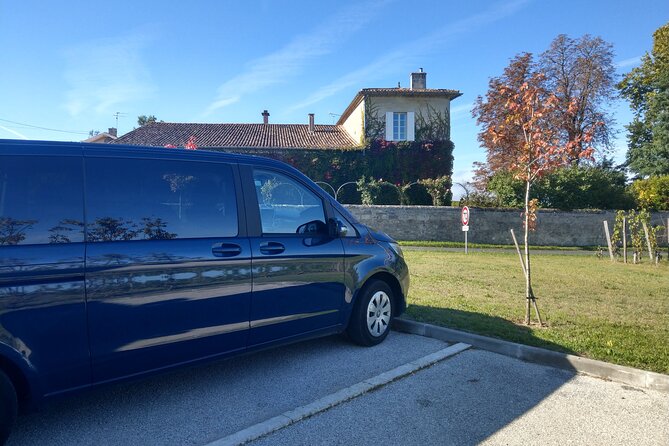
Two more practical points. First, the transport is air-conditioned and done by minivan, which is a big deal in summer heat or rainy shoulder seasons. Second, the group stays small—at most 8 travelers—so it’s easier to hear the guide and keep your day moving without constant regrouping.
You can also read our reviews of more wine tours in Bordeaux


The morning tasting stop: Margaux or St. Julien first
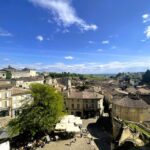
Your first château stop is in either Margaux or St. Julien. That’s a smart way to begin because it puts you in two of the Médoc’s most well-known zones early, when your palate is still fresh and you can actually track differences.
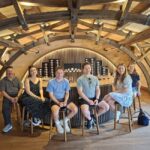
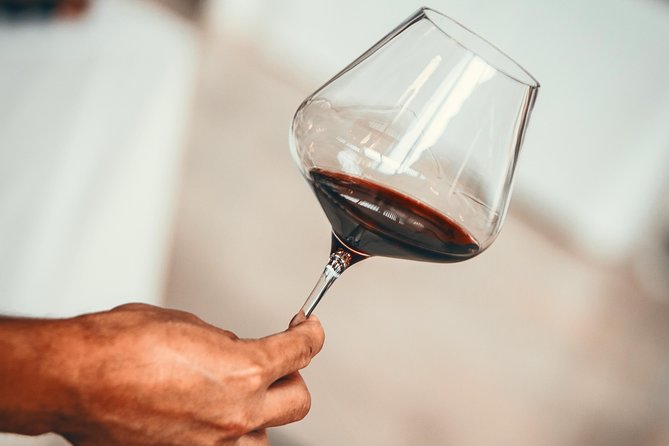
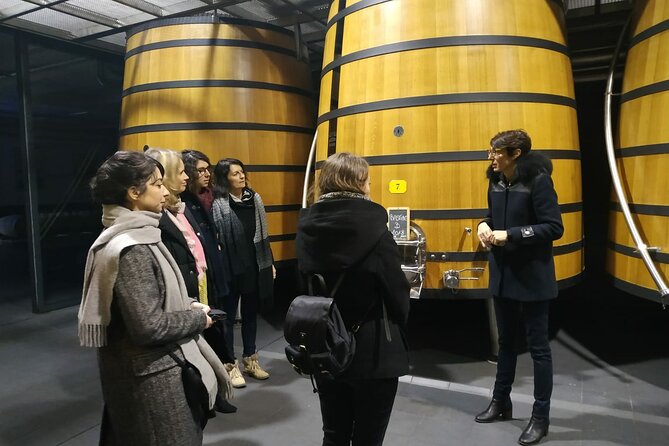
At this first estate, you’ll get a guided tasting with a focus on how the wine is made and why it tastes the way it does. You’ll hear about the logic behind the classification system and what the appellations signal. Guides also tend to explain how producers think about blending and structure, which helps if you’re a beginner. It also helps if you already know some terms—because you’ll still be able to connect “what’s in the glass” to “where it came from.”
One thing I especially like about this opening is that it sets the framework. By the time you reach Pauillac for the next section of the day, you’re not starting over. You’re refining your mental map.
Pauillac interlude: free time where lunch (and wandering) fits
After the morning stop, you continue on to Pauillac, one of the most iconic towns in the Médoc. Then comes the most flexible part of the day: free time in Pauillac.
This free time is where you can:
- explore on your own
- do another tasting if you feel like it (options vary by what’s open)
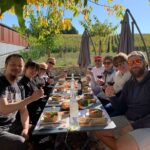
- get lunch at your own expense
This is a key value moment. Wine tours often cram people too tightly. Here, you get space to breathe, reset your palate, and decide how you want to handle food and shopping. If you’re traveling with a mix of wine lovers and people who just want a good day out, this town stop is often the easiest compromise.
If it’s raining, Pauillac can still be a solid pause—you’re not stuck only inside a vehicle. And if it’s sunny, you’re in the right kind of place for photos and a slow walk.
The second tasting: Pauillac or St. Estephe comparison time
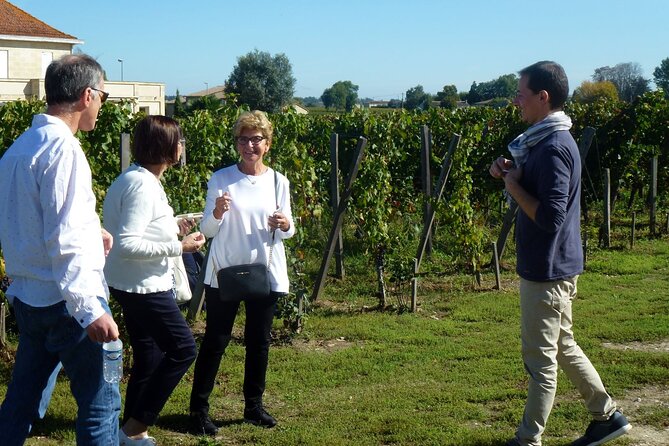
When you rejoin your guide, the tour does a second included tasting—either in Pauillac or St. Estephe, depending on your exact route.
This is where the tour’s comparison approach really clicks. The goal isn’t just to taste more wine. It’s to taste for difference. Your guide will explain what makes these wines distinct from what you sampled in the morning, and you’ll experience that gap firsthand.
If your first stop felt a certain way—more elegant, more powerful, more aromatic, more structured—this second tasting helps you test whether that impression was about the château, the appellation, or both. It’s also a good time to ask practical questions, like what to look for next time you’re tasting Bordeaux back home.
A small caution: by the second tasting, people often get a little relaxed and stop paying attention. Don’t. Take a moment between glasses to reset what you liked and why. It turns the day into learning, not just drinking.
The final château: classified growth or Crus Bourgeois finish
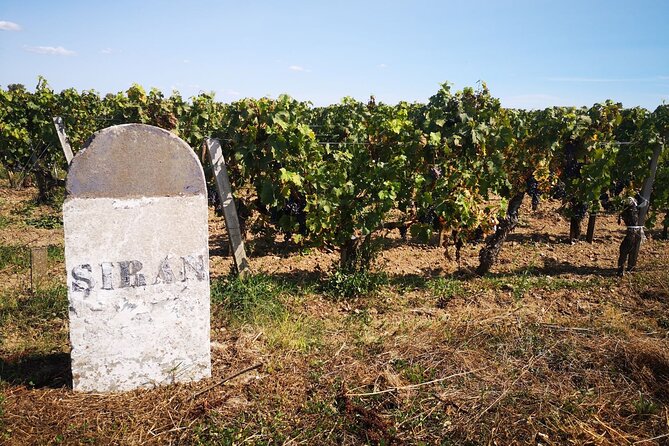
The last stop is another château, designed to close the day on a strong note. This final tasting is at a château producing wines from either Classified Growth or Crus Bourgeois categories.
Why this finish matters: it gives you a sense of how price and classification don’t always line up perfectly with personal preference. In this region, a wine can be “important” and still not be your favorite—while another one that’s easier on the wallet may surprise you. Even if you’re a total novice, you’ll start building a sense of your own taste, which is the real payoff of a day like this.
Also, the third visit can feel different emotionally because you’ve already tasted twice. You’ll notice how the wine hosts present their estates, how the tasting room experience is handled, and how the château guide’s explanation changes depending on what they think you care about most.
A few more Bordeaux tours and experiences worth a look
Guides make (or break) the day: what you can expect
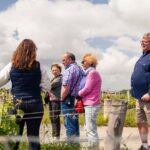
The tour’s quality is strongly tied to the guide. In past outings, guides like Hugo, Jerome, Guy, Helen/Helene, Mathis, Mirela, Luigi, and Olivier have been praised for clear explanations and lively energy. The best guides do something practical: they translate appellations and classification into plain language you can remember.
You’ll want to pay attention to how your guide runs the tastings. Some guides are animated and involved at every stop. Others may keep more to the vehicle during parts of the day. Either way, this is your opportunity to ask questions:
- How does this château’s approach shape the wine?
- What makes the appellation show up in the glass?
- What should I look for when I buy a bottle later?
If you care a lot about the storytelling side, don’t just wait for questions to come to you. Ask early, then keep asking as the day moves forward. With a group of eight, it’s usually possible.
Transport, timing, and the car-time reality
The tour runs about 8 hours. The day starts at 9:30am and returns back to the meeting point. Plan to be out most of the day, and treat the schedule as a full day, not a quick hit.
Yes, you’ll do driving between stops. One common note from people who’ve taken this route is that the car time can be a lot—but when a guide provides commentary during the ride, it becomes part of the experience instead of downtime. If you’re someone who gets restless in vehicles, bring a little strategy: download offline music, carry water, and be ready to enjoy the scenery as you cross the Gironde region.
Also note: snack support is not automatic. In France, snacks are usually not provided during tastings to preserve the purity of the wine’s flavor. So eat a real breakfast before you go. If you’re someone who needs something small between tastings, you’ll be glad you planned.
What’s included, what’s not, and how to plan your budget
You’re paying $266.16 per person, and the tour includes:
- All wine tasting fees
- A professional English-speaking guide
- Transport by air-conditioned minivan
Food and drinks are not included unless specified. Lunch in Pauillac (or nearby) is your responsibility, and that’s a smart move for most people because you can choose what fits you—quick bite, sit-down meal, or something closer to what you like to eat.
So is it good value? For wine day trips from Bordeaux, the value usually comes down to two things:
1) how many tastings you get (this tour hits three château visits)
2) whether tastings would cost you much more if you booked separately
Here, tasting fees are covered, which helps your costs stay predictable. And the small group size keeps the experience feeling like a tour instead of a bus trip.
My planning tip: set aside extra money for lunch in Pauillac and any optional add-on tastings. If you’re careful with what you buy, you can keep the day feeling like an education, not an all-inclusive spending spree.
The weather factor: plan for rain, not panic
This is a weather-dependent experience. If conditions are poor, the tour may be canceled and you’ll be offered another date or a full refund. That’s fairly standard for wine days that involve driving and outdoor scenery.
If it rains, it can still be a good day because the time inside châteaux is built in. Still, pack a light layer you don’t mind getting a little damp, and wear shoes you can walk in comfortably around town.
Who this Médoc tour suits best
This trip is a strong fit if you want:
- a guided introduction to Médoc wines and appellations
- structured tastings at multiple estates in one day
- a small group day trip with a knowledgeable host
- enough free time to enjoy Pauillac instead of feeling trapped
It’s also a good option if you’re not a full-time wine nerd. The structure is designed so beginners can follow. And if you already know Bordeaux basics, you’ll still benefit from the comparisons between stops and the classification context explained in plain terms.
It’s not ideal if you want long, slow visits at a single estate or if you hate car time. The tour is designed for coverage, not lingering.
Should you book this Médoc wine day trip?
If you want a day that actually teaches you something while tasting well, this is an easy yes. The combination of three guided château tastings, Pauillac free time, and small group transport makes it a solid way to get oriented in the Médoc without planning a complicated route yourself.
Book it if:
- you like the idea of comparing Margaux/St. Julien with later stops like Pauillac/St. Estephe
- you want tasting fees handled for you
- you enjoy asking questions and learning as you go
Skip it if:
- you’re the type who needs lots of snacks between tastings (plan your own food)
- you’re very sensitive to schedule expectations and long drives
- you want extra emphasis on tiny family estates rather than the more formal château structure
FAQ
What time does the tour start?
The tour starts at 9:30am in Bordeaux, with the meeting point at 12 Cr du 30 Juillet, 33000 Bordeaux.
Where does the tour end?
The tour ends back at the same meeting point in Bordeaux.
How long is the Médoc wine day trip?
The duration is about 8 hours.
How many wineries do you visit and do tastings cost extra?
You visit three château stops and all wine tasting fees are included.
Do I need to pay for lunch or food during the day?
Food and drinks are not included unless specified. Lunch is available during the Pauillac free time, but it’s at your own expense.
Is the tour offered in English?
Yes, the tour is offered in English.
How big is the group?
The maximum group size is 8 travelers.
Are children allowed?
No. This is an adult-only tour and children under 18 are not allowed.
Are pets allowed?
No, pets are not allowed on the tour.
Does it run on Sundays in March and November?
No. The tour is not available on Sundays in March and November.
Is there a cancellation option if weather is bad?
Yes. The experience requires good weather, and if it’s canceled due to poor weather you’ll be offered a different date or a full refund.