REVIEW · BORDEAUX
Discovery of the Bordeaux vineyard in 3 wines
Book on Viator →Operated by Le Pied à Terre · Bookable on Viator
Bordeaux gets clearer fast. This small 3-wine tasting at Le Pied à Terre is the kind of class that makes the region feel navigable, not intimidating, with stories that stretch back to Roman times.
What I like most is how it connects wine to place, so you start hearing Left Bank vs Right Bank differences in every pour. You also get practical tasting guidance you can use the next time you order a glass in a café.
Two things I really appreciate: the host-led explanations (I’ve heard names like James and Pierre) stay relaxed and interactive, and the food pairing is thoughtfully simple—Basque charcuterie and cheese with Maison Pierre OTEIZA.
One possible drawback: it’s not a vineyard stop. If you’re hoping for an outside winery visit with views and a bus ride out of town, this is more of a cellar shop experience focused on tasting and learning in Bordeaux.
In This Review
- Key highlights to look for
- A 90-minute Bordeaux wine class in central Bordeaux
- The three wines: Left Bank power, Right Bank elegance, dry white freshness
- How the tasting works: practical steps you’ll use again
- Roman-times stories and what Bordeaux labeling is really about
- Food pairing included: Basque charcuterie that doesn’t steal the show
- Timing and what to double-check before you go
- Who this tasting is best for (and who might want something else)
- Price and value: is $42.33 a good deal?
- Should you book this Bordeaux tasting?
- FAQ
- How long is the Bordeaux vineyard in 3 wines tour?
- How many wines will I taste?
- What kinds of wines are included?
- Is the tour offered in English?
- Where do I meet for the experience?
- What is the group size limit?
- Is food included?
- Are service animals allowed?
- Do they accommodate vegan or vegetarian diets?
- What is the cancellation policy for a full refund?
Key highlights to look for
- 3 emblematic Bordeaux wines chosen to show Left Bank power, Right Bank elegance, and a fresh dry white
- Roman-times storytelling mixed into the wine region so it sticks
- Step-by-step tasting technique that helps you taste like you mean it
- Food pairing included (Basque charcuterie and cheese, plus bread/ham style starters)
- Small group size (max 12), which makes questions actually possible
- English-language hosting with lots of room for curiosity
A 90-minute Bordeaux wine class in central Bordeaux
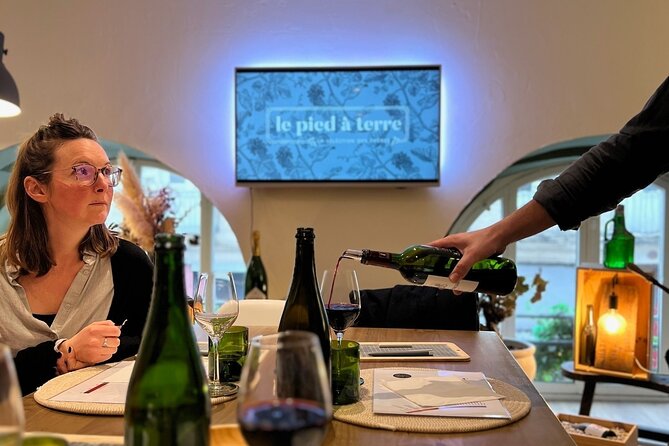
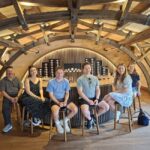
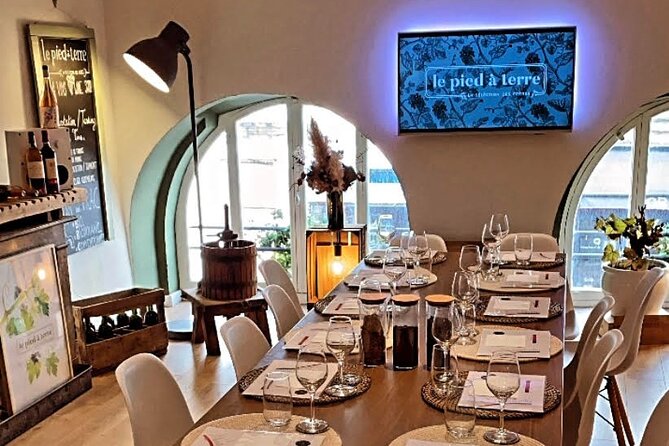
This tasting clocks in at about 1 hour 30 minutes, and it’s built for people who want clarity, not “cork-sniffing theater.” You meet at 22 Rue Judaïque, 33000 Bordeaux, then you’ll head to the tasting space at Le Pied à Terre. The location is easy to get to, and it’s near public transportation, which matters in Bordeaux where walking between neighborhoods can add up.
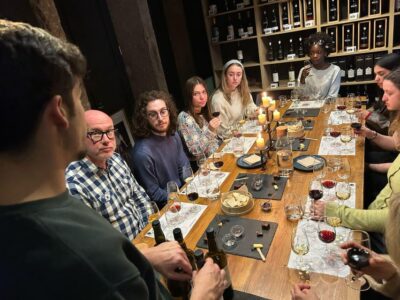
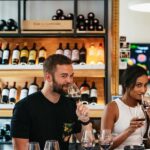
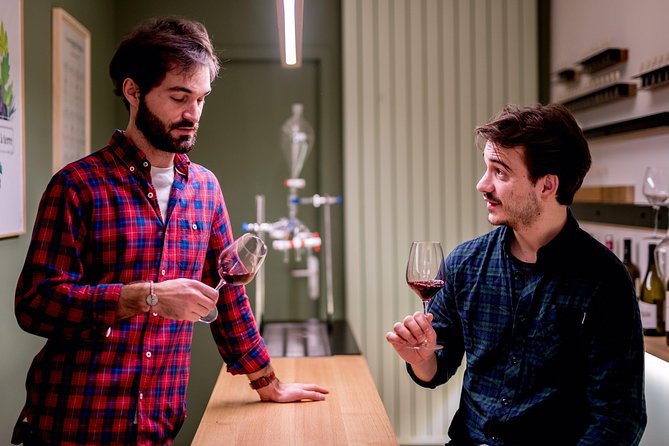
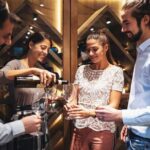
The vibe is intentionally intimate. The group size is capped at 12 people, so it doesn’t turn into a lecture with everyone staring at the same wall. The format is hands-on: you taste, you listen, you ask questions, and you learn how to describe what you’re getting from the glass. It also runs in English, which is a big win if you want wine education without the language barrier.
One more practical note: you’ll receive a mobile ticket, so have it ready on your phone when you arrive.
You can also read our reviews of more wine tours in Bordeaux


The three wines: Left Bank power, Right Bank elegance, dry white freshness
The core of the experience is tasting around three carefully selected Bordeaux wines that represent the region’s main “personality types.”
Here’s how they’re framed, and why that framing helps you understand Bordeaux quickly:
- A great red from the Left Bank
You’re set up to notice strength and structure—what many people think of as Bordeaux “muscle.” The point isn’t just to sip a red; it’s to learn how Bordeaux reds are built and why that style exists.
- An elegant wine from the Right Bank
This is your contrast pour. Instead of the heavier feel you may associate with Left Bank reds, this side of Bordeaux tends to come across as more refined in character. Even if you’re a beginner, the tasting makes the comparison obvious because you do it side by side.
- A dry white from top estates
Bordeaux whites can be overlooked, especially by first-timers who arrive thinking only red wine. This tasting gives you a reason to pay attention, focusing on freshness and how winemaking decisions shape what you taste.
In several write-ups, people note the tasting often comes as two reds and one white. If you’re the type who likes to compare before committing to a bottle, this setup is exactly right.
How the tasting works: practical steps you’ll use again
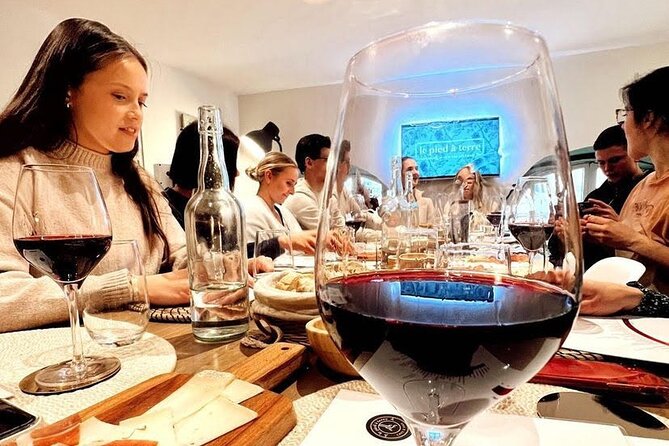
The strongest part of this experience is that you leave with a usable method. You’re not just told what to like—you’re coached in how to taste and how to talk about what’s in the glass.
You’ll get:
- Tips for tasting wine in a friendly, easy-to-follow way
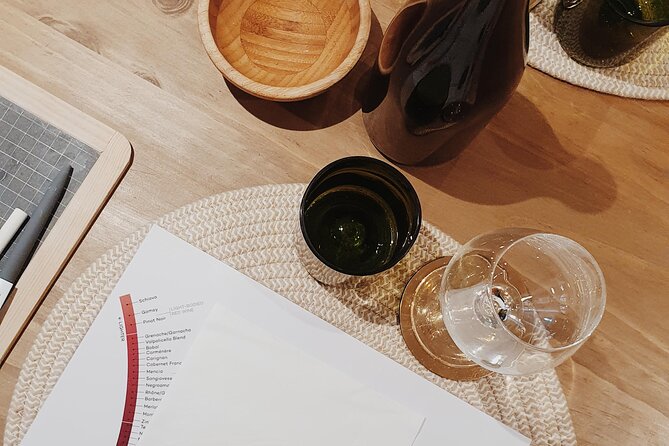
- Guidance on tasting techniques, so you know what to look for as you taste
- Discussions of food and wine pairings so the learning ties to real-life choices
I’ve especially liked how the host-led style avoids making wine feel like a secret code only sommeliers can crack. Names like James and Pierre come up in people’s comments, and the common thread is that the teaching is approachable and often humorous. That matters because wine classes fail when they feel stiff. Here, the tone stays relaxed, which makes it easier to ask questions without feeling like you’re slowing the whole group down.
A nice detail: the class doesn’t only cover how wine tastes. It also covers how Bordeaux wine is organized and judged—people mention learning how Bordeaux wine rating and the region’s governance help producers label wines correctly. Even if you don’t remember every term, it gives you a mental map for how to read bottles later.
Roman-times stories and what Bordeaux labeling is really about
Wine in Bordeaux isn’t just a product. It’s a system tied to region, rules, and history—and you’ll hear that story during the tasting.
The experience includes historical side stories, including references to Roman times. That might sound like trivia, but it helps you understand why wine regions develop the way they do: geography, tradition, and long-running cultivation all shape what comes out of a bottle.
You’ll also learn about Bordeaux wine through the lens of certification and governance. In plain terms, this is where the tasting becomes useful for real shopping. People mention the session covering how the system works so producers can label wine as coming from Bordeaux. That’s the kind of explanation that turns a confusing label into something you can decode.
If you’ve ever stared at a bottle wondering why one Bordeaux is priced like a meal and another like a souvenir, this part helps. Even without memorizing classifications, you’ll understand what’s being signaled: place, method, and oversight.
Food pairing included: Basque charcuterie that doesn’t steal the show
This is one of those tastings that gets the food right: it supports the wine without turning into a big dinner.
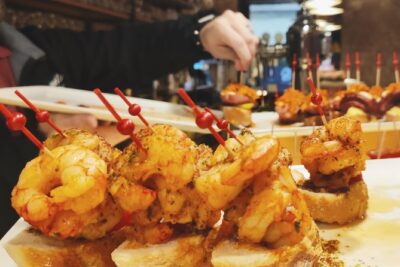
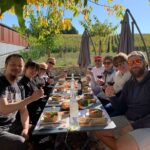
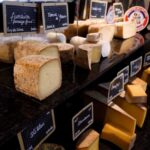
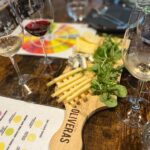
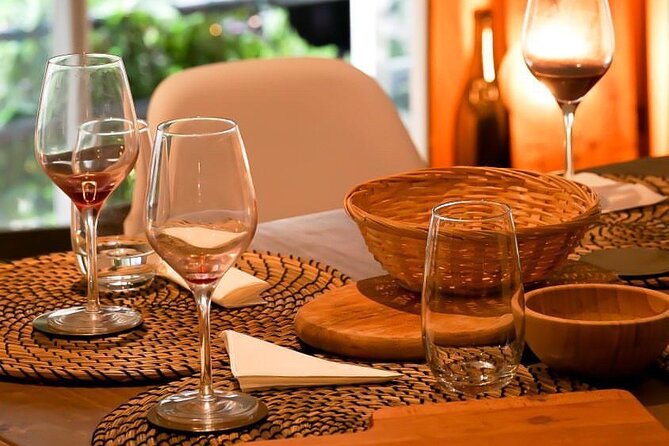
Your starter is charcuterie and cheese from the Basque Country, with products from Maison Pierre OTEIZA. People also describe the board as including bread plus items like cheese and ham.
Why this matters for your enjoyment:
- Salt and fat from charcuterie make it easier to taste wine structure, not just fruit.
- The food provides something to do between pours, so the session stays comfortable even if you’re learning from scratch.
- Pairing talk is included, so you understand what you should try next time rather than just eating and moving on.
There’s also a practical plus for people with dietary needs: one of the comments specifically says the team is flexible for vegans and vegetarians, as long as you let them know ahead of time. If that applies to you, mention it during booking so they can plan accordingly.
Timing and what to double-check before you go
You’re booking a timed slot for a short class, so details matter. The experience duration is about 90 minutes and the tasting is offered in English.
One small heads-up from past participants: some people mention that the tasting time may differ from what’s shown elsewhere (they cite 2:30 pm vs 11 am). So once you book, confirm the exact start time listed in your confirmation message. For a short 1.5-hour activity, being 30 minutes off can feel like a wasted trip.
Also, since it’s in-town and near transit, plan to arrive a bit early. Bordeaux isn’t the place where you want to sprint between neighborhoods.
Who this tasting is best for (and who might want something else)
This is ideal if:
- You’re a beginner who wants a clean introduction to Bordeaux
- You’re curious about why Bordeaux tastes the way it does, not just which bottles are famous
- You want a small group setting where you can ask questions without pressure
- You’re traveling solo and want a social activity that doesn’t feel forced (people mention it works well for solo trips)
It also fits intermediate wine drinkers—one comment notes it can become a little rambling, but the overall structure still helps you connect terroir, grapes, and tasting technique. If you already know how Bordeaux classifications work and you want a hardcore technical session, you might find the pacing less strict. But for most people, the relaxed approach is the point.
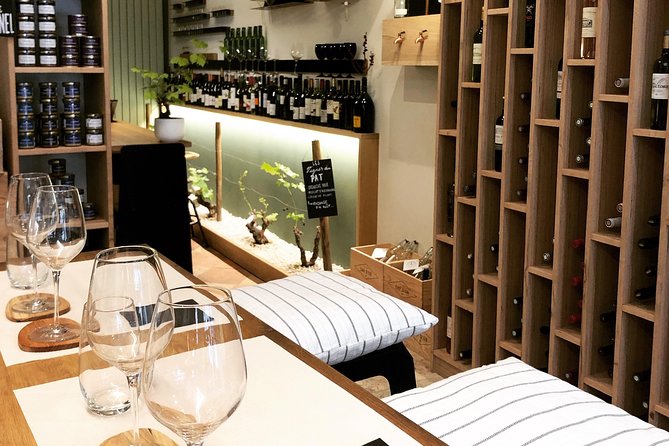
If you’re the type who wants a vineyard visit, this may not match your dream day. Even though it’s called a cellar experience, people note the tasting is conducted upstairs in the shop space rather than at a winery in the countryside. So treat it as a smart wine education stop in Bordeaux, not a “get out into the vines” day.
Price and value: is $42.33 a good deal?
At $42.33 per person for about 1 hour 30 minutes, you’re paying for three real components:
1) Guided tasting of three Bordeaux wines (two reds plus a white is commonly how it’s described)
2) Instruction on tasting technique and Bordeaux specifics like appellations and how labeling rules work
3) Included starter food: Basque charcuterie and cheese (Maison Pierre OTEIZA)
When you compare that to the cost of buying multiple bottles or paying for a wine course that’s wine-only (no food at all), this is strong value—especially because the session is small (max 12) and you get time to ask questions.
The numbers also back it up: the experience sits at 4.9 out of 5 with 133 ratings, and it’s described as recommended by 98% of people. High scores don’t automatically mean it’s right for you, but for a short, structured class with food included, that consistency usually signals a good host-led format.
Should you book this Bordeaux tasting?
Book it if you want an efficient way to understand Bordeaux. This is a practical class that helps you taste smarter, not just drink more. You’ll learn the difference between Left Bank vs Right Bank styles, you’ll get a method for tasting, and you’ll leave with a better sense of how Bordeaux labeling and rules fit into what ends up in your glass. The small group size and English hosting make it easy to participate.
Skip it (or pair it with a separate winery outing) if your priority is scenery and vineyard walking. This experience is in the tasting space at Le Pied à Terre, and the focus is education and tasting, not countryside touring.
If you’re deciding today: I’d treat this as your “Bordeaux orientation.” Do it early in your trip, then use what you learn while you’re choosing bottles for dinner the rest of the week.
FAQ
How long is the Bordeaux vineyard in 3 wines tour?
It lasts about 1 hour 30 minutes (approximately).
How many wines will I taste?
You’ll taste around three carefully selected Bordeaux wines.
What kinds of wines are included?
The tasting focuses on a Left Bank red (powerful style), a Right Bank wine (more elegant style), and a dry white (fresh style).
Is the tour offered in English?
Yes. The tour is offered in English.
Where do I meet for the experience?
The meeting point is 22 Rue Judaïque, 33000 Bordeaux, France.
What is the group size limit?
The experience has a maximum of 12 travelers.
Is food included?
Yes. A starter is included: charcuterie and cheese from the Basque Country (Maison Pierre OTEIZA products).
Are service animals allowed?
Yes, service animals are allowed.
Do they accommodate vegan or vegetarian diets?
According to feedback from past participants, they are flexible for vegans and vegetarians if you let them know ahead of time.
What is the cancellation policy for a full refund?
You can cancel up to 24 hours in advance of the experience for a full refund.