REVIEW · OBERNAI
Alsace Half-Day Wine Tour from Strasbourg
Book on GetYourGuide →Operated by Ophorus · Bookable on GetYourGuide
Strasbourg turns into Alsace in four hours. In a small group of 8, you get two winery tastings and a guided drive to Obernai and the Wine Route, with hosts like Laurence and Florence talking through the seven styles of Alsace wine. The trade-off: it is adults-only (18+) and includes some walking, so it’s not built for a slow, stroller-friendly day.
This is the kind of tour that works best when you want the flavor of Alsace without over-planning. You meet at 8 Place de la Gare in Strasbourg, roll out for a transfer, enjoy time in Obernai, then head along the Alsace Wine Route for a second tasting before returning to the city.
I like that it stays practical. You get comfortable minivan transport, an English-speaking guide, and a clear rhythm: learn, taste, look around, taste again. Just go in hungry for knowledge and bring comfortable shoes for the Obernai walk.
In This Review
- Key highlights worth your time
- Why this half-day Alsace Wine Route tour feels just right
- Meeting in Strasbourg: the start that keeps everything smooth
- Obernai walk + first tasting: where Alsace starts to make sense
- The Wine Route drive: not just scenery, actual context
- Second stop at a caveau: comparing styles in real time
- Understanding the 7 types of Alsace wine without getting lost
- Price and value: what $153 gets you in the real world
- What to bring (and how to not waste the morning)
- Who should book this tour from Strasbourg
- Should you book the Alsace half-day wine tour from Strasbourg?
- FAQ
- How long is the Alsace half-day wine tour from Strasbourg?
- Where does the tour start in Strasbourg?
- How many wine tastings are included?
- How large is the group?
- What languages is the tour guide?
- Is this tour for children?
- Are pets allowed?
- Is the tour wheelchair accessible?
- What should I bring?
- Is food included during the tour?
Key highlights worth your time
- Two tastings at two different wineries, so you can compare styles back-to-back
- Seven types of Alsace wine explained during the tastings, not in a lecture-only way
- Small group max of 8, which makes questions easy and the vibe friendly
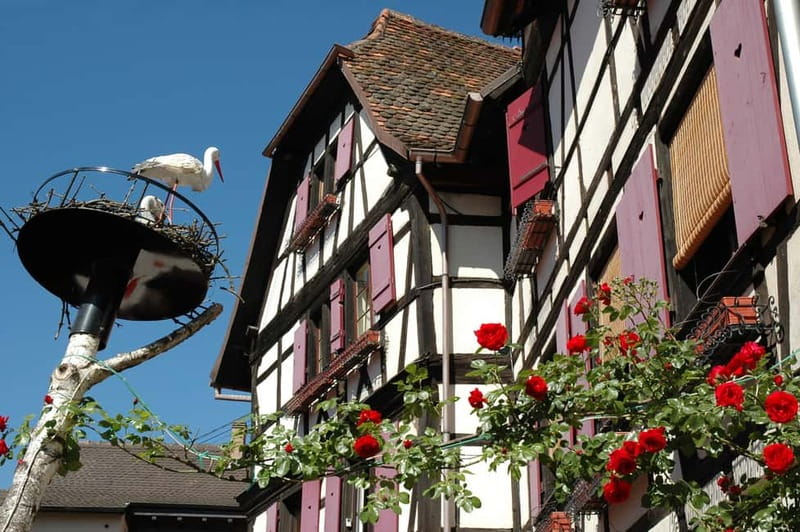
- Obernai + Wine Route driving, a quick hit of villages and vineyard country beyond Strasbourg
- Adult-only tour (18+), keeping the atmosphere focused on wine and conversation
- English live guide, so you’re not stuck with guesswork
Why this half-day Alsace Wine Route tour feels just right
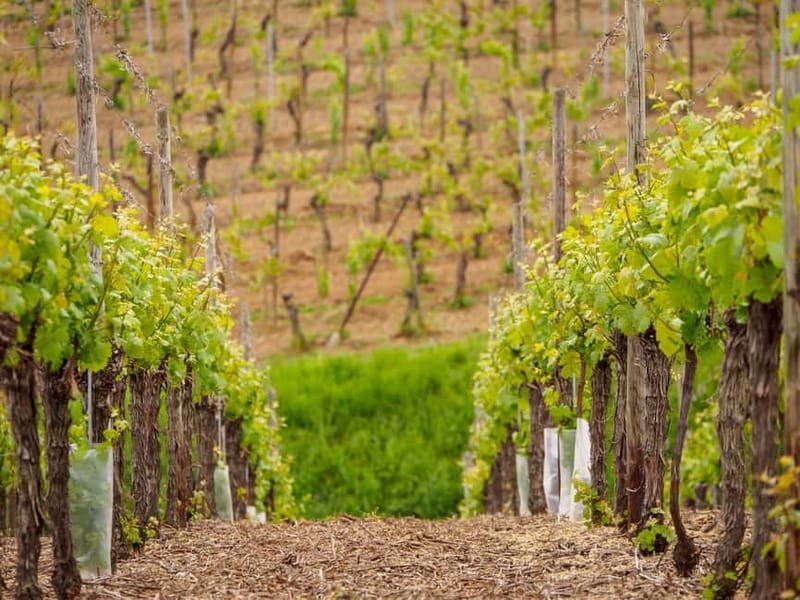
Alsace can be deceptively hard to plan from Strasbourg. You can rent a car, sure—but then you’re driving, parking, and trying to read winery signs in a foreign language while thinking about tastings and timing. This tour solves the “time math” problem. It’s short enough to fit a single morning or afternoon, but structured enough to actually learn something.
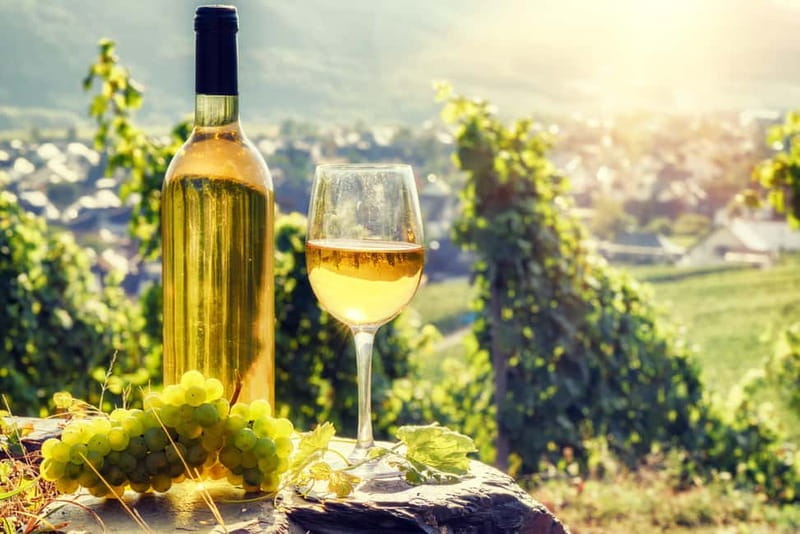
The big value is the combination: two tastings in two settings plus commentary as you travel. One stop tends to feel more traditional (a winery where you’re guided through production and wine character), and the other can feel more like a local cellar experience. Even when weather turns, guides keep the day moving and keep you engaged on the drive.
I also appreciate the guide’s role here. In the feedback you’ll see names like Laurence, Florence, Jerome, Thierry, Pauline, Robin, and Maksym—different personalities, same theme: they connect wine to place, and they’ll answer questions without making you feel awkward. That matters because Alsace wine is not just one thing. The region’s reputation is built on white wine culture, but the sweetness-versus-dry story is more nuanced than many people expect.
Possible drawback: the tour is 18+ only and not ideal for wheelchair users. It’s also not designed for long breaks at each stop. If your dream day is hours of wandering, then this is more of a focused sampling trip than a slow travel day.
Meeting in Strasbourg: the start that keeps everything smooth
Your day begins at 8 Place de la Gare in Strasbourg, next to the pharmacy. That detail is useful because it reduces the “where do I meet you?” stress. The tour uses comfortable, fully equipped minivans, and it’s capped at 8 passengers maximum, which helps the logistics feel calm instead of chaotic.
The transfer time is built in. Expect roughly half an hour of driving before you hit Obernai, and then you’ll spend time on the ground there. After that, there’s another transfer, then time along the Wine Route, and finally the ride back.
One thing I love about this format: because you’re grouped, you don’t lose time figuring out rural bus schedules or taxi options. You just show up, get in the van, and let someone else manage timing.
If you’re the type who likes photos, you’ll probably find yourself stopping mentally at different viewpoints. Several guides are known for taking time for photos when it’s appropriate—especially when you’re crossing through vineyard villages.
Obernai walk + first tasting: where Alsace starts to make sense
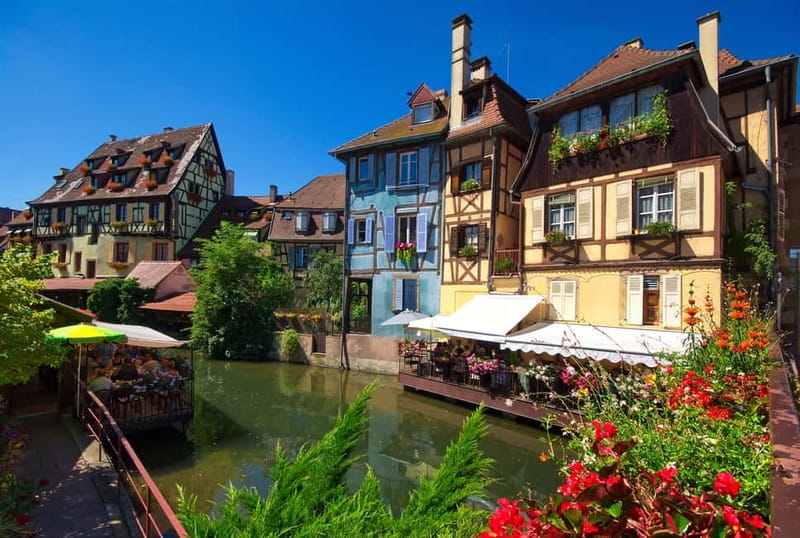
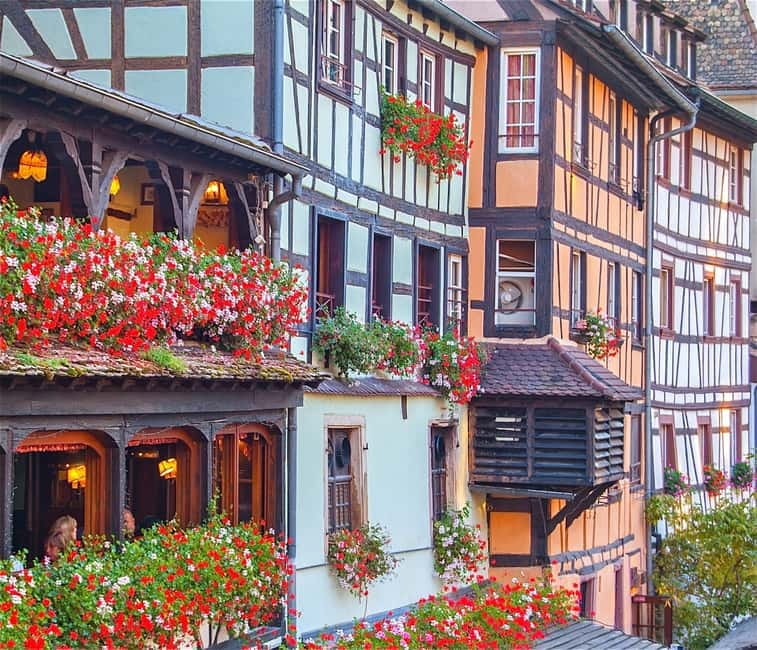
Obernai is a classic Alsace town to use as a launching pad. It’s not just a random stop; it’s the kind of place where you can quickly understand the region’s charm and rhythm before you start tasting in earnest.
From the moment you arrive, you’ll get a first wine tasting session paired with walking time. The walk is short enough to fit a half-day schedule, but long enough to help you connect the town’s feel to the wine culture around it. It’s also a good chance to reset—your brain shifts from city pace to countryside pace fast.
Here’s what to pay attention to at the first winery:
- How the guide frames Alsace wine categories as something you can taste, not just memorize.
- How the wines differ from what you may think you know about Alsace whites.
- Whether your host explains planting and growing factors in a way you can relate to flavor.
Based on the feedback, wineries often feel family-run and welcoming, and hosts tend to describe how each producer operates. That conversation is where you usually get the “aha” moments, like why two whites can both be Alsace, yet feel very different.
Trade-off to keep in mind: the tour uses some walking, and the pace is set by the schedule. Wear shoes that can handle cobblestones or uneven ground—comfortable means comfortable.
The Wine Route drive: not just scenery, actual context
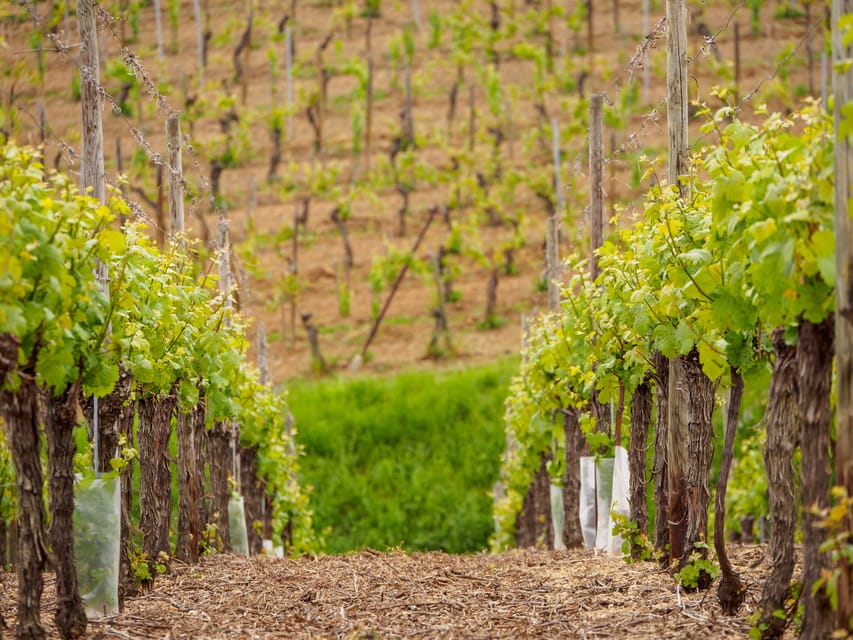
You’re not on the road for the sake of driving. The drive along the Alsace Wine Route is part of the education. This is where guides connect towns, vineyards, and the local wine culture into a story you can remember later at a tasting counter.
You’ll get about 45 minutes for the second tasting segment along the Wine Route. But the drive time before and between stops is also where you learn the “why” behind the wine.
I love this pacing because Alsace wine can be hard to hold in your head at once. The guide’s roadside context helps you keep track of:
- why the region is known for aromatic white wines
- how climate and soils influence the kinds of grapes growers get
- how Alsace’s different wine styles show up in what’s in your glass
There’s also a very practical benefit: the van takes the stress out of getting around. Roads, timing, and winery locations can be tricky if you’re planning solo. Here, you can relax and focus on tasting.
If the weather is bad, don’t assume your day is ruined. One experience included a rainstorm when arriving at the first winery, and the tasting still went smoothly. That’s a hint that the tour is used to real-world weather, not perfect postcard skies.
Second stop at a caveau: comparing styles in real time
The second wine tasting is typically at a more local-feeling setting—often described as a “caveau,” which gives you a different atmosphere than a larger or more formal winery.
This stop is the one that helps you compare. Since you taste at two different wineries, you’re not just collecting a set of flavors. You’re building a contrast:
- different producers
- different approaches to wine character
- different ways the tasting room experience feels
In the feedback, the contrast shows up a lot. Guests often point out that the two stops feel distinct in vibe and in the types of wines offered, which makes the half-day tour feel more complete. In a longer trip you can meander and revisit. Here, the schedule forces comparison, and that’s a win if you want a quick education.
Also watch for the guide’s explanations during the second tasting. This is where the “seven types of Alsace wines” concept tends to click. By now, you’ve tasted once and you can compare what the guide says with what you’re experiencing.
One practical bonus you might appreciate: some guides help with wine shopping logistics. For example, one guest reported assistance shipping bottles back to the U.S., with savings by combining purchases across both wineries. That’s not guaranteed for every trip, but it’s a sign that the guide may help you think through shipping if it matters.
Understanding the 7 types of Alsace wine without getting lost
Alsace wine can confuse people quickly. You’ll hear terms, styles, and expectations—some of which get simplified into stereotypes. The tour’s promise to explain the seven different types of Alsace wines is useful because it turns a messy topic into something you can taste and recognize.
You don’t need a wine degree here. What you need is a framework you can remember while you’re holding a glass.
When you’re tasting, focus on the guide’s language for:
- dryness versus sweetness (Alsace isn’t only sweet)
- aromatics and how they show up on the nose
- how acidity and flavor weight can change the overall feel
- how production choices can shape the final character
One theme that comes up in the experiences shared: people arrive thinking Alsace whites are all sweet, then realize how many are dry and food-friendly. That moment matters because it changes what you’ll want at dinner later—and it makes your souvenir bottle choices smarter.
If you like learning but hate long lectures, this tour’s structure helps. The explanations arrive while the wine is in front of you, so the info sticks.
Price and value: what $153 gets you in the real world
At $153 per person for about 4 hours, you’re paying for three things that are hard to DIY from Strasbourg: transport, guided tastings, and a small-group format.
Here’s the value breakdown based on what’s included:
- Wine tasting in 2 wineries
- Driver/guide with live English commentary
- Transport in comfortable minivans
- Small group of up to 8 passengers
The tour does not include meals or snacks, and you shouldn’t assume you can just graze during tastings. In France, snacks are usually not provided during wine tasting sessions to preserve the purity of the wine’s flavor. So if you go on an empty stomach, you’ll feel it.
Is $153 “cheap”? Not if you compare it to buying a couple bottles in a shop. But if you compare it to a car rental, fuel, parking, and the time cost of figuring out which wineries accept short tastings for small parties, the price starts to look fair—especially with the guide doing the heavy lifting.
If you’re the kind of traveler who wants to learn and leave with a clearer idea of what you like, this half-day tour is often a strong use of limited vacation time.
What to bring (and how to not waste the morning)
This is a short tour, so prep matters.
Bring:
- Passport or ID card
- Comfortable shoes
Plan your food:
- Have a good breakfast or lunch beforehand. Since snacks are usually not provided during tastings, you’ll enjoy the wines more when you’re not running on caffeine alone.
Also consider:
- A light rain layer. One trip started with a rainstorm at the first winery and the experience stayed enjoyable, but having a hood or compact umbrella keeps you comfortable on the walk.
Don’t bring:
- Pets (not allowed)
And remember the basic age rule:
- Adults only, 18+.
Who should book this tour from Strasbourg
I’d steer you toward this tour if:
- you have limited time in Strasbourg and want a real slice of Alsace
- you want two tastings instead of just one
- you like learning why wine tastes the way it does, not just picking favorites
- you prefer a small group where you can ask questions
- you want English guidance (the tour is English live only)
I’d skip it if:
- you need wheelchair accessibility (it is not suitable)
- you’re traveling with children under 18
- you want long free time with no structure
- you expect a full day itinerary (this is intentionally half-day)
Should you book the Alsace half-day wine tour from Strasbourg?
Book it if you want a fast, well-paced entry into Alsace wine—Obernai town feel plus two tasting environments, guided by hosts like Laurence, Florence, Jerome, Pauline, or Thierry, with the day timed so you’re not spending your vacation on logistics.
Don’t book it if you want a slower, more independent day or you need accessibility accommodations. And if you’re picky about pacing, go in knowing this is a structured sampling day, not a wandering day.
For the right traveler, this tour hits a sweet spot: learning + tasting + countryside drive, all with small-group energy and comfortable transport.
FAQ
How long is the Alsace half-day wine tour from Strasbourg?
It runs for 4 hours.
Where does the tour start in Strasbourg?
The meeting point is 8 Place de la Gare (next to the pharmacy), 67000 Strasbourg.
How many wine tastings are included?
You’ll have wine tastings in 2 wineries.
How large is the group?
It’s a small group with a maximum of 8 passengers.
What languages is the tour guide?
The tour is English only.
Is this tour for children?
No. It’s adults only and requires participants to be 18 years or older.
Are pets allowed?
No, pets are not allowed.
Is the tour wheelchair accessible?
No, it is not suitable for wheelchair users.
What should I bring?
Bring passport or ID card and comfortable shoes.
Is food included during the tour?
Meals and drinks are not included, and snacks are usually not provided during wine tastings. It’s recommended to have a good breakfast or lunch beforehand.