REVIEW · ROME
Rome: Pasta Cooking Class with Market Visit and Wine
Book on GetYourGuide →Operated by Yellowsquare Rome · Bookable on GetYourGuide
One sentence is usually all it takes: fresh pasta beats any photo. This Rome class pairs a walk through a real neighborhood market with a hands-on lesson led by Chef Marco, so you learn more than recipes—you learn the habits behind Roman cooking.
Two things I really like: first, the market stop teaches you what to buy and why, so your future grocery runs make more sense. Second, the kitchen setup is practical and focused, with individual workstations and patient instruction while you make (and shape) the pasta yourself. The main consideration: it is not suitable for gluten intolerance, since the class is built around wheat-flour dough.
In This Review
- Key highlights you’ll feel right away
- Rome homemade pasta starts at Nomentano Market
- Kitchen of Mamma: hands-on stations and real pasta technique
- What you’ll cook: stuffed pastas, long pasta styles, and sauces
- Lunch with Italian wine, then coffee and limoncello
- Time, pace, and what the 4-hour schedule feels like
- Price and value: why $103 can make sense here
- Who should book this pasta class in Rome
- Should you book this Rome pasta class?
- FAQ
- How long is the pasta cooking class in Rome?
- Where is the meeting point?
- Do I need any cooking experience?
- What do I get to eat and drink?
- Will I learn different types of pasta?
- Is the class suitable for gluten intolerance?
- What languages are the instructor and class offered in?
- Are recipes and a certificate included?
- Is free cancellation available?
Key highlights you’ll feel right away
- Nomentano Market visit before cooking, with ingredient guidance you can use later
- Chef Marco teaches step-by-step and keeps explanations patient, with lots of Q&A
- Hands-on shaping for stuffed pastas and long pasta styles, not just watching
- Lunch comes with Italian wine, then coffee and limoncello to close the loop
- You leave with a participation certificate plus pasta recipes to practice at home
Rome homemade pasta starts at Nomentano Market
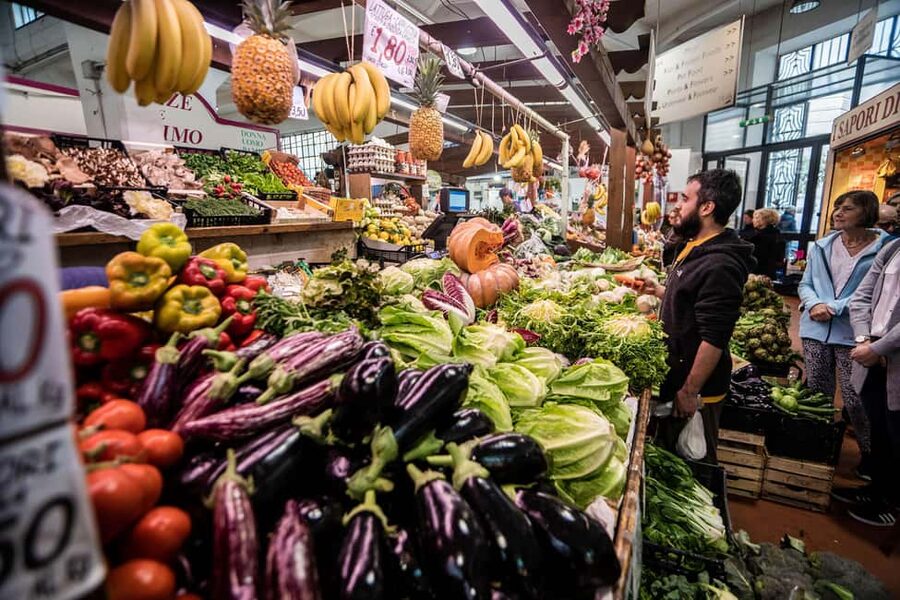
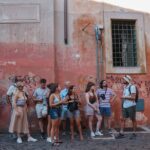
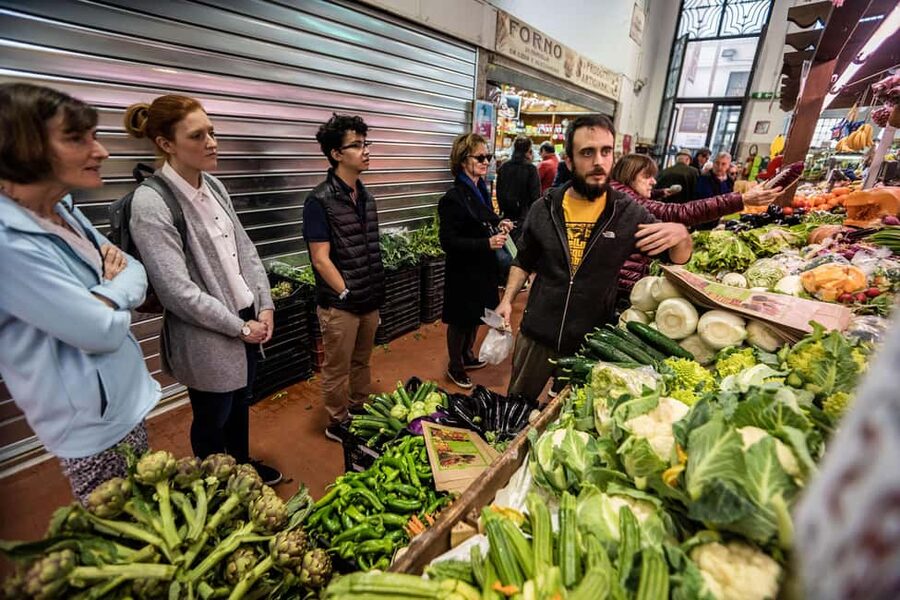
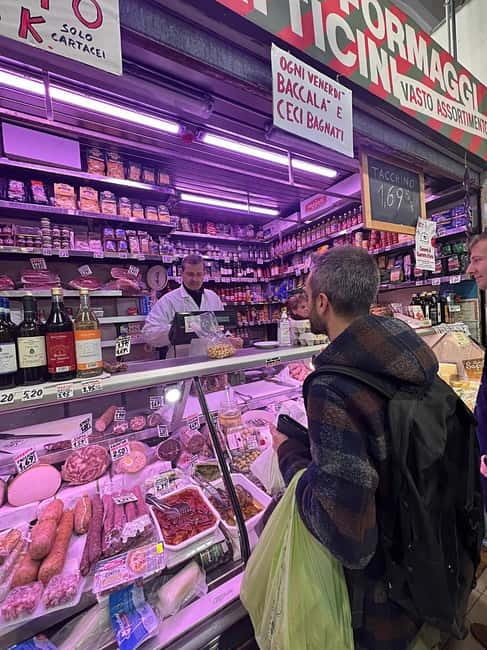
If you’ve only had pasta in restaurants, you might not realize how much flavor comes from basic choices. This experience starts with a guided walk to a local stop at the Nomentano Market, where you get to look at ingredients that are actually in season and easy to understand.
What you’re doing here is smart. You’re not just sightseeing. You’re building a mental shopping list. On the walk, Marco shares context about Roman food culture and helps you connect ingredients to the pasta you’ll make. You also see how vendors talk and display products, which is useful if you plan to cook later or shop like a local once you’re back in your hotel.
Practical tip: bring curiosity. Ask questions about what looks best and what combinations work. The market portion is often where the class clicks, because you start learning with your eyes before you start learning with your hands.
You can also read our reviews of more shopping tours in Rome
Kitchen of Mamma: hands-on stations and real pasta technique
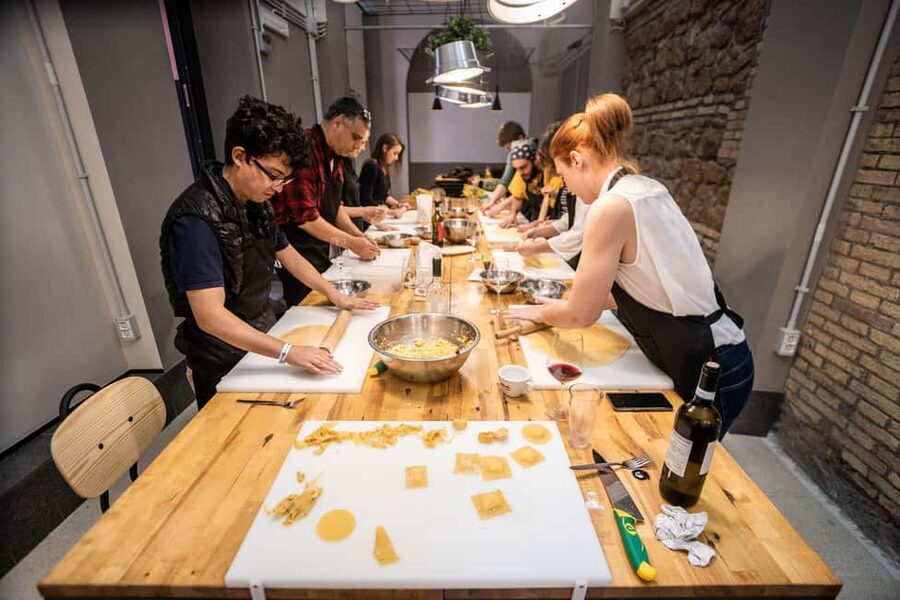
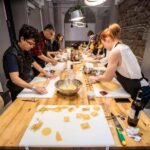
Once you head back to the kitchen—called Kitchen of Mamma—the lesson shifts from looking to doing. The atmosphere matters here: it’s set up so you’re not stuck watching one person cook while the rest of the group waits.
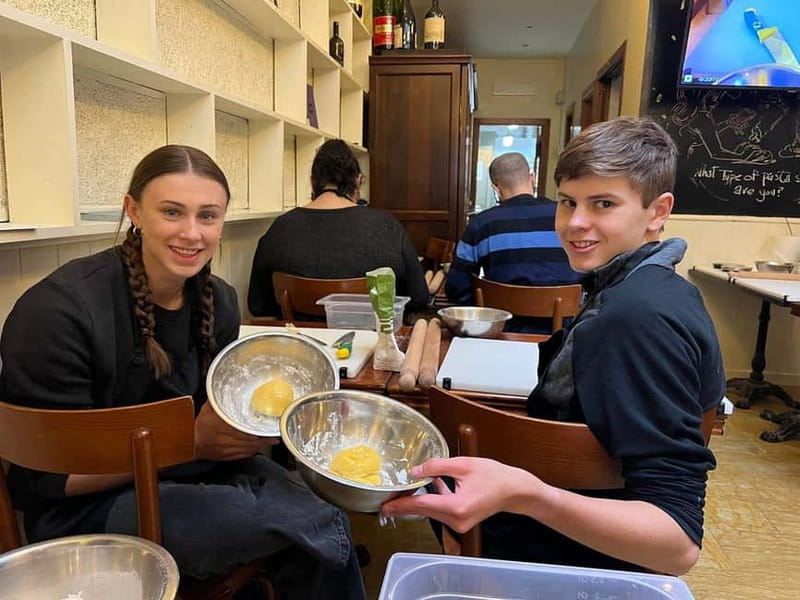
A big positive is how the class is structured around individual workstations around a long table. You’ll be cutting, shaping, and assembling with guidance nearby. Many classes claim hands-on, but this one aims for hands-on with enough support that your dough actually turns out.
You’ll work on the core skill: the homemade pasta dough. That includes learning how to get the dough to the right feel, how to handle it without tearing, and how to keep going even if your first attempt looks a little awkward. Expect a teacher who checks in, adjusts, and explains patiently—especially if you’re a beginner.
One useful detail from the way the class runs: to keep the day moving, some prep may already be handled. Still, you’ll do the key steps that teach you what matters: dough handling, shaping, and assembly.
What you’ll cook: stuffed pastas, long pasta styles, and sauces
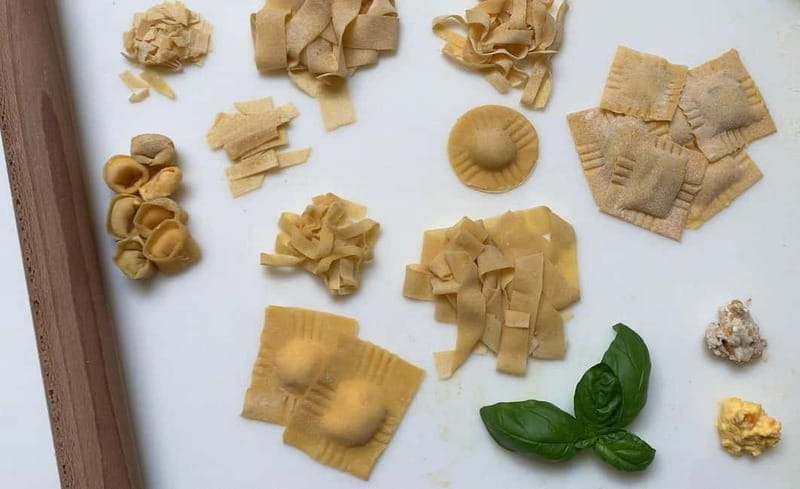
The exact menu can vary, but the core theme stays the same: you’ll learn a handful of traditional Roman methods, including both stuffed shapes and long pasta styles.
From the course description, you’ll learn:
- how to make pasta dough from scratch
- how to cook fillings and create authentic sauces
- how to form and prepare different pasta types
Based on what people have done in this class, you can reasonably expect stuffed pasta work—often including ravioli and tortellini—plus a long pasta option such as linguine. Some past sessions also featured seasonal-forward combinations like pumpkin ricotta ravioli, which is a great example of how Italian fillings can be both classic and creative without turning complicated.
Here’s how to think about the learning value:
- Stuffed pastas teach you control: sealing, portioning, and consistency.
- Long pasta teaches you shape and timing: how dough behaves once cut.
- Sauces teach you balance: you’re learning how pasta and sauce meet, not just making sauce in isolation.
You’ll also get a chance to make sauces yourself. Even when a sauce feels familiar, the Roman approach often shows you small technique differences—how long to cook, how to season, and how to connect sauce texture to the pasta shape.
If you like the idea of eating what you make, this part is where it happens. When you finish shaping your pasta, you’ll actually have something to look forward to at the table, not just a finished platter someone else prepared.
Lunch with Italian wine, then coffee and limoncello
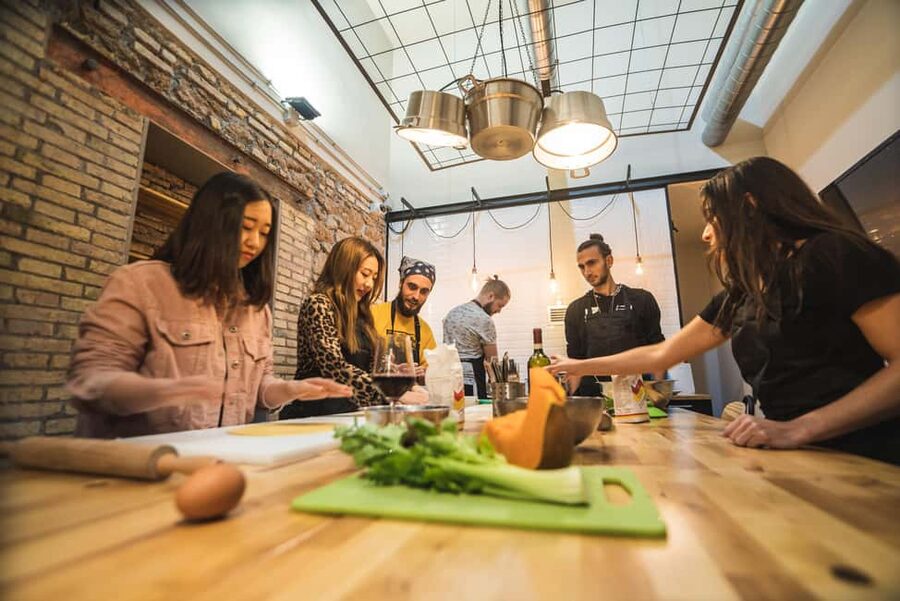
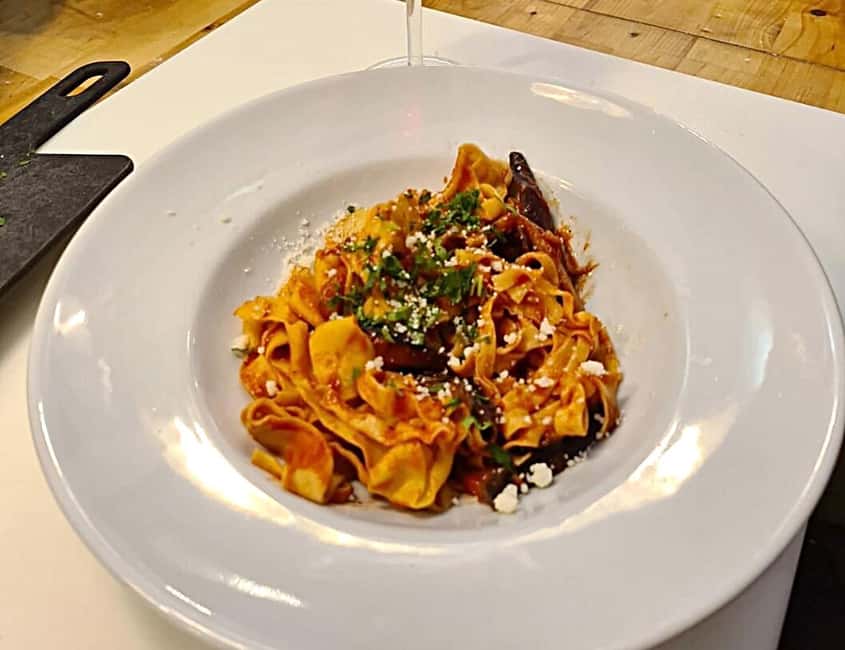
The food part is not an afterthought. It’s built into the lesson so you can immediately taste what you just learned.
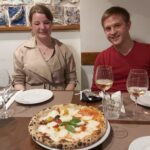
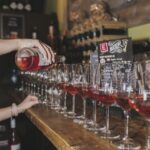
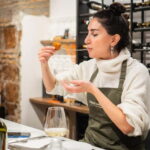
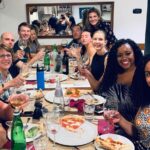
Lunch typically includes the pasta you made, served with a glass of Italian wine. People also report sampling both red and white wine in some sessions, which fits the idea that the meal is meant to be more than one sip and done. You should still plan to pace yourself, especially if you’re using the class as part of a full travel day.
Then comes the classic close: coffee and limoncello. This is the kind of finish that makes the class feel like a complete Roman meal, not a workshop followed by a separate restaurant stop.
Small but important note for decision-makers: the chef can be considerate about what you drink and how you handle alcohol needs. If you’re pregnant, planning abstinence, or have any special dietary or beverage questions, tell the instructor up front so they can guide you with the right approach. The class is structured enough that adjustments are possible.
Time, pace, and what the 4-hour schedule feels like
The official duration is 4 hours, and that lines up with what you should plan for. In practice, it tends to feel like a focused afternoon: you’re not dragging through hours of waiting, and you’re not rushed through the steps so hard that the learning disappears.
You start with the short market walk, then go into the kitchen for dough and shaping. You’ll also have time for sauces, lunch, and the coffee and limoncello finish. The group format matters too. With individual stations and frequent check-ins, the time stays productive.
What to plan around:
- Pick a day where you can enjoy a slower pace afterward.
- Give yourself enough room to eat the full lunch without immediately rushing off to another major site.
- Wear something that works for hands-on work. You won’t be in a dining outfit for long.

Price and value: why $103 can make sense here
At $103 per person, this class sits in the mid-to-upper range compared with simpler cooking tours. Here’s why it can still feel like good value.
You’re paying for five things that add up:
- a guided market walk with ingredient context
- instruction from a chef who teaches and checks your technique
- hands-on pasta making with individual stations
- lunch with wine plus coffee and limoncello
- tangible take-home value: recipes and a participation certificate
That combination is the key. A cheaper cooking experience might only teach one dish or keep you mostly observing. This one tries to give you the kind of foundation you can repeat at home—especially around dough and shaping—while still giving you a proper meal.
If you’re the type of traveler who likes to bring skills home (even small ones), the recipes and the method instruction make the price feel more justified than if you’re only there for dinner.
One more value point: people consistently rate the experience extremely high, and the name that comes up most is Marco as both chef and host. When the teaching is excellent, the whole class becomes worth it, because you’re not just eating—you’re learning.
Who should book this pasta class in Rome
This is a great fit if you:
- want a hands-on cooking class that includes a market visit
- like learning technique, not just copying a single dish
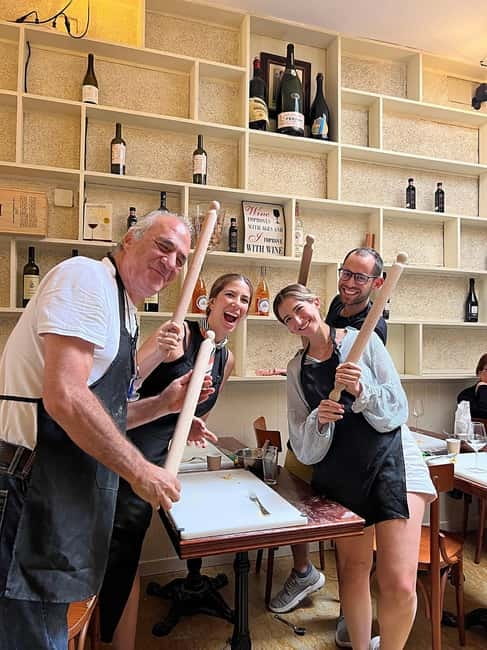
- enjoy the social side of cooking with a small group around a shared table
- want a meal that feels like part of the lesson, with wine and a proper finish
It may be less suitable if:
- you have gluten intolerance (the course is built around wheat pasta dough)
- you only want a light snack or a quick demo (this is a full cooking-and-eating afternoon)
If you’re traveling with friends or family, the class setup tends to work well because everyone has a station and a clear role in the process. And if you’re solo, you’ll likely find it easier than some group tours, since cooking creates natural interaction.
Should you book this Rome pasta class?
If you want one genuinely practical food experience in Rome—something you can remember and repeat—this is an easy yes. The market start makes your ingredient choices smarter, and the kitchen instruction is built around you making the pasta, not hovering nearby.
Book it if you:
- care about learning the steps behind homemade pasta
- want a classic Roman-style meal with wine, coffee, and limoncello
- are okay planning for a 4-hour afternoon that’s focused and hands-on
Skip it if gluten intolerance is a concern, since the class is not designed to be gluten-free.
FAQ
How long is the pasta cooking class in Rome?
The class lasts 4 hours.
Where is the meeting point?
You meet at Via Palestro 51, 00185 Rome. Arrive at least 10 minutes early.
Do I need any cooking experience?
No. The class says no previous skills are required.
What do I get to eat and drink?
You’ll have lunch with pasta, plus a glass of Italian wine. The experience also includes coffee and limoncello.
Will I learn different types of pasta?
Yes. The course focuses on making traditional pasta from scratch and includes multiple pasta types (the exact variety can vary by session).
Is the class suitable for gluten intolerance?
No. It is not suitable for people with gluten intolerance.
What languages are the instructor and class offered in?
Instruction is available in English and Italian.
Are recipes and a certificate included?
Yes. You receive a participation certificate and pasta recipes.
Is free cancellation available?
Yes. Free cancellation is offered up to 24 hours in advance for a full refund.