REVIEW · ROME
Rome: Food Tour near Vatican City with Wine
Book on GetYourGuide →Operated by The Roman Food Tour · Bookable on GetYourGuide
Rome food gets serious near the Vatican. This 3 to 4 hour gourmet walk takes you through the neighborhoods nearby with stops for pizza and wine, plus a spread of classic Roman flavors like al dente pasta, truffles, aged balsamic vinegar, cheeses, and cured meats. It’s a great way to eat like a local while you’re still fresh from a day of sightseeing.
I like how the tour builds a clear food order: you start with a gourmet shop for cheeses and meats paired with fine wine, then move to pizza from Gabriele Bonci, known as the Michelangelo of Pizza. I also like that homemade pasta at il segreto comes with DOCG Vermentino wine, so it’s not just random bites, it’s a real pairing moment. One consideration: you’ll be walking for the full 3 to 4 hours, and the area isn’t a postcard-cute stroll the whole way, so comfortable shoes matter.
In This Review
- Key things I’d watch for on this Rome food and wine tour
- How the tour near Vatican City fits Rome’s real food map
- Stop 1: The gourmet food shop for cheeses, cured meats, and wine
- Stop 2: Pizza by Gabriele Bonci, the Michelangelo of Pizza
- Stop 3: il segreto for handmade pasta and DOCG Vermentino
- Stop 4: Artisanal gelato to end the evening
- Wine education that doesn’t feel like homework
- Where the best value comes from (and when it might not)
- Walking time, group pace, and what to bring
- If you’re pairing this with Vatican sights (or skipping them)
- Who this tour suits best
- Should you book this Rome food and wine tour near the Vatican?
- FAQ
- How long is the Rome food and wine tour?
- Where does the tour start and end?
- What’s included in the price?
- What specific foods and drinks can I expect to taste?
- What neighborhood area does the tour cover?
- Is there a private group option?
- What language is the tour guide?
- What should I bring?
- Is free cancellation available?
- Can I reserve without paying right away?
Key things I’d watch for on this Rome food and wine tour
- Bonci pizza as a main event: Gabriele Bonci’s pizza gets its own stop, not a quick slice in passing.
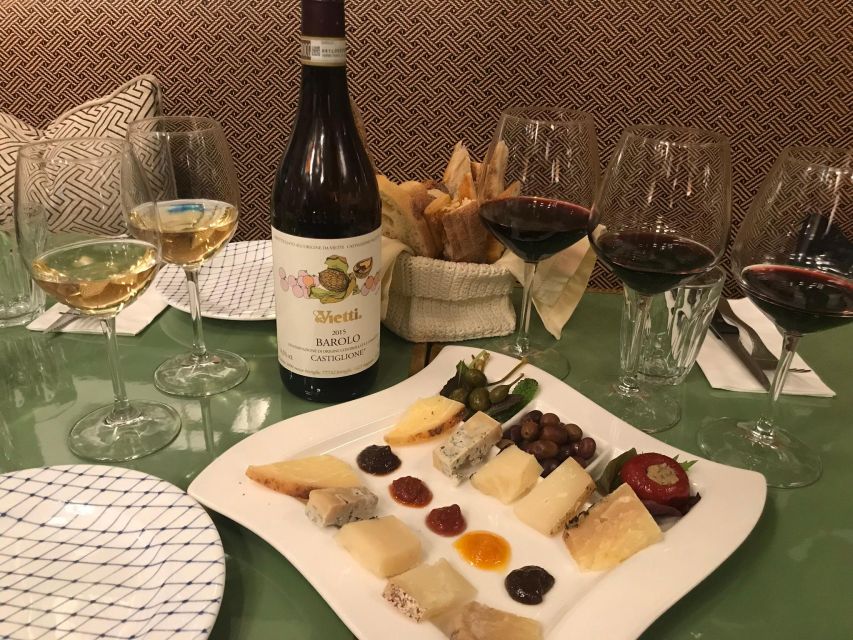
- A cheese-and-cured-meats start: the tour begins at a gourmet shop focused on Italian staples paired with wine.
- DOCG Vermentino with homemade pasta: il segreto is where the tasting shifts from street food vibes to proper seated pasta.
- Truffles and aged balsamic vinegar: these show up in the tasting lineup, so it’s not just the usual cheese platter.
- Gelato to wrap it up: you finish with artisanal gelato, which is exactly the right tone for the end of a food tour.
How the tour near Vatican City fits Rome’s real food map
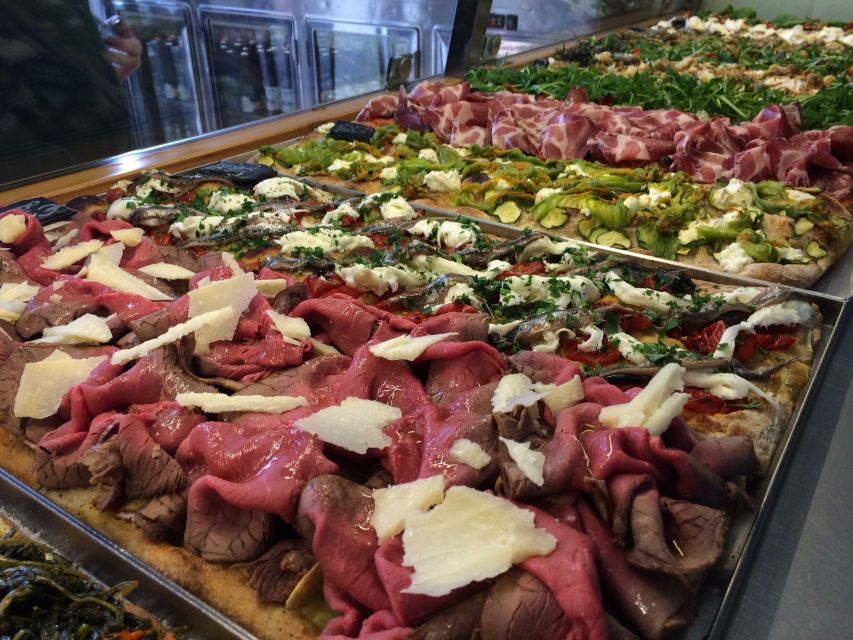
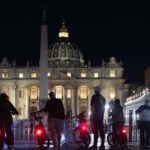
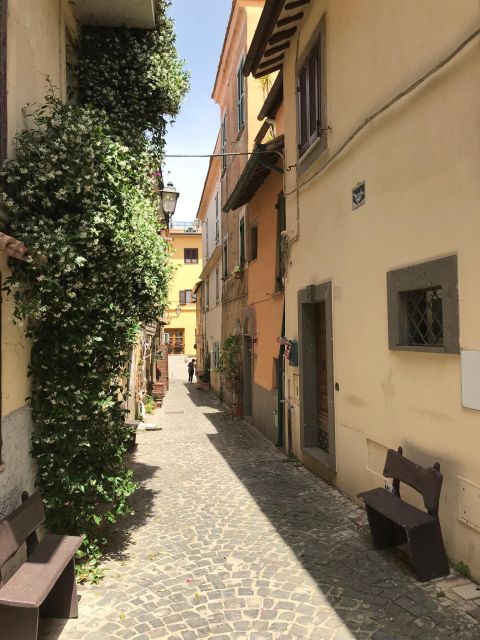
This tour is designed around Rome neighborhoods near Vatican City, not the main “walk-by” tourist belt. That matters because your best meals in Rome usually happen in the in-between streets: the blocks locals actually cross for lunch, the shops that don’t need a ticket line, and the places that keep serving the same favorites year after year.
The best part is that the experience is built like a sequence. It starts with an Italian deli-style tasting (cheeses and cured meats), then pivots to pizza, then moves into handmade pasta, and finally ends with gelato. You’re not just sampling. You’re learning the flavor logic of Roman food: what to expect, what good looks like, and how wine changes the way you taste.
And yes, wine is a real part of the plan. Guides on past departures have earned praise for making wine and ingredient education feel practical, not like a lecture.
You can also read our reviews of more food & drink experiences in Rome
Stop 1: The gourmet food shop for cheeses, cured meats, and wine
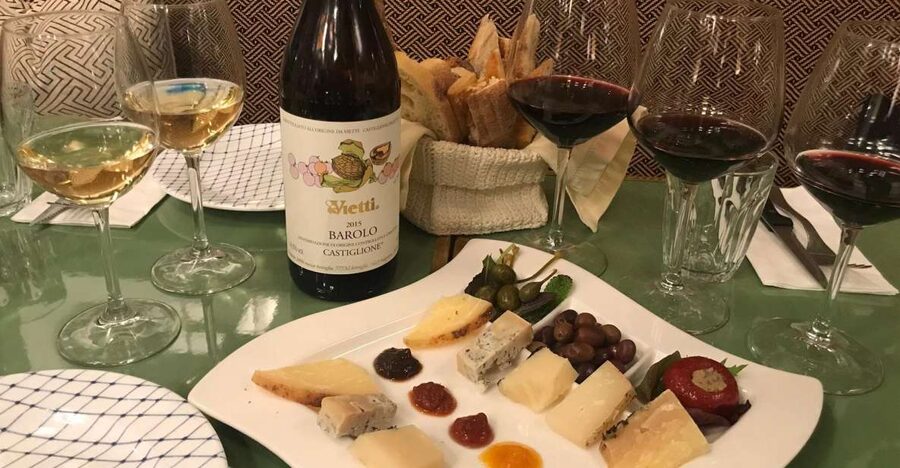
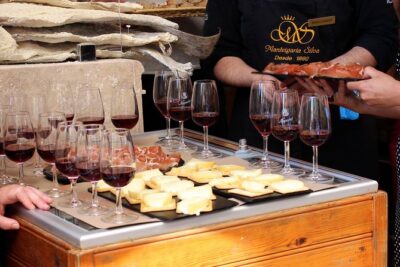
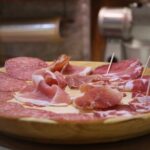
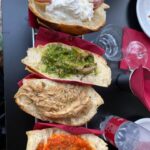
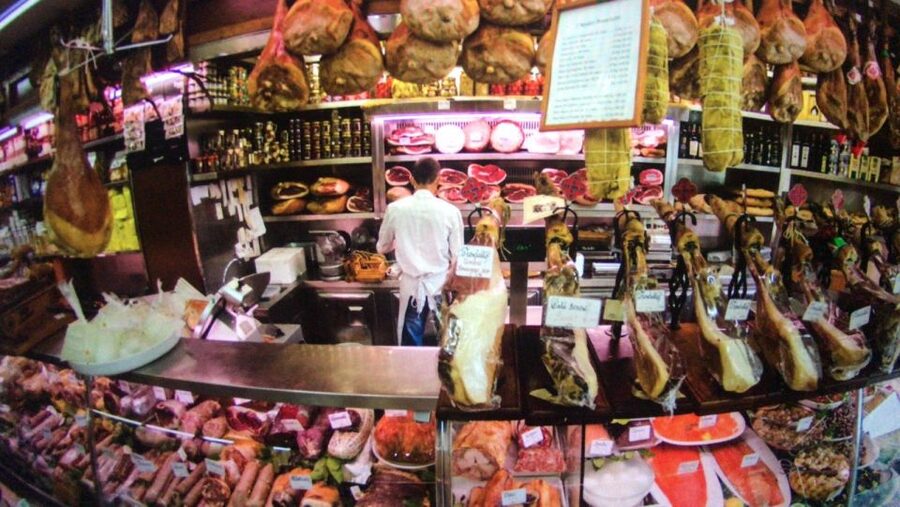
The tour kicks off at a gourmet food shop. This is the smart start point, because it warms up your palate before heavier dishes.
Here’s what you can expect in this first stage:
- Cheeses and cured meats from Italy’s classic lineup
- Fine wine served alongside tastings
This opening matters because it sets the theme of the evening: Rome food isn’t just about one famous item. It’s about balance—salt, fat, acidity, and texture. A good cheese-and-salami pairing also helps you understand why later stops (like balsamic vinegar and truffles) hit so hard.
The tour also focuses on spotting authenticity. You’re not only tasting; you’re being taught how to tell the real thing from the fake stuff. That’s especially useful in Rome, where plenty of goods look similar but taste very different once you know what to look for.
Stop 2: Pizza by Gabriele Bonci, the Michelangelo of Pizza
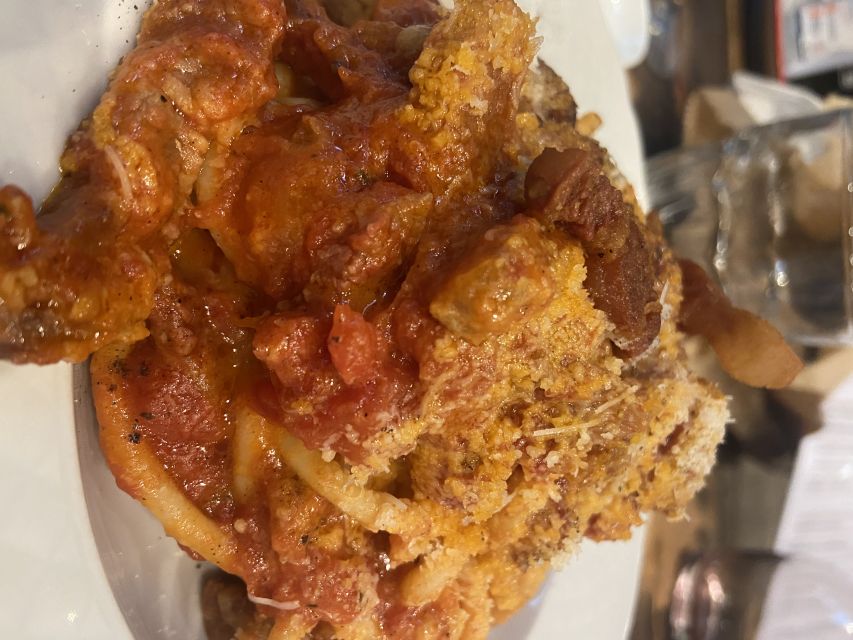
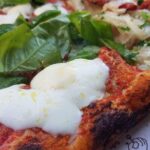
Next up is the pizza stop. The tour centers on pizza from Gabriele Bonci, who’s often called the Michelangelo of Pizza. That nickname isn’t just marketing fluff—it signals a hands-on approach to dough, texture, and bake style.
What you’re likely to care about as you eat:
- You’re getting Rome pizza as the main event, not a side dish.
- The tour format usually gives you context on what makes a pizza truly great—so you don’t just taste it, you understand it.
If you’ve only had pizza abroad, this stop can be a real eye-opener. Rome-style pizza is often about the dough and chew, and the way toppings stay in harmony instead of drowning the crust.
Stop 3: il segreto for handmade pasta and DOCG Vermentino
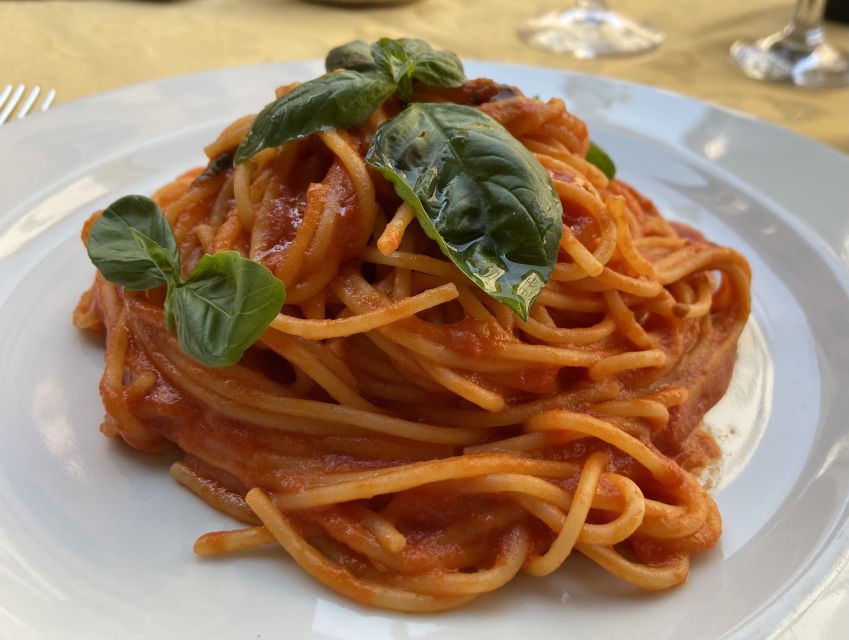
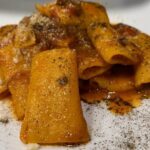
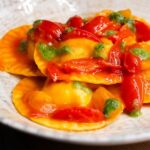
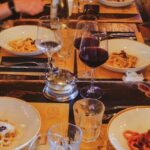
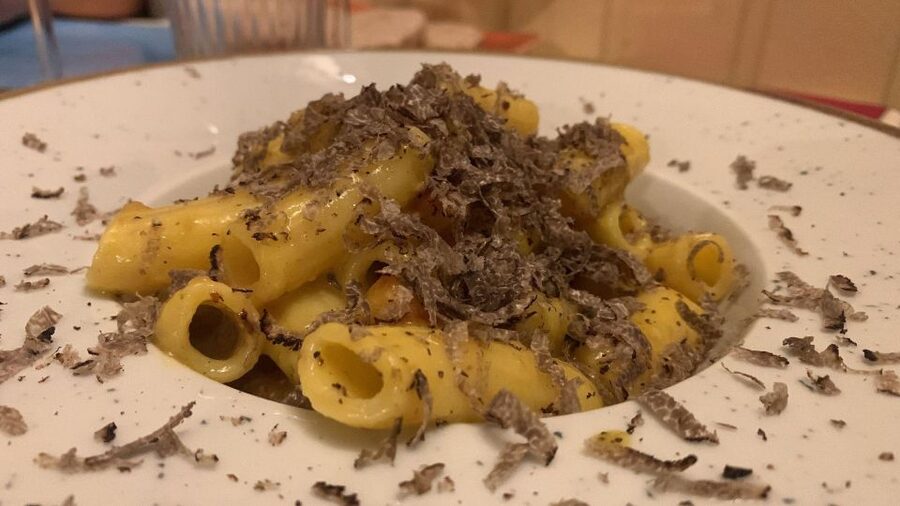
After pizza, the tour shifts into homemade pasta at il segreto. This is where the tasting gets more sit-down and ingredient-focused.
This stop includes:
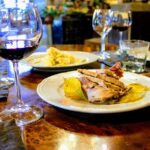
- Fresh handmade pasta
- Fine wine: DOCG Vermentino
Why this pairing works: Vermentino tends to bring a clean, bright feel that helps cut through pasta richness without flattening flavor. It’s a pairing that makes the pasta taste more layered, not just “more wine.”
Also, this is where the tour’s ingredient emphasis clicks. If the earlier stage sets up your palate with cheese and cured meats, the pasta stop shows you how Italian cooking keeps things simple but sharply executed.
And if you’re curious about truffles, balsamic vinegar, and other premium ingredients, this is often the moment where those flavors feel like they belong. They’re not random treats; they’re part of the same Rome taste language.
Stop 4: Artisanal gelato to end the evening
Every good food tour needs a finish line that feels like a reward, not a chore. Here, you wrap up with artisanal gelato.
This ending is smart for two reasons:
- It helps reset your palate after wine and savory-heavy tastings.
- It makes the final stop feel light enough that you can actually enjoy the last bites (not just push through).
Gelato is also a great “last lesson” moment. You’ll often notice differences in texture and flavor intensity when you’re paying attention—exactly the kind of detail the tour’s authenticity theme encourages.
A few more Rome tours and experiences worth a look

Wine education that doesn’t feel like homework
Food tours can turn into constant chatter with little substance. This one tries to be different: it teaches you how to understand ingredients and wine rather than just pointing and serving.
From the guide style described in highly rated outings, the strongest pattern is that the guide makes the evening fun while still giving you useful info about what you’re tasting. Names that came up often in excellent experiences include Giordano, Carolina, Louisa/Luisa, Francesca, Luca, Lisa, Jordan, Dory, Sofia, Alina, and Tatyana.
You don’t need to be a wine geek to benefit. Even if you just like wine and good food, the best takeaway is learning what to look for (and how to avoid the shortcuts). That’s where the authenticity lesson really pays off after the tour too.
Where the best value comes from (and when it might not)
At $67.29 per person, you’re paying for:
- A local tour guide
- Multiple tastings that include food and wine
- A structured route with standout items like Bonci pizza, handmade pasta, and gelato
To judge value, think about what you’d spend on your own if you tried to copy this plan:
- Pizza from a top name
- A proper deli-style cheese and cured meat tasting
- Homemade pasta at a restaurant
- Wine across multiple stops
- Gelato at the end
Even if you eat “normally” after, the tour price often feels fair because it bundles both the food and the wine plus the guide’s sorting. You’re also paying for convenience: someone else handles the order, timing, and where to go.
When might this not be ideal?
- If you hate walking or you prefer a long sit-down restaurant dinner instead of multiple stops.
- If you’re visiting late in the day and don’t have much appetite buffer. These tours are designed for people who show up hungry.
Walking time, group pace, and what to bring
The tour runs 3 to 4 hours. Starting times vary, so check availability for the schedule that works best with your day.
You’ll want:
- Comfortable shoes (non-negotiable)
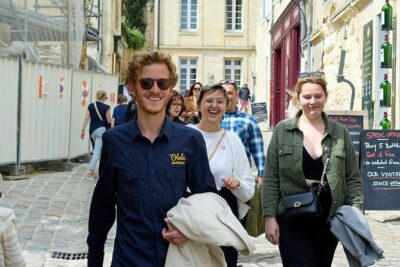
Group setup can change by booking type. The tour notes that private group options exist, and the experience is offered with an English live guide. In smaller or standard groups, the pace tends to work well because you’re moving but not sprinting between stops.
One practical tip: wear layers if Rome weather is tricky. You’ll be eating and drinking, so you’ll heat up, then cool off on the walk.
If you’re pairing this with Vatican sights (or skipping them)
Because the route is near Vatican City, it can fit nicely around a day that includes:
- Vatican-area sightseeing
- A more relaxed “food-first” evening after big museum time
That said, the tour focus isn’t on checking off landmarks. It’s about eating well and learning what makes the flavors tick. If your goal is to see statues every 15 minutes, you might find this slower and more food-forward than you expected.
Still, even when the neighborhood isn’t the most scenic, that’s often exactly where you find the tastiest meals.
Who this tour suits best
This is a strong match if you:
- Want real Roman food with a clear mix of pizza, pasta, cheese, wine, and gelato
- Like learning a bit while you eat (especially how to spot authentic ingredients)
- Enjoy guided evenings where the group stays social but the food stays front and center
It’s also a nice option for first-time visitors who don’t want to guess where to go for a proper pizza stop or who’d rather spend their energy tasting instead of researching.
If you’re the type who likes deep history tours only, you might wish for a different format. This experience is about flavors and the people behind them—those ingredient and pairing details are the point.
Should you book this Rome food and wine tour near the Vatican?
I’d book it if you want a concentrated Rome night that hits major food categories in one evening: cheeses and cured meats, Bonci pizza, handmade pasta with DOCG Vermentino, and artisanal gelato. The price is reasonable for what’s included, and the guide-led authenticity lesson helps you carry the value home.
Skip it if you don’t want wine, don’t like walking, or you’re not in the mood to eat multiple courses across several stops. Otherwise, it’s one of the more efficient ways to eat your way through Rome’s best specialties in a short time window.
FAQ
How long is the Rome food and wine tour?
The tour lasts 3 to 4 hours. You’ll need to check availability to see the starting times.
Where does the tour start and end?
The meeting point can vary depending on the option booked, and the tour ends back at the meeting point.
What’s included in the price?
The tour includes food, wine, and a local tour guide (English).
What specific foods and drinks can I expect to taste?
You can expect pizza, al dente pasta, truffles, cheeses with cured meats, aged balsamic vinegar, Roman street food, natural gelato, and wine tastings. Vermentino wine is mentioned for the pasta stop.
What neighborhood area does the tour cover?
The tour goes around neighborhoods near Vatican City.
Is there a private group option?
Yes, private group options are available.
What language is the tour guide?
The live guide speaks English.
What should I bring?
Wear comfortable shoes.
Is free cancellation available?
Yes. You can cancel up to 24 hours in advance for a full refund.
Can I reserve without paying right away?
Yes. The option says Reserve now & pay later, so you can book your spot and pay nothing today.