REVIEW · BORDEAUX
Professional – Bordeaux Wine and Cheese Tasting with a walking tour
Book on Viator →Operated by Free Walking Tours Bordeaux · Bookable on Viator
Two hours can change how you taste Bordeaux. You get a city walk through UNESCO-listed Port de la Lune scenes, then finish with a hands-on blind wine and cheese session.
I like this combo because it’s practical. I love the way the walk sets context for what you’re about to drink, and I love that the tasting isn’t just sipping it’s paired, explained, and designed to help you spot what you actually want to buy next.
One consideration: this tour keeps things moving, so big-ticket sights like Cité du Vin are viewed from a distance rather than fully toured up close.
In This Review
- Quick Hits: What You’ll Really Get
- Getting Oriented in Bordeaux’s Chartrons Wine District
- River Views, Bridges, and the Wine-and-Power Story
- Eglise St Louis des Chartrons: A Landmark You’ll Remember
- Cité du Vin From Afar: Worth It Even Without Going In
- The Twin Houses and the Foreign Merchant Angle
- Blind Bordeaux Wine Tasting: Pairing Tips You Can Use
- Price and Value: Does $78.64 Make Sense?
- Who Should Book This Tour (and Who Might Skip It)
- Practical Tips for a Smoother Afternoon
- Should You Book This Bordeaux Wine and Cheese Tasting Walk?
- FAQ
- How long is the Bordeaux wine and cheese tasting walking tour?
- Where does the tour start and end?
- Is the tour offered in English?
- What wines and food are included in the tasting?
- Do you visit Cité du Vin up close?
- What happens if the weather is poor or the minimum number of travelers isn’t met?
Quick Hits: What You’ll Really Get
- Chartrons first, then wine: you start on the old wine-merchant street and learn how the district shaped the region.
- A blind tasting format: you sniff and sip without labels to train your palate.
- Four Bordeaux Bio wines: one white, two reds, and one sweet, paired with cheese (plus baguette).
- Small group feel: capped at 15 travelers, so questions don’t vanish.
- Iconic Bordeaux outdoors stops: bridges, a landmark church, and river views, without a museum sprint.
- English-led sommelier guidance: the tasting is guided, with buying and pairing tips along the way.
Getting Oriented in Bordeaux’s Chartrons Wine District
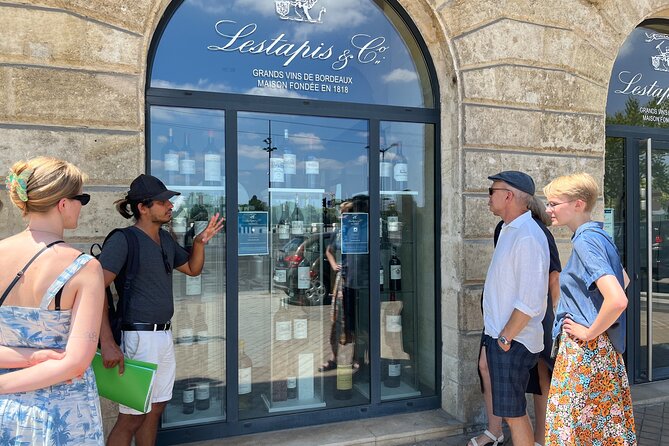
Your afternoon starts in Chartrons on 64 Quai des Chartrons. This area is tied to Bordeaux’s wine trade history, and the first minutes matter because they help you understand why people built this city’s wealth right here along the river.
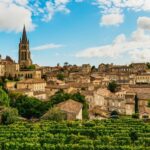
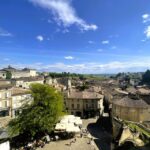
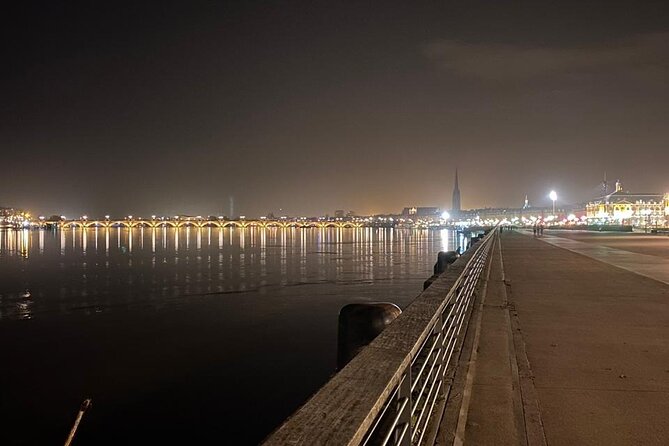
You’ll hear the nickname Port de la Lune and why it stuck back in the 1600s. The UNESCO connection is part of the mood check: this isn’t just pretty streets, it’s a waterfront history lesson where buildings and geography tell you the story.
Expect a short, easy walk pace. It’s the kind of route that helps you get your bearings fast so you can roam independently later without feeling lost.
You can also read our reviews of more walking tours in Bordeaux
River Views, Bridges, and the Wine-and-Power Story
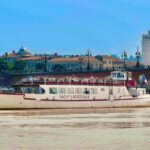
After Chartrons, the tour shifts toward the river: you’ll take in views along the Quais de Bordeaux while learning how Bordeaux’s port and wine trade fed each other. It’s a smart move because Bordeaux wine history can feel abstract until you connect it to shipping, commerce, and the people moving bottles in and out.
Next comes Pont de Pierre, one of the oldest bridges in Bordeaux. You won’t be going up close, but the guide will frame why it matters, including its connection to Napoleon Bonaparte and early 19th-century ambition. The point isn’t to inspect stonework it’s to understand how infrastructure supported the wine business.
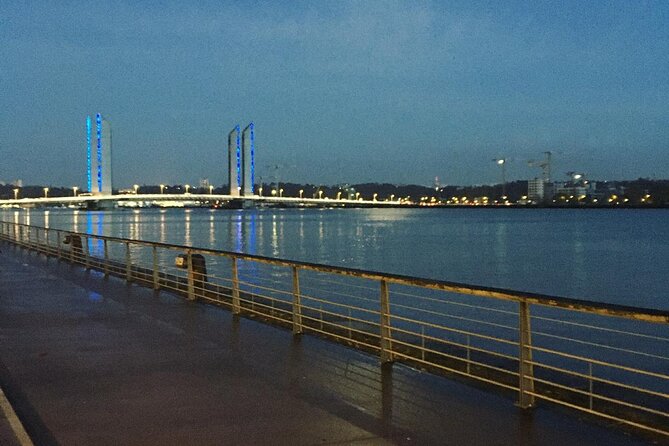
Then you’ll spot Pont Jacques Chaban Delmas from a distance and hear how its design connects to modern thinking. You’ll also get a quick look at how technology shows up in wine-making now, which is a nice bridge between the old port world and today’s approaches.
Eglise St Louis des Chartrons: A Landmark You’ll Remember
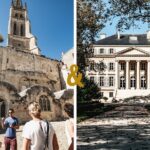
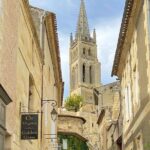
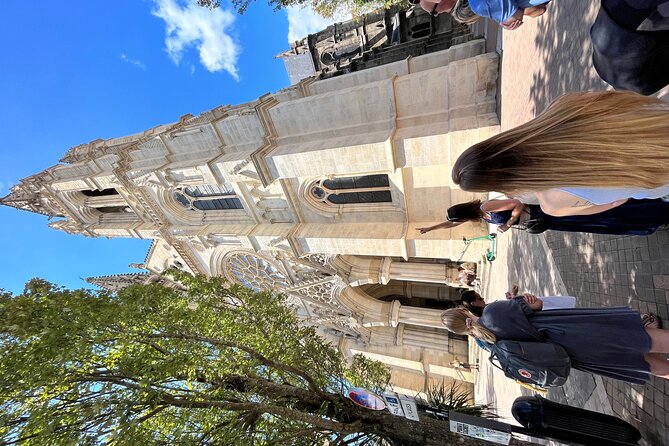
One of the best parts of a short walking tour is landing at a moment that feels real. Eglise St Louis des Chartrons is that kind of stop: a clear, iconic church presence that gives Chartrons its character beyond wine talk.
Here, the guide ties the church to local history. You’re not getting a long detour or a full church visit; you’re getting the “why this place matters” version, which is perfect if you’re short on time in Bordeaux.
Also, if you’re traveling alone or with a partner, church stops are social anchors. People naturally pause, look around, and then the conversation flows. It keeps the group from feeling like a marching line.
Cité du Vin From Afar: Worth It Even Without Going In
You’ll head past the visual cue that most wine lovers in Bordeaux look for: Cité du Vin. The museum is described as the biggest wine exposition museum in the world, and you’ll see it up the river northward.
But you won’t go inside. That’s a plus if your schedule is tight. It’s also a heads-up: if you’re planning a full museum day, treat this tour as your orientation and then plan your museum visit separately when you have time to go at your pace.
From a value standpoint, seeing the building from the right angle can be more efficient than trying to stack museum hours on top of a tasting. This tour’s strength is focus: city context first, then palate training.
The Twin Houses and the Foreign Merchant Angle
One stop that helps the whole experience click is the view of the Maisons Jumelles (twin houses) around 29 Quai des Chartrons. You’ll learn that these were lived in by foreign wine merchants, and that detail isn’t random.
It shows you that Bordeaux wine history wasn’t only “local families” or “inside-the-city” stories. Trade brought outsiders, and those outsiders shaped demand, styles, and how wine was sold. If you’ve ever wondered why Bordeaux is so globally branded today, this is where the roots start.
It also connects neatly to the tasting portion. When the guide talks about wine styles, it lands better because you now understand the international pressure and market influence that helped Bordeaux become what it is.
You can also read our reviews of more food & drink experiences in Bordeaux

Blind Bordeaux Wine Tasting: Pairing Tips You Can Use
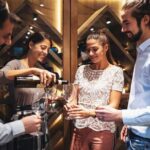
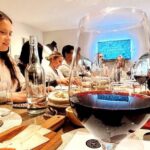
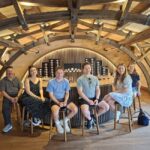
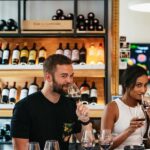
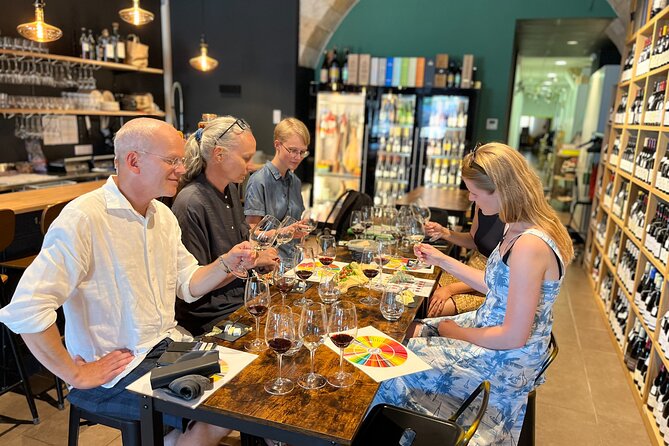
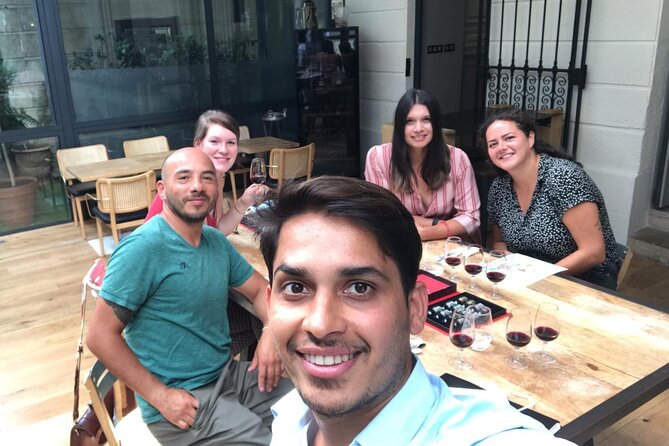
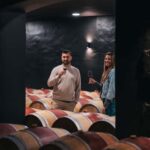
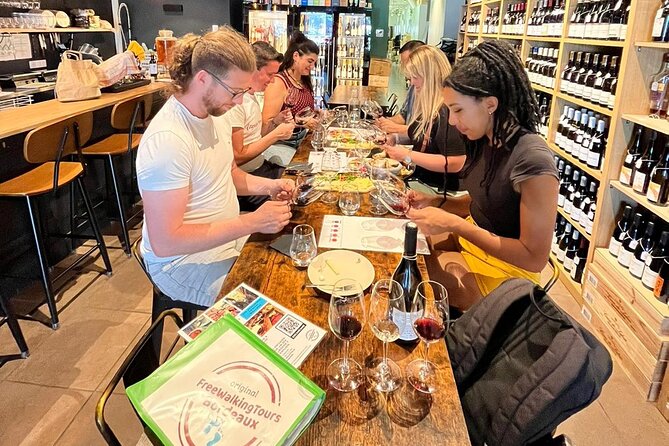
Here’s the main event: the tour ends with a guided blind tasting at a local wine bar. The timing is about 30 minutes, which sounds short until you realize the format is built to make you pay attention fast.
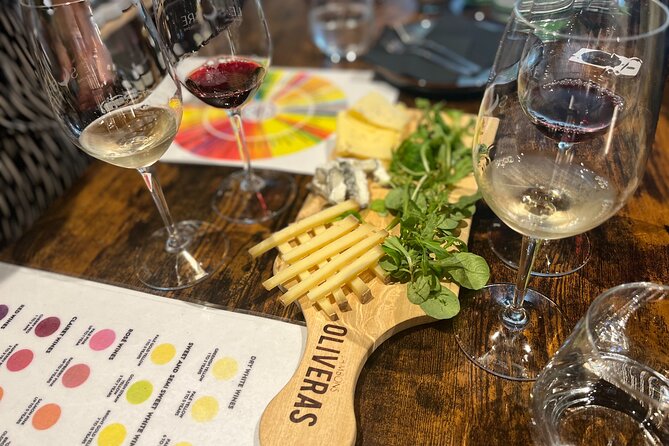
You’ll sniff and sip through four Bordeaux Bio wines: one white, two reds, and one sweet. The blind setup is key. Without labels, you rely on aroma, texture, acidity, and sweetness rather than hype or branding. That’s exactly the kind of training that makes you a better shopper later.
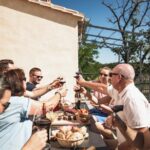
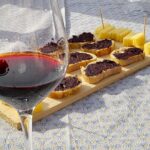
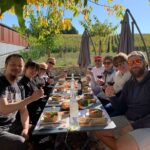
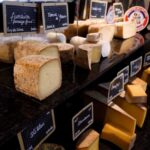
Then comes the pairing. You’ll taste the wines with an assorted French cheese platter and baguette. The guide talks you through how the cheese changes what you taste. If you’ve ever had wine and cheese separately and wondered why they taste better together, this is the practical answer.
I also like that the experience can be playful. Some guides run small quiz-style moments as part of the tasting, which keeps it from feeling like a lecture. You may also hear themes that go beyond geography, like highlighting vintners including women producers, depending on the guide’s approach.
Price and Value: Does $78.64 Make Sense?
At $78.64 per person for about 2 hours, you’re paying for two things: a short guided walk with context and a structured tasting with multiple pours plus cheese. In many wine towns, you can spend close to this amount on wine tastings alone, so the added city orientation is a real part of the value.
The small group limit (max 15) matters here. A tasting can go bland when the group is too large, but a smaller number usually means better guidance and more time for questions during pairing.
Is it cheap? No. Is it fair for what you get? I think so, especially if you’re the type who wants to understand what you’re tasting and how to choose bottles later.
Who Should Book This Tour (and Who Might Skip It)
This is a great fit if you’re:
- In Bordeaux for a short stay and want a fast, organized way to learn Chartrons.
- Wine-curious and want tips you can actually apply (not just facts you forget).
- Someone who enjoys hands-on pairing, where you taste, then learn why it works.
You might want to skip it if you:
- Plan to do Cité du Vin as a full museum visit and don’t want anything approximated from a distance.
- Want a longer, deeper walk through every major monument (this is intentionally compact).
- Are hoping for a heavy focus on vineyard specifics rather than city trade and tasting skills.
A simple rule: if you want Bordeaux to make sense in your head and your glass, book it.
Practical Tips for a Smoother Afternoon
The tour starts at 1:30 pm, and it runs about 2 hours, including travel time between stops. Wear shoes you don’t mind getting a little warm, because you’ll be on your feet across multiple river-side sections and streets.
Because the experience has a good-weather requirement, check the forecast. If rain affects the plan, expect the format to adapt rather than forcing you into a miserable walk.
Also think about buying wine after. One common problem in wine cities is that bottles take space and weight. If you’re traveling light, plan how you’ll carry anything you buy so it doesn’t become a hassle at the end of the day.
If you’re sensitive to noise or crowds, this group size helps, but bring patience for a lively tasting environment, since you’ll be sniffing, sipping, and listening in a small bar setting.
Should You Book This Bordeaux Wine and Cheese Tasting Walk?
If this is your first time in Bordeaux, I’d book it. You get a well-paced walkthrough of Chartrons, a sense of how the port and wine trade built the city, and then a structured blind tasting with four organic Bordeaux wines and real food pairing.
Skip it only if your priority is a full museum day or close-up monument time. For everyone else, it’s a solid value way to turn a couple of hours into both city knowledge and better wine choices.
FAQ
How long is the Bordeaux wine and cheese tasting walking tour?
It runs for about 2 hours.
Where does the tour start and end?
It starts at 64 Quai des Chartrons, 33300 Bordeaux and ends at Rue Notre Dame, Bordeaux.
Is the tour offered in English?
Yes, it is offered in English.
What wines and food are included in the tasting?
You’ll taste four Bordeaux Bio wines (one white, two reds, and one sweet) paired with an assorted French cheese platter and baguette.
Do you visit Cité du Vin up close?
No. Cité du Vin is spotted from a distance, not visited close up.
What happens if the weather is poor or the minimum number of travelers isn’t met?
The experience requires good weather. If it’s canceled due to poor weather, you’ll be offered a different date or a full refund. If it’s canceled because the minimum isn’t met, you’ll also get a different date/experience or a full refund.