REVIEW · BORDEAUX
Bordeaux Wine Masterclass: Blending workshop with appetizer
Book on Viator →Operated by à la française · Bookable on Viator
Bordeaux can taste complicated, fast. This seated masterclass turns it into a fun, doable skill. You’ll learn the key French wine words like terroir and appellation, while sampling multiple regions beyond Bordeaux with help from hosts such as Gabriel.
I especially like the hands-on blending workshop where you create your own mix using Merlot and Cabernet Sauvignon. The other thing I love: the tasting is guided in a way that helps you describe what you smell and taste, not just guess.
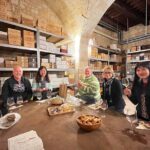
One thing to consider: this isn’t a vineyard tour. It’s a classroom-style tasting at the start point, with an appetizer plate (cheese, cured meats, and chocolate) rather than a full meal or winery visit.
In This Review
- Key points that matter before you go
- Entering The Class: 3 Rue d’Enghien, 10:30am, and a One-and-a-Half-Hour Focus
- French Wine in Plain English: Terroir, Appellation, and How to Stop Guessing
- The Tasting Technique Part: Color, Nose, and “Say What You Mean”
- Eight Wines to Compare: Why You’ll Taste Beyond Bordeaux
- Food Pairing That Actually Helps: Cheese, Cured Meat, Bread, and Chocolate
- Building Your Own Bordeaux Blend: Merlot Meets Cabernet Sauvignon
- What Makes the Hosting Work: Q&A, Seat-Work, and a Calm Pace
- Price and Value: $54.42 for Multiple Tastings Plus a Take-Home Skill
- Who This Bordeaux Workshop Fits Best (and Who Might Want Something Else)
- Should You Book This Bordeaux Blending Workshop?
- FAQ
- How long is the Bordeaux wine blending masterclass?
- What time does it start, and where do I meet?
- Is the workshop offered in English?
- How many wines will I taste?
- What’s included with the tasting?
- How old do I need to be to participate?
- Can I cancel for a full refund?
Key points that matter before you go
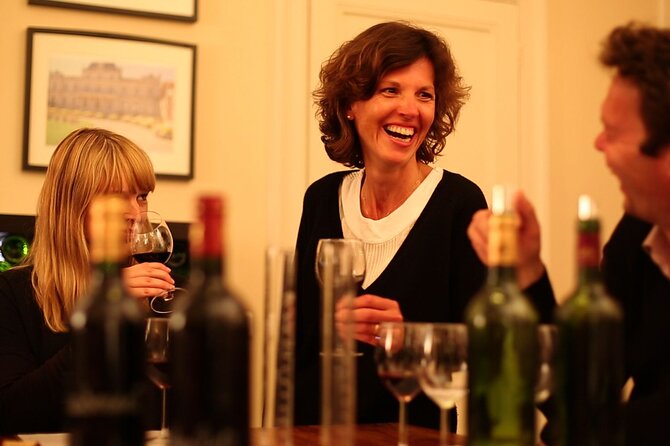
- Small group, max 12 people: more talking, more tasting, fewer awkward pauses
- Multiple regions, not just Bordeaux: Burgundy, Côtes du Rhône, Bordeaux, and the Loire Valley show up in the lineup
- You learn the label and the logic: how to read a French bottle without staring at it for hours
- Aromas and color training: you’ll practice identifying flavors and interpreting wine color
- Hands-on blending with local varietals: you build a Merlot–Cabernet Sauvignon blend by the end
- English instruction plus a take-home diploma: a practical souvenir and a clearer next shopping list
Entering The Class: 3 Rue d’Enghien, 10:30am, and a One-and-a-Half-Hour Focus
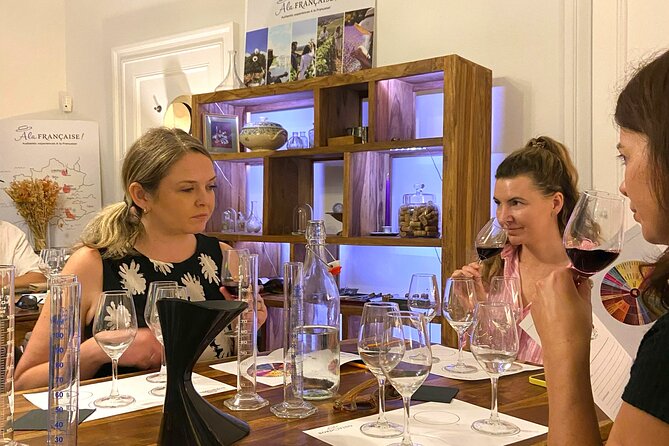
This workshop runs about 1 hour 30 minutes and starts at 3 Rue d’Enghien, 33000 Bordeaux. The activity ends back at the same meeting point, so plan to keep the rest of your morning flexible rather than stacking it right before a timed visit somewhere else.
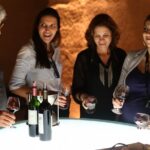
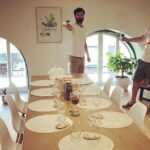
The setup is built for learning while seated. With a maximum of 12, the vibe stays calm and interactive. That matters because the goal isn’t to listen passively—it’s to taste, compare, and get your questions answered on the spot.
Also, it’s an English-friendly experience with a mobile ticket. You can arrive, settle in, and spend your energy on wine instead of logistics.
You can also read our reviews of more wine tours in Bordeaux

French Wine in Plain English: Terroir, Appellation, and How to Stop Guessing
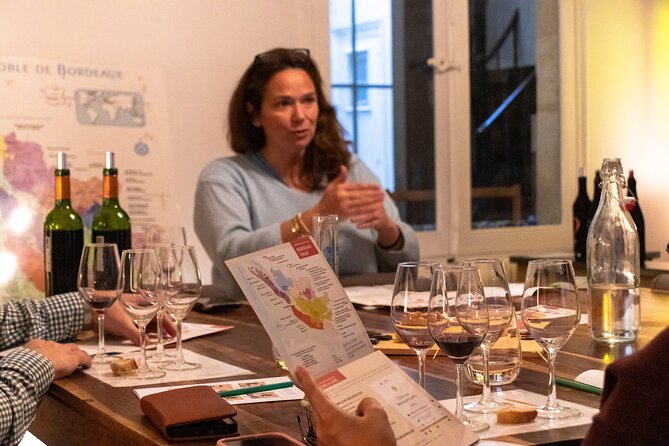
French wine labels can feel like a puzzle left on read. This class helps you decode it step by step.
You start with an overview of French wine regions, then get practical with terms that actually show up on bottles. The class specifically includes wine vocabulary like terroir and appellation. You’re not just handed definitions; you’re taught how those ideas connect to what’s in the glass.
Here’s what that means for you when you’re wandering Bordeaux shops later:
- You’ll know what to look for on the label (region/appellation clues, and why they matter)
- You’ll understand that French wine structure is not random marketing—it’s a system with rules
- You’ll feel more confident picking bottles that match what you already like
This is a real value point. In Bordeaux, you can spend a day guessing. In an hour and a half here, you can learn a repeatable method.
The Tasting Technique Part: Color, Nose, and “Say What You Mean”
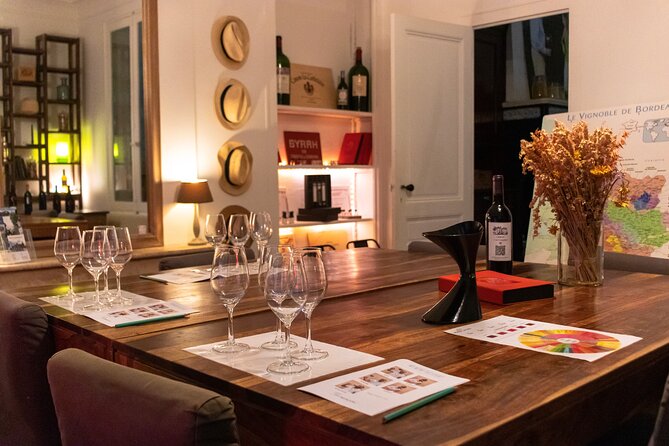
A big reason people love these classes is the training. You taste multiple wines, but you’re also learning how to talk about them.
You’ll practice:
- Identifying aromas and flavors, using the kind of language that doesn’t require tasting notes from a fancy website
- Interpreting wine color as part of your overall assessment
The format pushes you to do the work. And yes, it can feel a little like a game. One of the most memorable moments for wine people is the challenge of a blind tasting, which forces your senses to lead and your assumptions to take a seat.
If you’ve ever bought wine because a label looked good, this section helps you shift to buying based on what you actually enjoy.
Eight Wines to Compare: Why You’ll Taste Beyond Bordeaux
Even though the workshop is Bordeaux-focused, your lineup intentionally goes wider. The class plan includes tasting wines from regions like:
- Burgundy
- Côtes du Rhône
- Bordeaux
- Loire Valley
That wide spread is smart. Bordeaux lovers often know how to describe Bordeaux. But tasting other French regions trains your palate to recognize what changes when style shifts—grape character, structure, and flavor direction.
You sample at least seven French wines, and the workshop description also calls out eight different wines during the session. Either way, the experience is designed as a proper flight, not a sip-and-stroll.
And you’re not doing it alone. The group stays small enough that you can compare your impressions with the rest of the table. Hosts have guided people through this with styles that range from serious wine education to a lighter, more playful pace—one host like Gabriel gets credited for handling questions with care and keeping the lesson engaging, and guides such as Victoire, Fabian, and Chloé show up in other feedback for making the class feel approachable.
Food Pairing That Actually Helps: Cheese, Cured Meat, Bread, and Chocolate
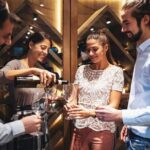
Wine classes sometimes treat food as an afterthought. Here, the appetizer plate is part of the learning.
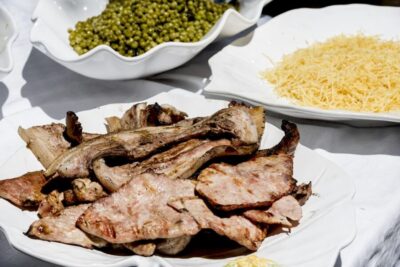
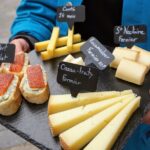
You’ll get hors d’oeuvres such as:
- Cheese
- cured meats
- fresh bread
- and French appetizer-style add-ons including chocolate
That matters because pairing changes how aromas hit. Salt and fat can soften tannins. Bread can reset your palate. Chocolate can add a sweet note that makes certain fruit or spice patterns easier to spot.
A practical tip: don’t treat the platter as a separate meal. Use it like a tasting tool. Take a bite, then go back to the next pour and notice what changes.
Also, one caution you should keep in mind: the food is a platter, not a full dinner. If you’re arriving hungry, you’ll likely want a light snack beforehand. You’ll get enough to enjoy the pairing, but don’t expect to leave stuffed.
A few more Bordeaux tours and experiences worth a look
Building Your Own Bordeaux Blend: Merlot Meets Cabernet Sauvignon
Here’s the part you’ll remember when you’re back home trying to explain why Bordeaux tastes the way it does.
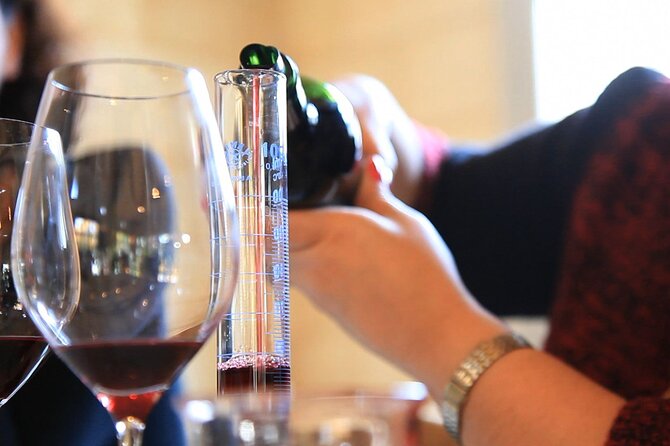
At the end, you create a custom wine blend using two Bordeaux varietals: Merlot and Cabernet Sauvignon. The point isn’t to turn you into a winemaker. It’s to show you how balance works.
When you’re blending, you start noticing differences more clearly:
- how one varietal contributes fruit versus structure
- how tannins and aroma intensity can shift
- how your own preferences guide the outcome
People who already love wine often enjoy this because it makes the logic behind blending feel real. One of the standout takeaways in feedback is that blending helped experienced tasters tell differences more clearly—especially when comparing styles side-by-side.
And you’ll go beyond taste. The workshop is built to explain the process and the reasoning, so you don’t just end up with a random mix. You’ll learn how to describe what you like and why.
What Makes the Hosting Work: Q&A, Seat-Work, and a Calm Pace
This kind of class lives or dies by the teacher. The good news: the experience is consistently described as structured, friendly, and built for participation.
You’ll have time for questions during the lesson. Multiple hosts are singled out for being patient and easy to talk to—names like Fabien, Hugo, Hector, Remi, and Carol appear in feedback for clear communication and for keeping the tone fun without skipping the education.
One note to consider: while the experience is marketed as guided by a professional sommelier, there’s at least one mention in feedback that the instructor role didn’t match that label. I can’t promise how every individual host is credentialed. What I can say is that the format is still taught in a way that focuses on tasting technique and wine structure, not just casual sipping.
Price and Value: $54.42 for Multiple Tastings Plus a Take-Home Skill
At $54.42 per person, you’re not paying for a fancy dinner. You’re paying for a guided session with multiple pours, pairing support, and the blending activity.
That price starts to look fair because you’re getting:
- a guided tasting format with seven to eight different wines
- an appetizer platter that includes cheese, cured meats, bread, and chocolate
- a structured lesson that teaches you how to read labels and describe what you taste
- a diploma to remember the workshop
If you’ve ever bought a single tasting flight in a wine shop, you know how quickly costs add up. Here, the value is less about the number of sips and more about the skills you take away—how to compare wines, how to talk about them, and how blending actually works.
Who This Bordeaux Workshop Fits Best (and Who Might Want Something Else)
This masterclass is a great fit if you want a focused wine education without the stress of decoding French labels alone. It works for beginners who want direction, and it also gives enthusiasts something hands-on to sharpen their sense of balance and structure.
You’ll likely enjoy it most if:
- you like learning through tasting, not just listening
- you want an easy win-win activity in Bordeaux
- you’re curious about the “why” behind wine style, not only the names
You might want to look elsewhere if you’re hoping for:
- a winery visit or vineyard walking time
- a full meal experience
Should You Book This Bordeaux Blending Workshop?
Yes—if your goal is to leave Bordeaux with practical wine confidence. This class is short, structured, and built to make you better at tasting and describing what you like. The Merlot–Cabernet Sauvignon blending piece is the payoff, and the pairing food helps your palate stay honest.
If you’re the type who buys wine based on mood, this workshop gives you a method for buying based on taste. If you’re already a wine person, you’ll still get value from the blind tasting element and the blending logic.
FAQ
How long is the Bordeaux wine blending masterclass?
It runs for about 1 hour 30 minutes.
What time does it start, and where do I meet?
It starts at 10:30am and meets at 3 Rue d’Enghien, 33000 Bordeaux. It ends back at the meeting point.
Is the workshop offered in English?
Yes, it’s offered in English.
How many wines will I taste?
The workshop description says you’ll sample at least seven wines, and it also mentions tasting eight different wines during the session.
What’s included with the tasting?
You get a professional sommelier guide, wine tasting, and a French appetizer platter that includes cheese, cured meats, and chocolate.
How old do I need to be to participate?
You must be at least 18 years old.
Can I cancel for a full refund?
Yes. You can cancel up to 24 hours in advance for a full refund. If you cancel less than 24 hours before the start time, the amount paid is not refunded.