REVIEW · BORDEAUX
Guided Bordeaux Wine Tasting Class with 6 Wines and pairings
Book on GetYourGuide →Operated by I love my 2cv Sas Verrevidophobe · Bookable on GetYourGuide
Six pours. One clear map. In this 75-minute Bordeaux class for small groups of up to 6, I love the way 6 wines quickly turn Left Bank vs Right Bank into something you can taste, not just read about. I also like that the session teaches tasting technique with an aroma game and a take-home booklet, so the next glass you drink feels easier to analyze.
One thing to plan for: there’s no hotel pickup, and the meeting point is intentionally low-key and not visible from the street, so you’ll want to follow the directions carefully.
In This Review
- Key highlights worth putting on your radar
- Bordeaux in one lesson: why this class fits real trip schedules
- The hidden tasting room setup you’ll actually enjoy
- Who guides you through the flight (and how they teach)
- The real schedule: your 6 pours, built from white to sweet
- Learning to taste like a pro without the pretzel logic
- Left Bank vs Right Bank: what you should expect to notice
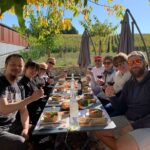
- Food and wine pairings that actually make sense
- What makes this feel good value at $53
- Who this class is for (and who might want something else)
- Practical tips before you go
- Should you book this Bordeaux wine tasting class?
- FAQ
- How many wines will I taste?
- Is there food included with the wine?
- How long does the tasting last?
- How big is the group?
- What languages are offered?
- Do I get hotel pickup and drop-off?
Key highlights worth putting on your radar
- Six Bordeaux wines, built like a lesson: you go from dry whites to reds, plus a sweet wine and a mystery pour.
- Left Bank and Right Bank shown through real bottles: you taste contrasts tied to the region’s style.
- Aroma game that trains your nose: you practice identifying scents before you sip.
- Food and wine pairing is hands-on: you learn how pairings work, not just what to pair.
- Professional guidance in a small room: the team includes Cecília and Mathilde (trained at Université du Vin), and hosts adapt to your tastes.
- You leave with a booklet and options to buy: the wines you tasted are available to purchase afterward.
Bordeaux in one lesson: why this class fits real trip schedules
If you only have a short window in Bordeaux, this format makes sense. It’s 75 minutes long, it stays relaxed, and it’s designed to answer the exact question most people have on day one: how do I taste Bordeaux without overthinking it?
I like that it focuses on tasting skill and flavor recognition, not wine trivia for its own sake. You’ll move through a structured flight of 6 wines and learn how to connect aromas, acidity, body, and flavor patterns to the grapes and styles behind them.
You also get practical pairing guidance. That matters because wine changes when you eat, and the class shows you how to make that work instead of hoping it happens by luck.
You can also read our reviews of more food & drink experiences in Bordeaux

The hidden tasting room setup you’ll actually enjoy
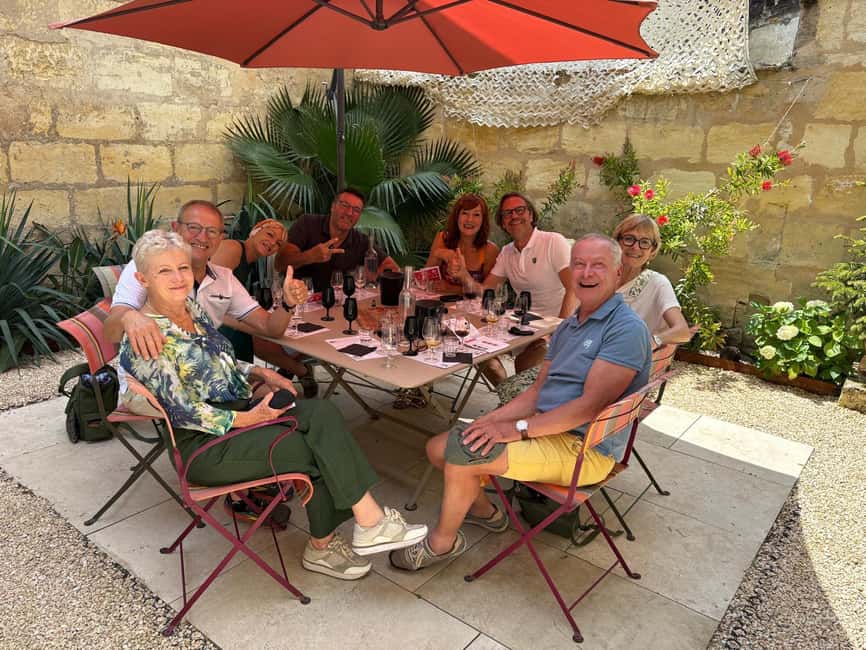
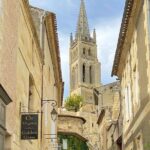
The meeting point is low-visibility on purpose. You’re looking for a spot by the n25 on the street ringed by a sign reading I LOVE TASTING, and the tasting room isn’t something you can spot from the sidewalk.
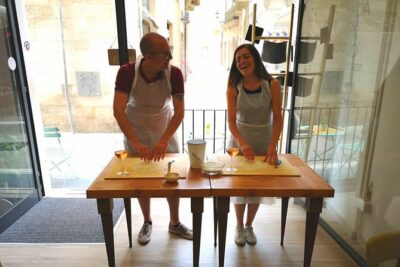
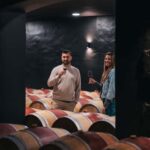
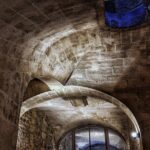
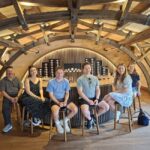
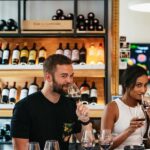
Once you’re inside, the vibe is what makes this experience feel worth the detour. Several sessions take place in a private patio, in a cellar area, or in a specially equipped tasting room depending on the weather, which means you’re not stuck in a generic warehouse-style setup.
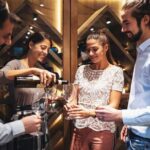
Small group size is the other big factor. Limited to 6 participants means your questions don’t get lost, and the guide can adjust to what you like and what you don’t. If you’re the kind of person who worries you’ll be stuck beside someone who knows all the terms, you’re in good shape here.
One heads-up: the experience is not suitable for people with mobility impairments, so it’s best to check in advance if that affects you.
Who guides you through the flight (and how they teach)
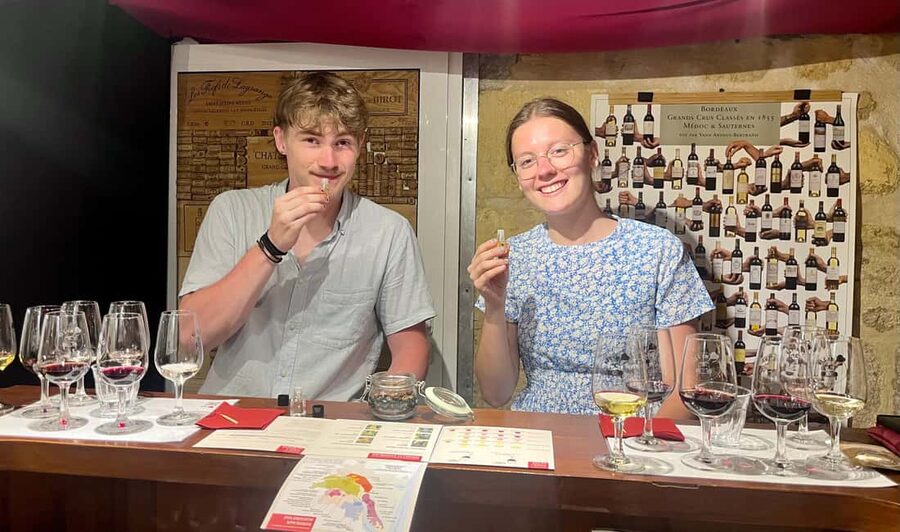
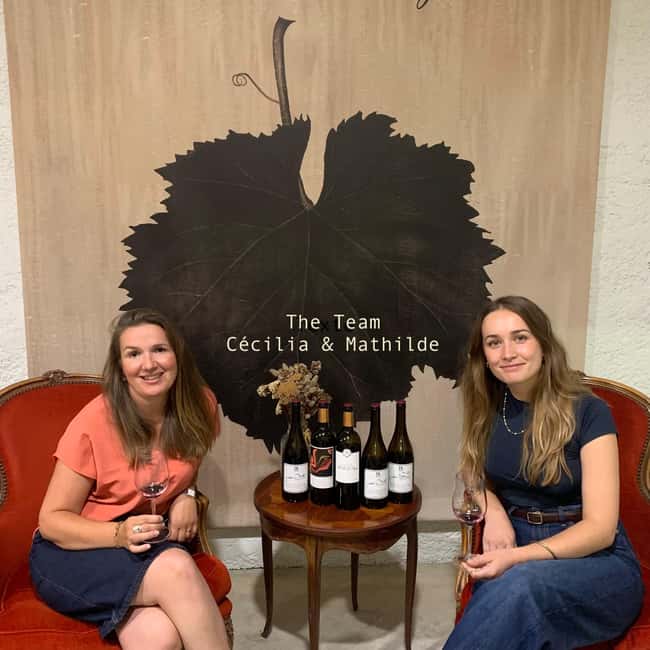
The class is led by wine enthusiasts and professional wine tasters trained at Université du Vin, including Cecília and Mathilde. From the way they explain, you can tell they’re not just reciting lines. They guide you to use your senses, then give you a framework to keep using after the session ends.
In conversation, you’ll hear hosts talk about how Bordeaux styles come from grape choices, blends, and how wines age. Reviews highlight that guides explain blending, oak-barrel aging, and how those choices show up on your palate and in aroma.
You’ll also notice a teaching style that meets you where you are. Even if you’re brand-new, the guide helps you start identifying scents and textures instead of relying on you to know what you’re smelling.
The real schedule: your 6 pours, built from white to sweet
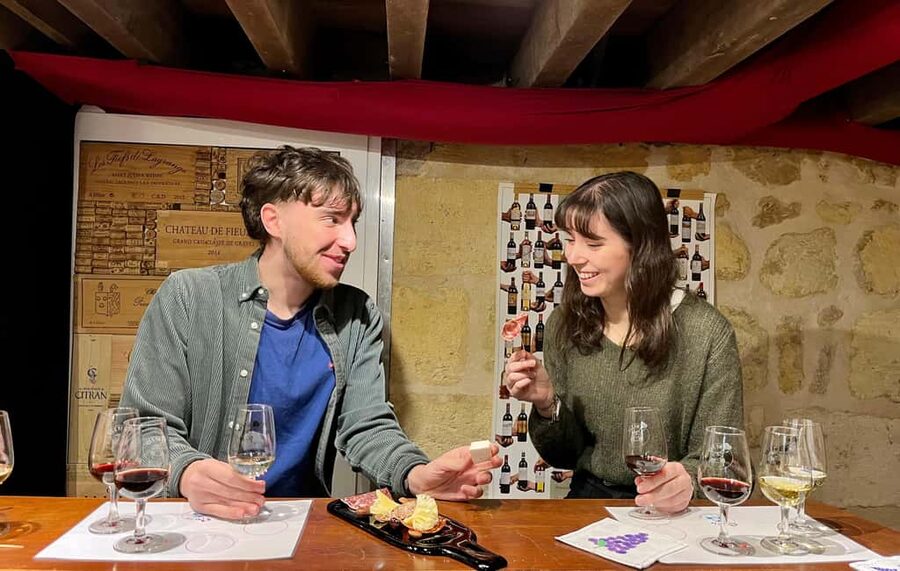
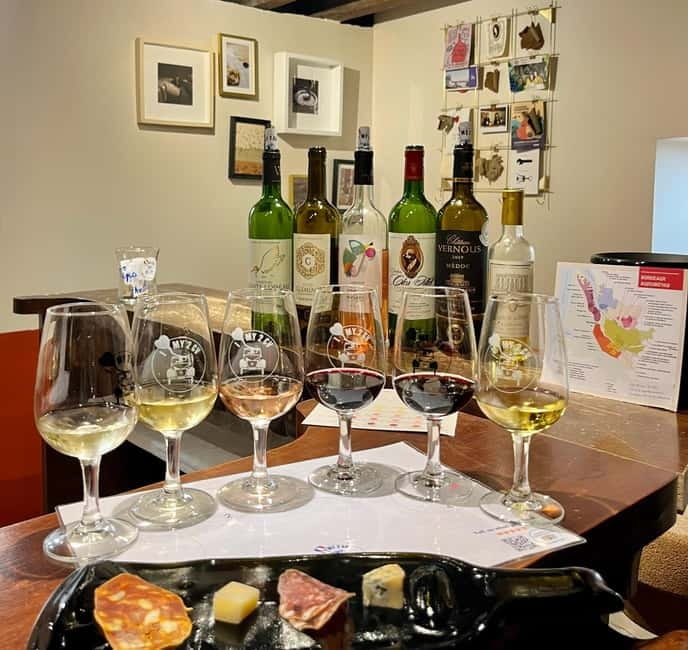
This tasting isn’t a random grab bag. It’s designed as a sequence that teaches you patterns. You’ll taste carefully selected Bordeaux wines, including a mystery wine, a mix of dry whites and reds, and one sweet wine.
Here’s how the flight is presented, in plain terms:
- 1 mystery wine (meant to slow you down and use the skills you’re learning)
- 2 dry white wines, one tied to left bank style and one tied to right bank style
- 3 red wines, including varietal blends plus examples that reflect left bank vs right bank differences
- 1 sweet wine to show how sweetness interacts with aromas and food
Each wine comes with pairing guidance. You’re tasting while learning, not tasting first and then being lectured afterward.
Because the lineup includes both sides of Bordeaux, you’ll start noticing what you can actually detect: differences in aroma intensity, fruit shape, acidity feel, and how the wine finishes. That’s the stuff you remember the next time you’re standing in a shop with too many bottles.
Learning to taste like a pro without the pretzel logic
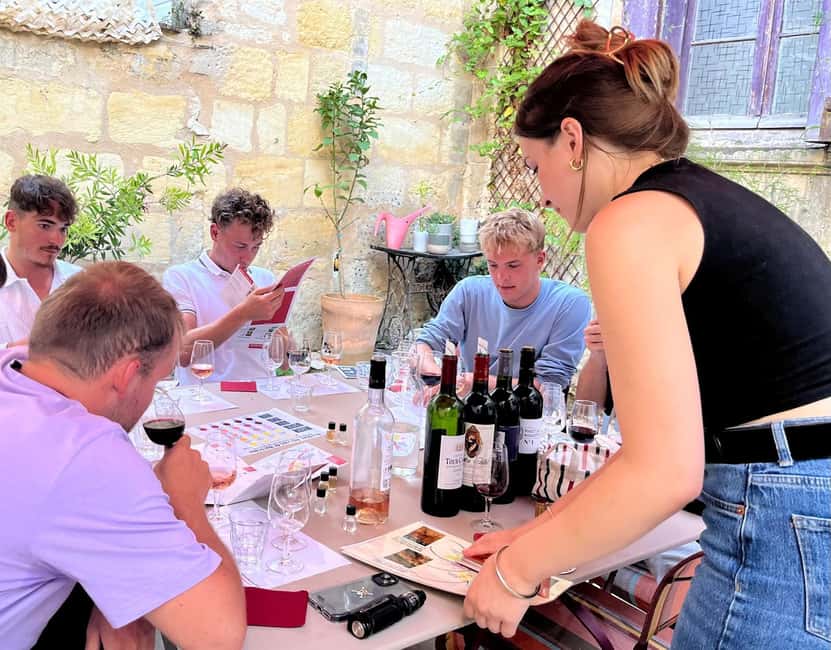
The core skill-building is the aroma game plus the tasting booklet. The idea is simple: if you can smell something on purpose, you’ll taste with more confidence.
In practice, you’ll get prompts that help you train your nose. One review specifically mentions scent bottles used to make aromas easier to recognize, which matches the purpose of an aroma game. You don’t need fancy gear or a background in oenology. You just need a method.
A good guide does two things at once:
1) they give you a tasting order so you don’t panic mid-glass, and
2) they teach you how to interpret what you notice.
The booklet you take home is important because it makes the training stick. You can replay the method later and get better with every glass you drink. If you tend to forget what someone told you on vacation, this is the part that helps you remember.
Also, the class isn’t just about swallowing. You learn about how texture and aging show up in the wine, including how blending can change what you perceive.
You can also read our reviews of more guided tours in Bordeaux
Left Bank vs Right Bank: what you should expect to notice
Bordeaux gets confusing fast if you start with labels. This class helps you start with taste.
You’ll specifically see left bank and right bank styles through multiple pours:
- dry whites that represent each bank’s approach
- red wines that include varietal blends and bank-specific examples
- and you’ll connect the flavors you notice to the region’s grape and blend logic
A few helpful clues from what you might hear during the session:
- gravel vs clay soils come up as an explanation for why grapes are planted where they are
- Cab Sauv and Merlot are used as examples when talking about grape behavior and style
- oak-barrel aging is explained in terms of what it does to aroma and flavor
The payoff is that you stop treating Bordeaux as a wall of names and start treating it as a set of recognizable choices.
Food and wine pairings that actually make sense
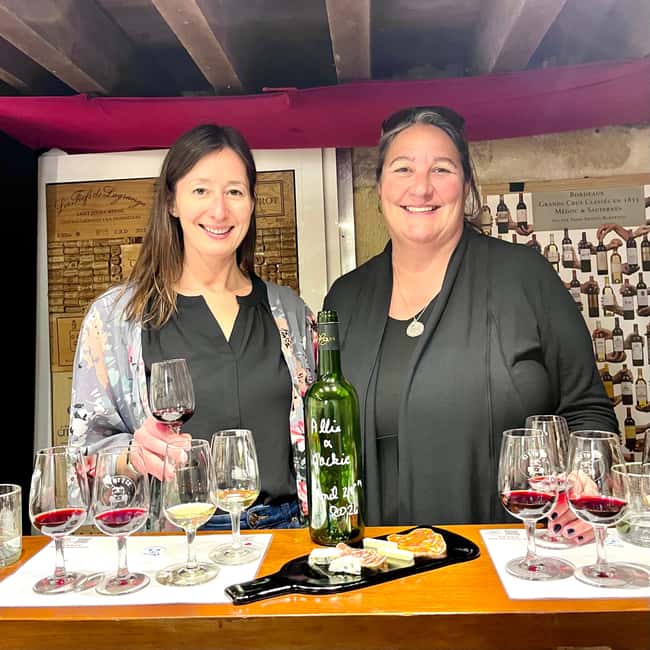
Pairing is where many tastings fall short. They either point at a food and say enjoy, or they give a rule that doesn’t hold up once you try it.
Here, pairing is taught as a skill. You’ll practice how wine reacts with food, and the guide will explain why a pairing works when it does, including cases where it’s surprising.
You can expect guidance that helps you think in categories instead of memorizing menus. For example, once you understand the basic role of aroma and acidity, you can make smarter choices about what to eat with your next Bordeaux bottle.
One practical benefit: after this class, you’re less likely to order blind in restaurants. You’ll have a framework for asking yourself what the wine needs from the plate, rather than hoping a pairing is perfect by accident.
What makes this feel good value at $53
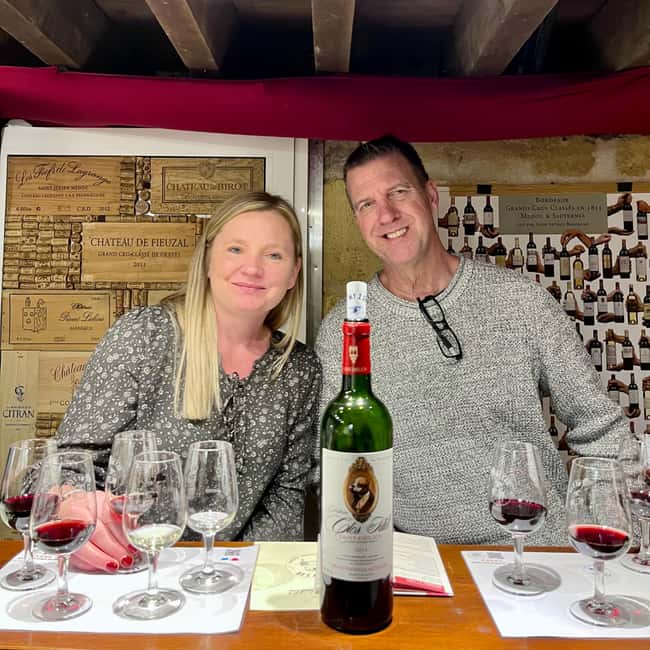
Let’s talk value, not just price. At $53 per person for 75 minutes, you’re paying for more than a glass.
You get:
- 6 glasses of Bordeaux wine
- a guided tasting class
- wine and food pairing
- an aroma game
- a personal tasting booklet
That’s a lot of guided time packed into one session. And because it’s small-group, the guide isn’t rushing through you. You also avoid the time cost of a vineyard day trip, which can be especially annoying in winter or if you only have a tight schedule.
The teaching component matters for long-term value. If you leave with a method you can reuse, you’ll get more enjoyment from every bottle you drink after Bordeaux. That’s the kind of value that doesn’t show up on a receipt, but you feel it right away.
Who this class is for (and who might want something else)
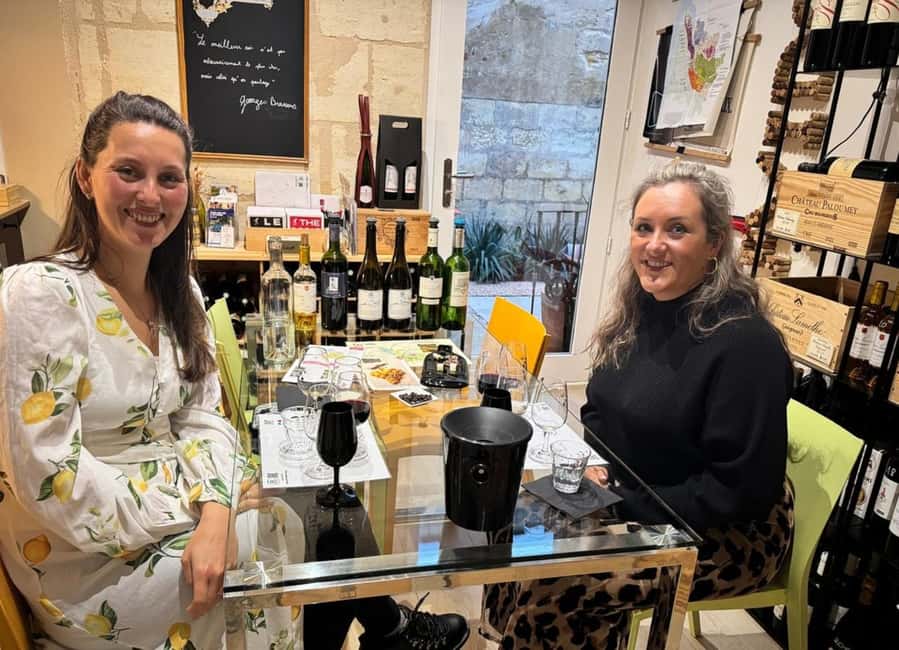
This experience is a strong fit if you:
- want an easy first step into Bordeaux
- care about tasting technique and pairing logic
- prefer a relaxed indoor setting with a small group
- don’t want to spend half a day traveling to wineries
It’s also a good choice if you’re arriving for a short stop in Bordeaux. One review notes it worked well when the person had a couple of hours in town after arriving by train near Saint-Jean, which tells you the experience can work even with a tight timeline.
You might want to pick a different type of tour if you:
- expect a vineyard-focused day outdoors
- want long walking tours or big group logistics
- need wheelchair-accessible arrangements (since it’s not suitable for mobility impairments)
Practical tips before you go
A few small choices can make your session smoother:
- Keep expectations realistic. You’re tasting 6 wines in 75 minutes, so you’ll learn patterns faster, but you won’t have unlimited time with one bottle.
- If you’re worried about getting things wrong, good news: the teaching is built to help you start. The aroma game is designed to build skill, not test you.
- Bring curiosity, not a wine vocabulary. Even if the names feel intimidating, the guide will work with your starting point.
- Afterward, if you want to buy, plan for it. The wines you tasted are available for sale in the cellar, so you can extend the experience at home.
Should you book this Bordeaux wine tasting class?
I’d book it if you want a clear, friendly introduction to Bordeaux that makes you better at tasting and pairing, fast. The small group size, the structured flight of dry whites, reds, sweet wine, plus a mystery, and the scent-based training are the combo that most consistently turns confusion into confidence.
If you’re picky about logistics, double-check how you’ll get there since there’s no hotel pickup and the meeting point is easy to miss from the street.
If you want, tell me your travel month and whether you prefer whites or reds. I can suggest what to focus on during the flight so you walk out with the kind of Bordeaux you actually like.
FAQ
How many wines will I taste?
You’ll taste 6 Bordeaux wines during the 75-minute class, with 6 glasses served.
Is there food included with the wine?
Yes. There’s wine and food pairing included as part of the session.
How long does the tasting last?
The class lasts 75 minutes.
How big is the group?
It’s a small group limited to 6 participants.
What languages are offered?
The live guide offers the experience in English, French, and Spanish.
Do I get hotel pickup and drop-off?
No. Hotel pickup and drop-off are not included.