REVIEW · BOLOGNA
Eating Bologna Food and Wine Tour
Book on Viator →Operated by Eating Europe Food Tours Rome · Bookable on Viator
Bologna tastes better when you walk. This 3-hour Bologna food and wine tour pairs iconic landmarks with hands-on tortellino time, plus tastings that go from Parmigiano to pasta and wine. You’ll follow an English-speaking guide through the city’s food world without needing to plan a thing.
What I like most is the way it mixes classroom-style food facts with real action. I especially love the Parmigiano Reggiano tasting range by age, paired with precious balsamic vinegar. Seeing the sfogline hand-making pasta, then trying it yourself, is the kind of moment that makes Bologna feel personal fast.
One consideration: the tastings are a selection and may shift by day or season. Also, this isn’t a fit for severe or life-threatening allergies, and extra drinks are not included, so you’ll want to pace yourself during wine portions.
In This Review
- Key highlights you’ll feel fast
- From Piazza Re Enzo to the food heartbeat of Bologna
- Bruno e Franco: Parmigiano ages, balsamic, and pasta by hand
- Salumeria Simoni Laboratorio: mortadella plus focaccia
- Mercato di Mezzo: street food in a medieval market shell
- Paolo Atti e Figli: the bakery stop you’ll wish lasted longer
- The Two Towers: a quick skyline story between bites
- La Cotica: friggione, tigella, prosciutto, and Lambrusco
- Osteria Buca delle Campane: pasta, wine, espresso, and chocolate tortellino
- What the route teaches you (so your next Bologna meal is smarter)
- Price and value: what $113.68 covers in real terms
- Group size and pacing: small enough for questions, quick enough to stay fun
- Dietary needs and allergy limits: what you can count on
- Who should book this Bologna food and wine tour?
- Should you book it?
- FAQ
- How long is the Eating Bologna Food and Wine tour?
- What’s included in the food and wine tastings?
- Is the tour in English?
- Can the tour accommodate dietary requirements?
- How big are the groups?
- Where do I meet and where does it end?
Key highlights you’ll feel fast
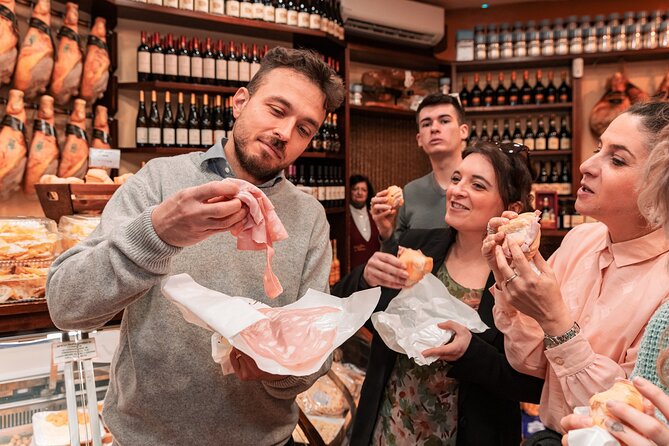
- Hands-on tortellino-making (not just watching)
- Parmigiano Reggiano by age: 18, 24, and 36 months, plus balsamic
- Family delis and bakeries: classic Bologna institutions with tastings
- Mercato di Mezzo street food: tigella with prosciutto and mortadella
- Two Towers photo stop with a quick story of why they matter
- Osteria Buca delle Campane finishes with pasta, wine, espresso, and chocolate tortellino
From Piazza Re Enzo to the food heartbeat of Bologna
You start at Piazza Re Enzo (Piazza Re Enzo, 1), and that matters more than it sounds. You’re placed right in the historic center, where Bologna’s food culture and city identity overlap. From this launch point, the tour keeps you moving through scenes you’d otherwise stitch together yourself: squares, arcades, and the corners where people still talk about markets and families.
The pace is set for a 3-hour experience. It’s long enough to taste a lot (and actually understand what you’re tasting), but short enough that you can still plan the rest of your day—whether that’s climbing viewpoints, doing museum time, or just eating your way down a side street on your own.
And the guide component is key. This is offered in English, and you get Food & the City Insider Tips—the practical stuff like what to look for in stalls, what locals order, and how Bologna’s specialties fit together.
You can also read our reviews of more food & drink experiences in Bologna
Bruno e Franco: Parmigiano ages, balsamic, and pasta by hand
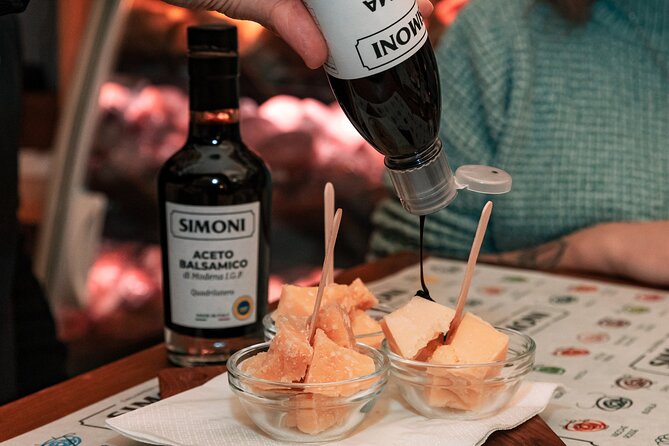
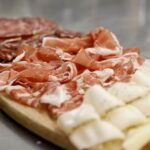
Bruno e Franco – La Salumeria Bologna is one of those places where you can feel the “this is what we do here” energy. You’ll get a tasting tied to one of Bologna’s most famous foods: Parmigiano Reggiano at different ages—18, 24, and 36 months—paired with precious balsamic vinegar.
Why this works: the age range isn’t just trivia. Younger Parmigiano tends to feel milder and smoother, while older cheese gets deeper and more intense. Pairing it with balsamic lets you taste how sweetness and acidity can change the way the cheese reads on your tongue. It’s the kind of lesson that makes future restaurant orders easier.
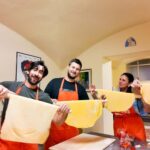
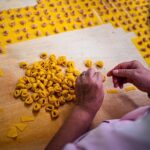
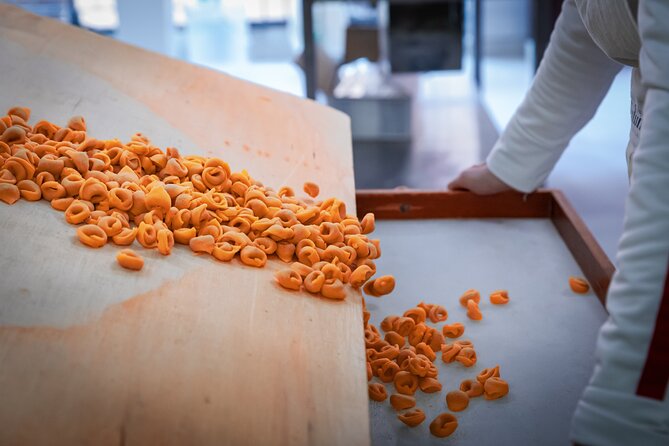
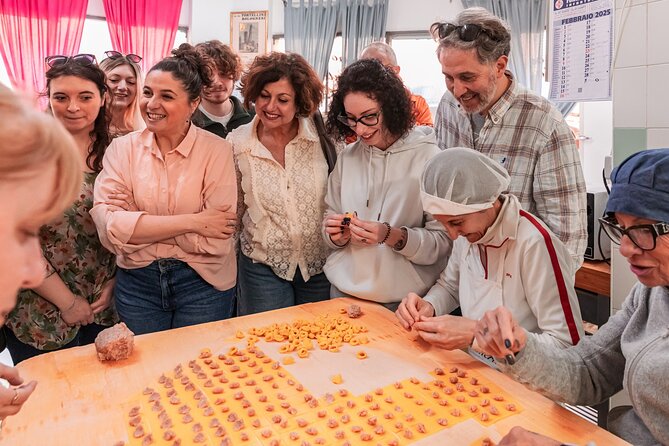
Then comes the part I’d circle on the tour: you’ll watch skilled pasta makers known as the sfogline make pasta by hand, and you’ll get hands-on time to try your own tortellino making. It’s not a “press a button and smile” moment. It’s the real process, and that’s why it sticks with you later when you’re back in your hotel thinking about Bologna.
Stop time here is about 35 minutes, and it’s a good rhythm break: cheese, vinegar, then pasta craft.
Salumeria Simoni Laboratorio: mortadella plus focaccia
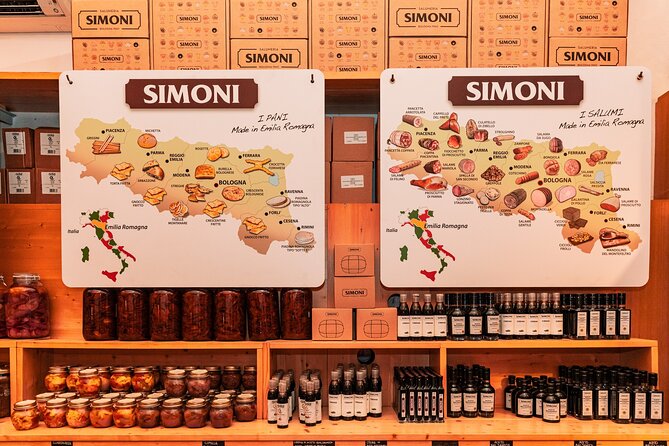
Next up is Salumeria Simoni Laboratorio, a historic Bolognese deli rooted in family tradition. The tasting is centered on classic comfort food: mortadella paired with homemade local focaccia.
This stop is valuable for a simple reason: it teaches you how Bologna builds flavors. Mortadella isn’t meant to be eaten like a random sandwich filling. It’s supposed to be tasted as a star, with bread that can handle its richness.
Also, because this tour keeps moving, the Simoni stop doesn’t feel like “another cheese plate.” It feels like the next chapter—meat, bread, and the kind of everyday confidence Bologna has about its ingredients.
Stop time is about 35 minutes, and you’ll get a chance to refocus between heavier tastings later.
Mercato di Mezzo: street food in a medieval market shell
Mercato di Mezzo is where Bologna’s food becomes visible in a street-level way. The market area has served as a flavors-and-trade hub since medieval times. After Italian unification, it was turned into Bologna’s first covered market, then revitalized in 2014—so it’s old bones with a more modern, still-local rhythm.
This is the tour moment where you’ll try street food-style bites. The included options call out tigella with prosciutto and mortadella, and this is the logical place for that. Tigella (often a small, round bread) is made for soaking up flavors, and pairing it with both prosciutto and mortadella gives you that classic Bologna contrast: savory cured meat plus tender, chewy bread.
I like this stop because it trains your palate for the rest of the day. Once you’ve tasted tigella properly, the later pasta and wine choices make more sense. You’re not just sampling—you’re building a Bologna “flavor map” in your head.
Paolo Atti e Figli: the bakery stop you’ll wish lasted longer
Paolo Atti e Figli is one of Bologna’s oldest bakeries, family-run since the late 19th century. The point isn’t just age bragging. It’s about how bakery traditions shape what Bologna considers normal day-to-day food.
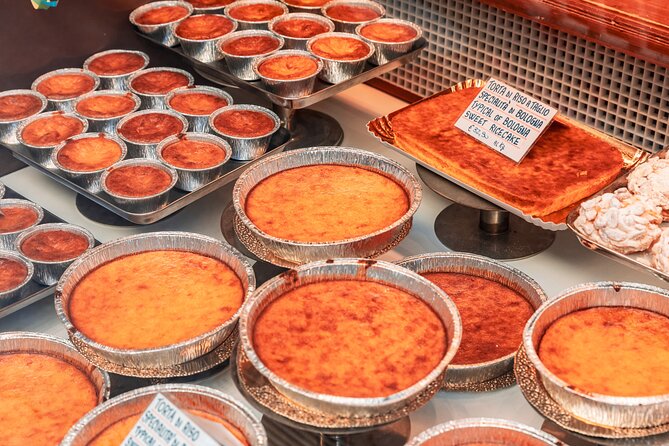
Here you’ll taste a classic local specialty: their rice cake. This is a smaller tasting (about 15 minutes at the stop), but it’s a smart one. Bakery bites help balance the heavier cured meats and the wine. They also give you a “local sweetness” that’s still Italian, not tourist-candy.
If you’ve spent your whole trip only on pasta and cheese, this is the palate reset you’ll appreciate halfway through.
The Two Towers: a quick skyline story between bites
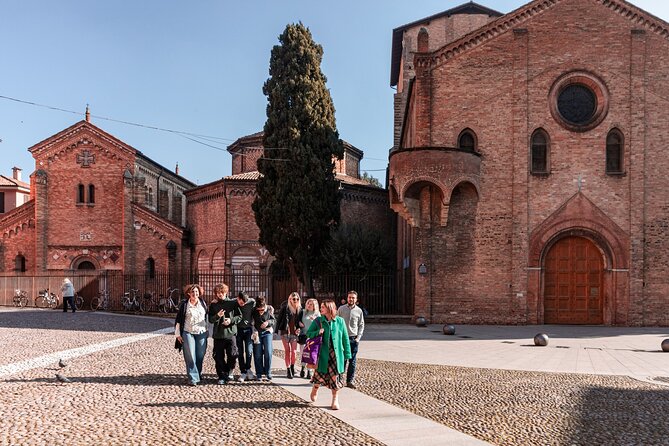
At some point you’ll pause for the Two Towers, Bologna’s dramatic symbols near the ancient Via Emilia entrance. You’ll learn that they were built in the 12th century, with one known for panoramic views and the other famed for its tilt.
Even if you’re here mainly for food, this stop matters. Bologna is a compact city with a lot of layers, and the Two Towers are a visual anchor for those layers. They help you understand the city wasn’t built just for sightseeing—it was built for trade, power, and presence. That context makes the rest of the day feel less like random eating stops and more like a single walk through Bologna’s identity.
Also, it’s a straightforward photo break that doesn’t take forever (you’re still on a 3-hour schedule).
La Cotica: friggione, tigella, prosciutto, and Lambrusco
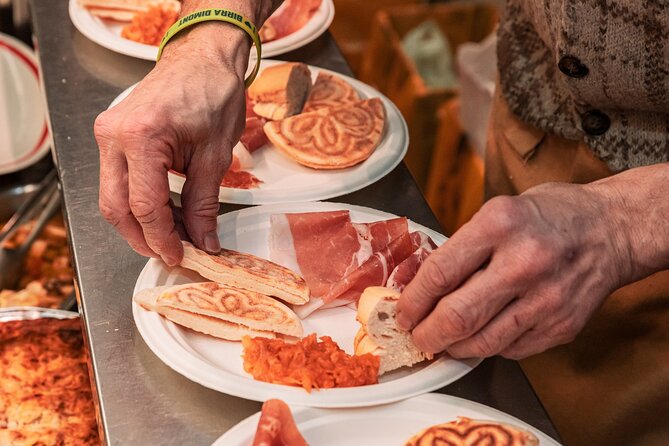
La Cotica is a neighborhood pillar for food culture, and the tour leans into that local vibe. You’ll taste friggione and tigella (or crescentina), topped with delicate prosciutto. Then you’ll pair it with Lambrusco.
Why this combination is a win: friggione is rich and saucy, tigella is a bread that can handle it, and prosciutto adds a lighter cured-meat note on top. Lambrusco works because it brings acidity and bubbles to help reset your palate after the savory bites.
This stop is about 35 minutes, which is just long enough for you to eat without feeling rushed, and just short enough to keep your energy for the big finish.
Osteria Buca delle Campane: pasta, wine, espresso, and chocolate tortellino
Now you reach the classic Bologna “sit down and enjoy” moment: Osteria Buca delle Campane. The name connects to its location by a bell factory, and the place carries an old-school feel—marked by centuries of stories, from papal births to student confraternities, plus ancient frescos you can spot as part of the atmosphere.
This is where the tour gives you a proper pasta meal lineup:
- Tagliatelle al ragù
- Tortelloni with sage and butter
You’ll also have Pignoletto wine with the meal.
Then you finish with an espresso and a chocolate tortellino. Yes, that’s a real sweet-tortellino twist, and it’s fun without being gimmicky. It’s the kind of ending that makes you leave with a memory you can describe to friends: savory pasta, wine, then a chocolate version that only makes sense in Bologna’s food-logic.
Stop time is listed at about 45 minutes. That extra time matters because it gives your brain time to absorb what you ate earlier today. After this, you’ll understand Bologna isn’t just about one dish. It’s a system: cured meats, breads, pasta shapes, sauces, and the right wine to keep it moving.
What the route teaches you (so your next Bologna meal is smarter)
This tour works because it teaches you how Bologna’s food pieces fit together.
You taste cheese by age first (Parmigiano 18/24/36 months). That trains you to notice intensity and texture differences, not just label brands. Then you move into deli culture—mortadella with focaccia—showing you that meat here isn’t an afterthought. Next you hit the market street food style with tigella and cured meats, which teaches you how Bologna likes to build snacks that still feel complete.
Then you layer in bakery sweetness with the rice cake, and you punctuate with a skyline moment at the Two Towers. Finally, you end at an osteria with the main pasta dishes you’d want to order in Bologna in the first place: tagliatelle al ragù and tortelloni with sage and butter.
If you like to travel by eating, this gives you a framework. You’ll know what to look for at restaurants and what to order when a menu reads like a bunch of Italian words until someone translates the logic for you.
Price and value: what $113.68 covers in real terms
At $113.68 per person, this Bologna food and wine tour isn’t a “cheap snack crawl.” It’s priced like a curated 3-hour experience with multiple guided tastings and a hands-on pasta component.
Here’s what that money buys in practical terms:
- Multiple tastings across several historic spots (not one or two stops)
- Parmigiano Reggiano tasting across three ages plus balsamic pairing
- A chance to make tortellino yourself
- A full osteria meal portion including pasta dishes
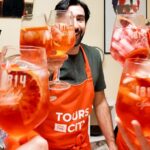
- Wine included as part of tastings (Lambrusco and Pignoletto) plus espresso
- A local English-speaking guide and insider tips
What’s not included is also clear: tips/gratuities aren’t included, and extra drinks aren’t included. There’s also no hotel pickup/drop-off, so you’ll want to plan to arrive at the meeting point on your own.
One more value clue: it’s often booked about 53 days in advance. That usually means people plan ahead for popular food-time slots in Bologna. If you have fixed dates, don’t wait too long.
Group size and pacing: small enough for questions, quick enough to stay fun
The tour runs with a maximum of 12 travelers. That size helps because it keeps the experience personal enough for your questions—especially around the pasta-making part and why certain pairings work.
Duration is listed as about 3 hours, with specific stop times like 35 minutes and 45 minutes at the bigger food points. So while it’s not a long slow dinner, it gives enough time to eat without feeling like you’re rushing from one bite to the next.
Mobile tickets are included, and the route is near public transportation. Service animals are allowed too, which is helpful to know.
Dietary needs and allergy limits: what you can count on
The tour says it can accommodate dietary requirements when you reach out (or add a note at booking), including vegetarians and gluten-free needs or other dietary needs where possible.
But the important line to know: it isn’t suitable for those with severe or life-threatening food allergies, and the company can’t take responsibility for allergies or intolerances.
So my advice is simple. If your needs are mild or you can manage components, email in advance and confirm. If your allergy is severe, treat this tour as a hard no and look for an experience built specifically around strict allergen protocols.
Who should book this Bologna food and wine tour?
I think this one fits best if you:
- Want history plus food without reading a guidebook for hours
- Like hands-on experiences and want to learn how tortellino comes together
- Enjoy structured tastings across cheese, market street food, and a real osteria meal
- Prefer an English-speaking guide and a small group size
It might not be your match if:
- You need strict allergen handling beyond what’s stated
- You want to control exactly what you eat and drink at every stop (this is a selection of tastings and stops can vary by day/season)
- You’d rather do a self-guided itinerary with no set route
Also, a quick reality check: you start at Piazza Re Enzo and end at Osteria Buca delle Campane (Via Benedetto XIV, 4a). It’s a short walk-based flow, not a hop-on shuttle.
Should you book it?
Yes, if you want a high-impact Bologna food and wine experience in about 3 hours. The combination of Parmigiano Reggiano by age, tortellino-making, market street food, and a proper osteria finish is a strong use of time—especially if it’s your first visit.
If you’re on the fence, book with two questions in mind: Can you handle wine tastings and cured meats? And are your dietary needs within what the tour says it can accommodate? If the answer is yes, this is one of the easiest ways to leave Bologna with both good food and a clear sense of what to order next.
FAQ
How long is the Eating Bologna Food and Wine tour?
It’s about 3 hours (approximately).
What’s included in the food and wine tastings?
You get an aged Parmigiano Reggiano tasting (18, 24, and 36 months) paired with balsamic vinegar, you try making tortellino, you eat classic pasta like tagliatelle al ragù, and you have street food tastings like tigella with prosciutto and mortadella. The osteria portion includes pasta dishes (tagliatelle al ragù and tortelloni with sage and butter), plus wine (Lambrusco and Pignoletto depending on the stop), espresso, and chocolate tortellino.
Is the tour in English?
Yes, it’s offered in English with a local English-speaking guide.
Can the tour accommodate dietary requirements?
You can email or add a note at booking and the company will try to accommodate needs such as vegetarians or gluten-free guests and other dietary needs. It isn’t suitable for severe or life-threatening food allergies.
How big are the groups?
The tour has a maximum of 12 people.
Where do I meet and where does it end?
The tour starts at Piazza Re Enzo, 1, 40125 Bologna BO, Italy and ends at Osteria Buca delle Campane, Via Benedetto XIV, 4a, 40125 Bologna BO, Italy.