REVIEW · BOLOGNA
Bologna: Food and Wine Tasting with Interactive Game
Book on GetYourGuide →Operated by Bottega botlé · Bookable on GetYourGuide
A wine bar plus a game makes learning way easier. In Bologna, this $34-per-person tasting mixes three regional wines with classic Emilia-Romagna plates, then turns it into a tablet quiz called the Sommelier Game.
What I like most is the tight pairing between each sip and each bite, and the way the game pushes you to pay attention to scent, taste, and how flavors change. You’ll also get a fridge magnet from the I.Art exhibition to take the vibe home.
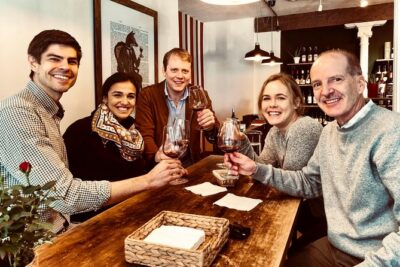
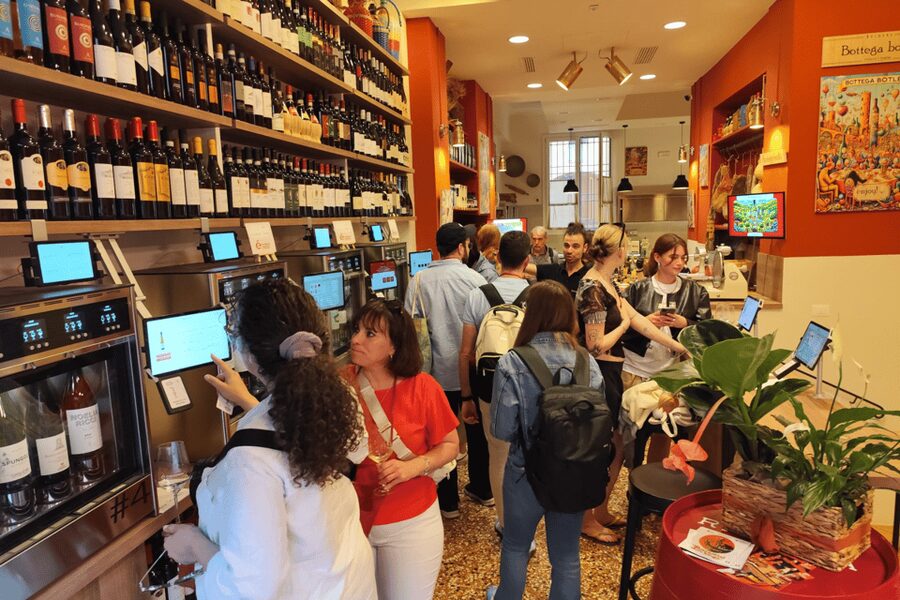
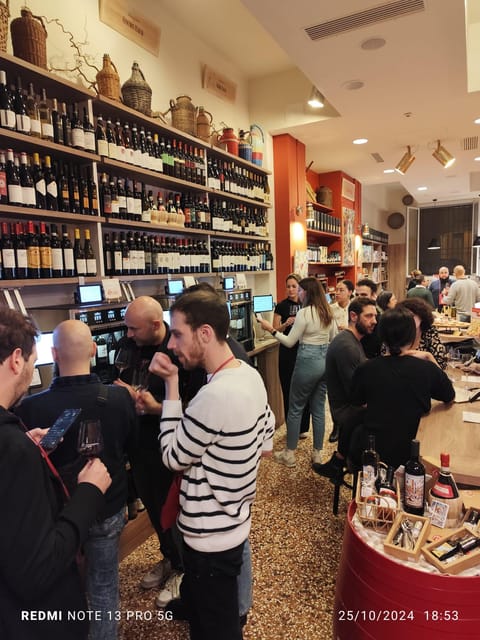
The setup is small (up to 10 people) and led by hosts such as Massimo, Danilo, Claudio, with Ixchel sometimes co-hosting. One heads-up: the experience happens in a wine-bar style setting, so if you’re chasing quiet and privacy, choose an earlier slot when the room is less full.
In This Review
- Key Things I’d Prioritize Before You Book
- How the Bologna Wine-and-Game Format Actually Works
- Your Three-Wine Lineup: What to Expect From Each Pour
- Pignoletto (Fermo) from La Vallona
- Sangiovese In Purezza from La Casetta
- Sangiovese Appassimento from Santodeno
- The Emilia-Romagna Bites: Why the Pairings Matter
- Prosciutto Crudo and Mortadella Bologna
- Parmigiano Reggiano (12/24 months)
- Aceto Balsamico IGP di Modena
- Monocultivar Oils: Coratina, Peranzana, Ogliarola
- The Sommelier Game on Tablet: Learn by Competing
- Rewine Technology and Personalized Recommendations
- Who Leads It and What the Small Group Changes
- Timing, Setting, and How to Plan Your Food
- What about lunch?
- The $34 Price: Where the Value Really Comes From
- Should You Book This Bologna Wine-and-Food Game?
- FAQ
- How long is the experience?
- What wines are included?
- What food tastings are included?
- Is the Sommelier Game beginner-friendly?
- What languages are the hosts speaking?
- Is it accessible for wheelchair users?
- Is there free cancellation and can I pay later?
Key Things I’d Prioritize Before You Book
- Three specific wines, not random pours: Pignoletto, Sangiovese In Purezza, and Sangiovese Appassimento.
- Hands-on pairings: Prosciutto Crudo, Mortadella Bologna, Parmigiano Reggiano (12/24 months), and more arrive bite-by-bite.
- Sommelier Game on a tablet: quick questions that train your nose and palate without feeling like homework.
- Rewine technology: a tech layer that supports what you taste and helps you leave with better “what to buy next” instincts.
- A small group experience: limited to 10 participants, which makes it easier to ask questions.
- A souvenir fridge magnet: plus a fun I.Art option if you want a specific piece.
How the Bologna Wine-and-Game Format Actually Works
This is the kind of tasting that makes sense fast. You start with a short intro to how food and wine connect in Emilia-Romagna, then you move from wine to bite in a planned sequence. It keeps you from doing the usual thing—tasting, nodding, and forgetting everything five minutes later.
The experience is structured for learning through contrast. You’ll taste a light, refreshing style of wine (Pignoletto) and then shift toward Sangiovese in two different expressions: one more straightforward and one made with appassimento (the grape-drying approach that tends to deepen flavor). That gives you clear reference points for what changes when the wine changes.
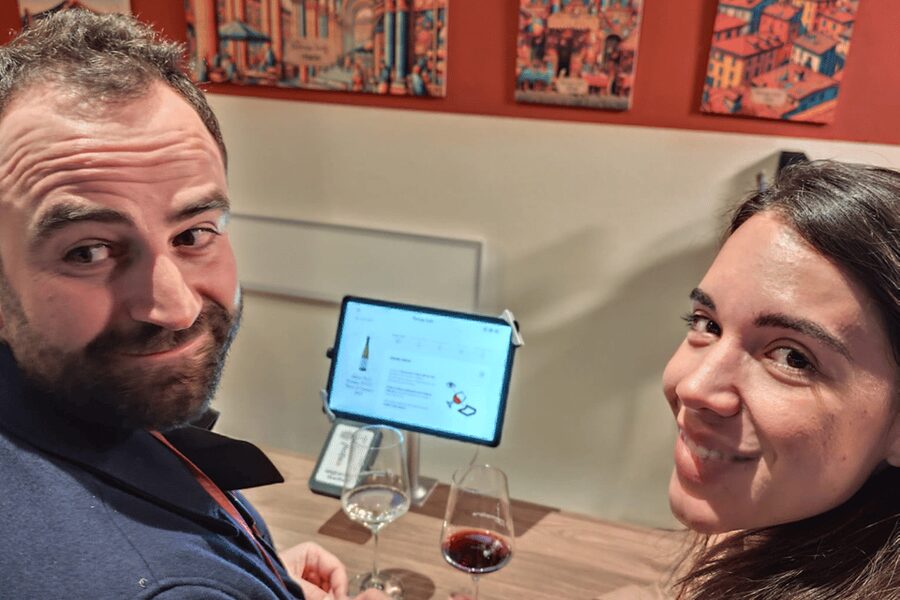
And yes, it’s fun. While you’re tasting, you use tablets to play the Sommelier Game, answering questions and competing (solo or with friends). It’s casual, but it makes you focus on what you’re seeing and smelling—not just what you’re swallowing.
You can also read our reviews of more food & drink experiences in Bologna

Your Three-Wine Lineup: What to Expect From Each Pour
This tour is built around three wines, with set amounts per person. You’ll start with a small glass of Pignoletto Fermo from La Vallona (70 ml). Then you move to Sangiovese In Purezza from La Casetta (130 ml). Finally there’s Sangiovese Appassito from Santodeno (70 ml).
Pignoletto (Fermo) from La Vallona
Pignoletto is a great “warm-up” wine because it’s usually more about freshness and easy drinkability than heavy weight. For me, it’s the most forgiving entry point if you’re not a wine person yet. It also helps you reset your palate before the Sangiovese rounds.
Sangiovese In Purezza from La Casetta
This is the middle step that teaches you what Sangiovese tastes like when you’re not yet comparing it to an appassimento style. You’re tasting, then you’re pairing immediately with food, so the wine doesn’t float around on its own.
Practical tip: pay attention to how the wine reacts after the bite. If a cheese or cured meat makes the wine taste drier, sweeter, or more aromatic, that’s exactly the kind of change the game wants you to notice.
Sangiovese Appassimento from Santodeno
Appassimento tends to bring more concentrated fruit and often more depth. That means you’ll likely notice a fuller feel and a longer finish compared to the earlier Sangiovese. It’s a key part of the learning arc because it shows what one production choice can do.
This is also where the food pairings can feel like a “spotlight.” When the wine gets richer, the bites start to matter more—especially anything salty, fatty, or aged.

The Emilia-Romagna Bites: Why the Pairings Matter
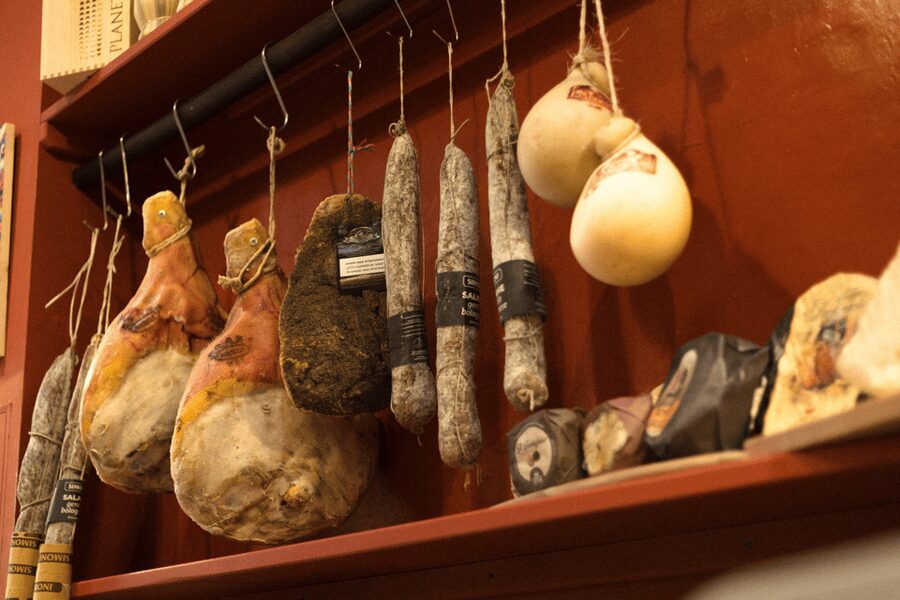
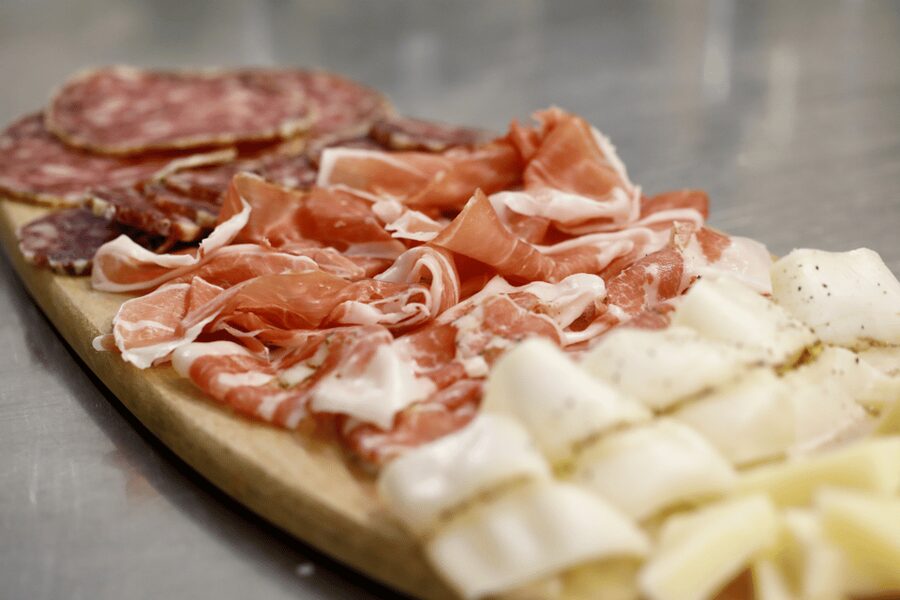
The food portion isn’t random snacking. You’re getting a lineup of Emilia-Romagna classics that are known for pairing well with Italian reds and whites (and with each other).
Here’s what’s included in the tastings:
- Prosciutto Crudo
- Mortadella Bologna
- Parmigiano Reggiano, 12/24 months
- Aceto Balsamico IGP di Modena
- Local cheese and food
- Monocultivar oil tasting: Coratina, Peranzana, Ogliarola
Prosciutto Crudo and Mortadella Bologna
Prosciutto Crudo is salty and delicate. Mortadella Bologna is richer and more aromatic. Together, they show you how different cured textures can change how a wine tastes—smoother, sharper, fruitier, or more savory depending on the pour.
If you want to play the game well, treat these as “flavor clues.” Salt tends to make certain aromas pop. Fat can soften tannins. And that’s the whole point of pairing.
Parmigiano Reggiano (12/24 months)
Parmigiano gets more assertive with age. The tour includes Parmigiano Reggiano labeled for 12/24 months, which gives you a built-in comparison. Aged cheese usually brings stronger savory notes, and that can make Sangiovese feel more lifted rather than heavy.
Aceto Balsamico IGP di Modena
Balsamic is a shortcut to learning. Even a small amount can change the perception of sweetness, acidity, and fruit. One review specifically called out a 10+ years balsamic as incredible, so if an older-style balsamic shows up in your session, pay attention—it can shift the whole balance of the plate.
Monocultivar Oils: Coratina, Peranzana, Ogliarola
This is one of the smartest add-ons because it trains your senses beyond wine. Olive oil taste can range from grassy to peppery to gently fruity, depending on variety. Coratina, Peranzana, and Ogliarola give you multiple flavor personalities in one go, and that directly supports the tasting game.
The Sommelier Game on Tablet: Learn by Competing
This is the standout experience mechanic. While you taste, you use the tablet to play the Sommelier Game, answering questions that test sight, smell, and taste. It’s designed to feel casual, not exam-style.
The effect is simple: the game forces you to slow down. Instead of drinking and moving on, you start asking, What am I noticing right now? That skill is what helps you remember wines later, even if you don’t buy a bottle immediately.
From what I’ve seen in feedback, the game is especially helpful for beginners. People often say it takes wine from a vague category into something with detectable traits. And it gives you an easy way to involve friends or a solo partner, which keeps the experience from feeling stiff.
Rewine Technology and Personalized Recommendations
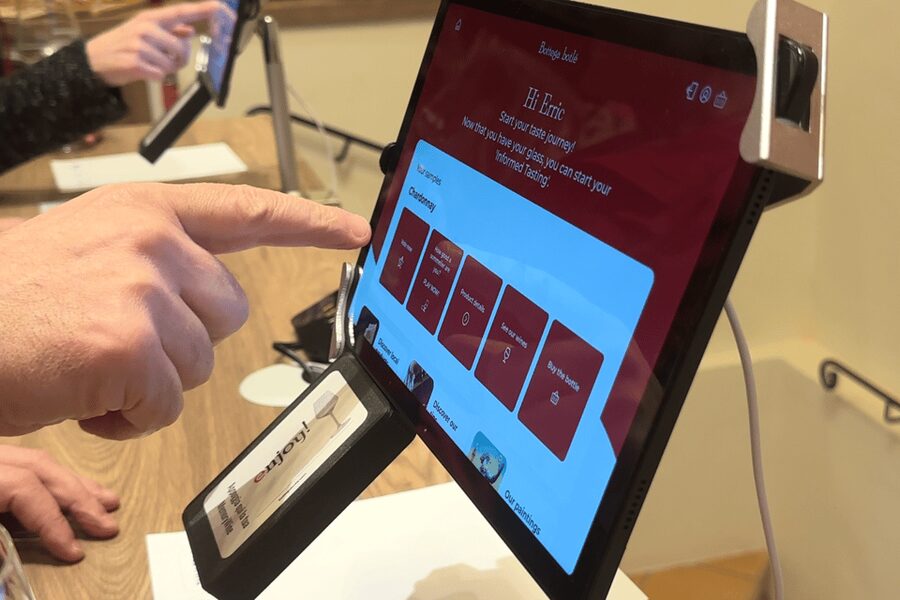
There’s also Rewine technology in the mix. The idea is that your tasting experience feeds into personalized recommendations, so you’re not leaving with a pile of generic advice. You taste, you learn the basics behind what you’re tasting, and then the tech helps point you toward what matches your preferences.
Even if you ignore the tech part, the practical value is still there: you get guided pairing info while you taste. That’s what makes the whole thing feel more like a class you actually want to attend.
Who Leads It and What the Small Group Changes
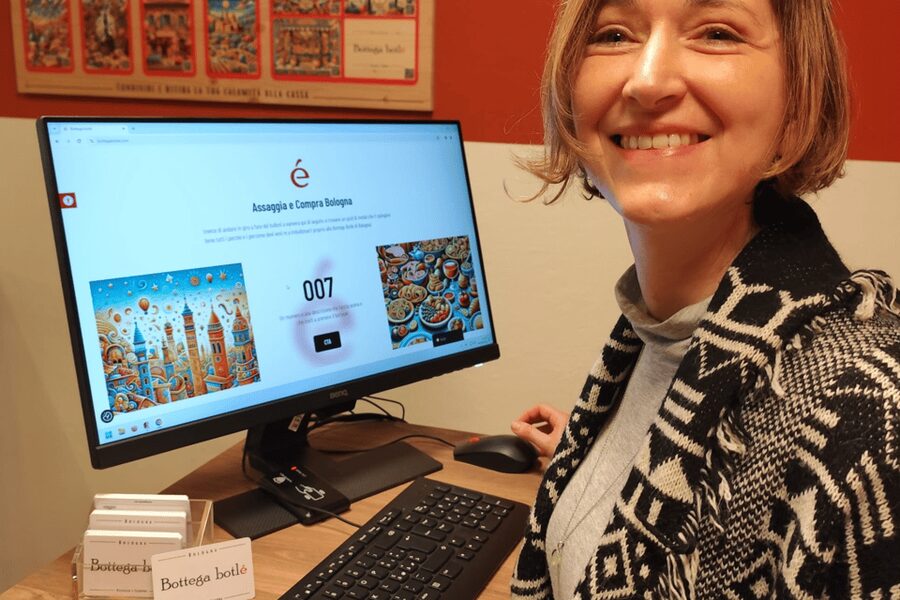
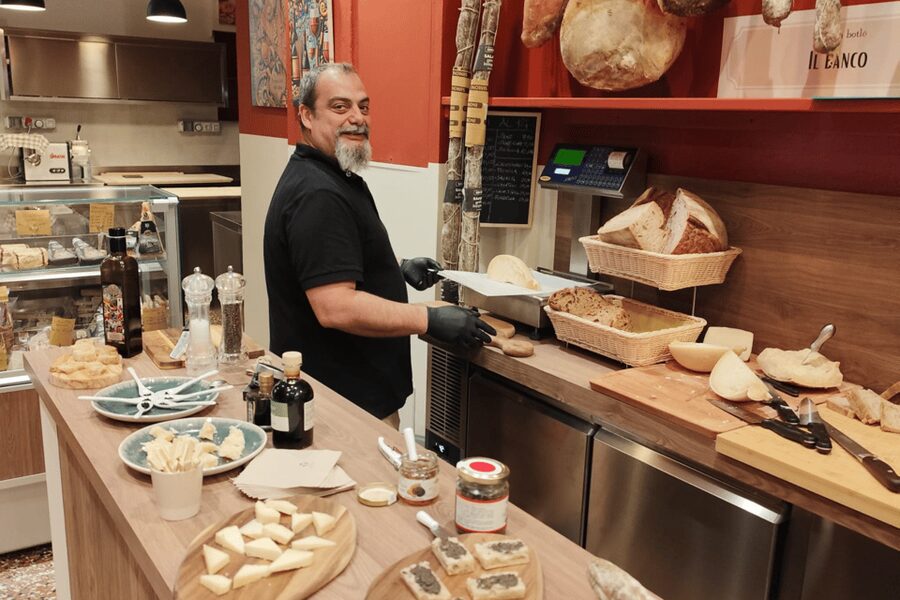
Sessions are hosted in English and Italian, and the guiding team is made up of real people with real knowledge. You may meet hosts including Massimo, Danilo, or Claudio, and some sessions include Ixchel as a co-host.
The group limit is 10 participants, which matters more than it sounds. In a room that small, you’re more likely to hear explanations clearly and ask follow-up questions without shouting over anyone. You also tend to get a better pacing, because the hosts can watch how you’re reacting.
And it’s a good option if you’re traveling solo. Several people highlighted how the atmosphere is friendly and how the hosts keep things welcoming.
Timing, Setting, and How to Plan Your Food
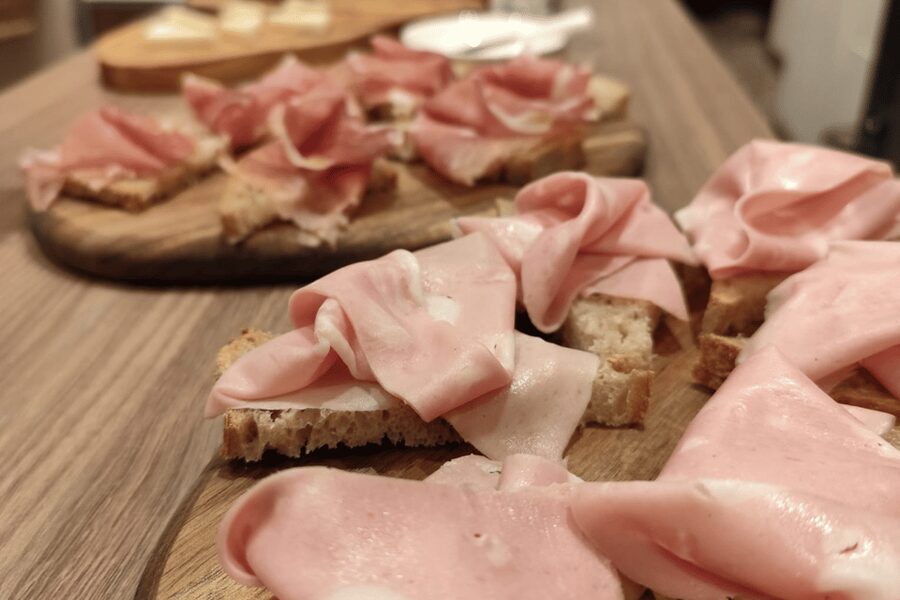
The tasting is short. Many people report it runs around 90 minutes, with the option to stick around afterward if you want to continue the game or taste more. That makes it a good afternoon plan in Bologna, especially if you don’t want a whole half-day locked up.
As for timing, the setting can feel more lively during evening hours. If you want a bit more privacy, choose a quieter start time. The experience still works in the same structure, but the room noise can change the feel.
What about lunch?
A common practical tip: don’t eat a heavy lunch right before. The food pairings include multiple bites plus cheese, oils, and balsamic, and you’ll want space to enjoy the full sequence.
The $34 Price: Where the Value Really Comes From
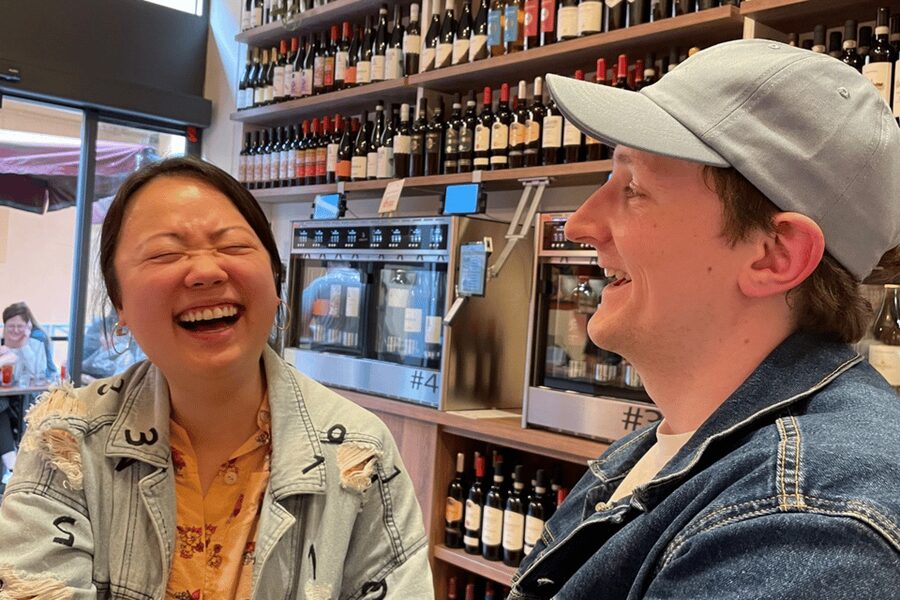
$34 can feel too low for a tasting that includes wine, food, a guided element, and a game. The value is in the fact that it isn’t just tastings—it’s pairings with structure.
You’re getting:
- Wine pours from three regional producers (including specific varieties and styles)
- Multiple classic Emilia-Romagna tastings: cured meats, aged cheese, balsamic, oil
- A tablet-based game and guided explanation
- A souvenir fridge magnet from the I.Art exhibition
Also, you’re tasting small amounts of multiple wines instead of committing to full pours or a single bottle. That reduces the risk if you’re picking up wine for the first time in Italy.
If you want extra wine afterward, there’s an option to keep tasting by topping up with a card, which is handy if you’ve found one wine you want to explore more.
Should You Book This Bologna Wine-and-Food Game?
Yes, if you want a Bologna food-and-wine experience that feels active instead of passive. This works especially well if:
- You’re new to wine and want guided tasting without feeling intimidated
- You like learning with games and quick questions
- You want classic Emilia-Romagna bites paired directly with wines
- You’re traveling with friends and want a shared activity
I’d hesitate only if you need a fully quiet, private tasting room. Since it’s done in a wine-bar style setting and can be more atmospheric at busier times, noise and energy level may matter for you.
If you’re trying to decide between a generic tasting and something more memorable, this one gives you the best argument: wine, food, and a reason to pay attention while you taste.
FAQ
How long is the experience?
Most sessions run around 90 minutes, with some people staying longer afterward to continue the experience.
What wines are included?
You taste three wines: Pignoletto Fermo (La Vallona), Sangiovese In Purezza (La Casetta), and Sangiovese Appassito (Santodeno).
What food tastings are included?
You’ll sample Prosciutto Crudo, Mortadella Bologna, Parmigiano Reggiano (12/24 months), Aceto Balsamico IGP di Modena, plus local cheese and food. There’s also a tasting of monocultivar olive oil (Coratina, Peranzana, Ogliarola).
Is the Sommelier Game beginner-friendly?
Yes. The game uses easy questions on a tablet and helps you focus on sight, smell, and taste, even if you don’t call yourself a wine expert.
What languages are the hosts speaking?
The host or greeter offers the experience in Italian and English.
Is it accessible for wheelchair users?
Yes, the experience is wheelchair accessible.
Is there free cancellation and can I pay later?
Cancellation is free up to 24 hours in advance for a full refund. You can also reserve now and pay later.