REVIEW · BOLOGNA
Bologna Local Pasta Cooking Class, Ragu, Spritz, Wine & Gelato
Book on Viator →Operated by Tours and the City · Bookable on Viator
Fresh pasta lessons in Bologna should be this hands-on. This 3-hour class pairs homemade ragù with a step-by-step tagliatelle lesson, plus the local Casoni spritz ritual. It’s the kind of meal that feels like you got pulled into someone’s real kitchen, not lined up for a tourist plate.
I like that you’re working the dough yourself, with a teacher guiding you like a real sfoglina-style lesson. I also like the full sit-down food flow, from aperitivo to wine and dessert, so you leave with both skills and a proper Italian meal.
One consideration: the ragù is already made for you. You’ll learn the pairing and use it, but the actual long sauce prep isn’t part of your active workshop time.
In This Review
- Key Things To Know Before You Go
- Bologna in a Kitchen, Not a Tourist Menu
- Meeting at Piazza Galileo Galilei and What to Expect First
- Aperitivo Welcome: Pignoletto, Mortadella, Crescenta, and Spritz Basics
- Casoni Spritz Workshop: Local Herbs, Regional Rules
- Hand-Made Tagliatelle Dough: Learning Without a Machine
- Ragù and Pairings: What You Make, What’s Prepped, and Why It Works
- Coffee, Amaro, and Mystery Gelato: The Finish That Feels Like Bologna
- Group Size, Timing, and How the 3 Hours Move
- Price and Value: Is $59.26 Worth 3 Hours in Bologna?
- Dietary Needs and Who Should Think Twice
- Should You Book This Bologna Pasta and Spritz Class?
- FAQ
- How long is the Bologna local pasta cooking class?
- What do I learn to make?
- Is the ragù made during the class?
- What drinks and food are included?
- Where does the class start?
- Is the class offered in English?
- How big is the group?
- Are gluten-free or vegetarian options available?
- Are recipes provided so I can cook at home?
- What is the cancellation policy?
Key Things To Know Before You Go
- Small-group energy (up to 13, limited to 10) makes questions easy and the pace feel human.
- Hand-rolled tagliatelle dough, no machines means you learn technique you can repeat at home.
- Casoni spritz is local-first, made with herbs and regional recipe logic, not just generic spritz formulas.
- Ragù is 100% homemade, but the time-heavy preparation happens offstage.
- Wine + digestifs are built in: Pignoletto, San Giovese, coffee, amaro, and gelato.
- Recipes come as PDF copies on request, so your at-home pasta night has a roadmap.
Bologna in a Kitchen, Not a Tourist Menu
Bologna has a reputation for food that’s a little serious, and that seriousness is exactly why this class works. You’re not just tasting things. You’re learning how a Bolognese-style meal comes together, from aperitivo logic to fresh pasta technique.
For me, the best part is that the menu is practical. You learn how to build a plate with tagliatelle, ragù, aged parmigiano, and a regional wine pairing. It’s also a good reminder that Italian cooking isn’t about fancy shortcuts. It’s about doing a few things well, in the right order.
And yes, you’ll drink. But it’s not a party bus. It’s woven into the meal the way Italians tend to do it: small pours, steady pace, and a few tastings along the way.
You can also read our reviews of more cooking classes in Bologna
Meeting at Piazza Galileo Galilei and What to Expect First
You start near Piazza Galileo Galilei, and the activity ends back there. The location is central enough that you can get there without planning your whole day around it, and it’s near public transportation.
You’ll also get a mobile ticket, which helps on a first day in a new city. If you’re the kind of person who likes to arrive early and breathe, do it. Bologna streets can be charming and confusing at the same time.
Once you’re inside, the tone is relaxed but focused. The class is built for you to go from watching to doing with minimal waiting. That matters because pasta dough punishes hesitation.
Aperitivo Welcome: Pignoletto, Mortadella, Crescenta, and Spritz Basics
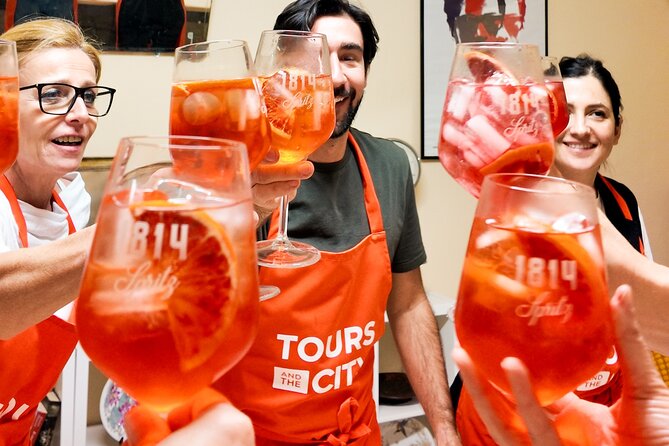
Before you touch flour, you get a welcome aperitivo. The idea is simple: get fed a little, get comfortable with the group, then start cooking without the awkward pre-dinner lag.
Expect local touches like Mortadella, Crescenta, and Pignoletto. Pignoletto is a local wine that shows up in Bologna life more often than tourists realize, and it’s a nice way to start light before you go heavier with red later.
Then there’s the spritz intro. You’ll do tastings and learn what makes a spritz feel correct in this region. One thing I really like about the structure: you’re not waiting until the end to understand what you’ll be making. You taste and compare early, then your later cocktail work makes more sense.
Casoni Spritz Workshop: Local Herbs, Regional Rules
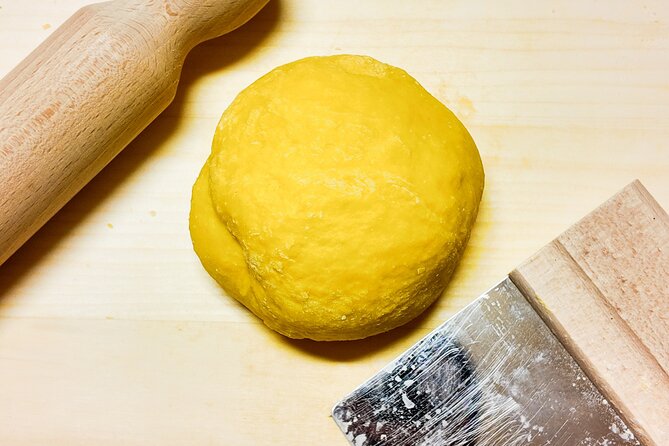
The class includes hands-on practice making a Casoni spritz, an Emilia-Romagna style cocktail that leans on local herbs and recipe details. This is one of the most memorable parts because it’s not just following a ratio. You’re learning the local flavor logic.
In past classes, instructors have included people like Claudia and others who explain the spritz approach in a way that’s easy to repeat. You’ll learn how to build the drink and what to watch for so it doesn’t end up tasting like a watered-down imitation.
Here’s the practical takeaway: spritz isn’t only about the drink name. It’s about balancing bitterness, bubbles, and herb notes so it feels refreshing, not flat. That balance is what you’ll carry home if you ever make it at a friend’s kitchen.
Hand-Made Tagliatelle Dough: Learning Without a Machine
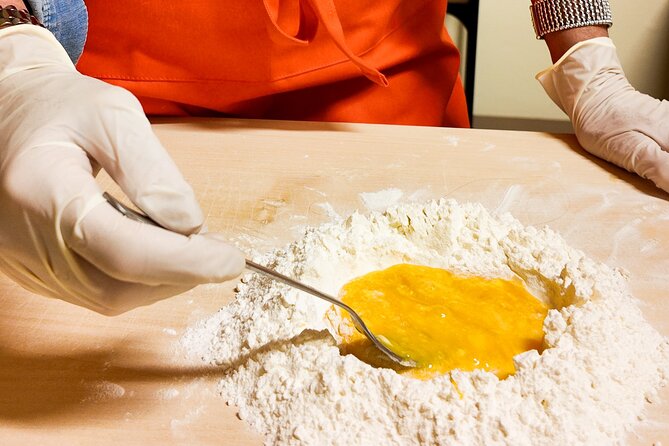
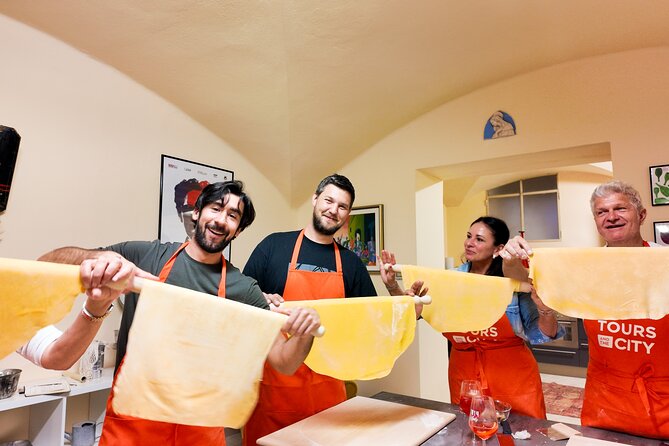
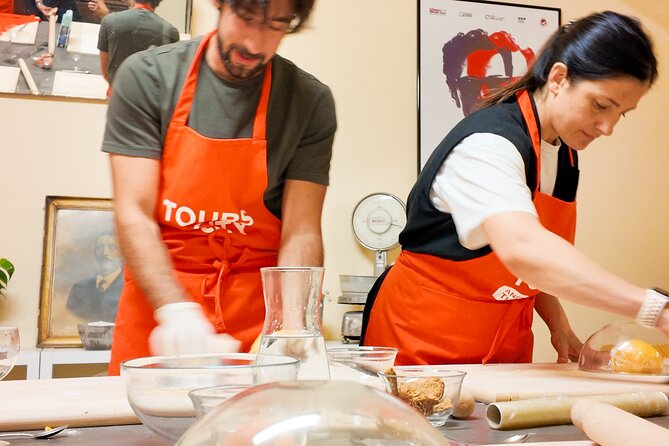
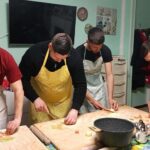
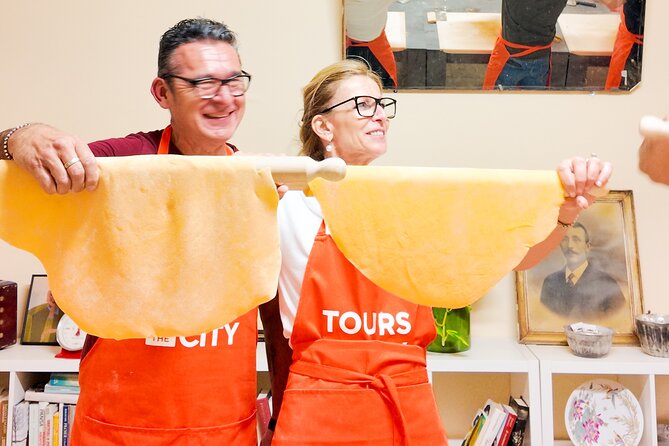
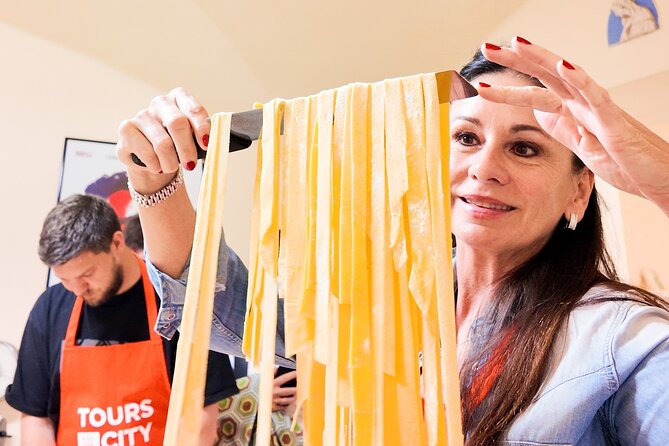
Now comes the work: hand-making tagliatelle. This class is explicit about it: no pasta machines. The rolling pin is your “power tool,” and the teacher helps you figure out how to manage dough thickness and consistency.
This is where the small group helps. With limited spots (often 10 people in the class setup, and a maximum of 13), you’re less likely to get stuck waiting for help when your dough acts up. You’ll learn the feel of the dough and how to work with it instead of fighting it.
If you’re a complete novice, you’re still in the right place. The teaching style is step-by-step, with encouragement when things get sticky. I’ve seen instructors listed in groups such as Sonia and Stella, Stefanie and Stella, and Roberta and Lucrezia, and the common theme is confidence-building guidance.
Even if you’ve made pasta before, you’ll still get value. Fresh pasta technique is one of those skills where a small adjustment in thickness or timing changes everything. A short coaching session can save you from weeks of guesswork.
You can also read our reviews of more wine tours in Bologna
Ragù and Pairings: What You Make, What’s Prepped, and Why It Works
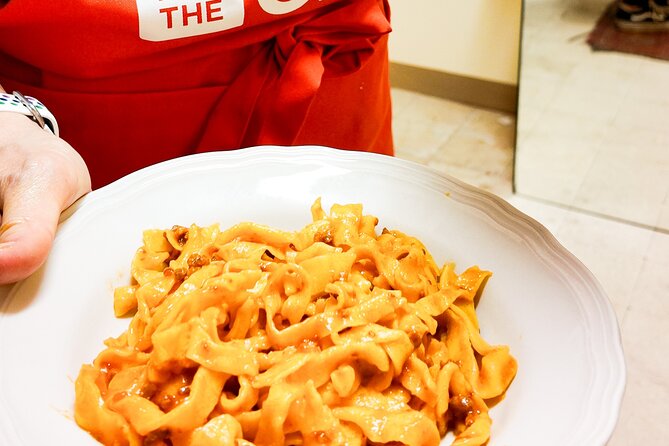
You’ll cook your fresh tagliatelle and pair it with house-made ragù plus parmigiano reggiano aged 24 months. The ragù preparation itself isn’t included in the class due to time, but the sauce you use is described as 100% homemade.
That setup is honest and smart. A classic ragù takes time to build depth. By skipping the long simmer step, the class keeps you focused on what you can actually learn in 3 hours: pasta dough, shaping, cooking, and assembling the final plate.
The pairing is also well thought out. You’ll have local red wine, San Giovese, with your meal. San Giovese has the structure to handle ragù without flattening it. You get a real taste test between pasta and sauce, not just a random glass tossed in.
And yes, you’ll get the satisfaction of combining everything and eating what you made. Fresh tagliatelle with hot ragù is one of those meals that turns into a “how is this so good” moment, even when you’re not an expert cook.
Coffee, Amaro, and Mystery Gelato: The Finish That Feels Like Bologna
In Italy, dessert and digestifs aren’t an afterthought. They’re part of the rhythm.
You’ll end with local coffee and amaro, plus a mystery gelato finish. The gelato piece is fun because it’s a simple way to round out the meal with something sweet and cold after the wine and spice.
The amaro also matters. It’s not just a cute sip. It helps reset your palate after ragù and parmigiano so the flavors don’t blur together when you take your last bites.
If you like seeing the full meal arc, this ending is a win. It feels like a Bologna evening plan, not just a food lesson.
Group Size, Timing, and How the 3 Hours Move
This experience runs about 3 hours. It’s also popular enough that it’s commonly booked about 27 days in advance, so plan like someone who actually wants to eat well in Bologna, not like someone hoping for luck.
The timing matters because it affects what you can truly practice. This class is structured so you’re active during the pasta portion, then guided through cooking and plating. You’re not just standing around while others cook.
The group size also affects your comfort level. With up to 10 in practice, you get a real chance to talk with your instructors and other participants. The best feedback from past groups points to a friendly vibe and teachers who help you when you hit rough spots with dough.
Price and Value: Is $59.26 Worth 3 Hours in Bologna?
At $59.26 per person, you’re paying for more than ingredients. You’re paying for:
- Instruction from a local sfoglina-style teacher
- A hands-on pasta lesson (not a demonstration)
- Multiple tastings and drinks (Pignoletto, spritz, red wine San Giovese, plus coffee and amaro)
- A full meal you assemble and eat, including ragù and parmigiano
This is where the value math gets interesting. If you try to recreate this on your own, the cost isn’t only flour and eggs. It’s also your time, the learning curve, and the fact that ragù and aged parmigiano aren’t “quick grocery” items if you’re doing it to restaurant standards.
Also, the group size is small enough that the fee supports personal help. That’s usually where the best cooking classes justify themselves: you don’t feel like a crowd paying for a show.
Dietary Needs and Who Should Think Twice
The class can accommodate gluten-free pasta and vegetarian sauces. But it may not be suitable for people with severe allergies or strict dietary restrictions, so you should ask ahead.
Kids are welcome, but the menu and experience are designed for adult participation. If you’re traveling with kids, this can still work, but it’s best if you’re comfortable with the adult rhythm of wine tastings and longer food pacing.
If you have allergies, don’t assume “gluten-free” also means “cross-contamination-free.” The safest approach is to inform the provider in advance so they can advise what’s feasible for your situation.
Should You Book This Bologna Pasta and Spritz Class?
I’d book it if you want a Bologna experience that’s practical and meal-based. This class gives you two real skills you’ll use again: fresh tagliatelle technique and a Casoni spritz that tastes like the region, not a generic copy.
You should skip it if you mainly want a scenery tour or if you’re hoping the ragù preparation itself is part of your active cooking time. The ragù is the homemade star of the meal, but the long prep step is not included.
If you like small groups, hands-on food learning, and leaving with recipes (PDFs on request), this one is a strong match. And given the consistently high rating and the fact that it books ahead, you’ll probably be happier locking in sooner rather than later.
FAQ
How long is the Bologna local pasta cooking class?
It lasts about 3 hours.
What do I learn to make?
You’ll make tagliatelle pasta by hand and learn to prepare a Casoni spritz. You’ll also eat a meal featuring house-made ragù and other local items.
Is the ragù made during the class?
Ragù preparation is not included due to limited time, but the ragù served is 100% homemade.
What drinks and food are included?
You can expect an aperitivo with local wine Pignoletto, a spritz, San Giovese with the main pasta, plus coffee, amaro, and gelato at the end.
Where does the class start?
The meeting point is Piazza Galileo Galilei (P.za Galileo Galilei, 40123 Bologna BO, Italy). The activity ends back at the meeting point.
Is the class offered in English?
Yes, it’s offered in English.
How big is the group?
It’s limited, with up to 10 people in the small-group setup, and a stated maximum of 13 travelers.
Are gluten-free or vegetarian options available?
The experience can accommodate gluten-free pasta and vegetarian sauces, but it may not work for people with severe allergies or strict dietary restrictions. Inform them in advance.
Are recipes provided so I can cook at home?
Recipe PDFs can be delivered via email on request.
What is the cancellation policy?
Free cancellation is available up to 24 hours before the experience start time for a full refund. Cancellations made less than 24 hours before start time are not refunded.