REVIEW · BASEL
Alsace wine tour and medieval villages. Small group guided tour
Book on Viator →Operated by WineWeinVinoVin · Bookable on Viator
Alsace in one well-paced day. This small-group tour from Basel mixes guided wine tastings with stops in classic medieval villages, where the guide explains how the vineyards, soils, and grape choices connect to what ends up in your glass. If you like planning to be handled for you, the whole thing runs on an easy route with a driver and a real focus on your wine interests.
I especially like the small group size (kept to 2–6) and the fact that the guide can tailor the tastings to what you want to learn. You get admission and tastings included, and it’s not just a stop-and-sip setup; the guide talks through the region and answers questions in a practical, hands-on way.
One consideration: food and extra drinks are not included, so you’ll want a budget for lunch and any bottles you fall in love with. Also, the experience depends on good weather, so keep a little flexibility in your schedule.
In This Review
- Key points to know before you go
- Alsace from Basel: how this 6-hour plan actually feels
- Small group touring with guide Colin Bell
- Eguisheim stop: wine tastings tied to the vines
- Riquewihr: medieval streets plus Grand Cru Riesling context
- Ribeauville: more castles, more corners to discover
- Kientzheim: the quieter partner in a multi-village wine day
- What’s included, what isn’t, and how that changes your budget
- How to get the most from the tastings (without overdoing it)
- Price and value: $365.53 from Basel for a reason
- Who this tour fits best
- Should you book this Alsace wine tour from Basel?
- FAQ
- FAQ
- How long is the Alsace wine tour from Basel?
- What time does the tour start?
- Is pick-up available in Basel?
- How big is the group?
- What’s included in the price?
- Is lunch or food included?
- Are alcoholic beverages included?
- What language is the tour in?
- Does the tour require good weather?
- What is the cancellation policy?
Key points to know before you go
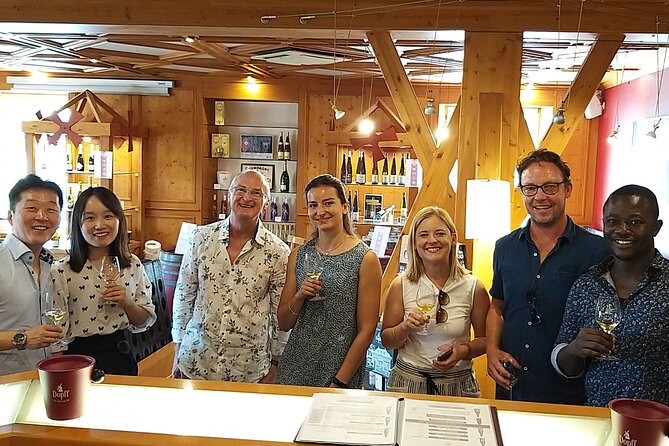
- Small group (2–6): personal conversation time, not a cattle-car tour
- Guide-led tastings included: admission and tastings are covered
- Medieval village stops: Eguisheim, Riquewihr, Ribeauville, and Kientzheim on the route
- Grand Cru context: you’ll hear how vineyards and grape choices link to each wine
- Pick-up option from your Air B&B: handy if you’re not near the main meeting point
- English-speaking guide: clear explanations and lots of Q&A time
Alsace from Basel: how this 6-hour plan actually feels
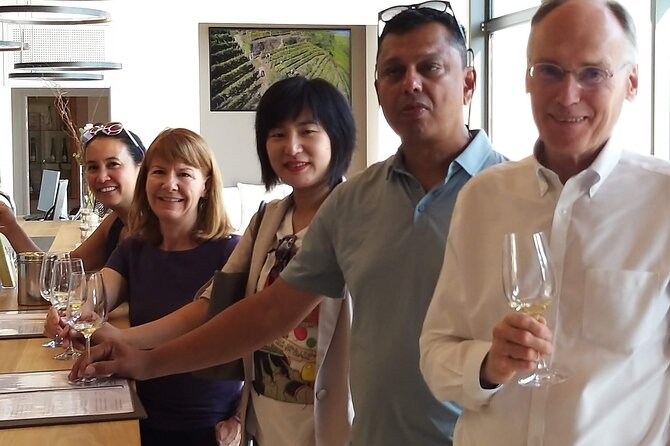
This is the kind of Alsace trip you take when you want the region’s highlights without turning the day into homework. You start around 9:00am and you’re back at the meeting point at the end, with a driver doing the road work while the guide keeps the story moving—between villages and winery visits.
At around 6 hours, the pacing is long enough to get real tastings in, but short enough that you’re not exhausted by the time you reach the final village. It’s also offered as a half-day or full-day style option, which matters if you want more wine time or more village time.
Small group touring with guide Colin Bell
The big win here is the way the guide brings the day together. In the reviews, Colin Bell comes up again and again for two reasons: he’s great at turning winery visits into learning moments, and he has no problem answering follow-up questions. People also mention how the car stayed clean and how Colin could keep commentary going while driving between stops, so the time doesn’t feel chopped up.
Why that matters for you: Alsace wine can sound simple on a menu, but it’s the details that make tastings fun—things like how vineyard location and soil relate to grape expression, and how that translates to the styles you taste. A tour like this is built for that kind of attention, especially if you show up with a few preferences (for example, if you’re curious about Riesling styles or want to compare grapes by vineyard).
Also, it’s explicitly a private tour/activity with your group only. Even when the group stays small, that privacy is a real comfort—less noise, fewer strangers, and you can ask questions without feeling like you’re interrupting.
Eguisheim stop: wine tastings tied to the vines
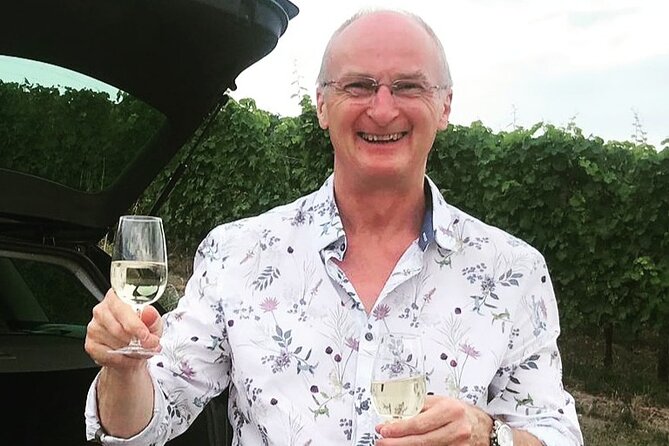
Eguisheim is the first stop on the route, and it sets the tone. You’re guided into tastings at small, boutique wineries—places you’d likely struggle to find on your own. The emphasis here is on relationship to place: the guide connects the wine to the region’s history and geography, and you get a feel for what it means to stand among vines from a Grand Cru vineyard.
What I like about this first stop: starting with a grounded wine education helps the later village walks make more sense. When you arrive in Riquewihr, for instance, you’ll already have the vocabulary for talking about vineyard sites and styles, and the guide can point out why certain grapes show up where they do.
A practical note: each stop is listed at about one hour, so you’ll want to pay attention right away when the guide explains what you’re tasting. That way you’ll get the most out of the tasting window instead of trying to catch up after the first pour.
Riquewihr: medieval streets plus Grand Cru Riesling context
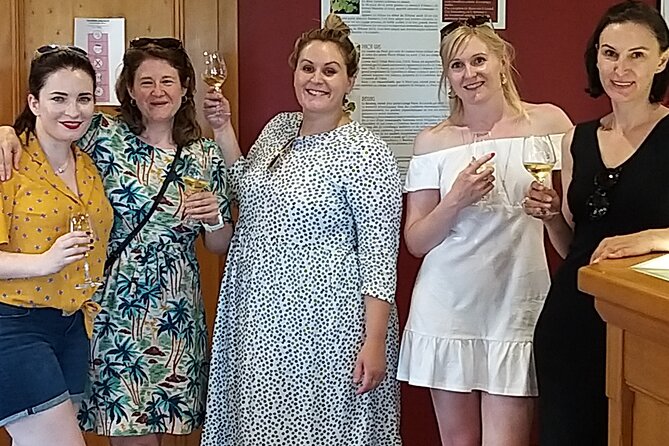
Riquewihr is where the tour gets especially visual. You’re visiting one of Alsace’s most historic village scenes, described as untouched and dating back to the middle ages. And it’s not just pretty buildings. Riquewihr sits under the shadow of the Schonenbourg Grand Cru, known for producing many of the best Rieslings in the region.
You’ll walk the village lined with traditional painted buildings while your guide links what you see to how the region developed around wine. That connection is part of what makes this stop more than a quick photo break. You’re getting both the human side (village life, old architecture) and the viticulture side (vineyards and the wine identity that comes from them).
Here’s what to consider: village walking time is real, and you’ll be moving between winery visits and streets. If you’re sensitive to cobblestones or want slower pacing, tell your guide early so they can help you plan where to linger.
Ribeauville: more castles, more corners to discover
After Riquewihr, the tour shifts to Ribeauville, another stop designed to keep the medieval vibe going while expanding the wine education. The description frames the area around castles and ancient medieval villages, with history around every turn.
This stop tends to work well if you like variety. You’ve already learned about Grand Cru context in Riquewihr, and now you can watch how the day broadens from one signature village into a wider sense of Alsace as a connected patchwork of towns and wine communities.
One thing to remember: food is not included, so this is a good point in the day to think about lunch logistics. In one full-day style experience, the guide reportedly made a reservation for lunch at a small Alsatian restaurant in Riquewihr. Even if you don’t plan a formal lunch reservation, you can expect your guide to have practical instincts about where to stop for something local.
Kientzheim: the quieter partner in a multi-village wine day
Kientzheim is the final village stop listed on the route. In the tour description, Kientzheim appears alongside options that can also connect with Colmar-area planning, which tells you something important about the business logic of the day: the route is designed to keep winery visits and village time balanced rather than sending you on a long, straight-line drive with one big stop.
What you’re likely looking for here is the payoff: another chance for wine tasting and another dose of village atmosphere before you wrap up back at your meeting point. This is a good stop for anyone who wants the day to end on a calmer note instead of a frantic last-minute sprint.
If you’re buying bottles, this is also often when you’ll appreciate having time to decide what you want to carry home—especially if earlier tastings opened your palate to specific styles.
What’s included, what isn’t, and how that changes your budget
Included:
- Admission and wine tasting at the winery stops
Not included:
- Food
- Any personal injury insurance
- Alcoholic beverages beyond what’s part of the included tastings (and other drinks)
So even though tastings are included, you’ll still be spending on meals and anything extra you order. In the reviews, people mention buying wine on the day, and that makes sense: once a winery staff explains the wines and welcomes you properly, it’s easy to want a few bottles to take home.
My practical budgeting tip: plan for one sit-down meal plus water/soft drinks during the day. Then set a separate “wine fun” amount in cash or card so the purchase decision doesn’t feel stressful when you’re mid-tasting.
How to get the most from the tastings (without overdoing it)
Alsace wine tastings can move fast, especially when the tour sticks to about an hour per stop. To get real value from each tasting:
- Ask your guide which wine you should compare to the one you liked most. The guide can connect that favorite to specific vineyard and grape traits.
- Pace yourself. You’re in small-group mode, so you’ll be tempted to talk and taste and learn at full speed. Slow down just a bit and you’ll enjoy the later pours more.
- Bring a short list of preferences. If you care about Riesling styles, sweetness levels, or whether you want dry vs. fuller-bodied wines, say it early. The tour is built for adjusting.
Also, if you’re the type who likes technical detail, this is one of the better setups. In the reviews, people highlight how Colin answered questions with follow-up explanations, including details about vine and grape agriculture and wine production. That’s not a “paint-by-numbers” tasting; it’s the kind of guided conversation that makes your palate sharper.
Price and value: $365.53 from Basel for a reason
At $365.53 per person for around 6 hours, the price might look steep at first glance—until you match it to what’s actually provided. You’re paying for:
- A guided route between multiple villages and wineries
- Admission and wine tasting
- Small-group attention (2–6) and an English-speaking guide
- Pickup options from your Air B&B
- Transportation via a driver (so you can actually taste)
If you tried to replicate it on your own, the cost usually creeps up quickly once you add tasting fees, transport, and the time wasted hunting down the right places. This tour’s value is the combination: you get access to small wineries and you get a guide who explains what you’re tasting instead of leaving you alone with menus and guesswork.
One more value point: reviews show a consistent theme—people felt the day was a highlight because of the guide’s skill and the quality of the winery stops. When a tour is priced like this, you’re really buying the guide and the selection.
Who this tour fits best
This is a strong match if you:
- Want a guided Alsace wine day from Basel without complicated planning
- Prefer small groups and conversation over large tours
- Care about wine education—especially how vineyard location and grape choices relate to the glass
- Like medieval villages but don’t want to spend your whole day searching for them
It’s also a good honeymoon-style experience based on the tone of the reviews: couples mentioned the guide tailoring the tastings and making the day feel special. But it also works for solo travelers, especially if you like asking questions and meeting the guide’s attention one-on-one within a small group.
Should you book this Alsace wine tour from Basel?
I’d book it if you want an Alsace day that feels like wine and place connected—village walking tied directly to tasting logic. The best reason is simple: the tour is built around guided tastings and a guide who stays engaged, including Colin Bell in many experiences, and you’re not stuck with vague explanations.
Skip it (or reconsider) if you:
- Need food to be fully included (it isn’t)
- Are hoping for a long self-paced wandering day with zero schedule pressure
- Are traveling at a time when weather might be poor and you can’t shift plans if the tour is adjusted or canceled
If you’re set on it, book earlier rather than later. The tour is commonly reserved about two to three months out, so it’s not something I’d treat as a last-minute whim.
FAQ
FAQ
How long is the Alsace wine tour from Basel?
It runs about 6 hours.
What time does the tour start?
The start time listed is 9:00am.
Is pick-up available in Basel?
Pickup is offered, and you can be collected from your Air B&B.
How big is the group?
The tour is kept to a small group, limited to 2–6 people, and it’s your group only.
What’s included in the price?
Admission and wine tasting are included.
Is lunch or food included?
No, food is not included.
Are alcoholic beverages included?
Wine tasting is included, but other alcoholic and non-alcoholic drinks are not included.
What language is the tour in?
It’s offered in English.
Does the tour require good weather?
Yes. The experience requires good weather, and if it’s canceled due to poor weather, you’ll be offered a different date or a full refund.
What is the cancellation policy?
You can cancel for free up to 24 hours in advance for a full refund.