REVIEW · STRASBOURG
Alsace: Full-Day Wine Tour & Tastings from Strasbourg
Book on GetYourGuide →Operated by Ophorus · Bookable on GetYourGuide
Alsace wine country can feel like a postcard. This full-day outing pairs three winery tastings with time in medieval villages like Ribeauvillé and Riquewihr, so you get both the wine and the setting without rushing. I like that it’s built for small groups (max 8), which keeps the day social instead of chaotic, and the English-speaking guide brings context that makes the wines easier to understand.
Two other things I like: the tasting order is well thought out, starting with the Mittelbergheim area known for Riesling-friendly soils, then moving toward other styles and appellations. And the drive gives you a real sense of Alsace wine-route villages, not just a quick drop-and-shop rhythm. One drawback to consider is that you only visit three wineries, so if you’re expecting nonstop tastings all day at every stop, the $253 price may feel steep.
In This Review
- A Few Things You’ll Notice Right Away
- A Full Day of Alsace Wine Country From Strasbourg’s Cathedral Square
- Meeting Point, Mini-Van Rides, and the 8-Hour Pace That Actually Feels Doable
- Mittelbergheim Grand Crus: Why Riesling Starts the Day
- Dambach-la-Ville and Grand Cru Frankstein: The Second Tasting Adds Texture
- Ribeauvillé and Riquewihr: Medieval Town Time That Doesn’t Feel Staged
- Three Winery Stops and the Odds of a Big Wine Flight
- Value: Is $253 Worth It for Three Tastings and Two Medieval Towns?
- Rain or Shine Scheduling, and the Small Logistics That Matter
- Who This Tour Suits Best (and Who Might Want Something Different)
- Should You Book This Alsace Wine Tour From Strasbourg?
- FAQ
- How long is the Alsace Full-Day Wine Tour & Tastings from Strasbourg?
- How many winery tastings are included?
- What wines will I taste during the tour?
- Is the tour guided in English?
- Is lunch included?
- How big is the group?
- Does the tour run in bad weather?
- What are the age limits, and are pets allowed?
A Few Things You’ll Notice Right Away
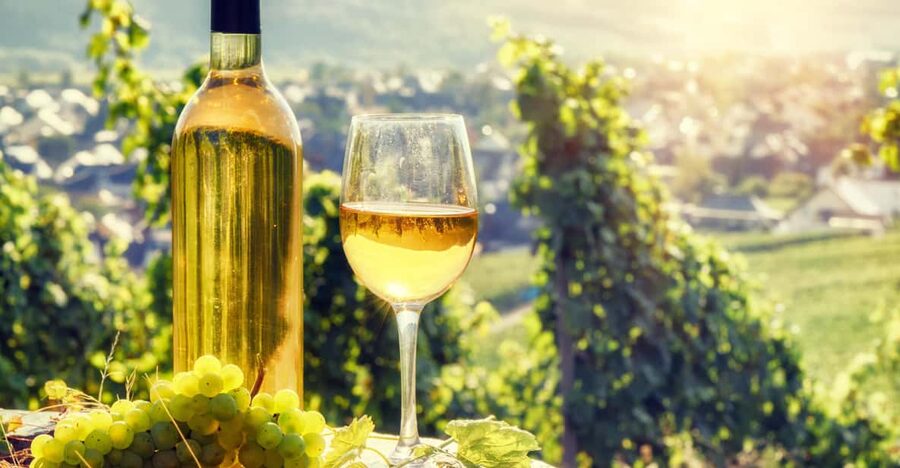
- Small group, big attention: limited to 8 participants, with live English commentary.
- Riesling has a starring role: the day is structured around Alsace’s best-known grape regions.
- Medieval village time: Ribeauvillé and Riquewihr aren’t window dressing; you actually get free time to walk.
- Three tastings, varying styles: you’ll likely sample multiple grapes, not just one safe pick.
- Works rain or shine: this is scheduled as a full-day experience, regardless of weather.
- Easy starting point in Strasbourg: meet at 17 Pl. de la Cathédrale.
A Full Day of Alsace Wine Country From Strasbourg’s Cathedral Square
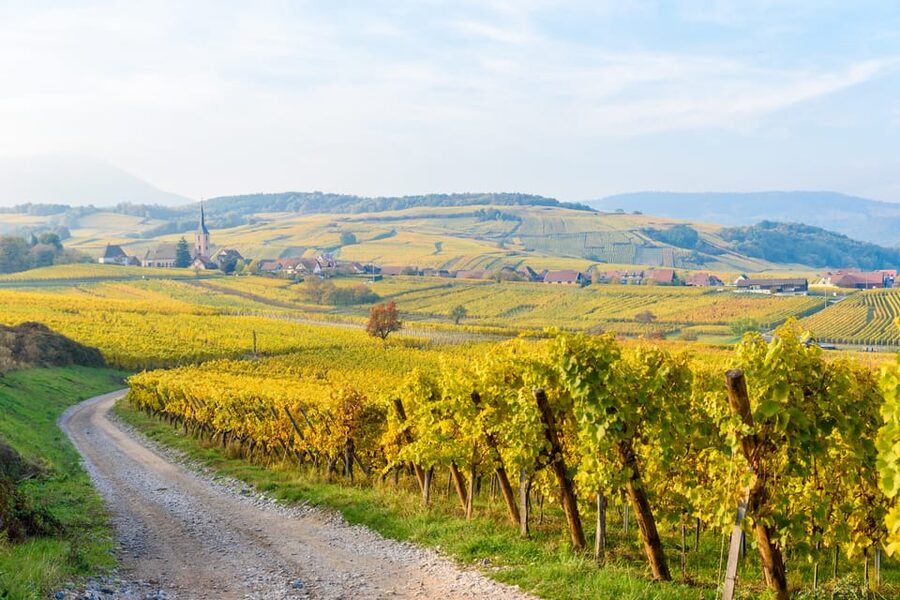
This tour starts in Strasbourg, right at 17 Pl. de la Cathédrale, which is an easy launch point whether you’re staying in the center or arriving by tram. From there, you settle into a comfortable mini-van and start moving through the Alsace wine region at a pace that feels relaxed, not frantic.
What makes the day especially fun is that it doesn’t treat wine as a single activity. It treats it like a theme you can follow. You’ll begin in a place where specific soils and grand-cru sites matter, then you’ll switch gears to a broader wine area, and finally you’ll slow down in medieval towns where you can breathe and look around.
And yes, there’s alcohol on the schedule—this is an adults-only tour, and the minimum age to participate (and drink) is 18.
You can also read our reviews of more wine tours in Strasbourg
Meeting Point, Mini-Van Rides, and the 8-Hour Pace That Actually Feels Doable
The whole experience runs about 8 hours, which is long enough to feel like a day trip, but not so long that it turns into a blur. You’ll spend meaningful time on the road between the wine regions and the villages, and the mini-van setup keeps you off the stress of driving and parking.
A practical note: you’re in a small group, so the schedule is designed around everyone being back on time for the next stop. That means you’ll want to use your free time well—especially around lunch—because the day’s rhythm is built around tastings.
Also, you should plan on walking. The tour requires comfortable shoes, and it’s not suitable for wheelchair users. Pets aren’t allowed either.
Mittelbergheim Grand Crus: Why Riesling Starts the Day
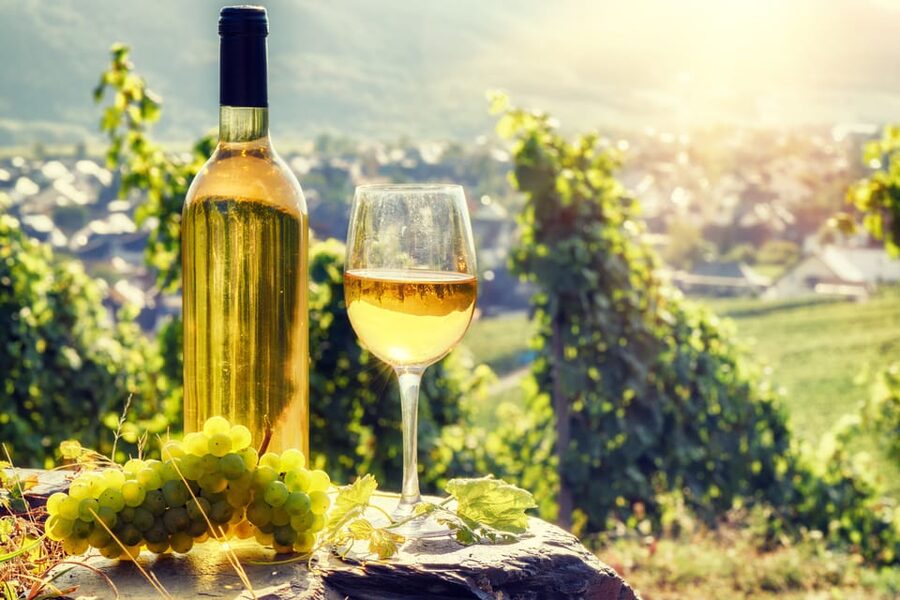
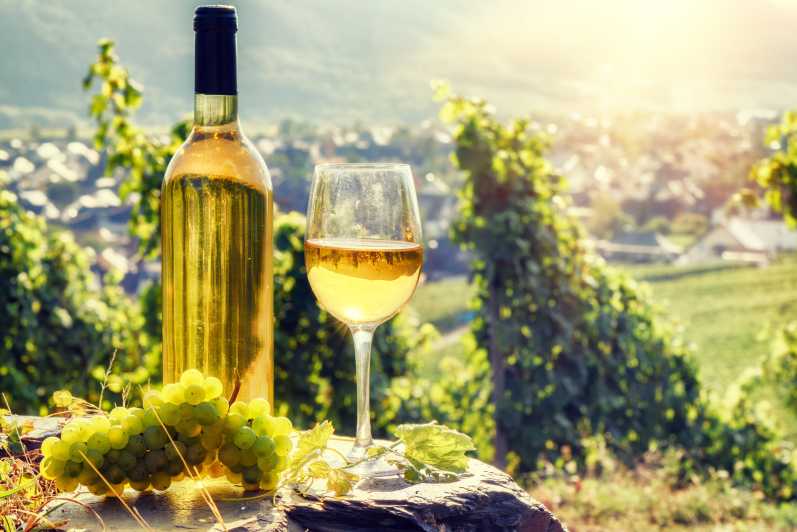
The day begins in the Mittelbergheim wine-producing region, an area tied to major grand cru sites such as Zotzenberg, Kastelberg, and Wiebelsberg. If you want to understand why Alsace is famous for white wine, this is a smart place to start. The soils here are particularly favorable for Riesling, so your first tasting is less random and more like a foundation.
Expect your first tasting to focus on grapes such as Pinot Blanc, Sylvaner, and Riesling. Even if Riesling is the one you already know, this is the point where you can compare it with neighboring styles. Pinot Blanc tends to feel rounder and gentle, Sylvaner can show a different kind of freshness, and Riesling often brings the structure that makes Alsace so easy to recognize.
This is also where the guide’s role matters. English live commentary turns tasting notes into something you can actually use later, whether you’re buying a bottle to drink now or picking one to age.
Dambach-la-Ville and Grand Cru Frankstein: The Second Tasting Adds Texture
After the Mittelbergheim start, you head toward Dambach La Ville, in the heart of the Alsace wine region. This area is home to Grand Cru Frankstein, so again, there’s a logic to where you’re standing and what you’re tasting.
Your second tasting is shorter than the first, but it’s still enough time to compare wines you liked earlier with new pours. The big value here is variety: you’re not just repeating the same tasting flight. You’re moving through different parts of Alsace wine culture, which helps you notice differences in styles rather than just chasing the highest number on a tasting flight.
One of the things I appreciate about tasting tours like this is that they force you to slow down for each pour. Even when the schedule feels tight, you’re still tasting intentionally, not just sampling.
Ribeauvillé and Riquewihr: Medieval Town Time That Doesn’t Feel Staged
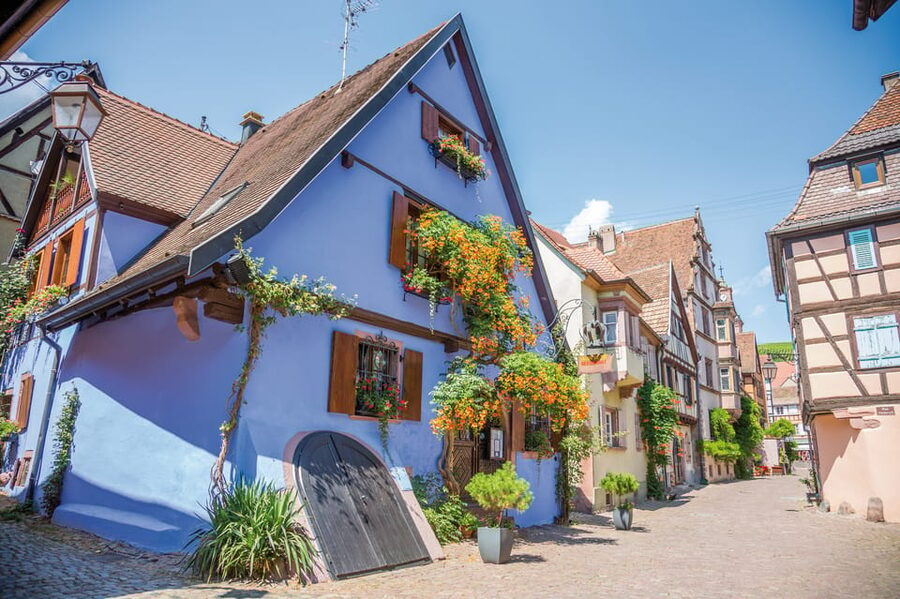
Then the tour gives you a chance to reset in the Ribeauvillé/Riquewihr wine area. This is one of the prettiest pockets of Alsace, and the connection to wine is strong because the region includes five grand cru appellations: Geisberg, Kirchberg, Osterberg, Schoenenbourg, and Sporen.
Riesling is described as the king of grapes here, but you’ll also find strong expressions from Pinot Gris, Muscat, and Gewürztraminer. That matters because Ribeauvillé and Riquewihr aren’t just scenic stops. They’re part of a wine landscape where the grape choice shows up in what shops sell and what wineries produce.
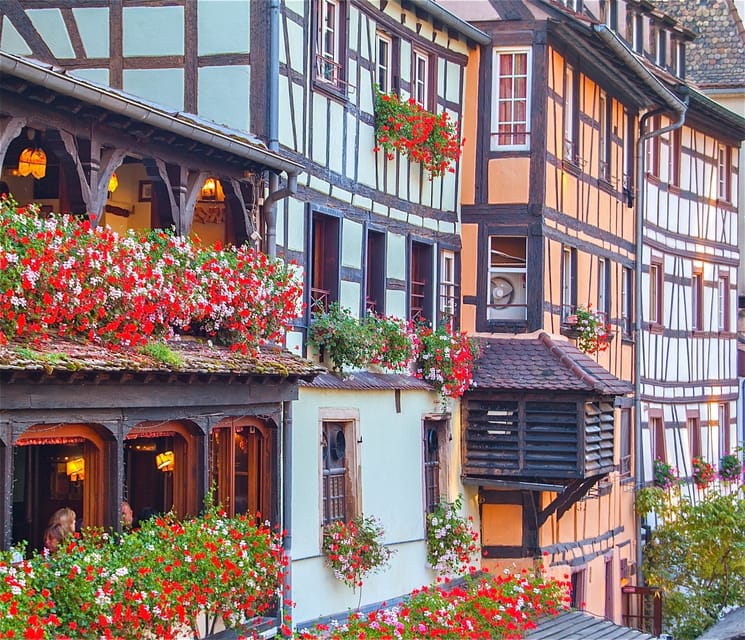
You’ll have free time to explore, including a walk opportunity in the traditional village area. The day’s rhythm is good here: you get out of the van long enough to look up at the streets, take photos, and get a real feel for the towns rather than checking off boxes.
A helpful lunch idea: one suggested spot in Ribeauvillé is Au Passage de la Tour, which came recommended as a good place to eat without scrambling to find something open.

Three Winery Stops and the Odds of a Big Wine Flight
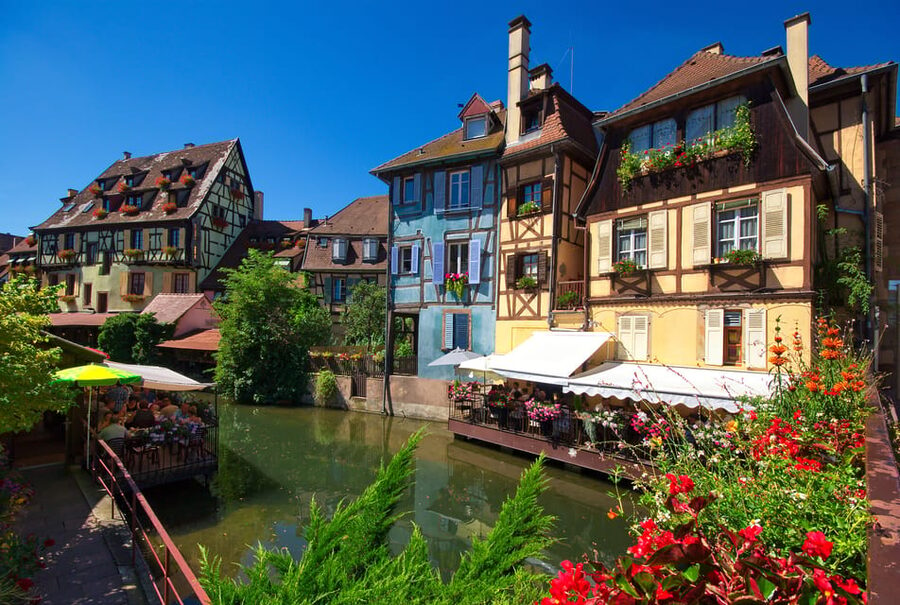
This tour includes tastings at 3 typical wineries, with the tasting sessions timed into the day. In total, you should expect a meaningful number of samples. Based on past experiences, many groups land in the range of a dozen-plus wines, and in some cases the pours can reach the teens or even low 20s depending on how the winery builds its flight and how the day flows.
Here’s what I think makes these winery stops work: they’re not all the same kind of tasting room experience. Even when you’re visiting “typical wineries,” the point is to see how different producers present their wines and explain their choices. Some tastings are built around a clear progression of styles; others may emphasize family or method, which is where Alsace wine culture becomes more human.
You also often get time during tastings to ask questions. Small-group format helps. It’s easier to follow the guide when you’re not talking over a crowd.
One practical heads-up: in France, snacks usually aren’t provided during wine tastings to preserve the purity of the wine’s flavor. Meals aren’t included in the tour, so you’ll want a good breakfast or an intentional lunch plan before you start sampling heavily.
Value: Is $253 Worth It for Three Tastings and Two Medieval Towns?
At $253 per person for about 8 hours, the price isn’t “cheap,” but it can feel fair if you treat it as a guided wine education day—not just a ride to wineries.
What you’re paying for:
- English-speaking guide with live commentary (not a silent transfer)
- Transportation by comfortable mini-van
- Tastings at 3 wineries (with structured flights rather than random sampling)
- Time in two major medieval towns for walking and sightseeing
Where the value debate starts is this: some people expect more than three winery stops, so if your dream day is nonstop tasting at a longer list of locations, you may wish there were an extra stop or more time per venue. There’s also the reality that you’re responsible for meals, and you’ll want to eat well before tastings so you don’t get worn down.
That said, the small group size (max 8) often makes the day feel less like a factory tour. If you want an efficient route that balances wine and scenery, this one fits the bill.
Rain or Shine Scheduling, and the Small Logistics That Matter
This tour runs rain or shine, so plan for weather that might change during your walk time. Comfortable shoes are more important than fashion because the town walking is part of the experience, not optional.
Also note:
- You should bring a passport or ID card
- The tour is English only
- Pets aren’t allowed
- It’s adults only (minimum age 18)
- During the Christmas period, the tour returns to Strasbourg just outside the Grande-Ile district, with the exact address arranged with the guide
If you’re the type who needs every minute free, this schedule is structured. If you like guided flow with clear stops, you’ll probably enjoy it.
Who This Tour Suits Best (and Who Might Want Something Different)
This is a great choice if you:
- want a first serious introduction to Alsace white wines
- like Riesling but also want to taste neighboring styles like Pinot Blanc and Sylvaner
- enjoy medieval towns and want a walk that feels real, not rushed
- prefer a small group (max 8) with more personal guiding
It may not be ideal if:
- you strongly dislike tasting alcohol (the tour is built around wine)
- you need more wheelchair-friendly access (it’s not suitable for wheelchair users)
- you want more than three winery visits in a single day
Should You Book This Alsace Wine Tour From Strasbourg?
I’d book this tour if you want one well-planned day that connects grape regions, producers, and medieval towns without the stress of driving. The structure is clear: start in a Riesling-forward grand cru area, build through another wine zone, then end with town time where wine culture is visible in the streets.
If $253 feels high, treat it like this: you’re paying for three guided tastings plus guided transportation plus English context for the day’s “why” behind Alsace wine. If you’re the kind of traveler who enjoys learning as you sip—and wants a day that feels organized—this is a solid pick.
FAQ
How long is the Alsace Full-Day Wine Tour & Tastings from Strasbourg?
The tour duration is about 8 hours.
How many winery tastings are included?
Tastings are included at 3 typical wineries.
What wines will I taste during the tour?
Your tastings include Pinot Blanc, Sylvaner, and Riesling, and the broader region also produces Pinot Gris, Muscat, and Gewürztraminer.
Is the tour guided in English?
Yes. The guide provides live commentary in English only.
Is lunch included?
No. Meals aren’t included, and snacks are usually not provided during wine tastings, so plan to eat beforehand.
How big is the group?
It’s a small group limited to a maximum of 8 participants.
Does the tour run in bad weather?
Yes. It operates rain or shine.
What are the age limits, and are pets allowed?
The tour is adults only, with a minimum age of 18 to participate and drink alcohol. Pets are not allowed.
If you tell me your travel month and what wines you already like (dry vs. off-dry, Riesling or not), I can help you decide if this one matches your style—or suggest the best alternative route from Strasbourg.