REVIEW · STRASBOURG
From Strasbourg: Medieval Villages & Wine Tasting Day Trip
Book on GetYourGuide →Operated by RHINE VALLEY SIGHTSEEING TOURS · Bookable on GetYourGuide
Four fairy-tale towns in one long day. This Alsace day trip strings together medieval village wandering and a winemaker tasting with enough freedom to move at your own pace. You’ll ride past vineyards on the wine route, then step off the coach for short, focused bursts of exploring—perfect if you want variety without the stress of driving.
I especially like that you get real time in each village rather than a forced march with a guide. One possible drawback: it’s a long day, so if you’re slower on your feet or you want to linger extra in one place, you’ll feel the clock.
A second big win is the audio guide in 12 languages, while the guide/driver works in French. Just be ready for typical coach-day realities—tight re-group times and lots of walking on cobblestones.
Key things you’ll notice on this trip
- Four medieval villages picked for different personalities, not cookie-cutter stops
- Winemaker wine tasting with non-alcoholic options
- Audio guide in 12 languages using seat headsets
- Comfort-focused coach ride with USB ports and free Wi‑Fi
- Plenty of self-guided time, so you can choose your own pace and photos
In This Review
- Four Medieval Villages, One Smooth Strasbourg Departure
- First Views on the Wine Route: Bergheim’s Medieval Wall Feel
- Ribeauvillé’s Pedestrian Streets and Hunawihr’s Fountain Photo Moment
- Winemaker Tasting Hour: What You Get and How to Make It Count
- Riquewihr at Lunch Time: When “Vineyard Town” Feels Real
- Kaysersberg and Eguisheim: Favorite Villages Winners in Your Pocket
- Coach, Headsets, and a French-Only Guide: How the Day Stays Understandable
- Timing, Weather, and Not Missing the Bus
- Price and Value: Is 147 USD Reasonable From Strasbourg?
- Who Should Book This Day Trip?
- Should You Book From Strasbourg? My Decision Checklist
- FAQ
- How long is the day trip from Strasbourg?
- Where do I meet the tour in Strasbourg?
- Is food included in the price?
- Do they offer non-alcoholic options during the wine tasting?
- What languages are available for the audio guide?
- Does the guide speak my language?
- What’s the ride like on the coach?
- Does the tour run in bad weather?
- Is the tour suitable for wheelchair users or limited mobility?
Four Medieval Villages, One Smooth Strasbourg Departure
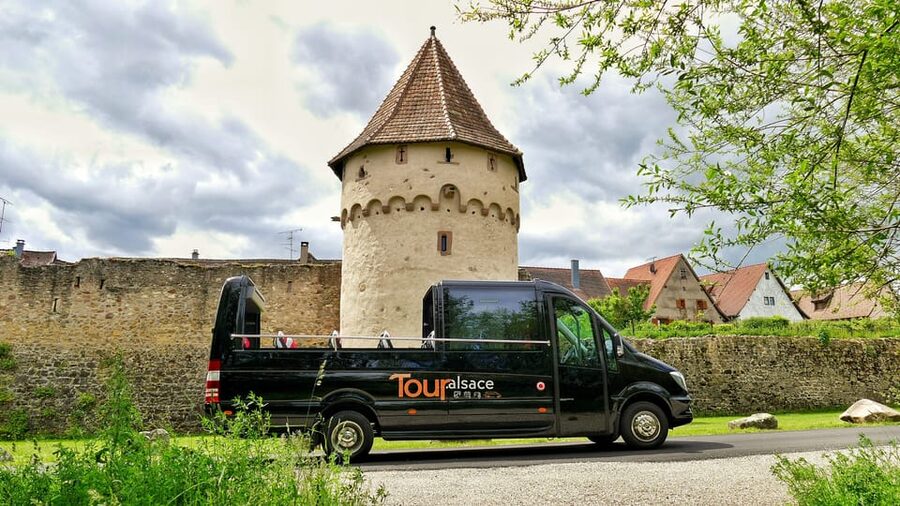
Alsace is famous for wine, but what you remember most are the towns. This day trip is built around that idea: you get a string of medieval villages—then enough free time to actually enjoy the streets, not just pose at landmarks.
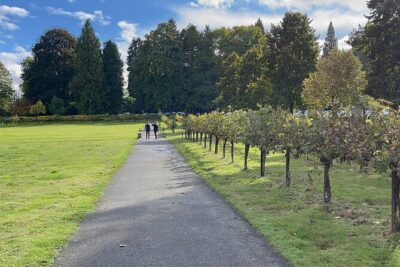
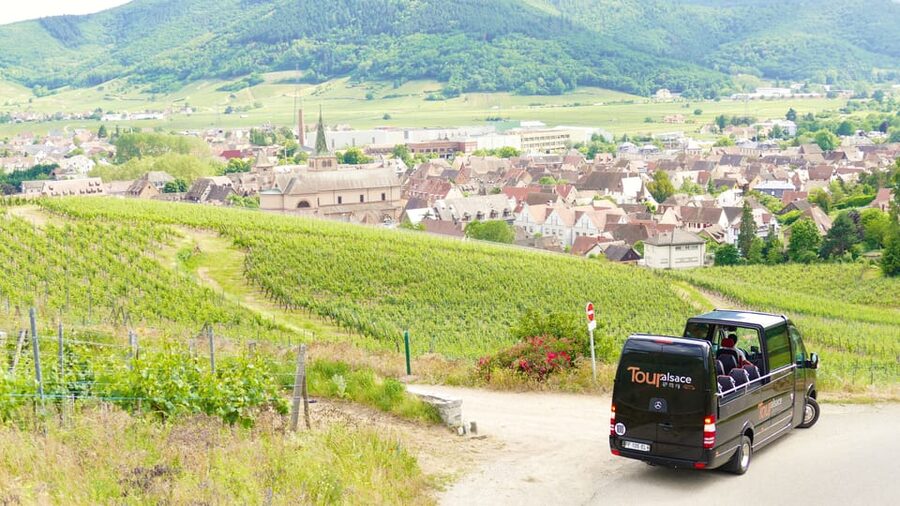
You depart Strasbourg in a comfortable coach, and you’ll spend a good chunk of the day traveling the Alsace wine-route roads. That matters because the region’s beauty isn’t only in the villages. It’s also in the approach: rolling vineyards, village rooftops, and that classic Alsace patchwork view that makes the photos look easy.
The tour runs for about 630 minutes (just over 10 hours), so plan your day accordingly. It’s not a quick sampler; it’s a full day designed to give you an overview plus memorable stops.
First Views on the Wine Route: Bergheim’s Medieval Wall Feel
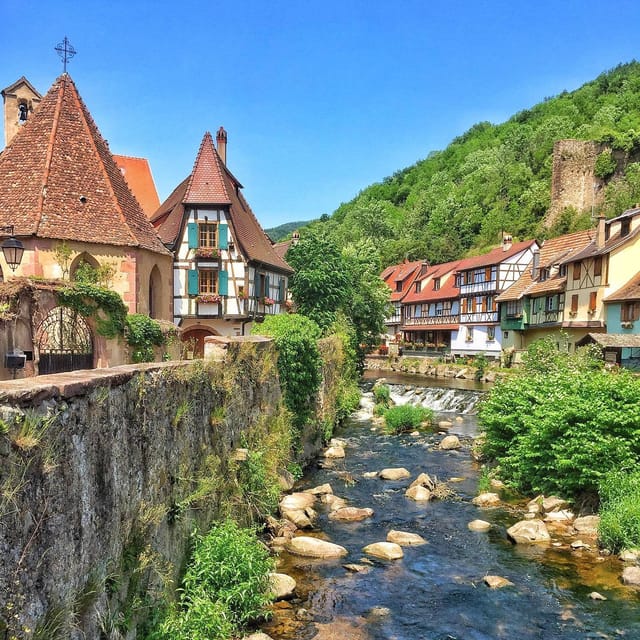
Your first village stop is Bergheim, a wine-route community packed with medieval atmosphere. Think of this as the warm-up: you arrive, stretch your legs, and start recognizing the Alsace look—stone walls, narrow lanes, and the sense that the village grew up around its protection and trade.
This is also a helpful stop if you’re new to the area. Seeing Bergheim first helps you “read” what comes next. You’ll spot how the wine region and the old town layout grew together—vines as economic engine, the village as the human center.
Come with comfortable shoes. Even when the walking seems light on paper, cobbles and uneven edges add up across a full itinerary.
You can also read our reviews of more food & drink experiences in Strasbourg

Ribeauvillé’s Pedestrian Streets and Hunawihr’s Fountain Photo Moment
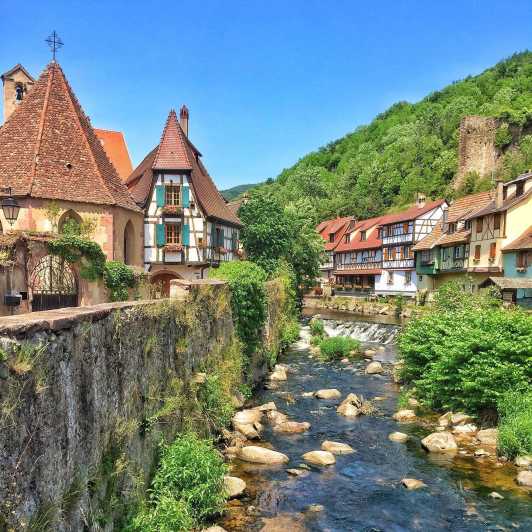
Next up is Ribeauvillé—and the key thing here is the walkability. The village is known for its pedestrian streets, so you can wander without constantly checking traffic. This is one of those places where the route is half the fun: shop windows, old façades, and little corners where you pause because the street looks like it belongs in a movie.
After Ribeauvillé, you’ll visit Hunawihr. Expect sightseeing and a photo stop connected to the village’s famous fountain. Even if you don’t plan on spending forever here, this kind of stop is useful—it gives you a recognizable Alsace highlight before the day shifts into tasting mode.
One practical tip: since these are self-paced breaks, decide early what you want from each village. If you want photos, do a “quick loop” first, then slow down once you’ve found the best street angles.
Winemaker Tasting Hour: What You Get and How to Make It Count
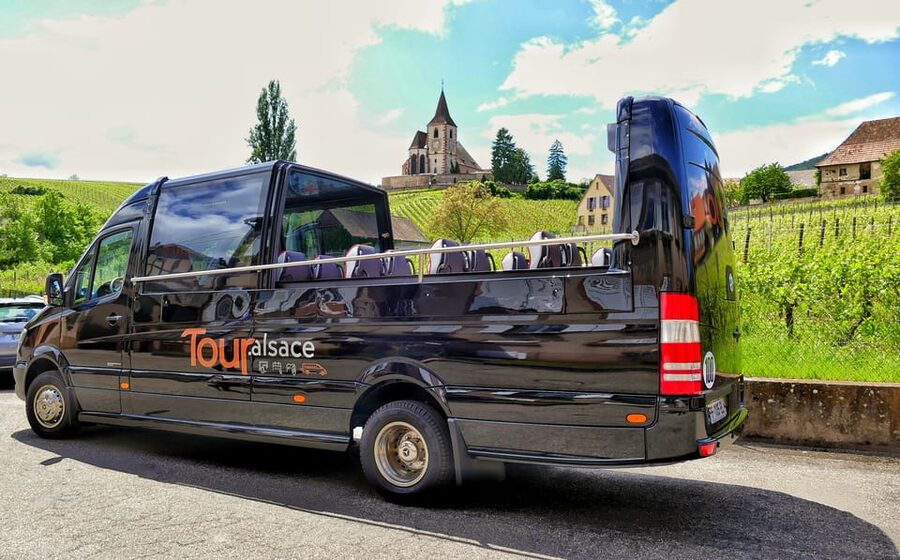
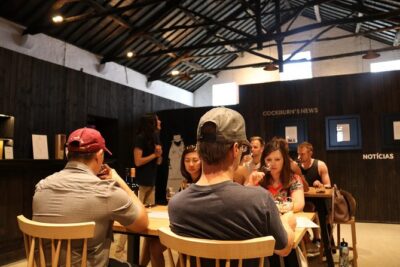
At a local winemaker, you’ll do a wine tasting with a short winery explanation. The most practical part? They offer non-alcoholic beverages, so you’re not forced into wine if you prefer to keep it alcohol-free.
This stop tends to be the hinge of the day. It’s structured enough that you don’t feel lost, but not so rigid that it steals your whole afternoon. A local winemaker visit gives you context that you can’t get from just looking at bottles in a shop. You’ll understand how the wines are produced and why Alsace styles are so tied to place.
A good mindset helps here: taste with questions in mind. For example, if you notice you like one style, ask yourself what you liked—crisp vs. fuller, floral vs. fruit-forward (and then look for that clue later when you’re browsing a shop in Riquewihr).
Riquewihr at Lunch Time: When “Vineyard Town” Feels Real
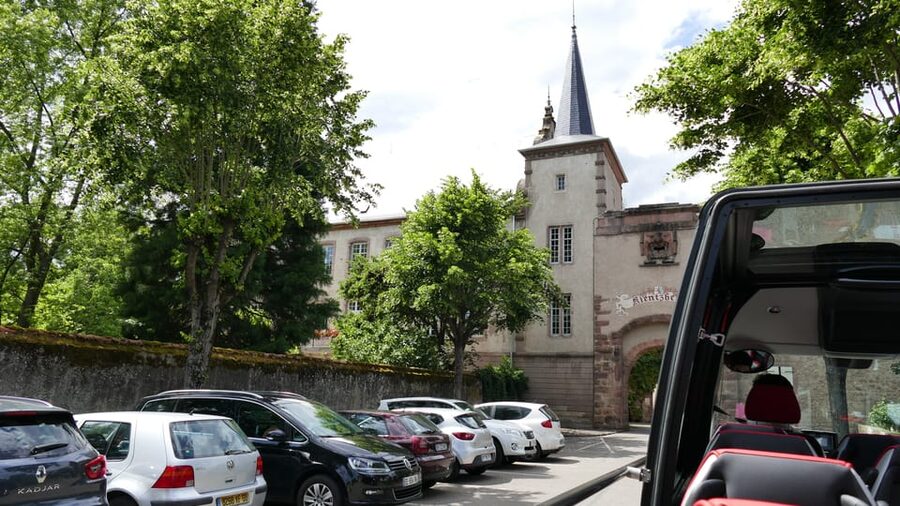
Riquewihr is the star name for many people, and for good reason. The village is known as one of the best-known Alsace stops, largely because of its idyllic position in the heart of the vineyards.
This is also where timing matters most, because you’ll have a longer break—about 105 minutes—which usually means you can do three things without rushing:
1) walk the best lanes
2) browse the shops
3) fit in lunch at your own pace
That balance is the whole point of this tour style. You’re not trying to eat with a stopwatch while a group leader keeps moving. You can choose: café lunch, bakery stop, or quick bites and more wandering.
Riquewihr’s vibe is also why many people come to Alsace. The village can feel like it’s built for strolling—so give yourself permission to slow down here, even if the rest of the day is scheduled tightly.
Kaysersberg and Eguisheim: Favorite Villages Winners in Your Pocket
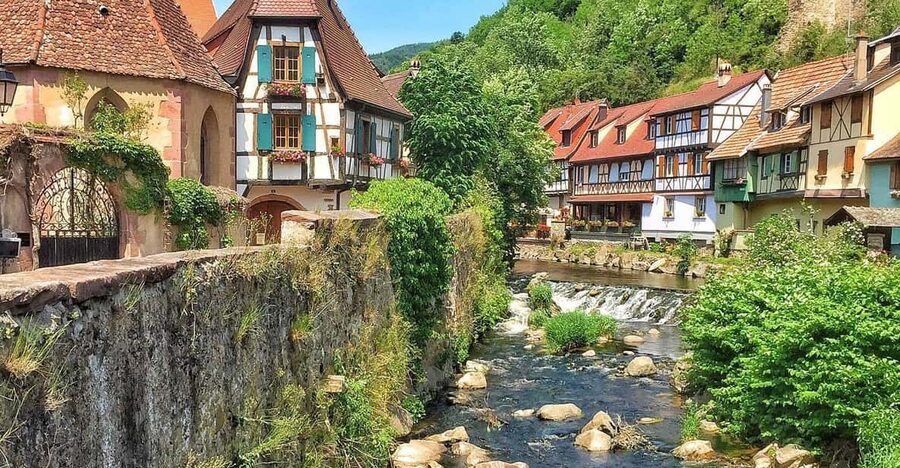
The final two villages are Kaysersberg and Eguisheim, both recognized as French Favorite Villages. Kaysersberg won in 2017, and Eguisheim won in 2013.
What you should look for isn’t just “pretty buildings.” Each village has a different kind of medieval character:
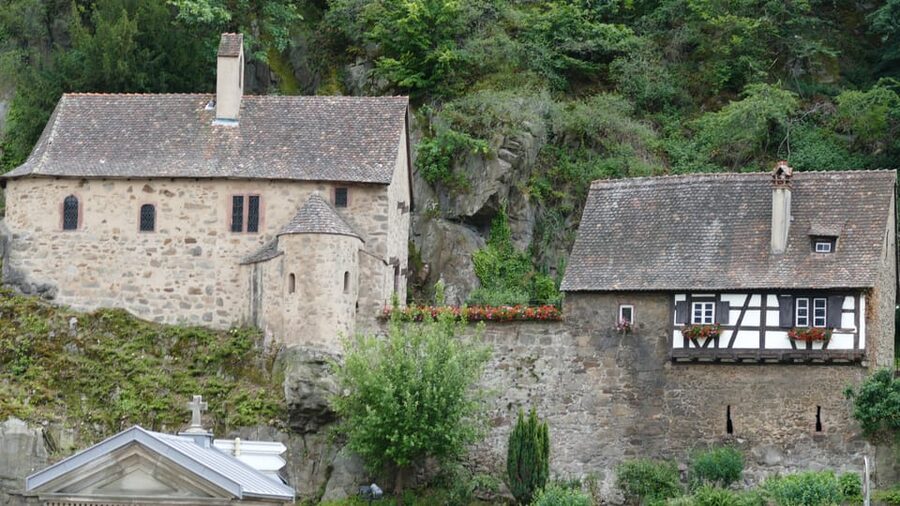
- Kaysersberg: the medieval feel plus a sense of history moving through the streets
- Eguisheim: a more sheltered, storybook-like atmosphere that’s easy to explore on foot
You’ll have about 1 hour in Kaysersberg and roughly 45 minutes in Eguisheim. That difference matters. In Kaysersberg you can do a more relaxed loop; in Eguisheim, you’ll want a “hit list” mindset—pick a few lanes and landmarks to focus on, then spend the rest of the time reacting to what you like.
If you’re the type who hates feeling rushed, your best move is to decide what you want most from each village at the start of the day. Do you want the best photos? The best snacks? The best browsing? Let that choice guide how you spend your time.
Coach, Headsets, and a French-Only Guide: How the Day Stays Understandable
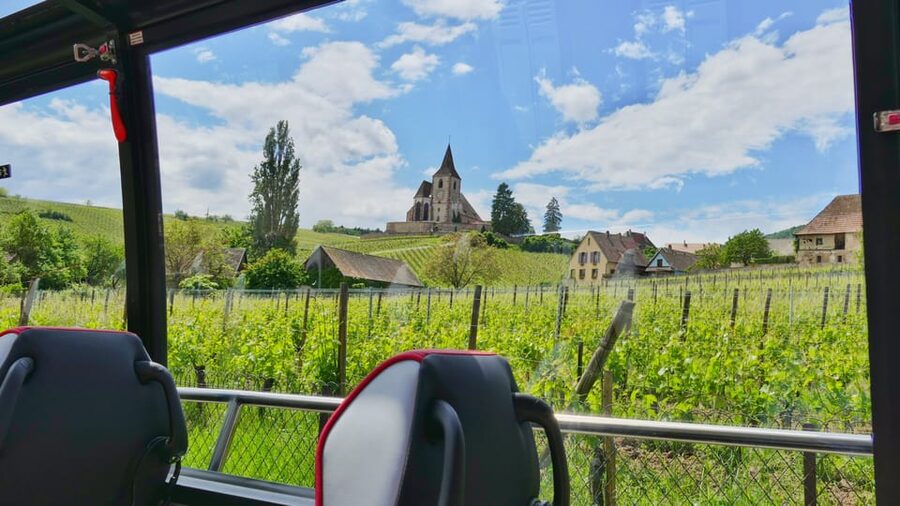
One thing that makes this tour work smoothly is the split between people and tech. The driver/guide operates in French, but you’ll have audio guides with 12 languages via seat headsets (including English, Spanish, German, Italian, Portuguese, Russian, Japanese, Korean, Arabic, Hebrew, French, and Chinese).
That means you’re not dependent on the spoken language to understand what you’re seeing. You’ll get historical context tied to specific stops and buildings—so your stroll through a medieval street becomes more than just scenery.
Add to that the practical comfort features: the coach has USB ports and free Wi‑Fi. On a long day, those small things help. You can keep your phone charged for maps and photos, and you can send a quick message without draining your battery.
If your guide happens to be Martin, you may notice especially clear meet-up instructions and accommodating scheduling (some departures include this kind of helpful communication). If not, the system still works: you’re given scheduled re-group times and you should treat them as real deadlines.
Timing, Weather, and Not Missing the Bus
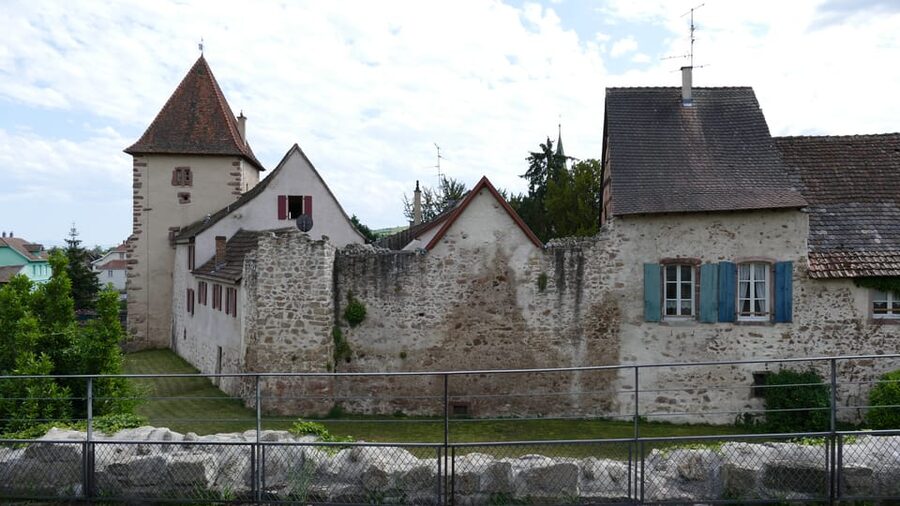
This is an all-weather trip—rain or shine. So the best prep is simple:
- Hat for sun (and sometimes drizzle glare)
- Layering for cool mornings
- Comfortable shoes for cobblestones
One real-world detail: if the day is wet, the open-roof style might not be used. You may end up relying on large windows for views and photos. In sunny weather, those same openings can make the ride feel more scenic.
Also, keep your return ritual consistent. When the bus time approaches, wrap your last photos quickly, go back to the agreed meeting point, and get settled early. The tour only works when you’re back on schedule, and being early is the easiest way to avoid stress.
A final timing note: this day is long. You’ll likely start feeling it around the transition from wine tasting to the later villages, when you’ve already walked once or twice and you’re trying to be sharp for the next stop.
Price and Value: Is 147 USD Reasonable From Strasbourg?
At $147 per person, this isn’t the cheapest way to do Alsace. It is a strong value if you compare it to what it replaces:
- You don’t need a rental car or parking stress
- You’re covering multiple villages in one day
- Transport includes comfort features like USB ports and free Wi‑Fi
- The tour includes a structured wine tasting (with non-alcoholic options)
- You get audio guidance in multiple languages
Food and drinks aren’t included, so you’ll still budget for lunch and snacks. But the day gives you enough time to grab lunch in Riquewihr without paying for a formal sit-down meal every time.
If you’re the kind of visitor who wants the region’s “big picture” quickly—while still getting genuine wandering time—this price starts to make sense. If you only care about one village, or you’re comfortable driving yourself, you may find cheaper options. But for the combination of villages plus guided audio plus wine tasting, it’s a good deal.
Who Should Book This Day Trip?
This tour is a great fit for you if:
- you want an overview of Alsace medieval villages without driving
- you like self-guided strolling with historical audio context
- you want wine tasting but might also want non-alcoholic choices
- you enjoy long, varied days that pack in highlights
It’s not a great fit if:
- you need wheelchair access or have mobility impairments (this tour is not suitable for wheelchair users)
- you’re traveling with very young kids (not suitable for children under 4)
- you strongly dislike long days on your feet
Also, if you hate being on a schedule, choose your village priorities early. The free time is real, but it’s still part of a planned sequence.
Should You Book From Strasbourg? My Decision Checklist
Book it if you want a day that feels like Alsace “greatest hits,” with enough freedom to turn the route into personal wandering. The win here is the mix: coach scenery, village walking, and a tasting stop that adds meaning to what you see.
Skip it (or consider a smaller format) if:
- you want lots of free time in only one or two villages
- you’re sensitive to long days and frequent re-group times
- you need accessibility support
If you do book, do this and you’ll enjoy it more:
- plan for cobblestones with sturdy shoes
- use your audio headset early so the history clicks as you walk
- treat each village as a mini-mission—photos first, then browse
FAQ
How long is the day trip from Strasbourg?
The duration is about 630 minutes, or a little over 10 hours.
Where do I meet the tour in Strasbourg?
The meeting point is Strasbourg – Place de l’étoile – Gare Routière, 67100 Strasbourg, France.
Is food included in the price?
Food and drinks are not included.
Do they offer non-alcoholic options during the wine tasting?
Yes. Non-alcoholic drinks are available during the wine tasting.
What languages are available for the audio guide?
The audio guide is available in 12 languages, including English, Spanish, German, Italian, Portuguese, Russian, Japanese, Korean, Arabic, Hebrew, French, and Chinese.
Does the guide speak my language?
The guide speaks French. You’ll rely on the included audio guide for other languages.
What’s the ride like on the coach?
The tour uses a comfortable bus/coach with USB ports and free Wi‑Fi.
Does the tour run in bad weather?
Yes. The tour operates rain or shine.
Is the tour suitable for wheelchair users or limited mobility?
No. It is not suitable for people with mobility impairments or wheelchair users.