REVIEW · STRASBOURG
Alsace Wine Route Wineries & Tasting Small Group Guided Tour from Strasbourg
Book on Viator →Operated by Ophorus · Bookable on Viator
Alsace pours out its secrets in one day. I like the small-group size here, and I love that you get three guided tastings instead of a quick-and-try sampler. One thing to keep in mind: village time can shift depending on traffic and season, especially around Christmas markets.
This trip also makes the Alsace Wine Route feel real, not just scenic. You’ll drive through the rolling hills at the base of the Vosges Mountains, then land in wine areas like Mittelbergheim and the Ribeauvillé-Riquewihr sector with famous names tied to Riesling. If you’re expecting a perfectly timed, stroll-forever day in every village, plan for some trade-offs.
Finally, you start at 9:00 am in central Strasbourg (near 17 Pl. de la Cathédrale) and head out by air-conditioned minivan. Lunch is on your own, and tastings usually don’t come with snacks, so you’ll want a solid breakfast first.
In This Review
- Key highlights to know before you go
- Why the Alsace Wine Route works best as a guided day trip
- Strasbourg meet-up and the comfort factor
- Mittelbergheim: where Riesling gets a serious introduction
- Dambach-la-Ville: caveau tastings and Gewürztraminer context
- Lunch break: eat first so tastings stay fun
- Ribeauvillé and Riquewihr area: villages plus a real wine identity
- What you’ll taste: Alsace whites in plain terms
- Guides and the real value of small-group time
- Price and value: is $260.12 a fair deal?
- Who this tour suits best (and who should rethink it)
- Should you book this Alsace Wine Route day?
- FAQ
- How long is the tour?
- Where do you meet in Strasbourg?
- Is lunch included?
- What’s included in the price?
- What types of wine will you taste?
- Is this tour only for adults?
- What if the weather is bad?
Key highlights to know before you go
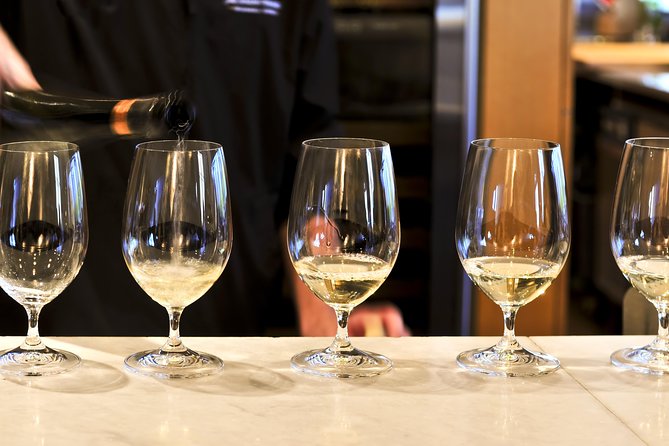
- Small group cap of 8 means you can ask questions and actually hear the answers.
- Three tasting stops focus on Alsace whites, especially Riesling (plus grapes like Sylvaner, Pinot Blanc, Gewürztraminer, Muscat, and Pinot Gris).
- Big-name grands crus areas show up in the route planning, from Mittelbergheim to Ribeauvillé-Riquewihr.
- Village time in Ribeauvillé and Riquewihr adds the charm of Alsace towns between cellar visits.
- Air-conditioned minivan logistics keeps the day comfortable and organized.
- Lunch is not included and tastings are snack-light, so eat before you pour.
Why the Alsace Wine Route works best as a guided day trip
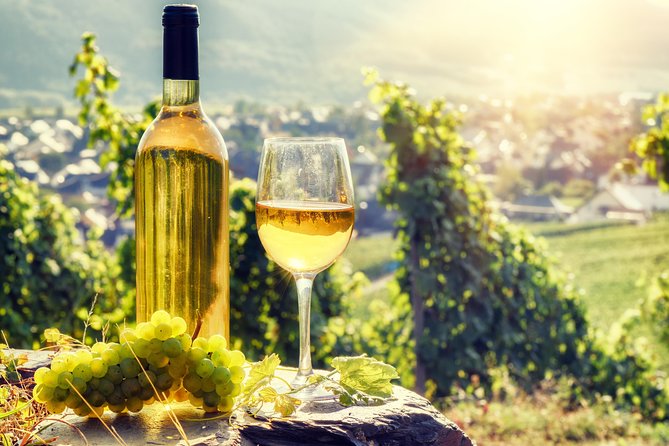
Alsace is the kind of region where the landscape and the wine are totally linked. The Route des Vins d’Alsace runs about 170 km (105 miles) along the foothills of the Vosges Mountains, with vineyards stacked across slopes and valleys. On your own, you can absolutely do this route—but you’d be driving between stops, trying to match opening hours, and guessing which cellars are worth the detour.
This tour is built to remove that stress. You get transport, a driver-guide in English, and a schedule that moves you through multiple wine areas in a single day. That matters because Alsace is compact on the map, but slow in real life when you’re dealing with small roads, tasting appointments, and village congestion.
Also, the focus stays on white wine. Alsace is famous for it for good reason, and seeing how the tour connects grape varieties to specific areas helps you taste with more context.
You can also read our reviews of more food & drink experiences in Strasbourg
Strasbourg meet-up and the comfort factor
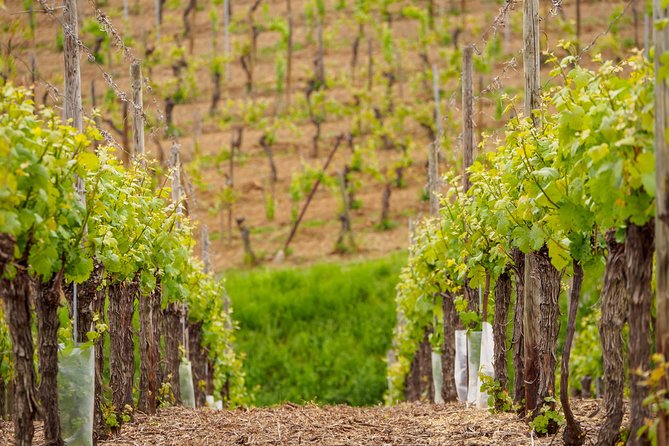
You meet at 17 Pl. de la Cathédrale in Strasbourg and you’re typically on the road by 9:00 am. The meeting spot is central, and it’s near public transportation, which makes it easier if you’re arriving by train or already staying in town.
The ride is in an air-conditioned minivan, and the group size is capped at 8. That’s the sweet spot: large enough to feel social, small enough for your guide to adjust pacing and answer questions without feeling like a traffic controller.
You’ll also notice that the tour is structured around a day-long rhythm: drive time, tasting time, village time, then the return to Strasbourg at the end. If you’re the type who gets cranky when tours feel like a sprint, this pacing usually lands well.
Mittelbergheim: where Riesling gets a serious introduction
The first stop heads into the Mittelbergheim area, known for grands crus such as Kastelberg, Zotzenberg, and Wiebelsberg. This is the part of Alsace that people associate with high-quality Riesling—so yes, you’ll taste Riesling, but you’ll taste it with a guide’s explanation of why the area matters.
At the first winery, you sample a lineup that typically includes Riesling plus Sylvaner and Pinot Blanc. That combination is smart because it stops you from thinking of Alsace as just Riesling-only. You get a wider sense of how the region’s whites can shift in flavor and texture depending on the grape and the site.
Practical tip: arrive ready to compare. If you’re tasting multiple wines back-to-back, take a moment between pours to note how acidity, aroma, and finish feel. Your brain sorts faster when you’re not trying to do it all at the table.
Dambach-la-Ville: caveau tastings and Gewürztraminer context
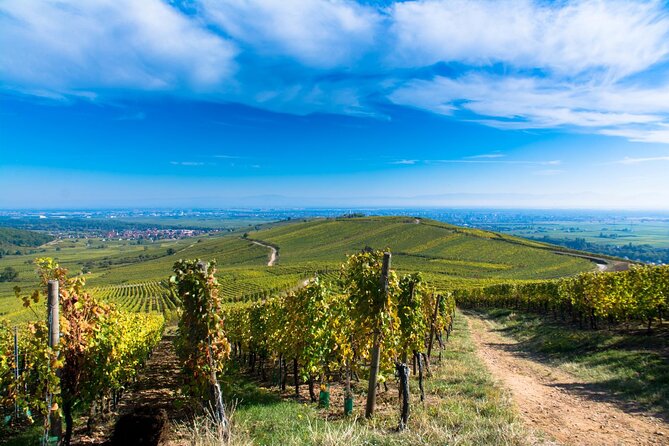
Next comes Dambach-la-Ville, a village that produces an unusually large share of Alsace wine, and it’s connected to the Frankstein grand cru. This stop helps you understand how the region’s wine identity is shaped not just by “Alsace” as a label, but by specific terroir and microclimates.
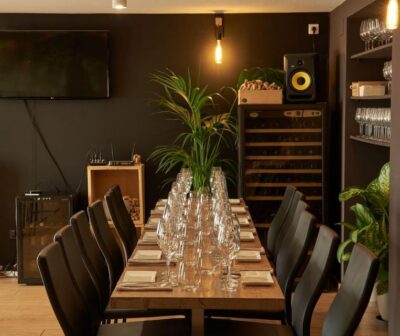
The second winery experience is described as a classic cellar—caveau style. Expect tastings that connect soil and climate to what you’re tasting, especially with Riesling and Gewürztraminer. Gewürztraminer is the grape that often surprises first-timers: more aromatic, often more spicy-fruit in character, and usually a good reminder that Alsace’s “white wine personality” isn’t one-note.
One real-world consideration: the cellar setup can vary by location. Some experiences can feel more atmospheric and classic; others might feel more utilitarian. If you hate cold, bring a layer. It’s a small thing, but it can make the tasting more pleasant.
Lunch break: eat first so tastings stay fun
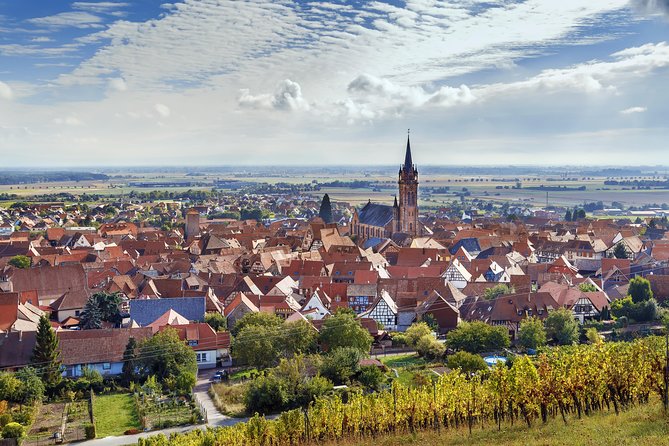
Midday is your lunch break, and it’s not included in the price. This is one of the most important parts of the day to get right.
In France, snacks usually aren’t provided during wine tastings to preserve the purity of the wine’s flavor. Translation: don’t rely on a little bread or a bite later to soak up the day. Have a good breakfast beforehand, and then use lunch to reset your energy.
Also, restaurant hours in small towns can be unpredictable, and the exact stop for lunch can land you with fewer options depending on the day and season. My advice is simple: treat lunch as part of your strategy, not as an afterthought.
Ribeauvillé and Riquewihr area: villages plus a real wine identity
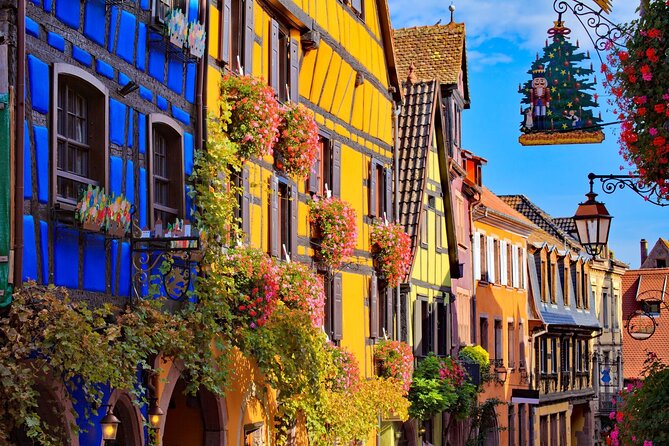
After lunch, you shift into the Ribeauvillé-Riquewihr wine area, where you’ll hear about five grands crus: Kirchberg, Osterberg, Geisberg, Schoenenbourg, and Sporen. Riesling dominates here again, but you may also taste wines linked to Muscat, Gewürztraminer, and Pinot Gris.
Then comes the village time. You’ll explore Ribeauvillé and Riquewihr for a while, which is where Alsace stops being an itinerary and starts being a mood. Expect photogenic streets, historic architecture, and the kind of village pace that makes you slow down for once.
A key heads-up: village access and walking time can change around Christmas markets. If you go during that period, Riquewihr can be harder to reach due to road closures and heavy congestion. In some cases, the tour may return to Strasbourg closer to the Grande-Ile area with the exact address arranged with the guide. So if Riquewihr is the must-see village for you, try to book for a time with lighter traffic if possible.
What you’ll taste: Alsace whites in plain terms
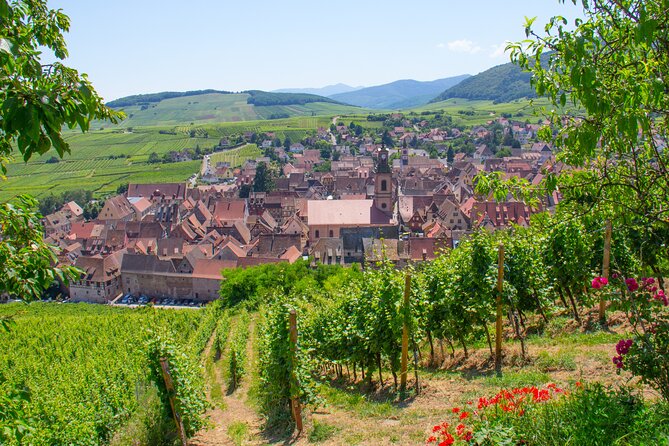
This tour is built around learning through tasting. With three wine tastings, you’re not just sampling—you’re building a mental map of how Alsace whites behave.
Here’s what you can realistically expect to encounter across the day:
- Riesling as the backbone of the experience, often framed by its relationship to terroir in different areas.
- Sylvaner and Pinot Blanc to show that Alsace’s white range is broader than Riesling alone.
- Gewürztraminer for aroma-forward intensity.
- Muscat and Pinot Gris as supporting characters that add variety.
- Tastings that may include a mix of styles and estate approaches, including both established producers and smaller, family-run wineries (the range is part of the point).
If you’re the kind of wine traveler who enjoys buying bottles at the end, this tour often nudges people toward that. One of the best signs is when the wines feel coherent after the last stop—like you can explain what you liked and why.
Guides and the real value of small-group time
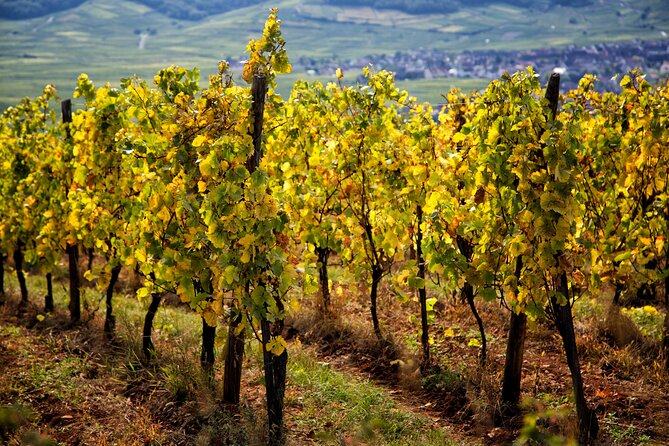
The guide experience is a big part of why this tour earns high marks. You’ll see plenty of guide names associated with strong days—people like Pauline, Laurence, Jerome, Amelie, Maxim, Maksym, Florence, and Letticia. What they tend to do well is tie the wine back to place and explain what you’re tasting in a way that feels practical, not academic.
Because the group is capped at 8, you also get a better back-and-forth. If you want to ask why Riesling tastes crisp in one place and something else in another, you can usually get a straight answer.
There’s also a human rhythm to watch for: some tours go hard from stop to stop, and a few guests have found the last tasting can feel like it runs out of steam depending on the winery and day. That doesn’t mean the wines aren’t good—it just means your best strategy is to enjoy each stop for what it offers, rather than assuming every single moment will feel equally energetic.
Price and value: is $260.12 a fair deal?
At $260.12 per person for about 8 hours, the value comes from what’s bundled:
- Transport by air-conditioned minivan
- English-speaking driver-guide
- 3 wine tastings, with admissions included
Wine tours can become expensive when you pay separately for transport, guide time, and tasting fees. Here, those pieces are folded into one price. The day also covers multiple regions and includes village time, so you’re not spending the whole day in the car.
Where it can feel less like a deal is if you’re expecting extremely rare, ultra-premium tastings at each winery regardless of the day’s schedule. Some cellars can be more formal; others might feel simpler. Also, lunch isn’t included, and the tastings are snack-light—so your total spending depends on what you choose for food.
Still, if you want a structured day that turns “Alsace is pretty and wine is good” into a clearer picture of grape and place, this price is easier to justify.
Who this tour suits best (and who should rethink it)
This works best if you:
- Love white wine and want a focused introduction to Alsace’s major grapes
- Prefer a schedule with logistics handled
- Like small groups where you can ask questions
- Want to see multiple towns—Mittelbergheim area, Dambach-la-Ville region, Ribeauvillé, and Riquewihr—without stitching together transportation yourself
You might rethink it if you:
- Want lots of unstructured walking time in the villages. The day is full, and the exact village balance can shift.
- Are sensitive to colder cellar environments. Dress for tastings in older cellar spaces.
- Need a guaranteed Riquewihr experience during Christmas markets. Road closures and congestion can affect access.
Also note: it’s adult only (no one under 18), pets aren’t allowed, and the tour requires at least 2 adults to run.
Should you book this Alsace Wine Route day?
Book it if you want a smooth, guided “wine route sampler” that still feels connected to place. The biggest wins are the three tasting stops, the small-group size, and the fact that the day is designed to help you compare wines across Alsace areas rather than just drink and hope.
Skip or choose a different option if you’re traveling only for maximum village wandering or you’re set on a specific seasonal experience during peak congestion windows. In those cases, you’ll want more flexibility built into your plans.
If you do book, I’d go in with two simple goals: eat well before the tastings, and taste with questions in mind. You’ll come away with bottles you can actually explain—and a clearer sense of why Alsace Riesling doesn’t taste the same everywhere.
FAQ
How long is the tour?
The tour runs about 8 hours.
Where do you meet in Strasbourg?
You meet at 17 Pl. de la Cathédrale, 67082 Strasbourg, France.
Is lunch included?
No. Lunch is at your own expense during the midday break.
What’s included in the price?
You get transport by air-conditioned minivan, an English-speaking driver-guide, and 3 wine tastings.
What types of wine will you taste?
The day centers on Alsace whites. You’ll taste Riesling plus other grapes mentioned for the tastings such as Sylvaner, Pinot Blanc, Gewürztraminer, Muscat, and Pinot Gris.
Is this tour only for adults?
Yes. It’s adult only, and children under 18 aren’t allowed.
What if the weather is bad?
The experience requires good weather. If it’s canceled due to poor weather, you’ll be offered a different date or a full refund.