REVIEW · STRASBOURG
Alsace Wine Route Small Group Half-Day Tour with Tasting from Strasbourg
Book on Viator →Operated by Ophorus · Bookable on Viator
Alsace wine is best understood in motion, not on a map. This small-group half-day run out from Strasbourg follows the Route des Vins d’Alsace through the Vosges area and lines up two tastings with the kind of cellar access you usually only get when you’re in the right place at the right time.
I especially like the format: you get expert context on the region plus tastings from different styles of producers. The max 8-person group size also makes it easy to ask questions and actually hear the answers, not just shout over road noise. Guides like Carlos, Jerome, Leticia, Laurence, and Thierry (names you may hear on different dates) tend to bring real personality to the drive and the pours.
One thing to think about: there’s typically no snack stop during tastings. The tour even flags that tastings are kept focused on wine flavor, so if you’re hungry, you’ll feel it fast after a couple of flights.
In This Review
- Key highlights worth planning for
- Leaving Strasbourg: the 4-hour Alsace Wine Route in an 8-seat minivan
- What you learn on the road: why Alsace is built for aromatic white wines
- Stop 1: the Route des Vins d’Alsace drive that sets up your tastings
- Stop 2: two tastings, often mixing family-style producers with cellar culture
- What you should expect to taste
- How much wine, and why breakfast matters more than you think
- The guide makes the difference: Carlos, Jerome, Leticia, Laurence, Thierry
- Small-group logistics that keep the day from feeling rushed
- Price and value: why $157 for two tastings can be fair in Alsace
- Should you book the Alsace Wine Route half-day tour from Strasbourg?
- FAQ
- What is the duration of the Alsace Wine Route small-group tour from Strasbourg?
- How many wine tastings are included?
- What language is the tour offered in?
- Where does the tour meet in Strasbourg?
- Is the tour good for families?
- Is food included with the wine tastings?
Key highlights worth planning for
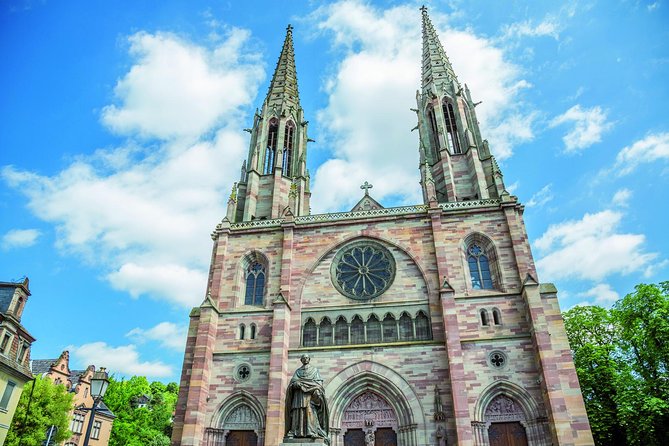
- Route des Vins d’Alsace overview: rolling hills near the Vosges Mountains, framed in a short half-day window
- Two wineries/caveau tastings: you taste more than one style and one producer approach
- Small-group setting (up to 8 people): easier conversation with your English-speaking guide
- Classic Alsatian cellar/caveau time: a practical look at why wine ages in the right environment
- You choose morning or afternoon: helpful if you want to pair it with a Strasbourg meal or sightseeing
Leaving Strasbourg: the 4-hour Alsace Wine Route in an 8-seat minivan
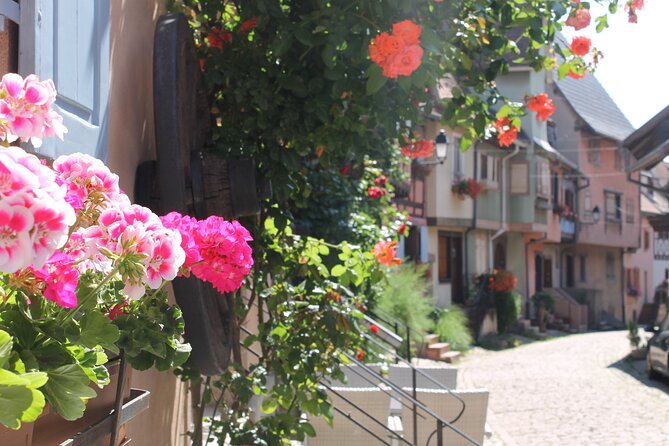
This tour starts at 8 Pl. de la Gare in Strasbourg, then you roll out in an 8-passenger minivan with an English-speaking driver-guide. Duration is about 4 hours, and you can typically pick morning or afternoon, which is a big deal if you’re trying to protect your energy for Strasbourg’s old-town wander after.
The reason I like the minivan setup here is simple: Alsace isn’t hard to drive, but it is easy to do wrong if you try to DIY it. You’d be juggling timing, parking, and picking wineries that actually match your taste. Here, you just show up, get organized transport, and let the day unfold.
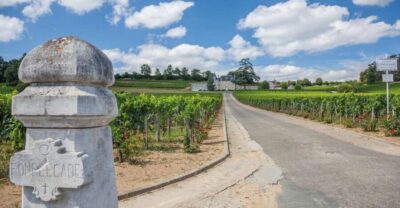
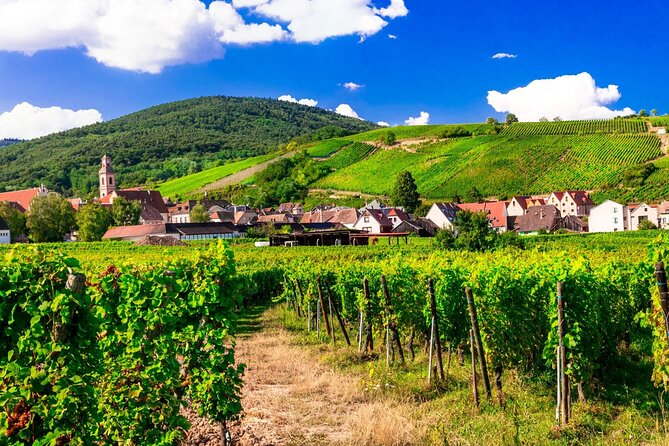
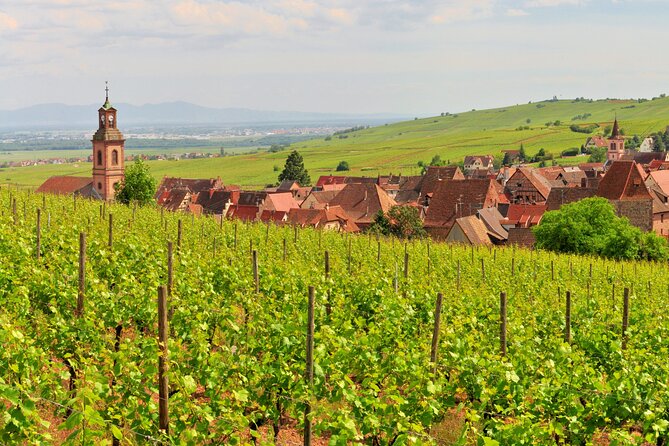
The route itself is the star. The drive follows the Route des Vins d’Alsace, a winding stretch of about 105 miles / 170 km through vineyard hills near the Vosges Mountains. From the road, you’re not just looking at vines—you’re picking up the logic behind how the region grows grapes: slope, exposure, and the way weather changes as elevation shifts.
You’ll also get that practical benefit that people sometimes forget: an air-conditioned ride. On a hot or blustery day (Alsace can do both), it makes the wine part feel like a treat rather than a trial.
You can also read our reviews of more food & drink experiences in Strasbourg
What you learn on the road: why Alsace is built for aromatic white wines
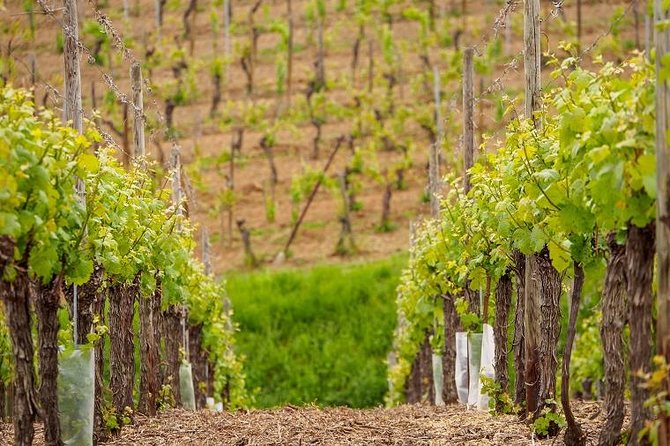
A half-day wine tour succeeds when it teaches you how to taste, not just what to drink. The guide’s job on this one is to give you the bigger picture: how soil, climate, and sunlight line up to create Alsace’s famous white wines.
You’ll hear about the local approach to growing grapes and how it connects to flavor. Alsace commonly shines with aromatic varieties, and the tour specifically calls out tasting that covers most of the region’s seven grape varietals—including Gewürztraminer and Riesling.
Here’s a helpful way to think about those two, so your tasting feels clearer:
- Riesling often comes off with crisp structure and a wide range of styles, depending on how it’s made.
- Gewürztraminer is usually the “big aromatics” grape—perfume-like, spicy-sweet in character, and very expressive.
Your guide should help you notice differences, not just rank wines. That’s where you get the real value: learning why two wines can both be Alsace whites, yet taste totally different in the glass.
Stop 1: the Route des Vins d’Alsace drive that sets up your tastings
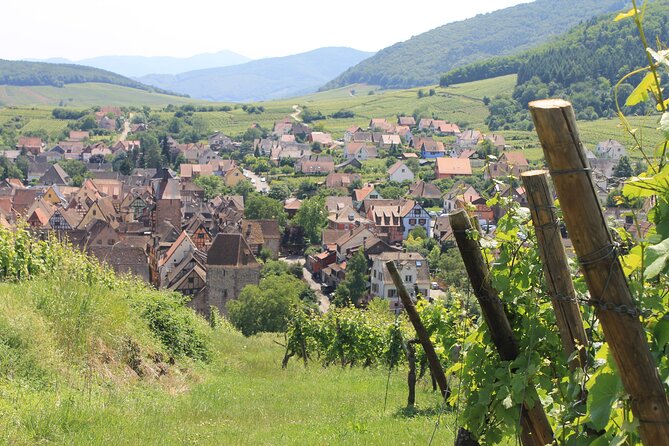
Stop 1 is listed as the Route des Vins d’Alsace, and in practice that means you’re spending real time on the road getting oriented. This is where the tour earns its name: you’re not rushing through a couple of villages and calling it “the region.”
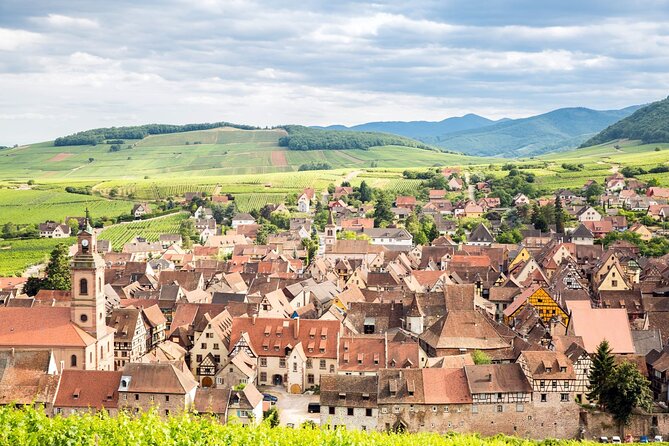
You’ll get an overview of the Alsace wine region and what it looks like as it stretches across hills near the Vosges. Even if you’re only with the group for half a day, the driving time matters because Alsace’s vineyards sit in a way that changes the view and the wine logic as you move.
Some days include little breaks for scenery and photos. One person’s note mentioned a stop up into the mountains for pictures, which makes sense on this kind of route. If that happens on your date, treat it like a quick reset: step out, breathe, and take in the villages below before you head into cellars and tastings.
Stop 2: two tastings, often mixing family-style producers with cellar culture
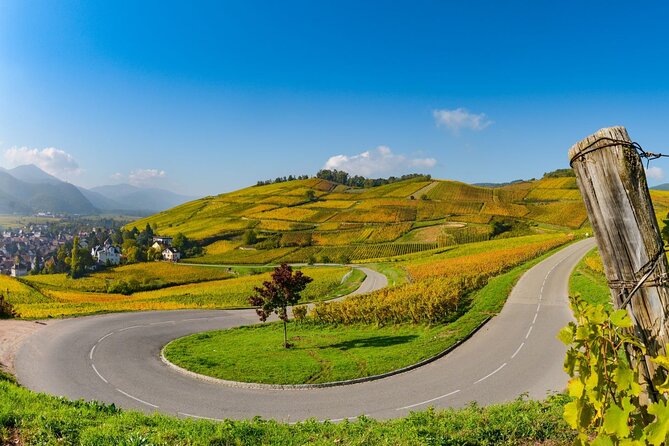
The second part of the tour is where the payoff hits. You’ll return to the Route des Vins d’Alsace for your next stop: wine tasting in a classic Alsatian cellar (caveau), plus the broader tasting experience at two different wineries.
What’s especially interesting about Alsace is that the wine scene isn’t one-size-fits-all. On many dates, you’ll experience both:
- Intimate, family-run spaces where tastings may happen in a small room, and sometimes even in a home setting
- Larger, more structured estates that show a different side of production and visitor flow
That mix is part of what can make the day memorable. A family-style tasting can feel personal and low-pressure—you’ll often meet the people behind the labels and hear how they think about their vines. The trade-off is that the “tour” side might be shorter than you expected, especially if you’re hoping for a full walk through the vineyard grounds.
Once you reach the caveau angle, the tour’s explanation becomes practical: cellars provide the stable environment that helps wines age and stay in good condition. Even if you don’t remember every detail, you’ll leave with a clearer sense of why the same grape can produce very different results depending on how it’s handled after harvest.
What you should expect to taste
The tour focuses on tasting local Alsatian wine and highlights several varietals (again: Riesling and Gewürztraminer are explicitly mentioned). In a region like Alsace, you might also run into sparkling styles such as Cremant in some tastings—one guide-and-winery pairing specifically brought up Cremant in the group discussion—so don’t assume every flight will be only still white.
Your best move: don’t try to “win” the tasting. Just pick one or two wines you really like, then ask the guide what makes them tick—aroma, acidity, dryness, or fruit character. That turns a fun pour into a real learning moment.
How much wine, and why breakfast matters more than you think
Here’s the slightly unglamorous truth: there’s usually no food included. The tour even notes that snacks typically aren’t provided during tastings so the wine flavor stays pure.
Some people are totally fine with that—until they aren’t. The tastings are the main event, and the day involves enough wine that going in hungry can turn the experience sour. One person’s comment described tasting a lot of different wines in the day, which makes sense for a half-day itinerary with two stops.
So if you want this tour to feel enjoyable (not brave), plan like this:
- Eat a solid breakfast or lunch beforehand
- Bring water if you’re allowed and if you have access to it before tastings start
- Pace yourself across the flights; you’ll enjoy the differences more
Also, remember you’re driving in a minivan afterward (and back to Strasbourg). You don’t want to spend the return ride feeling foggy or queasy. You’ll taste better if you’re steady.
The guide makes the difference: Carlos, Jerome, Leticia, Laurence, Thierry
In wine country, the guide’s job is part teaching and part translation: taking something that can feel intimidating (so many bottles, so many aromas) and making it understandable.
On this tour, the names that show up across different dates are a clue that they put real effort into guide selection. I’ve seen comments praising Carlos for being both friendly and fun, and Jerome for being energetic and attentive in a small group. Leticia and Laurence also got strong notes for making the experience feel organized and easy to enjoy, not academic and stiff.
That said, not every day matches your personal preference. One comment mentioned a quieter, less lively drive and wanted more “sip variety.” That’s a reminder that guides can have different styles, and your ideal tour vibe is personal.
What you can control: come ready with questions. If you like history, ask how vineyard methods connect to what you’re tasting. If you prefer flavor, ask what to notice first in Riesling versus Gewürztraminer. If you’re undecided, ask which wine style is most “Alsace typical” and start there.
Small-group logistics that keep the day from feeling rushed
With a maximum of 8 travelers, the tour avoids the “where’s my seat” chaos that can happen on larger bus tours. You’ll usually spend less time waiting and more time actually in the tasting room and talking.
It’s also adult-only—no under-18s—and pets aren’t allowed. There’s a minimum of 2 adults to run the tour, and it depends on the schedule being met.
A couple of small practical notes that can help you plan:
- You’ll get a mobile ticket
- The start point is near public transportation, so you can likely reach it without a car
- The tour ends back at the same meeting point, which makes your Strasbourg evening planning easier
Finally: it’s a good-weather experience. If weather is poor, you’ll be offered a different date or a full refund, so keep an eye on what your Strasbourg day looks like.
Price and value: why $157 for two tastings can be fair in Alsace
At $157.28 per person for about 4 hours, this tour sits in a pretty reasonable zone for what you get: transport + an English-speaking guide + two tastings + structured access to producer settings.
If you tried to replicate the day yourself, you’d probably spend money in three places:
- Getting between villages (and dealing with logistics)
- Paying for tastings at multiple places
- Buying your time back by not figuring out who will welcome a small group on short notice
Here, the tour does that job for you. Is it “cheap”? No. But it’s not overpriced if you value two things: a short, efficient Alsace intro and organized tasting time with context on why the wines taste the way they do.
Also note the review-driven reality: some tasting setups are more intimate than you might expect, so you’re paying for access and guidance more than for a long vineyard walk. If that matches your style, the value lands well.
Should you book the Alsace Wine Route half-day tour from Strasbourg?
Book it if you want:
- A simple half-day way to see the Alsace Wine Route without renting a car
- Two tasting stops with guidance on what to notice (especially Riesling and Gewürztraminer styles)
- A small-group setting where questions actually make it into the conversation
- A day that fits cleanly into a Strasbourg itinerary, since it returns you to the meeting point
Think twice if you:
- Expect snacks or meals during tastings. Plan for food before you go.
- Want a full vineyard hiking tour. This experience is more about cellars/caveaux and tastings than long outside walks at every stop.
- Are very sensitive to guide energy. Most guides seem to deliver well, but styles vary.
If you’re the type who likes wine but also likes to understand what you’re seeing on the drive, this is a solid way to spend a few hours in Alsace—without turning your day into a spreadsheet.
FAQ
What is the duration of the Alsace Wine Route small-group tour from Strasbourg?
The tour runs for about 4 hours.
How many wine tastings are included?
Two wine tastings are included.
What language is the tour offered in?
The tour is offered in English.
Where does the tour meet in Strasbourg?
It starts at 8 Pl. de la Gare, 67000 Strasbourg, France and ends back at the same meeting point.
Is the tour good for families?
No. The tour is adult-only, and children under 18 are not allowed.
Is food included with the wine tastings?
Food and drinks are not included unless specified. The tour also notes that snacks are usually not provided during tastings, so it’s best to eat beforehand.