REVIEW · VERONA
Verona: Montresor Winery Visit with Wine Tasting and Snacks
Book on GetYourGuide →Operated by Ways Tours | B Corp certified · Bookable on GetYourGuide
Winemaking here feels like a time machine. I love how the wine museum links Verona’s late-1800s story to Montresor family winemaking, and I also love the aroma room where you learn what to sniff for in each wine. You get real guidance throughout, plus a tasting that’s short enough to fit into a busy day.
The visit is built for people who want meaning, not just samples: you’ll see tools used in the cellar world, learn how the land drives the wines, and then taste with expert sommeliers. Names that show up often in the experience include Emma and Leonardo, who lead parts of the tour with an upbeat, interactive style.
One possible drawback: it’s not a long countryside walk. You spend most of your 1.5 hours in curated winery spaces, so if you’re chasing a big outdoor vineyard tour, this may feel a bit more indoor than you expected.
In This Review
- Key things to know before you go
- Verona’s Montresor winery visit: museum, senses, and a smart tasting
- Getting there from Verona: easy by bus or taxi, no stress once you arrive
- Inside the Montresor museum: Verona’s past meets winemaking tradition
- Choosing your tasting path: Valpolicella reds vs Lake Garda whites
- If you pick Valpolicella reds
- If you pick Lake Garda whites
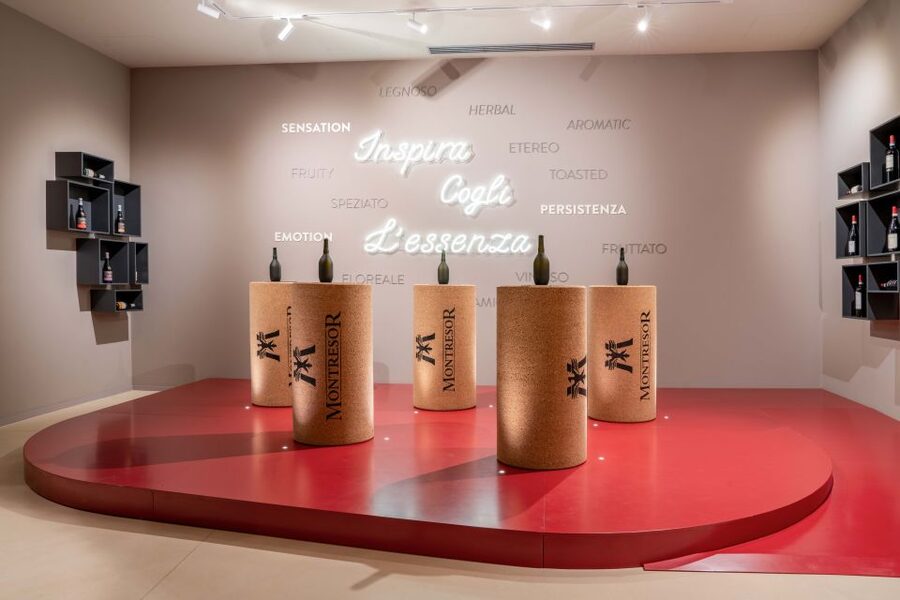
- The aroma room: turning tasting into a skill you can reuse
- Barrel room and appassimento: where time is part of the recipe
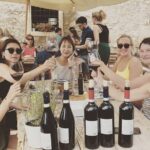
- Tasting room and snacks: 4–5 wines with sommelier guidance
- Value check: is $34 for 1.5 hours a fair deal?
- Who this tour suits best (and who should skip it)
- Practical tips to make it smooth
- Should you book Montresor in Verona?
- FAQ
- How long is the Montresor winery visit?
- How much does it cost?
- What wine tastings can I choose from?
- How many wines are included in the tasting?
- Are snacks included?
- Is transportation included?
- Where do I meet the guide?
- What languages is the tour offered in?
- Is the tour suitable for kids or teens?
- Is there a cancellation policy?
Key things to know before you go
- Museum-first pacing: Verona’s story comes before the tasting, so the wines land with more context
- Two tasting routes: choose Valpolicella reds (up to Amarone Riserva) or Lake Garda whites
- Aroma practice: the sensory room turns tasting into a mini training session
- Barrels and appassimento: you’ll see where aging and the drying process are central
- Guided tastings with snacks: 4 or 5 wines paired with bread, olive oil, and light bites
- Short but packed: 1.5 hours moves quickly, so go in with curiosity
Verona’s Montresor winery visit: museum, senses, and a smart tasting
If Verona is your base, this is a very practical add-on that still feels “real Italian.” Montresor is just outside the historic center, close enough for an easy taxi ride, and structured so you get far more than a basic pour-and-go tasting.
The value is in the way the experience is sequenced. Instead of jumping straight to wine, you start with a museum and a sensory room. Then you move through cellar spaces tied to how specific Valpolicella and Amarone-style wines are made. By the time you sit down at the tasting table, you’re not just sampling—you’re interpreting.
The overall experience runs about 1.5 hours. It’s guided in English or Italian, and it’s designed for adults (children under 18 can’t join, and minors must be with an adult).
You can also read our reviews of more food & drink experiences in Verona

Getting there from Verona: easy by bus or taxi, no stress once you arrive
You meet your guide inside the Montresor winery. From Verona’s Arena area, a taxi is straightforward. If you prefer public transit, you can take bus 21 or 93 from Castelvecchio Castle (the stop is opposite the castle entrance) and then make your way to the winery.
This matters because the tour itself is smooth once you’re there. Parking is available at the winery, so if you’re renting a car for the region, you won’t be stuck with a long hunt for a space.
Also, since transportation isn’t included, plan the timing of your ride so you arrive a few minutes early. The experience moves through rooms, so late arrivals can throw off your flow.
Inside the Montresor museum: Verona’s past meets winemaking tradition
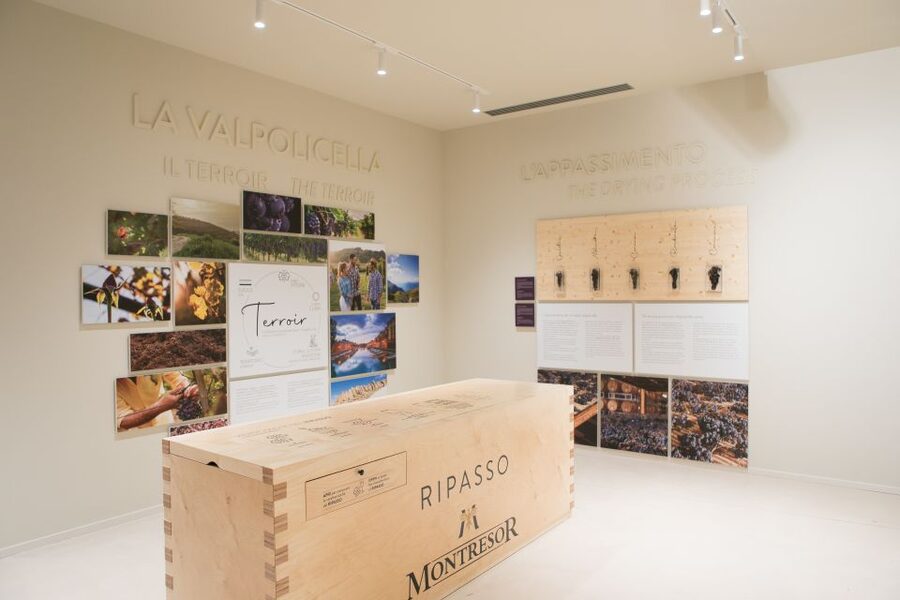
The first stop is the winery museum. This is where Montresor makes a clear choice: the tour isn’t only about wine craft; it’s also about how a working winery stays connected to a city over time.
You’ll learn how the Montresor family story weaves through Verona’s history from the late 1800s to today. The museum uses original winemaking tools to show what “making wine” looked like before modern production. In plain terms, it helps you see that winemaking tradition isn’t frozen in time. It changes with history, but the identity of the operation stays recognizable.
Why I like this approach for your trip: when you understand where the winery’s story fits into Verona’s story, the tasting stops being a separate activity. It becomes part of how you understand the region’s culture.
If you’re the kind of person who likes asking questions, this is a good moment to do it. Guides such as Emma and Leonardo are described as engaging, with explanations that connect land, grapes, and process, not just brand facts.
Choosing your tasting path: Valpolicella reds vs Lake Garda whites
You have a choice of tasting style, and that’s one of the biggest reasons this tour works for mixed groups.
If you pick Valpolicella reds
You’ll follow the Valpolicella route. Expect a focus on styles tied to the region—Valpolicella Classico, Ripasso, and Amarone—with an emphasis on how the land and grape behavior shape what’s in the glass. The tour describes grapes shown across stages from harvest to drying, which is crucial background if you want Amarone-style wines to make sense.
If you want a “big red wine” experience without traveling deep into the countryside, this option gets you most of the story in a compact time frame.
You can also read our reviews of more wine tours in Verona


If you pick Lake Garda whites
You’ll switch to fresh, elegant white wines from Lake Garda. This gives you a lighter direction, and it’s a smart match for people who don’t want heavy reds on a first wine stop. You still get the same guided format, just with a different set of wines and flavor focus.
Either route ends with a guided tasting at the table—so you’re not choosing between “learning” and “drinking.” You get both.
The aroma room: turning tasting into a skill you can reuse
After the winery museum, the tour moves to an interactive sensory stop: the aroma room. This is where the experience becomes memorable in a practical way.
Instead of treating wine like magic, the guide walks you through key aroma notes and you try to recognize them. Reviews mention quiz-style moments where you identify aromas tied to what you’re tasting. It’s a fun format, and it trains your nose for future tastings around Italy.
Why this is useful for your trip: once you’ve practiced identifying typical notes, every later wine flight becomes easier to decode. You’ll spend less time wondering what you’re supposed to notice and more time noticing it.
It’s also a great weather-proof option. Several people highlight that the winery spaces are indoors and controlled, so even if Verona is hot or rainy, you’re not stuck out in the elements.
Barrel room and appassimento: where time is part of the recipe
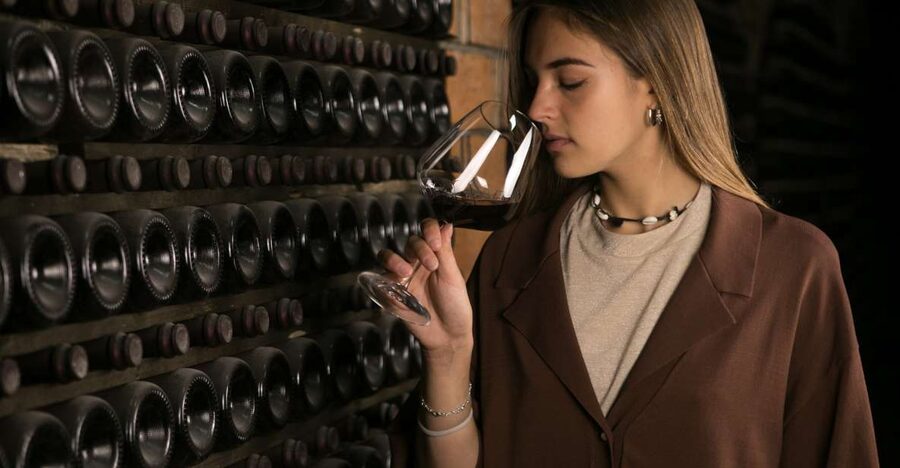
Next comes the cellar experience, with a particular emphasis on the barrel room and aging. This is the part that explains why some Valpolicella wines can feel deeper, warmer, and more intense than you’d expect from the same general grape family.
You’ll pass beneath a historic barrel and enter an aging space where wines rest in large casks. You also learn about appassimento, the process tied to Amarone-style production. In simple terms, the drying stage and the way the wine ages are both doing work on flavor and structure.
One more detail that seems distinctive: the aging room includes a full-wall historical mural unique to this winery. It’s not just decoration. It makes the cellar feel like a place with personality and story, not a plain industrial room.
If you’re the type who likes seeing the process with your own eyes, this is a strong reason to book. You’re shown how the winery treats time as an ingredient, not a footnote.
Tasting room and snacks: 4–5 wines with sommelier guidance
The tour ends in the tasting room with expert sommeliers guiding you through a tasting of four wines for the Lake Garda option, or five wines for the Valpolicella route.
This is where the museum and aroma room pay off. Your guide can connect what you learned about harvest and drying (for reds) or the freshness and elegance (for whites) to what you’re tasting right now.
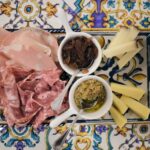
You’ll also have wine-pairing snacks: bread, olive oil, soppressa salami, and cheese are listed as part of the pairing. At the same time, some reports mention a lighter bread-focused snack setup. So I’d treat it as a simple pairing rather than a full meal.
Practical expectation: you’ll leave satisfied enough to continue your day, not stuffed. If you’re hungry, eat before or plan a meal right after.
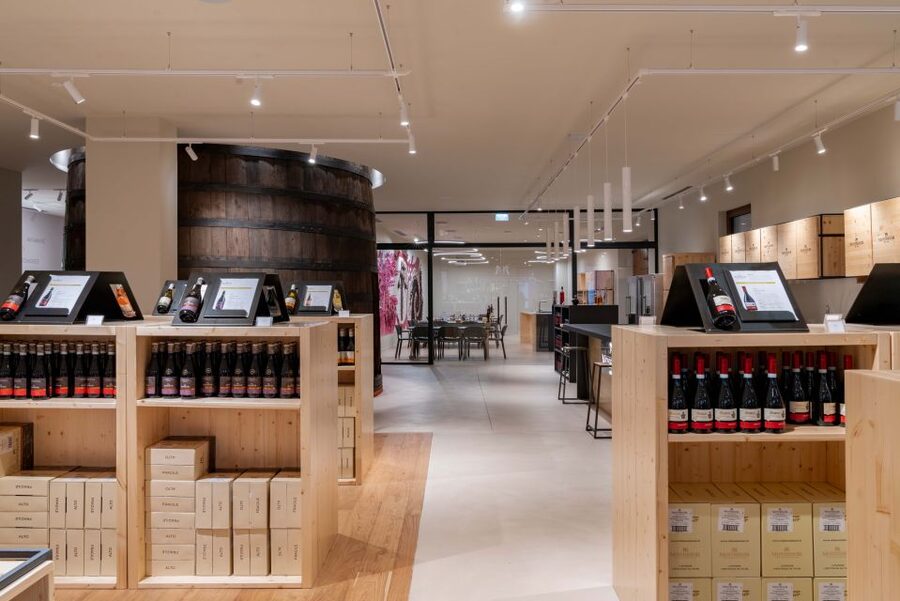
There’s also a discount on bottle purchases. And the winery shop seems to be a big part of the experience for many people. One review notes that bottles can be shipped home, including steps for customs paperwork, which is handy if you want to buy more than you can carry.
Value check: is $34 for 1.5 hours a fair deal?
At $34 per person for about 1.5 hours, this is priced like a well-run “urban winery” tasting rather than a countryside day trip. In return, you’re getting:
- a guided museum visit (with sensory training in the aroma room)
- cellar stops tied to aging and appassimento
- a guided tasting of 4 or 5 wines
- snack pairings
- a discount if you buy bottles
The price is worth it if you like learning the why behind the wine. The experience isn’t only about tasting; it teaches you how to taste. That’s where the museum and aroma room earn their keep.
It’s less ideal if your only goal is to drink a couple glasses with minimal explanation. You’ll get more out of it if you show up curious and ready to pay attention for aromas and process.
With a rating around 4.6 from 217 reviews, the overall signal is clear: people tend to feel the tour is organized, guided well, and genuinely worth the time.
Who this tour suits best (and who should skip it)
This is a strong fit for:
- adults who want a guided wine experience that feels more like a lesson than a sales pitch
- people choosing between red and white styles and wanting a focused tasting path
- wine lovers who care about process, especially appassimento and aging
- visitors who need something indoors and structured in a short time window
It’s not a match for everyone. It isn’t suitable for:
- pregnant women
- children under 18
- vegans
- anyone who needs easily accessible routes through the entire visit (some parts may not be easy for reduced mobility)
If you’re traveling with a group, this “two route” format helps. Even if half the group wants reds and half wants whites, you can still share the same tour style while choosing different tastings.
Practical tips to make it smooth
Bring a camera. That’s specifically mentioned, and the museum and cellar spaces give you places to capture details.
Then plan your day around the timing. Since the tour runs 1.5 hours, it’s best as a scheduled activity rather than a wandering stop. Build in a buffer for getting from Verona center to the winery, especially if you’re using buses.
Also, skip this if you’re trying to fit it into a rushed “grab wine and go” schedule. The experience is designed to move room to room with short segments, and it works best when you’re not constantly checking your watch.
Finally, if you’re a note-taker or you like comparing wines later, pay attention during the aroma room. It’s the moment most likely to help you remember what you tasted and why.
Should you book Montresor in Verona?
Book it if you want a guided tasting that teaches you how to read the wine, not just how to swallow it. The museum history link, the aroma training, and the cellar focus on aging and appassimento make the experience feel complete for the time.
Skip it if you’re looking for a long outdoor vineyard walk or a relaxed “tour at your own pace.” This is a structured indoor-forward winery visit with a focused tasting ending.
If you like the idea of choosing Valpolicella reds or Lake Garda whites, this is one of the more efficient ways to get a real regional story alongside your glasses.
FAQ
How long is the Montresor winery visit?
It lasts about 1.5 hours.
How much does it cost?
The price is $34 per person.
What wine tastings can I choose from?
You can choose a Valpolicella red wines tasting or a Lake Garda white wines tasting.
How many wines are included in the tasting?
If you choose the Valpolicella option, the tasting includes 5 glasses. If you choose the Lake Garda option, it includes 4 glasses.
Are snacks included?
Yes. The pairing includes bread, olive oil, soppressa salami, and cheese.
Is transportation included?
No. You’ll need to arrange your own transportation to the winery.
Where do I meet the guide?
Meet your guide inside the Montresor winery.
What languages is the tour offered in?
The tour is guided in English and Italian.
Is the tour suitable for kids or teens?
No. Children under 18 can’t join, and minors must be accompanied by an adult.
Is there a cancellation policy?
Free cancellation is available up to 24 hours in advance for a full refund.