REVIEW · TURIN
Piedmont Winery Tour: Taste Barolo, Barbaresco & Traditional Food
Book on Viator →Operated by Curioseety SRLS · Bookable on Viator
Barolo country tastes better with a plan. This Piedmont stop pairs a vineyard stroll with a proper cellar tasting in the UNESCO Langhe wine hills—plus traditional bites that actually match what you’re drinking.
Two things I really like: the hands-on feel of learning from the owner and hosts (often Carlo, sometimes the owner Charles leading the process), and the generous variety in the tasting flight. You get a lineup that spans reds, whites, and sweet options, then lands on Barolo Chinato and Grappa di Barolo with local cheeses and cold cuts.
One consideration: the winery is out in the hills from Turin, so you’ll want to plan for the twisty roads or arrange the last stretch by taxi if you’re not driving.
In This Review
- Key things to know before you go
- Why the Langhe Hills make this tasting feel like the real thing
- Getting there from Turin: remote, but not impossible
- The 2-hour pacing: vineyards, cellar, then tasting with food
- Vineyards to cellar: what the walk actually teaches you
- The tasting flight: Barolo, Barbaresco, and the styles people forget
- Food pairing that supports the wine (instead of just filling your plate)
- The family-run vibe: Carlo, Charles, and pride in the craft
- Buying wine the easy way: shop pricing and the 200 eur perk
- Who should book this tour, and who should rethink it
- Should you book Piedmont Winery Tour: Taste Barolo, Barbaresco & Traditional Food?
- FAQ
- How long is the Piedmont winery tour?
- What languages is the tour offered in?
- What’s included in the tasting?
- Is transportation from Turin included?
- How much does it cost per person?
- How big is the group?
- Can I cancel for a full refund?
Key things to know before you go
- UNESCO Langhe setting: vineyard views are part of the experience, not just a backdrop.
- Small group: up to 15 people, which keeps the tasting from feeling like a factory line.
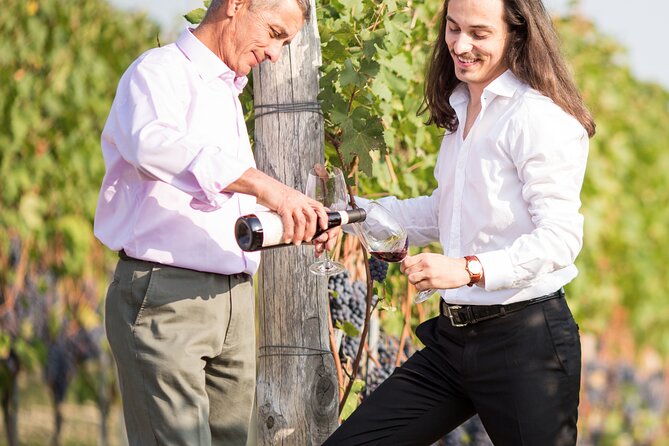
- Guided walk first: you start among the vines before heading into the cellar.
- Big tasting for the time: 7 wines plus two liquors, with snacks that match the pours.
- Food is included, not an afterthought: local cheese, cured meats, focaccia, and bread.
Why the Langhe Hills make this tasting feel like the real thing
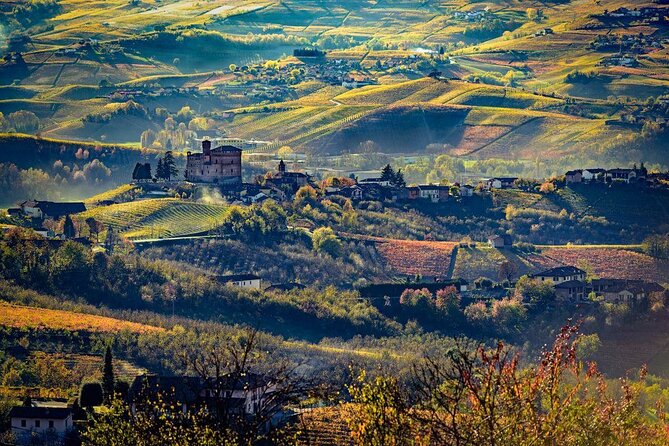
Piedmont wine has a way of getting better when you see the terrain that shapes it. This tour takes place around Castiglione Falletto and Monforte d’Alba, in the heart of Barolo country, where the hills and vineyard blocks are part of the story behind every glass.
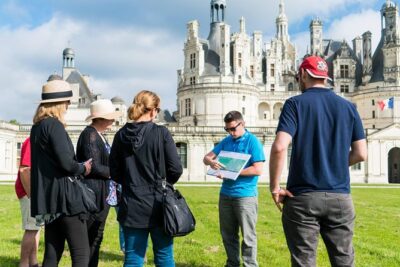
What I like about this setup is that it’s not just tasting for tasting’s sake. You get a guided walk through the vineyards first, then you move to the cellar, so the winemaking talk connects to what you just saw outside—slope, vine rhythm, and the kind of agricultural attention that makes Barolo and Barbaresco famous.
You can also read our reviews of more food & drink experiences in Turin
Getting there from Turin: remote, but not impossible
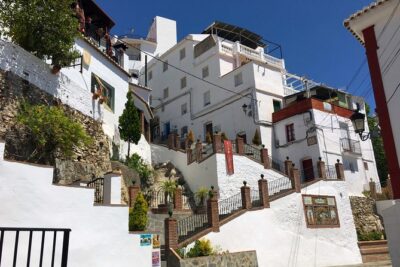
Turin is the starting point for most visitors, and this experience is a bit of a countryside detour. It’s best reached by car, and you should expect winding roads through the hills—perfectly normal here, but not ideal if you’re prone to motion sickness or you hate tight turns.
If you’re traveling without a car, you can still make it work. One common approach is taking a train to the area and then using a taxi for the last chunk of the route. In plain terms: leave yourself extra buffer time, because the final drive is where you’ll feel the remoteness most.
Also, transportation isn’t included, so you’ll need to plan it upfront. That’s not a dealbreaker—the tour itself is the value—but it does mean the day needs a little logistics care.
The 2-hour pacing: vineyards, cellar, then tasting with food
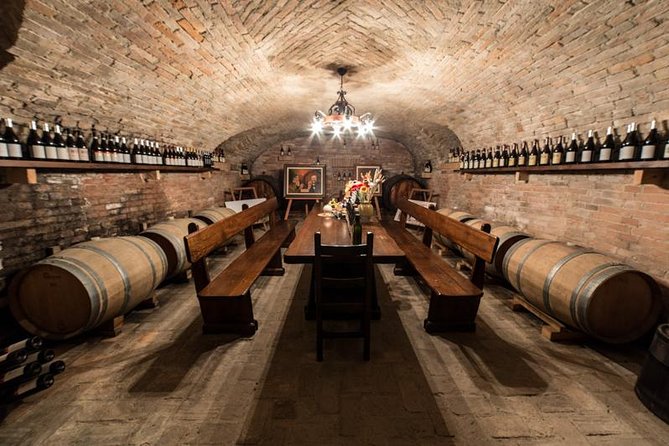
This is a compact tour that runs about 2 hours, so it’s built for focus. You don’t get an all-day wandering program. Instead, you get a clear sequence: a guided vineyard walk, a cellar visit, and then the tasting with food.
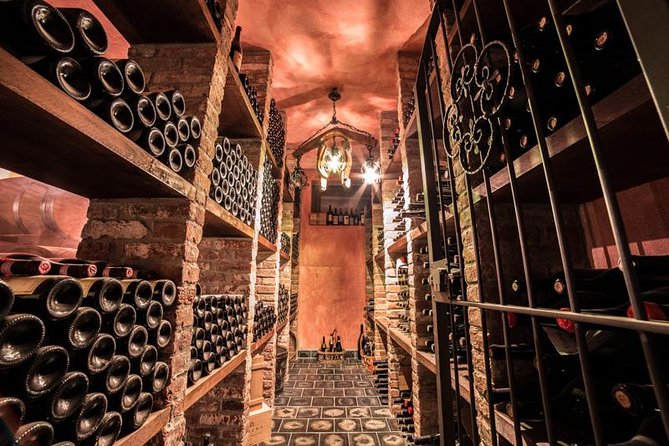
A standout part is the way the cellar visit is presented. The owner is part of the experience, and you can expect a guided explanation of how their wines are made and how the family business thinks about quality. When the guide is Charles and/or Carlo, the tone tends to be personal—less script, more direct answers.
In a small group setting, that matters. You’ll likely have time to ask questions, and you’ll notice the host pacing the tasting so you can actually learn what to look for in aroma, sweetness/dryness, tannin feel, and how the different styles behave with food.
Vineyards to cellar: what the walk actually teaches you
The vineyard portion isn’t just scenic walking. You’ll hear about the vines and the essentials behind viticulture in the Langhe region—how the plants are grown and why their management matters.
A practical benefit: by the time you sit down for tasting, you can connect the wine to the vineyard setting. Barolo-country names can sound like trivia until someone explains what’s different about how vines are handled there.
Even weather plays a role. If rain prevents the vineyard walk, you still get the tasting and cellar portion. It’s not ideal if you came specifically for the vines, but the tour remains structured around the cellar experience.
The tasting flight: Barolo, Barbaresco, and the styles people forget
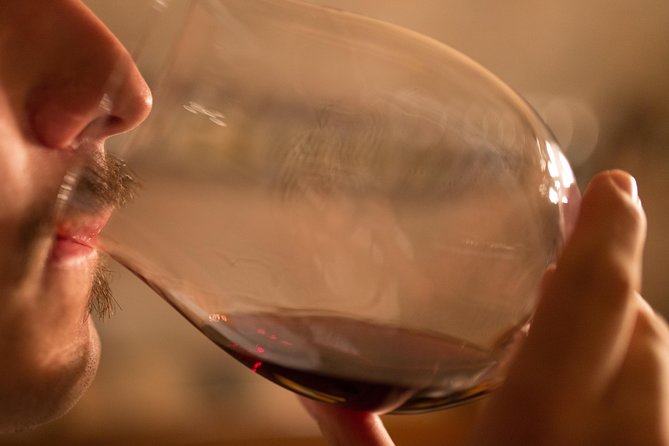
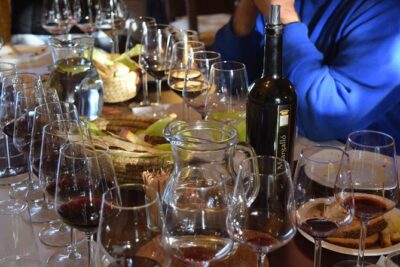
You should expect a guided tasting of 7 different wines, with Barolo, Barbaresco, Barbera, and Moscato mentioned as part of the lineup. The set-up also includes two artisanal liquors/digestives: Barolo Chinato and Grappa di Barolo.
Why this lineup is smart: it gives you more than just the classic red stars. Barbera’s brighter, more acidic character and Moscato’s fresh, youthful profile help you understand how Piedmont covers different flavors and occasions—not only long-aging, tannic reds.
Then the digestives bring it home in a very Piedmont way. Barolo Chinato is a flavored, aromatic style that can feel like a bridge between wine and herbal liqueurs. Grappa di Barolo is a punchier ending that shows you how the same grape world can shift into distilled form.
One small tip: if you’re trying to remember each pour, slow down between glasses. The host will explain what you’re tasting, but with a longer day ahead, your memory will thank you if you take a moment before the next round.
Food pairing that supports the wine (instead of just filling your plate)
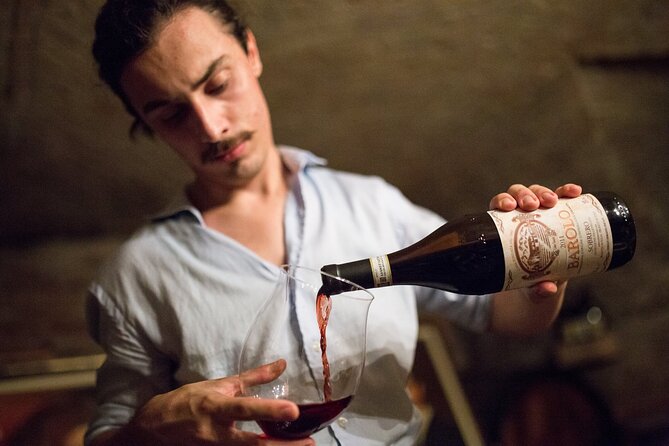
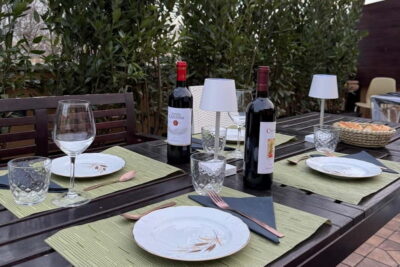
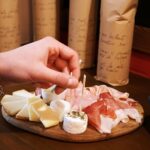
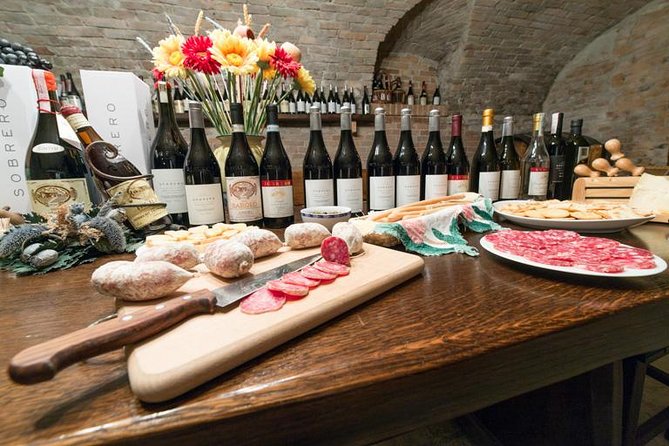
This is not a bare-bones tasting where you get a few boring crumbs. The included snack spread is local and generous: local cheeses, cold cuts, and bread (including focaccia and other rustic bread options).
What makes the pairing work is that the food isn’t random. Cured meats and cheese tend to highlight fruit and tannin in reds, while bread and simple bites help reset your palate between styles. As you move from red to sweet/digestive options, the food helps keep the tasting comfortable instead of overwhelming.
If you’re coming hungry, this matters. You’ll likely feel like you got a real taste of Piedmont—not just a short wine sample.
One detail worth double-checking when you arrive: extra virgin olive oil is listed as included. In at least one case, it wasn’t handed out as expected. That’s rare, but if oil is important to you, it’s worth asking the host at the start of the meal whether you’ll be receiving it during the tasting.
The family-run vibe: Carlo, Charles, and pride in the craft
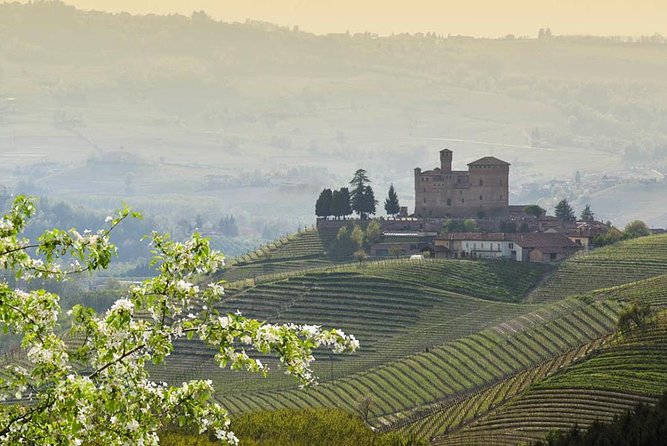
A big part of the appeal is that the people behind the wine are the ones explaining it. The experience often includes Carlo as the guide, and the owner Charles may also introduce you to the winemaking process. That personal involvement tends to change the feel from a scripted tour to a conversation.
I also like the way the host handles questions. When guides take their time, you learn more than just tasting notes. You get practical context: what they consider important, how their choices differ by style, and what “good” means in their world—especially with a region as famous as this one.
If you prefer a calm, quiet tasting, keep in mind group size can vary. The tour caps at 15, and on busier days you may have more noise at shared tables. Still, the smaller-group format is designed to keep the attention on the tasting.
Buying wine the easy way: shop pricing and the 200 eur perk
Most people come for the tasting, then end up doing the obvious thing—buying a few bottles to take home. That’s part of the experience rhythm here, and the shop is where you can turn learning into something you can drink later.
There’s also a listed perk: you get one bottle of Barolo/Barbaresco free every 200 eur of purchase. If you know you’ll buy, it’s worth doing the math before you commit, especially if you’re deciding between just a couple of bottles versus a small mixed case.
Packing advice from the kind of traveler who knows better: if you have room in your suitcase, you might choose to pack bottles rather than ship. It’s not always cheaper, but for a short trip it can be simpler.
You may also find hazelnut-related tasting or products available, since this region and many estates connect wine with other farm items.
Who should book this tour, and who should rethink it
I’d send couples, wine lovers, and first-timers who want a guided start-to-finish experience straight to this one. The mix of Barolo, Barbaresco, Barbera, and Moscato plus the digestives gives you a well-rounded feel for Piedmont in about two hours.
It also fits families. The experience welcomes children and pets, and service animals are allowed. If you’re traveling with kids, this format is short enough to keep energy up while still offering real adult learning.
The main reason to rethink: if you strongly prefer a super-quiet tasting with one guide speaking clearly without any interruptions, you may be happier when group size is on the smaller end. Because it’s shared, the vibe can shift depending on who’s in the room that day.
Should you book Piedmont Winery Tour: Taste Barolo, Barbaresco & Traditional Food?
Yes, if you want the Piedmont experience in a tight time box: vineyard walk, cellar education, then a full 7-wine tasting with Barolo Chinato and Grappa di Barolo, all paired with local cheese, cured meats, and bread. For the price, you’re not just buying alcohol—you’re buying context.
Book it especially if:
- You care about learning why Barolo-country tastes the way it does.
- You want variety, not only one style of red.
- You’re okay planning transportation since it’s remote from Turin.
Skip or shop around if:
- You hate rural driving and don’t want to handle the last-mile logistics.
- You want a perfectly private, whisper-quiet tasting every single time.
If you’re flexible and you like your wine with food and stories attached, this one is a solid way to spend a half-day in the Langhe.
FAQ
How long is the Piedmont winery tour?
It lasts about 2 hours.
What languages is the tour offered in?
The tour is offered in English.
What’s included in the tasting?
You get a guided tour plus tastings of 7 wines, along with 2 liquors: Barolo Chinato and Grappa di Barolo. Local snacks are included too (cheese, cold cuts, focaccia, and bread), and extra virgin olive oil is listed as included.
Is transportation from Turin included?
No. Transportation is not included, so you’ll need to arrange getting to Sobrero Vini in Castiglione Falletto.
How much does it cost per person?
The price is $59.13 per person.
How big is the group?
The maximum group size is 15 travelers.
Can I cancel for a full refund?
Yes. Free cancellation is available up to 24 hours before the experience start time for a full refund.