REVIEW · TURIN
Boutique Wine Tasting in Turin City Center
Book on GetYourGuide →Operated by Slow Travel · Bookable on GetYourGuide
One hour. Four Piedmont wines. I love the cozy vinyl-bar setting and the printed tasting guide that explains what you’re tasting as you go. One consideration: it isn’t suitable for pregnant women.
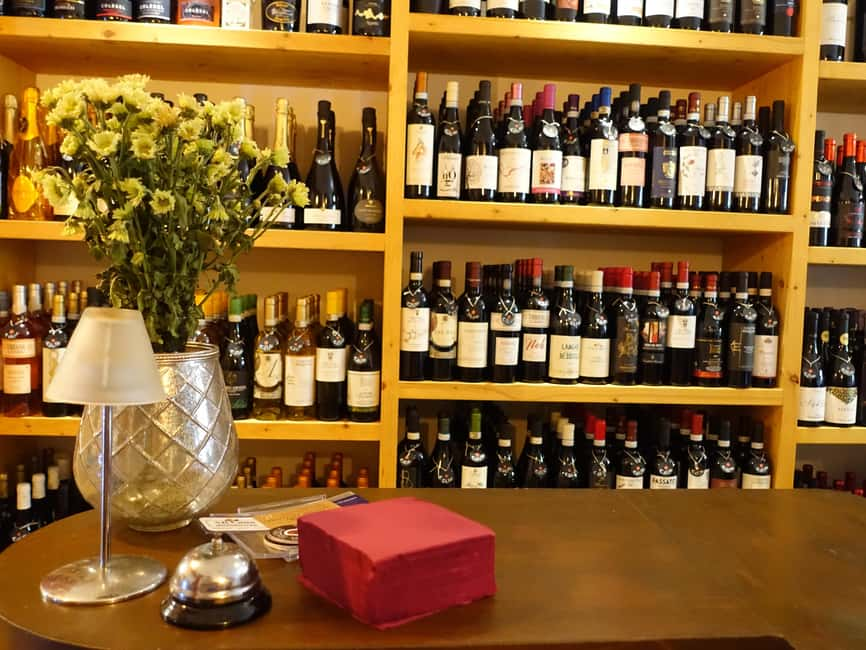
In Turin city center, you meet at a small boutique wine bar/shop with a vinyl sign, about a 10-minute walk from the Royal Palace. Music plays in the background, and with a group capped at 8, it feels friendly instead of rushed.
In This Review
- Key Points You Should Know Before You Go
- Entering the Wine Bar Near the Royal Palace
- Your One-Hour Flight: Four Wines From Piedmont
- How the Pairings Actually Work With Cheese and Cured Meats
- The Printed Guidebook: Your Easy Roadmap Through Piedmont
- When the Host Takes Over: Questions, English, and Real Personality
- Price and What $42 Covers (And What It Doesn’t)
- Best Ways to Fit This Into Your Turin Day
- Should You Book This Piedmont Wine Tasting?
- FAQ
- How long is the wine tasting?
- How many wines will I taste?
- What food is included with the wines?
- Do I need to know anything about wine first?
- What languages are available?
- Can the tasting accommodate dietary restrictions?
- Is there a dedicated live guide during the tasting?
Key Points You Should Know Before You Go
- Four Piedmont tastings (sparkling, white, and red) with the host selecting from well-known local styles
- Food pairing included: local cold cuts, cheese, and bread or grissini
- A printed guidebook with tasting notes and winemaking background that you can follow at your own pace
- Host-led questions, in Italian or English, with help if language changes during the session
- Relaxed one-hour format that works well if you want wine context without a long evening
Entering the Wine Bar Near the Royal Palace
This tasting starts where Turin feels most like itself: a small wine bar/shop in the city center. Look for the storefront with a vinyl sign. Once you’re inside, you show your ticket to the host and the session begins.
The vibe is casual. You’ll have music in the air, tables set up for tasting, and a pace that lets you look at the guidebook without feeling like someone is tapping their watch. Because the group is limited to eight people, you usually get real answers rather than a generic script.
A practical note: this is close to major sights. If you’re already touring near the Royal Palace area, this is one of those easy “fit it in” stops. You don’t need transport planning beyond walking.
You can also read our reviews of more food & drink experiences in Turin
Your One-Hour Flight: Four Wines From Piedmont
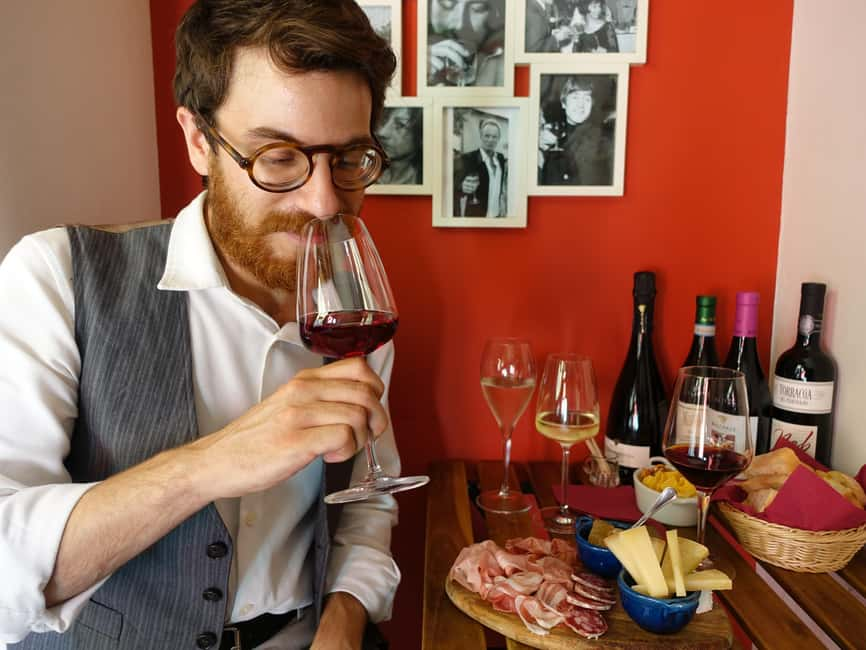
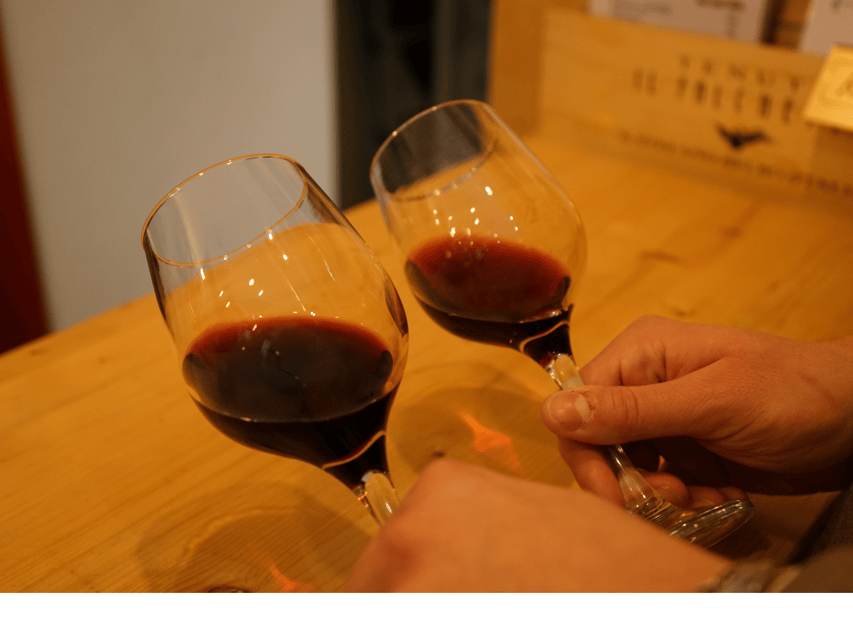
You’ll taste four wines from Piedmont. The plan is designed to cover the major styles the region is famous for, typically including something sparkling, a white, and a red. The host chooses which exact wines you’ll taste from the Piedmont lineup they have ready that day.
Here are the grapes and styles you should expect to see mentioned during the tasting, because they’re key to Piedmont’s identity:
- Erbaluce: often brought up as a crisp, refreshing white option
- Arneis: another classic white, known for its flavor profile in Piedmont
- Alta Langa: a Piedmont sparkling wine style that gives you a sense of how the region handles bubbles
- Nebbiolo: the grape behind Barolo and Barbaresco, famous for structured, serious reds
- Barbera: a Piedmont red with fruit-forward character and solid drinkability
- Roero Riserva: an iconic red with aging potential and a more elegant side of Nebbiolo-adjacent territory (depending on how it’s poured that day)
What I like about this approach is that it’s not trying to be a wine school. It’s giving you enough variety to understand Piedmont’s “personality”—bright whites, careful sparkling, and reds with structure.
As you taste, you’ll have the guidebook to match each pour to tasting notes. That matters for beginners. It turns “This is good” into “This tastes like X because of Y.” And it’s still relaxed, so you don’t feel trapped in vocabulary.
How the Pairings Actually Work With Cheese and Cured Meats
Wine tastings can turn into tiny lectures with tiny bites. Here, the food is part of the point.
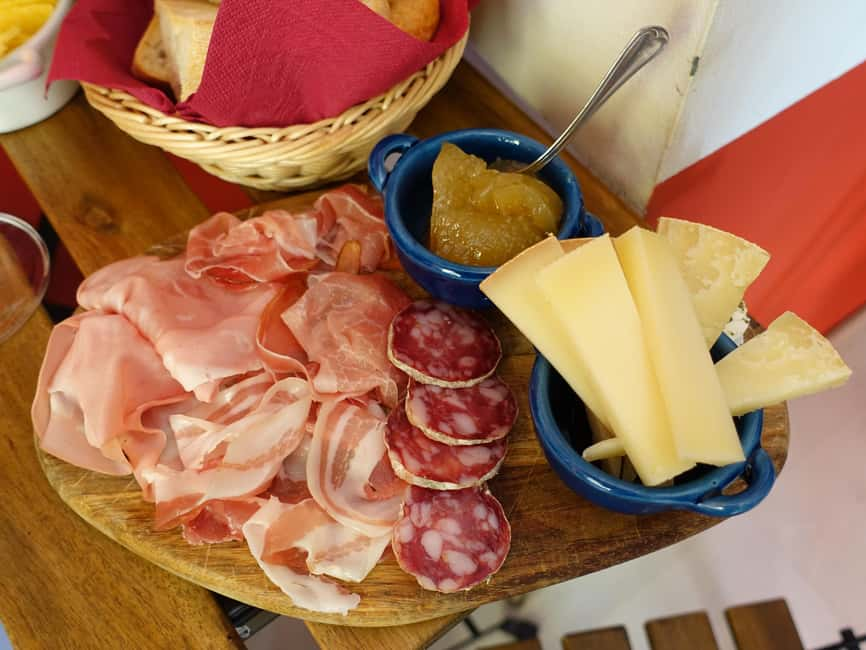
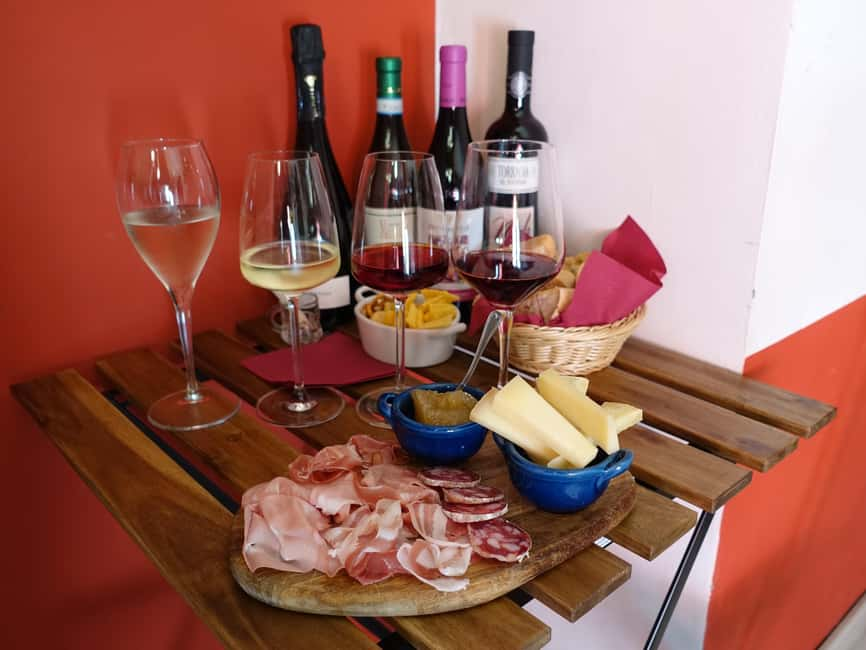
You’ll get a platter with local cured meat, cheese, and bread or grissini. These pairings are chosen to complement the wines you’re tasting—so expect a balance of salty and fatty foods against acidity, fruit, and tannin.
Here’s how to make the pairing experience feel smoother (and more fun) in real time:
- Take one bite, then one sip, so you can tell what’s changing in your mouth.
- If a red feels intense, try bread or grissini between wines. It helps reset your palate.
- If a white or sparkling feels sharp, the cured meat and cheese bring it into focus.
The biggest value isn’t that you’re eating. It’s that you’re practicing how Piedmont flavors connect—meat and cheese that belong with the grapes instead of generic snack food.
If you’re watching dietary needs, let the organizers know in advance. They specifically ask you to mention vegetarian, vegan, lactose intolerance, or celiac needs, so you’re not stuck hoping for the best at the table.
The Printed Guidebook: Your Easy Roadmap Through Piedmont
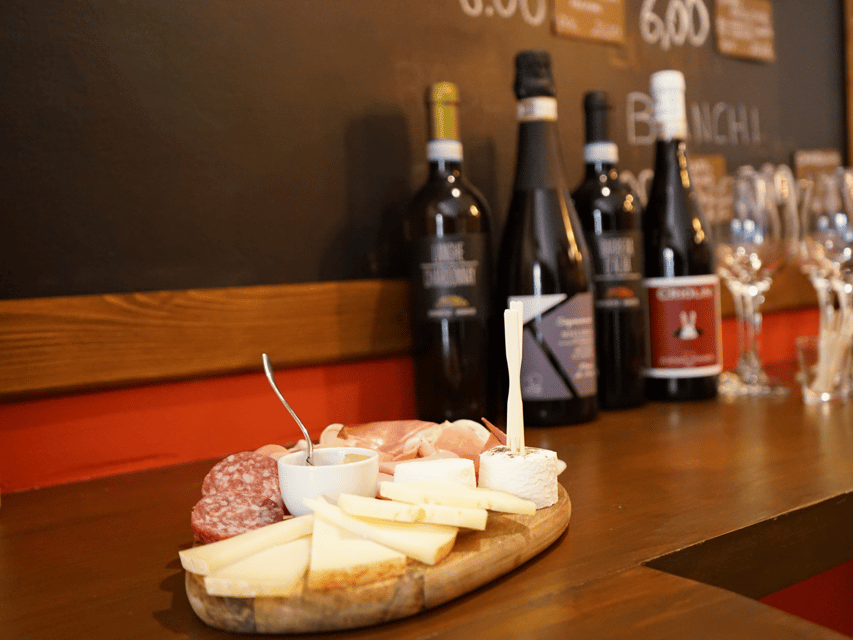
One of the most practical inclusions is the printed guidebook. You don’t just get four wines and a shrug. You follow along as you taste.
The guide covers:
- wine background and tasting notes
- grape varieties you’ll recognize from Piedmont
- winemaking traditions tied to the Turin area and its conditions
This is exactly the right format if you want context without a long talk. You can glance down, read at your pace, and look up when the host explains something new.
I also appreciate that it’s designed to be manageable. It’s meant to be used during the tasting, not as homework for later. That makes the whole experience feel calmer and more “date-night friendly,” even if you’re just going solo.
When the Host Takes Over: Questions, English, and Real Personality
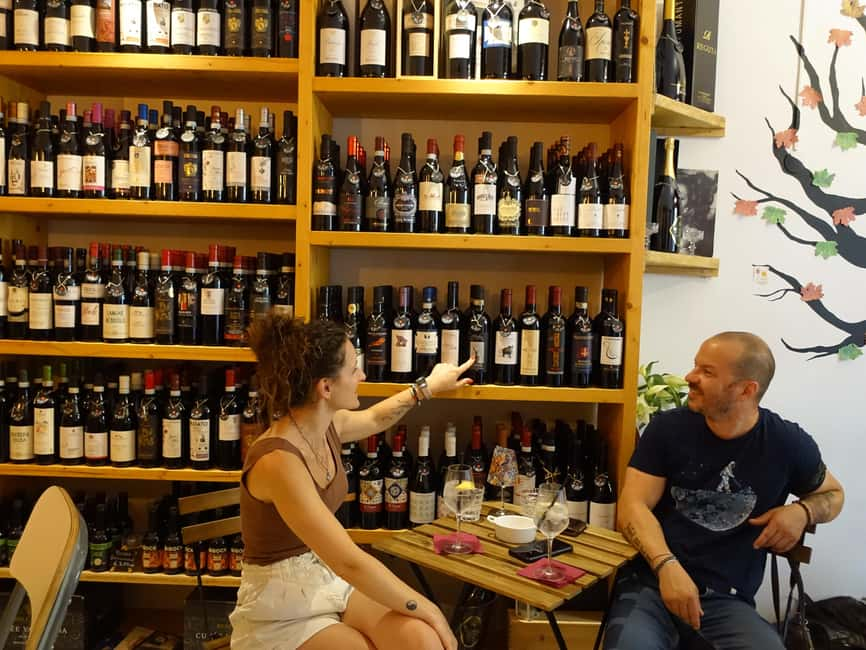
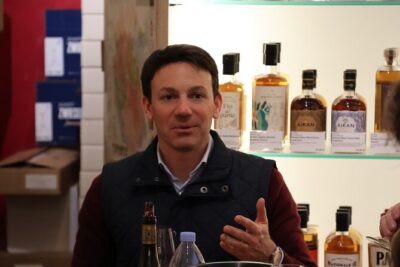
This tasting is driven by the host greeter. There’s no dedicated live guide running a long lecture, but the host will introduce the experience and answer your questions.
Languages can be Italian or English, and the vibe stays friendly. In some sessions, English may require extra help, like online translation tools, which has worked for people who didn’t speak Italian. The key is simple: come with curiosity, not perfect wine vocabulary.
It also helps that the hosts seem to bring real personality. Names like Elena and Tussi have shown up as hosts in past sessions, and that’s a clue that you’re not getting a generic factory script.
What should you ask? Here are questions that actually fit a one-hour format:
- Which of these grapes is most typical for Piedmont’s everyday drinking?
- What makes Nebbiolo different from Barbera in a blind tasting?
- If I like sparkling, what else in Piedmont should I try next?
You’ll get answers while tasting is still happening. That timing makes the info stick.
Price and What $42 Covers (And What It Doesn’t)
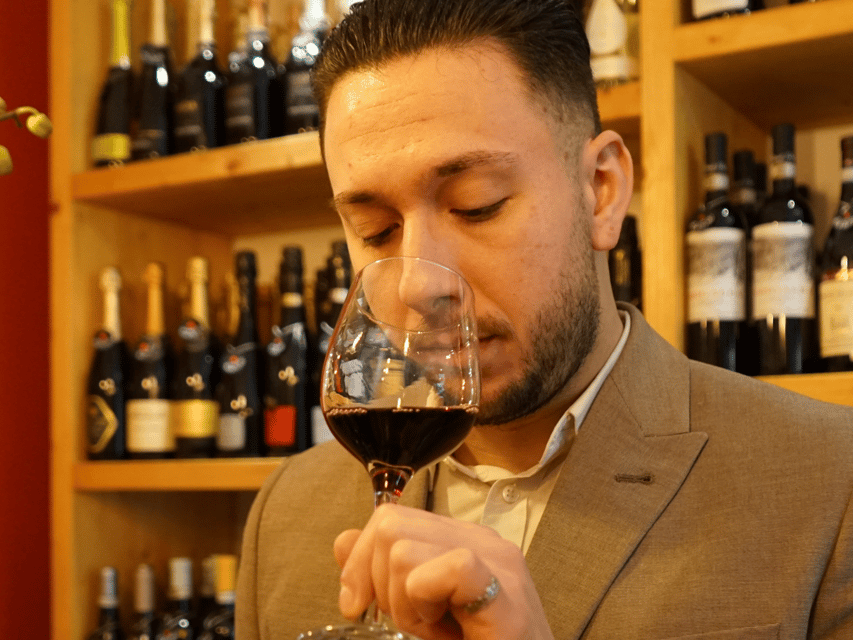
At $42 per person for about 1 hour, you’re paying for a bundle:
- 4 wine tastings
- cheese and cured meats plus bread or grissini
- a printed guidebook with tasting notes and background
- a host greeter available to answer questions
You’re not paying for a full guided tour, which is why this stays short and focused. The value is in the structure: four tastings plus food pairing plus context, all in one stop.
Is it a bargain or just fair? For most people, it’s fair-to-strong value because you’re getting both liquid and food that are hard to replicate on your own without knowing what to order. Also, the format limits decision fatigue. You don’t have to guess which bottles make sense for a first Piedmont visit.
Two considerations to keep in mind:
- It’s not suitable for pregnant women.
- There’s no claim of a highly produced “tour guide performance.” It’s host-led, relaxed, and discussion-based.
If you want a long, multi-stop itinerary, this isn’t that. If you want a high-quality Piedmont snapshot with snacks and a readable guide, it fits nicely.
Best Ways to Fit This Into Your Turin Day
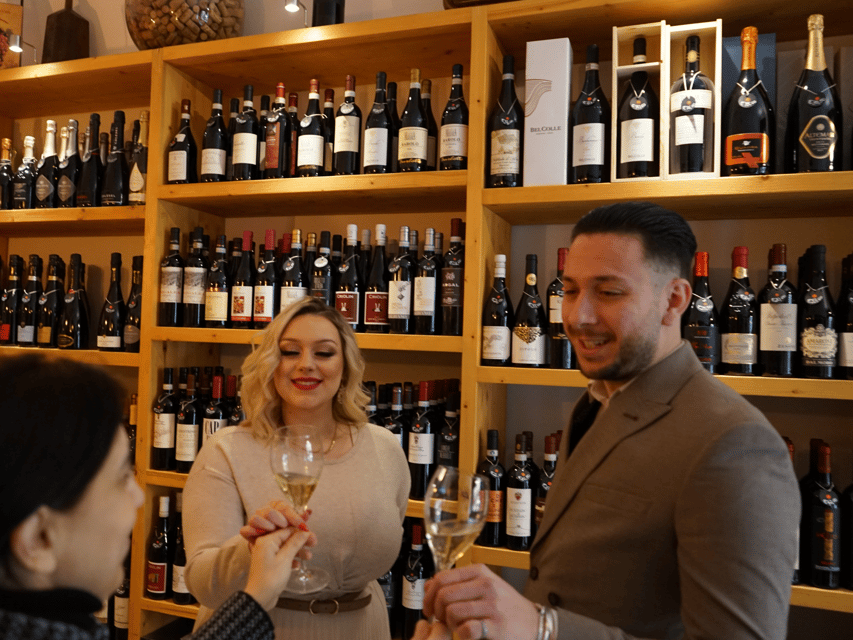
This tasting is at a comfortable length: one hour. That makes it ideal for the gaps that often happen in travel days. You can pair it with a walk through the center near the Royal Palace area.
Because the pace is relaxed, it also works well when you’ve already been on your feet. You’re stepping into a warm bar space, tasting with food, and getting guided context without sprinting through another major museum.
Who benefits most?
- First-timers in Piedmont who want a clear starting point
- Couples looking for something more intimate than a bus tour
- Wine-curious travelers who don’t want to feel tested
- People who enjoy food and want it to matter (not just an afterthought)
Should You Book This Piedmont Wine Tasting?
I’d book it if you want a straightforward, high-value introduction to Piedmont in a city-center setting. The combination of four wines, pairing food, and a printed guidebook gives you both enjoyment and take-home understanding. It also feels intentionally sized for conversation, thanks to the small group limit.
Skip it if you’re looking for a multi-hour experience or if you need pregnancy accommodation. Also, if you hate structured tasting notes and prefer purely social drinking, you might find the guidebook makes it feel slightly more “organized” than you want.
If you’re in Turin and you want one good Piedmont stop that doesn’t steal your whole evening, this is a strong choice.
FAQ
How long is the wine tasting?
It lasts about 1 hour.
How many wines will I taste?
You’ll taste four wines from Piedmont.
What food is included with the wines?
You’ll have local cured meat and cheese, plus bread or grissini.
Do I need to know anything about wine first?
No. You’ll use a printed guidebook with tasting notes and background as you go, and the host can answer questions.
What languages are available?
The host greeter can work in Italian and English.
Can the tasting accommodate dietary restrictions?
You should let them know in advance if you have vegetarian, vegan, lactose intolerance, or celiac dietary needs.
Is there a dedicated live guide during the tasting?
No. It’s host-led with a printed guidebook, and the host greeter answers questions.