REVIEW · TBILISI
Tbilisi Walking Tour Including Cable Car and Traditional Bakery
Book on Viator →Operated by Gamarjoba Georgia Tours · Bookable on Viator
Cable car views and church stories for $19. I like how this tour strings together big-name landmarks with a relaxed pace, and I love the traditional bakery stop built into the route. One heads-up: the cable car may pause in windy weather.
You’ll choose a morning or evening departure, get your ticket on your phone, and walk for about four hours with a professional English-speaking guide. It’s designed for real first-timers to get their bearings fast, with time to look around and ask questions as you move from riverside cliffs to old-town streets.
In This Review
- Key Highlights Worth Planning For
- A $19 Tbilisi Combo: Old Town Walk plus Narikala Cable Car
- Meeting at Avlabari: Board Games, Music, and a Small Wine Moment
- Metekhi Cathedral and King Vakhtang: Faith on the Cliff and a Founding-Myth King
- Europe Square to Rike Park: EU Connections, Then Riverside Fun
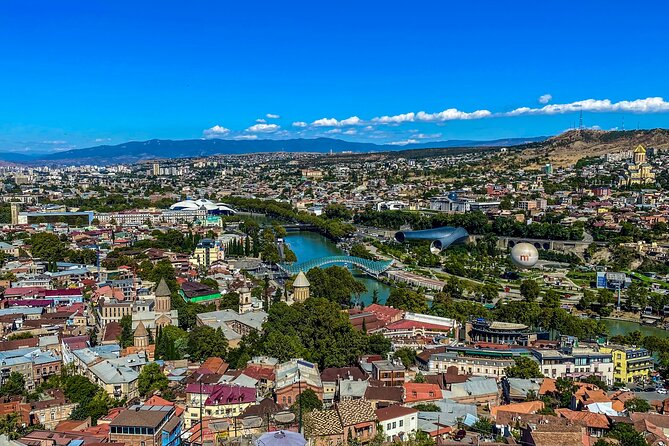
- Rike–Narikala Cable Car and Mother of Georgia: The Best View on the Route
- Peace Bridge and Sololaki Hill: Modern Design Over the River
- Patriarchate Seminar and Anchiskhati Basilica: Two Church Stops, One Big Theme
- Rezo Gabriadze’s Clock Tower Marionette Theater: The Angel Timing Trick
- Sioni Cathedral and the Toastmaster Tradition: The Stories People Actually Use
- Tone Bakery Pie and Lemonade: A Real Food Break, Not a Tourist Trap
- Shardeni Street and Abanotubani Baths: Pedestrian Vibes and Sulfur Steam
- Leghvtakhevi Waterfall: A Cooling Finish When It’s Hot
- Price and What You’re Really Paying For at $19
- Who This Tour Is Best For (and Who Might Want Something Else)
- Should You Book This Tbilisi Walking Tour?
- FAQ
- How much does the Tbilisi walking tour cost?
- How long is the tour?
- Is the tour offered in English?
- Does the tour include the cable car?
- What food is included?
- Where does the tour start and where does it end?
- What time does the tour begin?
- Is there a morning or evening option?
- What is the minimum age?
- What should I wear for church stops?
- What happens if the weather is windy?
Key Highlights Worth Planning For
- Cable car to Mother of Georgia with major photo viewpoints
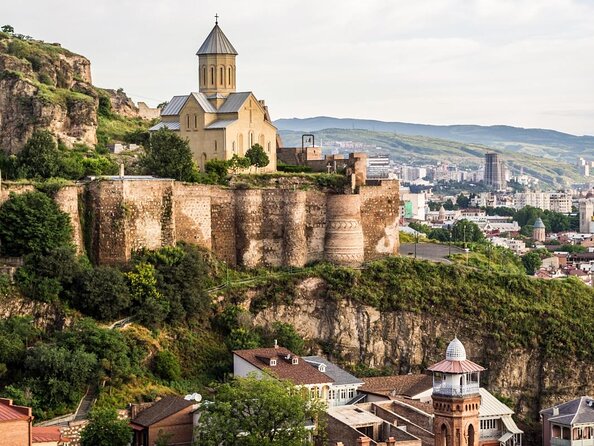
- Metekhi Cathedral and classic old-town churches along the river and hill areas
- Peace Bridge and Rike Park for modern Tbilisi right beside the old streets
- Rezo Gabriadze Marionette Theater clock tower and its hourly angel moment
- Tone bakery pie and lemonade as a simple, authentic food break
- Abanotubani sulfur bath district and a quick waterfall visit to end with atmosphere
A $19 Tbilisi Combo: Old Town Walk plus Narikala Cable Car
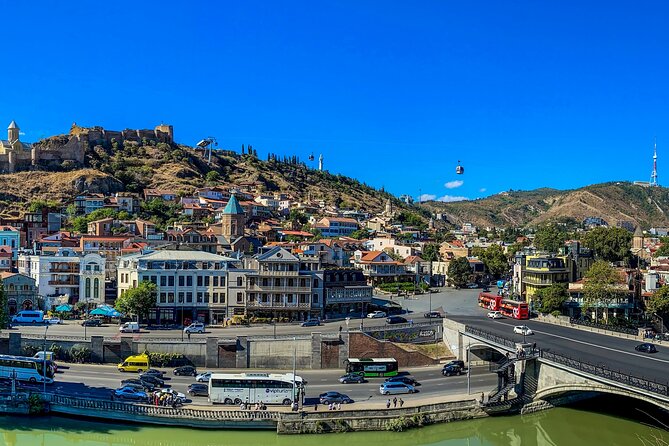
This is a smart value format: a guided walk through Tbilisi’s core sights, plus one paid transport moment that changes your perspective. The highlight is the cable car ride up to the Mother of Georgia statue, where the city layout makes more sense than it does from ground level.
What I especially like for your first day is the balance. You get history stops (cathedrals, monuments, and church-adjacent sites), but you also hit “hang-out” Tbilisi: Peace Bridge, Rike Park, Shardeni Street, Abanotubani. It feels like the city has layers, not just a list of monuments.
You can also read our reviews of more walking tours in Tbilisi



Meeting at Avlabari: Board Games, Music, and a Small Wine Moment

The tour starts at M/S Avlabari. The meeting point area is set up to be friendly and low-stress: you can mingle, play board games, listen to music, and yes, have a glass of wine.
That first stop matters more than it sounds. When your tour begins with a calm social vibe, you waste less time figuring out where to stand and more time enjoying the walk. Also, it’s a nice way to meet other people before you head into churches and historic streets.
Metekhi Cathedral and King Vakhtang: Faith on the Cliff and a Founding-Myth King
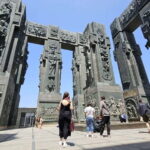
From the start, you move toward the left bank and cliff-plateau setting of Metekhi Cathedral. This church is tied to early Georgian legends and saints, including stories about Shushanik being transferred there in the 7th century. Even if you’re not chasing religious architecture, the viewpoint location helps you understand why this site became a symbol.
Next comes the Monument of King Vakhtang Gorgasali. This is one of those stops that gives you a backbone for Tbilisi: traditions connect him to church reorganization and even to the founding of the capital. Dating his reign is debated, which gives your guide an easy opening to explain how history and legend blend in Georgia’s storytelling.
Europe Square to Rike Park: EU Connections, Then Riverside Fun
At Europe Square, your guide shares the Georgia–European Union relationship and why it matters to Georgians. It’s brief, but it’s a useful reality check. A walking tour shouldn’t only stay in the past; it should also explain what people argue about today.
Then you step into Rike Park, one of Tbilisi’s newer recreational areas. It sits near the Bridge of Peace and is built for everyday energy: kids’ activities, family-friendly spaces, and places to pause between longer walks. If you’re traveling with a stroller or just want a less-intense break, this park stop gives you a breather without turning the day into a long detour.
Rike–Narikala Cable Car and Mother of Georgia: The Best View on the Route
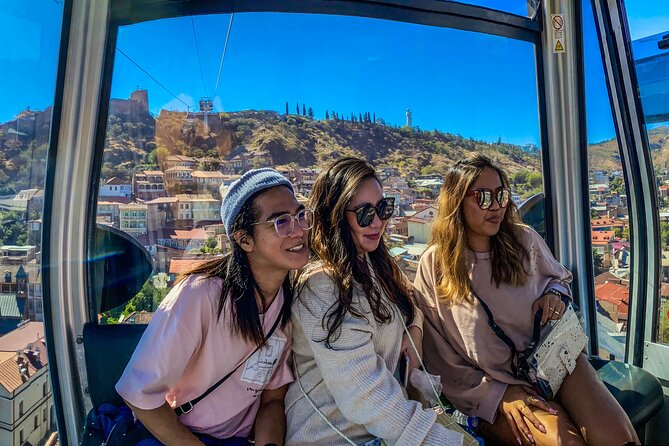
From Rike, you ride the Rike–Narikala cable car up to the area near the Mother of Georgia statue. This segment is included, and it’s the kind of transport that feels like a shortcut to better sightseeing.
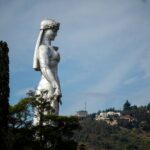
Once you’re up there, Kartlis Deda (Mother of a Georgian) is the iconic “Tbilisi symbol on a hill.” The statue was erected in 1958 for the city’s 1500th anniversary, and it’s designed to represent Georgian identity in a very direct way: wine in one hand for friends, sword in the other for enemies.
Practical note: the tour says the cable car won’t be operating during windy weather. The tour still runs in all weather, so if you’re traveling in blustery seasons, you’ll want to go in expecting that your exact ride timing could shift.


Peace Bridge and Sololaki Hill: Modern Design Over the River
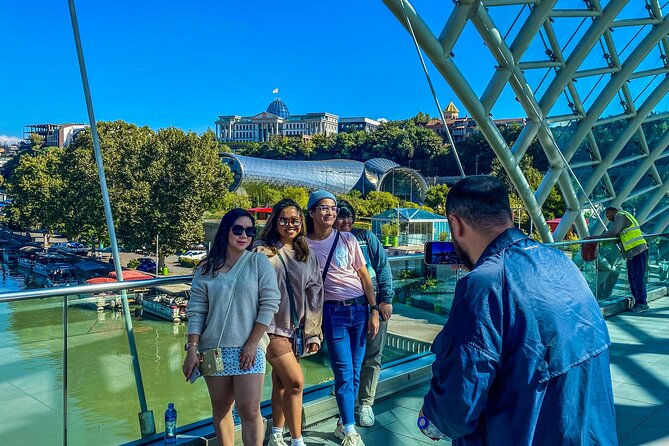
The Bridge of Peace is next, and it’s the kind of modern landmark that makes Tbilisi feel current. It’s a pedestrian bridge over the Mtkvari River with glass and steel in a bow-shaped design. It opened in May 2010, and it’s fitted with thousands of LED bulbs that switch on daily before sunset.
Even if you don’t care about bridges, it’s a helpful moment to reset. You’ll walk through a lot of history in a few hours; seeing the river from this modern angle gives your brain a clean reference point for the rest of the old-town maze.
Patriarchate Seminar and Anchiskhati Basilica: Two Church Stops, One Big Theme
At the Patriarchate of Georgia’s spiritual seminary, you get quick, on-the-ground context—small facts that make the place feel real rather than museum-like.
After that, you reach Anchiskhati Basilica in upper Kala, on Shavteli Street. The church dates back to the 6th century, and the story of its name links to later events involving the image of Christ not made by hand (moved in 1675). There’s also a family history tied to the church after that change, which your guide can use to show how religious institutions connect with Georgian social life.
Dress and entry matter here. The tour notes that shorts aren’t allowed in churches and women need to cover their heads. Plan to have something simple ready (a light scarf goes a long way).
Rezo Gabriadze’s Clock Tower Marionette Theater: The Angel Timing Trick
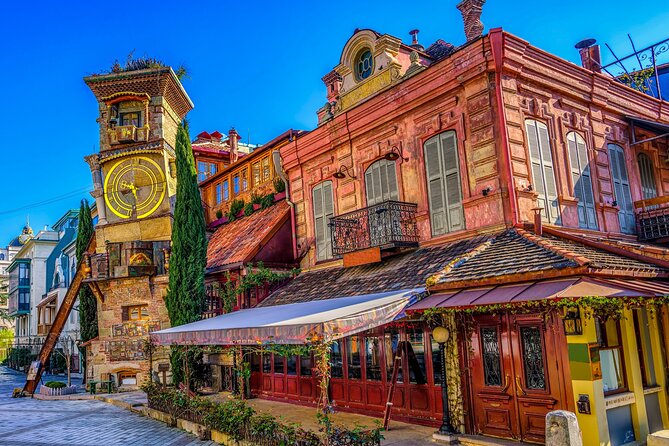
Next is the Rezo Gabriadze Marionette Theater area. The clock tower beside it has an angel that appears every hour with a small hammer to ring the bell. This stop is fun even if you’re not into puppet shows, because the tower is visually playful and easy to photograph.
Inside, there’s a small puppet theater, and it offers shows at 12:00 and 19:00. If your tour timing lines up, you might catch the performance schedule. Even if you don’t, the whole structure is still one of those instantly memorable Tbilisi details that you’ll remember later.
Sioni Cathedral and the Toastmaster Tradition: The Stories People Actually Use
Sioni Cathedral sits in one of Tbilisi’s older districts in upper Kala. The legend again connects the spot to Vakhtang Gorgasali’s era, which reinforces how often Georgian history is told through recurring figures and places. This gives you continuity as you move from site to site.
Then you stop at the Tamada (Toastmaster) Statue. Tamada isn’t just a tradition for special occasions; it’s part of how Georgian social life works. The statue stop is short, but it gives you the meaning behind the bread-and-wine rhythm you’ll hear about across Georgia.
Tone Bakery Pie and Lemonade: A Real Food Break, Not a Tourist Trap
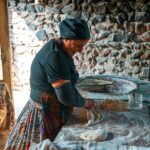
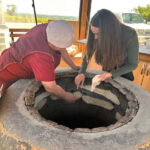
Now comes the tour’s clearest “eat something” moment: Tone bakery. You’ll taste traditional Georgian pie and lemonade, and it’s included. This is the kind of stop that makes a walking tour feel complete, because you’re not only seeing old stones—you’re tasting everyday comfort food.
If you’re picky about where to eat, this is also a smart move. You don’t need to hunt for a place mid-walk. You just follow the route, get fed, and keep going.
Shardeni Street and Abanotubani Baths: Pedestrian Vibes and Sulfur Steam
Jan Shardeni Street is a pedestrian street you really will want to walk at a slow pace. It’s one of the most popular and beautiful streets in Tbilisi, and it’s the classic area where cafés, courtyards, and street life fold into the old-town feel.
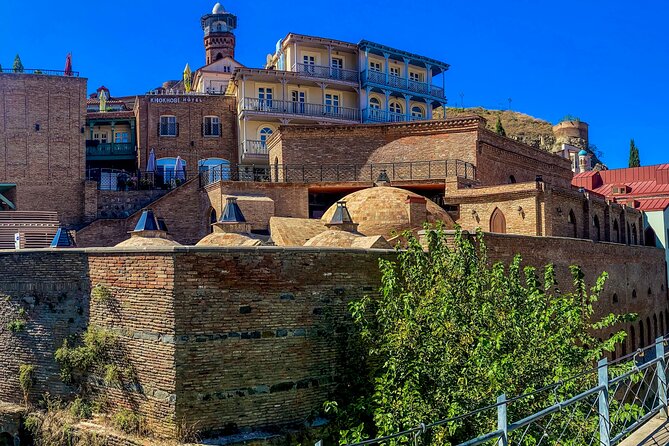
Then comes Abanotubani, the bathhouse district. This area is built around sulfur hot springs, and there’s an entire street of bathhouses using those waters. If you’re the type who likes atmosphere over ticketed sights, this is a strong closing stretch—steam, stone walls, and the sense that people treat this place as part of daily life.
Leghvtakhevi Waterfall: A Cooling Finish When It’s Hot
The final sight stop is Leghvtakhevi Waterfall. This is a popular local and foreign cooling point, especially during warmer weather. The stop is short, but it’s a nice way to end the tour without finishing in another indoor church or another long viewpoint.
Price and What You’re Really Paying For at $19
At $19 per person for about four hours, the biggest value isn’t just the walking—it’s the mix. You’re paying for a guided route that hits multiple categories in one go:
- major old-town religious landmarks (Metekhi, Anchiskhati, Sioni)
- a key “city symbol” viewpoint (Mother of Georgia via cable car)
- modern city design moments (Peace Bridge and Rike Park)
- an included snack break (traditional pie and lemonade)
Cable car rides alone can be the difference between “I saw a few things” and “I got real city perspective.” Add the included bakery stop and the meeting-point glass of wine, and the price starts to make sense even if you already know a few landmarks.
Who This Tour Is Best For (and Who Might Want Something Else)
This tour fits best if you:
- are in Tbilisi for a short time and want a concentrated overview
- want an easy pace with guide explanations between stops
- like mixing top sights with old-town streets (Shardeni, Abanotubani)
- prefer a guided plan that still leaves breathing room
You might want a different format if you’re chasing fewer stops and more time at each place. One review feedback note hinted that some pacing felt slower for personal preference, so if you’re the kind of traveler who hates waiting at every corner, you’ll want to keep expectations flexible.
Should You Book This Tbilisi Walking Tour?
Yes—if it’s your first visit and you want a high-signal route that covers church sites, city symbols, modern highlights, and food in one half day. The cable car inclusion is the deciding factor, and the pie-and-lemonade break is the kind of practical detail that makes the tour feel worth the money.
Book it especially if you’re traveling with mixed interests: history fans get churches and monuments, photo people get views from Mother of Georgia and Peace Bridge, and food lovers get a proper traditional stop.
If windy weather is likely during your dates, plan for the cable car to change. Still, the tour is built to run in all weather, so you shouldn’t feel stranded—just ready to roll with the day’s conditions.
FAQ
How much does the Tbilisi walking tour cost?
It costs $19.00 per person.
How long is the tour?
The duration is about 4 hours (approx.).
Is the tour offered in English?
Yes, the tour is offered in English.
Does the tour include the cable car?
Yes. The tour includes a cable car ride to the Mother of Georgia statue.
What food is included?
You’ll get traditional Georgian pie and traditional Georgian lemonade, and the bakery stop is included.
Where does the tour start and where does it end?
It starts at M/S Avlabari, Tbilisi, Georgia and ends in the old city center at Meidan Bazar.
What time does the tour begin?
The listed start time is 10:00 am.
Is there a morning or evening option?
Yes. You can choose a morning or evening tour.
What is the minimum age?
The minimum age is 5.
What should I wear for church stops?
For church entries, shorts aren’t allowed, and women need to cover their heads.
What happens if the weather is windy?
The cable cars won’t operate during windy weather, but the tour runs in all weather conditions. You should dress for the weather.