REVIEW · SAINT EMILION
Saint-Émilion: Family Vineyard Visit with Wine Tasting
Book on GetYourGuide →Operated by Château Haute-Nauve · Bookable on GetYourGuide
A great wine stop should feel personal, not rehearsed. This family-led visit at Château Haute-Nauve gives you the full vine-to-glass story in just 75 minutes, with cellar access and a guided tasting at the end.
I love that you meet Marie-Anne or Florent, the fourth generation owners, so questions don’t feel like an interruption. I also like the focus on hands-on production steps—especially fermentation, pumping, pressing, and aging in the barrel cellar.
One possible drawback: the tour doesn’t include food or transportation, so you’ll want to plan your meal and your ride before you go. Also, it’s a small group (up to 10), so spots can fill around popular times.
In This Review
- Key things to know before you go
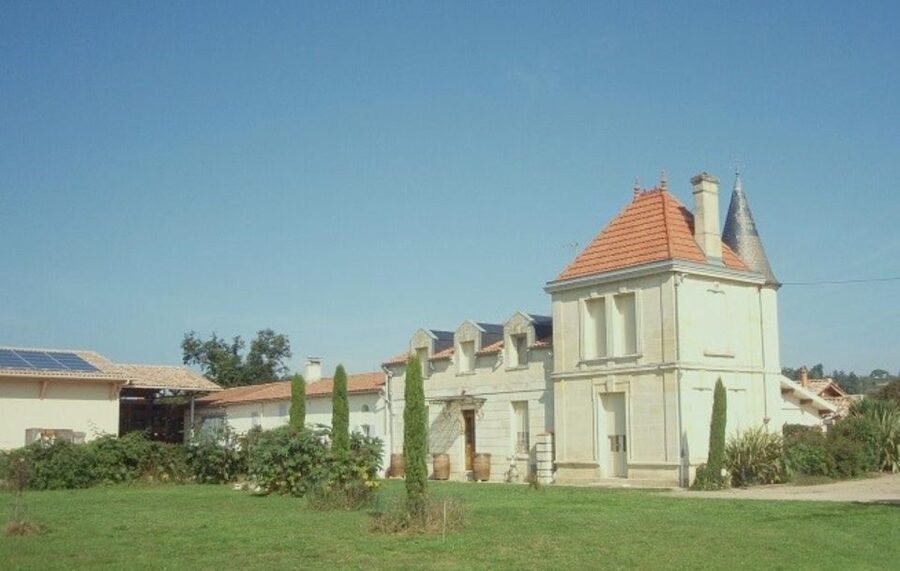
- Entering Saint-Émilion wine country at Château Haute-Nauve
- Meet Marie-Anne or Florent: why the tour feels human
- Vineyard walk: linking the Saint-Émilion grape story to real choices
- Vinification cellar: fermentation, pumping, and pressing explained
- Barrel cellar visit: traditional aging with atmosphere
- The tasting: four Château Haute-Nauve wines, including Grand Cru picks
- Buying and shipping bottles: souvenir decisions that actually help
- Price and logistics: getting the most from $18
- Who this tour suits best (and who might skip it)
- Should you book Château Haute-Nauve?
- FAQ
- How long is the Château Haute-Nauve family vineyard visit?
- How many wines do you taste during the tour?
- What types of wines are included in the tasting?
- Who will guide the tour?
- Is food included in the price?
- Is transportation included?
- What should I bring with me?
Key things to know before you go
- Owner-guided experience with Marie-Anne or Florent, who leads the tour and tasting
- Cellar walkthrough that explains tanks and barrels, plus fermentation, pumping, and pressing
- Barrel aging section where you see traditional methods used for maturation
- Four-wine tasting featuring two Saint-Émilion Grand Cru selections plus a Saint-Émilion red and a Rosé
- Take-home options: you can buy bottles or arrange shipping from the estate
- Comfort-first format (75 minutes, small group, English and French)
Entering Saint-Émilion wine country at Château Haute-Nauve
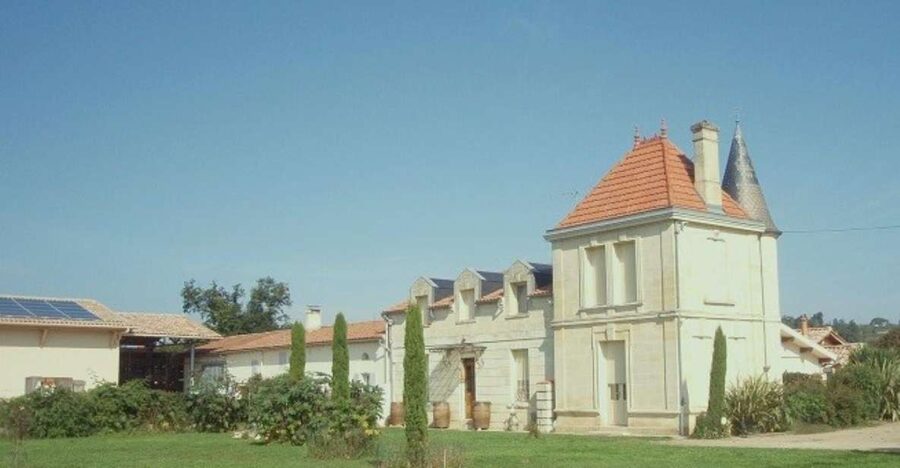
Saint-Émilion can feel like a wine museum if you only hop from one stop to the next. This visit works because it’s built like a conversation between you and the people who make the wine, not a slideshow of generalities. You’ll leave with names, processes, and a clearer sense of what Saint-Émilion winemaking actually means.
The setting is part of the charm: you’re not just tasting in a bar-like room. You move through the vineyard areas, then into production spaces where the estate explains how wine becomes wine. That structure makes the tasting at the end feel earned, not random.
At $18 per person for a guided, owner-run tour with four wines, it’s priced like good value for Saint-Émilion. You’re paying for access and teaching, not for a fancy meal. If wine is a priority for your trip day, this is the kind of stop that gives you a lot for the time you spend.
You can also read our reviews of more food & drink experiences in Saint Emilion
Meet Marie-Anne or Florent: why the tour feels human
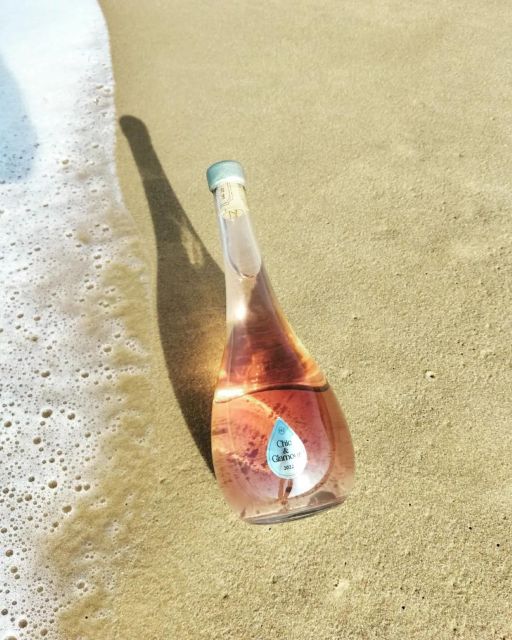
Your guide is the heart of the experience. You’ll visit Château Haute-Nauve with Marie-Anne or Florent, described as the fourth generation of ownership (mother and son). That family connection matters because the story stays grounded in how the estate works today, not only how it looked decades ago.
What I like about owner-led tours is how fast they adapt to your questions. In real life, you’ll often get clear explanations with little moments of humor, and the group size is small enough that people’s curiosity doesn’t get swallowed. Multiple experiences highlight that the guide answers questions patiently and keeps the tasting relaxed.
If you’re the type who asks too many technical questions about fermentation or pressing, you’re in the right place. The experience is designed to show you the process step-by-step, and the guide’s job is to translate the jargon into what it changes in the glass.
Language is also practical. The tour is available in French and English, so you’re not stuck guessing what the cellar equipment is supposed to do. And because the group is limited to 10 participants, you’re more likely to get a true back-and-forth instead of one-way lecturing.
Vineyard walk: linking the Saint-Émilion grape story to real choices
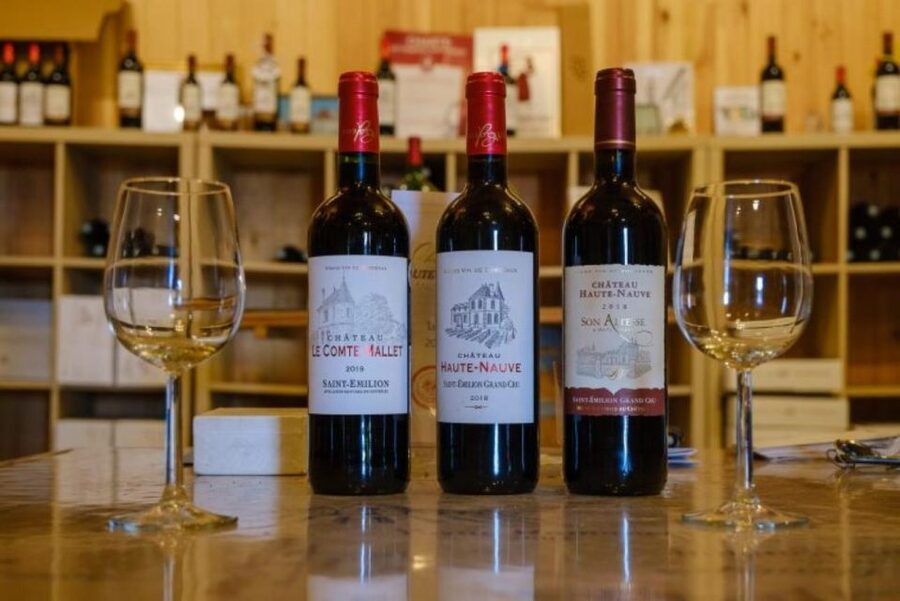
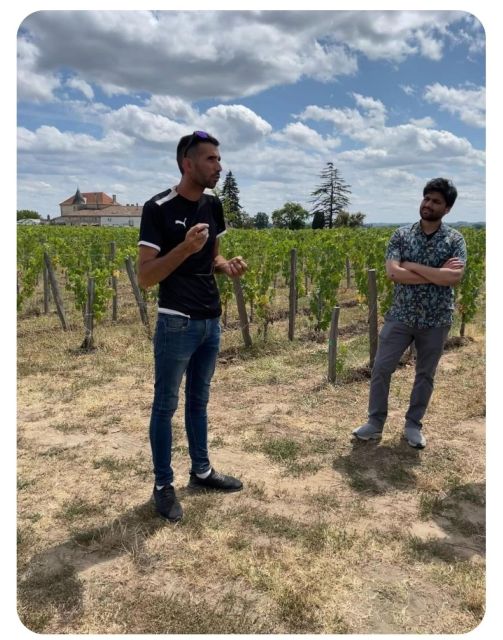
The tour begins with the vineyards and the estate story. You learn that Château Haute-Nauve has been a family estate since 1930, and you also get context for the Saint-Émilion appellation—including the grape varieties that matter in this region. Even if you’re not a grape-nerd yet, this part helps you understand why the tasting later doesn’t feel like a blind flight.
The vineyard segment isn’t described as a long hike. Instead, it’s timed to stay focused: you’re seeing the where behind the wine, then moving to the how. That pacing is ideal on a day when you might also want to wander Saint-Émilion village streets or catch a different tasting.
A smart tip: wear comfortable shoes and a hat. You’ll be outside briefly enough to need decent footing, and the hat helps when the weather turns bright.
If it’s a rainy day, you still have a strong backup plan. Reviews mention that people thoroughly enjoyed the experience even in bad weather, which makes sense because a big chunk of the tour happens in covered production spaces afterward.
Vinification cellar: fermentation, pumping, and pressing explained
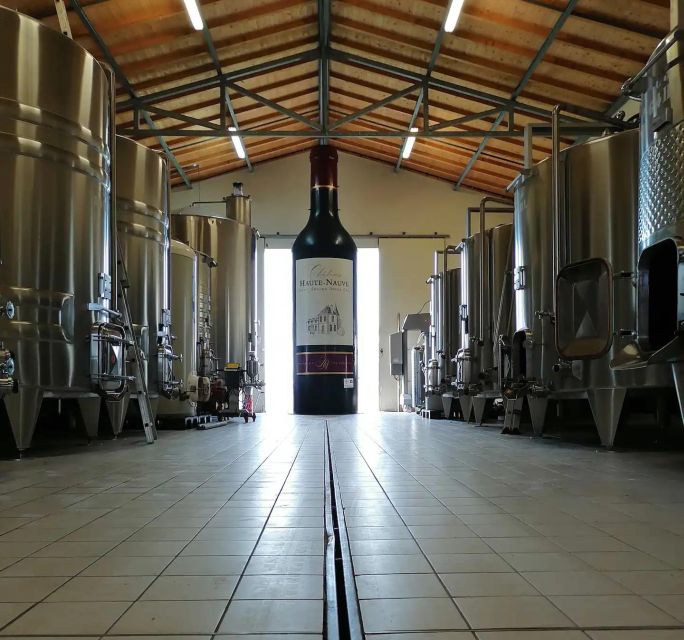
This is where the tour earns its keep. You’ll go into the vinification cellar, and the guide walks you through what happens between grapes and finished wine. You’ll hear about fermentation, then specifics like pumping and pressing—the steps that can change how extractive the wine is and how flavors develop during aging.
Why this matters for you: many wine tours toss out broad terms like fermentation without making clear what it influences. Here, the focus is on explaining the process in a way that connects actions to results. Even if you only catch part of the technical talk, you’ll understand enough to taste with new attention.
You’ll also see the equipment tied to production, including tanks and other cellar areas used during winemaking. Seeing the physical setup helps you picture what you’re tasting. It’s one thing to read about pumping-over, and another to stand in the room where the estate describes how they do it.
If you’re a first-timer, this section can make the whole region click. If you already know basic terms, it still feels useful because it adds the estate-level context—what the family does and why they explain it the way they do.
Barrel cellar visit: traditional aging with atmosphere
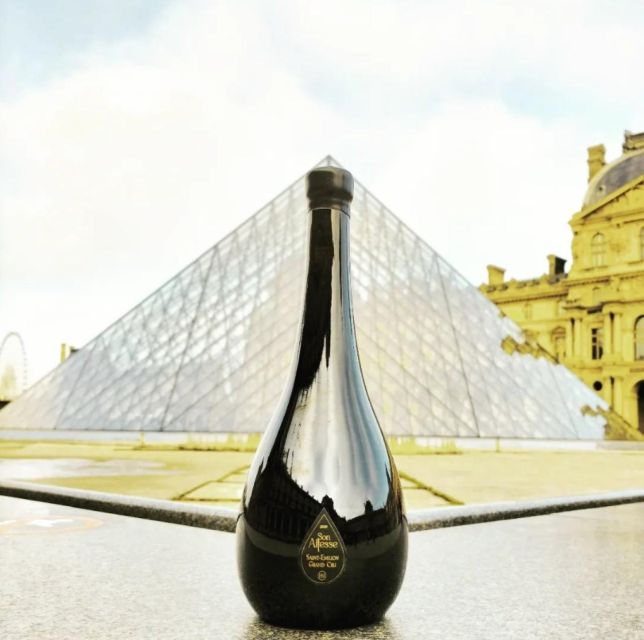
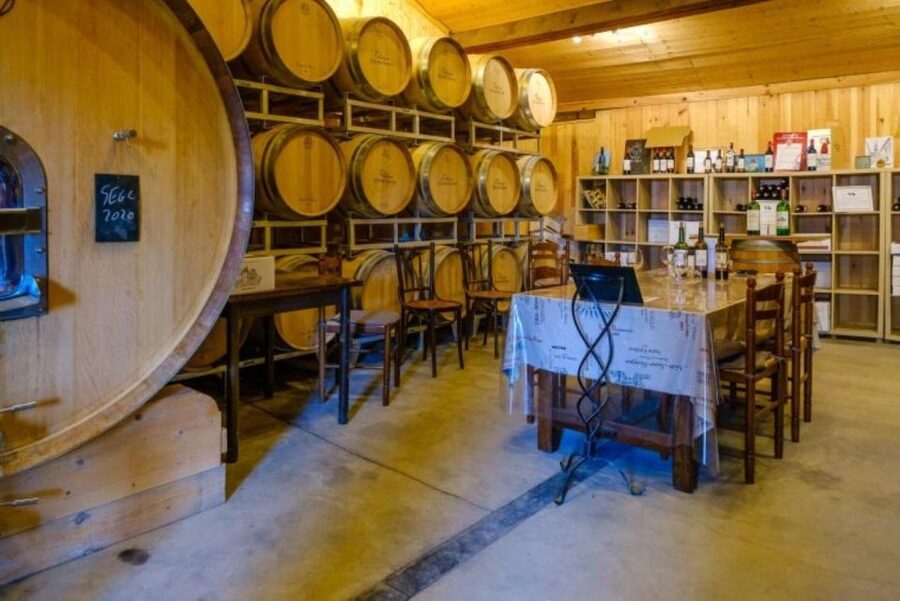
After the vinification portion, you move to an atmospheric barrel cellar where the focus shifts from making the wine to shaping it over time. This stop is described as a place to see traditional methods for aging, with barrels used as part of the maturation process.
Even if you don’t want to memorize every detail, barrel rooms are where your senses do a lot of the work. You’ll likely notice the cellar quiet, the smell of wine-soaked wood, and the feeling that wine is a slow craft—not an instant product. That’s the kind of context that makes the tasting at the end more meaningful.
This part of the tour also helps you understand why two wines can taste different even when they come from the same broad region. Aging decisions affect texture, integration, and how fruit and spice show up later.
If you care about value, barrel cellar access is part of it. Many wine tastings let you drink and leave. This one gives you a process stop that costs time—so it only feels fair that you get it included.
You can also read our reviews of more wine tours in Saint Emilion
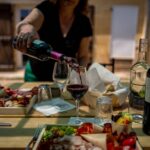

The tasting: four Château Haute-Nauve wines, including Grand Cru picks
The tour ends with a guided tasting of four wines from Château Haute-Nauve. The tasting includes two Saint-Émilion Grand Cru selections, plus one Saint-Émilion wine and one Rosé. That mix is practical: you get a sense of the estate’s red style at different classifications, then a palate reset with the rosé.
The tasting is described as relaxed, not pressured. That matters because wine tasting can turn awkward when the group feels rushed. Here, the format leaves space to ask questions and compare what you’re tasting rather than just nodding along.
You’ll also hear recommendations embedded in the explanation, and some guides even share restaurant suggestions for around Saint-Émilion. You should treat that as optional bonus value, not a requirement—but it’s nice if you want to keep the day flowing after the tour ends.
How to taste smarter in a group of 10:
- Start by identifying sweetness level and acidity before you chase aromatics.
- Compare the two Grand Cru wines for texture and length.
- Use the rosé as a reset for your palate, then go back to the reds with clearer attention.
After tasting, you’ll have time to decide what you want to take home. And because the estate can handle shipping, you’re not limited to what fits in your luggage.
Buying and shipping bottles: souvenir decisions that actually help
One of the most practical parts of this experience is what happens after the tasting. You can purchase bottles from the estate and also arrange shipping of the wines you love. That’s a real advantage if you’re traveling with limited space or if you’re planning multi-day trips.
I like that this gives you control. If you love one wine and only want a couple bottles, you can do that. If two Grand Cru selections hit your preferences, you can buy those without feeling like you must purchase everything.
Price isn’t listed for individual bottles here, so treat bottle cost as a decision you’ll make on site. But given that you’re already paying $18 for the guided tour and four tastings, the buying opportunity feels like a natural extension rather than a hidden upsell.
A helpful mindset: buy one bottle to remember the tour, then decide later if you want more once the flavors have time to sync with your memory.
Price and logistics: getting the most from $18
Let’s be blunt about value. At $18 per person for a 75-minute, owner-guided tour plus four wines, this is priced like a cost-effective way to experience Saint-Émilion winemaking without committing a huge chunk of your day or your budget.
What you’re not paying for: food. That’s fine, but it means you should schedule a meal separately. Plan to eat either before or after so you don’t feel your energy drop mid-tour.
Also not included: transportation. If you’re staying in Saint-Émilion village, you’ll want a plan to get to Château Haute-Nauve. One review suggests using a ride service like Bolt or Uber X to save time, and that’s exactly the kind of practical approach that works when you don’t want to fight logistics with a wine-focused schedule.
Timing wise, the activity runs 75 minutes. That’s a sweet spot: long enough for vineyard + cellars + tasting, short enough that you can stack another sightseeing plan the same day.
Finally, keep group size in mind. With a maximum of 10 participants, you’ll likely get more attention than with big bus tours. That’s part of why the explanations tend to feel personal.
Who this tour suits best (and who might skip it)
This tour is a strong fit if you want:
- A small-group, owner-led wine experience
- A guided look at cellars, not only tasting rooms
- A structured explanation of fermentation, pumping, and pressing
- Four wines to compare, including Grand Cru and a Rosé
It’s also a good option for couples or small friend groups who want to ask questions and learn at a human pace. People who love technical detail tend to enjoy it because the process is explained step-by-step.
Who might skip it: if you want a big party atmosphere, a long scenic hike, or a full meal included, this may feel too focused and too short. It’s also not positioned as an all-day wine route, so if your goal is to bounce between multiple estates in one day, you’ll need to pair it with other plans.
Should you book Château Haute-Nauve?
I’d book it if you want one Saint-Émilion wine experience that’s process-driven and owner-guided, with tasting included and the chance to take your favorites home (even via shipping). The small group size and the fact that Marie-Anne or Florent leads the visit make it feel like a real family operation rather than a generic stop.
Book it especially if you like learning while tasting—because you’ll get the vineyard context, the vinification steps, and the barrel aging explanation before the first sip. That order helps your brain connect what you see to what you taste.
If you’re trying to decide between a quick tasting and a tour with production access, this is the one that gives you more to remember.
If you want, tell me your travel month and whether you’re starting from Saint-Émilion village or farther away, and I can help you place this 75-minute visit into a smooth day plan.
FAQ
How long is the Château Haute-Nauve family vineyard visit?
The experience lasts 75 minutes.
How many wines do you taste during the tour?
You taste 4 wines during the guided tasting.
What types of wines are included in the tasting?
The tasting includes two Saint-Émilion Grand Cru selections, one Saint-Émilion, and one Rosé.
Who will guide the tour?
The tour is guided by the owner Marie-Anne or Florent.
Is food included in the price?
No, food is not included.
Is transportation included?
No, transportation is not included.
What should I bring with me?
Bring comfortable shoes and a hat.