REVIEW · SAINT EMILION
Saint-Émilion: Bordeaux Vineyard Tour and Wine Tasting
Book on GetYourGuide →Operated by Château Saint-Georges Côte Pavie · Bookable on GetYourGuide
A one-hour Bordeaux lesson that tastes like the real deal. This Saint-Émilion wine tour at Château Saint-Georges Côte Pavie mixes a vineyard walk with cellar time, then ends with a guided tasting of three Grand Cru wines. I especially like the family-run feel and the way the guide connects what you see in the vines to what you end up tasting.
My favorite part is the cellar explanation—how the wine is handled and aged in barrels—because it gives you a framework for tasting, not just a sip-and-smile stop. One thing to consider: this is a wine tasting for adults only, so it’s not suitable for children under 18 (or pregnant women).
In This Review
- Key takeaways before you go
- Why Château Saint-Georges Côte Pavie is such a good match for a quick Saint-Émilion day
- Where to start: finding the château and getting oriented fast
- Pavie Hill vineyard walk: grape varieties, soil, and the 5-generation human side
- Inside the cellars: how barrels and aging shape what you taste
- The 3-wine tasting: how to taste like you mean it
- How the medieval village ties in (without stealing your time)
- Price and value: why $21 is a fair deal for what you get
- Who should book this tour, and who should skip it
- Tips to maximize the experience in English or French
- Should you book the Saint-Émilion Bordeaux Vineyard Tour with Château Saint-Georges?
- FAQ
- How long is the Château Saint-Georges Côte Pavie tour?
- What is included in the price?
- How much does it cost?
- Where do I meet for the tour?
- What group size is this experience?
- What languages is the tour offered in?
- Who can participate in the wine tasting?
- Is this tour suitable for children or pregnant women?
- Is there free cancellation?
- Can I reserve now and pay later?
Key takeaways before you go
- Small group, up to 8 people keeps the pace relaxed and questions welcome.
- Three structured tastings help you practice how Bordeaux flavors evolve.
- Côte Pavie vineyard views and a walkable setting make this easy to fit into a Saint-Émilion day.
- Five-generation château story gives context to the winemaking hands and habits.
- Cellar visit focused on aging in barrels turns the tasting into something you can understand.
Why Château Saint-Georges Côte Pavie is such a good match for a quick Saint-Émilion day
If you only have a few hours in Saint-Émilion, this tour is built for that reality. You get vineyard time, cellar time, and a tasting—without the long bus ride circus that can eat half your day. The timing matters here: 1 hour is short enough to stay fresh, but long enough to learn how to look at Bordeaux in a smarter way.
I also like the “small-group” approach. Up to 8 participants means you’re not shouting across a crowd. It’s easier to follow the English and French explanations, and it’s more realistic to ask questions without feeling like you’re interrupting. That structure is part of why the reviews land so consistently: people leave with both stories and practical tasting understanding.
Finally, the location on Côte Pavie helps. It’s just outside the medieval village, and you can reach it by a straightforward walk from the area around Saint-Émilion. That makes it simpler to pair with a morning market visit, lunch, or a late afternoon wander through the stone streets.
You can also read our reviews of more food & drink experiences in Saint Emilion


Where to start: finding the château and getting oriented fast
You meet at Château Saint Georges – Côte Pavie. That sounds simple, but it’s worth taking seriously because Saint-Émilion has multiple similarly named tours and estates, and arriving to the wrong place is an easy mistake. If you’re walking over from the village or the station area, give yourself a little buffer so you can check you’re at the correct château gate.
Once you arrive, the tour’s setup is friendly and efficient. The visit begins with the estate itself, so you don’t spend your first minutes playing catch-up with logistics. And because you’re only there for an hour, you’ll want to pay attention early—what the guide says about the vineyard and soils directly affects what you’ll notice later in the glasses.
If you’re aiming to time your day well, this one works nicely after you’ve done a bit of Saint-Émilion exploring on foot. Several people mention it as a good add-on once they’ve gotten their bearings in town.
Pavie Hill vineyard walk: grape varieties, soil, and the 5-generation human side
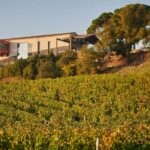
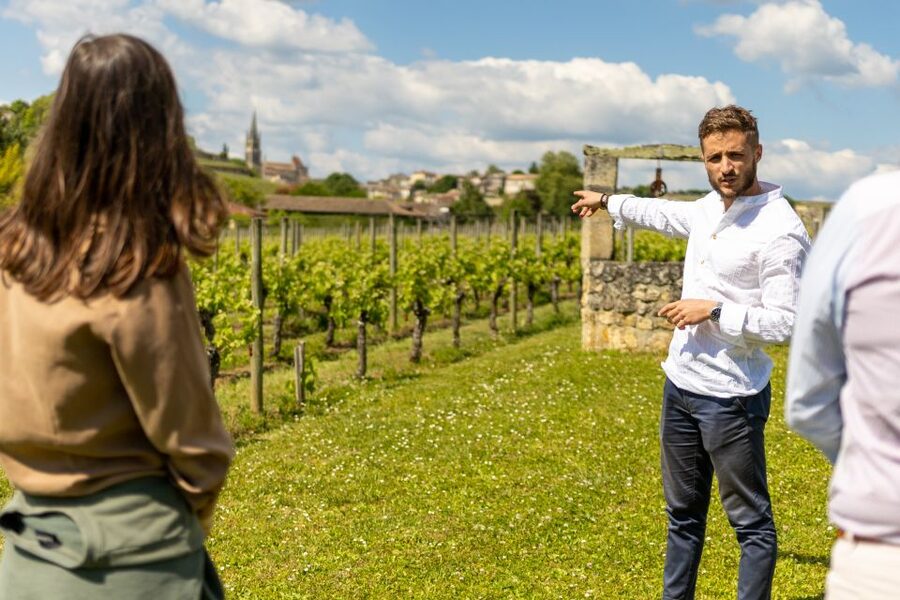
The heart of the experience is a vineyard tour on Côte Pavie. You’re not just looking at vines from a distance. You walk the property and learn what the estate focuses on, including the grape varieties and the working methods that aim for a consistent harvest.
What I like most is how the guide connects the technical to the everyday. You hear about the five-generation history of the château family that’s still working the estate, and that matters because Bordeaux winemaking is slow by design. When you understand that families keep making choices year after year, you taste less randomness in the wine and more intention.
You also learn about soil and site conditions. The tour highlights how the location on Pavie Hill contributes to quality. Even if you’re not a vineyard nerd, you can use this as a way to taste with context: soil and exposure aren’t just academic—they show up as texture, fruit shape, and the way the wine finishes.
In some departures, the guiding style is clearly a big part of the value. Names that come up in past tours include Valentin and Chloe, and the through-line is clear, friendly explanation with time for questions. You’ll likely hear a mix of history, practical viticulture, and what to watch for when the tasting begins.
Inside the cellars: how barrels and aging shape what you taste
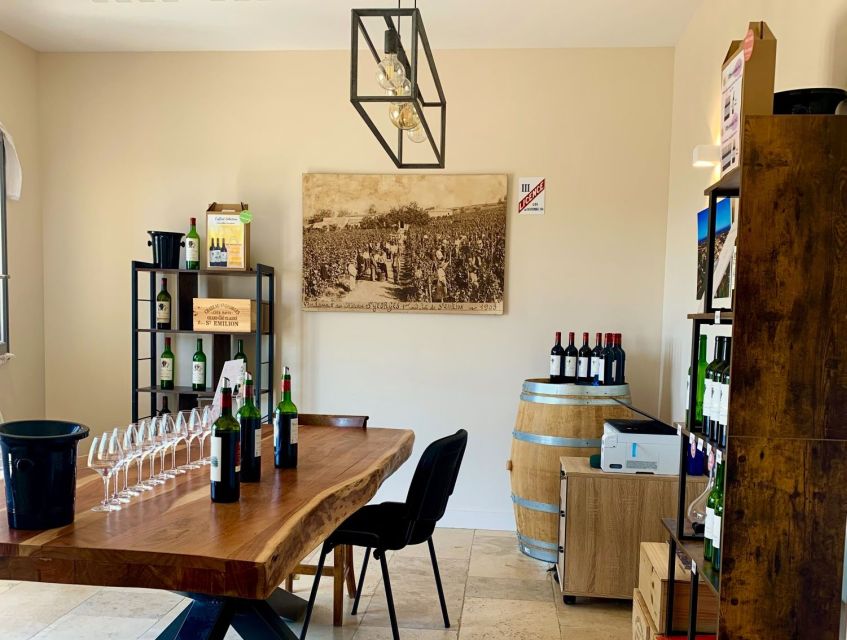
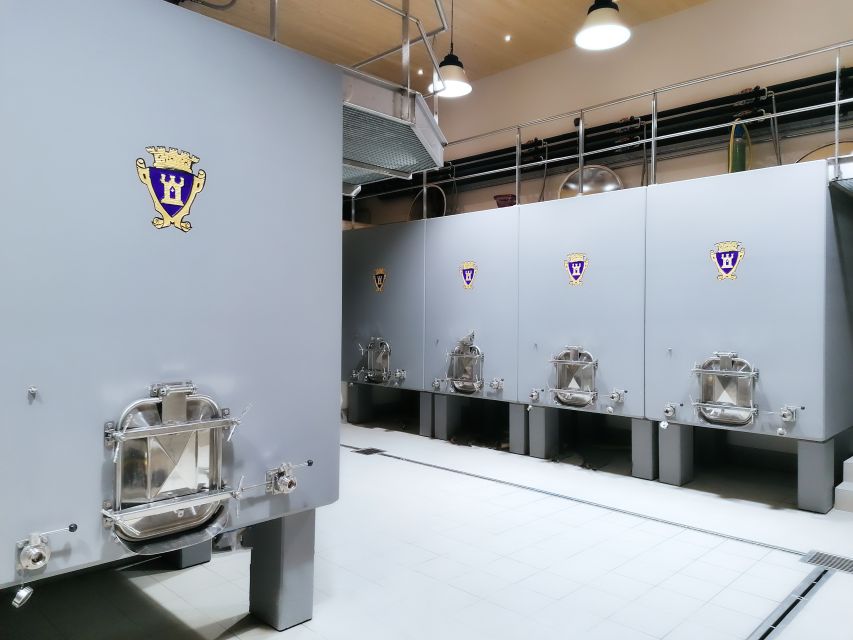
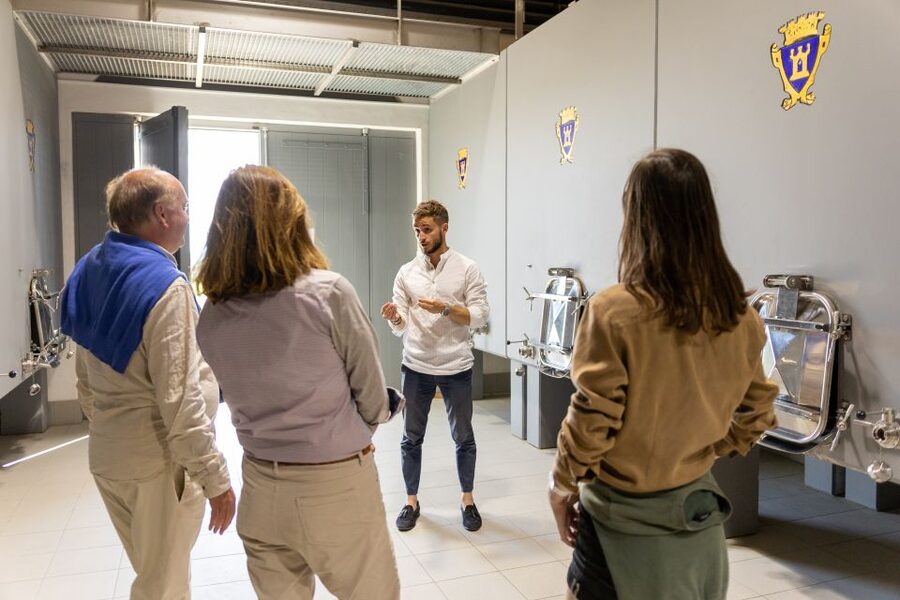
Then comes the part that turns the tour from sightseeing into winemaking literacy: the cellars. You step into the wine storage and learn how the wine is made and how it’s aged in barrels. This is one of the most useful sections because aging is where Bordeaux develops a lot of its signature feel—structure, roundness, and that lingering balance.
This isn’t a lecture that lasts forever. It’s targeted to what you’ll taste at the end. You’ll pick up a sense of timing and transformation: what happens before bottling and how decisions made in the cellar influence the final glass.
If you tend to think of wine as mysterious, this is a great antidote. Even one hour can change how you taste. Instead of only asking whether a wine is good, you’ll have a framework for asking how it got that way—especially with barrel aging as the anchor point.
Also, cellar visits tend to be visually impressive. Past participants mention the wine chambers as a standout moment, which makes sense: you get a real sense of place, not just words floating in the air.
The 3-wine tasting: how to taste like you mean it
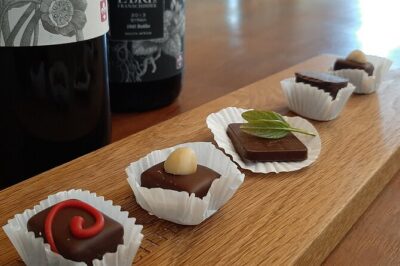
The tour ends with tasting three high-quality wines. They’re described as elegant, and they fall under the Saint-Émilion Grand Cru appellation. For a first Bordeaux tasting, that’s a smart choice. Grand Cru wines give you a concentrated sample of what the region does well.
Here’s how to get more out of those three pours:
- Pay attention to texture, not just fruit. Barrel aging often shows up as how the wine feels on the sides of your tongue.
- Compare the wines as a sequence, not as separate sips. The guide’s structure encourages you to notice differences in style.
- Ask one small question you care about. If you’re unsure where to start, ask what to look for in the finish. It’s a fast way to turn tasting into learning.
One helpful note from the experience style: the tasting is guided, but some people want even more specifics about the mechanics of tasting (like exactly what to do with aroma and palate). So if you’re the type who loves step-by-step tasting technique, you may want to arrive with a readiness to ask for extra direction in the moment.
Even so, the fact that this is only 1 hour is a plus. You’re not forced through a long line of tastings. You’re tasting enough to remember, and you’re learning enough to improve your next bottle choice.
You can also read our reviews of more wine tours in Saint Emilion

How the medieval village ties in (without stealing your time)
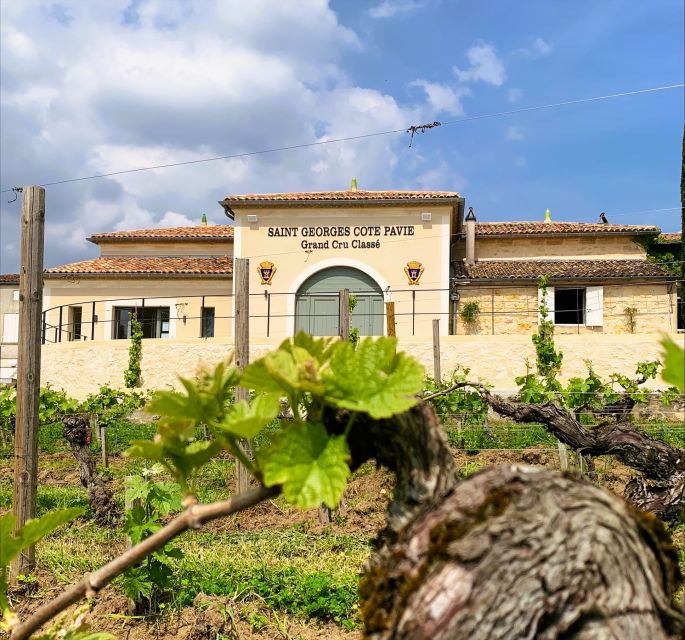
Saint-Émilion itself is one of those places where a stroll feels like part of the wine education. The tour doesn’t require you to give up that charm. Château Saint-Georges is close to the village area, and people often pair the tour with a walk through the medieval streets before or after.
That pairing works for two reasons. First, it keeps your day fluid: you can do the village atmosphere, then switch gears to the working vineyard and cellars. Second, you start noticing contrast: the stone town is history in your face; the vines and barrels are the same history translated into living production.
If you’re planning your day, think in blocks. One block for town wandering, one block for the château visit, and keep the timing relaxed so you’re not rushing between tastings and cobblestones.
Price and value: why $21 is a fair deal for what you get
At about $21 per person for a 1-hour tour, this can be good value—mostly because your money isn’t only buying wine. You’re paying for a guided vineyard walk, a cellar visit, and tasting structure with three wines.
The small group format also matters for value. When you’re not elbow-to-elbow, you actually get the explanation that makes the tasting worthwhile. And since you get three wines in a guided setting, the cost per wine isn’t the only metric. The real value is what you learn about the relationship between vines, barrel aging, and the style of Saint-Émilion Grand Cru.
This is also the kind of tour that prevents regret. If you’re on the fence about doing a château visit because you worry it will be too long, too formal, or too salesy, this short format is often easier to justify.
Who should book this tour, and who should skip it
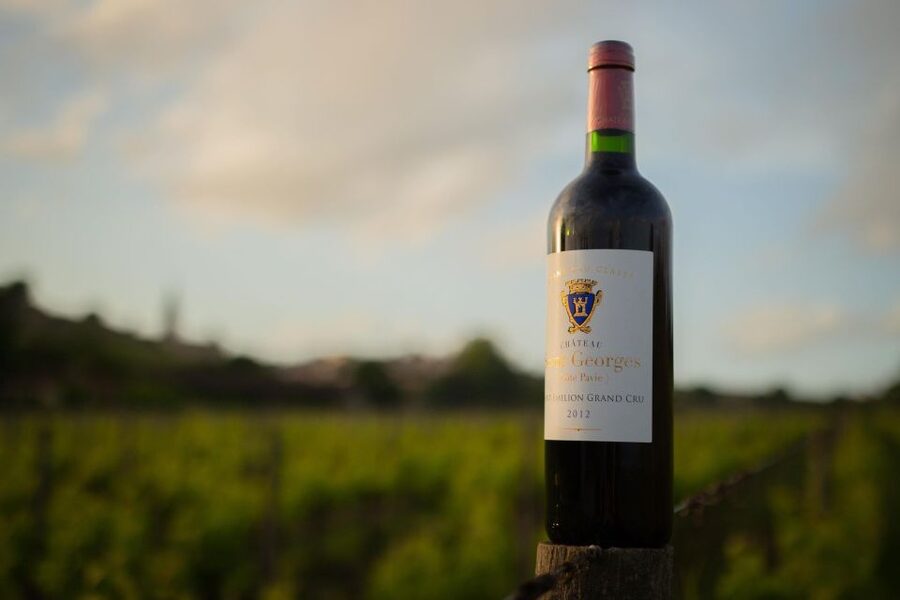
This is a strong pick if you want an efficient, guided Bordeaux vineyard tour and wine tasting with just enough depth to be meaningful. It’s ideal for:
- First-timers to Saint-Émilion or Bordeaux who want clarity fast
- Wine-curious travelers who prefer a short structure rather than an all-day experience
- People who like small groups and Q&A
- Anyone staying near the station or the village who wants a walkable château stop
It’s not the right fit if you need child-friendly activities. This tour is not suitable for children under 18 and it also isn’t appropriate for pregnant women. Also, you must be over 18 to take part in the wine tasting—so plan accordingly.
Finally, if you’re already a serious Bordeaux expert looking for deep technical immersion, you might find the time short. But if your goal is to come away with better tasting instincts, the one-hour pace is a strength, not a limitation.
Tips to maximize the experience in English or French
Two small habits make a big difference on a tour like this:
First, come ready with one or two questions. The guide is set up to answer, and that’s often where the best learning happens. People have praised how guides handle questions and keep explanations clear and engaging.
Second, slow down during tasting. Even though the pouring happens quickly, take a breath before each wine and actually compare. That’s how you build a memory you can use later when you’re shopping for bottles in France or at home.
Language-wise, the tour runs with live guidance in English and French. If you’re bilingual, you can still follow along comfortably. If you’re not, stick to what you can notice: aroma first, palate texture next, finish last. The guide’s prompts help you anchor the process.
Should you book the Saint-Émilion Bordeaux Vineyard Tour with Château Saint-Georges?
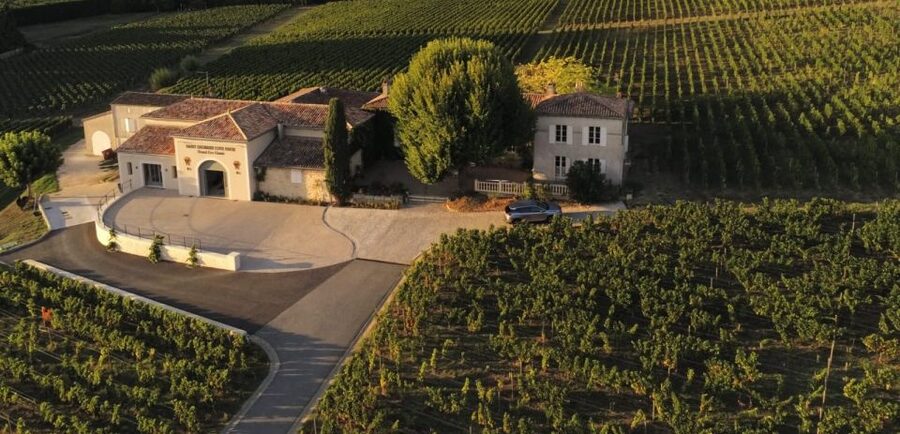
Book it if you want a short, high-return Saint-Émilion experience that connects vineyard reality to cellar aging and then to a guided tasting of three Saint-Émilion Grand Cru wines. At roughly $21 for 1 hour, you’re paying for instruction and access, not just a glass.
Skip it if you’re traveling with kids under 18, you need something that’s specifically child-appropriate, or you’re expecting a long, multi-hour deep-dive tasting program. Also, double-check the exact château name and meeting point so you don’t show up at a similarly named stop by mistake.
If you’re planning a visit to Saint-Émilion and you’d like one easy win—learn something real, taste well, and still have time to enjoy the medieval town—this is the kind of tour that fits.
FAQ
How long is the Château Saint-Georges Côte Pavie tour?
The tour lasts 1 hour.
What is included in the price?
You get a vineyard tour and a tasting of 3 high-quality wines.
How much does it cost?
The price is $21 per person.
Where do I meet for the tour?
The meeting point is Château Saint Georges – Côte Pavie.
What group size is this experience?
It’s a small group limited to 8 participants.
What languages is the tour offered in?
The guide provides the tour in English and French.
Who can participate in the wine tasting?
You must be over 18 to take part in the wine tasting.
Is this tour suitable for children or pregnant women?
No. It is not suitable for children under 18 or for pregnant women.
Is there free cancellation?
Yes. You can cancel up to 24 hours in advance for a full refund.
Can I reserve now and pay later?
Yes. You can reserve your spot and pay nothing today.