REVIEW · SANTIAGO
Valparaiso Port and Viña del Mar with wine tasting in Casablanca
Book on Viator →Operated by Go2Chile Travel · Bookable on Viator
Somewhere between hills and wine, the day clicks. You’ll get hotel pickup, a small-group drive along the coast, a guided walk through Valparaíso’s famous levels, plus a Casablanca Valley wine tasting on the way back. The mix works because it’s structured, but you’ll still do real walking on steep streets—bring layers for coastal fog.
What I like most is how the itinerary strings together three sides of the same region: the wine valley, the seaside city of Viña del Mar, and the port-and-street-art chaos of Valparaíso. I also love that you’re not just looking; you get a chicha tasting on the outbound route and then a guided winery stop later, with your guide calling out what to watch for. The only real catch is pacing: it’s a full day, and if weather turns misty you’ll want sturdy shoes and a warm top.
This is the kind of trip that’s best with a guide who talks as they drive. Guides like Gabriel, Francisco, Francesca, Sebastian, and Alvarado (with drivers such as Angelo) have been praised for keeping the story moving and pointing you toward the best views and practical stops. If you hate long van rides or you want deep time in just one neighborhood, this might feel like too much.
In This Review
- Key highlights to know before you go
- Casablanca Valley Chicha Stop: Local Flavor Before the Ocean
- Viña del Mar First: Moai Del Ahu and Caleta Portales
- The Valparaíso Jump-Off: How the Day Gets Steep (and Why That’s the Point)
- Cerro Concepción and Cerro Alegre: Street Art with Real Street Corners
- Baburizza Palace and the In-Between Passages
- Piano Staircase and El Peral Elevator: The Iconic Moves
- Plaza Sotomayor: Port-Heart Views to Close the Loop
- Lunch Is on Your Own: Plan a Quick Bite That Won’t Derail the Day
- Casablanca Wine Tasting on the Return: Getting Value From the Back-Stop
- Price and Logistics: What $79 Buys You in Real Terms
- Weather and Comfort: The Coast Can Be Cold Even When Santiago Feels Warm
- Who This Tour Suits (and Who Might Want a Different Plan)
- Should You Book This Valparaíso and Viña del Mar Day Trip?
- FAQ
- What’s the duration of this tour?
- What’s included in the price?
- Is lunch included?
- Where is the wine tasting, and when does it happen?
- Do I need to pay for entry fees at stops?
- How many people are in the group?
- What’s the minimum age for drinking on this tour?
- How much walking is involved?
- What if weather is bad?
- Where do I get picked up?
Key highlights to know before you go
- Small group (max 15) means more back-and-forth with your guide and easier photo stops.
- AC vehicle + hotel pickup/drop-off keeps the long day comfortable.
- Chicha tasting in the Casablanca area gives you a local flavor before the coast.
- Valparaíso on hills includes multiple lookouts, iconic stairs, and an elevator ride.
- Casablanca wine tasting happens on the return to Santiago, not at the start.
- Port views and sea-life moments at the fishing cove add a different pace than street art.
Casablanca Valley Chicha Stop: Local Flavor Before the Ocean
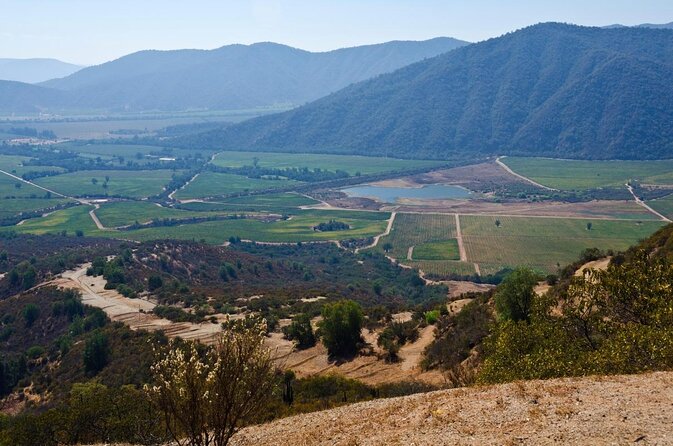
Your day starts with pickup from your hotel or apartment in Santiago. Then you roll out in an air-conditioned vehicle, heading toward the Casablanca Valley while your guide sets the context for what you’ll see later: wine country nearby, but a very different vibe at sea level.
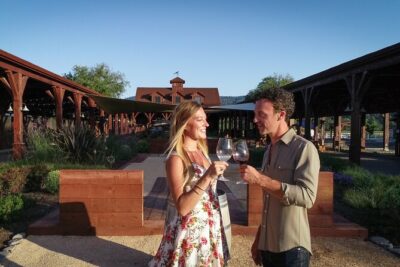
One early stop is an included chicha tasting. It’s a local drink (often fruit or grain-based, depending on the maker), and even if you’re not a “try-everything” person, this is a low-pressure first taste. I like this timing because your taste buds aren’t fatigued by a long day of sightseeing yet.
A practical note: departures are early in the morning and the total day runs about 10 hours. If you’re the type who snacks only when hungry, plan to be ready for a quick rhythm—short stops, then back into the van.
You can also read our reviews of more food & drink experiences in Santiago

Viña del Mar First: Moai Del Ahu and Caleta Portales
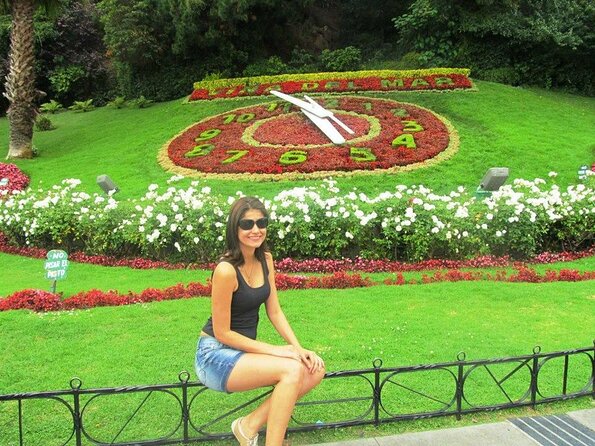
Once you reach Viña del Mar, you get a quick hit of something unusual: the Moai statue called Moai del Ahu at the Fonck Museum area. It’s an Easter Island relic, and the point isn’t just the statue—it’s the connection between the Pacific islands and Chile’s coastal identity. This stop is brief, but it helps your brain switch gears from wine-country roads to ocean-linked culture.
Next comes Caleta Portales, a fishing cove where you can get seafood-market energy and sea-lion sightings. The vibe here is practical and real: local boats, food stalls nearby, and coastal life that feels less like a staged viewpoint and more like a working place you could actually hang around.
What makes this section valuable is the contrast. Viña del Mar can look like a “beach city,” but Caleta Portales pulls you into the day-to-day economy of the coast. And if you’re prone to only chasing art, this is a nice palate cleanser before you climb the hills in Valparaíso.
The Valparaíso Jump-Off: How the Day Gets Steep (and Why That’s the Point)
From Viña del Mar, you drive to Valparaíso, the city famous for street art and color-packed hillsides. The key here is that your guide doesn’t just drop you at one spot. You’ll drive around first for clear views over the city and coast, including the area around the working port.
Then it becomes walking. Stops are spread across several hills—Cerro Concepción, Cerro Alegre, and viewpoints like Paseo Gervasoni and Paseo Atkinson—so you’ll be up and down stairs and along steep paths. The tour specifically notes moderate physical fitness, and that checks out. You don’t need to be an athlete, but you do need comfortable shoes and a pace you can keep for short distances.
If the weather is foggy (common at the coast), the hills can feel colder than you expect. One tip that matters: wear layers even if Santiago is warm that day. I’m not saying it’ll be freezing, but coastal chill plus stairs is a combo that catches people off guard.
Cerro Concepción and Cerro Alegre: Street Art with Real Street Corners
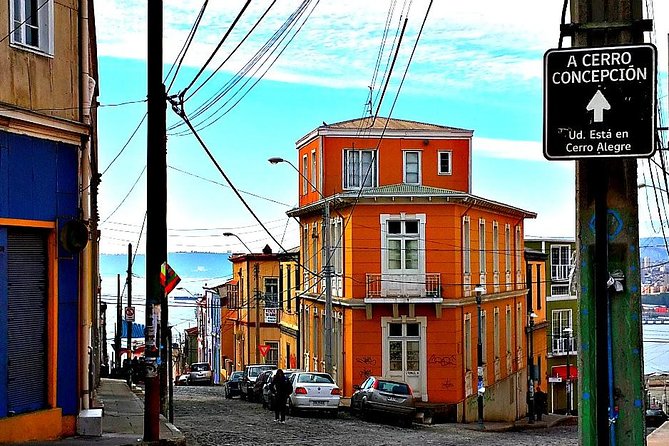
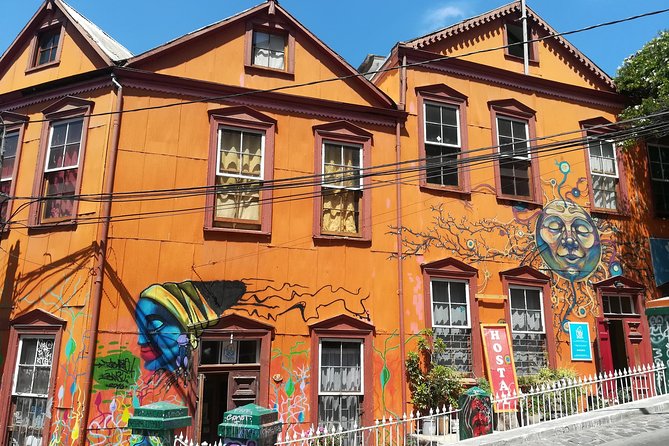
Your Valparaíso time begins on the hills that define the city’s look. Cerro Concepción is where colonial bones meet modern street art: narrow streets, architecture with age, and little cafés tucked into the slope. The stops here are short but strategic—just enough time to see the style and learn the story behind why the art is everywhere.
Then you move to Cerro Alegre, famous for brighter houses, street art, bohemian café culture, and broad port views. This is the section where your photos will start looking like postcards, but it’s also where you’ll want to slow down and pay attention to stairways, murals, and the way the city “stacks” itself vertically.
One drawback to keep in mind: because you’re moving between hills, the stops near shops and photo points can be frequent. If shopping is your plan, you might enjoy it. If you’re hoping for uninterrupted quiet time, just know the itinerary is designed for variety, not deep hanging-out.
Baburizza Palace and the In-Between Passages
Between major lookouts, you’ll hit a mix of culture and what feels like “found Valparaíso.” Palacio Baburizza is a notable mansion that houses the Museum of Fine Arts. Even if you don’t go deep into galleries, it’s a reminder that Valparaíso’s art isn’t only street-level; there’s formal culture too.
Then there are the narrow passages and scenic walks that make the city feel like a maze. Pasaje Gálvez is one of those short, atmospheric corridors—tight, with stairs and alley-like feel. Paseo Gervasoni adds a panorama angle, and you’ll walk near historic churches including a Lutheran site and the Anglican church of Saint Paul.
This is also where your guide earns their keep. If your guide is good with directions and timing, you get the viewpoints before crowds bunch up. And if your guide is good with storytelling, you’ll understand why certain corners became canvas space for murals in the first place.
You can also read our reviews of more wine tours in Santiago

Piano Staircase and El Peral Elevator: The Iconic Moves
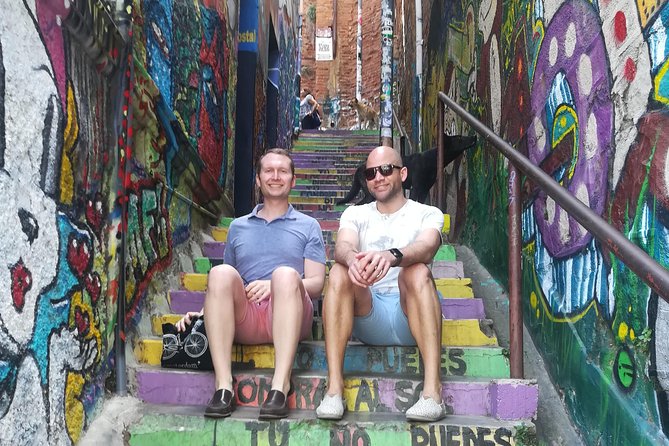
Valparaíso is famous for its stairs, and you’ll see one of the most playful versions: the Piano Staircase. The steps are painted like piano keys, and surrounding it you’ll spot murals and stone details. It’s simple, but it’s the kind of stop that makes the city feel fun without trying too hard.
Next comes the big vertical signature: Ascensor El Peral. This elevator system connects the plain to the hills, and it’s a core part of how Valparaíso functions. The ride itself is short, but it matters because it shows how infrastructure and view-making became part of the urban personality.
If you’re tired from walking, this is a great moment to reset. If you’re energized, it’s a great moment to watch the city slide by at an angle you can’t get from street level.
Plaza Sotomayor: Port-Heart Views to Close the Loop
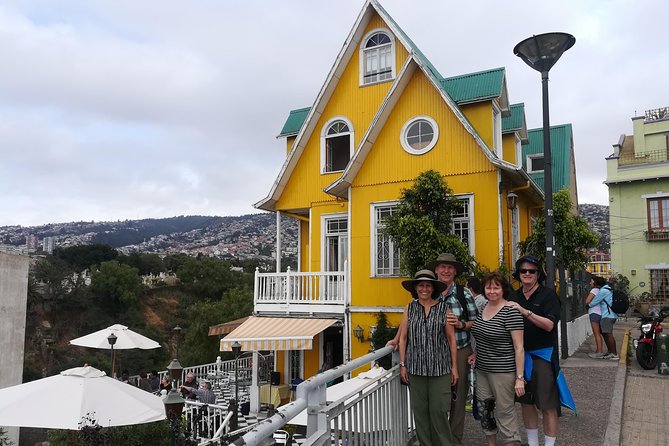
Near the end of your Valparaíso walking and viewpoints, you’ll reach Plaza Sotomayor, the port city’s central meeting point. It’s a strong contrast to the hills: more open space, more port activity, and a clearer view of the maritime side of Chile.
You’ll also see the monument to the Heroes of Iquique, which ties the port atmosphere to national identity and remembrance. The point isn’t to memorize dates. It’s to feel how Valparaíso’s beauty coexists with its practical role as a working harbor.
If you’re into logistics and real-world travel, you’ll likely enjoy watching the port life from the broader viewpoints you’ll catch earlier too—container movement and shipping activity make the city feel current, not just artistic.
Lunch Is on Your Own: Plan a Quick Bite That Won’t Derail the Day
Lunch is not included. You’ll stop at a local restaurant for lunch time at your own expense. The upside is flexibility: you can choose seafood, a lighter meal, or something you already know you’ll like.
The downside is timing. Because the day is packed, you don’t want to gamble on a place that turns out to be slow. I recommend you treat lunch as a practical decision: eat, hydrate, then get ready for one more big shift—back toward Casablanca for the wine tasting.
Casablanca Wine Tasting on the Return: Getting Value From the Back-Stop
The wine tasting happens on the way back to Santiago, after most of the coast-and-hills sightseeing. That’s a smart design for two reasons. First, you’re not rushing to taste while you’re still climbing stairs and trying to stay warm. Second, the drive gives you a natural wind-down after the sensory overload of Valparaíso.
Your tasting is included and guided at a well-regarded vineyard in the Casablanca Valley. In practice, you should expect a short, taught sequence rather than an all-day winery marathon. Some departures have been described as including a tasting of a red and a white, followed by time to purchase if you want to. If you’re a serious wine nerd hoping for a long educational seminar, you might wish for more time in the cellar. But for most visitors, it’s a solid introduction to Chile’s style and production approach.
Here’s how to make the most of the stop:
- Ask your guide what to look for in the glass (they’ll usually connect the tasting to regional ideas).
- If you plan to buy bottles, take notes on what you actually enjoyed—not what you think you should like.
- Eat something before tasting if you can; it helps your palate and keeps the day comfortable.
Price and Logistics: What $79 Buys You in Real Terms
At $79 per person for about 10 hours, you’re paying for more than transportation. You’re buying a structured day that includes:
- Hotel pickup and drop-off
- AC vehicle transport
- A professional guide
- Included chicha tasting
- Included wine tasting
- A walking tour in Valparaíso
- Included admissions for several stops and at least one funicular/elevator ride
That’s the value equation: you don’t have to figure out transit between wine region, two coastal cities, and multi-hill Valparaíso logistics. You also avoid the mental load of designing your own route with limited time in Santiago.
The main reason the rating is so strong is usually the same pattern: good guides run tight days without feeling rushed, and this tour is built for that. Guides such as Gabriel and Francisco have been praised for both context and food recommendations. Even the drivers who handle the route (like Angelo paired with Alvarado in at least one case) help keep the pacing smooth.
Weather and Comfort: The Coast Can Be Cold Even When Santiago Feels Warm
This experience is weather-dependent. If conditions are poor, the tour may be rescheduled or refunded, and that matters because the coast and hills involve outdoor walking.
Even in warmer months, the coast can bring fog and chill. So bring layers you can peel off later: a light jacket for the hills, a warmer layer for the elevator-and-plaza stops, and comfortable walking shoes. If you show up with only summer clothes, you’ll likely feel it more here than you would in central Santiago.
Who This Tour Suits (and Who Might Want a Different Plan)
This works well for you if you:
- Want a big overview day that covers wine, ocean cities, and street art
- Like guided context and short stops that give you direction fast
- Enjoy photo opportunities from hills and viewpoints
You might consider another option if you:
- Want long stays in just one neighborhood
- Hate walking on steep hills, even with short segments
- Are looking for a deep, multi-hour winery experience rather than a guided tasting stop
It also suits couples and solo travelers well because the group size is capped at 15. Small group days tend to feel less chaotic, especially when you’re navigating Valparaíso’s stairs and shortcuts.
Should You Book This Valparaíso and Viña del Mar Day Trip?
I’d book it if your goal is a day that feels like three trips in one: Casablanca for taste, Viña del Mar for a quick cultural and coastal hit, and Valparaíso for the hills, street art, and port atmosphere. The price makes sense because you’re not paying to “see one thing”—you’re paying to connect many key experiences with guided timing.
If you’re flexible with the pace and you’re willing to layer up for coastal chill, you’ll get good value. Just go in knowing it’s a full day with real walking and that lunch is on your own. If that sounds like your kind of trip, this is a smart way to spend a single day away from Santiago’s city rhythms.
FAQ
What’s the duration of this tour?
It runs for about 10 hours.
What’s included in the price?
You get a professional guide, hotel pickup and drop-off, transport in an air-conditioned vehicle, wine tasting at a Casablanca vineyard, chicha tasting, and admissions for multiple Valparaíso and Viña del Mar stops, plus a walking tour and one funicular ride.
Is lunch included?
No. Lunch is at your own expense.
Where is the wine tasting, and when does it happen?
Wine tasting is in the Casablanca Valley, and it takes place on the way back to Santiago.
Do I need to pay for entry fees at stops?
Yes and no—some stops have admissions included in the experience, including places like Cerro Alegre, Casablanca Valley, Moai del Ahu, Caleta Portales, Paseo Gervasoni, Paseo Atkinson, and Ascensor El Peral.
How many people are in the group?
The tour has a maximum of 15 travelers.
What’s the minimum age for drinking on this tour?
The minimum drinking age is 18.
How much walking is involved?
The experience notes a moderate physical fitness level, and it includes walking through hill neighborhoods with stairs and viewpoints.
What if weather is bad?
The tour requires good weather. If canceled due to poor weather, you’ll be offered a different date or a full refund.
Where do I get picked up?
Pickup is from your hotel or apartment in Santiago, and the pickup time is confirmed by email one day before.