REVIEW · SAINT EMILION
Saint-Émilion: Vineyard Walking Tour and Tasting
Book on GetYourGuide →Operated by Château Haute-Nauve · Bookable on GetYourGuide
A vineyard tour with a real winemaker’s hands. At Château Haute-Nauve in Saint-Émilion, Florent or his mother, Marie-Anne, guides you through vines, cellars, and a four-wine tasting that feels personal from start to finish. You also get to see the practical side of the estate—what’s worked, what’s changed, and what goes on behind the bottles.
I love the small group setup (up to 10), because the pace never feels rushed, and questions actually get answered. I also like that you’ll see the process end-to-end, including the technology used for fermentation, pumping, and aging, before you pour the wines.
One consideration: this is a 2-hour, wine-focused walk with no food and no transport included. If you want a full meal stop or a longer day with car-to-car convenience, you’ll need to plan that part yourself.
In This Review
- Key Things I’d Put on Your Short List
- Why Château Haute-Nauve Feels Like a Real Saint-Émilion Estate
- Walking the Saint-Émilion Vineyards with Florent or Marie-Anne
- Inside the Vinification Cellar: Fermentation, Pumping, Pressing
- The Barrel Cellar and Aging Methods You Can Taste
- The Tasting: Four Saint-Émilion Wines, Including Two Grand Cru
- Price, Timing, and How to Fit It Into Your Day in Saint-Émilion
- Who This Tour Suits Best (And Who Might Want Another Option)
- Should You Book the Saint-Émilion Vineyard Walking Tour at Château Haute-Nauve?
- FAQ
- How long is the Saint-Émilion vineyard walking tour and tasting?
- What does the tour include?
- Is food included in the price?
- Where do I meet the guide?
- How far is Château Haute-Nauve from Saint-Émilion village?
- How big is the group?
- What languages are available for the tour?
Key Things I’d Put on Your Short List
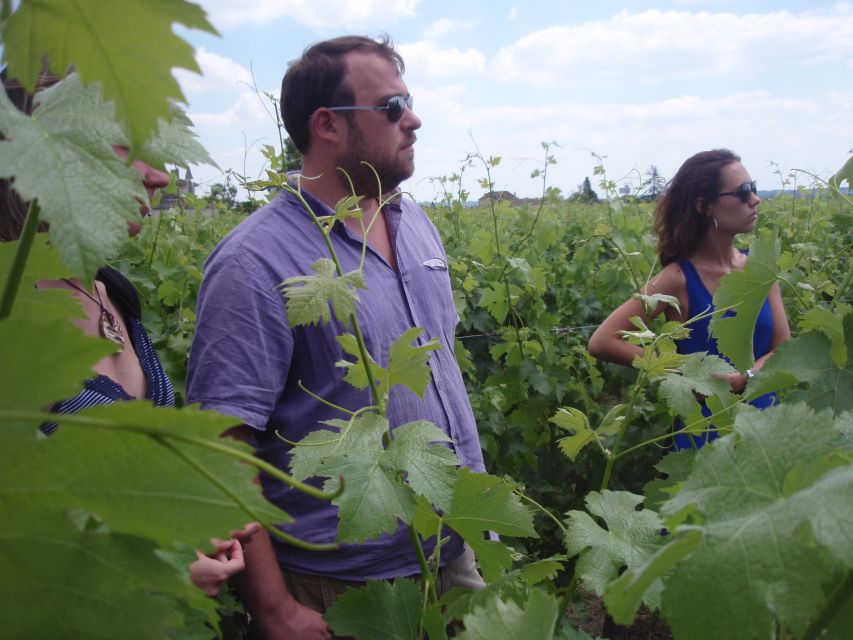
- Owner-led vineyard walks with Florent or Marie-Anne so you get a family perspective, not a scripted slideshow.
- Four wines of the Saint-Émilion appellation tasted at the end, including two Grand Cru selections.
- Hands-on cellar access: fermentation, pumping, pressing, and barrel aging shown in one tight route.
- Real estate details like a wind turbine and a bottle-shaped landmark that are part of the farm’s story.
- Built-in sustainability and risk talk covering challenges such as crop frost and why diversification matters.
Why Château Haute-Nauve Feels Like a Real Saint-Émilion Estate
Saint-Émilion has no shortage of wine tours. But Château Haute-Nauve is different because it’s family-run in the truest sense: you’re walking on land that’s been tended through generations, and the person guiding you is tied to the day-to-day work.
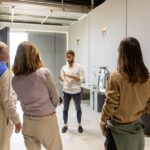
You’ll meet inside the estate, then spend the next couple hours moving from outdoor work to cellar work and ending with tasting. With a small group limited to 10 people, you’re not stuck waiting your turn while someone talks into a microphone. That matters because wine explanations click best when you can actually ask a question and hear the answer.
This tour also has a practical vibe. You’re not just admiring the countryside—you’re learning how the vineyard calendar changes, how fermentation gets managed, and why aging is handled the way it is. And because the tasting is of wines produced on the premises, you can connect what you saw (and what you heard) to what’s in your glass.
At $29 per person for about 2 hours, it’s also priced like something designed to be accessible—not a luxury-only outing. You’ll still want a budget for any bottles you choose to buy at the end, since purchases aren’t included.
You can also read our reviews of more tours and experiences in Saint Emilion.
Walking the Saint-Émilion Vineyards with Florent or Marie-Anne
The tour starts in the estate itself and quickly shifts into the vineyard walk, where you’ll hear about the property’s history—told as a lived story by the family. The guides are either Florent (son) or Marie-Anne (mother), and the shared theme is the same: how a Saint-Émilion appellation is shaped by specific varieties, specific plots, and real agricultural tradeoffs.
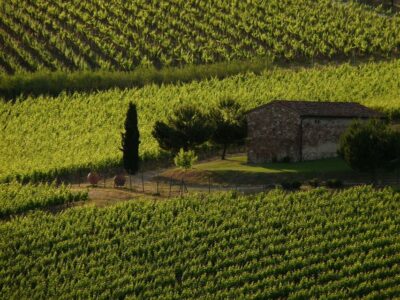
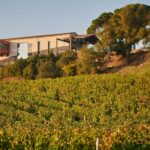
On the walk, you’ll move past different vine plots and learn how vineyard work changes across the year. That’s a key part of the value here. A lot of wine tours skip the “when” and focus only on the “what.” This one helps you understand that the vineyard is managed as a living system, not a one-time event.
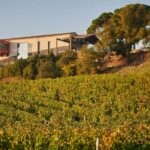
You’ll also spot some estate features that make the place feel current rather than museum-like. Reviews highlight seeing a wind turbine on the property and a bottle display about 6 meters tall. Those aren’t just photo props. They’re part of how the estate positions itself for sustainability and energy needs.
The vineyard portion also covers the hard stuff. You’ll hear about challenges like crop frost and how the château responds. You’ll also learn how the estate thinks about sustainability and diversification—and how new wine varieties fit into that plan. Even if you’re not a farming expert, this section gives you context for why two bottles labeled Saint-Émilion can taste so different: the choices behind them are active, not static.
Practical tip: wear comfortable shoes. You’ll be walking outdoors, on vineyard ground that can be uneven depending on the season and weather. Bring weather-appropriate clothing too, since this part is outside.
Inside the Vinification Cellar: Fermentation, Pumping, Pressing
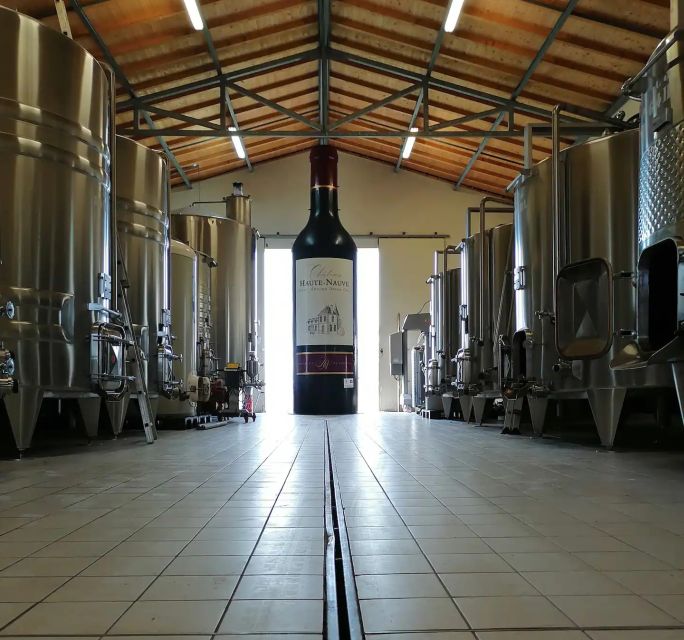
Next you shift indoors to the vinification area, where the tour turns from growing grapes to making wine. This is where the experience stops being only scenic and becomes technical in a friendly way.
You’ll learn the full production journey at a level that’s easy to follow: fermentation, pumping, and pressing. Even if you don’t know a thing about wine science, the explanations are framed around what’s happening to the must (juice) and how winemakers manage that process to shape flavor and structure.
What I like about this stop is that it answers a common question you might have while tasting later: why do these wines feel different? When you see equipment and hear how fermentation is handled, the tasting becomes less about guesswork and more about patterns you can recognize. For example, you’ll start paying more attention to acidity, weight, and texture because you’ve been shown how winemaking choices affect those traits.
This cellar visit also helps you understand why wine can’t be treated as one single step. Fermentation isn’t just a waiting game; it’s managed. Pumping isn’t just plumbing; it’s part of how the wine’s components interact. Pressing affects what goes forward, and it’s part of the chain.
The tour stays focused on essentials, not big-lab jargon. And because your guide is running this estate day-to-day, explanations tend to sound grounded—less theory, more real-world decisions.
The Barrel Cellar and Aging Methods You Can Taste
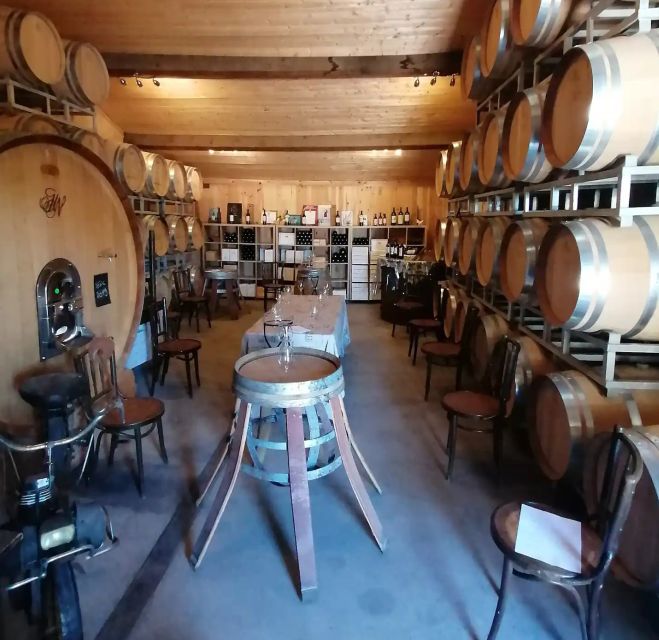
After the vinification portion, you’ll head to the barrel cellar to see how aging works. This step is short but smart, because it bridges the technical part of the tour to the tasting at the end.
Barrel aging is where wine picks up nuance: texture changes, aromas evolve, and the wine’s structure becomes more integrated. The tour shows the methods used for aging, so you’re not just hearing that barrels matter—you’re seeing the aging stage that supports the final profile you’ll taste.
This is also a good moment to slow down your own tasting instincts. Try to think beyond “good or bad.” Ask yourself what you notice that could come from aging: smoother tannins, more layered aroma, a sense of cohesion. Even if you don’t use wine vocabulary perfectly, you’ll start making connections fast.
One nice touch in this tour format: you’re not doing long tastings while walking through every storage room for hours. You’re seeing what matters, then tasting four wines so the “why” becomes concrete in your glass.
The Tasting: Four Saint-Émilion Wines, Including Two Grand Cru
The experience ends with a guided tasting of four wines from the château. Two of those are labeled Grand Cru. That’s a big deal for value because it means you’re not paying for a “one-style-fits-all” set of pours—you’re sampling range within the Saint-Émilion world.
In the tasting, you get guided explanations, then time to compare. I like this setup because it turns tasting into learning you can actually use. Instead of being rushed through sips, you can pause and decide what stands out.
A practical strategy: taste in order, and keep notes in your head. As you go, you’ll likely notice differences in smoothness, body, and how the wines finish. Reviews often point out a range from smoother styles to fuller-bodied ones—so expect not just one “house style,” but several expressions from the estate.
You’ll also have the chance to browse the estate’s collection and buy wine to take home. Purchases aren’t included in the tour price, but the tasting is designed to make buying feel less random. If you find a wine you connect with, you can select bottles from what the château offers, rather than guessing from a menu later.
Bring a little patience for this part: tasting takes a few minutes longer than you think, especially when you ask questions. The good news is the tour pacing is built around that flow—walk outside, learn indoors, taste and talk.
You can also read our reviews of more food & drink experiences in Saint Emilion
Price, Timing, and How to Fit It Into Your Day in Saint-Émilion
At $29 per person for about 2 hours, this is one of those tours that competes well with tastings that cost more but give you less context. You’re paying for a family-led route through vineyard, cellars, and tasting—plus a real chance to connect process to flavor.
Here’s the timing reality: you’re not planning a full-day vineyard marathon. You’re planning a focused, high-information morning or afternoon that pairs nicely with exploring Saint-Émilion’s historic center afterward. Food isn’t included, so build in a meal before or after.
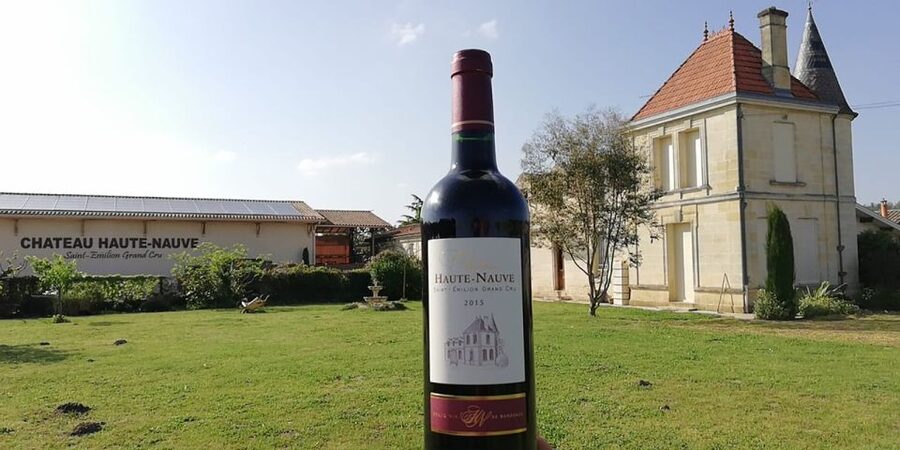
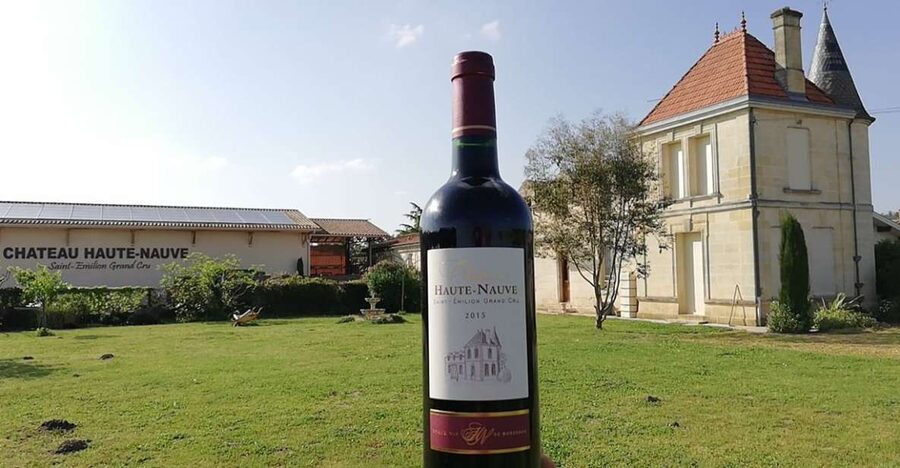
Logistics are simple, but plan transport. The meeting point is inside Château Haute-Nauve. There’s parking near the large building with solar panels, under the château’s purple sign, and the estate is about 3 km from Saint-Émilion village. The guidance recommends arriving by car. If you’re using a rideshare, it may work, but having your own car (or planning for a short ride) makes everything easier.
What to pack is straightforward:
- comfortable shoes for vineyard ground
- weather-appropriate clothing
Group size is kept small, and the tour is offered in French and English, which helps if you want to understand every step without guessing.
One more practical note: the tour is wheelchair accessible. If you have mobility needs, it’s worth checking how the route is managed for your group, but it’s explicitly listed as accessible.
Who This Tour Suits Best (And Who Might Want Another Option)
This tour fits best if you want a Saint-Émilion experience that’s part storytelling, part process, and part tasting—without turning into a long, formal wine lecture.
It’s especially good for:
- couples and small groups who like personal attention
- wine lovers who want to understand vineyard-to-bottle steps
- families, since the pacing is short and the guide style is friendly and interactive (including for children, based on tour experiences)
It may be less ideal if you:
- expect a meal or a full food-and-wine experience
- want transport included from Saint-Émilion village to the estate and back
- want a very large-group party vibe instead of a family-run, hands-on feel
In other words, if you like learning on your feet and then tasting what you learned, you’ll likely have a great time.
Should You Book the Saint-Émilion Vineyard Walking Tour at Château Haute-Nauve?
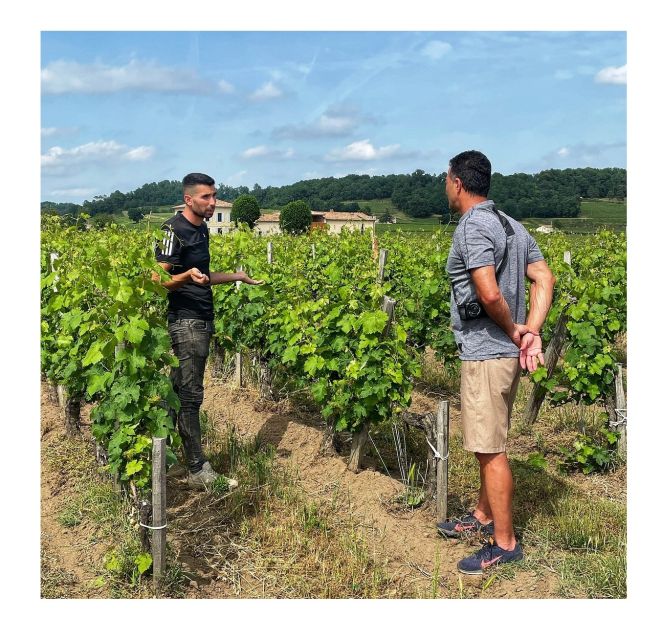
Book it if you want value and clarity. For $29 and 2 hours, you get a vineyard walk with a family owner (Florent or Marie-Anne), a tour through production areas (including fermentation, pumping, pressing, and aging), and a guided tasting of four wines with two Grand Cru pours. That’s a lot of “real estate + real process + real tasting” packed into one visit.
If your top priority is eating well on a vineyard terrace or you’re looking for an all-day transportation-and-meals package, you might choose something else. But if your idea of a perfect wine afternoon is walking the vines, seeing the cellar work, and then tasting with context, this one is hard to beat.
FAQ
How long is the Saint-Émilion vineyard walking tour and tasting?
It lasts 2 hours.
What does the tour include?
You get a guided vineyard walk with the owner, a full visit of the family vineyard and cellar, and a guided tasting of 4 wines from the winery.
Is food included in the price?
No. Food is not included.
Where do I meet the guide?
Meet inside Château Haute-Nauve. There is parking near the large building with solar panels, under the château’s purple sign.
How far is Château Haute-Nauve from Saint-Émilion village?
It’s about 3 km from the village of Saint-Émilion.
How big is the group?
It’s a small group limited to 10 participants.
What languages are available for the tour?
The tour guide offers French and English.